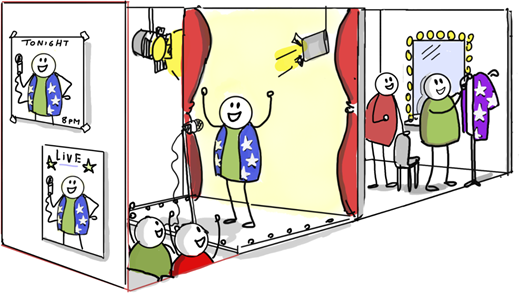
Business incubators play a central role in supporting entrepreneurship, yet scholarly debates often overlook gendered disparities in promoting and supporting start-ups. Despite public commitments to inclusion, women entrepreneurs frequently encounter unequal support. This paper investigates how business incubators enact gender inclusivity by extending Goffman’s (1959) impression management theory, introducing an “onstage” level that captures tensions between external rhetoric and internal practice.
This study involved a single qualitative exploratory case study of a Dutch business incubator. The data consisted of observations, interviews with employees and participants (n = 10; duration = 60 min) and document analysis.
This study found that the incubator struggles to embed gender inclusivity in its daily operations. This reveals significant discrepancies between the projected image of inclusivity and the actual practices. Recognizing the “onstage” level in Goffman’s impression management theory is crucial for understanding these discrepancies and improving organisational practices. Our findings highlight the need for a more thorough integration of inclusive practices and values across all levels of the organisational framework to ensure clarity and consistency in the promotion of gender inclusivity.
This study makes three key contributions to the literature. First, by adding an “onstage” level to Goffman’s impression management theory (1959). Second, it highlights the lack of a comprehensive understanding of gender inclusivity. Third, it shows that discrepancies between stages can cause significant reputational damage to organisations and individuals.
1. Introduction
Incubators are often portrayed as environments that foster entrepreneurial growth and innovation (Reyes and Neergaard, 2023) and are recognised for shaping entrepreneurial trajectories. This portrayal is supported by a growing body of literature highlighting incubators' role as entrepreneurial learning laboratories, where entrepreneurs develop relevant skills and attitudes, test concepts in new contexts, and gain practical experience (Kirby, 2004; Vedel and Gabarret, 2014a, b). Studies increasingly recognise the positive effects of incubators on start-up success (Patton, 2014; Tonoyan and Strohmeyer, 2021). For instance, incubators offer start-ups access to vital infrastructure and resources (Ikebuaku and Dinbabo, 2018; Tonoyan and Strohmeyer, 2021). However, there is an ongoing debate among entrepreneurship scholars regarding the effectiveness of incubators in supporting start-ups and enhancing their rate of success (Patton, 2014; Tonoyan and Strohmeyer, 2021; Vedel and Gabarret, 2014a, b). While the open and collaborative design of the environment is often cited as particularly beneficial for women (Feldman et al., 2016), studies have specifically examined the role of gender-related disparities in relation to the learning benefits incubators offer. These studies suggest that women entrepreneurs may derive fewer advantages compared to their male counterparts (McAdam and Marlow, 2008; Gabarret and D’Andria, 2021). For instance, gender influences the entrepreneurs’ access to critical resources such as business networks, entrepreneurial legitimacy, and funding (Godwin et al., 2006; Feldman et al., 2016). This can be partially explained by questions that have been raised about the meritocracy of entrepreneurship learning environments (Kubberød et al., 2021; Jones and Warhuus, 2018; Jones and Underwood, 2017; Jones, 2015). This disparity highlights concerns about the meritocratic nature of entrepreneurship learning environments (Kubberød et al., 2021; Jones and Warhuus, 2018; Jones and Underwood, 2017; Jones, 2015). In particular, entrepreneurship is predominantly a masculine field (Brush et al., 2019), and incubators perpetuate the “think entrepreneur – think male” gender norms (Jones and Warhuus, 2018).
Although there is a growing body of literature discussing the importance of developing gender-sensitive learning environments (Hentschel et al., 2018), a major theoretical issue that has dominated the field remains the lack of understanding of what gender inclusivity means in the context of effectively supporting women entrepreneurs (Stoker et al., 2024). The absence of gender inclusivity within incubators can lead to the underutilisation of resources by women entrepreneurs and hinder their business growth (Orser et al., 2019). In response, some women entrepreneurs decide to enrol in women-only incubator programmes. However, studies show that this silo route fails to sufficiently close the gender gap in entrepreneurship (Harrison et al., 2020; Berggren, 2020). Because it is still unknown what gender inclusivity entails in practice and most incubators operate within a framework of perceived meritocracy, this study aims to explore how incubators integrate the concept of gender inclusivity to better support women entrepreneurs. To achieve this, we build on Goffman’s (1959) theory of impression management and the corresponding frontstage/backstage analogy, which examines the dissonance between the frontstage presentation of gender inclusivity within incubators and the reality backstage. We introduce an additional “onstage” level where incubator employees interact with incubator participants who have already joined the programme, capturing the nuanced reality where elements of both front- and backstage are present. This “onstage” level involves a more complex interplay of impressions and reveals inconsistencies in how gender inclusivity is enacted. Through a single in-depth case study, we argue that recognising the “onstage” level is essential for comprehensively analysing impression management in organisational settings; furthermore, it serves as a framework for understanding discrepancies that lead to inadequate support for women entrepreneurs (Ahl and Marlow, 2012; Brush et al., 2019). This research aims to deepen the understanding of the gendered dimensions of spaces and places (Welter, 2020) across three streams of literature. First, we advance the literature on gender and entrepreneurship in the context of incubators (Hägg et al., 2023). By exploring how resources are distributed within incubators, we gain insight into how gender dynamics influence access to support networks and funding and identify potential barriers to building social capital for women entrepreneurs. Furthermore, we analyse how the culture and environment within incubators shape perceptions of entrepreneurship and influence which groups feel welcomed and supported, extending our understanding beyond the incubator setting to the broader entrepreneurial ecosystem. Our findings challenge the notion that women are responsible for their disadvantaged position because of a lack of ambition or capacity, highlighting instead the biases and stereotypes within the ecosystem (Ahl, 2006; Brush et al., 2019; Marlow, 2020).
Second, we contribute to research on incubators by exploring their engagement in impression management (Goffman, 2002). Discrepancies between frontstage, onstage, and backstage reveal the extent to which gender inclusivity is genuinely embedded within incubator practices or merely projected. By bridging this gap, our study sheds light on the nuanced dynamics of impression management and identifies potential areas for improvement. Understanding these differences enhances our comprehension of how incubators navigate gender inclusivity and the complexities of entrepreneurial ecosystems.
Finally, our study contributes to the broader debate about gender and entrepreneurship (Brush et al., 2019; Stoker et al., 2024) by exploring the gap between frontstage rhetoric, onstage performance, and backstage practices. We shed light on the complexities of supporting women entrepreneurs and provide a deeper understanding of the barriers they face in accessing resources and support networks. As such, our findings challenge prevailing notions of entrepreneurship as meritocratic, emphasizing the need for proactive measures to address biases and stereotypes. This aligns with the call by Reyes and Neergaard (2023) to shift the focus of interventions from “fixing” women to addressing the systemic issues that perpetuate these challenges. Following their appeal, we emphasise the urgency of reconfiguring institutional frameworks to eliminate structural barriers, ensuring women no longer need to conform to masculinised standards of entrepreneurship to be recognised as legitimate participants.
The remainder of this paper is organised as follows. The next section outlines the theoretical background, focusing on incubators, gender inclusivity, and impression management theory. Then, we present our method and data collection, followed by the results of our case study. The paper concludes with a discussion and implications of our findings for practice and entrepreneurship support policy.
2. Theoretical background
2.1 Incubators
Today, entrepreneurs have access to a variety of organisations and support programmes to help them establish their businesses (Albort-Morant and Oghazi, 2016). Broadly, these can be categorised into three primary but partially overlapping types: co-working spaces, incubators, and accelerators each of which is designed to foster the growth and success of new start-ups, with a shared focus on providing the resources and networks necessary for entrepreneurial development (Bergek and Norrman, 2008; Feldman et al., 2016). Incubators can be defined as organisations that provide support to new businesses during a certain period, either through tangible assets (space and administrative services) or through intangible ones (knowledge and access to networks) (Leitao et al., 2022). Business accelerators evolved from incubators and are therefore similar. They too offer communal and shared workspaces (MacNeil et al., 2022), but a defining feature of accelerator programmes is the structured participation of entrepreneurs in a dedicated learning cohort lasting three to five months, designed to enhance their development (Cohen, 2013). Over the course of the programme, participants are offered tailored learning opportunities, mentorship, initial support for their business, and commonly seed funding, which is generally exchanged for equity in their company (Cohen et al., 2019).
While this distinction seems clear in theory, in practice we notice a frequent interchangeability of these labels, especially as hybrid models emerge to cater to diverse start-up needs. For instance, the focal organisation in our study calls itself an incubator and focuses on early-stage start-ups without requiring an equity share, but they are offering a structured support programme for its cohorts. Therefore, in this study, we use the term “incubator” to refer to all organisations supporting early-stage start-ups, including those offering structured programmes traditionally associated with accelerators.
The primary objective of incubators is to enhance the start-up survival and growth rates by mitigating common risks and challenges, thereby reducing start-up failure rates (Hannon and Chaplin, 2003; Peters et al., 2004; Bergek and Norrman, 2008; Mubarak AL-Mubaraki and Busler, 2014). Kirby (2004) argues incubators also serve as environments where entrepreneurs can learn, develop new skills, and explore business concepts, in a relatively secure setting. By offering tailored support to meet the unique needs of each start-up, incubators address the scarcity of resources typically faced by new ventures, thereby reducing potential failure costs and increasing success rates (Breivik-Meyer et al., 2020; Albort-Morant and Oghazi, 2016; Hausberg and Korreck, 2021).
Incubators function as gendered spaces, where interactions and activities shape power dynamics, with managers and advisors functioning as critical gatekeepers who control access to resources and networks (Treanor, 2022). The actions or lack thereof of these gatekeepers often prioritise “fitting in” over addressing systemic gender challenges (Treanor, 2022). This study builds on these insights by analysing how incubators manage their frontstage presentation of inclusivity and the backstage realities of systemic inequities, focusing on the nuanced onstage interactions where employees engage with incubator participants. Specifically, it examines how support mechanisms can be restructured to challenge the dominance of masculine norms and foster inclusivity through tailored interventions.
2.2 Socialisation and identity formation in incubators
One of the critical but often understated roles of incubators is their influence on entrepreneurial identity formation. Entrepreneurs are socialised in the norms, values, and behaviours that define entrepreneurial success through interactions with mentors, peers, and role models within the incubator (Hackett and Dilts, 2004). This socialisation process not only provides practical business knowledge but also shapes the entrepreneurs' perceptions of what it means to be an entrepreneur (Jarvis, 2012; Starr and Fondas, 1992). In this context, role models become pivotal, given the crucial part they play in the perceptual process that fosters individuals' inspiration and ambition for a professional career trajectory (Lent et al., 2002). According to Shapiro et al. (1978), role models are individuals whose behaviours, personal styles, and specific attributes are emulated by others (p. 52). Within incubators, the presence of seasoned entrepreneurs and success stories serves as powerful role models for new entrepreneurs, offering concrete examples of pathways to success (Jarvis, 2016; Hackett and Dilts, 2004). However, this socialisation process can also propagate certain gender norms and biases. Incubators, intentionally or unintentionally, often perpetuate templates of entrepreneurship that align with masculine traits such as risk-taking, assertiveness, and independence (Bird and Bush, 2002; Ahl, 2006; Marlow and McAdam, 2012). The socialisation process, while critical for entrepreneurial identity formation, also reinforces templates of entrepreneurship aligned with masculine traits. This reflects incubators’ frontstage portrayal of an entrepreneurial ideal, which may marginalise those who do not conform (Marlow and McAdam, 2015). This not only influences who feels welcome in incubators but also affects how resources, mentoring, and networking opportunities are allocated, potentially sidelining or undervaluing the contributions of women entrepreneurs (Ahl, 2006; Brush et al., 2019).
2.3 Gender dynamics and inclusivity in incubators
Gender inclusivity within business incubators is a critical issue that has not been adequately addressed in the literature (Stoker et al., 2024). Achieving gender inclusivity involves not only numerical parity between male and female entrepreneurs but creating an environment that is open to entrepreneurs from diverse social, cultural, ethnic, and gender backgrounds (Brush et al., 2019; McAdam et al., 2019; Neumeyer, 2020). This means an inclusive learning environment that focuses on promoting the capabilities, efforts, and growth of all nascent entrepreneurs (Acemoglu and Verdier, 2012; Berger and Kuckertz, 2016).
Given the absence of a clear and consistent definition of gender inclusivity in the existing entrepreneurship literature, we focus on the definition of inclusive entrepreneurial ecosystems, of which incubators are a part. Underlying most entrepreneurship ecosystem frameworks is the assumption that all entrepreneurs should have equal access to resources, participation, and support, as well as an equal chance of successfully starting a venture within the entrepreneurship ecosystem (Brush et al., 2019; Harrison et al., 2020; McAdam et al., 2019). However, Bakker and McMullen (2023) highlight that many unconventional entrepreneurs face distinct and intersecting challenges that are overlooked when entrepreneurship ecosystems focus solely on broad generalisations of inclusion, necessitating cross-group learning to address shared barriers effectively. Additionally, de Bruin and Swail (2024) emphasise that inclusivity requires a systemic shift through path creation driven by transformative agency, to challenge entrenched inequities and reconfigure entrepreneurial ecosystems. Therefore, an inclusive entrepreneurial ecosystem embraces entrepreneurs from diverse socio-cultural, ethnic, and gender backgrounds, ensures equal opportunities, and actively dismantles systemic inequities while leveraging cross-group learning. Such ecosystems require transformative, multi-actor agency to reconstruct the traditional structures and narratives that perpetuate exclusion (Spigel and Harrison, 2018; McAdam et al., 2019; Bakker and McMullen, 2023; de Bruin and Swail, 2024). Although incubators often claim to provide equal opportunity and support to all entrepreneurs, studies show they often reflect and perpetuate masculine norms and behaviours, thereby functioning as gendered environments (Faulkner, 2001; Reyes and Neergaard, 2023; Marlow and McAdam, 2012). Indeed, entrepreneurship has been associated with traits such as risk-taking, assertiveness, and independence—qualities culturally coded as masculine (Bird and Bush, 2002; Ahl, 2006). These norms influence behaviours and attitudes rewarded within incubator programmes, potentially marginalising those who do not conform, particularly women. This environment can create implicit biases that affect decision-making processes regarding funding, mentorship, and support. For instance, mentors may unconsciously offer different types of advice and support to male and female entrepreneurs, steering them towards different types of ventures or strategies (Marlow and McAdam, 2015). This differential treatment limits opportunities for women to develop and scale their businesses similarly to their male counterparts. This can pose significant challenges for women entrepreneurs, affecting their access to resources, mentoring, and networking opportunities (Kapinga et al., 2018; Amezcua et al., 2019). These gendered environments contribute to the challenges faced by women entrepreneurs (Orser et al., 2019; MacNeil et al., 2022; McAdam and Marlow, 2008).
In response, women-only incubators have emerged to address these gaps. However, while well-intentioned, such programs often create isolated environments, limiting cross-gender learning and access to diverse networks (Harrison et al., 2020; Berggren, 2020). Additionally, they risk perpetuating gendered stereotypes by implying that women require separate support structures (Ahl and Marlow, 2012). Thus, women-only programs address symptoms of exclusion rather than dismantling the structures that create these inequities.
Therefore, we argue that mixed-gender incubators, when designed inclusively, provide a more effective solution. To realise their potential, it is essential for mixed-gender incubators to actively dismantles systemic inequities to reconstruct traditional structures and narratives that perpetuate exclusion (de Bruin and Swail, 2024; Bakker and McMullen, 2023). This involves not only increasing the number of women entrepreneurs in incubators but also creating an environment that supports and values their contributions equally (Brush et al., 2019; McAdam et al., 2019). This also includes avoiding pressure on women to conform to the masculine norms prevalent in either entrepreneurship or within incubator environments (Treanor, 2022).
2.4 Impression management
Impression management refers to the conscious and unconscious processes by which an individual attempts to control and influence the others’ perceptions (Goffman, 2002). It involves behaviour, appearance, and communication to shape a particular impression. It also allows an individual to consciously assume a certain role to create a self-idealising impression in the other person’s mind (Rosenfeld et al., 1994). Goffman (1959) uses a theatrical metaphor of actors onstage to explain impression management theory, illustrating how they strive to convey information to the audience during a performance. In social interactions, people often play roles to influence how they are perceived by others (Cho et al., 2019). The impressions people form of one another affect how they are perceived and judged, reflecting their self-image (Goffman, 1959).
Goffman’s theatre analogy is divided into frontstage and backstage. Frontstage refers to moments when individuals perform for an audience, displaying their official stance (Goffman, 1959). In contrast, backstage is where performers step out of their roles, relax, and prepare or decide which information to present frontstage. This distinction is crucial for maintaining the audience’s perception (Jeacle, 2014). In incubators, frontstage presentations often emphasise inclusivity, portraying an environment of equal opportunity for all entrepreneurs. However, backstage realities often reveal entrenched masculine norms and systemic biases that shape decision-making and resource allocation. Onstage interactions, where employees and participants engage intensively, reveal tensions between these levels, offering a critical lens for understanding systemic inequities. These interactions highlight how the disconnect between inclusivity rhetoric and actual practices can perpetuate exclusionary dynamics.
Traditionally, Goffman’s work has focused on individual behaviour, but several scholars argue that it can be extended to the collective level, given organisations also present themselves in specific ways to their audience (Allen and Caillouet, 1994; White and Hanson, 2002). However, literature applying this concept at the organisational level—particularly in contexts where the audience is brought inside the organisation, such as in the case of start-ups participating in a programme —remains scarce. In such situations, an additional layer of impression management may exist: the “onstage” level, where incubator employees interact with participants who have signed up for the programme. Owing to the intensity of interaction during most incubator programmes, the boundaries between front and backstage can become blurred, leading employees to inadvertently reveal more of their backstage behaviours and attitudes. This “onstage” level plays a significant role in understanding the discrepancies between the traditional stages. In this study, we explore the extent to which this additional stage can be observed and the implications of these discrepancies (see Figure 1).
3. Methodology
3.1 Research context
This research employs a single qualitative case study to explore gender inclusivity within a business incubator. The selected case is that of a Dutch incubator situated in a metropolitan area that includes one of the most international cities in the Netherlands. This incubator explicitly communicates gender inclusivity as a key performance indicator (KPI) of its activities. Established over fifteen years ago, this incubator is part of a global network, with branches dedicated to fostering innovation, inclusion, and sustainability. The Dutch branch of this organisation supports start-ups through educational initiatives focused on business models and entrepreneurial skills, alongside efforts to expand participants' professional networks. To date, the incubator has successfully conducted more than 20 editions of the programme, each attracting an average of 18 participants per cohort, typically featuring one participant per start-up. Notably, the latest edition marked a significant milestone as it featured higher participation of women compared to men, whereas previous editions had an equal number of male and female participants. As such, this incubator is somewhat atypical as previous studies have shown that in general there is an overrepresentation of male participants (Burton et al., 2023; Treanor and Henry, 2010). We expect the high female participation can be both attributed to the fact that the incubator is strongly leaning towards impact entrepreneurship (compared to the strong STEM focus of many others) and its active communication of gender inclusivity.
3.2 Data collection
To gain a comprehensive understanding of gender inclusivity within the incubator, and following the iterative approach of ethnographic and grounded theory methodologies as outlined by Corbin and Strauss (1990), our data collection and analysis processes were closely intertwined. Data were collected through a combination of non-participant observation, semi-structured interviews, and document analysis. Table 1 presents a detailed summary of the data collected during each period.
Various internal documents and communication platforms were collected to gain a better understanding of the formal and informal structures supporting the incubator’s activities. Furthermore, twenty hours of non-participant observations were conducted, providing insights into the daily operations and interactions within the incubator. Semi-structured interviews were conducted with (self-identified) female and male employees and participants in April and June of 2021. Each interview lasted approximately 60 min. Due to COVID-19 restrictions in mid-2021, all but one interview were conducted online, limiting in-person interaction and the ability to capture non-verbal cues and informal discussions. Despite these constraints, the rich qualitative data obtained offered valuable insights into the incubator’s practices and perceptions.
3.3 Analytical process
Throughout the data collection periods, the research team held regular meetings to share insights and learn from the interviews and observations. This iterative approach, which aimed to integrate both “insider” and “outsider” perspectives, is suitable for ethnographic research (Bartunek and Louis, 1996). Data analysis was conducted using qualitative coding methods facilitated by MaxQDA software.
3.3.1 Coding
The coding process was systematic and iterative. Initially, the data were openly coded to identify emerging themes such as women’s entrepreneurship, gender bias, networking, and gender stereotyping. As the analysis progressed, it became evident that a discrepancy existed between what practitioners “say” and what they “do”, indicating a gap between the incubator’s promised inclusivity and the actual experiences of participants.
The first round of coding revealed significant insights, including an incident where a female entrepreneur left the programme because of a mismatch between her values and those of her assigned male coach. This incident highlighted the discrepancies between the incubator’s gender inclusivity claims and the reality experienced by its participants. Recognising this discrepancy led to the incorporation of Goffman’s (1959) impression management theory into our research to explain the observed phenomenon. We then divided the data into three categories based on Goffman’s framework: frontstage, backstage, and a newly identified “onstage” level. The frontstage includes activities and communications visible to external stakeholders, such as the programme booklet and website information. The backstage comprises internal operations and interactions among employees, without the presence of an external audience. The “onstage” level encompasses interactions between incubator employees and the participants during the programme, where elements of both frontstage and backstage behaviours interplay. This is the intersection where external presentation aligns with internal processes within the incubator.
The data were coded according to these stages (Table 2), with specific themes identified within each. For example, frontstage themes included gender definitions and team dynamics, backstage themes encompassed selection processes and role models, and onstage themes involved community interactions and mismatches between expectations and reality. As part of the qualitative data analysis, we employed a storyboard approach as suggested by Rockmann and Vough (2023), integrating Pratt’s (2008) concepts of power and proof quotes (see Table A1 in the appendix). Power quotes are the most compelling data points, those that effectively illustrate the arguments (Pratt, 2008, 2009). A proof quote is a supporting excerpt from the data that provides additional evidence for a theme or finding, helping to substantiate the insights highlighted by power quotes (Pratt, 2008, 2009). In constructing the main themes of our storyboard, we used power and proof quotes to illustrate key themes and findings. By structuring our qualitative findings in this storyboard format, we aim to effectively balance the “showing” of data through carefully selected quotes with the “telling” of our interpretation and analysis (Pratt, 2009; Rockmann and Vough, 2023).
3.4 Transferability
While this study provides in-depth insights into gender inclusivity within a single Dutch incubator, the findings should be approached with an understanding of their contextual nature. The scope of the research, limited to one incubator operating within a specific cultural and socio-economic environment, may not be universally representative of other incubator settings. For instance, this incubator focuses on impact entrepreneurship whereas many others lean more towards (deep) tech. Yet, the set-up of this incubator in terms of its offering of support and programming and commercial revenue model is similar to most other incubators thus contributing to the transferability of the results. Additionally, all interviewed participants were of West European or semi-West European backgrounds, and generally enjoyed higher education, indicating a potential gap in capturing experiences across diverse ethnic and socio-economic groups.
Nevertheless, the qualitative approach offers significant value by revealing detailed, context-specific insights that can inform broader discussions on gender inclusivity in incubators. This study underscores the importance of understanding the multifaceted nature of gender inclusivity and impression management within entrepreneurship support systems. Therefore, our findings are expected to be transferable to similar contexts (Hallberg, 2013; Guba and Lincoln, 1989), thus serving as a foundation for future comparative and quantitative research.
4. Findings
In the subsequent sections, we present our findings categorised by these three stages: frontstage, backstage, and onstage. This structured approach allows us to comprehensively analyse the discrepancies between the incubator’s public commitments to gender inclusivity and the actual experiences of its participants.
4.1 Frontstage
The incubator’s website serves as its digital frontstage, used mainly to attract new participants and engage other stakeholders, showcasing its organisational identity and commitment to gender inclusivity. This commitment aligns prominently with the United Nations' Sustainable Development Goals (SDGs), specifically SDG 5, which aims to achieve gender equality. Gender equality is recognised as a fundamental human right essential for a peaceful, prosperous, and sustainable world (United Nations, n.d.).
Inclusion is frequently mentioned on the incubator’s website and is defined as offering entrepreneurial opportunities to everyone—regardless of age, disability, ethnicity or gender—emphasising the representation of society as a whole (Incubator Case Study, 2021). Both visual and textual cues are employed to underscore this commitment, with images depicting a diverse range of individuals to counter gender stereotypes.
The website emphasises the incubator’s extensive experience, showcasing its support for over four thousand start-ups and featuring success stories from both male and female entrepreneurs. However, these narratives predominantly focus on business achievements rather than personal journeys, thereby omitting the stories and experiences of unsuccessful or dissatisfied participants. This apparent omission makes it difficult to assess the equitable distribution of benefits for all alumni. Alumni are highlighted primarily for their ideas and company performance, often leaving the entrepreneurs themselves unacknowledged. This focus on business outcomes underscores the incubator’s track record but does not provide a comprehensive view of the successes and challenges faced by its participants.
The programme booklet reinforces the incubator’s neutral stance on gender inclusivity, with entry requirements focusing on potential impact and scalability rather than traditionally masculine metrics such as profit or competitive advantage. For example, the selection criteria include:
Is it an impact-driven start-up? Are you tackling one of the Sustainable Development Goals (SDGs), or making an impact in another form?
Additionally, team composition and engagement are considered:
What does the team look like? Do we believe in the founders behind the mission? Will they fit our community and be active participants? (Incubator Case Study, 2021).
The programme overview promises support, including a personal mentor, membership, partner support, networking, feedback sessions, training, and a pitch finale. It provides assurance that participants will conclude the programme with sustained peer-to-peer support, a robust financial plan, a clearer understanding of their competitive advantage, a tested product/service, target audience insights, strategic brand positioning, and a polished professional pitch. The programme mentions mentors, trainers, and consultants proficient in handling inclusivity issues. Despite the inclusive language, the approach to inclusivity remains ambiguous, as the uniformity of services and content for all genders raises questions about the depth of the incubator’s inclusivity efforts. There is a noticeable absence of tailored support for female entrepreneurs, and no specific initiatives are highlighted that address gender-specific challenges in entrepreneurship. Furthermore, there is a lack of articles, blogs, or other texts to increase awareness or share knowledge about existing biases within the field. This absence of more personal stories from the co-founders represents a missed opportunity to utilise role models.
4.2 Backstage
4.2.1 Internal discussions on gender inclusion
Behind the scenes, the selection of participants by programme recruiters is primarily based on the potential of their ideas and the capabilities of the entrepreneurs, rather than their personal characteristics and/or gender. This was confirmed through observations and reiterated by employees during interviews. Accordingly, the cohorts are diverse in terms of gender, age, and ethnicity, which may be influenced by the current edition’s theme of inclusion.
One employee who is responsible for the selection process expressed a focus on the fit between the start-up and the incubator programme, rather than addressing the gender-specific needs of the participating entrepreneurs:
I’ve never really been aware of whether men and women ask for different things, or, for example, ask for more or fewer things than the other” (Interviewee 2, male employee).
A gender-inclusive cohort is about more than achieving gender balance in numbers; simply increasing the number of female participants is not enough to alter the prevailing masculine norms and dominance in entrepreneurship (Hägg et al., 2023).
Among employees, the importance of gender inclusion is acknowledged but not actively addressed. Although discussions about role models and gender biases occur, these conversations have not yet translated into concrete actions. A member of management mentioned that women who raise funding are often questioned about how they are earning the money, while men are asked about what they will do with the money (Interviewee 3, male employee). This revelation prompted them to reconsider their own potential biases:
Whether that happens more often, because last time was Fashion, for example, I can also imagine this attracts more women, for example, in terms of themes. I think, said, we can say more about themes and that relationship. (Interviewee 1, female employee).
Despite these discussions, gender inclusion is not consciously integrated into the programme. Employees have differing definitions of gender inclusion, indicating ongoing internal debates about what it means within the team. A male employee noted:
There are a lot of conversations going on about it, really about what we think the most. (Interviewee 2, male employee).
Another female employee echoed this sentiment, describing the struggle to define inclusion within innovation ventures. This indicates that while the programme’s branding suggests a commitment to gender inclusivity, backstage, the importance is recognised but the practical implementation is still in its early stages.
4.2.2 Programme’s lack of active engagement
The interviews prompted employees to examine the allocation of funding among alumni, leading to an important realisation. None of the interviewed employees were aware of the disproportionately low percentage of women receiving funding, both nationally and within the incubator programme, as they had initially assumed an equal distribution. However, their review of the data revealed a significant disparity, with men securing funding far more frequently than women.
Man, man, man, man, woman, man, also this is also a man, man, ooh, wow anyway really predominantly men. (Interviewee 3, male employee).
This was surprising, considering that these employees led the funding process internally. This oversight could directly affect female participants competing for funding through the programme. In addition, discussions after mentor meetings revealed that mismatches in mentor assignments had a significant impact. Two women participants were dissatisfied with their mentors, and one decided to quit the programme. The employees recognised the seriousness of these mismatches and acknowledged the need to pay more attention to the values of the start-ups and entrepreneurs, particularly regarding gender inclusion. They stated that they had begun to realise that the consideration of personal and business-related needs of the participants is just as essential as evaluation of the idea’s potential.
The findings suggest that while gender inclusion is a topic of conversation among employees, it is not yet a conscious practice within the programme. The selection process is merit-based, focusing on the potential of ideas rather than on the gender of the entrepreneurs. However, implicit biases and varying conceptual understandings of gender inclusion indicate a need for more structured and conscious efforts to integrate gender inclusivity into the programme.
4.3 Onstage
Onstage interactions between employees and participants during the implementation of the incubation programme reveal gaps in gender inclusivity. Participants whose start-ups focused on gender inclusivity were critical of the incubator’s approach. They suggested that there had been some “painful moments” (Interviewee 4, female participant). In fact, there are several opportunities for improvement onstage regarding gender inclusivity.
Participants of all genders felt that the incubator should take a leadership role in gender inclusion and teach others about it. However, the participants confirmed that this was currently missing from the programme:
Yes, if you are aware of those biases – and we are – you can pay extra attention to them during training by actively inviting certain people or simply being more aware internally of how attention can be directed to it in the training. (Interviewee 8, male participant).
Most of the trainers and mentors are men, and apart from a female programme manager and community manager, the programme lacks female role models in the workplace. These mentors are matched with start-ups based on the start-ups’ needs and the mentors’ expertise and knowledge. The programme manager explains: “I do that purely based on the qualities of the mentor and the needs of the start-up.” However, linking mentors to start-ups has encountered several issues, as acknowledged by both employees and participants. For example, Respondent 10, whose start-up focuses on supporting women’s businesses, dropped out of the programme because she was paired with a young mentor whose values regarding gender conflicted with hers. Additionally, she was older and had more extensive experience in entrepreneurship. Being paired with a male mentor who had limited start-up experience, beyond consulting, was unacceptable to her. An argument arose between them, causing the situation to spiral out of control, leading to her decision to leave the programme. In addition, role models are not discussed in the programme or during the observations, or in the slack conversations. Although there are backstage conversations about the need to invite role models, their absence is noticeable. Therefore, while there are backstage strategic discussions on how to implement this, we do not yet observe this onstage. However, an interview with one of the employees does reveal that during some pitch events, women entrepreneurs are also invited.
Additionally, two ladies from Company X … we look at what is appealing and what is attractive, what makes a bold story, for example? (Interviewee 3, male employee)
The programme includes various training sessions for start-ups, covering areas such as PR and sales. Some of these sessions are provided by the incubator itself, while others are external offerings available to participants. Both male and female participants have observed that all of these training sessions are led by men. Responses to this observation vary: while men acknowledge the gender disparity without expressing annoyance, one female participant highlights the lack of inclusivity. She suggests that both male trainers and incubator employees would benefit from inclusivity training, citing several remarks made by participants:
No, I think some women might say that many of the trainers are always male. (Interviewee 5, male participant)
I think the trainers fail tremendously in that regard. (Interviewee 4, female participant)
It is not just the participants who notice this; one of the programme’s employees also addresses it. Additionally, several female participants also indicate that they did not find the programme gender-inclusive when different aspects of the programme were discussed with them. They mention that they did not notice any gender-inclusive aspects.
No, yes, it's called inclusion, but it’s not quite that yet. (Interviewee 6, female participant)
During the programme, the trainer (a white man) does not realise that he offends some women with certain remarks that perpetuate stereotypes regarding women entrepreneurs. During a later observation, the trainer corrects himself when he uses the term “he”, replacing it with “she”, because multiple women are present. “To be gender inclusive, the programme must ensure that its trainers and employees are also gender inclusive.” says interviewee 4, female participant. For example, one respondent suggests ensuring that trainers are trained on this.
The programme’s gender distribution is skewed, with more women than men participating. Employees attribute this to the programme’s theme rather than intentional inclusivity efforts. One employee explained the neutral stance in selection as also advertised frontstage:
I don't necessarily consider gender or identity. I just focus on whether you are an entrepreneur, which, to me, is a neutral criterion. (Interviewee 2, male employee)
Several participants were unaware of the gender challenges women entrepreneurs face, such as funding disparities. This lack of awareness was evident when one female entrepreneur expressed shock at the low proportion of women securing funding:
Wow, that actually shocks me—the low proportion of women raising venture capital/funding. (Interviewee 8, female participant)
Overall, while there are some efforts and discussions surrounding gender inclusivity within the incubator programme, gaps remain both in practice and perception, highlighting the need for a more structured approach to achieve inclusivity for all participants.
4.4 Reflections of employees and participants
Finally, we reflect on the employees’ and participants perspectives of the alignment, or lack thereof, between frontstage, backstage, and onstage depictions and enactments of gender diversity. From the employees’ perspective, despite the programme’s promotion of gender inclusivity frontstage, there is a notable absence of articles, blogs, or other educational resources addressing gender bias in the entrepreneurial ecosystem. The limited representation of personal stories from co-founders is identified as a missed opportunity to utilise role models. Interviewed employees indicate varying levels of awareness and action regarding gender inclusivity. A female employee mentions nascent efforts to introduce role models into the programme:
We just had a meeting, that we have to start appointing role models and uhm, I'm going to sit down with X about that (Interviewee 1, female employee).
However, there is also acknowledgement of a lack of awareness regarding biases among entrepreneurs, as expressed by a male employee:
Yes, the funny thing is because of your research, I am becoming aware of this at all. I had almost never really thought about it except I noticed that more women work in this sector than in sectors where my friends work. Just saying, that's the difference. (Interviewee 3, male employee).
This statement underscores a newfound awareness prompted by external research, suggesting a need for further engagement with gender inclusivity within the incubator’s operations. Employees members generally perceive a congruence between the external portrayal of gender inclusivity and internal practices, citing efforts such as attempts to feature women entrepreneurs in branding activities. However, some employees acknowledge the insufficiency of such branding efforts on their own:
Well, in terms of how we communicate ourselves to the world, so if, if you come to our impact business, we do try to be very inclusive in everything and let everyone reflect on what we do. um, so from our point of view, that drive is there in any case, but I don't really know if there are specific strategies, or if, things behind it yet. At least the branding I'm sure they do talk about it and work on it. (Interviewee 2, male employee).
Despite these efforts, there is a perceived gap between the incubator’s external image and the actual implementation of gender inclusivity measures within its programme’s. This suggests that while the intention to promote inclusivity exists, there remains room for more substantive actions and strategies to support gender diversity effectively.
Reflecting on participants perspectives, their reasons for selecting this incubator vary widely. Positive perceptions of the incubator’s commitment to inclusivity influenced decisions to enrol, particularly among those involved in gender-inclusive start-ups:
I did have the soft spot of, like, you know, they really inspired me. And yeah. So, there was this really positive view towards them. Yes. So that probably made me more likely to consider the incubator. It's also true. (Interviewee 10, female participant).
Participants, both male and female, valued the innovative opportunities and networking potential offered by the programme. However, the absence of explicit gender inclusivity initiatives in programme materials, such as the programme booklet, contributed to limited awareness among some participants of the specific challenges faced by women entrepreneurs:
I don't think we [women] are having a harder time than men in the Netherlands. It’s true that women are paid less, but not within the field of entrepreneurship, I think. (Interviewee 9, female participant).
This perception underscores a potential disconnect between the incubator’s advertised commitment to inclusivity frontstage and the concrete support provided to address gender disparities onstage. The findings collectively suggest opportunities for the incubator to enhance its efforts in fostering gender diversity, both in perception and practice, to better support all participants effectively.
5. Discussion
This study set out to examine how business incubators operationalise gender inclusivity and why discrepancies persist between stated intentions and implemented practices, thereby contributing the literature on gender inclusivity in entrepreneurial ecosystems by refining how impression management theory can be applied to incubators settings. Specifically, we make three theoretical contributions: (1) we extend Goffman’s (1959) frontstage/backstage model by introducing an onstage level; (2) we explain how incubators engage in symbolic compliance under institutional pressures and; (3) we identify organisational ambiguity as a central mechanism that sustains inconsistencies in inclusive practices.
First, we contribute to impression management theory by introducing the concept of the “onstage” — a distinct, semi-public space where incubator employees interact intensively with program participants. While Goffman’s (1959) original model distinguishes between frontstage (externally projected images) and backstage (internal realities), we show that in incubator settings these boundaries often blur. The onstage level captures the space where inclusivity rhetoric is enacted without being fully institutionalised, revealing adaptive performances shaped by audience expectations. This helps explain why incubators may appear inclusive in public-facing materials while their internal practices remain inconsistent (Spigel and Harrison, 2018; Marlow, 2020). Prior work applying Goffman in organisational contexts has similarly described this frontstage/backstage divide (Allen and Caillouet, 1994; Solomon et al., 2013), and White and Hanson (2002) have suggested that organisations manage impressions across multiple layers. However, our findings extend this work by theorising the onstage as a distinct arena where inclusivity narratives are actively negotiated — neither fully scripted nor fully authentic.
Second, our findings highlight how incubators engage in symbolic compliance — adopting inclusivity as a strategic performance in response to institutional and reputational pressures. As funding agencies, corporate sponsors, and public stakeholders increasingly mandate gender equity goals (Brush et al., 2019; Harrison et al., 2020), incubators face incentives to showcase gender-diverse programming and inclusive branding. However, such signals often lack corresponding structural change, resulting in performative inclusion rather than substantive integration (Solomon et al., 2013; de Bruin and Swail, 2024). This misalignment reflects a broader pattern where incubators use impression management to secure legitimacy without disrupting internal norms and practices.
Third, we identify organisational ambiguity as a mechanism that sustains inconsistent performances of gender inclusivity across frontstage, onstage, and backstage spaces. Our findings show that incubator staff often lack a shared or operationalised understanding of what gender inclusivity entails. This leads to superficial efforts — such as the presence of women entrepreneurs — being mistaken for meaningful inclusion. The persistence of such assumptions is underpinned by meritocratic logics, which suggest that equal access naturally produces equal outcomes (Ahl and Marlow, 2012; Marlow and McAdam, 2015). Yet, extensive prior research has shown that women entrepreneurs experience qualitatively different access to funding, mentorship, and networks, resulting in more constrained growth trajectories (Brush et al., 2019; Reyes and Neergaard, 2023).
Moreover, unconscious bias in mentor-participant interactions further exacerbate these disparities. Women founders more likely to receive support focused on operational guidance and soft skills, while men receive advice on strategic growth, scaling, and investment readiness Hägg et al. (2023). These dynamics are likely to reinforce the invisibility of gendered disadvantages within incubator settings, making it difficult for incubators to recognise and address systemic barriers within their programs. Even when discrepancies are acknowledged, change is often slow or superficial due to structural inertia and an institutional focus on scalability over adaptability (Spigel and Harrison, 2018). As long as entrepreneurship support networks remain largely male-dominated, mentor and support networks are likely to reproduce rather than challenge existing power (De Bruin and Swail, 2024). Without proactive initiatives to expand and diversify these networks, incubators are likely to perpetuate gender imbalances under the guise of meritocratic neutrality.
6. Conclusions
This study examined how business incubators perform gender inclusivity and revealed how inconsistencies emerge across different layers of organisational practices. We introduced the concept of the “onstage” as an extension of Goffman’s impression management theory. This space between frontstage rhetoric and backstage realities helps explain how inclusivity commitments are selectively enacted in semi-public settings where incubators navigates institutional expectations and organizational constraints.
Our findings make three key contributions. First, we extend impression management theory by theorizing the onstage as a distinct performance space. Second, we show how incubators engage in symbolic compliance with gender inclusivity under institutional pressure. Third, we identify organizational ambiguity as a mechanism that sustains inconsistent inclusivity practices. Together, these insights offer a more layered understanding of how inclusivity is performed, rather than embedded, in entrepreneurial support environments.
To move from performance to practice, we argue that incubators must embed inclusive values across all levels of their operations. Our findings suggest that this requires addressing structural, cultural, and cognitive barriers through initiatives such as inclusive leadership development, gender equity training, and participatory program design.
Beyond the incubator context, future research could explore how the “onstage” layer operates in other entrepreneurial ecosystems or service organizations, and whether similar patterns of symbolic compliance and ambiguity shape inclusion efforts more broadly. Such research would further enrich both impression management theory and our extend our understanding of the institutional dynamics that influence equity in entrepreneurship.
7. Practical implications
Our insights offer several important insights for practitioners and policymakers aiming to enhance gender inclusion within incubators and the entrepreneurial ecosystem in general. By examining both the stated and actualised practices within an incubator through the lens of Goffman’s (1959) impression management theory, this study highlights gaps and potential strategies for improvement.
First and foremost, incubators must establish a clear, organization-wide definition of gender inclusivity. This definition should inform policy, programme design, mentorship approaches, and internal communication. Regular staff meetings and training can reinforce a shared understanding and allow for iterative refinement based on participant feedback and evolving challenges.
Second, to maintain legitimacy and trust, incubators must ensure consistency between their public messaging and internal operations. For example, mentorship programmes should reflect the diverse needs of women entrepreneurs—not only by including female mentors but by training all mentors in inclusive communication, gender-aware advising, and bias recognition. Publicly stated diversity goals must be matched with measurable internal actions. Furthermore, incubators are advised to develop targeted programmes for women, such as networking events, access to women-focused investors, and flexible work arrangements to accommodate different schedules and responsibilities.
Moreover, incubators should leverage their networks to increase access to resources specifically targeted at women. This may involve forming partnerships with organisations that focus on gender inclusivity and entrepreneurship, thereby expanding the support system available to female entrepreneurs. For instance, incubators can facilitate exclusive networking events or workshops that are designed to empower female entrepreneurs and offer them the tools and connections needed to thrive.
Inclusivity training for incubator employees and mentors is essential for promoting a culture that values diverse perspectives. Such training should address implicit biases and offer guidance on creating environments that encourage equal participation. When embedded into onboarding and ongoing development, such training can shift organisational culture from symbolic to substantive inclusivity.
Finally, to sustain inclusivity, incubators must evaluate their practices continuously. Feedback loops—such as participant surveys and mentorship evaluations—can highlight misalignments between stated values and actual experiences. Inclusivity audits can identify systemic barriers in resource allocation and program access. A public-facing gender dashboard can enhance transparency and stakeholder trust by tracking key indicators like mentor diversity, funding distribution, and program participation by gender (see Table 3).
8. Limitations and directions for future research
As with any study, this research has its limitations. First, the results are based on a single exploratory case study, and the findings should be interpreted in that light. Future studies should include multiple case studies, ideally from different regions or countries. Second, all participants interviewed in our case study were of West European or semi-West European descent. The group’s diversity could have been enhanced further if participants from various migrant backgrounds had been included in the interviews. We recognise that people of other ethnicities or other minority groups may face additional barriers in incubator programmes that we have not accounted for. Future research should explore these additional barriers to provide a more comprehensive understanding of inclusivity in entrepreneurial support environments. By addressing these limitations and expanding the scope of research, we can better understand and promote gender inclusivity within incubators and the broader entrepreneurial ecosystem.
Corrigendum: It has come to the attention of the publisher that the article, Been, C., Stoker, S. and Wakkee, I. (2025), “From perception to practice: integrating gender inclusivity in business incubators”, International Journal of Gender and Entrepreneurship, Vol. ahead-of-print No. ahead-of-print. https://doi.org/10.1108/IJGE-07-2024-0222 was published with an incorrect orientation of figure 1. This has now been corrected.