Sexually transmitted infections (STIs) and blood-borne viruses (BBVs) present a global health challenge as rates continue to rise among incarcerated adults. This paper aims to identify existing interventions used to reduce STIs and BBVs in incarcerated adult populations.
This review followed JBI methodology and considered studies from any adult incarceration facility in any language. Any intervention for reducing STIs and/or BBVs transmission was included. Databases searched included PubMed, CINAHL (EBSCO), Ovid Platform, PsycINFO (EBSCO), Cochrane CENTRAL and Scopus. Two independent reviewers screened titles, abstracts and full texts. The JBI standardized critical appraisal instruments were used to consider methodological quality. Findings are presented in narrative format.
Twenty-two studies were included in the review. Studies were conducted across a wide range of countries. While multiple distinct interventions and programs were used, many of the studies reported reductions in the number of STIs and/or BBVs. Overall, there is some evidence to support the introduction of targeted programs in correctional settings to reduce the number of STIs/BBVs. Further research on this topic using higher quality study designs is needed.
To the best of the authors’ knowledge, this systematic review summarizes and presents the most recent research on any type of quantitative design or intervention to reduce STIs and/or BBVs in incarcerated adults, including studies conducted in all geographical locations.
Introduction
Globally, the prevention and management of sexually transmitted infections (STIs) and blood-borne viruses (BBVs) are important health care issues that need to be addressed urgently. There are over 30 different types of STIs that involve parasites, viruses and/or bacteria. STIs can be transmitted through sexual contact (including oral, vaginal and/or anal routes), through vertical transmission in childbirth, and/or through contact with blood or blood products, with the latter referring to BBVs (Mayo Foundation for Medical Education and Research, 2021). Many STIs and BBVs are asymptomatic, which means that people infected with STIs/BBVs remain untreated and could unknowingly transmit the infection to another person [World Health Organization (WHO), 2022]. This can result in serious health implications and the development of comorbidities such as pelvic inflammatory disease, urethritis and cervicitis as well as onward transmission (Buder et al., 2019; Dietz et al., 2018). Harboring an active STI has also been found to increase the risk of acquiring human immunodeficiency virus (HIV) (Boskey, 2021). Some of the more common STIs, if detected, such as syphilis, chlamydia and gonorrhea can be treated with antibiotics (Liblik et al., 2023). In addition, in recent years, researchers have noted new strains of antibiotic-resistant STIs have resulted in different treatment modalities being required (Buder et al., 2019).
Globally, there are roughly 376 million newly diagnosed incidences of chlamydia, gonorrhea, syphilis and trichomoniasis each year, that is in excess of 1 million STIs diagnosed each day (WHO, 2019). While any sexually active individual is at risk of acquiring an STI, it is known that women and transgender and gender-diverse people are at heightened risk (Sinka, 2024). Furthermore, the WHO identified five key populations requiring public health action to address STIs, HIV and viral hepatitis (WHO, 2023). These key populations include sex workers, men who have sex with men (MSM), trans people, intravenous drug use (IVDU) and other LGBT groups (WHO, 2023).
STI treatment costs place substantial socioeconomic pressure on the global public health sector (Carmona-Gutierrez et al., 2016). In developing countries, ill health due to STIs accounts for 17% of economic losses (Gul et al., 2022). Chen et al. (2023) reported that the worldwide prevalence of syphilis was in excess of 49 million in 2019, which represented a 60% increase since 1990. In addition, Tsuboi et al. (2021) reported in their systematic review that between 2000 and 2020, approximately 7.5% of men who have sex with men had syphilis, raising concern for this population group.
The prevalence of STIs such as HIV, hepatitis C (HCV) and hepatitis B (HBV) are higher in prisons than in the general community (Dolan et al., 2016). This is attributed to greater frequency of high-risk behaviors that are undertaken within the correctional environment such as, unprotected sexual practices, intravenous drug use IVDU, piercing, sharing razors and tattooing in nonsterile conditions without optimal infection control (WHO, 2014; Moazen et al., 2019).
Of the 10.2 million people incarcerated globally in 2014, STIs such as HIV, HCV and chronic HBV represented 3.8%, 15.1% and 4.8%, respectively (Dolan et al., 2016). In addition, there is limited access to health services such as STI testing and treatment within carceral settings (WHO, 2019). The WHO’s STI, HIV and hepatitis strategies (WHO, 2016, 2022) have brought worldwide attention to the importance of providing equitable access to STI and BBV health services for incarcerated populations. These global strategies focus on curable STIs with the aim of a 90% reduction by 2030; however, reducing the number of STIs in incarcerated settings remains an ongoing battle (WHO, 2016; WHO, 2022). The WHO recommends health prevention interventions such as HBV vaccination, condom distribution, harm reduction interventions such as needle and syringe exchange, vertical transmission prevention for HBV, HIV and syphilis, and pre-exposure prophylaxis (PrEP) for HIV and post-exposure prophylaxis (PEP) for STIs and HIV as essential actions for people within custodial settings (WHO, 2023). Given the transient nature of this cohort of people, as the majority will return to living in the general community at some stage (Kinner and Young, 2018; Centers for Disease Control and Prevention, 2021), there is a need for interventions such as screening and surveillance to be implemented at a global level.
Multiple interventions have been explored to minimize the spread of STIs (Lazenby et al., 2023; LaMontagne et al., 2004; Kelly et al., 2020; Delaney et al., 2023). Interventions including screening (LaMontagne et al., 2004) and surveillance (Lazenby et al., 2023) of STIs can make significant contributions to the control of STIs by identifying the prevalence and using this information to monitor the levels of STI burden—thus informing the appropriate level of action required. For example a health promotion intervention investigated by Kelly and colleagues reduced the number of STIs in carceral settings by improving nursing competence which resulted in earlier detection and earlier treatment of STIs (Kelly et al., 2020). Other interventions that have been investigated in the literature include motivational interviewing which was found to minimize the spread of STIs through encouraging a reduction in risky sexual health behaviors (Delaney et al., 2023). The Centers for Disease Control and Prevention (2021) supports the need for interventions such as STI screening and treatment services for persons in correctional facilities. The need for STI screening and treatment interventions in corrections is shared by the WHO whom have identified that screening and treatment of STIs in marginalized populations such as those residing in correctional environments as weak, further recommending health interventions such as diagnosis and treatment as essential (WHO, 2023).
For the purpose of this systematic review, an initial search of MEDLINE, PROSPERO, JBI Evidence Synthesis and the Cochrane Database of Systematic Reviews was performed to identify existing reviews. While we identified previously published systematic reviews that had investigated interventions focused on reducing the transmission of STIs in carceral settings (Kouyoumdjian et al., 2015; Rumble et al., 2015; Spaulding et al., 2022a), there were a number of limitations identified with these review. These limitations included narrow focus on specific interventions (i.e. BBVs only) and were limited to discrete geographical locations or study designs (i.e. randomized control trials). This systematic review focused on summarizing and presenting recent research on this topic providing a contemporary perspective. We included studies conducted in all geographical locations, using any type of quantitative study design or intervention to reduce STIs and/or BBVs in incarcerated adults.
Methods
This review was conducted in accordance with “JBI methodology for systematic reviews of effectiveness” (Tufanaru et al., 2020) and was conducted in accordance with an a priori published protocol (Balmer et al., 2023).
Review question(s)
What interventions are there to reduce STIs and BBVs in incarcerated adult populations?
Inclusion criteria
Participants
This review considered studies that included incarcerated males and females, 17 years and above. This is a deviation from the published protocol which originally stated that male and female incarcerated adults 18 years and older would be included. However, many of the included studies defined adult incarcerated people as 17 years and older. The studies were from any geographical location, in any type of incarceration facility (e.g. jails, prisons, correctional facilities and penitentiaries). Environments such as juvenile detention centers and contexts not focused on incarceration, such as asylum-seeker detention centers, were excluded.
Intervention(s)
This review considered studies that evaluated any intervention for reducing STIs and/or BBVs in incarcerated adult populations. Interventions included programs screening to treat STIs and/or BBVs, STI case management programs, surveillance clinics, new models of care, condom and dental dam provision, pharmaceutical prophylaxis programs (e.g. PrEP), health promotion, and education programs. For the purpose of this review, screening was defined as an organized or systematic screening, facility-wide program or any intervention including testing (Speechley et al., 2017). Surveillance was defined as the collection, analysis and interpretation of information on the health status of a population, in this case incarcerated persons, to provide early warning of disease outbreaks and to monitor disease burden over time (WHO, 2016). There were no limitations on the type, frequency or mode of delivery of interventions investigated in the studies.
Comparator(s)
This review considered studies that compared one intervention to another intervention or no intervention.
Outcomes
The primary outcome for the review was to identify the number of STIs and/or BBVs. Secondary outcomes of interest included cure rates/treatment rates, re-infection rates as well as uptake and adoption of programs. Uptake rates were measured by the number of incarcerated people who participated in programs. Adoption was measured as per the included studies that reported on this outcome and included satisfaction, user experience or number of facilities that implemented an intervention or program.
Types of studies
This review considered experimental and quasi-experimental designs, including pre- and post-studies, randomized controlled trials (RCTs), non-randomized controlled trials (non-RCTs) and interrupted time-series studies. Analytical observational studies, for example, retrospective studies, prospective cohort studies, case control studies and analytical cross-sectional studies were also considered. We considered descriptive observational study designs, including descriptive cross-sectional studies, case series and individual case reports. In addition, unpublished studies and gray literature were also considered.
Search strategy
Published and unpublished studies were located using a three-step search strategy. First, an initial limited search of PubMed using key terms, accessing all fields was undertaken to identify relevant articles. Second, text words from the title and abstract of relevant articles, including the index terms used to describe the articles, were used to formulate a full search strategy. The search strategy, including all identified keywords and index terms, were then modified for each included information source. Finally, the reference lists of all included studies were then screened for additional articles. The search strategy included studies published in any language and Google Translate™ was used for translation. The search was conducted in May 2025 and included studies published from 2016 until 2025. This timeframe was selected to coincide with the release of the WHO global health strategies (WHO, 2016; WHO, 2022), and due to the significant developments in global STI testing in key populations including incarcerated people since this time (Taylor et al., 2022). The databases searched included CINAHL (EBSCO), PubMed, Ovid platform, PsycINFO (EBSCO), Cochrane CENTRAL and Scopus. Sources of unpublished studies and grey literature included ProQuest Dissertations and Theses Global, and Google Advanced (first 10 pages).
Study selection
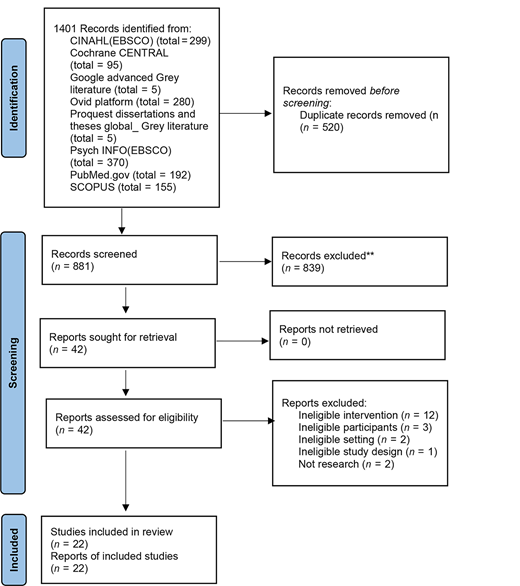
Following the search, all identified citations were uploaded into EndNote X9.3.3 (Clarivate Analytics, PA, USA) (The EndNote Team, 2020) and duplicates were removed. Two independent reviewers (AB, KK) conducted a pilot test to ensure congruency with selection according to the inclusion criteria on titles and abstracts before screening the studies independently. Studies that were considered to have likely relevance were retrieved in full and their citation details were imported into the JBI System for the Unified Management, Assessment and Review of Information (JBI SUMARI) (Munn et al., 2019). The full text of selected citations was assessed in detail against the inclusion criteria by two independent reviewers (AB, KK). Reasons for exclusion of papers and full-text studies that did not meet the inclusion criteria were recorded and reported in this systematic review (Figure 1). Any disagreements that arose at each stage were resolved through discussion with and, or with a third reviewer.
Assessment of methodological quality
All review team members were involved in the critical appraisal process. Eligible studies were critically appraised by two independent reviewers at study and outcome level for methodological quality using the JBI standardized critical appraisal instruments for experimental, quasi-experimental and observational studies. It was not necessary to contact any authors of papers to request missing or additional data. Any disagreements that arose were resolved through discussion, or with a third reviewer.
Data extraction
Data was extracted from the included studies by two independent reviewers (AB, KK) using the JBI standardized data extraction tool (The Joanna Briggs Institute, 2022). Extracted data included information on the study participants, methods, interventions and outcomes of significance to the review objective. Any disagreements that arose between the reviewers were resolved through discussion, or with a third reviewer.
Data synthesis
Our approach to data synthesis was outlined in a priori published protocol (Balmer, et al., 2023). As per our published protocol, we had planned to conduct a meta-analysis; however, due to heterogeneity in populations, interventions and/or outcome measures, studies were unable to be pooled statistically. As meta-analysis was not possible, the findings are synthesized narratively. In addition, certainty of evidence was unable to be ascertained as previously planned due to the lack of heterogeneity among the studies. There were also fewer than 10 studies with a comparison group included in the review; therefore, a funnel plot was not generated aligning with the JBI recommendations (Tufanaru et al., 2020).
Results
Study inclusion
Following the electronic database searches, a total of 1,401 studies were identified. CINAHL (EBSCO) (), Cochrane CENTRAL (), Google advanced grey literature (), Ovid platform (), ProQuest dissertations and theses global-Grey literature (), Psych INFO(EBSCO) (), PubMed.gov () and SCOPUS (). Following the removal of duplicates (), 881 studies were screened for inclusion.
After title and abstract screening, 42 studies (Bah et al., 2024; Bannan et al., 2016; Kebede et al., 2017, Lelièvre et al., 2020, Farhoodi et al., 2024; Farhoudi et al., 2022; Gallagher-Cohoon, 2018; Ojodu and Galadima, 2023; Defante Ferreto et al., 2021; Khajedaluee et al., 2016; Lobo et al., 2019; Mohtasham-Amiri et al., 2021; Bórquez et al., 2017; Gilbert et al., 2021; Gratrix et al., 2019; Seña et al., 2016; Busschots et al., 2021; Chacowry Pala et al., 2018; Connoley et al., 2020; Correa et al., 2017; Dang et al., 2021; Desai, et al., 2023; Dos Santos Bet et al., 2018; Fuge et al., 2022; Halford et al., 2023; Hajarizadeh et al., 2021; Jiménez-Galán et al., 2019; Leite et al., 2022; Mendizabal et al., 2021; Morey et al., 2019; Nelwan et al., 2016; Qureshi et al., 2018; Reekie et al., 2022; Sharafi et al., 2019; Kelly et al., 2022; Lucas et al., 2020; Perrett and Waite, 2019; Puga et al., 2019; Williams et al., 2018; Werling et al., 2022; Winter et al., 2016; Zonta et al., 2024) were retrieved for full-text review. At this stage, we excluded a further 20 studies that did not meet the inclusion criteria: ineligible intervention (); ineligible participants (); ineligible setting (); ineligible study design (); and not research (). Overall, a total of 22 studies (Bah et al., 2024; Bannan et al., 2016; Chacowry Pala et al., 2018; Correa et al., 2017; Dang et al., 2021, Desai, et al., 2023, Dos Santos Bet et al., 2018; Farhoodi et al., 2024; Fuge et al., 2022; Hajarizadeh et al., 2021, Halford et al., 2023, Jiménez-Galán et al., 2019; Leite et al., 2022; Mendizabal et al., 2021; Morey et al., 2019; Nelwan et al., 2016; Qureshi et al., 2018; Reekie et al., 2022; Sharafi et al., 2019; Werling et al., 2022; Winter et al., 2016; Zonta et al., 2024) were deemed eligible for inclusion. Further reasons for exclusion including full-text studies that did not meet the inclusion criteria and reasons for their exclusion are provided in Figure 1.
Methodological quality
Results of appraisal scores are seen in Tables 1–4. Three studies (Fuge et al., 2022; Chacowry Pala et al., 2018; Leite et al., 2022) met all appraisal criteria. There were 12 cross-sectional studies included in the review (Bah et al., 2024; Chacowry Pala et al., 2018; Correa et al., 2017; Farhoodi et al., 2024; Fuge et al., 2022; Jiménez-Galán et al., 2019; Leite et al., 2022; Mendizabal et al., 2021; Morey et al., 2019; Qureshi et al., 2018; Reekie et al., 2022; Winter et al., 2016) (see Table 1). Six (Correa et al., 2017; Jiménez-Galán et al., 2019; Mendizabal et al., 2021; Morey et al., 2019; Qureshi et al., 2018; Winter et al., 2016) of the criteria were met by all studies (Chacowry Pala et al., 2018; Correa et al., 2017; Fuge et al., 2022; Jiménez-Galán et al., 2019; Leite et al., 2022; Mendizabal et al., 2021; Morey et al., 2019; Qureshi et al., 2018; Reekie et al., 2022; Winter et al., 2016). Only 3 (Chacowry Pala et al., 2018; Fuge et al., 2022; Leite et al., 2022) of the 12 (Bah et al., 2024; Chacowry Pala et al., 2018; Correa et al., 2017; Farhoodi et al., 2024; Fuge et al., 2022; Jiménez-Galán et al., 2019; Leite et al., 2022; Mendizabal et al., 2021; Morey et al., 2019; Qureshi et al., 2018; Reekie et al., 2022; Winter et al., 2016) cross-sectional studies discussed confounding factors, including strategies to manage confounding factors. There were three (Werling et al., 2022; Bannan et al., 2016; Zonta, et al., 2024) quasi-experimental studies included in this review (see Table 2). Overall quality was low, in two studies, which only met four of the criteria (Werling et al., 2022; Bannan et al., 2016). Both studies did not adequately describe comparison groups nor the differences between these groups; however, they used appropriate outcome measures and statistical analyses. The study by Zonta et al. (2024) met all but two criteria. The study did not include a control group and did not conduct pre/post measures of the outcomes. One case control study (Nelwan et al., 2016) was included in this review (see Table 3). Exposures and outcomes were measured in a valid and consistent way and the exposure was measured in the same way as the case controls. This study, however, lacked clarity regarding confounding factors, including strategies to manage these resulting in the item being unmet for this criterion.
There were six (Dang et al., 2021; Desai, et al., 2023; Dos Santos Bet et al., 2018; Halford et al., 2023; Hajarizadeh et al., 2021; Sharafi et al., 2019) cohort studies included in this review (see Table 4). From 11 questions, only two were met by all the included cohort studies (Dang et al., 2021; Desai et al., 2023; Dos Santos Bet et al., 2018; Halford et al., 2023; Hajarizadeh et al., 2021; Sharafi et al., 2019. Strengths included the reliable measurement of the intervention, reliable outcome measures and the use of appropriate statistical analysis. However, many of the cohort studies lacked strategies to address incomplete follow-up as well as inconsistencies in the recruitment process, which resulted in a lack of methodological quality.
Characteristics of included studies
The characteristics of included studies are outlined in Table 5. Included studies were published between 2016 and 2025. The studies included participants from 106 prisons (Bah et al., 2024; Bannan et al., 2016; Chacowry Pala et al., 2018; Correa et al., 2017; Dos Santos Bet et al., 2018; Farhoodi et al., 2024; Halford et al., 2023; Hajarizadeh et al., 2021; Mendizabal et al., 2021; Morey et al., 2019; Nelwan et al., 2016; Werling et al., 2022; Sharafi et al., 2019; Winter et al., 2016), seven correctional facilities (Fuge et al., 2022; Reekie et al., 2022, Zonta et al., 2024), two penitentiaries (Jiménez-Galán et al., 2019; Leite et al., 2022) and three jails (Dang et al., 2021; Desai et al., 2023; Qureshi et al., 2018). One study was conducted in Argentina (Mendizabal et al., 2021), three in Australia (Bah et al., 2024; Hajarizadeh et al., 2021; Winter et al., 2016), four in Brazil (Correa et al., 2017; Dos Santos Bet et al., 2018; Leite et al., 2022; Zonta et al., 2024), one in Canada (Reekie et al., 2022,), one in Ethiopia (Fuge et al., 2022), one in Hungary (Werling et al., 2022), one in Indonesia (Nelwan et al., 2016), two in Iran (Farhoodi et al., 2024; Sharafi et al., 2019), one in Ireland (Bannan et al., 2016), one in Spain (Jiménez-Galán et al., 2019), one in Switzerland (Chacowry Pala et al., 2018), two in the UK (Halford et al., 2023; Morey et al., 2019), and three in the USA (Dang et al., 2021; Desai et al., 2023; Qureshi et al., 2018). Six studies (Correa et al., 2017; Dang et al., 2021; Dos Santos Bet et al., 2018; Hajarizadeh et al., 2021; Leite et al., 2022; Qureshi et al., 2018) reported on the ethnicity of participants. Four studies (Correa et al., 2017; Dang et al., 2021; Dos Santos Bet et al., 2018; Qureshi et al., 2018) reported participants from multiple ethnic backgrounds, one study (Leite et al., 2022) coded participants as either “White” or “non-White” and one study (Hajarizadeh et al., 2021) included Indigenous Australian (Aboriginal and Torres Strait Islander peoples) participants. The age range of participants across the studies ranged from 17 years and above with the highest age reported being 64 years. Of the STIs and BBVs discussed in this review, seven of the studies focused on HCV (Halford et al., 2023; Hajarizadeh et al., 2021; Jiménez-Galán et al., 2019; Mendizabal et al., 2021; Morey et al., 2019; Sharafi et al., 2019; Werling et al., 2022), three on HIV (Bannan et al., 2016; Fuge et al., 2022; Nelwan et al., 2016), two on a combination of chlamydia, gonorrhea, syphilis and HIV (Qureshi et al., 2018; Reekie et al., 2022), one on chlamydia, gonorrhea, HIV, syphilis, HBV and HCV (Winter et al., 2016), two on chlamydia and gonorrhea (Dang et al., 2021; Farhoodi et al., 2024), one on syphilis HIV, HCV and HSV-2 (Chacowry Pala et al., 2018), one on HIV, syphilis, HCV, and HBV (Leite et al., 2022), one on syphilis and HIV (Dos Santos Bet et al., 2018), one on syphilis (Correa et al., 2017), one on HCV, HBV and HIV (Bah et al., 2024), one on syphilis, chlamydia, gonorrhea and HIV (Desai et al., 2023) and the final study investigated 11 STI’s (chlamydia, gonorrhea, herpes simplex virus 1 and 2, Hemophilus ducreyi, Mycoplasma genitalium, M. hominis, Treponema pallidum, Trichomonas vaginalis, Ureaplasma parvum and U. urealyticum) as well as HPV (Zonta et al., 2024).
Review findings
Due to the variation in study designs, outcome measures, and intervention characteristics, findings are reported narratively according to the specific outcomes of interest. This review reports on multiple varied interventions for reducing STIs and/or BBVs in correctional environments. Many of the studies utilized some form of pathological testing (such as blood or urine specimens) to determine the presence of STIs and/or BBVs as well as self-reported questionnaires to ascertain risk behaviors. Interventions investigated by the studies included education programs, treatment regimes, telehealth and the introduction of care pathways.
Number of STIs and/or BBVs
Of the studies, 21/22 measured the number of STIs and/or BBVs as an outcome for their intervention. Four study designs were used to report on the number of STIs and/or BBVs. These included 11 cross-sectional (Bah et al., 2024; Chacowry Pala et al., 2018; Correa et al., 2017; Farhoodi et al., 2024; Fuge et al., 2022; Jiménez-Galán et al., 2019; Leite et al., 2022; Mendizabal et al., 2021; Morey et al., 2019; Qureshi et al., 2018; Reekie et al., 2022), six cohort (Dang et al., 2021; Desai et al., 2023; Dos Santos Bet et al., 2018; Halford et al., 2023; Hajarizadeh et al., 2021; Sharafi et al., 2019), three quasi-experimental (Bannan et al., 2016; Werling et al., 2022, Zonta et al., 2024) and one case-control study (Nelwan et al., 2016).
Only two studies (Dang et al., 2021; Hajarizadeh et al., 2021) measured numbers of STIs/BBVs both pre- and post-intervention. One study by Hajarizadeh et al. (2021) used a structured HCV screening and surveillance program where participants were tested for HCV, and negative patients were followed up every 3–6 months to determine if they had developed HCV (primary infection). Previously infected HCV patients were followed up every 3–6 months to identify reinfection, and actively infected HCV patients were assessed for treatment. This study reported a post-intervention decrease in HCV rates from 8.31 to 4.31 per 100 persons – years from pre-intervention to post-treatment scale-up period (incidence rate ratio [IRR] 0·52 [95% CI 0·36–0·78]; ). The study also reported a decrease in primary infection rates of HCV from 6.64 to 2.85 per 100 person-years in the pre- to post-treatment scale up period (IRR 0·43 [95% CI 0·25–0·74]; ().
Dang et al. (2021) investigated pairing opt-out testing for gonorrhea and chlamydia with the current routinely conducted pregnancy tests for women years of age. The authors reported an increase in the number of cases of gonorrhea detected in females, from 25/359 (7%) to 62/1171 (5.3%) positive diagnoses. For chlamydia, cases increased from 42/374 (11.2%) pre-intervention to 129/1177 (11%) post-intervention. However, overall, there was no statistically significant difference in the number of gonorrhea () or chlamydia () positive cases as a result of increased testing. Dang et al.’s (2021) study included a male comparison group to consider time related trends in testing. These participants were tested by request only and found a decrease in the number of tests with gonorrhea 30/522(5.7%), and chlamydia 45/522 (8.6%) to gonorrhea 20/326 (6.1%), and chlamydia 23/326 (7.1%) to pre- to post-intervention, respectively. Paired testing was not implemented for males, so no significant difference in positivity for gonorrhea () or chlamydia () was found.
The 18 remaining studies reported on HIV 11/14 (64.3%), HBV 3/14 (14.3%), HCV 9/14 (50%), HSV 1/14 (7.1%), syphilis 5/14 (28.6%), chlamydia 4/14 (14.3%) and gonorrhea 3/12 (14.3%). Table 6 highlights the number of STIs/BBVs reported in these studies with the majority of studies reporting on HIV, conversely only one study reported on HSV. Overall, these studies found that any interventions that test for STIs/BBVs can be effective in identifying the rate of STIs/BBVs to inform the provision of appropriate treatment (if available), thus reducing and preventing the rate of STI/BBV transmission in incarcerated adults.
Cure rates
The term “cure rates” was not used in any of the studies; this outcome was instead referred to by the authors as the participants having received “treatment” within all the included studies depending on the STI/BBV being investigated. Cure rates/treatment was measured in eleven studies (Bah et al., 2024; Correa et al., 2017; Halford et al., 2023; Mendizabal et al., 2021; Dang et al., 2021; Dos Santos Bet et al., 2018; Hajarizadeh et al., 2021; Jiménez-Galán et al., 2019; Morey et al., 2019; Reekie et al., 2022; Werling et al., 2022). These included six cross-sectional studies (Bah et al., 2024; Correa et al., 2017; Mendizabal et al., 2021; Jiménez-Galán et al., 2019; Morey et al., 2019; Reekie et al., 2022), four cohort studies (Dang et al., 2021; Dos Santos Bet et al., 2018; Halford et al., 2023; Hajarizadeh et al., 2021) and one quasi-experimental study (Werling et al., 2022). One study (Dos Santos Bet et al., 2018) reported that the treatment provided was either therapeutically successful or that they had treatment success. Four studies (Hajarizadeh et al., 2021; Morey et al., 2019; Jiménez-Galán et al., 2019; Werling et al., 2022) reported that treatment was provided, further elaborating that sustained virologic response (SVR) had been achieved, which is indicative of treatment success. Three studies (Mendizabal et al., 2021; Dang et al., 2021; Reekie et al., 2022) made mention of the participants being treated, however neglected to mention treatments success, and one study (Correa et al., 2017), a surveillance program, reported that zero patients received treatment as a result of the study.
Dos Santos Bet et al. (2018) used a screening and surveillance program to consider the incidence and treatment outcomes of syphilis and HIV using a three-stage program involving subjective and objective questioning, serological testing and a medical chart review of treatment outcomes. STIs/BBVs were successfully treated in 38/1614 cases, with 25/95(26%) syphilis positive cases having successful treatment which was verified through a venereal disease research laboratory (VDRL) test. Of the HIV positive cases, 13/25 (52%) were considered to have been therapeutically successful (defined in the study as therapeutically successful when in the second year the patients viral load was ) (Dos Santos Bet et al., 2018).
Hajarizadeh et al. (2021) conducted post-treatment follow-up visits at the conclusion of the program and reported a SVR in 165/340 participants treated for HCV. Of the remaining participants, 67/175 had an end of treatment SVR but did not attend post-treatment follow-up. Treatment failure was reported in two patients, and treatment outcomes were unavailable for 106 patients as they either had no post-treatment follow-up test, or follow-up visits. Jimenes-Galan et al. (2019) conducted a direct acting anti-viral (DAA) treatment regime for HCV positive patients facilitated through telehealth as an alternative to specialist referral. Of the RNA-HCV positive patients in this study, 131/163 patients that received HCV treatment resulted in a SVR being achieved in 97% of patients. Follow-up DAA treatment was given to patients that were not responsive to the first dose, resulting in zero prevalence by the end of the program.
Another study by Werling et al. (2022) used voluntary HCV testing, and a DAA treatment program (for those consenting to treatment) which included hepatology input (monthly hepatologist visits to the jail) where 261/317 (82.3%) had started treatment, 220/317(69.4%) received the full treatment, and 41/317 (12.9%) were still on treatment. The end of treatment timepoint data weeks found a SVR in 212/220 (96.8%). There was no mention of treatment success in four studies (Dang et al., 2021; Mendizabal et al., 2021; Morey et al., 2019; Reekie et al., 2022) that reported on cure rates/treatment. Dang et al. (2021) reported that 131/234 (56%) were treated; however, the researchers made no mention of the treatment success in terms of VDRL testing. Mendizabal et al.’s (2021) study involved a screening program using an Extension for Community Healthcare Outcomes (ECHO) model, which is a telehealth model used for HCV evaluation, improving linkages to HCV care utilizing dried blood spot testing and the provision of medical support to medical staff. This model was described in detail and while the authors discussed SVR, it was not explicitly presented in the results if the 11/13 patients that had undergone treatment had achieved an SVR (Mendizabal et al., 2021).
Morey et al. (2019) utilized a screening and surveillance program across two facilities. The first, a Universal Offering of HCV testing program delivered in HMP Durham during reception to prison to optimize HCV testing rates. The second site was in HMP Northumberland where they utilized telehealth clinics to increase treatment rates for HCV (Morey et al., 2019). This study reported that 11/47 (23%) involved in the pilot at HMP Durham completed antiviral therapy but there was no mention of SVR in this facility. In the same study, the pilot conducted in HMP Northumberland reported treatment success post the telehealth clinics intervention with 29/57 (50.9%) participants that commenced treatment having achieved a SVR (Morey et al., 2019). No mention was made of treatment success in Reekie et al.’s (2022) screening program which involved a universal offering of STI testing during admission for people less than or equal to 35 years. However, the authors did provide treatment completion rates for the universal opt-out STI testing program which were (574, 94%, ). Treatment completion for opt out testing for chlamydia was (92.6%, 251, ), gonorrhea (93.7%, 177,), syphilis (97.3%, 146, ) and HIV (linkage to care only) (0.3%, 5, ).
A total of zero patients received treatment as a result of Correa et al.’s (2017) program which introduced surveillance as an intervention across multiple sites to establish and monitor the prevalence of syphilis. This study reported that of the patients that had active syphilis (3.8%, 104, ), 11.5% of patients were aware of their serological status, but were not receiving treatment. The researchers reported this was likely due to the current lack of syphilis treatment available in Brazil.
The study by Bah et al. (2024) investigated the need for incarcerated person specific interventions that are prison based to aid in the elimination of BBVs such as HCV, HBV and HIV. The authors reported 67.8% (95% CI:61.7–73.4) of participants in their study were cured. The final study by Halford et al. (2023) reported on an HCV-intensive test and treat (HITT) event that targeted incarcerated people that had not been screened at reception. This study reported that treatment was commenced for a total of 79% of positive participants (Halford et al., 2023).
Re-infection rates
Re-infection rates were measured in four studies (Bah et al., 2024; Jiménez-Galán et al., 2019; Hajarizadeh et al., 2021; Dos Santos Bet et al., 2018). Two of these studies (Hajarizadeh et al., 2021; Jiménez-Galán et al., 2019) used similar interventions focusing on HCV DAA treatment programs to monitor reinfection rates. The study by Jimenes-Galan et al. (2019) used a DAA treatment regime facilitated through telehealth as an alternative to specialist referral which reported no cases of reinfection. Whereas the study from Hajarizadeh et al. (2021) investigated re-infection rates by conducting HCV testing clinic follow-up and/or treatment based on patient’s HCV status. The study reported a total of 25 cases of re-infection with a post-intervention decrease in reinfection rates from 12 to 36 per 100 person-years to 7–27 per 100 person-years (0.59 [0.35–1.00];).
Dos Santos Bet et al. (2018) explored re-infection rates through a screening and surveillance program to evaluate the incidence and treatment outcomes of syphilis and HIV among Brazilian incarcerated people. This study only discussed reinfection rates in relation to syphilis, reporting that 5 patients continued to have VDRL with titers , which is an indicator of a failed treatment, serofast state, or reinfection. In the study by Bah and colleagues those participants who reported receiving HCV treatment, 20% still had detectable HCV RNA (due to treatment failure or post-treatment reinfection) and required re-treatment (Bah et al., 2024).
Uptake and adoption of programs/interventions
Uptake
Uptake of an intervention was measured in all 22 studies. Of all 22 studies, Leite et al. (2022),Werling et al. (2022) and Halford et al. (2023) reported the highest levels of uptake. Leite et al. (2022) had an uptake of 6160 for their intervention which utilized rapid HIV, Syphilis, HCV, and HBV testing during reception to the penitentiary. The authors do not explicitly say that this testing was voluntary; however, they did state that they excluded those who did not perform the rapid screening tests for HIV, syphilis and hepatitis B/C when admitted to the penitentiary. This high level of uptake was followed closely by Werling et al. (2022) who had 5,779 incarcerated adults voluntarily take part. Conversely, Jimenes-Galan et al. (2019) had one of the lowest levels of uptake with only 163 participants tested for a DAA treatment program using telehealth as an alternative to specialist referral.
In a study by Winter et al. (2016), increased uptake of STI and BBV testing was noted. Winter et al.’s (2016) nurse-led STI, BBV testing and HBV vaccination program found an uptake of 280, with an increase in BBV testing participation from 21.1% (16.3–25.8) to 62.1% (56.5–67.8) . STI testing also increased with chlamydia testing increasing from 4.6% (2.1–7.0) to 16.8% (12.4–21.2) ; gonorrhea testing from 1.4% (0–2.8) to 5.0% (2.4–7.5) ; and syphilis testing from 2.5% (0.7–4.3) to 5.7% (3.0–8.4). BBV Vaccination also increased from 2.1% (0.4–3.8) to 19% (10.2–25.6). Similarly, Dang et al. (2021) found a post intervention increase in uptake from 125 (12.7%) to 589 (54.4%) incarcerated females being tested monthly, however, there was minimal change in the small number of male participants (174 (4.3%)–136 (3.5%)) pre to post intervention respectively. The remaining 12 studies are shown in Table 5 which represents the uptake numbers reported in each study. These studies showed that any intervention can be effective in identifying uptake rates, used to inform future researchers when designing new implementations on the studies that have been effective in obtaining high levels of uptake to further reduce STIs and/or BBVs in incarcerated populations.
Adoption
Adoption was measured in three studies (Jiménez-Galán et al., 2019; Morey et al., 2019; Werling et al., 2022). This included two analytical cross-sectional studies (Jiménez-Galán et al., 2019; Morey et al., 2019), and one quasi-experimental study (Werling et al., 2022). Jimenes-Galan et al.’s (2019) intervention considered a DAA treatment regime which was facilitated through telehealth as an alternative to specialist referrals. In this program, adoption was measured through a satisfaction survey for both patients and doctors. The authors reported an overall 67% satisfaction rate. Morey et al.’s (2019) intervention was a pilot that was conducted in two facilities and was rolled out across seven facilities in North-East England, demonstrating a high level of adoption. Another study that demonstrated program continuation across multiple facilities post-intervention was the study by Werling et al. (2022). This study used a voluntary HCV testing and treatment program which included DAA treatment and hepatology input (hepatologists visited the jail monthly to provide consultation). Authors reported that this was a successful program that had been running for more than 15 years across Hungary.
Results summary
Of the studies included in this review 21/22 reported on the number of STIs and/or BBVs as an outcome. Whilst multiple distinct interventions and programs were used across the studies, many of the studies reported reductions in the number of STIs and/or BBVs because of the intervention. Cure rates/treatment were measured/reported in nine studies, and four studies reported cure rate/treatment in terms of treatment success through testing results including VDRL, SVR or viral load .
Reinfection rates were reported in 4/17 studies, with a total of 30 cases of reinfection overall. Uptake of the intervention was reported in all 22 studies. Uptake was measured using a variety of methods such as the number participating in universal testing or the number of people selecting to participate in opt-in/opt-out testing. Three studies reported on adoption via participant satisfaction surveys, and via the number of facilities that implemented the intervention/program post completion of the study.
Discussion
Existing systematic reviews on interventions to reduce the transmission of STIs and BBVs in correctional settings (Spaulding et al., 2022a; Rumble et al., 2015; Kouyoumdjian et al., 2015) have focused on specific types of study designs, interventions and/or have included studies from limited geographical settings. In this systematic review, we considered multiple interventions and varied study designs including observational studies as well as all geographical locations. In the systematic review by Kouyoumdjian et al. (2015), only RCTs were included, and the systematic review by Spaulding et al. (2022a) only included literature published within the USA. The review by Rumble et al. (2015) was focused specifically on interventions relating to BBVs only. This review has demonstrated that there is a large body of literature utilizing other types of research designs from multiple geographical locations which can meaningfully add to the existing literature on this topic (Spaulding et al., 2022a; Rumble et al., 2015; Kouyoumdjian et al., 2015).
STIs and BBVs in incarcerated adult settings remains a salient global issue (WHO, 2024). There were 22 studies included in this review which found that multiple varied interventions have been used to test and treat STIs and BBVs in correctional settings, including: adaptions from previously published programs, rapid blood spot testing programs, paired testing programs and care pathways (Bah et al., 2024; Bannan et al., 2016; Chacowry Pala et al., 2018; Correa et al., 2017; Dang et al., 2021; Desai, et al., 2023; Dos Santos Bet et al., 2018; Farhoodi et al., 2024; Fuge et al., 2022; Hajarizadeh et al., 2021; Halford, et al., 2023; Jiménez-Galán et al., 2019; Leite et al., 2022; Mendizabal et al., 2021; Morey et al., 2019; Nelwan et al., 2016; Qureshi et al., 2018; Reekie et al., 2022; Sharafi et al., 2019; Werling et al., 2022; Winter et al., 2016; Zonta, et al., 2024). However, the two main interventions investigated in several studies included STI/BBV testing for new entrants to prison, and DAA treatment programs. A number of studies (Chacowry Pala et al., 2018; Nelwan et al., 2016; Correa et al., 2017; Jiménez-Galán et al., 2019; Leite et al., 2022; Morey et al., 2019; Qureshi et al., 2018; Reekie et al., 2022; Winter et al., 2016; Dang et al., 2021; Hajarizadeh et al., 2021), used interventions involving testing, detection, treatment, and/or prevention strategies that were delivered for new entrants to prison. These studies found that testing of new entrants led to an increase in STI and/or BBV testing rates, increased detection, increased treatment rates and increased surveillance.
Similar findings were reported in a systematic review by Spaulding et al. (2022b) that included 66 studies on the prevalence and management of STIs in correctional settings. Spaulding et al. (2022b) recommended screening and treatment be delivered as early as possible. In addition, the need for testing on entry to prison was highlighted by the Centre for Disease Control and Prevention (CDC) (2021) who recommend that screening for communicable diseases in carceral settings be conducted on entry or shortly after intake in short-term facilities leading to earlier diagnosis and treatment.
Findings from three studies (Leite et al., 2022; Morey et al., 2019; Reekie et al., 2022) within this review support the conclusions relating to when testing should be conducted, which supports previous work by Rumble et al. (2015). In their review investigating routine testing for BBVs in prisons (which included 44 studies), Rumble and colleagues (2015) concluded that testing should be offered as early as possible during incarceration; with latter opportunities for testing for those that lacked capacity to consent at the time of arrival to the prison. According to Appelbaum and Grisso (1988), for a person to have legal capacity to make medical decisions they must demonstrate four skills:
understand the relevant information;
appreciate the situation and its consequences;
manipulate information rationally, which means the person should be able to logically compare benefits and risks to reach a conclusion; and
assess the patients’ psycholegal ability.
With known high-risk behaviors such as, IVDU, that are widely prevalent amongst people that reside in correctional environments (WHO, 2014; Moazen et al., 2019), inmates decision-making capacity especially new entrants to prison poses a significant challenge for medical staff in correctional facilities when gaining consent for testing. However, none of the studies included in the current review investigated and reported on capacity to consent. This review brings to light research gaps for future research relating to capacity to consent to testing on entry to prison.
Three studies (Hajarizadeh et al., 2021; Jiménez-Galán et al., 2019; Werling et al., 2022) used a DAA treatment program to reduce STIs and BBVs in incarcerated adult settings. These studies found that interventions utilizing DAA treatment were effective in reducing rates of HCV in carceral settings. The findings from these three studies are similar to other reports within the literature (Bretaña et al., 2020, Mina et al., 2016). Vroling et al. (2018) examined models of care and barriers to HCV treatment in prison settings and found that HCV treatment in correctional settings through DAA therapies to be feasible due to cost, and its ability to provide improved patient treatment outcomes. In terms of treatment outcomes, such as cure rates, DAA therapies are widely known to be effective in achieving a sustained viral response (European Association for the Study of the Liver, 2018). However, additional studies are necessary to investigate what makes DAA programs so effective, and, how this can be applied to other STIs/BBVs to further reduce STIs and BBVs in this population.
Limitations
The wide variation in study designs, interventions and reporting made it difficult to aggregate studies and synthesize results for this review. There were also variations within the measures used across studies included in the review. Therefore, the evidence on any effectiveness of interventions to reduce STIs and/or BBVs in incarcerated adult populations cannot be reported with certainty. In addition, this review reported on adult incarcerated populations and did not discriminate according to gender and identity. Therefore, future research may benefit from reporting on STI/BBV interventions, intervention types and intervention impact according to both gender and gender diverse groups.
Conclusions
This review has reported on interventions to reduce STIs and/or BBVs in incarcerated adult populations. While many of the included studies reported a reduction in the number of STIs and/or BBVs because of the intervention being investigated, there was wide variation in the types of interventions/programs used to prevent and manage STIs/BBVs in these settings. Consequently, the review has highlighted issues with inconsistent reporting and low-level study designs. In addition, there were multiple diverse interventions with varying outcome measures. Overall, there is some evidence to support the introduction of targeted programs in correctional settings to reduce the number of STIs/BBVs. The review results have highlighted that there is limited high quality research on this topic and synthesizing the current evidence was difficult due to the variability in populations, interventions and outcomes. Many of the interventions were designed to identify STIs/BBVs; however, there is less information about the management/cure of these types of diseases. Although these included studies demonstrated pragmatic approaches to reducing STIs and BBVs in incarcerated adult populations, a primary recommendation for future research is the urgent need for further studies to explore this topic in low socioeconomic countries as only one study was found in Africa (Ethiopia) and 1 from Asia (Indonesia). More high-quality research designs such as randomized controlled trials are also needed.
Acknowledgements
The authors would like to acknowledge Metro North Hospital and Health Service for their continued support.