

The ICE energy board sparked a debate last year on the potential vulnerability of the UK's energy supplies. Robert Davis of EA Technology argues we should be more optimistic about the future of the electricity industry—provided it receives adequate investment.
Well, the lights stayed on and British industry kept working through the winter of 2003–4. The Jeremiahs got it wrong. Despite dire warnings from assorted doom-mongers, the UK electricity industry resolutely refused to collapse as predicted.
Why no disaster? Because the industry is essentially in good shape and, I believe, the reliability of UK electricity networks should continue to be maintained or improved for at least the next 20 years—but only if adequate levels of investment in renewal and improvement are sustained.
In May 2004, Paul Golby of PowerGen said that up to £70 billion would be needed over the next decade to replace ageing power stations and distribution infrastructure. He is right. That may be seen as bad news for electricity users, who will ultimately foot the bill, but it is also good news for those same users whose electricity supplies will be much more secure as a result.
Distribution network intrinsically reliable
Some of the investment is needed to replace and expand power generation capacity, but the UK electricity distribution network (EA Technology's principal area of expertise) also needs sustained and substantial investment over the next few years. However, far from being a ‘disaster waiting to happen’, I believe the transmission and distribution network is intrinsically reliable, well managed and well regulated.
I said last year that forecasts of an imminent collapse of electricity supplies during the winter were wide of the mark – and, at the risk of echoing Michael Fish's ‘no hurricane here’ reassurance, I'm sticking to my guns. The likelihood of UK network failures causing major blackouts on the scale experienced in parts of North America over the last few years is low.
The reason for my optimism is that UK electricity network operators already know what needs to be done to further enhance reliability. Given adequate investment and wise spending, I believe the situation will continue to improve.
Power failures now better understood
Power cuts will continue to occur for a number of reasons, but the risks are increasingly understood and the industry is progressively improving its ability to deal with them. Storm damage is likely to increase, but network operators have learnt the lessons of recent years and are gearing up to predict and repair damage more effectively. Operators can also now predict the likely failure of assets more accurately than ever and schedule preventative maintenance and replacement more efficiently.
Furthermore, issues such as energy storage (both primary fuels and electrical energy) are being reviewed seriously by generators, Ofgem and the Government.
The case for diversity of supply also strengthens and the industry may need to face up to the need for nuclear power sources. This issue was addressed in the White Paper last year.1 It is essential for the Government to establish a long-term strategic framework to encourage long-term investment in the power generation sector. Currently, few can plan beyond 2008. Renewable energy sources are being pursued vigorously and the Government-led 2010 and 2015 targets of 10 and 15% respectively are increasingly plausible.
Skills shortages are also being addressed. At present, UK universities are producing around 50 graduates per year in relevant subjects, against the industry's forecast intake requirement of 200. The shortfall requires urgent action, which is partly being addressed through initiatives such as the Power Academy.
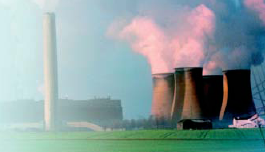
UK electricity industry – in much better shape than some imagine, but it still needs sustained investment and engineering input
UK electricity industry – in much better shape than some imagine, but it still needs sustained investment and engineering input
No cause for complacency – or panic
My message is that there is no room for complacency, but neither is there cause for panic. The electricity supply industry is well managed and many of the key issues are being addressed.
Anyone who watched the BBC programme ‘If … the lights go out’ on 10 March 2004 would have enjoyed a fine disaster movie but it bore little relation to what the industry is doing to mitigate future risks and avoid the doomsday scenario.
We certainly have the technology to keep the lights on in the years ahead. All we need to deliver that promise is sustained investment and the active involvement of UK engineers from every discipline.
Reference
FOR FURTHER INFORMATION CONTACT, Robert Davis, TEL +44 (0)151 339 4181, EMAIL robert.davis@eatechnology.com

