The significance of dialogic and participatory methods for effective learning has been widely recognized. The objective of this paper is to present three distinct pedagogical approaches – collaborative inquiry, the flipped classroom and case-based learning – and to evaluate their respective merits and limitations in teaching strategic communication. The intention is to address the specific needs of students pursuing a minor in communication, as well as those in programs where they may have limited exposure to communication units, as is often the case in business schools.
The paper presents a foundation, application and evaluation of the three pedagogical approaches and their combination.
The paper proposes recommendations for the implementation of three pedagogical approaches in the context of strategic communication and offers an evaluation of the benefits and challenges these approaches present for instructors and learners. The paper argues that pedagogical leadership is necessary to enhance the effectiveness of new pedagogical teaching modes.
The paper offers practical advice for instructors interested in using collaborative inquiry, flipped classroom or case-based teaching methods in strategic communication courses.
The paper presents pedagogical approaches that are applicable to the enhancement of students’ motivation, engagement and learning in strategic communication, organizational communication, or public relations study units.
Communication competence is increasingly recognized as a strategic asset within contemporary organizations, shaping not only individual performance but also collective effectiveness and stakeholder relationships. Research led by Morreale and Pearson (2008) and Morreale et al. (2016, 2023) demonstrates that strong communication capabilities enhance employee development and improve organizational processes. Yet, despite this extensive evidence base, there remains a pressing need for scholarship that clarifies how communication education and training can best cultivate these competencies across diverse professional and organizational contexts. As workplaces confront new technological, relational, and structural demands, communication professionals and educators alike require pedagogical and developmental approaches that support meaningful learning and translate into improved communication practice. Addressing this gap is essential for advancing both communication management scholarship and the development of communication-competent professionals who can navigate complex organizational environments.
A growing body of educational research highlights the superiority of dialogic and participatory methods over traditional lecture-based instruction. For example, Chen et al. (2018) found that peer collaboration through discussion, explanation, reflection, and feedback significantly improved knowledge gain, skill acquisition, and student perception. Similarly, reflective exercises have been shown to cultivate critical thinking and self-awareness, thereby enhancing both teaching and learning outcomes (Nicolaescu, 2024). These findings emphasize the necessity of designing communication education that targets the specific knowledge and skills students must master to succeed in their professional careers. Utilizing these perspectives, the present paper integrates three insights regarding competencies: 21st-century skills, innovation competencies, and future work skills, to propose a model for teaching strategic communication. The subsequent section introduces three pedagogical approaches: collaborative inquiry, flipped classroom, and case-based learning. These approaches have been shown to equip students with the competencies required for success in dynamic professional environments.
A widely adopted framework for education with a focus on future trends is the concept of 21st-century skills, which emphasizes collaboration, communication, ICT literacy, social and cultural competencies, creative and critical thinking, and problem-solving (Voogt and Roblin, 2012). From a pragmatic business standpoint, Padurean (2021) identifies ten pivotal competencies for the future of work, encompassing emotional maturity, validation, active listening, followership, managing up, humility, adaptability, cultural and ethical literacy, strategic and critical thinking, and cognitive readiness. These skills enable individuals to navigate complex, dynamic environments while fostering collaboration and innovation. In parallel, Rogers’ (2003) innovation development process identifies six key competencies that individuals need to effectively navigate the stages of innovation: problem recognition and opportunity identification, knowledge acquisition and research skills, creative thinking and idea generation, evaluation and decision-making, implementation and adaptation skills, and communication and diffusion competence.
Integrating these perspectives provides a robust foundation for strategic communication education. To connect these perspectives with strategic communication pedagogy, Table 1 synthesizes 21st-century skills (Voogt and Roblin, 2012), innovation competencies (Rogers, 2003), and essential future skills (Padurean, 2021). It also outlines their implications for course content and teaching methods.
As Table 1 illustrates, integrating these competencies provides a comprehensive foundation for designing strategic communication courses. Building on this synthesis, the paper now turns to three pedagogical approaches: collaborative inquiry, flipped classroom, and case-based learning that operationalize these skills in practice. Collaborative inquiry offers a comprehensive framework for inquiry-based pedagogy, while flipped classroom and case-based learning provide methodologies that encourage active engagement and higher-order thinking. These approaches are particularly valuable in contexts where students may take only a limited number of communication courses, and where diverse backgrounds necessitate adaptable teaching strategies. In such contexts, there may be a discrepancy in the foundational knowledge of communication, and it may prove challenging to adapt the course content to meet the diverse needs of all students (Riforgiate et al., 2019). Learning is a process that results in continuous capacity change, and the methods presented here have been shown to facilitate deep learning among students, enabling them to develop higher-order thinking skills such as analysis, interpretation, inquiry, comparison, evaluation, knowledge construction, and creativity (e.g. Beausoleil, 2018).
In 2015, a number of business school instructors at the University of Eastern Finland adopted the collaborative inquiry model as an overarching pedagogical approach. This was due to the necessity of reducing the gap between research and teaching. The model facilitates the adoption of an inquiry-based work strategy by teachers and students, even within introductory-level courses (Healey and Jenkins, 2009, 2018).
In the period between 2017 and 2019, the University of Eastern Finland undertook a significant initiative to transform the institution’s pedagogical culture. The project’s central focus was the implementation of the flipped classroom approach. In the context of flipped learning, students engage with designated material prior to convening in a classroom setting. The collective class time is then allocated to the sharing and consolidation of knowledge and skills. A total of 108 teachers were trained, with 8,000 students participating in flipped courses. According to our previous study, student feedback was positive, with approximately 80% of students indicating that they found flipped classroom an effective learning approach (Kantanen et al., 2019). Educational researchers led the training of peer teachers and collected research data throughout the project. The project was bestowed the 2018 Best Research and Practice Project Award by the esteemed European Association for Practice-Related Research in Teaching and Learning (EAPRIL).
Case-based learning has long been employed in business education due to its numerous advantages. This instructional approach allows students to acquire essential skills in critical thinking, communication, and group dynamics within the framework of authentic business scenarios.
In summary, communication education must evolve to address the competencies required for success in diverse, complex, and rapidly changing professional environments. This paper explores the application of collaborative inquiry, flipped classroom, and case-based learning within strategic communication education, evaluating their advantages and limitations while proposing a model for effective curriculum design.
Teaching strategic communication
Strategic communication is frequently taught in conjunction with related fields, including public relations, marketing communications, and organizational communication. The field’s boundaries are not clearly delineated (Hoffjann, 2024), but its interdisciplinary approach has the potential to enhance students’ learning experiences, promote critical thinking and prepare them for various career paths (Christensen and Christensen, 2018). Consequently, relevant pedagogical solutions related to teaching strategic communication can be found in neighboring fields. In this paper the term strategic communication refers to the purposeful use of communication by an organization to achieve specific goals, align with organizational strategies, and influence target audiences (Hallahan et al., 2007). Therefore, strategic communication is defined as all forms of communication that are deemed substantial for the survival and sustained success of an organization. This encompasses an organized and deliberate process that links overall mission objectives with tailored messaging and engagement in conversations that are of strategic significance to organizational goals (van Ruler, 2018; Zerfass et al., 2018).
Research has identified a more emergent aspect of strategic communication, in addition to the planned approach. Strategies may emerge spontaneously and may not always align with predefined goals (Winkler and Etter, 2018). Consequently, scholars in the field of communication have begun to underscore the imperative for adaptability to change and agile communication, superseding the conventional approach of rigid, long-term planning (van Ruler, 2021). The notion of emergence poses considerable challenges for the pedagogy of strategic communication, as it suggests that strategies frequently emerge without any discernible purpose or intention to achieve a specific goal (Winkler and Etter, 2018). Consequently, pedagogical solutions for study units of strategic communication should prioritize the development of agile and adaptable communication strategies, as well as the resolution of real-world problems (Christensen and Christensen, 2018).
Benecke and Bezuidenhout (2011) examine public relations education through the concept of experiential learning by which they mean active learning and skills development through direct experiencing, reflecting, conceptualizing, and experimenting. They build on Kolb’s theory of experiential learning, a theory that has been the subject of critiques for several reasons. These include a lack of empirical evidence, a centrality of individual experience, and a linear and simplistic model (e.g. Kayes, 2002). However, it is important to note that experiential learning can be engaging and inspiring. According to Choi et al. (2025), incorporating hands-on experiences helps students develop competencies such as strategic planning, crisis management, and digital media skills. Furthermore, the collaborative inquiry approach discussed in the following section uses individual perspectives and experiences as a starting point.
As presented above, authors emphasize practical skills such as writing press releases and designing effective campaigns (Petro, 2023). However, the concept of emergence challenges traditional and linear teaching methods, suggesting a need for flexible and adaptive educational models (Winkler and Etter, 2018). This necessitates an understanding of the tensions between deliberate and emergent strategies, as well as top-down versus participatory approaches (Christensen and Christensen, 2018). As stated previously, the instruction of strategic communication encompasses not only the cultivation of practical competencies but also the acquisition of theoretical insights into higher-level organizational objectives. Additionally, it involves the integration of communication strategies with these objectives to ensure effective execution (Christensen and Christensen, 2018). Therefore, pedagogies of strategic communication should include experiential learning, solid theoretical frameworks, and understanding of the realities of different industries.
A key component of effective learning is student-centeredness, which prioritizes active student participation and fosters an environment where learners take ownership of their education. There are several student-centered options to consider, including methodologies such as project-based learning and gamification. In this paper, we will discuss three approaches: collaborative inquiry, flipped classroom, and case-based learning. These approaches are well-suited to interdisciplinary contexts in which students represent a diverse range of academic disciplines. Collaborative inquiry supports the co-construction of knowledge across disciplines, flipped classroom allows students to explore foundational theories at their own pace, and case-based learning presents real-world problems requiring multi-angled solutions.
Collaborative inquiry, flipped classroom and case-based learning
Collaborative inquiry
In the context of university education, the integration of disciplinary research and teaching has traditionally been achieved through two principal methods. The first is research-led teaching, which entails the dissemination of recent research findings to students. The second is research-oriented teaching, which involves the instruction of students in research methods and the processes of knowledge construction. (Healey and Jenkins, 2009, 2018.) The introduction of the collaborative inquiry-based learning (Lu et al., 2021), however, represents a significant advancement, as it empowers students to function as researchers from the outset of their academic pursuits (Hakkarainen, 2009; Lakkala, 2010). This model aims to emulate the collaborative work conducted by research teams. The learning process is conceived as a cyclical undertaking, whereby students articulate and exchange their existing knowledge, identify potential gaps and misconceptions in their understanding, seek or generate new knowledge to address these gaps, and define new avenues for inquiry. Prior research has demonstrated that students’ existing knowledge provides a valuable foundation for learning, even when it requires correction or expansion (Lakkala, 2010). The process encourages students to question their assumptions about the subject matter and engage in a critical, dialogic exchange informed by scholarly readings (e.g. Schoenberger-Orgad and Spiller, 2014). Collaborative work facilitates the presentation and evaluation of both students’ own ideas and academic theories, thereby facilitating the construction of new knowledge.
The learning methods associated with inquiry-based learning can present significant challenges for individuals pursuing advanced education (Muukkonen and Lakkala, 2009). Nevertheless, it is of the utmost importance for learners to develop the ability to navigate uncertainty and domains that extend beyond their immediate knowledge base. Collaborative inquiry is an effective method for acquiring the skills necessary for autonomous learning (Justice et al., 2007). Empirical studies have demonstrated that collaborative inquiry positively impacts the development of competencies that are essential for success in the 21st century, including collaboration, problem-solving and effective communication (Voogt and Roblin, 2012).
Flipped classroom
The flipped classroom approach represents a significant departure from the conventional direct instructional model. The traditional definition of a flipped classroom entails the substitution of direct didactic instruction with the utilization of audiovisual materials, accompanied by an augmented emphasis on students’ engagement with pivotal learning activities under the guidance of their instructors within the classroom setting (Chen et al., 2018). The objective is to equip students with the capacity to navigate challenging subject matter and issues with the assistance of their classmates and instructor. Collaborative inquiry and the flipped classroom are closely linked because the flipped classroom approach can enable and support inquiry-based learning (Mazur et al., 2015).
In this pedagogical approach, the pre-class materials assume a primary role (Uzunboylu and Karagozlu, 2015), while the classroom time is allocated to interactive and participatory learning activities, including discussions, group tasks, and case studies. The aim is to foster a dynamic learning environment that makes learning more social and relevant and where teachers can spend more time interacting with students, allowing immediate feedback and support (Mazur et al., 2015). During class sessions, students are provided with the opportunity to practice and apply their acquired knowledge, challenge preconceptions, explore alternative perspectives, and establish connections. The pre-class materials may include concise lectures, video resources, or various forms of readings. In this approach, the instructor assumes the role of a facilitator or mentor, rather than a lecturer, guiding the process through discussion prompts or group assignments and assisting students in comprehending challenging concepts. Research indicates that the flipped classroom method fosters students’ self-regulation and self-efficacy in learning (Sointu et al., 2023), enhances their collaborative skills (Burke and Fedorek, 2017; Mazur et al., 2015), and cultivates their capacity for creative thinking (Mustadi et al., 2024). Moreover, it increases students’ engagement due to active participation in class activities rather than listening to lectures (Burke and Fedorek, 2017). The method is flexible, allowing students learn at their own pace by accessing materials online (Uzumboylu and Karagozlu, 2015).
However, the results of studies examining the impact of the flipped classroom on learning outcomes are inconsistent. While some research has indicated that the flipped classroom approach may enhance learning outcomes compared to traditional pedagogical frameworks (Thai et al., 2017), other studies have not found significant differences in learning outcomes (Burke and Fedorek, 2017; Ziegelmeier and Topaz, 2015). It is not invariably the case that students are prepared to adopt a radically different approach to their learning. Their unfamiliarity with the model has the potential to impede their learning process (Halili and Zainuddin, 2015).
The flipped classroom approach may present a challenge for students who require more structured guidance (Burke and Fedorek, 2017). In the absence of such guidance, students may experience feelings of overwhelm and disengagement (Uzunboylu and Karazoglu, 2015). This could provide a rationale for the findings that, on occasion, students expressed a preference for traditional lecturing over a flipped classroom (Missildine et al., 2013). The method requires the use of technology, which may be impractical in the absence of reliable internet connectivity or the necessary devices (Schmidt and Ralph, 2016). In addition, it can be challenging for the instructor to create high-quality videos and materials (Mazur et al., 2015). Concurrently, the accelerated adoption of educational technology after the COVID-19 has profoundly impacted the landscape of teaching and learning. The emergence of these new tools has even introduced a widening digital divide, with disparities in technological proficiency among students and educators.
Hall and DuFrene (2016) delineated fundamental considerations for instructors involved in the execution of flipped classroom pedagogy. These considerations encompass, for example, the observation that flipped classroom pedagogy is more effective in smaller than in larger classes, comprehensive planning and preparation are imperative, the ideal length of pre-class videos is approximately 10 min, and the majority of class time should be dedicated to addressing complex content.
Case-based learning
The case method integrates narrative with comprehensive discourse, shared experiences, and the application of academic theory to tangible scenarios. It offers a methodology for identifying, analyzing, and reflecting on communication concepts (Meluch and Gettings, 2019). This approach facilitates the development of advanced cognitive abilities, including critical analysis, reasoning, problem-solving, and introspection. Furthermore, incorporating real-world business contexts into the learning process enhances student motivation by linking theoretical knowledge with practical application (Tayce et al., 2021). The advantages of case-based learning include, therefore, enhanced student engagement, improved learning outcomes (He, 2020), and the development of critical thinking skills and self-directed learning (Hodges, 2005). The method fosters a deeper understanding of subject matter, as students are required to apply theoretical knowledge to practical situations (Johnson et al., 2014). Cases can be used to provide a context for role-playing and simulations such as press conferences or crisis management training. Cases can engage students emotionally, help students reflect on preconceptions of teaching and provide thinking tools for future practice (Ulvik et al., 2022).
The use of the case method has also been the subject of critique. The practical world may appear to be quite different from the theoretical concepts presented in business cases. Case studies developed by academics may be overly theoretical, and their theoretical framework may be limited. A potential pitfall of case-based teaching is that it may leave students without the tools to manage the complexities of real-world problems if it is not carefully structured (Kayes, 2002).
Application of the three approaches
The pedagogical approaches were initially trialed and implemented in a strategic communication course in 2016. Subsequent to this, the model has been developed and applied in other study units. The context for the development of teaching was a medium-sized Finnish university, more specifically its business school. The course of 2016 was designed for third-year business students pursuing a bachelor’s degree. The course was optional, ran for eight weeks, included 18 face-to-face class hours, and earned students six ECTS credits. The study unit was the sole communication course in the curriculum of bachelor’s level business studies, with the exception of basic units in oral and written communication. The course had a total of 51 students, of whom 25 completed the electronic questionnaire before and after the course, 29 provided written feedback during the last class meeting, and 42 evaluated their own learning in their final essay assignment. Approximately two-thirds of the students were business majors, while the remaining one-third pursued business as a minor. The student body was highly diverse, with backgrounds ranging from computer science to theology.
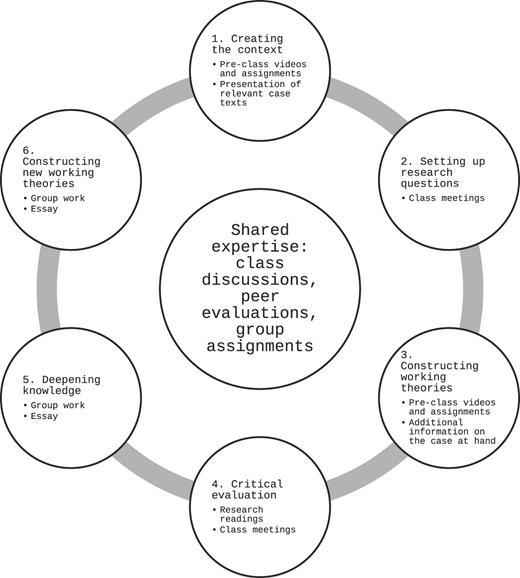
Figure 1 illustrates the learning process.
The cyclical model describes the framework of collaborative inquiry as a comprehensive pedagogical approach applied during a strategic communication course. The process begins with the establishment of context (Phase 1), progresses to the formulation of students’ own research questions and their working theories (Phases 2–3), continues with the critical evaluation of these ideas and conclusions in class (Phase 4), and culminates in the deepening of knowledge through intensive, thematic group work and more in-depth reading (Phase 5). Finally, new working theories are constructed (Phase 6). The sharing of expertise is an indispensable component of the collaborative inquiry process, encompassing activities such as class discussions, peer evaluation and reporting of group assignments.
The flipped classroom approach is integrated into the model through the utilization of pre-class assignments. Prior to each class, students are required to study the assigned videos or readings, and the subsequent class time is devoted to knowledge sharing and discussions. The case study approach is employed by providing an up-to-date case as a starting point for preliminary research questions (Phase 2) and by conducting a comprehensive examination of the case during group work (Phase 5). These thought-provoking cases that encourage discussion have included, for example, the Volkswagen emissions scandal, President Trump’s communications, and the reputation of former Finnish Prime Minister Sanna Marin.
Table 2 illustrates the application of the model’s various phases in the case concerning President Trump’s communications in the strategic communication course of 2020. The collaborative inquiry approach provided the overarching framework for the course. The implementation of the flipped classroom approach entailed students completing pre-class assignments and engaging with reading materials prior to in-person class meetings.
The regular course feedback, which is systematically collected after each study unit, and the research results consistently highlighted the efficacy of the selected pedagogical methods. The results of the implementation of the collaborative inquiry and flipped classroom methodologies in a strategic communication study unit were thoroughly delineated in our preceding paper (Kantanen et al., 2019). It can be concluded that the students had very positive experiences of learning via these approaches. They concurred that the flipped classroom approach was efficacious, intelligible, and meticulously guided, and that it constituted an effective, understandable and flexible way to study strategic communication. Furthermore, the students indicated that the pre-class study material was not overly challenging. The following examples of student experiences, as revealed in our previous study, demonstrate these aspects (Kantanen et al., 2019):
Pre-class assignments helped with learning and especially with theoretical areas of the course. (flipped classroom)
Video materials provided a nice and easy-to-follow way to learn the topics. (flipped classroom)
In class meetings, we shared opinions, and there was active discussion. The learning atmosphere was positive and encouraging because each opinion was important. (collaborative inquiry)
All course themes were combined into the case, which gave us a practical example, and we could consider how to apply the communication theme in the case in question. (case-based learning)
Moreover, the use of pre-class video resources was regarded as an effective and relaxing approach to studying. The results of the study indicated that 76% of students enrolled in the strategic communication course expressed a preference for the flipped classroom approach to traditional lecturing (Kantanen et al., 2019). This finding suggests that this pedagogical approach could also prove beneficial for their future learning and development. Furthermore, the flipped approach resulted in a notable reduction in the number of students who failed the course.
Discussion
Research has demonstrated that university students perceive the flipped classroom as a flexible and enjoyable mode of learning (Wanner and Palmer, 2015), and that it has led to an improvement in students’ satisfaction with their learning experience (O’Flaherty and Phillips, 2015). All the pedagogical models presented have the capacity to facilitate enjoyable classroom experiences for students, while concomitantly promoting deep learning and higher-order thinking skills (e.g. Lu et al., 2021; Tayce et al., 2021). The use of blended teaching modes has been demonstrated to enhance students’ academic performance and facilitate superior outcomes in teamwork (He, 2020). However, it is imperative to recognize that the pedagogical models presented require a substantial investment of effort and dedication from both instructors and learners. For example, Johnson et al. (2014) discuss how realistic cases may induce cognitive load for students and how incomplete cases hinder sensemaking and decision-making performance. Moreover, the concept of the flipped classroom is predicated on the assumption that students will arrive at the educational setting adequately prepared. However, empirical evidence indicates that this is not always the case (Burke and Fedorek, 2017; Hall and DuFrene, 2016). Hyppönen et al. (2019) discovered that students’ self-regulation skills have a significant impact on learning outcomes. Low self-regulation can result in task avoidance, while high self-regulation has been linked to good grades in flipped courses. Consequently, pre-class materials may present a challenge for younger students who lack self-efficacy and academic study skills (Kantanen et al., 2020).
It is anticipated that instructors will exhibit proficiency in both the subject matter they are teaching and the pedagogical methodology they utilize. This is crucial for the effective planning and implementation of the learning process. The creation of pre-class video materials, the identification of pertinent cases, and the organization of interactive classroom sessions can be time-consuming pursuits. Consequently, instructors are required to demonstrate proficiency in the utilization of an array of educational planning tools, including the pedagogical manuscript which delineates a multitude of key aspects, such as learner characteristics, teaching and learning objectives, content knowledge, learning materials, instructional methods, counseling, assessment strategies, and time management considerations. Finally, contemporary pedagogical methodologies necessitate the utilization of contemporary digital resources. Instructors must engage in continuous learning to develop the necessary digital competencies, as the use of technology in learning has been demonstrated to contribute to positive learning experiences (Hyypiä et al., 2019).
Despite their potential benefits, these methods may also encounter resistance within more traditional educational settings. It is important to acknowledge that all of the aforementioned approaches have the capacity to facilitate a more effective connection between academic theories and practical organizational life. Furthermore, through reflective exercises and discussions, students can develop critical thinking skills and gain self-awareness regarding their own aptitude for strategic communication.
Risk-taking is widely acknowledged as a vital component for fostering innovativeness. Learning is an active process of acquiring knowledge by exploring the world, engaging with others, and making connections between new ideas and prior understanding. Nurturing students’ ability to take risks necessitates the establishment of supportive and trusting learning environments that foster experimentation, help to overcome the fear of failure, and embrace the notion of learning through mistakes without judgment. The pedagogical approaches discussed in this context prove valuable in this regard, as they actively encourage collaborative engagement in problem-solving endeavors. For example, assignments in the collaborative inquiry approach frequently feature open-ended formats, providing room for risk-taking, creative thinking, and the application of prior knowledge and real-world work experience. By promoting suitable conditions, these approaches effectively cultivate a culture of innovation among students and encourage their willingness to take calculated risks. Participatory learning contexts provide instructors with enhanced opportunities to cultivate an interactive and secure learning environment (Hyypiä et al., 2019), which is particularly beneficial for the development of novel ideas and solutions.
The implementation of novel approaches to teaching is contingent upon the organizational culture and presence of determined pedagogical leadership. In the event that departmental supervisors lack pedagogical orientation, which may be the case in research-oriented universities, it is nevertheless essential to provide robust pedagogical peer support for the implementation and reflection on these methods. This concept of distributed pedagogical leadership is a way to enhance educational quality and foster a collaborative environment in higher education institutions (Okiri and Hercz, 2023). Furthermore, collaboration and meaningful conversations enhance pedagogical competency development (Pekkarinen et al., 2020). Participatory methods are less effective without opportunities for pedagogical discussion (Englund et al., 2018).
Practical implications
The advantages of participatory and engaging pedagogical approaches for students’ motivation, learning, and the development of 21st-century skills have been substantiated by both empirical evidence and practical experience. The combination of collaborative inquiry, flipped classroom, and case-based teaching may appear complex to practitioners; however, it is not inherently so. University instructors are typically also researchers, and thus are accustomed to the process of collaborative inquiry involving presumptions, research readings, and debates. Our experience suggests that a gradual approach is necessary, taking on one new building block at a time. It may be most straightforward to commence by incorporating motivating cases into the course content and then elaborating on them within the context of collaborative inquiry. Furthermore, effective instructional communication is crucial for motivating students to adopt new learning approaches and for conveying the learning objectives, methodologies, and assessment criteria.
The flipped classroom approach is most effective when the instructor has a comprehensive understanding of the course content. This enables the instructor to facilitate engaging and interactive class sessions instead of content coverage through lecturing. Furthermore, if the flipped material is created by the instructor, it may result in a shift in the instructor’s workload from class time to pre-class time. This could potentially present a challenge from the perspective of work time records. This is because instructors’ workloads are often calculated based on class time teaching, which may not align with the additional preparation and delivery of the flipped material. The implementation of novel pedagogical methodologies requires the presence of pedagogical leadership capable of addressing the practical concerns inherent to such transitions.
Suggestions for future research
It would be highly beneficial to undertake a detailed examination of the ways in which new pedagogical approaches can be incorporated into existing academic cultures (Brownell and Tanner, 2012; Englund et al., 2018; Myllykoski-Laine et al., 2022). The application of research knowledge from the field of change management provides insight into the processes involved in successful change and the embedding of new practices. The success of change is facilitated by a number of factors, including the experience of ownership of the change process that comes from the opportunity to participate (Luoma, 2015), a clear vision for change, credible and open change communication, visible progress of change, and the support and commitment of senior management (e.g. Kotter and Schlesinger, 2008; McCalman et al., 2016). The importance of leadership in implementing and embedding reforms has been demonstrated in both educational and business studies (Hartley, 2009; Hechanova et al., 2018; Zhang and Fang, 2022). By focusing on human capital development, empowering educators, strategic resource utilization, promoting reflective practice, creating supportive environments, and emphasizing student-centered learning, pedagogical leaders can drive significant improvements in teaching quality and student outcomes. Furthermore, it has been proposed that effective change management necessitates the deployment of skilled leadership and management strategies to navigate the complexities of both people and issues. People leaders are tasked with providing direction, involvement and motivation, while issue leaders are responsible for planning, budgeting, organizing and controlling (McCalman et al., 2016). It is therefore evident that pedagogical leadership is of paramount importance in the context of adopting new pedagogical approaches.
International studies provide insight into the factors influencing the implementation of new modes of teaching like the flipped classroom. For example, studies have identified supportive leadership, a positive working atmosphere, teacher collaboration, and technology-friendliness as key elements affecting the success of a new pedagogical approach (Zhang and Fang, 2022). Additionally, studies have indicated the influence of departmental teaching culture and workplace communication on the enhancement of teaching quality (Englund et al., 2018). Barriers to change have included a lack of training, time and incentives (Brownell and Tanner, 2012). The significance of fostering a culture of collaboration and mutual support, as well as the vital role of change agents such as peer educators in driving practice transformation, has been underscored (Myllykoski-Laine et al., 2022). In conclusion, further investigation into the fundamental requirements for an innovative, student-centered pedagogical culture is recommended.