This study aims to investigate the factors influencing successful and unsuccessful succession in Pakistani family-owned businesses (FOBs), with a focus on the interplay between formal governance practices and socio-cultural dynamics. By examining key elements in succession planning and leadership transition, the study offers insights tailored to the unique challenges faced by FOBs in emerging markets such as Pakistan.
Employing a multiple case study approach, this research examines generational transitions across ten Pakistani FOBs. Data were collected through semi-structured interviews with key family members involved in the succession process, with thematic analysis applied to identify patterns.
The findings indicate that proactive succession planning, formal governance mechanisms and thorough successor training are critical for achieving smooth leadership transitions in Pakistani FOBs. Companies that implement structured governance and clear succession processes experience fewer internal conflicts and greater business continuity. However, socio-cultural factors, such as seniority-based preferences and gender biases, present significant obstacles, often complicating the transition process. Additional challenges include resistance to modernized strategies, and sibling rivalry strongly influence succession outcomes in the Pakistani context and highlight the need for culturally sensitive governance approaches to improve business continuity.
Practical implications for family-owned businesses include early succession planning, structured governance mechanisms and comprehensive training for successors. Establishing family councils can minimize conflicts and align family goals. Addressing cultural biases, such as gender and seniority preferences, encourages merit-based succession, ensuring smoother transitions. These strategies enhance continuity, reduce disruptions and support sustained growth, particularly in culturally influenced contexts like Pakistani family-owned businesses.
By examining succession dynamics within the context of an emerging economy such as Pakistan, this study provides valuable insights into the unique cultural and organizational challenges facing FOBs. The findings enrich the understanding of succession in family enterprises and extend current knowledge on the influence of socio-cultural factors in business continuity.
1. Introduction
Family-owned businesses (FOBs) play an essential role in both developed and emerging economies, significantly contributing to GDP and employment generation (Feldman et al., 2019; Kiwia et al., 2019). These enterprises have shown remarkable resilience during periods of crisis, such as the COVID-19 pandemic, often outperforming non-family firms due to their strong internal ties and commitment to long-term goals (Cr´edit Suisse, 2021; Salvato et al., 2020). Given their economic importance and stability, ensuring the longevity and sustainability of FOBs is crucial for global economic health (Rexhepi et al., 2017).
However, FOBs face a significant challenge in achieving long-term survival; research indicates that only a small percentage survive beyond the second generation, with just 10–15% reaching the third (De Massis et al., 2021; Jaskiewicz et al., 2017; Morris et al., 1997; Miller et al., 2003; Gagné et al., 2021). One primary reason for this high attrition rate is inadequate succession planning and implementation (Miller et al., 2003), which underscores the need for a structured succession process to support the continuity and growth of FOBs (Ferrari, 2023; Arif et al., 2022; Onuoha, 2013; Ghee et al., 2015).
Effective succession planning is fundamental to ensuring successful generational transitions in FOBs, particularly as they move beyond the first generation (Boyd and Royer, 2012; Kapoor and Raggett, 2021; Chang et al., 2021; Fang et al., 2016). Maintaining business continuity is one of the most challenging non-economic goals for family firms, often requiring balancing emotional and legacy-oriented considerations with practical business needs (Berrone et al., 2012; Chua et al., 2009; Gómez-Mejía et al., 2007). Despite its critical importance, many FOBs lack a formalized succession plan, frequently depending on ad hoc decisions rather than a deliberate strategic approach (Ward, 2016; Ferrari, 2023).
While the global literature extensively addresses the importance of FOBs and the challenges they face, this study focuses specifically on Pakistan, where unique family structures, cultural values, and societal expectations significantly influence the succession process (Afghan and Wiqar, 2007; Siddiqui, 2018; Chang et al., 2021). Although governance issues, early implementation, and successor training are well-studied in Western contexts (Richards et al., 2019; Chang et al., 2021; Dyer, 1986; Handler, 1990, 1994; Morris et al., 1997; Lansberg, 1988), the manifestation of these challenges within Pakistan’s familial and business settings remains underexplored.
This study addresses this gap by examining the factors that distinguish successful from unsuccessful succession processes within the unique social, cultural, and familial framework of Pakistani FOBs. The central research question guiding this investigation is: What are the key dynamics that differentiate successful from unsuccessful succession processes in Pakistani family-owned businesses? Through this comparative analysis, the study aims to explain specific challenges and the influence of social and cultural factors on succession in Pakistan. The findings of the study provide actionable recommendations for FOBs navigating generational transitions, particularly in similar emerging markets context.
This paper is structured as follows: a detailed literature review presents theoretical perspective of FOBs succession; the methodology section describes the research design and data collection methods; the results and discussion sections examine the study’s findings and their implications; and finally, the conclusion summarizes the key contributions, acknowledges limitations, and suggests directions for future research.
2. Literature review
2.1 Theoretical perspective
The concept of socio-emotional wealth (SEW) provides a valuable theoretical framework for understanding decision-making in FOBs, where non-economic goals often drive strategic priorities, including succession planning (Gómez-Mejía et al., 2007; Debicki et al., 2016; Chrisman et al., 2018). SEW, as defined by Gómez-Mejía et al. (2007), encompasses family-centered goals that prioritize the preservation of emotional and social ties within the business, often leading FOBs to prioritize continuity and legacy over purely financial outcomes. This approach has been further operationalized by Berrone et al.'s (2012) FIBER framework, which outlines five SEW dimensions: family control and influence, identification with the firm, binding social ties, emotional attachment, and renewal of family ties through dynastic succession.
Each dimension emphasizes how SEW drives family businesses to maintain cohesion and preserve family values, sometimes at the expense of immediate economic performance (Chrisman et al., 2018; Miller and Le Breton-Miller, 2021). Expanding on these dimensions, Debicki et al. (2016) introduced the SEWi scale, which focuses on Family Prominence, Family Continuity, and Family Enrichment. This scale highlights specific SEW aspects that emphasize the importance of family reputation, the desire to maintain control over the family, and the desire to promote family harmony, further influencing FOBs' strategic decisions (Jaskiewicz et al., 2017; Miller et al., 2003).
Furthermore, SEW aligns well with stakeholder theory, particularly in its emphasis on familial goals influencing relationships with internal and external stakeholders (Debicki et al., 2016). Such an orientation is crucial in FOBs, as family identity and heritage often affect how the company engages with its stakeholders and manages generational change (Hernández-Perlines et al., 2023). Although the emphasis on family-centered priorities in SEW can sometimes lead to cronyism or decisions that compromise the broader corporate well-being (Kellermanns et al., 2012; Jaskiewicz et al., 2017), this framework provides a robust lens for examining the unique, non-economic motivations behind succession planning in FOBs, particularly in culturally rooted contexts where family identity and business continuity are closely intertwined (Hussain and Safdar, 2018; Arregle et al., 2007).
2.2 Family business versus business family
The family business is characterized by the degree of influence a family exerts over business operations, derived from the combination of ownership and involvement of family members in the business (König et al., 2013). The majority of the past studies have used the same criteria to distinguish family firms from non-family firms (Barry,1989; Barnes and Hershon, 1976; Dyer, 1986; Lansberg, 1988; Davis, 1983; Beckhard and Dyer, 1983) (See Table 1). Based on the above definition, the view of family business does not consider those families who control or invest in multiple businesses (Carney and Dieleman, 2023). Over the period, as business grew and prospered, the families shifted their focus from legacy business and engaged in entrepreneurial activities by investing in other business ventures (Steier et al., 2015). So, when the business becomes successful, a shift occurs in the perspective of families from family business to business families. Therefore, business families are extended families that manage collectively owned businesses through a family governance structure and exert significant influence on society through their wealth (Carney and Dieleman, 2023).
2.3 Family business in Pakistani context
Family-owned businesses (FOBs) are a cornerstone of the Pakistani economy, comprising over 80% of enterprises and commonly referred to as Seth Companies (Hussain and Safdar, 2018; Sikandar and Mahmood, 2018). Due to their substantial role in economic activity, FOBs wield considerable influence across both public and private sectors, a trend similarly observed in other developing economies (Hussain and Safdar, 2018). Despite this economic importance, Pakistani FOBs face notable challenges, primarily related to longevity, as many struggle to survive beyond the third generation (De Alwis, 2011). High-profile examples, such as Shaheen Air and Dewan Group, as well as formerly prominent family brands like Bawany and Valika, illustrate the difficulty of maintaining multigenerational success among Pakistan’s wealthiest family firms (Siddiqui, 2018; Sheikh et al., 2022).
Conversely, some Pakistani FOBs have achieved generational success through effective succession planning and management. Companies like Dot Print, IOBM, Al-Karam, Hum Network, Hamdard Group, Dawood Group, Superior University, House of Habib, and Beconhouse Group have sustained growth and continuity into their second and third generations (Rehman, 2023). However, a significant number of family firms have failed over the past 2 decades due to insufficient succession planning, internal conflicts, and lack of investment in formal business succession processes (BSP) (Khan, 2022; Siddiqui, 2018). Sustainable growth for Pakistani FOBs, therefore, hinges on adopting structured and strategic succession plans that balance both business objectives and family cohesion (Sehgal, 2023; Chang et al., 2021; Afghan and Wiqar, 2007).
Research highlights that Pakistani family firms often rely on unplanned or natural succession, with decisions made on an ad hoc basis rather than through formalized planning (Chang et al., 2021). Studies by Ahmad and Yaseen (2018) suggest that customer-focused management, strategic planning, and governance boards can positively influence succession planning. However, they found that a successor’s educational background could moderate these factors, sometimes negatively impacting the succession process. In contrast, Ashraf et al. (2019) report that education generally has a positive direct effect on succession outcomes. Afghan (2011) further explored succession practices in Pakistan, emphasizing the role of kinship culture and Islamic inheritance laws. Rivalries, particularly cousin rivalry known as Shareeqah, often lead to family business divisions upon a leader’s demise, reflecting the strong influence of Islamic inheritance law (Afghan, 2011). More recently, Jamil et al. (2023) identified that cognitive traits, leadership mindset, motivation, and the personality characteristics of incumbents are crucial for the sustained success of family firms.
Additionally, socio-cultural norms surrounding seniority and gender are particularly influential in Pakistani FOBs, shaping succession choices and sometimes complicating effective transitions. Seniority is frequently prioritized, with leadership roles awarded based on age rather than merit, reflecting a deep-rooted respect for family hierarchy (Jaskiewicz et al., 2017; Miller et al., 2003). This emphasis on age can create challenges when hierarchy is valued over business competencies. Gender norms further reinforce these dynamics, as male family members are typically preferred for leadership roles, mirroring societal expectations that view men as primary decision-makers, even when female family members may be more qualified (Nelson and Constantinidis, 2017; Byrne et al., 2019). Together, these cultural factors underscore both the strengths and complexities of succession planning in Pakistani FOBs, where traditional values play a central role in shaping business continuity (Hussain and Safdar, 2018; Afghan, 2011).
2.4 Succession process and practice
Foundational studies on succession (Christensen, 1953; Trow, 1961) laid the groundwork for understanding family business dynamics, highlighting succession as a central topic in family business research (Bird et al., 2002; Benavides-Velasco et al., 2013). Succession, as defined by Nordqvist et al. (2013), is a process through which new owners, whether family members or external, bring fresh resources and influence firm outcomes such as growth and innovation. This gradual transfer of authority and responsibility is essential to family-owned businesses (FOBs), with Ward (1987) emphasizing its significance in distinguishing FOBs as firms transferring ownership across generations. Rather than a single event, succession is an ongoing, multi-step process that involves initiation, integration, joint leadership, and ultimately withdrawal of the previous generation (Handler, 1994; Le Breton-Miller et al., 2004; Megaravalli and Sampagnaro, 2018).
Succession impacts the organization broadly, necessitating shifts in governance, family relationships, and ownership structures (Brockhaus, 2004; Michel and Kammerlander, 2015; Eddleston and Kellermanns, 2007). A well-designed succession in FOBs is a deliberate, structured process that ensures smooth transfer of control (Sharma et al., 2003). Yet, succession practices vary widely, influenced by norms such as primogeniture, where leadership is passed to the eldest son, or by trust-based selection, where a successor is chosen based on shared values and alignment with family vision (Calabrò et al., 2018; Bizri, 2016). In cases where the family shares a unified vision for the firm, the succession process can be facilitated through trust, with incumbents selecting a successor committed to family and business goals (Discua Cruz et al., 2013; Bizri, 2016).
2.5 Dynamics of family business succession
2.5.1 Early initiation of succession planning
One of the most important aspects of successful business succession is to start planning early, rather than treating it as an afterthought or an ad hoc process following the death of the incumbent (Buckman et al., 2020). Several studies emphasize the importance of bringing successors into the business as early as possible and allowing them to collaborate with the incumbent for an extended period (Ahmad and Yaseen, 2018). This approach builds trust between the incumbent and other family members and increases the chances of a successful succession (Palliam et al., 2011; Ip and Jacobs, 2006; Ibrahim et al., 2004). A well-thought-out business succession plan should be implemented on time, clearly communicated, involve the board of directors, and be flexible enough to adapt to changes. Ensuring that the new leader is treated with dignity by others in the organization is also critical (Handler, 1994; Cater and Kidwell, 2014). In family enterprises, BSP may involve activities like identifying potential leaders, transferring ownership, handing over management, and developing future leaders (Budhiraja and Pathak, 2018). Starting this process early ensures that the successor has enough time to acquire the necessary skills and motivation to manage the business successfully.
A combination of suitable techniques is advised when planning succession (Sharma et al., 2003; Umans et al., 2020; Blumentritt, 2006; Chittor and Das, 2007). According to Suess (2014, p. 139), family governance mechanisms are “voluntary mechanisms established by the business family with the primary aim of governing and strengthening relations between the family and the business, as well as the relationships between the members of the family itself.”
2.5.2 Governance mechanisms in succession planning
A range of family governance mechanisms is available for FOBs, and these can be customized to meet the unique needs of the family, the business, and the situation at hand. For instance, nuclear families may raise business and family-related topics during informal gatherings, whereas multigenerational FOBs may prefer more formal governance structures, such as family councils, protocols, or committees (Cabrera-Suárez et al., 2001; Suess-Reyes, 2017). According to Cabrera-Suárez and Martin-Santana (2015), the adoption of governance structures like family councils can foster strong family ties, initiate dialogue, promote transparency, and trust, and establish rules for selecting family managers. In turn, these structures contribute to family unity and are instrumental in solving problems (Brenes et al., 2011; Lambrechts et al., 2023; Suess-Reyes, 2017). Research by Corbetta and Salvato (2004) and Pieper et al. (2020) highlights the potential advantages of long-term family relationships in FOBs, such as nurturing mutual trust and shared values, which can reduce the necessity for formal governance mechanisms.
Due to the dual nature of financial and non-financial interests in family businesses, FOBs may benefit from a combination of formal and informal governance systems (Calabrò and Mussolino, 2013; Poppo and Zenger, 2002). Furthermore, in evaluating succession processes, it is important to distinguish between the “quality” of the experience (the successor’s personal experience) and its “effectiveness” (how others perceive the outcome) (Handler, 1989, 1990; Morris et al., 1997; De Vries, 1993; Pitts et al., 2009). Several scholars propose that the perceived success of succession can be measured by the satisfaction levels of the incumbent, successor, and other family members involved in the process (Bozer et al., 2017). Satisfaction levels tend to be high when family members share values and demonstrate mutual regard for each other (Dyer, 1986; Morris et al., 1997).
2.5.3 Successor selection criteria
The process of selecting a suitable successor is crucial to the success of the business and must be a well-thought-out decision that considers the opinions of all relevant stakeholders (Lansberg and Astrachan, 1994; Lee et al., 2003). The chosen successor must have the support of the rest of the family members; otherwise, the business successio process may be jeopardized (Brockhaus, 2004; Pardo-del-Val, 2009). While assessing a potential successor, various factors must be taken into consideration, including education, willingness, aptitude, managerial and financial expertise, while factors like age, gender, and birth order should hold less importance (Brockhaus, 2004). Morris et al. (1996) argue that the degree to which a successor is prepared relates to their business management expertise and their understanding of the firm’s operations. Additionally, if a potential successor lacks the necessary capability, an intra-family succession may not take place, either because the successor refuses the position or is not selected (De Massis et al., 2008). Work experience outside the family firm can also be an asset for successors, as it provides a broader understanding of business management (Barach and Gantisky, 1995).
In some cases, family businesses may opt for external managers if no qualified family successor is available or if specialized technical knowledge is required (Chittor and Das, 2007). Studies show that many family business leaders are open to appointing external directors to run their businesses (Chittor and Das, 2007; Lambrecht, 2005). Whether the successor is from the family or outside, shared values, mutual trust, and effective communication are critical in ensuring the success of the succession process (Filser et al., 2013; Brockaw, 1992; Kepner, 1983; Morris et al., 1996). The concept of family embeddedness, introduced by Aldrich and Cliff (2003), plays a significant role in the successful succession of family firms. According to Webb et al. (2015), the incumbent’s family considerations often influence business decisions, further embedding family dynamics into the succession process.
Conflicts, such as sibling rivalry and jealousy, can have serious repercussions throughout the succession process in FOBs (Kaunda and Nkhoma, 2013). However, shared values, trust, and mutual understanding are often remedies for these conflicts. Additionally, the involvement of all family members in the decision-making process contributes to the success of the succession process (Lansberg and Astrachan, 1994; Bozer et al., 2017).
Table 2 summarizes the main succession issues and challenges identified in the literature, forming the foundation for the analysis of the cases studied.
Building on these theoretical foundations, the following section outlines the study’s methodological approach, detailing how data was collected and analyzed to explore the succession dynamics in Pakistani FOBs.
3. Research methodology
This study employs a multiple case study approach to explore the factors influencing both successful and unsuccessful succession processes in family-owned businesses (FOBs) in Pakistan. A case study method is particularly advantageous for examining real-life situations within their unique contexts, enabling the researchers to gain in-depth insights into complex processes such as leadership transitions (Yin, 2009; Corbin and Strauss, 2014). By analyzing multiple cases, this study seeks to identify patterns that contribute to either the success or failure of business succession. To ensure a broad understanding of these processes, five cases were selected where the succession process was deemed successful, and five cases were chosen where significant challenges led to unsuccessful succession outcomes. This purposive selection was made to provide a balanced comparison between different outcomes and to allow for the identification of both common factors and distinct elements that may have impacted the success or failure of the succession. Such a comparative approach helps to deepen the analysis and provides a more nuanced understanding of the underlying dynamics in family businesses (Eisenhardt, 1989).
3.1 Data collection
The cases were selected using purposive sampling, a method well-suited to choosing cases that are most relevant to the research objectives (Patton, 1999; Palinkas et al., 2015). To ensure diversity and depth, family-owned businesses from a range of industries and family structures were chosen, with the key criterion being that each business had undergone at least one generational transition. The selected cases include five instances where the succession process was successful, characterized by smooth leadership transitions and business continuity, and five instances where the succession process faced challenges, leading to disruptions or failures in leadership transfer. The following table offers a description of the case companies included in the study, providing background on their industries, generations involved, and years in operation (see Table 3).
Data was collected through semi-structured interviews with current and former leaders, successors, of each case. The semi-structured format allows for flexibility in probing deeper into specific topics relevant to the study while maintaining consistency across interviews (Britten, 1995, 2011; Rubin, 2000; Mousa and Abdelgaffar, 2023; Mousa et al., 2024; Shahzad et al., 2024). Each interview lasted between 60 and 90 min, all interviews were recorded and transcribed. The interviews were conducted in Urdu, the native language of the authors and respondents, through Skype and Zoom. Furthermore, the authors collaborated in translating the interviews from Urdu to English, then back translating them into Urdu to compare the original with the processed version. Such translation and backtranslation helped guarantee the precision of the themes the authors developed.
In addition to interviews, relevant documents such as internal business reports, governance structures, and succession plans were analyzed to provide a comprehensive view of both formal and informal mechanisms that influenced the succession process. Document analysis provides a method for triangulating data and verifying findings from interviews (Van Dülmen et al., 2024). The study employs a single-interview approach per company, justified by the centralized decision-making structure common in Pakistani FOBs, aligns with the study’s objective of understanding the experiences and priorities of those primarily responsible for succession planning. Given the hierarchical nature of FOBs in Pakistan, where decision-making is often centralized around one or two senior family members, it was reasoned that interviewing the key decision-maker would yield the most comprehensive insights.
Additionally, the nature of these businesses, where sensitive internal family dynamics play a role, makes it challenging to involve multiple interviewees from the same family. In qualitative studies, crucial to ensure thoroughness and credibility of the gathered information. This point is reached when additional data collection fails to yield new themes, codes, or insights, indicating that the sample size is adequate to replicate the study and thoroughly investigate the research subject (Guest et al., 2006). For this research, data saturation was attained after interviewing key family members from ten family-owned enterprises across different industries in Pakistan.
Achieving data saturation is essential for maintaining the rigor of the qualitative research, as it ensures that all relevant aspects of the research question have been addressed, thereby enhancing the reliability and depth of the findings (Bowen et al., 2017). In accordance with Hancock et al. (2016) view, the study emphasized not only the quantity of interviews but also the collection of rich and detailed data, ensuring that the responses were imbued with meaning and widely addressed the particulars of succession planning in the context of Pakistani family businesses. To meet the ethical standards of conducting interviews, Participants were informed of the research objectives and provided informed consent before the interviews. Confidentiality was ensured by anonymizing company names and responses to prevent any potential conflicts of interest or discomfort (Kaiser, 2009).
Table 4 outlines the key characteristics of selected family firms, helping to frame the discussion on succession processes and their outcomes.
3.2 Data analysis
To analyze the resulting interview transcripts, we followed the four-step approach developed by Miles and Huberman (1994). In the first step, data was gathered separately from each family business involved in the study. The interview questions were designed to explore key issues surrounding the succession process and succession planning. In this stage, we considered the respondents' discourse as a reflection of their experiences with the succession process, linking them with the broader phenomena under review (Strong, 2012). During the second step, we divided the collected data into categories by identifying recurring words and phrases used by the respondents. These categories allowed us to structure the analysis around the core themes that emerged from the data.
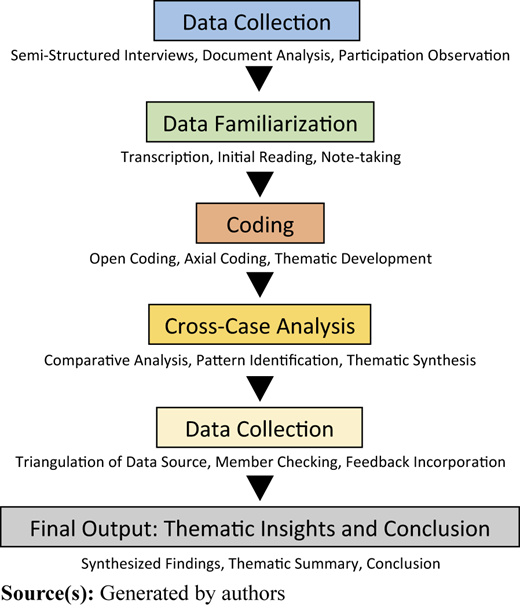
In the third step, we revisited the literature review and compared these categories with findings from prior studies on family business succession, particularly in emerging economies (Yin, 2009). This allowed us to identify areas of alignment with previous research, as well as new insights specific to the Pakistani context. For instance, while sibling rivalry and family governance structures are common themes in the global literature on family business succession, the influence of the joint family system and societal expectations emerged as unique factors in our study. In the final stage, we identified overarching categories of factors that influenced succession outcomes. These factors emerged as the main antecedents that shaped the success or failure of succession planning in family-owned businesses in Pakistan. The following figure outlines the data analysis steps used in this study, providing a clear visual guide to the process adopted for analyzing the interview data (see Figure 1).
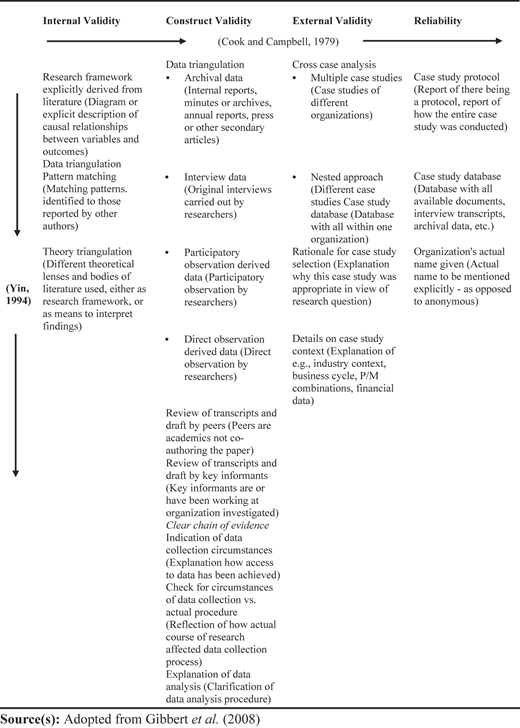
In summary, the empirical analysis involved gathering the participants' responses, categorizing them, grouping similar codes, and generating the final themes, which are discussed in the findings section. To contribute to the reliability of the research, we collected data from various family businesses across different sectors, ensuring a diversity of experiences (Nelson, 2017). To ensure internal validity, each transcript was read and analyzed individually before the final themes were developed (Cohen et al., 2000). To establish external validity, we compared our findings against relevant studies on family business succession, particularly those conducted in other emerging markets (Shenton, 2004). To ensure the credibility of the findings, triangulation was employed by cross-referencing data from interviews, observations, and document analysis. Additionally, member checking was conducted by sharing preliminary findings with participants for feedback, further enhancing the accuracy of the analysis (Lincoln and Guba, 1985; Creswell and Miller, 2000).
Below figure, adapted from Gibbert et al. (2008), highlights the methodological rigor applied to the case studies included in this research (see Figure 2).
4. Results
4.1 Facilitators to successful family business succession
4.1.1 Early implementation of succession process
First, we ask respondents about the timing of implementation of succession process. In a manufacturing firm, the leader explained: “We didn’t wait until the last minute. We began thinking about succession eight years ago. This early start gave us the opportunity to gradually shift responsibilities and prepare for any potential hurdles that could arise along the way.” (Successor, Case 1)
Similarly, in a printing firm, the transition process was carefully staged: “The handover was well planned and gradually proceeded. We did it in stages, which made the transition smoother and less stressful for everyone involved.” (Successor, Case 2)
In an education sector business, early planning allowed thorough preparation, as the successor shared: “By starting the process early, we were able to take our time and make thoughtful decisions, ensuring that everything went as smoothly as possible.” (Successor, Case 3)
In a services sector firm, timely decisions kept the transition aligned with long-term business goals: “We made decisions promptly and in alignment with our long-term business objectives, which kept the entire process on track and focused.” (Successor, Case 4)
The early initiation and implementation of succession processes were critical facilitators of successful transitions in family businesses. By beginning early, businesses ensured that they had ample time to prepare and make strategic decisions, allowing a smooth handover of responsibilities with minimal disruption.
4.1.2 Family governance mechanisms
In the manufacturing industry, formal governance structures were used to facilitate a seamless transition. The successor noted: “We established a family council and set up clear governance protocols. This was vital in providing the clarity we needed to manage the succession effectively.” (Successor, Case 1)
Despite the absence of formal governance structures in printing sector business, informal family meetings played an essential role: “In Pakistan, where the joint family system is prevalent, we didn’t have a formal governance structure. However, we regularly discussed these matters during family get-togethers. The key was to communicate openly within the family and work towards developing a consensus on the selection of the new successor.” (Successor, Case 2)
The importance of governance was highlighted in another manufacturing business: “We have no clear direction before about succession process and facing several issues. However, by implementing formal governance protocols, we minimized family conflicts.” (Successor, Case 5)
Another education sector business emphasized the role of regular family council meetings: “In our case, we did regular family council meetings where everyone’s voice was heard, and all-important decisions were made collectively. This approach minimized potential conflicts during the transition.” (Successor, Case 3)
Both formal and informal governance mechanisms were important facilitators of successful succession. Whether through formal family councils or informal discussions, clear communication and structured decision-making ensured a smooth transition by addressing family conflicts and aligning the succession with business objectives.
4.1.3 Training of the successor
In a manufacturing business, the selection and preparation of the successor were deliberate. The successor said: “I was chosen because of the experience I had gained outside the company and the extensive training I had undergone over the years. This preparation made me well-equipped for the leadership role.” (Successor, Case 1)
In a printing firm, the successor described how mentorship and hands-on experience played a role in their selection: “My deep understanding of the business, developed through years of mentorship and hands-on experience, was the primary reason for my selection as the successor.” (Successor, Case 2)
In an education firm, external training broadened the successor’s experience: “Before taking on the leadership role, I was sent to work in two different companies. This experience was invaluable as it exposed me to different management styles and challenges, which significantly prepared me for the responsibilities I would later assume in our family business.” (Successor, Case 3)
A manufacturing business highlighted how external exposure helped develop necessary skills: “My father asked me to go and learn business from one of his business clients. I learned a lot of good things there, and one of them which really helped me to succeed later in my own business was to build relationships with all stakeholders, especially with employees, and how to interact with them.” (Successor, Case 5)
The deliberate selection of successors and their thorough training, often including external experience, played a significant role in ensuring successful transitions. These processes equipped successors with the skills and understanding necessary to navigate leadership roles effectively and maintain business continuity.
Table 5 highlights the facilitators to successful family business succession, where we have presented the main and sub-themes of the study.
4.2 Barriers to successful succession processes in FOBs
4.2.1 Delay in implementation of succession process
In a manufacturing firm, despite initiating the succession process early, poor execution led to significant challenges. The successor shared: “We did begin planning a few years in advance, thinking it would give us enough time to prepare. However, despite the early start, the execution was poor, and we still faced significant challenges during the transition.” (Successor, Case 6)
In a services firm, early planning efforts were not well-coordinated, leading to confusion: “We tried to plan ahead, but our early efforts were not well-coordinated, which led to confusion when the time for the actual handover came.” (Successor, Case 7)
A phased handover was attempted in a services firm, but it led to confusion and instability: “We tried to phase the handover over several months, but the lack of clear communication and coordination caused more problems than it solved. The gradual approach didn’t prevent the confusion and instability that followed.” (Successor, Case 10)
In another manufacturing business, the previous leader’s involvement prevented the new successor from fully taking control: “Even though the handover was meant to be gradual, the previous leader’s involvement remained too strong, preventing the new successor from fully taking control.” (Successor, Case 8)
In these cases, even with early planning, poor execution and a lack of coordination led to significant disruptions during the transition. Gradual handovers without clear communication or an exit strategy for the previous leader exacerbated confusion and instability.
4.2.2 Lack of functional governance mechanisms
In a family printing business, formal governance structures existed but failed to function effectively due to family dynamics: “We had a governance mechanism in place, but it failed to mitigate the family conflicts that arose during the succession process. The structures were there, but they didn’t function as intended when tensions escalated.” (Successor, Case 9)
Similarly, in a manufacturing firm, governance structures were often bypassed during conflicts: “Our family business had formal governance structures, but in practice, they were often bypassed when conflicts emerged, leading to inconsistent decision-making.” (Successor, Case 8)
In a services business, informal discussions during family gatherings lacked structure and consistency: “We didn’t have a formal governance structure. Most of the discussions about succession happened during family gatherings, which led to a lack of clarity and consistency in decision-making.” (Successor, Case 7)
In a service sector, reliance on informal conversations led to misunderstandings: “In our family, we relied on informal conversations during social events to make decisions about succession. This approach led to misunderstandings and a lack of clear direction.” (Successor, Case 10)
The absence of effective governance structures was a major barrier to successful succession. In some cases, formal governance structures existed but were undermined by family conflicts, while in others, reliance on informal discussions resulted in confusion and inconsistent decision-making (see Table 6).
4.2.3 Gender role issues
Female successors in Pakistani FOBs face challenges due to traditional gender roles and societal expectations. The following quotations highlight these struggles: “In our family, it was always assumed that my brother would take over the business, even though I was the one more involved in day-to-day operations. When the time came for succession, it took a lot of convincing to show that I was equally capable. It felt like I had to work twice as hard to prove myself.” (Successor, Case 3)
I was brought into the business early on, but when the actual transition was happening, my uncles strongly opposed me stepping into my father’s shoes. They felt that a woman leading the business was against tradition, even though I had been managing the financial side for years. (Successor, Case 8)
I was often left out of important meetings and decision-making processes, not because I wasn’t capable, but because certain family members believed a woman shouldn’t be involved in such matters. It made me feel invisible, despite my contributions to the business. (Successor, Case 8)
There was a lot of pressure from the family for me to focus on raising my children rather than running the business. They didn’t see how I could do both, and some even suggested I step aside so a male cousin could take over.(Successor, Case 3)
Even though I was well-prepared and had worked in the company for years, many family members, and even external stakeholders, doubted my ability to lead simply because I am a woman. They questioned whether I would be 'tough enough' for the job. (Successor, Case 8)
The results show that female successors in Pakistani FOBs, where traditional gender roles and patriarchal norms favor male leadership, face major challenges. Women often face resistance from family members and coworkers, forcing them to work harder to prove their capabilities. These biases delay transitions and hinder female leaders, impacting the entire succession process. The stories highlight the need for cultural change to ensure more inclusive and effective leadership transitions.
4.2.4 Seniority issues
Seniority-based succession remains a key challenge in Pakistani FOBs, where age and hierarchy often take precedence over merit (Hussain and Safdar, 2018). This deference to senior family members can slow decision-making and lead to internal conflicts, particularly when younger, more capable successors are overlooked (Sharma et al., 2003; Miller et al., 2003). Such socio-cultural norms complicate the succession process, contributing to delays and operational disruptions (Ahmad and Yaseen, 2018).
No major decision was made without consulting the elders in the family, even if they were no longer actively involved in the business. This slowed down many of our plans, and at times, it felt like we were stuck in the past. (Successor, Case 6)
In our family, seniority always took precedence. Even though my younger brother had more business acumen, the decision was made for me to take over simply because I was older. It caused tension, as he felt more prepared to lead. (Successor, Case 9)
In our joint family system, my uncles, despite not being directly involved in the business for years, still had a say in how things should be run. It’s part of the culture here respect for elders is non-negotiable, but it can also make succession more complicated. (Successor, Case 4)
There was always a strong emphasis on maintaining the family’s traditional values, which often meant deferring to the oldest family members. This created a conflict between keeping the business modern and respecting the old ways of doing things. (Successor, Case 6)
In our family, seniority always takes priority. Even if someone younger has a fresh perspective, the eldest is expected to lead. (Successor, Case 7)
The following table highlights the barriers encountered in unsuccessful succession cases, showcasing the common pitfalls faced by FOBs during transitions.
The table outlines several barriers that impede successful succession in family-owned businesses (FOBs). Key issues include poor timing and coordination in succession planning, ineffective governance mechanisms, and inadequate training and selection of successors. Family conflicts, such as sibling rivalry, and the continued involvement of previous leaders disrupt smooth transitions. Cultural and organizational challenges like resistance to new leadership strategies and hierarchical decision-making further complicate the process, leading to operational inefficiencies and leadership struggles.
5. Discussion
The findings of this study emphasize several key factors that influence both the success and failure of succession processes in family-owned businesses (FOBs) in Pakistan. Early succession planning and a gradual handover of responsibilities are vital for smooth leadership transitions. The cases studied show that proactive planning reduces uncertainty and ensures continuity, as highlighted in previous research (Rehman, 2023; Chang et al., 2021). Conversely, delayed planning frequently results in confusion, operational disruptions, and internal conflicts, underscoring the consequences of inadequate preparation (Ahmad and Yaseen, 2018; Ferrari, 2023).
A central finding is the role of family governance mechanisms in facilitating smoother transitions. In cases where formal structures, such as family councils, were established, these governance mechanisms helped mitigate internal conflicts and provided structured guidelines for succession (Cabrera-Suárez et al., 2001; Kiwia et al., 2019). This observation aligns with literature that stresses the importance of governance frameworks to align family goals with succession processes and manage intergenerational expectations (Bang et al., 2023). In contrast, businesses lacking formal governance structures faced significant challenges, further validating the critical role of governance in family business continuity.
Another crucial factor that emerged is the importance of comprehensive successor training. Successful cases often included not only formal training in business operations but also in leadership and communication skills, essential for managing the interpersonal dynamics within a family business (Arif et al., 2022; Kandade et al., 2021). Preparing successors for these interpersonal challenges proved as critical as technical skill-building, as successors lacking such preparation struggled with leadership complexities, increasing the likelihood of failure (Brenes et al., 2011). This insight aligns with broader research advocating for holistic training approaches that consider both hard and soft skills for effective succession.
Cultural values, particularly those related to seniority and family hierarchy, emerged as significant influences in Pakistani FOBs. Succession decisions were often guided by age and hierarchical standing within the family, leading to a preference for senior family members even when younger members were more qualified (Hussain and Safdar, 2018; Afghan, 2011). This seniority-based preference reflects socio-emotional wealth theory, which suggests that families prioritize emotional ties and legacy preservation over purely economic outcomes (Gómez-Mejía et al., 2007; Hernández-Perlines et al., 2023). The emphasis on preserving family cohesion, while essential for unity, can impede the selection of the most technically competent successor, leading to potential delays and operational inefficiencies. In cases where seniority took precedence over merit, succession transitions were notably hindered, a finding consistent with the cultural complexities highlighted in other emerging economies such as India and China (Menezes et al., 2019).
Gender bias also remains a significant barrier in Pakistani FOBs, with female successors often overlooked in favor of male relatives, even when the former were more qualified (Nelson and Constantinidis, 2017; Hytti et al., 2017). The study reveals that families tend to favor male successors who align with traditional expectations of leadership, despite the competencies of female family members (Byrne et al., 2019; Ahrens et al., 2015). These challenges are mirrored in similar patriarchal contexts, such as China, where female successors face cultural resistance rooted in Confucian values, highlighting a universal challenge for female leaders in family businesses (Xian et al., 2021).
Moreover, sibling rivalry and internal family conflicts emerged as significant barriers in unsuccessful cases. These findings are consistent with existing literature that identifies family conflicts as a primary cause of succession failures (Ferrari, 2023). The ongoing involvement of previous leaders, often due to the joint family system, further complicated the authority of new successors, creating additional friction within the family (Chang et al., 2021). The persistent influence of past leadership aligns with research indicating that such lingering authority can erode confidence in new management and disrupt the transition process (Afghan and Wiqar, 2007).
Resistance to change, especially when new strategies were introduced by successors trained abroad, added complexity to the succession process. This resistance often stemmed from a disconnect between the modern management approaches of foreign-trained successors and the traditional corporate culture within FOBs (Arregle et al., 2007; Zahra et al., 2004). Cases reveal that this resistance highlights the broader challenge faced by family businesses seeking to modernize while retaining core family values. Successful successions required successors to align new strategies with existing values, underscoring the importance of securing buy-in from key stakeholders to facilitate smoother transitions.
Our findings demonstrate that cultural expectations around seniority, family loyalty, and gender hierarchy significantly complicate the succession process in Pakistani FOBs. This context-specific insight aligns with socio-emotional wealth theory, which emphasizes the prioritization of emotional ties over economic outcomes (Gómez-Mejía et al., 2007). Unlike Western contexts, where merit-based systems are often preferred (Chrisman et al., 2018), Pakistani FOBs may prioritize family cohesion, at times sacrificing the selection of the most technically qualified successor (Ashraf et al., 2019).
6. Managerial and policy implications
Our study strongly advocates early initiation of succession planning. Delayed planning or a sudden transition leads to uncertainty, business disruption and increased conflict. Family businesses should involve successors in the business early on and give them the time and experience they need to take on leadership roles (Ahmad and Yaseen, 2018). Starting the succession process early gives the family and business stakeholders time to build consensus and prepare the successor both emotionally and professionally. Research highlights the crucial role of governance structures, such as family councils or advisory boards, in ensuring smooth transitions. Formal governance reduces ambiguity and creates a platform for resolving family conflicts, enabling a more objective and business-oriented succession process (Corbetta and Salvato, 2004; Suess-Reyes, 2017).
Family businesses, especially in emerging markets such as Pakistan, should implement such governance structures to create clear guidelines for decision-making and avoid informal and potentially contentious family discussions. Training future leaders is critical to the success of the succession process. In addition to technical knowledge, successors must also be trained in leadership, communication, and conflict resolution to effectively navigate the complexities of managing a family business (Ibrahim et al., 2004). In addition, experience gained both inside and outside the family business is critical to developing a well-trained successor who can support the strategic goals of the business (Le Breton-Miller et al., 2004).
There are also some implications for policy makers from this study. Governments and industry associations can play an active role in promoting the sustainability of family businesses by offering measures that encourage early succession planning. For example, tax incentives could be created for companies that introduce formal succession plans and governance mechanisms. In addition, policymakers could promote education and training programs that specifically target future family business leaders, providing them with both the technical and interpersonal skills needed to manage complex family and business dynamics (Alayo et al., 2016). Public-private partnerships could also be formed to provide advisory services to family businesses to help them with succession planning, conflict resolution and strategic leadership development.
7. Conclusion, limitations and future research avenues
This paper has investigated succession dynamics in Pakistani FOBs, focusing on the challenges and strategies that shape effective generational transitions. Evidence from multiple case studies reveals that combining formal governance structures with culturally aligned succession practices plays a pivotal role in ensuring business continuity. In contributing to the literature, this study addresses critical aspects of FOB succession. Firstly, it underscores the importance of early, well-structured succession planning tailored to both business and family needs. Secondly, it highlights the necessity of successor training that encompasses not only technical skills but also interpersonal competencies to manage family dynamics. Lastly, the study identifies key socio-cultural barriers, such as traditional seniority-based hierarchies and gender biases, that may hinder succession. By offering insights specific to the Pakistani context, this research provides valuable guidelines for FOBs in emerging markets aiming to balance traditional values with modern governance to support sustainable growth.
While this study provides valuable insights into the business succession processes, it also has some limitations. First, the sample is limited to specific industries in Pakistan, which limits the generalizability of our findings to all FOBs. Second, the study is cross-sectional, capturing succession at a single point in time. A longitudinal approach could provide a more dynamic understanding of how succession strategies evolve over time and in response to the changing needs of the family and the business.
Future research could broaden the scope by examining succession processes in different cultural and regional context. Although this study focuses primarily on family members as successors, future research could examine the role of non-family executives in the succession process. Examining how outside professionals in leadership positions influence succession dynamics, family relationships, and firm outcomes would provide a more nuanced understanding of alternative succession paths. Such studies could help inform FOBs considering the integration of professional managers into family governance structures and provide valuable insights into the management of both family cohesion and business growth.