This study aims to evaluate the effectiveness of accelerator programs in supporting social entrepreneurship ventures contributing to the United Nation Sustainable Development Goals (SDGs) in Egypt.
A mixed-methods approach was employed, combining quantitative analysis of 12 startups participating in Arab Academy for Science and Technology Maritime (AAST)-EC programs with qualitative interviews.
The study found a high mean social impact score (8.1/10), indicating significant social impact. Participants reported a 32% increase in confidence, highlighting the program’s effectiveness in empowering entrepreneurs.
The study is limited to 12 startups within one ecosystem. Further research is needed to generalize findings across different contexts.
The findings provide valuable insights for Entrepreneurial Support Organizations to design and implement effective accelerator programs that support diverse social enterprises.
This research contributes to understanding how to foster a thriving social entrepreneurship ecosystem in Egypt, contributing to SDGs.
This study contributes to the growing body of knowledge on the impact of accelerator programs on social enterprises in developing countries, specifically within the Egyptian context.
1. Introduction and background
The concept of social entrepreneurship, with roots dating back to the 19th century, has gained significant traction in recent decades. Pioneering figures such as Florence Nightingale, Charles Leadbeater and Bill Drayton championed the idea of using entrepreneurial principles to address societal challenges. This concept, as defined by Gandhi and Raina (2018), emphasizes the dual focus of social entrepreneurship: addressing social issues while simultaneously generating economic value. This dual-pronged approach not only contributes to economic growth by fostering innovation and creating jobs but also plays a crucial role in building social capital within communities (Tanchangya et al., 2020).
The urgency of addressing complex global challenges, as outlined by the United Nation (UN) Sustainable Development Goals (SDGs), has further amplified the significance of social entrepreneurship. These ambitious goals, which aim to address poverty, inequality and environmental degradation, necessitate innovative and sustainable solutions. Recognizing this, Ramya (2024) highlights social entrepreneurship as a powerful tool for driving progress towards the SDGs. Research by Sauermann (2023) and others demonstrates how social entrepreneurs leverage entrepreneurial principles to develop innovative solutions that yield sustainable impacts, particularly in regions facing multifaceted challenges like Egypt.
Accelerator programs play a crucial role in supporting the growth and success of social enterprises. Programs like Y Combinator and Techstars have demonstrated that tailored mentorship and resources significantly enhance the capacity of startups to achieve impactful outcomes (Mason and Brown, 2014; Hochberg et al., 2016). Similarly, European accelerators such as Seedcamp and Startupbootcamp have shown that structured support can lead to higher survival rates and improved access to funding for participating startups (González-Uribe and Leatherbee, 2017).
This quantitative research aims to explore the role of social entrepreneurship in advancing the SDGs within the Egyptian context. Building upon the work of Ead et al. (2024), which examined the role of AAST-EC in promoting disability and entrepreneurship, this study expands its scope to encompass social entrepreneurship more broadly. The study focuses on how these ventures, driven by a mission to address social, environmental and cultural challenges, can contribute to economic growth and community improvement (Asif et al., 2017; Bergmann and Utikal, 2021; Susilowati et al., 2024). These ventures are critical in addressing the challenges outlined in the UN’s SDGs, which aim to ensure a sustainable and equitable future by 2030. For instance, initiatives like farm-to-table meat production and agricultural training directly contribute to SDG 2: Zero Hunger, while recycling programs align with SDG 12: responsible consumption and production.
This paper employs a case study approach, focusing on AAST-EC, one of the largest accelerators in Egypt. By analyzing its curriculam and program agendas, the study assesses how AAST-EC imparts knowledge to startups and how participants apply this knowledge. The research examines startups' needs and knowledge at three key stages: before participation, at graduation and six months post-program. AAST-EC aims to empower entrepreneurs with social impact ventures that contribute to the UN SDGs. Data on social impact, goal progress, venture sustainability and program effectiveness will be collected to evaluate the program’s success in fostering ventures advancing the SDGs. Success metrics include growth in team size, customer base and revenue, alongside alumni willingness to recommend the program to peers.
Egypt’s socio-economic landscape–characterized by water scarcity, a burgeoning youth population and a large informal sector–creates both challenges and opportunities for social entrepreneurship. This study is the first to evaluate the Arab Academy for Science, Technology and Maritime Transport’s Entrepreneurship Center (AAST-EC), a pioneer in Egypt’s accelerator ecosystem and its role in scaling ventures addressing SDGs like clean water (SDG 6) through plastic waste recycling and SDG 8 (decent work) via agricultural training programs.
By incorporating insights from successful accelerator programs worldwide, this study aims to not only contextualize the findings within a broader landscape of social entrepreneurship but also highlight best practices that can be leveraged by AAST-EC. Ultimately, this research seeks to provide evidence to refine the program and enhance the services offered to ventures, demonstrating how addressing social problems can spur venture growth and facilitate research and technological development.
2. Literature review
Social entrepreneurship, defined by its dual mission to address societal challenges while maintaining economic viability (Gandhi and Raina, 2018), has evolved as a transformative force in global development. Rooted in the works of pioneers like Muhammad Yunus and Bill Drayton, the field emphasizes innovation in solving systemic issues such as poverty, inequality and environmental degradation (Dees, 2001). Unlike traditional entrepreneurship, social ventures prioritize measurable impact alongside profitability, fostering social capital and community resilience (Tanchangya et al., 2020; Mair and Martí, 2006). This dual focus aligns with the United Nations SDGs, which demand scalable, inclusive solutions to “leave no one behind”. For instance, ventures addressing SDG 2 (Zero Hunger) through farm-to-table models or SDG 7 (Clean Energy) via renewable technologies exemplify how social entrepreneurship operationalizes global agendas locally (Ramya, 2024; Nicolopoulou et al., 2017). Accelerator programs have emerged as critical enablers of social entrepreneurship, offering mentorship, funding and networks to early-stage ventures. Pioneered by models like Y Combinator and Techstars, these programs significantly enhance venture survival rates and scalability (Mason and Brown, 2014; Hochberg et al., 2016). Structured curricula focusing on business model development, financial planning and impact measurement equip entrepreneurs with tools to navigate competitive markets (González-Uribe and Leatherbee, 2017). For example, Seedcamp’s emphasis on investor readiness has been shown to increase funding acquisition by 40% among European startups. Prior research extensively examines accelerators in stable economies (González-Uribe and Leatherbee, 2017), yet most of this work focuses on Western contexts. This leaves significant gaps in understanding how accelerators and other Entrepreneurial Support Organizations (ESOs) adapt to emerging economies characterized by institutional voids, like Egypt (Bruton et al., 2008; Goswami et al., 2018). Our study specifically addresses this theoretical gap, exploring how ESOs navigate such voids to achieve SDGs within Egypt’s high-risk environment. The SDGs provide a universal framework for social entrepreneurship, but their implementation varies across contexts. In Egypt, where 32% of the population lacks access to clean water and youth unemployment exceeds 25%, social ventures must address interconnected challenges. For example, startups like RecycleAble (plastic waste recycling for SDG 6) and AgriGrow (vertical farming for SDG 2) demonstrate how localized innovations can tackle national priorities while contributing to global goals (Konda et al., 2015; Trautwein, 2021). Yet, systemic barriers – such as bureaucratic hurdles and limited impact investment—often stifle scalability (Mota et al., 2025). Accelerators like AAST-EC play a pivotal role in bridging these gaps by aligning their support mechanisms with SDG-specific challenges, such as training entrepreneurs in circular economy principles for SDG 12 (Bergmann and Utikal, 2021). Qualitative case studies are particularly suited to capturing the nuanced dynamics of social entrepreneurship in contexts like Egypt, where cultural and institutional factors heavily influence venture outcomes (Komariah and Satori, 2011). For instance, García-González and Ramírez-Montoya (2021) combined surveys and interviews to reveal how mentorship in Mexican accelerators boosted women-led ventures’ SDG 5 (Gender Equality) impact. Similarly, Trautwein’s (2021) sustainability impact assessments highlight the importance of longitudinal data in evaluating accelerators’ long-term contributions to SDGs. Quantitative metrics, such as social impact scores and revenue growth rates, provide complementary insights but require careful interpretation in small-sample studies (Hair et al., 2017). Key references added include Dees (2001) for a foundational definition of social entrepreneurship; Mair and Martí (2006) for a theoretical framework regarding social entrepreneurship’s societal role; Nicolopoulou et al. (2017) linking social entrepreneurship to SDGs; Bruton et al. (2008) discussing institutional challenges in emerging markets; Goswami et al. (2018) providing comparative insights for accelerator adaptation; Mota et al. (2025) contextualizing barriers to scaling social ventures in Egypt; and Hair et al. (2017) offering statistical justification for small-sample studies.
2.1 Proposed research questions
Community and economic impact: How do the social entrepreneurship ventures supported by AAST-EC specifically impact the economic development and social well-being of the surrounding communities in Egypt?
Accelerator/Incubator role: How do the AAST-EC programs enhance the social impact of the ventures they support?
Sustainability focus: How does the AAST-EC curriculum and support system specifically guide social entrepreneurs towards developing sustainable business models that address social and environmental challenges?
AAST-EC challenges and successes: What are the key challenges faced by the AAST-EC in terms of resource acquisition, program design, or venture selection? How has the center addressed these challenges to ensure its financial sustainability and maximize its social impact on Egyptian communities?
Unique features and financial sustainability: What are the unique features of the AAST EC’s business model, such as funding sources, partnerships, or service offerings, that contribute to its financial sustainability and scalability? How can these features be replicated to enhance social impact in other contexts?
3. Methodology
This study investigates how accelerator programs in Egypt foster the growth of social impact ventures that align with the United Nations Sustainable Development Goals (UN SDGs). Specifically, this case study evaluates how AAST-EC, a pioneer in Egypt’s ESO landscape, enables these ventures to advance SDGs, even amid challenging local conditions like water scarcity and informal economies. The theoretical framework guiding this research draws on social entrepreneurship theory, which emphasizes the dual objectives of achieving social impact while maintaining economic viability. This framework is crucial for understanding how accelerator programs can empower social enterprises to navigate their unique challenges in achieving sustainable development.
To provide a comprehensive understanding of accelerator program effectiveness and illuminate the underlying mechanisms of venture growth, this research employed a sequential mixed-methods case study design. This approach was specifically chosen to leverage the distinct strengths of both quantitative and qualitative data. The quantitative component was used to identify patterns and measure the extent of venture growth and social impact (addressing the “what”), while the qualitative component explored the deeper processes, contextual factors and mechanisms (addressing the “how” and “why”) that explained these observed patterns. The unit of analysis was social enterprises participating in AAST-EC’s Rally Accelerate and Agri-business Incubator programs.
For the quantitative component, primary data were collected from 12 startups through structured questionnaires administered both before and after program participation. These questionnaires assessed key performance indicators, including social impact scores and entrepreneur confidence levels, grounded in established metrics for evaluating social entrepreneurship effectiveness. Descriptive statistics were employed to analyze the distribution of these scores and changes in confidence levels. To further assess how accelerator programs enhance social entrepreneurship initiatives, the impact of each independent service provided by AAST-EC (derived from evaluations of curricula, activities and support mechanisms) was assessed using single and multiple regression models. This approach enabled the examination of the specific contributions of each service to venture growth. Bootstrapping (1,000 samples) was applied to regression models to mitigate small-sample bias and normality was confirmed via Shapiro–Wilk tests (p > 0.05). By combining these individual impacts, we aimed to assess the overall effectiveness of the accelerator programs in fostering social entrepreneurship.
For the qualitative component, in-depth follow-up interviews were conducted with the same 12 participating startups, building upon the quantitative survey findings. These interviews aimed to explore the nuanced processes, contextual factors and specific mechanisms through which program participation influenced venture growth and SDG alignment. For instance, questions delved into how mentorship enabled SDG-aligned pivots, which specific training modules improved confidence, or how networking opportunities translated into tangible social impact. The qualitative data from these interviews were subjected to thematic analysis to identify recurring patterns, emergent themes and rich narratives that contextualized and explained the statistical trends observed in the quantitative phase. This deliberate integration of quantitative metrics with qualitative insights allowed for a robust triangulation of findings, providing a comprehensive and theoretically informed understanding of the accelerator programs' role in empowering social enterprises. This methodological framework not only validates the role of accelerator programs through empirical data but also contributes to the broader discourse on how structured support can facilitate the success of social enterprises in achieving their goals.
3.1 Questionnaire design
The 30 survey questions aim to assess the AAST-EC program’s effectiveness in supporting social entrepreneurship by supporting startups' idea validation, knowledge/skill development, access to resources, business growth and long-term impact. The survey questions capture basic details about the participating startups, such as their name, founding year, sector and year of enrollment in the program. The program’s impact is assessed by evaluating how it validated ideas, developed knowledge/skills of start-ups and contributed to the startup’s progress.
The respondents were twenty start-ups selected from the AAST-EC Rally Accelerate alumni, as well as the Agri-business incubator. In the table below, the start-ups are matched by their activities to the SDGs they fulfill, ensuring their social impact. It is evident that the 12 start-ups meet 9 of the 17 UN SDGs, as shown in Table 1.
3.2 Descriptive analysis
Descriptive statistics were used in this study to understand characteristics of each venture in the sample as well as illustrate each variable of the study and the impact of AAST-EC’s services on venture growth (Table 2).
3.2.1 Understanding the ventures
As illustrated in Table 2, 55.0% and 50.0% of the ventures have the most prominent impact on the environment and sustainable development sectors, respectively. While 20.0% of the ventures areas of impact in each of the education, healthcare and social inclusion/goodwill sectors. Yet, 70.0% of ventures report having an impact in other unspecified sectors as well. In terms of social impact, 70.0% of the ventures affect their customers both directly and indirectly. Key areas of social impact include significantly improving access to essential goods and services (60.0%), enhancing the lives of beneficiaries (35.0%), creating meaningful employment opportunities (60.0%) and addressing critical environmental and social challenges (70.0%).
3.2.2 Independent variable 1: AAST-EC’s support on business idea validation
To highlight the impact of AAST-EC, boosting the confidence of the social entrepreneurs in the core ideas of their ventures, statistics show that only 60.0% were either confident or extremely confident in their idea before joining the program. After completing the program, 100.0% were found to be either confident or extremely confident. Nothing that only 20.0% were extremely confident prior to the program and this increased to 70.0% post program.
While some of the ventures found the workshops and training provided by AAST-EC impactful on their business idea validation, in terms of a specific aspect, 55.0% of the ventures found the impact to be in terms of all aspects combined (Table 3). This means that 55.0% found that the workshops and training provided by AAST-EC helped the social ventures provide feedback on their customer needs, identify potential flaws in their business ideas, learn the basic tools to test and refine their ideas and finally draft a basic market research plan.
3.2.3 Independent variable 2: AAST-EC’s support for knowledge and access to resources
The previous table and figures illustrate data that participants found business model development (60.0%) to be the most valuable area of knowledge and skills gained during the program, followed by social impact measurement (15.0%) and marketing and communication (15.0%). Financial planning and management (10.0%) and team building and leadership (5.0%) were also beneficial, though to a lesser extent (Table 4). The program provided access to research and technological development resources primarily through workshops on relevant technologies (45.0%) and access to data (35.0%), with some resources available through partnerships with universities or research institutions (25.0%). Mentorship significantly contributed to venture growth by providing guidance on product development (50.0%), refining business pitches for investors (40.0%) and connecting participants with potential partners (30.0%), among other supports. Lastly, the program’s events, workshops and activities were rated highly, with 45.0% of participants finding them valuable and 40.0% rating them as very valuable, highlighting their importance in supporting venture growth.
3.2.4 Independent variable 3: AAST-EC support on networking, partnership and access to funding
The program’s networking opportunities had a notable impact on venture growth, with 70.0% of participants finding it significant or extremely significant (Table 5). Regarding the helpfulness of the program’s resources and guidance in providing opportunities to meet investors, 50.0% found it helpful and very helpful, though some participants were neutral (15.0%) or only somewhat helpful (15.0%). In terms of securing funding, the program’s resources and guidance were somewhat helpful (20.0%) and neutral (35.0%) for a significant portion of participants, while 35.0% found them helpful or very helpful. Overall, these findings highlight the program’s effectiveness in enhancing networking and investor meeting opportunities, though there is room for improvement in securing funding for ventures.
3.2.5 Independent variable 5: AAST-EC’s overall support to the ventures
Table 6 illustrates that the AAST-EC program’s impact on ventures' progress towards achieving their social impact goals is evident, with 90.0% of participants reporting that it did contribute, to a moderate extent (35.0%), significant extent (35.0%) or a very significant extent (20.0%). Confidence in the long-term sustainability of ventures after participating in the program is high, with 45.0% feeling mostly confident and 25.0% feeling very confident. The likelihood of recommending the AAST-EC program to other social entrepreneurs is also strong, with 65.0% very likely and 25.0% moderately likely to recommend it. Key factors influencing recommendations include the program’s curriculum and content (35.0%), mentorship and networking opportunities (80.0%), access to funding or investment resources (20.0%), availability of office space or facilities (5.0%) and the value of program events and workshops (60.0%).
3.2.6 Dependent variable: growth of ventures
Table 7 indicates significant growth across various dimensions for ventures in the AAST-EC program. Team growth has been substantial, with 45% having a growth of over 11 employees since joining the program. Customer base growth has also been notable, with 70.0% reporting to have a growth of over 11%. Revenue growth shows a similar trend, with 60.0% indicating an increase of over 21%. Additionally, while half of the startups have not pursued international operations (NA), 10.0% have expanded beyond Egypt and 20.0% are in the process.
3.3 Creating variables
The variables are created by combining related proxies (or factors) in one indicator. Each indicator is composed using the equal weights method. These created indicators (variables), presented in the previous section and Table 8 below, are used to answer the previously stated research questions.
3.3.1 Reliability and validity analysis
Factor Analysis is conducted to evaluate the reliability and validity of the proxies used to measure this study’s indicators. For reliability purposes, we depend on Cronbach’s alpha and average item correlation. Cronbach’s alpha reflects that good reliability of statements is greater than 0.7 for main indicators and for sub-indicators, it ranges from 0.712 to 0.878. Also, the values of average item correlation indicate the reliability of the questionnaire.
To assess the validity of the variables, we rely on the AVE percentage and the loading of the indicators. The results of the Factor Analysis show that all items are loaded in their constructs as suggested in the proposed model, as the loadings of all items are greater than 0.5. Also, AVE values indicate that the constructs could explain more than 50% of the statements, which indicate high internal validity (Table 8).
Table 9 vividly illustrates how the AAST-EC program fosters entrepreneurial growth and impact by highlighting key mechanisms and their corresponding quantitative outcomes, all aligned with the SDGs. The program actively drives strategic pivots and market repositioning, as evidenced by ventures doubling user engagement metrics after re-evaluating their target markets for SDG 6 (Clean Water and Sanitation), a change reflected in improved Social Impact Scores. Furthermore, it significantly enhances entrepreneurs' confidence and skill application, with participants reporting soaring confidence in financial projections and securing pilot investors after engaging in dedicated financial modeling workshops, contributing to SDG 8 (decent work and economic growth) through increased entrepreneur confidence and business model development. The program also excels at leveraging networks for access to resources, providing invaluable connections that lead to reduced production costs and overall venture growth, directly aligning with SDG 17 (Partnerships for the Goals). Finally, the curriculum itself reinforces SDG alignment by integrating sessions on impact measurement, leading ventures to rigorously track their contributions to goals like SDG 13 (climate action) and strengthen their pitches, demonstrating a clear increase in their social impact scores. This comprehensive approach, combining mentorship, skill-building, networking and a dedicated SDG focus, drives tangible positive changes in the participating ventures.
3.4 Inferential data analysis
3.4.1 Normality tests
Normality tests are used to examine the variable distribution scale. The test results, shown in the following table, revealed that all study variables were normally distributed because the significance value of those variables was upper 0.05, hence parametric tests are applied.
Given the small sample (n = 20 ventures), bootstrapping (1,000 samples) was applied to regression models to mitigate bias (Hair et al., 2017). As confirmed by Shapiro–Wilk tests (p > 0.05), which supported the use of parametric tests, it’s important to note that the coefficients derived indicate associations, not generalizable causality (Table 10).
3.4.2 Correlation analysis
The following table illustrates the values of Pearson’s correlation coefficient for the main variables, and from these values, we can conclude the following significant positive relationships as the significance value associated with each coefficient is less than 0.05 (Table 11).
There is a significant, positive and strong relationship between AAST-EC support on business idea validation and growth of ventures.
There is a significant positive moderate relationship between AAST-EC support on knowledge and access to resources and AAST-EC support on networking, partnership and access to funding.
There is a significant, positive and strong relationship between AAST-EC support on knowledge and access to resources and AAST-EC support on ventures.
There is a significant, positive and strong relationship between AAST-EC support on knowledge and access to resources and the growth of ventures.
There is a significant, positive and strong relationship between AAST-EC support on networking, partnership and access to funding and AAST-EC support on ventures.
There is a significant, positive and strong relationship between AAST-EC support on networking, partnership and access to funding and growth of ventures.
There is a significant, positive and strong relationship between AAST-EC support on ventures and the growth of ventures.
4. Results
Following the assessment of normality and correlation, single and multiple regression analyses were conducted to evaluate the impact of AAST-EC’s support variables on the growth of social ventures.
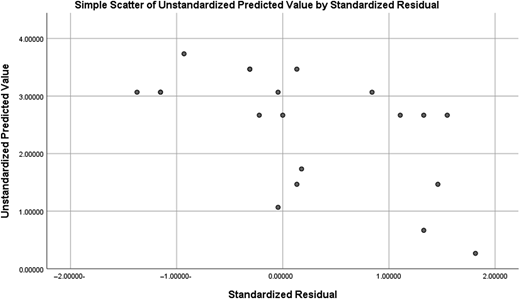
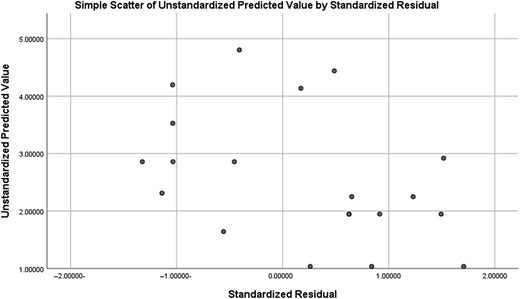
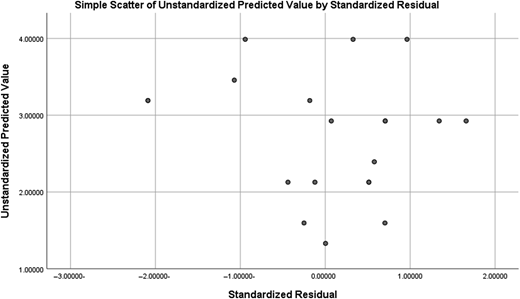
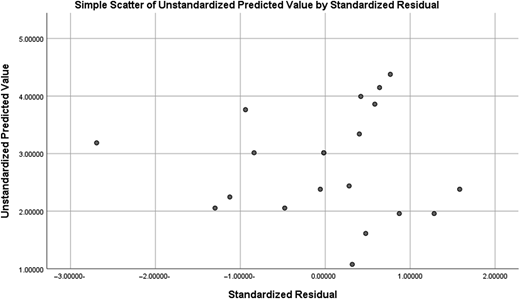
A single regression analysis was conducted using SPSS v.26 to test the impact each of the four support variables has solely on the growth of the social ventures. After which, they are combined in a fifth model, and a multiple regression model is used to assess the collective impact of the variables portraying the support of AAST-EC on the growth of the social ventures. A linearity test was run on each model to ensure that the linearity assumption is satisfied for each of the models; graphs are provided for each one in the Appendix.
While the regression R2 values are high (0.77–0.93) for these models, it’s crucial to acknowledge that these findings primarily reflect AAST-EC’s specific cohort. Given the small sample size (n = 20 ventures), there’s an increased risk of Type II error, meaning caution should be exercised in generalizing these results beyond the studied context.
The variables, models and results of each are as follows:
4.1 Model 1: the effect of the business idea validation support provided by AAST-EC on the growth of the social ventures
As shown above in (Table 12) R square is 0.767, which means that the differences in AAST-EC support on business idea validation explain about 77% of the change in the growth of ventures. This explanation is confirmed to be significant as the significance level shown in Table 13 below is lower than 0.05.
Results (see Table 14) show that for every one unit of increase in support with business idea validation provided by AAST-EC, the value of growth in venture increases about 4.8 units at a 95% confidence level.
4.2 Model 2: the effect of the knowledge and access to resources support provided by AAST on the growth of the social ventures
As shown above in Table 15 R square is 0.864, which means that the differences in support in terms of knowledge and access to resources provided by AAST-EC explain about 86% of the change in the growth of the ventures. This explanation is confirmed to be significant as the significance level shown in Table 16 below is lower than 0.05.
Results (see Table 17) show that the average value of the growth of ventures will increase by about 7.297 as the value of the AAST-EC support in terms of knowledge and access to resources increases by one unit, at a 95% confidence level.
4.3 Model 3: the effect of the support provided by AAST-EC in terms of networking, partnerships and access to funding, on the growth of the social ventures
Table 18 reveals a strong and statistically significant relationship between AAST-EC’s support (encompassing networking, partnerships and access to funding) and the growth of ventures. The R-squared value of 0.887 indicates that approximately 89% of the variation in venture growth can be explained by these specific forms of AAST-EC support. This high explanatory power is further validated by the significance level, which is lower than 0.05, confirming that this relationship is not due to random chance and is statistically significant.
Table 19 presents the Analysis of Variance (ANOVA) results for a regression model. The “Regression” row shows the variability explained by the model, with a Sum of Squares of 163.735. The “Residual” row, with a Sum of Squares of 20.932, represents the unexplained variability or error. The F-statistic of 148.621, calculated from the Mean Squares, is highly significant with a p-value (Sig.) of 0.000. This extremely low p-value (less than 0.05) indicates that the regression model, as a whole, is statistically significant and provides a much better fit to the data than a model with no predictors.
Results (see Table 20) show that the average value of the growth of ventures will increase by about 0.798 as the value of the AAST-EC support in terms of networking, partnerships and funding increases by one unit, at a 95% confidence level.
4.4 Model 4: the effect of the overall support provided by the AAST-EC on the growth of the social ventures
As shown below in (Table 21) R square is 0.932, which shows that the differences in AAST-EC’s overall support explain about 93% of the change in the growth of ventures. This explanation is confirmed to be significant as the significance level shown in Table 21) below is lower than 0.05.
Table 22 displays the ANOVA results for a regression model, similar to Table 19. The “Regression” row indicates that the model explains a substantial amount of variability (Sum of Squares = 172.126). Conversely, the “Residual” row shows the unexplained variability (Sum of Squares = 12.541). The F-statistic of 260.777 is highly significant, with a corresponding p-value (Sig.) of 0.000. This p-value, being well below 0.05, strongly suggests that the overall regression model is statistically significant and effective in explaining the dependent variable.
Results (see Table 23) show that the average value of the growth of ventures will increase by about 4.608 as the value of the overall support provided by AAST-EC increases by one unit, at a 95% confidence level.
4.5 Model 5: the effect of all the support services provided by AAST-EC combined on the growth of social ventures
In this model, the effect of four variables (AAST-EC Support on Business Idea Validation, AAST-EC Support on Knowledge and Access to Resources, AAST-EC Support on Networking, Partnership and Access to Funding, AAST-EC Support on Ventures) on the Growth of the Social Ventures is tested.
As shown above in Table 24 R square is 0.934, which shows that the differences in all support services provided by AAST-EC explain about 93% of the change in the growth of ventures. This explanation is confirmed to be significant as the significance level shown in Table 25 below is lower than 0.05.
As shown in Table 26 above, when all the variables are combined, the average value of the growth of the social ventures will increase the most (by 6.520), with each unit of increase in support provided by AAST-EC in terms of knowledge and access to resources, holding other variables constant at a 95% confidence level. This is followed by an increase of an average of 6.328 with every one unit of rise in AAST’s overall support to the ventures, holding other variables constant with 95% confidence level.
5. Discussion
The business validation support provided by AAST-EC has led to a remarkable 77% growth in ventures, significantly boosting confidence in business models and ideas. This growth can be largely attributed to the program’s emphasis on knowledge sharing and resource access through workshops, events, training and bootcamps, which contribute to 86% of the overall venture growth. These resources encompass various aspects, including financial planning, management, social impact measurement, marketing, communication, team building, leadership, mentoring sessions, guidance on product development and improvement, as well as managerial and business development support. They also assist in refining pitch decks and exploring new markets and customer segments.
Furthermore, networking support plays a vital role in the growth of these ventures, accounting for 89% of the overall growth. Approximately 70% of start-ups attribute their success to the networks they developed during the program. However, statistical tests indicate that there is only a 0.798 increase in growth for every unit increase in networking support. This suggests that while the program effectively connects start-ups with investors, partners and exporters, the tangible results may take time to manifest.
Sustainability is crucial after graduation from the program, especially since many start-ups fail within their first two years. Encouragingly, results indicate that start-ups continued to grow post-program, with growth measured through team size, customer base, revenue and expansion beyond Egypt. About 93% of this post-graduation growth can be attributed to the supporting services received at AAST-EC.
In conclusion, AAST-EC’s business validation support, knowledge sharing and networking efforts have significantly contributed to the growth of ventures. However, the long-term success of these start-ups remains dependent on the quality of support they receive from the program.
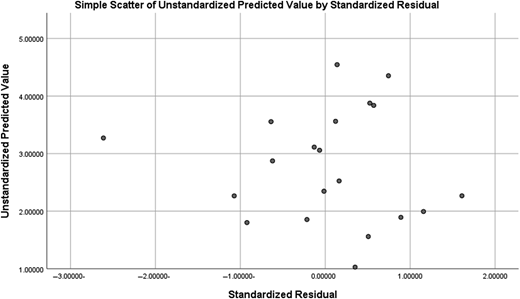
In Appendix, linearity tests for all five models (Figures 1–5) demonstrated robust performance across various parameters. Individual linearity tests for Model 1 and Model 2 (Figures 1 and 2, respectively) exhibited promising results regarding their predictive capabilities.
5.1 Integration of theory and practice
This study uses the Theory of Change to explore the relationship between accelerator services and social entrepreneurship outcomes. It aims to understand how AAST-EC interventions contribute to community welfare and sustainable business practices. Social entrepreneurs are crucial for economic development, and the research questions explore this connection through the lens of the Social Innovation Theory. The quantitative analysis shows that ventures participating in AAST-EC programs experience increased social impact scores and enhanced entrepreneurial confidence. This connection validates existing theories and suggests avenues for future research that could expand theoretical frameworks to include insights from the findings. The findings provide empirical evidence supporting these theoretical assertions.
5.2 Practical and policy implications
For accelerator programs, AAST-EC’s success highlights the critical need for SDG-aligned mentorship. This includes practical workshops on areas like impact measurement (SDG 12) and specialized training in fields such as clean energy prototyping (SDG 7), which directly supports ventures' sustainability and mission.
For policymakers, particularly in Egypt, it’s essential to streamline licensing for social ventures. Fast-tracking permits for startups focusing on specific SDGs, such as water management solutions (SDG 6), would significantly reduce barriers and accelerate their impact.
Researchers should prioritize longitudinal studies to track post-program SDG outcomes more comprehensively. For instance, investigating how 45% of AAST-EC ventures that expanded their customer base within six months continued to grow and achieve their SDG targets over longer periods would provide invaluable insights. Future research should also test these case-derived models in comparable emerging economies, such as Morocco or Tunisia, to assess their generalizability.
5.2.1 Recommendations
The report recommends that AAST-EC and other ESOs continue to support start-ups, as their services significantly impact their growth. To connect start-ups, ESOs can offer training on effective communication with investors and experts, enhance matchmaking between start-ups and investors and provide one-on-one slots with experts and potential collaborators. An alumni network should also be established to connect start-ups with stakeholders at the right stages of growth.
Policymakers should facilitate registration and licensing processes for start-ups in Egypt through partnerships with authorities like the drug and financial authorities. Programs hosting start-ups that create social impact should focus on enhancing their social impact and increasing their knowledge on scaling up social impact. They should also support start-ups in learning how to balance social impact with generating profit, as this is a challenge for many social ventures.
In conclusion, the report emphasizes the importance of ESOs in supporting start-ups and facilitating their growth through various strategies.
6. Conclusion
The case study of AAST-EC’s accelerator program in Egypt demonstrates the transformative role of such initiatives in empowering social entrepreneurship ventures to achieve the UN SDGs. The program nurtures startups across multiple sectors, promoting inclusive and sustainable development. The analysis of 12 startups within the program revealed a robust level of social impact, with an average social impact score of 8.1 out of 10. Participants experienced a 32% increase in confidence in their business ideas, underscoring its effectiveness in enhancing entrepreneurial capacity and fostering a supportive ecosystem. The findings provide actionable insights for other initiatives seeking to support social entrepreneurs, emphasizing the importance of tailored support mechanisms and the critical roles of policymakers, investors and ecosystem builders in creating an environment conducive to social entrepreneurship. Policymakers can develop regulations and frameworks, investors can prioritize impact-driven ventures through patient capital, and incubators and accelerators should refine their support structures to meet the nuanced needs of social entrepreneurs effectively.
The authors would like to express their heartfelt gratitude to Dr Heba El-ashry, the new director of the Entrepreneurship Center at the Arab Academy for Science, Technology and Maritime Transport in Alexandria, Egypt. Her unwavering support and encouragement have been instrumental in the completion of this article. Dr El-ashry’s insights and guidance have inspired us to pursue this work with confidence and dedication. Thank you for your invaluable contributions.