


Before 2023, detailed guidance and tools to support end-to-end strengthening of forecasting and supply planning (FSP) for vaccines and immunization supplies were lacking. This gap can undermine planning for national needs, increasing the risk of stockouts and death from vaccine-preventable diseases. In response, United Nations Children's Fund (UNICEF) developed and operationalized an immunization FSP toolbox (IFSPT). This paper aims to present a practice-based perspective on the development and operationalization of the IFSPT, its application in FSP strengthening, findings from pilot countries, key lessons learned and ongoing implementation efforts.
The development of the toolbox followed a four-phase process. First, an assessment was conducted to inform its content and structure. Second, strategy development and literature review were undertaken to ensure alignment with global best practices. Third, guidance materials and tools were created and refined with input from stakeholders. Finally, feedback was incorporated before publication, and the toolbox was promoted through multiple platforms. The toolbox was also pilot-tested in selected countries.
The IFSPT, comprising relevant and adaptable tools and guidance, was developed to strengthen immunization FSP. Feedback from three countries indicated that the resources could accelerate the adoption of immunization FSP best practices.
Countries can leverage the comprehensive resources of the IFSPT to improve forecast accuracy and the effectiveness of supply plans. The insights presented can also be applied to address other public health challenges, including the development of global goods.
The IFSPT is the first freely available, end-to-end IFSPT to consolidate guidance, tools and resources into a single operational package.
1. Introduction
Immunization is one of the most cost-effective public health interventions for reducing the burden of vaccine-preventable diseases (Brenzel and Claquin, 1994; World Health Organization, 2025d). Globally, every dollar spent on immunization yields an estimated return of US$54, and immunization program prevent 3.5–5 million deaths annually (Gavi, 2025b; World Health Organization, 2025d). Beyond these compelling economic returns (Ozawa et al., 2016; Sim et al., 2020; Watts et al., 2021), a growing body of literature highlights the health and socioeconomic consequences of disruptions to, or suboptimal coverage of, vaccination services (Riumallo-Herl et al., 2018; Ota et al., 2021). Studies conducted during the COVID-19 pandemic consistently reported declines in routine immunization coverage, reduced access to health services and widening immunity gaps, particularly among children in low- and middle-income countries (Govender et al., 2020; Mathieu et al., 2020; Pallangyo et al., 2020; Kotlar et al., 2021; Bliznashka et al., 2022; Kuria-Ndiritu et al., 2024). These disruptions were associated with increased risks of morbidity and mortality from otherwise preventable infections, as well as broader negative effects on maternal and child health outcomes (Govender et al., 2020; Mathieu et al., 2020; Pallangyo et al., 2020; Kotlar et al., 2021; Bliznashka et al., 2022; Kuria-Ndiritu et al., 2024). Collectively, this evidence reinforces the need for sustained investment in immunization program, not only to prevent disease outbreaks and deaths but also to protect health system resilience, socioeconomic stability and long-term population health. Yet, despite significant progress recorded over the past years (Shattock et al., 2024), immunization inequities persist. Several demand- and supply-side-related challenges, including vaccine hesitancy, socioeconomic barriers, inadequate cold chain infrastructure, shortages of trained health workers and other supply chain management issues, continue to compromise vaccine availability and delivery (Chopra et al., 2020; World Health Organization, 2025b). Stockouts of vaccines and access gap often disrupt immunization programs, leading to interrupted routine immunizations, reduced coverage and, ultimately, deaths from preventable diseases (Gooding, Spiliotopoulou and Yadav, 2019; Excler, Privor-Dumm and Kim, 2021).
Forecasting and supply planning (FSP) are critical processes for estimating future consumption of (health) products and determining both the quantities to procure and the timing of deliveries to ensure adequate stock levels (Mueller et al., 2016; John Snow Inc, 2017; UNICEF Supply Division, 2021b, 2023e). When done effectively, FSP can help reduce the risk of stockouts and overstocks, ensuring vaccines reach those who need them the most and supporting continuity of immunization services (Mueller et al., 2016; John Snow Inc, 2017; Excler, Privor-Dumm and Kim, 2021; UNICEF Supply Division, 2021b, 2023e). Forecasts and subsequent supply plans are key inputs to national vaccine budgets and procurement plans and have been shown to support evidence-informed supplier price negotiations and production planning (John Snow Inc, 2017; UNICEF Supply Division, 2021b, 2023e). However, forecasting and planning future vaccine and immunization supply needs remain challenging for program managers in many countries, underscoring the need to strengthen country-level FSP (Sekhri, 2006; UNICEF Supply Division, 2021b).
Several challenges undermine countries’ ability to develop accurate forecasts and supply plans for vaccines and immunization supplies (Sekhri, 2006; UNICEF Supply Division, 2021b). Key barriers include shortages of skilled human resources and resulting poor coordination, lack of standardized processes and tools for generating and monitoring forecasts and supply plans and poor data availability and quality (Sekhri, 2006; Leab et al., 2017; UNICEF Supply Division, 2021b). These limitations increase the risk of inadequate financial planning and insufficient vaccine stocks to meet national vaccination goals, underscoring the need for a systems-based approach that integrates all inputs required to generate an accurate forecast and effective supply plan (UNICEF Supply Division, 2021b). While some resources and tools are available to support national FSP for vaccines and immunization supplies, they are deficient in their adoption of an end-to-end approach (from planning to performance review), fail to comprehensively address the peculiarities of immunization program and do not effectively support FSP best practices, including the use of multiple forecasts which has been proven to improve forecast accuracy (Winkler and Clemen, 2004; John Snow Inc, 2017; Sina et al., 2023; World Health Organization, 2025a; Zellner et al., 2021).
In response to these challenges and as part of United Nations Children's Fund (UNICEF) supply division, global programme division and regional offices’ larger initiative to improve national capacities to generate more accurate and reliable forecasts and supply plans, the immunization FSP toolbox (IFSPT) was launched in August 2023 in collaboration with global immunization partners (UNICEF, 2023). Furthermore, in 2024, an end-to-end Microsoft Excel-based FSP tool was also developed and piloted to support the operationalization of the best practices in the IFSPT. The use of the freely available resources and the tools in the toolbox is expected to improve countries’ FSP processes, thereby contributing to the achievement of national immunization program targets, the Sustainable Development Goal on Universal Health Coverage (Goal 3.8), as well as other global and national strategies, by enhancing access to safe, effective and quality vaccines for all, including reaching zero-dose children (Hogan et al., 2018; World Health Organization, 2025c).
This paper presents a practice-based perspective on strengthening the immunization FSP through the development and operationalization of the IFSPT. It describes the approach to developing the toolbox and how it has evolved, its structure and content and the key best practices promoted, along with guidance on how countries can use the various materials to strengthen their FSP processes. Findings from three countries (Lesotho, Burkina Faso and Pakistan) demonstrate how the toolbox resources can promote the uptake of immunization FSP best practices. Finally, key lessons learned and ongoing efforts to scale up the use of IFSPT resources are discussed.
1.1 Vaccine and immunization supply forecasting and supply planning context
National FSP for vaccines and immunization supplies is typically conducted annually and usually led by expanded program on immunization (EPI) staff within the Ministry of Health (MOH) with support from immunization partners, including UNICEF, World Health Organization, John Snow Incorporated (JSI), Clinton Health Access Initiative (CHAI), VillageReach and PATH (UNICEF Supply Division, 2021b). The team responsible for FSP comprises various vaccine program stakeholders, who meet formally or informally during the FSP exercise period to collect, review and analyze FSP data, ultimately developing the national vaccine forecast and supply plan (UNICEF Supply Division, 2021b).
Most countries rely on either the UNICEF Excel submission template (more recently, the collaborative procurement portal [CPP] tool) or the EPI logistics forecasting tool to generate their annual and multiyear projections of up to five years. These projections inform procurement quantities, which are funded through a combination of domestic and donor resources (UNICEF Supply Division, 2021b). Gavi remains a major donor for new and underused vaccines in many low- and middle-income countries (Gavi, 2025a).
As a long-standing partner, UNICEF supports MOHs with vaccine procurement, supply chain strengthening and program planning and implementation. UNICEF country offices often serve as the support secretariat (working with other in-country partners) for FSP activities in many countries (UNICEF Supply Division, 2021b).
1.2 The need for immunization forecasting and supply planning toolbox
Several factors can limit the ability of countries to generate accurate forecasts and supply plans for vaccines and immunization supplies (UNICEF Supply Division, 2021b). For example, most countries have never comprehensively assessed their immunization FSP processes to identify weaknesses and to define improvement activities (UNICEF Supply Division, 2021b). In addition, many countries have yet to officially establish and inaugurate government-led FSP teams, resulting in poor coordination (UNICEF Supply Division, 2021b). Forecasting efforts often rely predominantly on a national, target-based demographic method, with little consideration of potential subnational coverage variations and insights that could be gained by applying other methods (UNICEF Supply Division, 2021b). Finally, FSP in most countries is treated as a one-off exercise with no standardized processes or performance indicators for monitoring and improving performance (UNICEF Supply Division, 2021b). These limitations often lead to inadequate financial planning and insufficient vaccine stocks and associated supplies, which in turn hinder the achievement of national vaccination goals (UNICEF Supply Division, 2021b). Empirical evidence from humanitarian settings revealed a bias toward over-forecasting in addition to variation in forecast performance driven by item-specific characteristics such as demand variability and criticality, as well as project-specific factors such as main activity delivered and target population (van der Laan et al., 2016). These findings demonstrate that forecasting challenges are not merely theoretical but operational realities (van der Laan et al., 2016). A systematic review further identified barriers, enablers and the consequences of poor forecasting, recommending improved demand forecasting literacy, improved data quality and information sharing, effective contracting and private-sector engagement (Subramanian, 2021). Technological solutions, such as big data analytics, also hold promise for improving forecasting and operational efficiency (Salwa, 2023; Salwa and Zulfikri, 2024).
It is at the intersection of these perspectives, the operational challenges documented in practice, the systemic constraints that perpetuate them and the opportunities for improvement, that the IFSPT is positioned. While the existing literature effectively diagnoses forecasting challenges and offers analytical solutions, there remains a gap in accessible, implementation-oriented resources tailored to national immunization programs. Although some resources and tools exist to support national FSP for vaccines and immunization supplies, they are deficient in adopting an end-to-end approach, fail to address the peculiarities of immunization program comprehensively (John Snow Inc, 2017) and cannot effectively support FSP best practices such as the use of multiple methods (Winkler and Clemen, 2004; Sina et al., 2023; World Health Organization, 2025a; Zellner et al., 2021). For example, the UNICEF Excel submission template, the CPP tool and the EPI logistics forecasting tool can only generate forecasts using the demographic method.
These challenges, in addition to UNICEF’s larger initiative to continuously improve national capacities to generate more accurate and reliable forecasts and supply plans, motivated the need for a toolbox to complement existing FSP resources. The IFSPT was developed as a pragmatic response, translating established FSP principles into a structured and accessible package of guidance and tools to strengthen end-to-end immunization FSP across diverse country contexts, especially for low- and middle-income countries.
2. Methodology
2.1 Development of the IFSPT
The development of the IFSPT was led by UNICEF in collaboration with key global immunization partners, including WHO, JSI, VillageReach, PATH and the CHAI (UNICEF, 2023).
To ensure robustness and evidence-based design, a systematic four-phase process was followed (Figure 1). This process began with a comprehensive assessment of FSP practices in countries recognized for achieving high supply plan accuracy, providing critical insights to guide the structure and content of the IFSPT (UNICEF Supply Division, 2021a). Building on these insights, the second phase centered on developing a formal strategy, identifying the essential resources required for implementation and a thorough desk review of current literature was conducted to ensure alignment with global FSP best practices. In the third phase, the guidance materials and tools were developed based on both the evidence and stakeholder needs. The drafted materials were then validated and refined through extensive consultations with technical experts and key stakeholders. The fourth and final phase involved systematically incorporating feedback before the toolbox was finalized and published on TechNet (UNICEF Supply Division, 2021a; UNICEF, 2023). Several platforms were also leveraged to create awareness about the toolbox. This structured approach ensured the toolbox was evidence-based, contextually relevant and responsive to user needs. TechNet was chosen to publish the IFSPT because it is a global collaborative platform for immunization professionals to share knowledge, build relationships, coordinate activities and align priorities and goals to strengthen immunization services. A more detailed description is presented below.

Approach for the development of immunization forecasting and supply planning toolbox
Approach for the development of immunization forecasting and supply planning toolbox
2.1.1 Phase I: Forecasting and supply planning assessment
This first phase focused on understanding country processes and the factors contributing to high forecast and supply plan accuracy, to guide the development of resources and subsequent approaches to strengthen FSP (UNICEF Supply Division, 2021b, 2021a). Eight countries (Armenia, Burkina Faso, Georgia, Morocco, Moldova, Senegal, Uzbekistan and Zambia) that consistently achieved high forecast and supply plan accuracy of >75% from 2017 to 2019 were purposively selected for this assessment. Data were collected from stakeholders (primarily government officials) through structured focus group discussions and written surveys (UNICEF Supply Division, 2021b, 2021a). Key areas covered included forecasting timelines, data quality, technology, performance monitoring, team dynamics, advocacy and budgeting, as well as the implementation of international forecasting standards (UNICEF Supply Division, 2021b, 2021a). Overall, the assessment yielded important findings, including the importance of MOH leadership and coordination of the FSP process, the need for high-quality data to generate accurate forecasts and supply plans, the lack of formal country training with knowledge transfer often occurring in ad hoc manner through on-the-job training by more experienced staff, the need to ensure there is a link between forecast, supply plan and budgeting and limited use of FSP key performance indicators (KPIs) (UNICEF Supply Division, 2021b, 2021a). These insights informed the next phase of the toolbox development, which focused on developing key strategies required to strengthen FSP and evidence synthesis to identify global FSP best practices (UNICEF Supply Division, 2021b, 2021a).
2.1.2 Phase II: Strategy development and evidence synthesis
Development of FSP-strengthening strategy document: Insights from the FSP assessment phase were synthesized, resulting in five key strategies (see summary below) for strengthening FSP as articulated in UNICEF’s May 2021 publication (UNICEF Supply Division, 2021b):
ensure the establishment and institutionalization of government-led FSP teams to coordinate FSP activities and promote the sustainability of FSP performance;
establish quality FSP processes to more effectively harmonize FSP activities and budget development timelines;
standardize FSP methods and ensure data quality to improve the accuracy of demand forecasts and supply plans;
institutionalize FSP KPIs to monitor and manage forecast and supply accuracy; and
invest in staff capacity-building in FSP principles and technical competencies to improve and sustain FSP performance.
Identification of key resources: Key resources to be included in the toolbox were also identified. Four resources were identified as essential to systematically strengthen FSP. First, an immunization-specific FSP assessment tool (FSPAT) that can be used to identify gaps and inform the development of an improvement plan (UNICEF Supply Division, 2023d). Second, a generic terms of reference template that can be leveraged to institutionalize FSP team that will be responsible for the coordination of FSP activities (UNICEF Supply Division, 2023m). Third, a comprehensive guidance covering all FSP processes (UNICEF Supply Division, 2023e). Lastly, a set of training materials that can be leveraged to build the capacity of personnel involved in FSP.
Review of FSP literature: A review of global health supply chain technical literature was also conducted to identify best practices that can improve FSP (Gordon, Morris and Dangerfield, 1997; Winkler and Clemen, 2004; USAID Deliver Project, Task Order 1, 2011a, 2011b; Management Sciences for Health, 2012; Tavares Thomé et al., 2012; Systems for Improved Access to Pharmaceuticals and Services (SIAPS) Program, 2014; Gavi, the Vaccine Alliance, UNICEF, World Health Organization (WHO), Gates Foundation, 2015; John Snow Inc, 2017; Leab et al., 2017; World Health Organization, 2017a, 2017b, 2021, 2022; Nabil, El Barkany and El Khalfi, 2018; USAID Global Health Supply Chain Program, 2018; Colrain et al., 2020; United Nations Children’s Fund, 2020; Kolassa, Rostami-Tabar and Siemsen, 2023; Sina et al., 2023; UNICEF Supply Division, 2023n).
2.1.3 Phase III: Content development and validation
Drafting of FSP guidance documents and other resources: This third phase integrated the key strategies to strengthen FSP, literature review findings and the programmatic experience to draft the identified key resources. This guidance and other resources were specifically designed to operationalize and promote FSP best practices, including:
institutionalization of government-led FSP team;
systematic assessment of immunization FSP and improvement planning;
stratified forecasting using subnational data;
use of multiple forecasting methods;
regular review of FSP; and
use of FSP indicators.
A more detailed description of these best practices is presented below.
Institutionalization of government-led forecasting and supply planning team: Countries should prioritize the set-up and formalization of a government-led FSP team responsible for coordinating all FSP-related activities. Ideally, their responsibilities should be incorporated into existing working groups. Stakeholders can leverage the guidance on coordination of FSP and terms of reference in the toolbox to set up and strengthen government-led FSP team to coordinate FSP activities (Leab et al., 2017; UNICEF Supply Division, 2023m, 2023b).
Systematic assessment of IFSP and improvement planning: By using UNICEF’s FSPAT, countries can systematically identify FSP strengths and weaknesses and strategically direct resources for improvement (USAID Deliver Project, Task Order 1, 2011a; USAID Global Health Supply Chain Program, 2018; UNICEF Supply Division, 2023d, 2023a).
Stratified forecasting using subnational data: Stratified forecasting involves generating separate forecasts for regions or districts with similar attributes, such as coverage performance, geographic and population characteristics, followed by consolidation to generate the national estimate. This approach can help countries develop more accurate forecasts (Gordon, Morris and Dangerfield, 1997) and supply plans to achieve equity and reach zero-dose and under-vaccinated children. The guidance on estimating forecasts can support countries in generating forecasts separately for regions or districts with comparable attributes, followed by consolidation (UNICEF Supply Division, 2023i, 2023c).
Use of multiple forecasting methods: Combining multiple forecasts has been proven to improve forecast accuracy (Winkler and Clemen, 2004; Sina et al., 2023). The guidance on estimating forecasts can support countries in implementing and combining demographic, consumption and vaccination session forecasting methods (UNICEF Supply Division, 2023i, 2023c).
Regular review of forecasting and supply planning: FSPs are not one-off exercises, and the assumptions that inform these plans may not reflect actual program performance (Tavares Thomé et al., 2012; Nabil, El Barkany and El Khalfi, 2018). Following the guidance provided in the toolbox, countries can review their forecast and supply plans and determine if corrective actions are needed (UNICEF Supply Division, 2023k).
Use of forecasting and supply planning indicators: The guidance on performance monitoring provides a range of input, process and output indicators that countries can use to monitor their progress against set performance targets, identify underlying causes of poor performance and develop an improvement plan (USAID Global Health Supply Chain Program, 2018; UNICEF Supply Division, 2023h). Chosen indicators are expected to be integrated into the overall program performance framework to promote sustainability.
Review and consultations: Following the development of the first draft of the documents, stakeholders from the Ministries of Health and UNICEF Country Offices, UNICEF Supply Division and UNICEF Programme Division were consulted to provide input and ensure that the guidance reflected program implementation realities. Similarly, key global immunization partners, including WHO, JSI, VillageReach, PATH and CHAI, also reviewed the documents and provided feedback.
2.1.4 Phase IV: Finalization and dissemination
For this final phase, the inputs from country stakeholders and subject matter experts were incorporated, after which the resources were finalized and published online on TechNet platform following the structure described below (UNICEF, 2023):
introduction to immunization FSP;
forecasting;
supply planning and results;
performance monitoring;
assessment and improvement planning;
training resources; and
other resources.
A more detailed description of the structure above is presented below:
Introduction to immunization forecasting and supply planning: This section provides an overview of the key concepts, operational processes and benefits of immunization FSP (UNICEF Supply Division, 2023g). It includes guidance for national decision-makers on organizing processes, policies and resources to ensure effective coordination and improvement of these activities (UNICEF Supply Division, 2023m, 2023b).
Forecasting: Here, users can find documents describing preparatory activities, forecasting methods, including (stratified) demographic and consumption methods, as well as programmatic guidance to standardize and build consensus on forecasts (UNICEF Supply Division, 2023i, 2023c).
Supply planning and results: This section focuses on the processes involved in determining the quantity and when each product needs to be delivered to meet expected demand and maintain adequate inventory levels throughout the supply chain (UNICEF Supply Division, 2023l). Guidance on presenting FSP results to stakeholders, as well as FSP operationalization, is also available in this section (UNICEF Supply Division, 2023j, 2023f).
Performance monitoring: Resources in this section help users monitor the performance of their forecast and supply plan using metrics that include completeness of FSP data, frequency of FSP review, forecast accuracy and supply plan accuracy. This helps ensure that progress toward meeting targets is monitored and areas for improvement identified (UNICEF Supply Division, 2023k, 2023h).
Assessment and improvement planning: This section includes the tool and the resource for assessing current FSP practices and planning improvements (UNICEF Supply Division, 2023d, 2023a).
Training resources: Training materials are available on request from UNICEF to help build the capacity of immunization professionals in FSP.
Other resources: This section includes policy considerations, country examples, case studies and other relevant materials to support immunization FSP efforts (UNICEF, 2023).
This structure was intended to accommodate the needs of various users, from those who would like to holistically set up standardized processes to conduct, implement and continuously improve FSP to others who may only want to strengthen specific aspects of FSP such as the institutionalization of a government-led FSP team or use of multiple methods (UNICEF, 2023; UNICEF Supply Division, 2023e).
UNICEF promoted the uptake of the IFSPT resources through several initiatives, including training, distribution of promotional handouts describing the toolbox and how countries can apply the resources to improve their FSP and engagement of immunization partner organizations to support the use of the resources in various country contexts. After the launch of the toolbox in August 2023, UNICEF has also developed and piloted an end-to-end Microsoft Excel-based FSP tool (the FSP4All) to support the operationalization of the best practices outlined in the IFSPT.
2.2 IFSPT application
Following the launch of the IFSPT, it was pilot-tested in three countries: Lesotho (2024), Burkina Faso (2024) and Pakistan (2025), using an adapted plan–do–check–act (PDCA) cycle (Figure 2; as explained further in approach to using the IFSPT for FSP strengthening), representing the first systematic application of the toolbox. A comprehensive summary of potential FSP-strengthening activities, supporting IFSPT resources and expected outputs based on implemented FSP-strengthening activities is presented in Appendix 1 and 2.
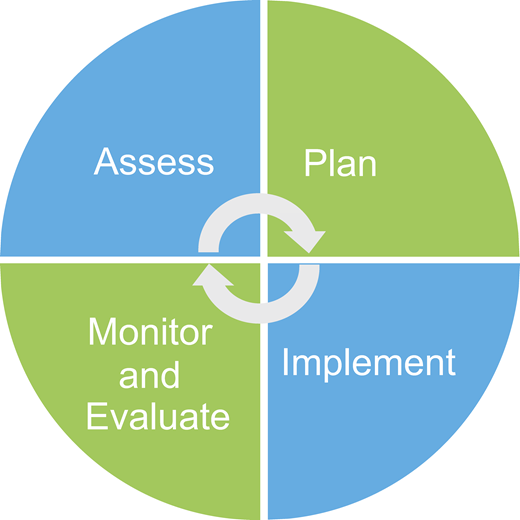
To use the IFSPT for FSP strengthening, UNICEF proposed adapting the PDCA cycle (Johnson, 2002), as explained further below:
assess.
Countries can administer UNICEF’s FSPAT to identify the strengths and weaknesses of the current FSP processes and practices, including the data quality (UNICEF Supply Division, 2023d). The findings from this assessment serve as input for the next phase of FSP strengthening. The chapter on assessing FSP and planning for improvements in the IFSPT can support this process (UNICEF Supply Division, 2023a). As an output, countries are expected to generate an FSP assessment report detailing strengths and weaknesses as well as recommendations for improvement.
The output from this phase will be an FSP report.
plan.
Using the FSP assessment findings from the “assess phase,” countries are expected to develop short-, medium- and long-term improvement plans. It is also important to prioritize the activities included in the plans and set performance targets where applicable. To ensure ownership and sustainability, the plan should be integrated into the broader EPI work plan and continuous improvement plans. The chapter on assessing FSP and planning for improvements in the IFSP toolbox can equally support this planning (UNICEF Supply Division, 2023a). Countries are also expected to consider the five FSP-strengthening strategies described earlier while developing the improvement plan.
The output from this phase will be an FSP improvement plan detailing activities, responsible individuals/organizations, required resources, performance targets and priority levels:
implement.
Following the finalization of the improvement plan, countries can proceed to implement identified activities to strengthen FSP in order of priority. As shown in Appendix 1, the IFSPT materials can be leveraged by countries to support their prioritized FSP-strengthening activities.
The output from this phase will depend on implemented activities as illustrated in Appendix 2:
monitor and evaluate.
Countries should periodically review their forecasts and supply plans and monitor the implementation of FSP activities, including progress against set performance targets using preidentified indicators. The monitoring and evaluation could include a readministration of UNICEF’s FSPAT to establish the progress recorded.
The chapters on the review of FSP (UNICEF Supply Division, 2023k; UNICEF Supply Division, 2023h) and performance monitoring of FSP can support this process (UNICEF Supply Division, 2023h).
The expected output from this phase includes an FSP review report, including course correction activities (if required) and an updated short-/medium-/long-term roadmap, with clear prioritization of activities.
The hypothesized pathway for improved FSP is based on the premise that findings from the immunization FSP assessment would enable countries to systematically identify FSP strengths and weaknesses, thereby facilitating the targeted implementation of immunization FSP best practices to enhance FSP performance (USAID Deliver Project, Task Order 1, 2011a; USAID Global Health Supply Chain Program, 2018; UNICEF Supply Division, 2023d, 2023a). Institutionalizing the FSP team is anticipated to foster government ownership, improve coordination among stakeholders, minimize duplication of effort and build greater trust in and ownership of the final FSP outputs (Leab et al., 2017; UNICEF Supply Division, 2023m, 2023b). Also, using multiple forecasting methods is expected to mitigate bias and variance, thus improving forecast accuracy (Winkler and Clemen, 2004; Sina et al., 2023; UNICEF Supply Division, 2023i, 2023c). Finally, regular review of forecasts and supply plans is anticipated to support early identification of deviations and prompt implementation of corrective actions, thereby reducing the risk of stockouts (Tavares Thomé et al., 2012; Nabil, El Barkany and El Khalfi, 2018; UNICEF Supply Division, 2023k).
2.3 Preliminary assessment
Multiple country engagement platforms, such as workshops and training sessions, were used to gather preliminary feedback and identify areas for improvement. Countries were selected based on their engagement in ongoing immunization supply chain–strengthening initiatives and their readiness to integrate FSP improvements into routine practice. Participants included MOH immunization program staff, supply chain/logistics officers and implementing partner technical advisors, with participation varying by country and workshop format. Data were collected through structured surveys and documented workshop discussions conducted between October 2023 and September 2025. Qualitative data from these engagements were analyzed using qualitative content analysis to identify and synthesize key themes emerging from surveys and workshop discussions. The data were reviewed multiple times to identify recurring patterns related to the perceived value of the IFSPT, usability, implementation experience and areas for improvement.
The authors also reflected and articulated the key lessons learned in the course of development and preliminary deployment of the toolbox.
3. Results
The IFSPT was developed and launched in August 2023 to provide a comprehensive suite of adaptable resources for government professionals and other immunization partners aiming to strengthen their capacities in FSP for vaccines and immunization supplies. The following subsections detail the dissemination efforts, country application of the toolbox, preliminary assessment findings and lessons learned.
3.1 Dissemination and socialization of IFSPT resources
Training sessions served as the primary vehicle for disseminating the IFSPT resources. So far, three global/regional trainings have been conducted. In 2023, 114 participants from 37 countries were trained; in 2024, 45 participants from UNICEF and governments across 17 countries were also trained. The 2024 training also offered hands-on training on using the end-to-end Microsoft Excel-based FSP tool, aimed at supporting the operationalization of some of the best practices promoted by the toolbox. In 2025, a brownbag series (attended by nearly 150 persons) was conducted to provide an overview of recent FSP4All tool updates, introduce tool features on FSP for under-vaccinated populations, share a digital version of the FSPAT and share country learnings on using the FSP4All tool during the 2025 FSP exercise. Additional dissemination activities are planned for 2026.
3.2 Country application
Pilot testing of the IFSPT took place in three countries (Lesotho [2024], Burkina Faso [2024] and Pakistan [2025]), selected for their representation of diverse geographic, socioeconomic and programmatic contexts. This enabled a robust preliminary evaluation of the toolbox’s adaptability and effectiveness across varied settings.
In Lesotho, UNICEF supported the national EPI team to strengthen their FSP using the IFSPT resources. While the country has made some progress in ensuring a reliable supply of immunization commodities, the country still faces challenges in reliably forecasting and planning supplies for immunization commodities, including the lack of an institutionalized FSP team with clearly defined terms of reference, poorly defined FSP processes, data limitations and a lack of clearly defined KPIs to monitor FSP performance. In response, UNICEF provided technical assistance to Lesotho in 2024, leveraging the UNICEF IFSPT resources to enhance the country’s ability to forecast and secure vaccine and immunization supplies needs. Specifically, the UNICEF immunization FSPAT was administered to assess FSP, followed by developing an improvement plan. Following this, an FSP team was constituted, with clearly defined terms of reference adapted from the generic immunization FSP terms of reference, the capacity of government officials was built on FSP and the FSP4All tool was used to develop a 2025 forecast and supply plan using both demographic and consumption-based methods. Finally, the guidance on performance monitoring was used to select appropriate indicators to monitor FSP performance.
In Burkina Faso, UNICEF also supported the Direction de la Prévention par la Vaccination of the MOH and Public Hygiene to conduct a comprehensive assessment of the country’s FSP processes. This assessment highlighted FSP gaps, including a lack of a written mandate for the FSP team, an absence of an FSP capacity-building policy and resources, a lack of FSP standard operating procedures, reliance on only demographic forecasting and a lack of KPIs to monitor FSP performance. UNICEF has supported the country in developing a comprehensive improvement plan, with recommendations currently being implemented. In addition, the government used the FSP4All tool to develop its 2025 forecast and supply plan, using multiple methods.
In Pakistan, UNICEF provided technical assistance to the Federal Directorate of Immunization (FDI) to conduct a qualitative assessment of the country’s FSP processes, using UNICEF’s FSPAT. This not only provided both useful improvement activities for strengthening Pakistan’s FSP processes (including strengthening existing FSP teams at national and provincial levels, prioritizing implementation of the qualitative assessment tool, implementing systematic forecast and supply planning reviews and developing in-country capacity to use the FSP4All tool) but also feedback to improve the tool. UNICEF equally supported the use of the demographic and consumption methods, leveraging the FSP4All tool for the FSP exercise.
3.3 Preliminary assessment
The respondents noted that the IFSPT is a comprehensive, freely available resource designed to help countries improve their immunization FSP; consolidates essential tools and information into one integrated resource center, providing end-to-end guidance and incorporating equity considerations; and is a living document, allowing for continuous updates and refinements.
Key features acknowledged included a detailed manual (with a recommended quick start guide), a tool to help identify specific human resource capacity gaps and opportunities to adopt good practices. The toolbox also offers contextualized KPIs and detailed instructions for use.
Respondents suggested improvements to enhance the effectiveness of the toolbox, including automation and visualization features for the FSP assessment tool, introduction of a self-paced eLearning FSP course, improved navigation and visibility, expanded language options and upgrading specific tools to a cloud-based format. They noted that by implementing these enhancements, the IFSPT can become a more valuable and user-friendly resource pool for countries working to strengthen their FSP.
3.4 Lessons learned
The key lessons learned while developing and operationalizing the IFSPT are discussed below:
Coordination platforms can be leveraged in the development of global goods: In the course of developing the IFSPT, UNICEF set up a coordination platform with participation from global immunization partners to ensure global coordination of activities and obtain input from partners. This platform was used to gather input from partners and raise awareness in countries where these partners have a presence. It also continues to serve as a platform for ongoing discussion and idea exchange as the IFSPT evolves.
Intensive engagement is required to ensure uptake and use of global goods: UNICEF’s experience suggests that developing and publishing global guidance is insufficient; intensive country engagement is necessary to create the much-needed awareness and facilitate the uptake of the promoted best practices. To achieve this, UNICEF leveraged country engagement meetings, trainings and workshops.
Global guidance may not be enough: To ensure the operationalization of best practices, relevant tools may be required to support their implementation. In the case of IFSPT, an Excel-based FSP4All tool was developed to support countries in operationalizing the best practices promoted by the toolbox.
Development of global goods can spur integration of processes and facilitate internal and external collaboration: The process of developing the toolbox provided opportunities for both internal and external collaboration, leading to the identification of potential areas of collaboration and ways to reduce duplication and streamline operations. One example of this is the effort to integrate budgeting and financing into the forecasting process and to ensure that budgeting and financing engagement takes cognizance of changes to the forecasting approach, such as using multiple methods instead of relying on the demographic method.
Proactively anticipate and manage changes: As guidance such as that promoted in the current toolbox may result in changes in existing processes and workflow, it is important to anticipate these changes and set up a system to track such changes and prepare both country and global stakeholders for these changes.
Creating opportunities for feedback can help improve guidance: In light of continuous improvement, it is crucial that developers of global guidance establish a system to collect feedback, prioritize it and use it to further improve global guidance. This should be in addition to the initial country and subject-matter engagements that must have informed the development of the initial version of such guidance.
4. Discussion
This paper discusses the approach to developing the IFSPT, its structure and content, including the key best practices and how countries can use the materials to improve their FSP processes (UNICEF, 2023). Country applications of the toolbox resources in selected countries were also presented, along with key learnings and ongoing efforts to scale up the use of the IFSPT resources. By adopting the best practices described in the toolbox, countries can improve the accuracy of forecasts, effectiveness of supply plans and ultimately enhance access to safe, effective and high-quality vaccines.
The IFSPT is unique in that it provides comprehensive end-to-end guidance on FSP, incorporates global immunization FSP best practices, including the institutionalization of government-led FSP team, systematic assessment of immunization FSP and improvement planning, stratified forecasting using subnational data to enhance equity, use of multiple forecasting methods, regular review of FSP and use of FSP indicators (Gordon, Morris and Dangerfield, 1997; Winkler and Clemen, 2004; USAID Deliver Project, Task Order 1, 2011a; Tavares Thomé et al., 2012; Leab et al., 2017; Nabil, El Barkany and El Khalfi, 2018; USAID Global Health Supply Chain Program, 2018; Sina et al., 2023; UNICEF, 2023; 2023e). Importantly, the content is tailored to countries’ programmatic contexts and can be readily adapted to each country’s context with ongoing technical support for users (UNICEF, 2023; UNICEF Supply Division, 2023e). Early experience from countries that have used the IFSPT resources, including Lesotho, Burkina Faso and Pakistan, has shown that the resources can accelerate the uptake of immunization FSP best practices. For example, in Lesotho, applying the toolbox resources has resulted in the constitution of the FSP team with clearly defined terms of reference, the use of multiple forecasting methods and the adoption of appropriate indicators to monitor FSP performance. In Pakistan, a country with a collaborative approach to developing forecasts and supply plans between provinces and the FDI, the introduction of the FSP toolbox materials, including the FSP4All tool for the 2025 FSP exercise, contributed to a more evidence-informed exercise, facilitated detailed discussions around multiple forecast and supply plan methods and supported the country with developing a more robust forecast and supply plan. While these process-related insights are promising, a formal impact evaluation with quantitative outcome measures will be required to more broadly assess how the use of the IFSPT improves FSP performance.
Experience from the development and deployment of the IFSPT also offers important lessons for creating global goods. First, coordination platforms can be leveraged to support development and iterative feedback, raise awareness and facilitate uptake once finalized. Second, intensive engagement is required to ensure the uptake and use of global goods, including leveraging country engagement meetings, training and workshops. Third, global guidance may not be sufficient, and relevant tools may be required to support the operationalization of the promoted best practices. Fourth, actively seeking opportunities for internal and external collaboration is important, as this can help reduce duplication and streamline operations. Fifth, proactively anticipating and managing systemic changes is important for both country and global stakeholders. Finally, in light of continuous improvement, it is crucial that developers of global guidance establish a system to collect feedback, prioritize it and use it to further improve global guidance.
A range of operational and contextual factors is likely to mediate the impact of the IFSPT. Evidence from health systems and supply chain research underscores the risk that staff turnover poses to institutional memory, undermining the continuity of technical capacity essential for sustaining new approaches (Heaslip, 2013; National Academies of Sciences, 2018; Wagner and Thakur-Weigold, 2018; Stuns and Heaslip, 2019). While open-access immunization FSP resources can partially mitigate this effect, expertise and a nuanced understanding of the operating landscape often develop over time (Igoa-Iraola and Díez, 2024). In addition, inconsistent adherence to standardized forecasting protocols can compromise FSP performance (Comfort, 2007; van der Laan et al., 2016). National immunization programs operate within a multilayered governance environment that requires coordination among multiple ministries, agencies and national and global partners (Olayinka et al., 2024). This complexity introduces political and organizational challenges that ultimately influence whether tools are adopted, adapted or sidelined in practice (Tatham and Spens, 2011; Schiller et al., 2013; Yadav, 2015). Also, the current global health landscape, including shifts in donor funding, evolving global health priorities and geopolitical dynamics, may shape incentives and resources for uptake (Cheeseman, Swedlund and O’Brien-Udry, 2024; Hussein and Samet, 2025). These factors may contribute to variation in uptake across countries, highlighting the need to consider the dynamic institutional and political environments when introducing best practices to ensure local ownership and sustainability. Given these considerations, particular emphasis is placed on government leadership in FSP through the institutionalization of dedicated teams, aligning with the growing call for country ownership, which could be challenging if not well managed (Swedlund, 2011; Itiola and Agu, 2018; Huffstetler et al., 2022; Mirza, Lemango and Lindstrand, 2025; Wiyeh et al., 2025). All engagements in pilot countries were conducted in partnership with government stakeholders.
Going forward, UNICEF plans to work with governments and partners to scale up the IFSPT to additional countries, leveraging in-country personnel and short-term consultancy depending on the country’s context and preference to catalyze change and strengthen country-level FSP. Where short-term consultants are used, the consultant will be expected to work with in-country stakeholders and build their capacity to ensure that gains from the technical support are sustained beyond the consultancy. UNICEF is also working on implementing some of the suggested improvements from the implementation so far, such as automating the FSP assessment tool, introducing a self-paced eLearning FSP course, expanding language options and creating an electronic version of the end-to-end Microsoft Excel-based FSP tool. In light of the plan to keep the toolbox as a living resource and further improve the published resources, the toolbox will continue to be regularly updated based on further learnings from scale-up. UNICEF has also worked with global immunization partners to adopt specific indicators, including established government-led FSP team, established FSP standard operating procedures, institutionalized FSP monitoring systems, trained FSP staff, comprehensive FSP assessment, roadmap for strengthening FSP, use of multiple forecasting methods, improvement in forecast accuracy and improvement in supply plan accuracy to track progress toward improvement in FSP. UNICEF will publish progress towards these indicators and other learnings as the immunization FSP resources are deployed and uptake is more widespread.
The adoption of the best practices promoted in the toolbox, embedded in national planning processes, including, where appropriate, broader health program integration, offers countries an opportunity to strengthen their FSP. For settings where these best practices are not yet in place, countries are encouraged to conduct an FSP assessment and develop an improvement plan, institutionalize FSP team with clear terms of reference, use multiple forecasting methods and integrate FSP KPIs into routine monitoring systems. Ministries of Health, development partners and global immunization stakeholders are invited to prioritize adopting the resources in the toolbox to drive more coordinated, country-led approaches to FSP. Achieving sustainable impact will require complementary investments in institutional capacity, with government leadership that prioritizes multi-stakeholder collaboration.
4.1 Limitations and future directions
It is important to acknowledge that this practice-oriented paper focuses on the approach adopted in developing resources led by UNICEF and presents preliminary, process-based findings from the early application of the IFSPT. It does not constitute a formal impact evaluation. Also, the approach adopted in developing the Excel-based end-to-end forecasting and supply tool, including the pilot findings, was not discussed in this paper. Since the toolbox’s launch, additional resources have also been developed by other global immunization partners and are now available on the TechNet platform. The discussion of how these were developed falls outside the scope of this paper. Furthermore, the adoption and sustainability of the FSP best practices described in this paper are likely to be mediated by institutional, political and economic factors within national immunization program. These include staff turnover that may result in loss of institutional memory, competing operational priorities and the organizational positioning and influence of the EPI within Ministries of Health, all of which may affect readiness to institutionalize new planning practices (Tatham and Spens, 2011; Heaslip, 2013; Schiller et al., 2013; Yadav, 2015; National Academies of Sciences, 2018; Wagner and Thakur-Weigold, 2018; Stuns and Heaslip, 2019). In addition, the current global health landscape, including shifts in donor funding, evolving global health priorities and geopolitical dynamics, may influence the adoption and uptake of best practices (Cheeseman, Swedlund and O’Brien-Udry, 2024). These contextual considerations underscore that the IFSPT should be understood not solely as a technical innovation but as an intervention embedded within complex health system and governance environments, with implications for both adoption trajectories and longer-term sustainability.
Future research should consider quasi-experimental designs, such as interrupted time-series analyses, to assess the impact of IFSPT use on forecast accuracy and supply plan effectiveness. Comparative case studies can also be conducted to examine contextual factors that influence the use of the IFSPT and uptake of immunization FSP best practices across diverse settings.
5. Conclusion
The IFSPT is an invaluable resource for countries seeking to strengthen immunization FSP (UNICEF, 2023). By enhancing FSP, the use of the toolbox materials is expected to contribute to the achievement of national immunization program targets, the Sustainable Development Goal on Universal Health Coverage (Goal 3.8), as well as other global and national strategies, enhancing access to safe, effective and quality vaccines for all, including reaching zero-dose children (World Health Organization, 2025c).
Special thanks to the Ministries of Health and the UNICEF Country Offices in Armenia, Burkina Faso, Georgia, Lesotho, Moldova, Morocco, Papua New Guinea, Senegal, Uzbekistan and Zambia. These country teams played a crucial role in providing insights that ensured the toolbox resources accurately reflect the realities of program implementation. The valuable contributions from individual contributors at the UNICEF Supply Division Centers, including the procurement services center, vaccine center and supply chain–strengthening center, as well as input from the UNICEF Global Programme Division and immunization program partners such as WHO, JSI, PATH, CHAI and VillageReach are also appreciated. In addition, UNICEF is also grateful to the country office teams from Pakistan, Burkina Faso, Togo, Kenya, Timor-Leste, Ghana, the Democratic Republic of Congo, Madagascar, Lesotho and Ethiopia for piloting the Excel-based end-to-end FSP tool during the 2025 FSP exercise.
Funding
Gavi funded the writing of this publication and the development of the immunization forecasting and supply planning toolbox (IFSPT).
Author contributions
Ademola Joshua Itiola conceived this paper; Modeste Irategeka and Dorthe Konradsen contributed to the refinement of the idea of this paper; Ademola Joshua Itiola drafted the article; Modeste Irategeka, Olamide Folorunso, Noel Watson, Ashenafi Desta Hordofa, Michelle Seidel, Gemma Orta-Martinez and Dorthe Konradsen critically reviewed and edited the article. All authors read and approved the final manuscript submitted for publication.
References
Appendix 1
Forecasting and supply planning–strengthening activities and supporting immunization forecasting and supply planning toolbox (IFSPT) resources
| # | Activity | Supporting IFSP toolbox material(s) |
|---|---|---|
| 1 | Set up or strengthen the forecasting and supply planning (FSP) team | Coordinating forecasting and supply planning (UNICEF Supply Division, 2023b) |
| Terms of reference for the immunization forecasting and supply planning team (UNICEF Supply Division, 2023m) | ||
| 2 | Strengthen planning for FSP | Preparing for forecasting and supply planning (UNICEF Supply Division, 2023i) |
| WHO vaccine wastage rates calculator tool (for estimating wastage rates) (World Health Organization, 2021) | ||
| 3 | Strengthen FSP | Estimating forecast for vaccines and other immunization supplies (UNICEF Supply Division, 2023c) |
| Supply planning for vaccines and other immunization supplies (UNICEF Supply Division, 2023l) | ||
| Presenting forecasting and supply planning results (UNICEF Supply Division, 2023j) | ||
| Operationalizing the forecast and supply plan (UNICEF Supply Division, 2023f) | ||
| 4 | Conduct FSP review | Review of forecasting and supply planning (UNICEF Supply Division, 2023k) |
| 5 | Introduce key performance indicators for monitoring FSP performance | Performance monitoring of forecasting and supply planning (UNICEF Supply Division, 2023h) |
| Data for immunization supply chain (DISC) indicators (Gavi, the Vaccine Alliance, UNICEF, World Health Organization (WHO), Gates Foundation, 2015) |
Appendix 2
Expected output based on implemented forecasting and supply planning–strengthening activities
| # | Activity | Expected output |
|---|---|---|
| 1 | Set up or strengthen the FSP team | Institutionalization of government-led FSP team with written terms of reference |
| Availability of trained FSP staff | ||
| 2 | Strengthen planning for FSP | Development and adoption of FSP standard operating procedures (SOPs) |
| Structured system in place for gathering, cleaning, analyzing and collating FSP data and assumptions | ||
| 3 | Strengthen forecasting and supply planning | Adoption of multiple forecasting methods |
| Structured system in place for presentation, adoption and operationalization of FSP results | ||
| 4 | Conduct FSP review | Institutionalization of FSP monitoring systems, including FSP review meetings |
| 5 | Introduce key performance indicators for monitoring FSP performance | Adoption and use of key performance indicators for monitoring FSP performance |
| Periodic review of FSP performance with clear documentation | ||
| Periodic review of FSP with a clear short-/medium-/long-term roadmap and regular monitoring of the implementation of the planned activities |

