The study aims to investigate the factors influencing the fluctuations in shipping costs due to Covid-19 in the Malaysian shipping industry and provide recommendations to mitigate future price fluctuations during pandemics. It analyses the causes of shipping freight price fluctuations, assess their impact on the industry.
This is a qualitative study using inductive content analysis to examine shipping costs in the maritime transport industry in the Southeast Asian context. The study conducted desk research to gain a deeper understanding and insight into the maritime industry.
The maritime sector plays a crucial role in global trade as it oversees the transport of various goods by sea, making it a significant industry worldwide. Strict lockdowns during Covid-19 affected economies around the world, which negatively impacted the shipping sector and affected freight rates, as the demand for ships correlates with the economy.
It contributes to the literature that expands the knowledge of global trade and the maritime industry. They are interrelated as they are precursors to the development of global trade in countries.
The findings show that the use of dynamic pricing, the use of Lean Six Sigma and the setting of a minimum and maximum price could strengthen the resilience of the industry. Nevertheless, tactics need to be regularly re-evaluated to respond to changing circumstances as the pandemic evolves and changes. This paper intends to be a resource for further research on this topic.
This is the first qualitative study to shed light on the relationship between price volatility and Covid-19 in the maritime industry in the context of Southeast Asian Malaysia.
The context objective and methods
The maritime industry plays a critical role in facilitating global trade by transporting a vast array of goods by sea (Cakebread, 2023; Munirah & Zaideen, 2019). It encompasses various types of vessels, including container ships, oil tankers, and bulk carriers. Virtually every country depends heavily on maritime shipping, which serves as a foundational pillar of global supply chains (Cakebread, 2023). Manufacturers across multiple sectors—ranging from textiles and pharmaceuticals to processed foods—rely on shipping to move products across international borders efficiently and at scale (Cakebread, 2023).
However, the outbreak of the COVID-19 pandemic and the enforcement of lockdown measures worldwide triggered significant economic disruptions (Danelia, 2021). These disturbances had far-reaching effects on the maritime industry, particularly in terms of freight rate volatility, due to the close interlinkages between global economic activity and shipping demand (Ismail, Adnan, & Wahid, 2021; Michail & Melas, 2020). Altered consumption patterns during the pandemic led to a sudden surge in global trade in the second quarter of 2020, overwhelming existing shipping capacities. Labour shortages further hindered port operations, delaying cargo clearance and container turnaround. Compounding these challenges was a critical shortage of empty containers, particularly affecting exports from China (UNCTAD, 2021a, b).
This study aims to examine the volatility of shipping freight rates in Malaysia’s maritime industry as a consequence of the COVID-19 pandemic. It also seeks to identify effective strategies for mitigating similar disruptions in future public health crises. Specifically, the research objectives are threefold: (1) to analyze the key factors influencing freight rate fluctuations in Malaysia during the pandemic, (2) to assess the broader implications of these fluctuations on the country’s maritime sector, and (3) to propose evidence-based recommendations to manage and stabilise freight pricing in anticipation of future global disruptions.
There remains a notable lack of in-depth academic research with analytical rigour on price fluctuations in the maritime industry (Danelia, 2021; Kuźmicz, 2022). Much of the existing scholarship tends to be fragmentary and largely descriptive, offering limited theoretical or empirical depth (Marín, Segura, & Molina, 2022; Khan, 2022). In particular, there is a significant gap in research focusing on the impact of COVID-19-induced shipping freight rate volatility on the maritime sector in Southeast Asia, especially in the context of Malaysia. Compared to a growing body of global studies, the Southeast Asian perspective remains underexplored (Marín et al., 2022; Ismail et al., 2021; Menhat et al., 2021; UNCTAD, 2021a, b).
This study aims to address this gap by examining the impact of pandemic-related disruptions on maritime freight rates, their economic implications, and the development of potential mitigation strategies. By doing so, it contributes to the academic literature in several important ways: first, by contextualising the Malaysian maritime industry within global pandemic-related trade shocks; second, by analysing how freight rate volatility affects local economies and port operations; and third, by proposing strategic recommendations to reduce vulnerability to future crises. While research on maritime trade and logistics is well-established in academic circles, focused studies on shipping freight price volatility specifically in relation to COVID-19 remain scarce (Ullah & Chattoraj, 2022). One of the key original contributions of this study is to initiate scholarly debate around maritime resilience and global trade in underrepresented Southeast Asian contexts. It may be considered among the first to explore this nexus in detail for Malaysia.
The study adopts a qualitative research methodology based primarily on secondary data, employing a single-case study approach to investigate the Malaysian shipping sector (Azizuddin & Shamsuzzoha, 2024; Sigit & Twigivanya, 2022). Given the extensive nature of price fluctuations and the limited availability of real-time primary data during the pandemic, a desk-based research strategy was deemed most appropriate (Habib, Pathik, & Maryam, 2014). A simultaneous mixed-methods technique was used to analyse data related to freight cost changes and their underlying drivers. The study undertook a systematic literature review to identify thematic patterns, analytical gaps, and validate findings from previous research. Qualitative data were triangulated with existing scholarship to enable a more nuanced and comprehensive understanding of the subject (Saunders, Lewis, & Thornhill, 2024).
To structure the analysis, content analysis was employed, following the four stages of decontextualisation, recontextualisation, categorisation, and compilation (Bengtsson, 2016). This method allowed the researchers to reduce and organise the data effectively by identifying meaningful categories aligned with the study’s objectives. The categorisation process focused on evidence directly relevant to Malaysia’s maritime industry, while the compilation stage enabled the synthesis of insights from various secondary sources to address the research problem holistically. Through this systematic approach, the study draws valid conclusions from diverse verbal, visual, and written data sources to explain the phenomenon of freight rate volatility during COVID-19.
The paper is structured as follows: first, the research objectives and context are outlined, providing an overview of the causes and consequences of freight price fluctuations during the pandemic. This is followed by a literature review, which examines the structural factors and “hidden forces” contributing to volatility, as well as existing mitigation strategies. The analysis and discussion section presents findings from the content analysis and proposes a conceptual framework to address the gap in academic literature. The paper concludes with reflections on the implications of the findings and offers recommendations for future research and policy.
Theoretical overview
Defining the fluctuations in shipping costs due to COVID-19 in the maritime industry
Since the onset of the COVID-19 pandemic, a growing body of academic research has examined the global impact of the crisis on shipping freight rates. Kuźmicz (2022) highlights that the rapid spread of the coronavirus in China led to widespread factory shutdowns and the temporary closure of major ports. These disruptions were compounded by the Chinese New Year holiday period, which typically slows production and delivery cycles. The convergence of these events resulted in unprecedented delays that significantly disrupted global supply chains. While early projections predicted a dramatic decline in container shipping volumes, the opposite trend emerged as lockdowns confined people to their homes and triggered a surge in consumer demand, particularly for home improvement goods and e-commerce purchases. As illustrated in Appendix 1, this led to a sharp increase in freight rates during 2020 and 2021, with corresponding effects on import and consumer prices.
The partial lifting of restrictions in the third quarter of 2020 further accelerated demand, contributing to increased transit delays and a pronounced spike in container shipping rates. According to Carrière-Swallow, Deb, Furceri, Jiménez, and Ostry (2023), this escalation was driven by two key factors: a marked rise in demand for intermediate goods due to the resumption of manufacturing activities, and constraints on shipping capacity arising from logistical bottlenecks and equipment shortages. The limited availability of containers, unpredictable shipping schedules, and congestion at major ports also contributed to higher operational costs, including demurrage and detention fees. Khan, Su, Khurshid, and Umar (2022) argue that maritime freight prices were significantly impacted by decreased demand for raw materials and energy, vessel shortages, longer transit routes, and systemic inefficiencies in global logistics networks. Moreover, the volatility introduced by the pandemic persisted at scale, indicating that uncertainty played a major role in sustaining elevated freight costs (Menhat et al., 2021; Ullah, Haji-Othman, & Daud, 2022).
Despite these challenges, some studies suggest that freight costs demonstrated a degree of resilience over time, gradually adapting to fluctuating supply and demand dynamics. Nonetheless, the long-term repercussions of the pandemic continue to affect global shipping firms, particularly in terms of growth strategies and fleet expansion (Menhat et al., 2021). Malaysia, like many other nations, imposed strict lockdowns and movement control orders to curb the spread of COVID-19 (Ullah et al., 2022). These measures resulted in a substantial decline in domestic and international transportation activity, disrupting key nodes across the maritime sector, including ports, shipping lines, rail transport, air freight, and trucking operations (Loske, 2020). According to BERNAMA (2020), Malaysia’s exports plummeted by 25.5% year-on-year in May 2020—the most severe contraction since May 2009—while imports declined by 30.4% year-on-year in the same month. As depicted in Appendix 2, the China Ningbo to Asia Pacific Container Freight Index experienced sharp and erratic fluctuations from early 2020 onwards, with significant volatility evident in Malaysia’s shipping activity.
Factors and impact of price fluctuations of shipping freight rates due to COVID-19 on maritime industry of Malaysia
The global lockdowns implemented in response to the COVID-19 pandemic severely disrupted the transport and shipping sectors, contributing to widespread economic instability. In particular, significant delays in logistics operations over a two-month period led to a sharp reduction in containerised cargo volumes across regional ports in China, including Hong Kong—reportedly exceeding 6 million TEUs (Twenty-Foot Equivalent Units). Consequently, vessel calls at major Chinese ports declined by approximately 20% by the third week of January 2020. These disruptions underscore how the pandemic-induced contraction in global demand directly impacted international maritime freight rates.
Given that approximately 90% of global trade is conducted through maritime transport (Marín et al., 2022), the implications of such a disruption are profound. The volume of goods suited to containerised transport—including intermediate and semi-finished products—has been steadily increasing in recent years (Yazir et al., 2020). Container shipping offers distinct logistical advantages, such as reduced loading and unloading times, faster port turnaround, and overall lower transaction costs. These efficiencies made container shipping particularly valuable during the pandemic, when speed, flexibility, and cost-effectiveness became even more critical. Within this context, the Malaysian maritime transport sector experienced considerable volatility in freight pricing during the COVID-19 crisis. The following section outlines and analyses the key factors that influenced freight rate fluctuations in Malaysia’s shipping industry throughout the pandemic period.
Demand factor
The implementation of lockdown measures in response to the COVID-19 pandemic precipitated a significant decline in demand across multiple economic sectors. This contraction had immediate and far-reaching consequences for global shipping activities, as many companies were forced to reduce operations or temporarily cease business altogether due to mobility restrictions and supply chain disruptions (Chua, Foo, Tan, & Yuen, 2022). The sharp decrease in trade volume resulted in underutilisation of shipping capacity, leading to lower revenues for maritime transport firms and prompting reactive adjustments in freight pricing structures.
With an oversupply of shipping capacity and diminished demand, heightened competition among shipping lines intensified downward pressure on freight rates (Loske, 2020). These developments occurred within a broader context of global economic policy uncertainty, which affected trade flows and altered both freight and charter rate dynamics in the container shipping market (Yazir et al., 2020). Faced with such volatility, many companies either suspended international investment activities or scaled back their operations abroad, exacerbating financial instability within the sector.
The prolonged period of economic turbulence caused by the pandemic severely weakened the financial resilience of businesses, particularly in emerging economies. In Malaysia, for example, it was reported that approximately 176,000 businesses ceased operations during the COVID-19 crisis—many of them citing the sharp rise in freight costs and a significant drop in consumer demand as contributing factors (Miwil, 2023; Cotton, 2021). These closures underscore the broader economic implications of maritime freight price fluctuations during global crises and highlight the need for strategic mitigation measures in the maritime and trade sectors.
Shortage of shipping containers
Another significant factor contributing to the volatility of shipping freight prices during the COVID-19 pandemic was the global shortage of shipping containers, which further exacerbated existing disruptions in the maritime transport sector. In Malaysia, this shortage coincided with a steep decline in both exports and imports, reflecting broader fractures in global supply chains. According to BERNAMA (2020), Malaysia’s exports fell by 25.5% year-on-year in May 2020—the most substantial drop since May 2009—while imports declined by 30.4%, marking the sharpest year-on-year contraction since January 2009.
This imbalance in trade volumes posed a considerable challenge for shipping companies, which were compelled to optimise vessel capacities while managing asymmetrical inbound and outbound freight flows. The resulting container shortages contributed to freight rate fluctuations, as shipping lines adjusted to evolving trade patterns and volumes (Rodrighe et al., 2023). Importers faced rising costs not only due to increased freight rates but also because the transportation of full containers entailed additional expenses related to the storage and repositioning of empty containers.
The container crisis was compounded by blockages and logistical bottlenecks that prevented vessels—including container ships and tankers—from transporting essential goods such as food, fuel, and industrial inputs to Europe, while also restricting the export of European goods to the Asia-Pacific region. These disruptions led to the imposition of various additional charges, including fees for equipment imbalance, stowage, and temporary storage. Port congestion, prolonged handling times, and elevated demurrage charges became commonplace, as vessels were delayed at overcrowded terminals (Kuźmicz, 2022). For manufacturers, these delays translated into increased input costs, which were ultimately passed on to consumers, thereby intensifying the broader economic impact of maritime shipping disruptions.
Insufficient workforces
Labour shortages in the maritime industry have emerged as a critical factor influencing price fluctuations in global shipping, particularly during the COVID-19 pandemic. The pandemic-induced disruptions severely affected workforce availability, resulting in port congestion, transit delays, and inefficiencies across the global supply chain (Menhat et al., 2021). Labour deficits, particularly in container handling, posed significant operational challenges at port terminals, where concerns over rising COVID-19 infections among staff hindered the timely release of containers from yards. These disruptions led to congested trade flows, indirectly contributing to the shortage of available containers and intensifying freight rate volatility (Rodrighe et al., 2023).
Moreover, the slow global rollout of vaccinations for seafarers compounded these challenges. Delays in vaccinating maritime personnel led to outbreaks onboard vessels, further disrupting global shipping routes and supply chains. These health crises not only endangered the wellbeing of maritime workers but also slowed economic activity and contributed to instability in freight rates (Ha, Koh, & Jiao, 2021).
These systemic inefficiencies extended ship turnaround times, increased operational costs for shipping companies, and drove up freight rates as firms sought to recoup losses (Menhat et al., 2021). According to the International Federation of Freight Forwarders Associations (FIATA), crew changes on container ships were reduced by up to 20% compared to 2019, largely due to stringent health, quarantine, and isolation protocols. These measures exacerbated delays and extended import timelines, while also intensifying labour shortages in cargo handling and clearance operations.
The strain on port personnel, coupled with mounting pressures on transportation and logistics services, resulted in substantial increases in freight costs. This upward pressure on shipping prices discouraged new investment in Malaysia’s maritime sector, particularly in trade activities with key partners such as China. As operational costs rose, companies faced mounting financial burdens, leading to investment stagnation and reduced economic dynamism within the sector (Menhat et al., 2021). The compounding effects of labour shortages and freight cost inflation underscore the vulnerability of maritime trade to workforce-related disruptions during global crises.
Port disruptions
Shipping freight prices in Malaysia were significantly affected by the disruption of port operations during the COVID-19 pandemic, exposing structural vulnerabilities within the country’s maritime sector. The nationwide lockdown, implemented under the Movement Control Order (MCO), imposed operational restrictions across all sectors, including the broader transport network—maritime, rail, air, and trucking—which collectively underpin Malaysia’s trade infrastructure (Loske, 2020). These disruptions highlighted inefficiencies in port operations and hinterland connectivity, revealing gaps in crisis preparedness and response mechanisms. For instance, the closure of traders’ warehouses restricted cargo collection at ports, while labour shortages and reduced staffing levels exacerbated congestion at key maritime gateways. Additional trade restrictions, border controls, and limited transport capacity further intensified port bottlenecks (Menhat et al., 2021).
According to the Federation of Malaysian Freight Forwarders, the movement of goods was severely curtailed during the MCO, particularly for non-essential commodities. This led to significant container backlogs at major ports, especially Port Klang, thereby disrupting the seamless flow of goods and undermining schedule reliability. These operational inefficiencies contributed to rising shipping costs, with increased uncertainty and delays reflected in volatile freight rates. The cumulative effect was a slowing of the supply chain and a disruption to international trade links—issues that are especially critical in a trade-dependent economy like Malaysia.
Given the centrality of international trade to Malaysia’s economic development, the impact of port disruptions was substantial. The impaired movement of goods weakened global supply chain connectivity and contributed to a decline in trade volumes. Estimates suggest that Malaysia suffered short-term revenue losses of between RM15 million and RM30 million due to reduced cargo traffic and operational slowdowns at key ports during the pandemic (Menhat et al., 2021). Furthermore, these disruptions negatively affected trade relations with major partners such as China, amplifying the broader economic impact.
Importantly, the magnitude and consequences of shipping cost fluctuations vary across national contexts and underscore the need for tailored mitigation strategies. In Malaysia, limited access to timely information and a lack of contingency planning among shipping companies have hindered the development of effective responses to freight rate volatility. As such, there is an urgent need for empirical research to inform mitigation frameworks that enhance the resilience of the Malaysian maritime sector against future crises. Identifying best practices and policy interventions will be essential to stabilising freight markets and safeguarding trade continuity in the face of global disruptions.
Analysis and discussions
Dynamic pricing to solve lack of shipping containers that affect the cost of shipping freight
The global shortage of shipping containers during the COVID-19 pandemic significantly disrupted international supply chains, highlighting the rigidities in the maritime logistics sector. One of the key challenges faced by shipping companies was their limited capacity to rapidly scale up or reduce transport supply in response to sudden shifts in demand (Song, Yang, Li, & Yang, 2023). This structural imbalance between available transport capacity and fluctuating market demand led to increased volatility in freight traffic and pricing. In response, container liner shipping companies were forced to continuously adjust their capacity and freight rates to align with market dynamics and the diverse needs of their customer base, in order to maintain profitability.
A prominent solution adopted during this period was the implementation of a Dynamic Pricing (DP) strategy to mitigate the effects of container shortages. Unlike static pricing, where a single fixed price is applied to all customers, dynamic pricing involves the use of flexible pricing structures, allowing the same product or service to be sold at varying prices depending on customer type, time, and demand (Paddle, 2022). Appendix 3 presents a comparative illustration of static versus dynamic pricing strategies.
In the shipping industry, DP strategies distinguish between two primary customer segments: long-term contract customers and spot market customers. Spot market customers, who typically book shipping slots without long-term agreements, are more vulnerable to price fluctuations, especially in times of uncertainty. Due to lower bargaining power and minimal volume commitments, spot market freight rates tend to be volatile, often rising sharply as shipping deadlines approach (Song et al., 2023). By contrast, long-term contract customers benefit from more stable rates and greater allocation security.
Wang, Tian, and Wang (2020) argue that the availability of both customer types allows shipping companies to allocate space more efficiently using a DP model. This model, when integrated with a Back Propagation Neural Network (BPNN) algorithm and a time-dependent activity-based costing (TDABC) method, enables data-driven pricing decisions. The TDABC approach, a micro-costing technique, calculates precise costs based on process maps, customer handling times, and updated tariff structures (Ding, Chen, Xu, & Zhang, 2020). This combination allows for real-time pricing adjustments based on container terminal demand, service time, and customer type.
The advantages of the DP model are multifold. It allows pricing managers to respond swiftly to market changes, assess resource utilisation, and balance fluctuating customer demand with available supply (Boer, 2015; Ding et al., 2020). One key benefit is its ability to manage imbalances in container availability caused by asymmetric trade flows. For example, when ports experience a backlog of empty containers due to low return volumes, the DP model can account for increased handling costs and adjust prices accordingly. Spot shippers, often lacking the leverage to negotiate prices, are particularly affected, as they must book slots at premium rates—especially when capacity is limited.
To manage demand more effectively, the DP approach divides the booking window into multiple time periods (T-periods), allowing spot shippers to reserve slots at different price levels depending on how far in advance they book (Wang et al., 2020). Freight rates typically increase as the booking period nears the shipping deadline, incentivising earlier commitments.
In the Malaysian context, adopting dynamic pricing in the maritime shipping industry could serve as a proactive strategy to prevent future container shortages and manage market volatility. Given that DP is a relatively new approach in the logistics sector, the Malaysian government could consider sponsoring research and awareness initiatives to promote understanding and adoption of this model. This study recommends investment in DP models, particularly at major ports such as the Sultan Salahuddin Abdul Aziz Port (SSICT), to assess the model’s algorithmic effectiveness and scalability. Empirical findings by Ding et al. (2020) suggest that the DP algorithm, supported by BPNN and TDABC, offers high predictive accuracy and the agility needed to respond rapidly to market shifts—making it a valuable tool for enhancing resilience in Malaysia’s maritime logistics system.
Lean Six Sigma to solve insufficient workforces and port disruptions
Lean Six Sigma (LSS) is a system dynamics-based methodology aimed at reducing waste—be it physical resources, time, effort, or defects—while maintaining high-quality standards in both production and organisational processes. It integrates the principles of lean production and lean services with Six Sigma’s data-driven approach to process improvement (Praharsi, Jami’in, Suhardjito, & Wee, 2021). As one of the most widely adopted methodologies for continuous improvement, the lean framework is typically divided into two categories within the maritime industry context: lean manufacturing and lean services.
Lean manufacturing, originally conceptualised by Taiichi Ohno, identifies seven types of waste—transport, inventory, motion, waiting, overproduction, over-processing, and defects (Krafcik, 1988). In parallel, lean services encompass eight forms of waste as outlined by Andrés-Lopez, González-Requena, and Lobera (2015), including overproduction, delays, unnecessary movement or transport, excess quality, duplication of effort, miscommunication, underutilised resources, and resistance to change. Across both domains, the fundamental goal of lean practices is to enhance efficiency by eliminating non-value-adding activities and reducing operational costs.
The core of the LSS methodology lies in its emphasis on error reduction and process control. A widely used framework within LSS is the DMAIC cycle—Define, Measure, Analyse, Improve, and Control—which provides a structured, data-centric pathway for identifying inefficiencies and implementing corrective actions (Gutiérrez, De Leeuw, & Dubbers, 2016). This approach seeks to optimise existing processes, products, and services through incremental improvements driven by empirical analysis.
Globally, LSS has proven to be a powerful tool for supply chain optimisation and port efficiency. For instance, in Iran, LSS implementation led to reduced truck queuing times and shorter waiting periods at container terminal entry and exit gates (Kosven, 2022). Scandinavian countries have applied lean and intermodal transport theories to enhance flow at intermodal container hubs. Similarly, in Indonesia, LSS practices improved the efficiency of container terminal collection operations (Kosven, 2022).
Although Malaysia has yet to implement LSS widely in its maritime sector, successful applications of the model have already been documented in other industries—particularly in the Electronic Manufacturing Services (EMS) sector. A study by Jayaraman, Kee, and Soh (2012) evaluated nine critical success factors alongside an effective LSS training programme and the development of an LSS dashboard. The findings provided a roadmap for successful LSS implementation in the EMS industry, demonstrating that LSS, when professionally executed, is both feasible and beneficial across diverse sectors and national contexts.
In the Malaysian maritime context, LSS holds strong potential to address port flow inefficiencies, particularly through a system dynamics approach, as illustrated in Appendix 4. By modelling dynamic variables such as labour availability and cargo handling processes, LSS can offer a comprehensive overview of bottlenecks and inefficiencies from the point of cargo receipt to shipment. For example, it can pinpoint labour shortages or delays in the handling process and provide targeted solutions such as labour reallocation, multitasking training, or the automation of redundant tasks. These measures can significantly reduce vessel turnaround times and improve throughput, even under constrained conditions.
Beyond operational improvements, LSS can also contribute to broader supply chain resilience by identifying vulnerabilities and offering data-driven mitigation strategies. As Malaysia seeks to enhance its maritime security and preparedness for future global disruptions, LSS offers a structured framework for improving logistical coordination, infrastructure utilisation, and emergency response mechanisms.
In conclusion, the adoption of the LSS framework in Malaysia’s maritime industry presents a viable opportunity to enhance operational efficiency, mitigate labour-related disruptions, and stabilise shipping costs. By addressing root causes of port congestion and container price volatility—such as process inefficiencies and resource misallocations—LSS can support the development of a more resilient and cost-effective maritime logistics system. Lean Six Sigma offers a strategic solution not only for alleviating port congestion and labour shortages but also for reducing the price volatility associated with container shipping. Through systematic process evaluation—from container handling to storage and transport—LSS identifies and eliminates wasteful practices that contribute to fluctuating operational costs. The implementation of standard operating procedures and optimisation methods fosters predictability, consistency, and long-term efficiency, ultimately enabling Malaysia’s maritime industry to thrive in a competitive and uncertain global trade environment.
Floor price and ceiling price to control the shipping freight cost
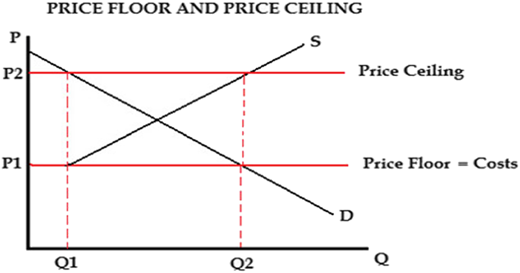
The volatility of shipping costs during the COVID-19 pandemic has had significant implications for businesses operating within Malaysia’s maritime industry. Sudden and unpredictable price fluctuations placed considerable financial strain on both shipping companies and businesses dependent on maritime freight services. To address these challenges, as illustrated in the Appendix-5, a pricing mechanism involving the implementation of minimum and maximum price thresholds can serve as an effective strategy to stabilise freight costs and protect both service providers and clients from excessive financial risks.
A maximum price refers to the upper limit a seller can charge for a service, while a minimum price establishes the lowest amount a buyer must pay (Segal, 2023). Applying these pricing boundaries in maritime freight can help prevent extreme fluctuations that have the potential to disrupt trade operations. During the pandemic, for example, the cost of shipping a 40-foot container from Asia to the U.S. West Coast soared to as high as USD 40,000—ten times the pre-pandemic average of approximately USD 4,000 (Kang, 2022). These steep and erratic price movements adversely affected both established firms and emerging businesses, leading to customer attrition and reduced profitability in the sector.
To mitigate such risks, shipping companies and their clients—exporters, importers, and logistics providers—could negotiate and agree on maximum and minimum price thresholds. For instance, a mutually agreed maximum price of USD 5,000 for transporting goods from Malaysia to the U.S. West Coast would ensure that clients are not subjected to exorbitant charges even during market surges. This protects businesses from liquidity issues and enables more consistent budgeting.
Simultaneously, establishing a minimum price—for example, USD 4,000 for the same route—would prevent clients from underpaying for services when market demand is low. This safeguards the profit margins of shipping companies, ensuring the sustainability of operations during downturns. In essence, this dual-price model offers a “win-win” solution: it cushions buyers against price shocks and protects suppliers from underpricing that could threaten their financial viability. For such a model to work effectively, consensus and transparency between both parties are essential.
In addition to this pricing mechanism, a combination of dynamic pricing (DP) strategies and Lean Six Sigma (LSS) methodologies may provide further resilience to the Malaysian maritime sector. As previously discussed, the DP model—supported by predictive algorithms such as the Back Propagation Neural Network (BPNN)—enables companies to segment booking periods into multiple time slots (T-periods) and adjust prices in real time based on demand forecasts (Ding et al., 2020). This approach allows firms to anticipate container shortages and mitigate cost volatility through proactive planning.
LSS, on the other hand, enhances operational efficiency by eliminating process inefficiencies and reducing labour-related and logistical bottlenecks. The methodology improves port throughput, minimises delays, and ensures better utilisation of resources, all of which contribute to stabilising shipping costs. When applied together, these strategies not only mitigate the impact of unpredictable global events such as pandemics but also strengthen the long-term competitiveness of the shipping industry. To reduce freight rate volatility and enhance resilience in Malaysia’s maritime industry, a multi-pronged approach is necessary. The adoption of maximum and minimum price thresholds offers a pragmatic solution to protect both buyers and sellers from extreme cost fluctuations. Meanwhile, dynamic pricing models provide adaptive pricing flexibility based on demand patterns, and Lean Six Sigma ensures continuous process improvement and operational efficiency. Together, these strategies create a stable, predictable, and cost-effective environment for maritime trade, enabling the Malaysian shipping industry to withstand future global disruptions more effectively.
Conclusion, limitation and implication
To enhance understanding of shipping cost fluctuations resulting from the COVID-19 pandemic, this study has systematically addressed its three key research objectives. The first two objectives focused on identifying the factors contributing to COVID-19-related volatility in freight rates and analysing the impacts of such fluctuations both globally and within the Malaysian context.
At the onset of the pandemic, containerised shipping became increasingly vital due to rising demand for intermediate goods, driven by the resurgence of production activity. However, this increased demand coincided with significant logistical challenges—such as supply chain cancellations, equipment shortages, and reduced container availability—which limited shipping capacity and drove up costs. Port congestion, scheduling inconsistencies, and increased surcharges and taxes exacerbated these pressures (Khan et al., 2022). Other contributing factors included extended transport routes, falling demand for raw materials and energy, vessel unavailability, and overall inefficiencies in global logistics networks (Menhat et al., 2021).
The literature review, in combination with secondary data analysis, helped identify four core drivers of price volatility: increased demand, a shortage of shipping containers, labour shortages, and disruptions at ports (BERNAMA, 2020; Chua et al., 2022; Menhat et al., 2021). These disruptions resulted in broader consequences, including foreign investment decline, delayed supply chain operations, and challenges in sustaining global trade flows. These findings informed the third and most critical research objective: proposing viable recommendations to mitigate future fluctuations in freight rates in Malaysia during pandemic-like disruptions.
The study’s comparative lens highlighted key differences between developed and developing countries in their capacity to absorb shocks and implement strategic interventions. While developed nations may have greater infrastructure and policy flexibility, developing economies like Malaysia require more targeted, resource-conscious solutions. Among the proposed interventions are the adoption of LSS for operational efficiency, dynamic pricing (DP) models to adapt to market volatility, and the establishment of minimum and maximum freight rate thresholds to control extreme price variations.
Although the global impact of COVID-19 on the maritime industry has been extensively studied, there is a dearth of research examining the specific fluctuations in shipping costs within the Malaysian maritime sector and the strategies that could buffer against such volatility in the future. There is also limited availability of systematic data on pandemic-related disruptions and freight rate management in developing countries. This gap highlights the need for proactive, evidence-based strategies to build resilience in Malaysia’s maritime logistics system.
Given the global interdependence of maritime trade, the strategies proposed here may have broader applicability across countries with similar economic and logistical profiles. The performance of a single major port can ripple across international markets, underlining the importance of resilient and adaptive freight pricing systems. While the current study met its primary objectives, limitations remain, particularly regarding the exclusive reliance on secondary data. Incorporating primary data through a mixed-methods approach would offer additional insights and validate key findings.
Looking ahead, future research should focus on deepening strategic insights for shipping cost reduction. This includes conducting surveys and in-depth interviews with maritime sector professionals—port managers, shipping company executives, and logistics personnel—in Malaysia. Such qualitative data would enrich the understanding of how industry practitioners perceive freight rate fluctuations and their ideas for mitigation based on operational experience. Furthermore, quantitative research grounded in maritime economics and international trade theory would support the development of robust predictive models and policy frameworks. Finally, the dynamic nature of the shipping industry calls for continuous and adaptive academic inquiry. As Malaysia seeks to stabilise and strengthen its maritime logistics sector, the integration of operational best practices, pricing innovation, and stakeholder collaboration will be essential. This study provides a foundation for future research aimed at achieving long-term cost stability, efficiency, and resilience in the face of global disruptions.
References
Further reading
Appendix 1
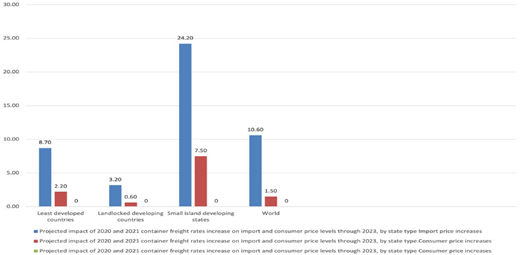
Impact of container freight rates surge on import and consumer prices 2021–23. Source(s): UNCTAD (2021a, b)
Impact of container freight rates surge on import and consumer prices 2021–23. Source(s): UNCTAD (2021a, b)
Appendix 2
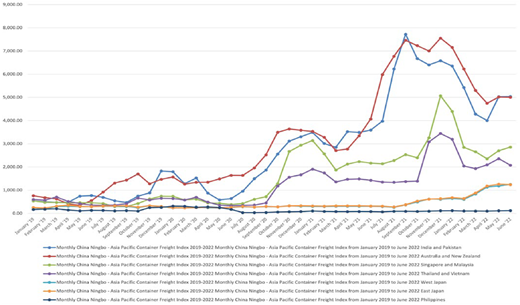
Monthly China Ningbo – Asia Pacific container freight index 2019–2022. Source(s): Ningbo Shipping Exchange (2022)
Monthly China Ningbo – Asia Pacific container freight index 2019–2022. Source(s): Ningbo Shipping Exchange (2022)
Appendix 3
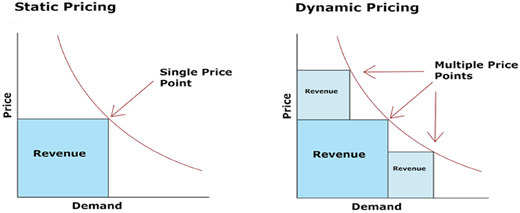
Comparison between static pricing and dynamic pricing. Source(s): Paddle (2022)
Appendix 4
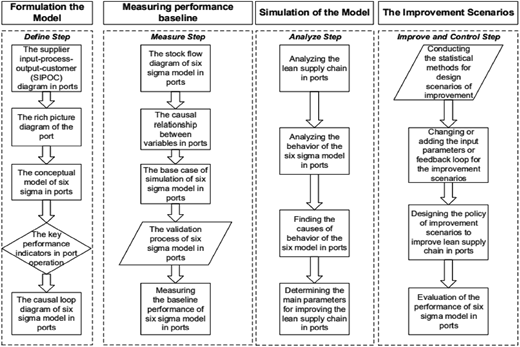
Integration model of six sigma and system dynamics for improving lean supply chain at ports. Source(s): Jayaraman et al. (2012), Ridwan (2016) (p. 37)
Integration model of six sigma and system dynamics for improving lean supply chain at ports. Source(s): Jayaraman et al. (2012), Ridwan (2016) (p. 37)