

Introduction
The tourism industry is one of the world’s largest industries, representing 10% of global gross domestic product (GDP) and accounting for 25% of new jobs pre-pandemic (World Travel and Tourism Council, 2022). As a driving force of the global economy, tourism has a long history of contributing to global sustainable development (Scheyvens and Cheer, 2021). Global tourism management and marketing is in transformation and therefore:
Smart sustainable tourism strategies should be applied, using evidence-based tourism management and marketing knowledge, to facilitate the propagation of best practices in tourism management and marketing. The implementation of such practices should facilitate the co-creation of value for all stakeholders, by adhering to ethical principles and ensuring the welfare of all involved – from academia to industry players, destination residents and consumers. Smart strategies should lead to the transformation of tourism, supporting sustainable development and inclusive societies (Buhalis, 2022).
About four decades ago, sustainable development was coined by the United Nations (UN) as “development that meets the needs of the present without compromising the ability of future generations to meet their own needs” [World Commission on Environment and Development (WCED), 1987, p. 43]. Since then, sustainable development has been embedded in UN development agendas such as Agenda 21 (United Nations, 1992) and Millennium Declaration (United Nations, 2000) as a principle of international development thinking. In 2015, the UN introduced the newest development agenda – the 2030 agenda for sustainable development – as a shared blueprint for a globally sustainable future (United Nations, 2015). Agenda 2030 comprised 17 interlinked sustainable development goals (SDGs), urging all countries and all industries to engage in global partnerships to achieve social equality, economic growth and environmental protection (Scheyvens and Cheer, 2021). In 2017, UNWTO declared tourism as a “catalyst” in achieving all SDGs and advancing sustainable development (UNWTO, 2017). The declaration identifies five central pillars where tourism plays a significant role, namely, sustainable economic growth, social inclusiveness and equality, environmental protection and climate change, cultural diversity and heritage, mutual understanding and peace (UNWTO, 2017). The declaration serves as a general principle for implementing the SDGs as a global code of ethics in tourism. Since then, researchers also conducted studies on integrating tourism into national SDG planning processes (Boluk et al., 2019).
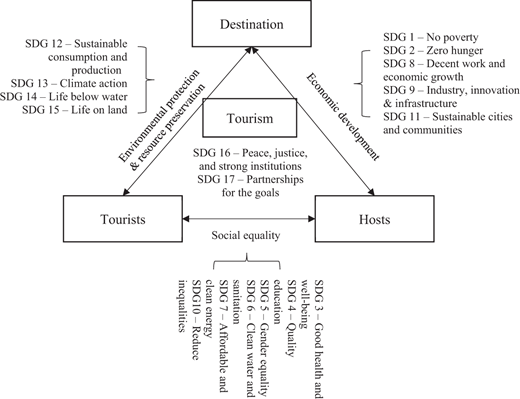
The world is midway through the Agenda 2030 (2015–2030) implementation. The COVID global crisis and the subsequent economic, human resources and energy crises, in combination with wars and political unrests around the world, introduce unprecedented challenges for global societies. A reflection on the achievements of the tourism industry in the sustainability context is needed to foster the next stage of sustainable tourism development strategies. This viewpoint paper presents a systematic analysis and critique of interconnections between SDGs and tourism. It aims to advance thinking in the interconnections of different elements of sustainability in the tourism industry, as illustrated in Figure 1. The paper encourages future research directions for tourism researchers and identifies opportunities for tourism policymakers to respond to the global challenges and contribute to a more sustainable world.
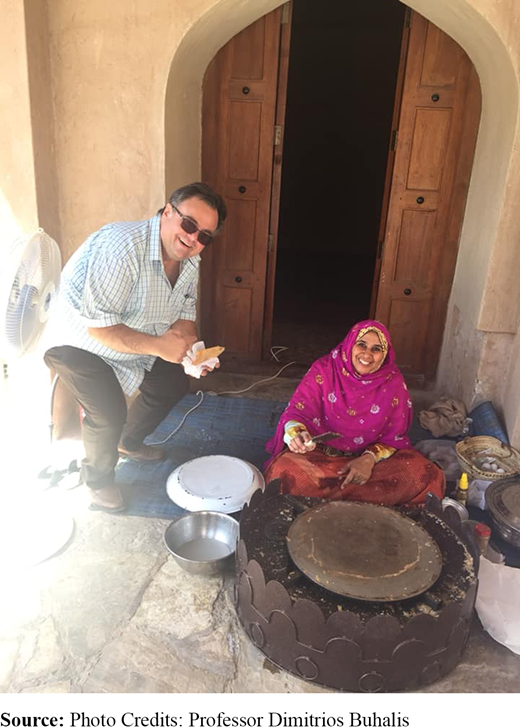
SDG 1 – No poverty aims to “end poverty in all its forms everywhere” (United Nations, 2015, p. 15). Even though some progress has been noted to reduce global poverty levels, poverty remains one of the most enduring concerns of nations affecting both developing and developed countries (World Bank, 2020). Poverty may be experienced at the national level, in countries where a large majority of the population lives in poverty. Poverty is also encountered in specific areas within a country or a region that may even be considered an affluent country (Farmaki and Pappas, 2021). Tourism has been widely recognised for contributing to poverty alleviation (Mitchell and Ashley, 2009). Tourism is an important source of economic growth and a key contributor to the GDP for many countries, especially developing ones as well as in peripheral and insular regions where tourism is often the only economic activity that can achieve competitiveness (Buhalis, 2022). Pro-poor tourism is often regarded as a quick and low-cost way for poverty alleviation in poor areas (Gao and Wu, 2017). In developing nations, pro-poor tourism initiatives have been promoted as a way in which tourists’ needs of altruism needs can be met through volunteering, while improving the local community’s standard of living. Likewise, tourism has been recognised as a potential generator of regional development (Calero and Turner, 2020). This is particularly conducive to minority or marginalized groups in the host community, as for example women, people with disability and youth, as it offers microenterprise, entrepreneurial and/or employment opportunities (Darcy et al., 2022). Plate 1 illustrates the importance of micro-enterprise in empowering women in countries without any social security to break the poverty cycle. Certain forms of tourism such as cultural tourism can be beneficial for the economic empowerment of societal groups, as they may improve overall poverty levels (Moswete and Lacey, 2015). Yet, tourism’s pro-poor potential has been questioned, given the lack of commitment to addressing structural inequities that exacerbate poverty and limit pro-poor attempts (Chok et al., 2007). Tourism stakeholders need, therefore, to ensure that tourism development policies have embedded as a key goal poverty alleviation for all members of the host community. International companies, for example, may include poverty as a key goal of their corporate social responsibility (CSR) strategies by considering the recruitment of underprivileged locals and the development of community-based tourism among others. Poverty is expected to rise further following the COVID-19 pandemic and the economic crisis that follows, with most countries being estimated to continue to experience the effects of the pandemic until 2030 (World Bank, 2020). Poverty should be placed high on the priority agenda of policymakers and industry practitioners.
SDG 2 – Zero hunger aims to “end hunger, achieve food security and improved nutrition and promote sustainable agriculture” (United Nations, 2015, p. 15). It is closely related to SDG1. FAO (2021) estimates that between 720 and 811 million, or approximately 10% of the world’s population faced hunger in 2020, with half of the world’s undernourished centred in Asia. SDG 2 calls for international cooperation and investment in rural infrastructure and technology development in developing countries to ensure sustainable food production systems, resilient agricultural practices and food security. Tourism has been contributing to the elimination of hunger by attracting tourist expenditure in poor regions. Many destinations, such as Thailand and Indonesia, developed tourism, especially in peripheral regions, as a way to reduce hunger. However, the COVID-19 pandemic has disrupted the food supply chains and caused a global economic slowdown, which profoundly impacts global food security (Aldao et al., 2021). With difficulties in accessing food, the target of ending hunger remains a significant hurdle to overcome. Tourism can help achieve this goal by creating jobs for people working directly in the tourism industry. It also improves the livelihoods of indigenous peoples, family farmers, etc. by supporting local farmers to grow nutritious food, supporting responsible agricultural practices and selling them to local enterprises or by inviting tourists closer to food production spaces (Degarege and Lovelock, 2021). Bertella (2020) suggest that future tourism should focus on how travel experiences can promote societal changes and habits, as this will have a long-term impact on sustainable agriculture. Considerable research is also needed on how tourism promotes the use of sustainable agriculture products to hotels and tour operators to make local food production more profitable. Zero hunger can also be achieved by investing locally in food tourism and bringing tourists to experience fresh food where it is produced, improving their overall travel experiences. There are strong interests from tourists in experiencing agricultural life (e.g. mushroom or strawberry picking experiences, participating in crop care, olive oil and wine tasting, etc.). This can bring income and resources to deprived regions and producers, eliminating intermediaries. Agri-tourism can complement traditional agricultural activities by supplementing family farmers’ income and by using on-farm resources creatively (Dubois et al., 2017). Local and authentic culinary tourism and experiences are rising (Martin et al., 2021), and food experiences will increasingly extend beyond restaurant settings, to locations such as farms with strong tourist interest in how food is produced. Future tourism needs to focus more on co-creation drivers in creating authentic food experiences (Rachão et al., 2021 Antón et al.,2019). Equally, income from tourist activities as well as hospitality infrastructure and facilities can be used to support food production, processing and distribution for those in need in the community. Eliminating food waste from hospitality establishments can also be used to support zero hunger for local populations.
SDG 3 supports good health and well-being. It pledges to “ensure healthy lives and promote well-being for all at all ages” (United Nations, 2015, p. 16). SDG3 aims to “achieve universal health coverage, including financial risk protection, access to quality essential health-care services and access to safe, effective, quality and affordable essential medicines and vaccines for all” (United Nations, 2018, p. 97). In the tourism settings, although having admitted that some SDGs, including SDG 3, “showed very little connection with tourism” (United Nations, 2018, p. 24), the United Nations (2018, p. 16) still advocates, for example, that “tax income generated from tourism can be reinvested in health care and services, improving maternal health, reduce child mortality and preventing diseases” and “visitors fees collected in protected areas can as well contribute to health services”. In helping realize SDG 3, the tourism industry has contributed to and will continue to contribute to health. Increasing quality of life and access to well-being and medical facilities is one aspect of tourism contribution. Various travel contexts, including medical and health tourism (Hall, 2011), nature-based tourism (Buckley, 2020) and adventure tourism (Buckley, 2021), have long been recognised to be able to contribute to tourists’ physical and mental health and subjective well-being. According to Buckley (2021), music, museums and shopping malls in urban and indoor settings have been identified as therapeutic for some types of individuals; in comparison, nature tourism therapies have been tested within broader contexts and with a higher level of supportive evidence. Adventure tourism has been demonstrated to have powerful psychological effects. In addition, local residents in communities with tourism development usually benefit economically and culturally from their participation in tourism, which in turn helps increase their perceived well-being and improve their physical and mental health (Godovykh and Ridderstaat, 2020). Nevertheless, the tourism industry still has a long to go in combating sex trafficking (Wen et al., 2020), reducing drug use and HIV risk (Guilamo-Ramos et al., 2015) and protecting the safety and security of tourists (Hall et al., 2012), to help achieve SDG 3. COVID also demonstrated that travel may have a serious impact on public health during pandemics as well as on the perception of health safety of travellers (Godovykh et al., 2021).
SDG 4 – Quality education aims to “ensure inclusive and equitable quality education and promote lifelong learning opportunities for all” (United Nations, 2015, p. 18). SDG 4 represents a shift from the narrow focus on primary education to a more inclusive form of education encompassing pre-primary, primary, secondary, tertiary, vocational and adult education. The conceptualization of education in SDG 4 expands to include literacy, numeracy and broader learning related to global citizenship, sustainability and gender equality (Unterhalter, 2019). Tourism is a highly labour-intensive sector and, therefore, it requires a skilful and well-trained labour force to deliver, operate and manage the tourism and hospitality services and destinations. During the early years of tourism, concerns were expressed about the unavailability of an educated and well-trained labour force (Tracey and Swart, 2020). However, in response to the steady growth of tourism, several countries have invested in tourism education by providing a range of formal and informal training (Airey, 2020). These include undergraduate, graduate and vocational programs in tourism and allied fields such as hospitality, events and leisure as well as professional development programs. Tourism is also a fragmented industry and has strong linkages with the informal sectors of the local economy. The entrepreneurial opportunities from tourism development are also consequential (Ratten, 2019). Tourism education, therefore, is an effective tool for social change and empowerment (Deagon et al., 2021). It supports literacy, language and skills development programs that impact employment and livelihood opportunities for local people, especially disadvantaged and low-skilled people (Swisscontact, 2021). Education also supports social mobility and provides opportunities for people to improve their quality of life. Deagon et al. (2021) demonstrate that tourism education improves communication and interpersonal skills among women and contributed to their empowerment and emancipation. To be more inclusive, tourism education has also started addressing the needs of indigenous communities by including indigenous paradigms and considering the socio-cultural context in which teaching is delivered (Curtin and Bird, 2022). Tourism also provides opportunities for communal understanding of civil action and education for citizenship (Farsari, 2022). Environmental education for local people and tourists promotes pro-sustainability behaviours and changes attitudes (Spenceley and Rylance, 2019).
SDG 5 – Gender equality aims to “achieve gender equality and empower all women and girls” (United Nations, 2015, p. 18). Although the UN has been committed to advancing gender equality for more than half a century, gender inequalities are still persistent, with women facing economic, political and social discrimination. Women not only suffer from violence, particularly domestic violence but also face employment discrimination and gender wage gaps in workplaces (United Nations, 2021). The current pandemic has added extra burdens of unpaid domestic and care work to women, deteriorating gender inequalities (United Nations, 2021). As one of the largest employers, the tourism industry creates a wide selection of job opportunities for women, particularly those in developing countries (UNWTO, 2019). Since the key offering of the tourism industry is quality service for travellers, women have the capabilities to perform tourism-related tasks better than men (Costa et al., 2017). Therefore, the tourism industry represents a more balanced gender workforce with fewer gender wage gaps than other industries (UNWTO, 2019). The employee-friendly schedule flexibility of many tourism jobs supports a better work–life balance for women, especially women with family commitments (Costa et al., 2017). A large proportion of female students have been offered high tourism education and on-the-job training for their career growth (UNWTO, 2019). However, often women face the “glass ceiling” phenomenon, suffering from vertical discrimination and remaining in lower responsibility and less paid jobs. Women are also often remaining in low-scale tourism entrepreneurial ventures, that often combine with other commitments locally or with family. With more opportunities and better education, women are more likely to take leadership roles in the tourism industry, accounting for 23% of tourism officials worldwide, more than any other government branch (UNWTO, 2019). Although women are still under-represented in senior management positions, the tourism industry provides viable options for women’s entrepreneurship initiatives due to special skills and low start-up investment (UNWTO, 2019). Women entrepreneurs succeed in natural, cultural, adventure, community-based tourism and ecotourism, facilitating woman empowerment and decision-making (Movono and Dahles, 2017). Women, as consumers, are key travel decision-makers in the tourism industry for centuries (Khoo-Lattimore and Prayag, 2015). Women travel with their family, friends or solo for both leisure and business purposes. They are the key decision makers in travel planning as they are doing most of the information search. Carballo et al. (2022) illustrate that “risk perception is often higher for women than for men and depends on the type of risks and the characteristics of the destination.” Studies have also been conducted to understand the unique characteristics and needs of different niche female travel markets, such as businesswoman travellers, educated women travellers, senior women travellers and solo woman travellers (Khoo-Lattimore and Prayag, 2015; Yang et al., 2019). The tourism industry has adopted suggestions such as recreating gendered tourism and reshaping the mutual tourist gazes to empower women travellers (Jordan and Aitchison, 2008). However, there are still challenges as Khan et al. (2019) explore the perceived risks, travel constraints and visit intentions of young women travellers.
SDG 6 – Clean water and sanitation pledges to “ensure availability and sustainable management of water and sanitation for all” (United Nations, 2015, p. 18). SDG 6 calls for global endeavours to achieve “universal and equitable access to safe and affordable drinking water for all”, as well as “access to adequate and equitable sanitation and hygiene for all” (United Nations, 2015, p. 18). Improving water quality and water-use efficiency, implementing integrated water resources management and protecting and restoring water-related ecosystems are all needed to help realize SDG 6 (United Nations, 2015). Water sports and leisure activities, such as surfing, yachting and scuba diving, are also one of the key motivations to travel and attract tourism (Dai et al., 2022) and therefore clean water is a key resource. The tourism industry has been a large direct and indirect consumer of clean water at the national level (Hadjikakou et al., 2013; Gössling et al., 2012). The proportion of water consumption by the tourism sector is typically below 5% of domestic water use (Gössling et al., 2012), with the exceptions of Mauritius with a proportion of 40%, followed by Cyprus, Malta, Barbados and Spain, all higher than 10% (Gössling et al., 2012). Tourism has also been an undeniable polluter of water resources in many different parts of the world (Gedik and Mugan-Ertugral, 2019; Moyle et al., 2022). To help achieve availability and sustainable management of water and sanitation, tourism investment projects (e.g. hotels, restaurants and scenic spots), have played and will continue to play a critical role in achieving water access and security, as well as hygiene and sanitation for tourists, employees and local residents (Loehr et al., 2021; Moyle et al., 2022). This is by mandating the provision and upgrading of water-related utilities (e.g. wells, tankers, waterworks, electric pumps). Facilitating the efficient use of water (Yoon et al., 2022); relieving tourism-related pollution (Gedik and Mugan-Ertugral, 2019); and improving technology efficiency (Yoon et al., 2022) should be key to safeguarding clean water as one of our planet’s most precious resources and to ensuring sanitation and hygiene for all involved in the tourism industry.
SDG 7 – Affordable and clean energy refers to the efforts that could “ensure access to affordable, reliable, sustainable and modern energy for all” (United Nations, 2015, p. 19). Though endeavours have been made in improving access to electricity, increasing renewable energy use and improving energy efficiency, many countries and regions still struggle with providing affordable, reliable, sustainable and modern energy for all (United Nations, 2021). It attributes to various interrelated deep-rooted socio-economic, cultural and technical factors, including a lack of energy supply system, renewable energy resources and proper technologies (Tucho and Kumsa, 2020). With the global uncertainty of crude oil and natural gas prices, environmental pollution and global warming, seeking affordable and clean energy is urgently prioritised by governments globally (Dada and Mbohwa, 2018). Tourism helps access affordable and clean energy, as it creates the infrastructure for all users. Tourism activities are contributing to a great proportion of the energy consumption, especially for destinations with tourism as a pillar industry in their economies. Tourism makes great efforts to support clean energy consumption. Ecotourism destinations adopt renewable energy sources, such as solar panels and dish systems, and sustainable energy techniques to get better effectiveness and improved production (Prinsloo, 2013). Cycle tourism is emerging due to tourists’ lack of daily physical activity and the potential health and safety risk from long-distance mobility, as well as tourists’ increasing awareness of responsible energy consumption (Simeoni and De Crescenzo, 2018). This also applies to the rising trend of hiring electric cars or clean energy vehicles instead of traditional ones. Top destinations and attractions, such as Orlando in Central Florida, USA and the Disney theme parks have committed resources to electric vehicle infrastructure (Fjelstul and Fyall, 2015). Though quite a few renewable energy resources have been introduced to the public, the adaptation of those renewable resources in the tourism industry is not yet well monitored and standardised. Research should develop mechanisms to understand and evaluate innovative processes to address the demand and supply of clean energy and evaluate the potential benefits and costs for them in both the short and long terms. For example, Disneyland in Hong Kong takes most of its energy requirements from solar panels placed on the rooftops of various attractions. Meanwhile, tourists’ appreciation and pro-environmental preferences are also strong drivers for business sectors to take action and consume clean energies.
SDG 8 – Decent work and economic growth aim to “promote sustained, inclusive and sustainable economic growth, for productive employment and decent work for all” (United Nations, 2015, p. 19). More broadly conversations rise about rethinking a more balanced approach to economic growth, a share of the wealth between the developing and developed world as the pandemic has shown that all humanity must be safeguarded and protected in the same way if the world is to prosper (Mathieu et al., 2021). SDG 8 requires to incorporate decent work in both the developing and developed economies through a rethinking of labour practices as both a human rights agenda and the redistributive mechanism through fair and decent work opportunities, ongoing career development and sharing of wealth through income for marginalized stakeholders (Aldao et al., 2021). Tourism’s connection to SDG 8 can counter perpetuating the logic of growth, neoliberal competitiveness and exploiting structural injustice, particularly in developing countries where weak labour regulation and, hence, lower labour cost without regulatory protection has been exploited (Bianchi and de Man, 2021). The tourism industry does provide global opportunities as a service-based, labour-intensive industry for a fairer allocation between the developing and developed world (United Nations, 2018). This is particularly the case when the tourist dollar is spent in local markets and generates multiplier effects. Plate 2 illustrates a night market where tourists strike out beyond the tourist bubbles of Western 4- to 5-star resort hotels to spend money at local markets and vendors, making a direct contribution to the local economy. Conservatively, the UNWTO identified that tourism provides 8%–10% of global employment, and the pandemic saw the loss of some 62 million jobs globally with developing nations more adversely affected (UNWTO, 2022). As many nations have decided to “learn to live with the pandemic” before considering “a post-pandemic world”, tourism has an opportunity to be positioned to act as a reset button. The International Labour Organisation (ILO) developed a set of guidelines to assist the tourism industry move toward more socially responsible tourism (International Labour Organization, 2017) that addresses issues of fair income, security in the workplace, training for host populations to provide entry into employment and career development beyond entry-level positions. However, it is up to the industry to operationalise strategies to address the challenges and opportunities it faces living with or post-pandemic. One significant challenge in both developing and developed economies are staff shortages that will require strategies for long-term recovery (World Travel and Tourism Council, 2021c). Decent work and human capital development in conjunction with strategies to attract previously marginalized groups including host populations (poor or ethnically or first nation marginalized) and people with disability, with training and career development, can offer socially sustainable labour pools for the tourism and hospitality industries towards 2030 and beyond (World Travel and Tourism Council, 2021a).
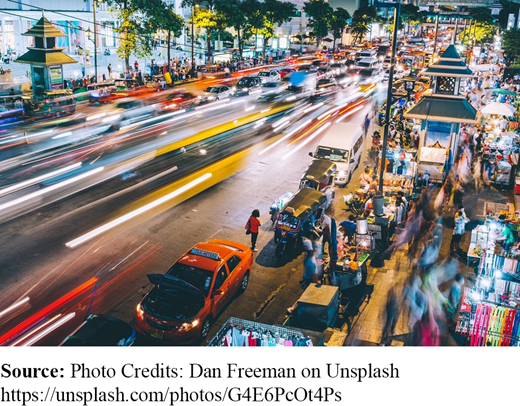
Tourists spend money at local markets and vendors contributing to economic growth in Bangkok, Thailand
Tourists spend money at local markets and vendors contributing to economic growth in Bangkok, Thailand
SDG 9 – Industry, innovation and infrastructure aims to “build resilient infrastructure, promote sustainable industrialization and foster innovation” (United Nations, 2015, p. 20). The three important elements – industrialization, innovation and infrastructure – work together to create a dynamic economy in our society that creates employment and income (United Nations, 2015). SDG 9 also introduces and promotes new technologies to improve the efficient use of resources, increase economic impacts and reduce environmental impacts (United Nations, 2015). Tourism is a dynamic global industry that establishes forward linkages with infrastructure-related industry sectors and backward linkages with manufacturing industry sectors (Cai et al., 2006). With international best practices, the tourism industry brings together industrialization, innovation and infrastructure by integrating often-closed traditional industries and creating additional demands for these industries (Zha et al., 2019). Tourism encourages hard and soft innovations, constantly adapting products and services to consumers and local contexts in real-time (Buhalis and Sinarta, 2019). The tourism industry has long recognized the importance of reliable public–private infrastructure as a major determinant of attracting and satisfying tourists, especially international visitors (Lim et al., 2019; Seetanah, 2019). To increase destination competitiveness, the tourism industry works as a whole to invest in and lobby for infrastructure upgrades and renovation, including transportation infrastructure, accommodation facilities and telecommunication (Lim et al., 2019; Seetanah, 2019). To help achieve SDG 9, the future tourism industry needs to focus more on sustainable tourism facilities and infrastructures that allow all-inclusive access and use, especially by travellers with disabilities and disadvantaged and vulnerable groups, such as seniors, children and pregnant women (Darcy et al., 2020). New information and communication technologies fuel smart tourism through ambient interactivity with environments (Buhalis, 2020). The changing traveller needs, especially during the pandemic, further accelerate the digitalization of travel (İlhan, 2021). Emerging technologies that revolutionize future travel include mobile technology, the internet of things, artificial intelligence, voice assistant and robotics, big data, blockchain, virtual reality/augmented reality/mixed reality and biometrics (Leung, 2020; Buhalis et al., 2019). An emerging trend in tourism is Smart Tourism, which asks destinations to collect and analyse data retrieved from various sources to maximize destination competitiveness and enhance tourist experiences, emphasizing sustainable development (Buhalis, 2020). The future tourism industry will be able to help achieve SDG 9 by promoting more smart destinations and connecting tourism technology with sustainability (Shafiee et al., 2019).
SDG 10 – Reduce inequalities aims to reduce inequality within and among countries (United Nations, 2015). It aims to stimulate income growth of the bottom 40% of the population, empower and promote the economic, social and political inclusion of all, ensure equal opportunity and reduce inequalities of outcome through appropriate legislation, policies and action and adopt policies to achieve equality, enhance representation and voice for developing countries in decision-making and facilitate responsible migration and mobility of people (United Nations, 2015). Tourism reduces inequalities by attracting both domestic and international visitors, typically from more affluent regions, creating potential job opportunities for locals and alleviating animosity while promoting social justice between hosts and guests. To achieve SDG10, destination management organisations should also pay attention to the needs of disadvantaged and marginalized populations and engage them in the tourism activity. Attracting tourism and their expenditure in deprived areas can reduce inequalities. Organizations such as UNWTO, WWF and World Bank have provided investment tools and training opportunities to empower local stakeholders in tourism decision-making (Haukeland, 2011). Local tourism governance is also encouraged to promote a bottom-up approach and involve local communities in tourism decision-making (Tosun, 2000). Tourism itself is an activity that is affordable to the rich instead of the poor. With outgoing tourism, social tourism is a type of tourism that promotes accessibility, participation and inclusion of all members of the society, including disadvantaged and excluded groups (Minnaert et al., 2012). The participation of social tourism provides opportunities to promote well-being, normal functioning and social inclusion (McCabe and Johnson, 2013). McCabe (2020) suggests that social tourism can be a warfare model and a useful policy tool for governments to reduce inequality and increase social inclusion. If not managed well, tourism may exacerbate inequalities between countries, rather than reduce them. Higgins-Desbiolles (2020) critically evaluates tourism development in the past decades and concludes that tourism has supported neoliberal injustices and exploitation. A rethinking of tourism development should establish a more sustainable way towards the future. Tourism should be made socialized and accountable to the social and ecological limits of the planet (Higgins-Desbiolles, 2020). To reduce inequalities within and between countries as set in SDG 10, attention should be paid to social, economic, environmental and political justice in tourism. Sheldon (2022) suggests that “regenerative tourism replenishes, revitalizes and contributes to the long-term flourishing of destination communities and environments. It is based on the principles of regenerative agriculture and regenerative economics such as systemic, long-term thinking; respect for human values and nature’s laws; and the ability for self-renewal in ever-changing conditions. The goal of sustainable tourism is to minimize the harm done to a destination, while regenerative tourism seeks to replenish a destination’s resources so that it can thrive in the long term.” Regenerative tourism should be community-centred and based on the rights and interests of local communities and local people, a way that tourism is recentred on the public good (Jamal and Higham, 2021).
SDG 11 – Sustainable cities and communities promote “making cities and human settlements inclusive, safe, resilient and sustainable” (United Nations, 2015, p. 21). The interpretation of this goal is inclusive and diverse. As described by United Nations (2015, pp. 21–22), inclusion, safety, resilience and sustainability could be about establishing “access for all to adequate, safe and affordable housing and basic services and upgrade slums”, “access to safe, affordable, accessible and sustainable transport systems for all”, “efforts to protect and safeguard the world’s cultural and natural heritage”, “provide universal access to safe, inclusive and accessible, green and public spaces, in particular for women and children, older persons and persons with disabilities”, “positive economic, social and environmental links between urban, peri-urban and rural areas by strengthening national and regional development planning” and beyond. Tourism activities generate various environmental, social-cultural and economic impacts on the destination communities. Though those impacts are often being accused to be negative and destructive, the considerably positive effects should not be ignored. Tourism development brings economic benefits to destinations and engages disadvantaged groups in tourism employment (Dashper et al., 2021). Tourism could also enhance residents’ sense of pride and cultural competence, as well as reinforce locals’ tangible and intangible cultural heritage (Fan, 2020). Along with the tourism development, diverse tourist segments’ needs, such as women (Khoo-Lattimore and Prayag, 2015), the elderly (Kim et al., 2015), persons with disabilities (Darcy et al., 2020) and migrants (Huang et al., 2018), have been increasingly recognized by both the academia and the practitioners. Rural tourism, as one popular type of destination, has provided opportunities for rural residents to participate in tourism-led economic development, leading to rural revitalization (Gao and Wu, 2017). It also helps them to establish a strong cultural identity, protect their traditions and raise cultural awareness (Gao and Wu, 2017). The unique attractiveness of rural destinations, such as nature, landscape, agriculture, digital detox opportunities and less crowded space, is favoured by tourists from urban areas. However, caution should be taken when developing rural tourism as inappropriate development can easily lead to social conflict, loss of cultural connotations of rurality and landscape change marginalizing the local population (Ma et al., 2020).
SDG 12 – Sustainable consumption and production aims to “ensure sustainable consumption and production patterns”. It aims to achieve sustainable management and efficient use of natural resources, reduce food waste and food losses, reduce chemicals release, reduce waste generation, encourage sustainable practices and support big companies to adopt sustainable practices (United Nations, 2015, p. 22). Tourism development relies on the consumption of resources. Thus, the way how the tourism industry uses natural resources is crucial in achieving sustainable consumption. Fundamentally it is environmental ethics – anthropocentrism and ecocentrism - that determines how natural resources should be used (Xu and Fox, 2014). To achieve a more sustainable way of consumption of natural resources, individuals need to change the way how they view nature and treat nature. Regenerative tourism and an eco-centric view are encouraged (Sheldon, 2022). A more sustainable lifestyle and travel behaviour of tourists should be encouraged. Tourists should be encouraged to buy responsible tourism products, choose environmentally friendly transportation or behave responsibly towards destination communities (Barr et al., 2011). As tourists’ pro-environmental behaviour on holiday is linked with their behaviour at home, a low carbon lifestyle and pro-environmental behaviour should be encouraged not only on holiday but also at home (Xu et al., 2020). Sustainable consumption and production approach in tourism also means avoiding unnecessary or wasteful consumption and consuming. Dolnicar (2021) demonstrates that travellers often forget their environmental consciousness when travelling and use several excuses tourists use to justify environmentally unfriendly behaviours. The tourism industry can introduce circular economy models and practices at the industry level to minimize food waste through preventative measures and recycling practices (Camilleri, 2021; Dolnicar, 2021). Collaborative consumption, such as the rise of sharing accommodation, sharing transportation and sharing staffing (Leung et al., 2019) may also contribute to the sustainable consumption of idol resources, if managed well (Buhalis, Andreu, Gnoth, 2020), CSR is also a well-established area when considering sustainable consumption and production, especially involving previously overlooked stakeholder groups such as communities, ecosystems, NGOs and government (Font and Lynes, 2017). Leading tourism companies should take a leading role in setting up a model for other stakeholders in reducing chemical release and waste generation. Many produce environmental, social and governance reports to measure and demonstrate their contribution to SDGs.
SDG 13 – Climate action aims to “protect, restore and promote sustainable use of terrestrial ecosystems, sustainably managed forests, combat desertification and a hold and reserve land degradation and hold biodiversity loss” (United Nations, 2015, p. 24). The debates as to the fact of climate change science and the claims of ‘fake news and, hence, climate action had become the focus of social, political and economic thinking that is challenging individuals, groups, political parties and nation-states to question the notion of neoliberal economic organisation of capitalism and the notion of continuous economic growth. The paradox of the sustainable development goal and climate action is that the very nature of tourism contributes significantly to the carbon footprint by producing about 8% of the overall CO2 emissions with an estimated 4% growth per annum compounding (Lenzen et al., 2018). Tourism as an isolated industry sector is not the panacea for a reduction in CO2 emissions. The very nature of transportation, as a significant component of all forms of tourism, particularly long-haul tourism, and tourism to natural areas creates further harm to the environment that tourists are drawn to (Schweinsberg and Darcy, 2022). The tourism industry has always focused on incorporating innovation to decrease the carbon footprint caused by various means of travel transportation, including by car, train, air and cruise (Luo et al., 2018; Paiano et al., 2020). Researchers have developed innovative ways to measure tourism’s carbon footprint and propose strategies that reduce carbon emissions caused by tourism activities (Sun et al., 2020; Yang et al., 2021). The World Travel and Tourism Council (2022) suggests that tourism has the potential to value the environment and provide financial incentives to conserve protected areas through providing environmental benefits for host communities. Yet, Becken and Loehr (2022) suggest that, at best, incremental changes for climate action are possible, rather than transformational change. They also point out the weakness of tourism stakeholder engagement while seeking to develop a shared value over the long-term by taking climate action to protect people and the environment. Looking into the future, WTTC urges the tourism industry “to accelerate the transition to low-carbon and circular business solutions; to create new opportunities in energy generation and halve transport emissions by 2030; and to integrate nature-based solutions into their operations (World Travel and Tourism Council, 2021b).”
SDG 14 – Life below water is about “conserving and sustainably using the oceans, seas and marine resources for sustainable development” (United Nations, 2015, p. 23). Over 3 billion people are relying on oceans for their daily livelihoods (United Nations, 2021). However, the sustainability of the oceans is being threatened by various issues, such as fishery collapse, marine pollution, ocean warming, acidification and eutrophication (United Nations, 2021). The specific missions set for this goal are to protect marine and coastal ecosystems to minimize negative impacts, reduce marine pollution, particularly from land-based activities, and enhance the economic benefits of small islands from different industries, such as fisheries, aquaculture and tourism (United Nations, 2015). Coastal tourism is closely relying on the sustainable development of the ocean. For example, closer interactions with wildlife through snorkelling and diving, whale/dolphin watching and fishing are popular tourism activities provided by many destinations, whereas many itineraries heavily involve ferries and speedboats to offer an experience on the sea (Lau et al., 2019). However, the extensively developed tourism industry also creates damage to the ocean (e.g. harm to wildlife/habitat and loss of biodiversity), some of which are even irreparable and permanent (Trave et al., 2017). Therefore, the debates around whether or not tourism and wildlife can co-exist still generate great attention. Cruise travel has long been blamed for its heavy pollution of both the ocean and the air (Copeland, 2008). As a heavy energy consumer, the volume of waste that cruise ships produce is considerably large, including sewage; wastewater from sinks, showers and galleys (graywater); hazardous wastes; solid waste; oily bilge water; ballast water; and air pollution (Copeland, 2008). Smart ecosystems in modern cruise ships could help mitigate such threats towards the environment (Buhalis et al., 2022). Some destinations have already taken various actions to protect their marine resources from being damaged by overwhelmed tourism activities. For example, Thailand authorities closed Maya Bay for example to protect wildlife and the coral reef (Cripps, 2022). Many destinations also incorporate the conservation concept of marine life in their tours and corporate social responsibility schemes to raise people’s awareness (Zeppel and Muloin, 2008).
SDG 15 – Life on land aims to “protect, restore and promote sustainable use of terrestrial ecosystems, sustainably manage forests, combat desertification, and halt and reverse land degradation and halt biodiversity loss” (United Nations, 2015, p. 18). Many studies document changes in the extent and condition of our biodiversity and land resources that undermines the achievement of sustainable development (Diaz et al., 2019). SDG 15, therefore, addresses the unprecedented loss of biological diversity facing the world and recognizes that stewardship of the territorial ecosystems, including forest and land resources, is essential to sustainable development (Krause and Tilker, 2022). Tourism is not only a highly natural resource intense sector, but it is also increasingly vulnerable to resource scarcity (Gössling and Peeters, 2015). Biodiversity and the natural environment are often the main motivations for travellers to visit a destination (Spenceley and Rylance, 2019). The relationship between tourism and environmental conservation can be analysed at three levels: conflict, co-existence and symbiosis (Budowski, 1976). While all three types of interactions exist, a state of symbiosis is necessary for tourism development to contribute to SDG 15. With new approaches to sustainable tourism that involves the development of ecotourism and protected areas, the industry has been an agent of environmental conservation and protection. The ecotourism development has reduced local communities’ dependence on forest resources by providing them with entrepreneurial and livelihood opportunities in the tourism supply chain (Giorgadze, 2018). The contribution of tourism to protected areas which are considered an important tool for the conservation of biodiversity and maintaining ecological resilience (Baum et al., 2017), is also an important step toward the advancement of SDG 15. Tourism in protected areas helps to establish mutually beneficial relationships between local communities, the protected area and the industry (Morea, 2021). As protected areas across the world have acquired importance as popular tourist destinations, revenues from tourism provide much of the needed funds to manage these places (Whitelaw et al., 2014). In other cases, if properly managed, tourism development has beneficial effects on land use and conservation (Chancellor et al., 2011; Kytzia et al., 2011).
SDG 16 – Peace, justice and strong institutions aim to “promote peaceful and inclusive societies, provide access to justice for all and to build inclusive and strong institutions” (United Nations, 2015, p. 25). According to United Nations (2021), child labour has risen to 160 million, and about 1% of the world population has been forcibly displaced due to conflict, violence and persecution in 2020. Therefore, SDG 16 calls for a reduction in violence and related death rates, the end of abuse and exploitation of children, reduction of illegal financial flows, corruption, bribery and the development of human rights and national institutions and the rule of laws. Tourism involves interactions between people of different cultures, religions and races, who are the necessary building blocks for a more peaceful society. Erwin and Sturm (2022) put forth the idea of “emotional peace tourism”, to promote sustainable peace in conflict or post-conflict locations by encouraging tourists to experience emotions to foster peace and cross-cultural comprehension. They argue that such experience promotes respect, trust, sympathy, tolerance and empathy towards others and are essential for peace-making. To help achieve SDG 16, the future tourism industry can focus on the effects of empathy through peace tourism, as suggested by Tucker (2016). There is also conflict over the years with tourism decisions taken away by organizations and governments from host communities at the expense of the environment and local people (Wang, 2021). Harbor and Hunt (2021) called for a fairer distribution through costs and benefits of social, financial, environmental and cultural to prevent colonization through justice tourism. To achieve this, Harbor and Hunt (2021) suggested a framework consisting of compensation justice, recognition justice, procedural justice/participative justice and direct participation to guide future studies. There are also grey or unregulated areas in tourism that may lead to child sex work, child labour, unfair treatment and also unscrupulous labour relations with little access to justice and have an impact on human rights (Robinson et al., 2019). United Nations (2015) has called for more rules of laws at the national and international levels and the development of more accountable and transparent institutions to overcome this issue, which warrants more investigation by future tourism scholars.
SDG 17 – Partnerships for the goals aim to “strengthen the means of implementation and revitalize the global partnership for sustainable development” (United Nations, 2015, p. 26). SDG 17 calls for global partnerships and cross-country cooperation as an effective path to achieve all SDGs. Strong, inclusive international cooperation is needed to ensure equitable trade, financial capacity and environmentally-sound technologies that pave the ground for both developing and developed countries to realize shared goals together (United Nations, 2015). SDG 17 also requires countries to align policies for cross-country collaboration and promote cross-sector multi-stakeholder partnerships (United Nations, 2015). With its cross-sectoral nature, the tourism industry always engages and manages multiple stakeholders inside and outside tourism to pursue shared objectives (Waligo et al., 2013). By increasing their awareness and effective communication, destinations can successfully reach and attract various stakeholders, integrate and promote positive stakeholder relationships and ensure the achievement of sustainable goals (Waligo et al., 2013). Public–private partnerships (PPPs) have been a current trend for destinations to leverage policy-making and boost the confidence of private investors for shared participation and mutual cohesion towards sustainability (Deladem et al., 2021). Thanks to the economic, social and technological changes in the past decade, the sharing economy has brought severe challenges to the tourism industry, especially disturbing market competition and policymaking (Leung et al., 2019). With its potential to reduce net consumption and improve material efficiency, the sharing economy has restructured the tourism industry by introducing new stakeholders for a more sustainable future (Leung et al., 2019). Destinations are encouraged to foster collaborations among participants in the sharing ecosystems, including regulators, platforms, peer suppliers, consumers and traditional tourism companies, to reach a mutual commitment to destination sustainability (Leung et al., 2019). Major crises such as COVID and the Russia-Ukraine conflict have brought “solidarity tourism” to academic attention (Dolnicar and McCabe, 2022). UNWTO (2020a) claimed tourism to be a “genuine driver of solidarity and development” with the “power to bring people and communities together.” The current world situation, with experiencing the COVID-19 pandemic and other humanitarian crises, drives both scholars and practitioners to harness the power of tourism to promote cross-country collaborations to help people in need and achieve sustainable goals together (Dolnicar and McCabe, 2022).
Conclusion
The tourism industry plays a critical role in implementing SDGs and delivering sustainable outcomes. This viewpoint paper overviews the nexus between the tourism industry and SDGs and summarizes the potential for the tourism industry to help achieve SDGs and shape a more sustainable future. The SDGs are, however, not be treated individually, but as a network of interrelated goals in an overarching framework (Nunkoo et al., 2021). Table 1 highlights important themes/topics as a conceptual framework for connecting the tourism industry with three sustainability pillars and interrogating the SDG agenda in tourism.
Interconnections of SDGs to tourism
| Sustainability pillars | Tourism industry | SDGs |
|---|---|---|
| Social equity | • Pro-poor tourism | SDG 1 – No Poverty |
| • Social tourism | SDG 2 – Zero hunger | |
| • Agritourism | SDG 3 – Good health and well-being | |
| • Solidarity tourism | SDG 4 – Quality education | |
| • Emotional peace tourism | SDG 5 – Gender equality | |
| • Medical and health tourism | SDG10 – Reduce inequalities | |
| • Tourism companies’ CSR | SDG 16 – Peace, justice, and strong institutions | |
| • Accessible and inclusive access | ||
| • Tourists’ physical and mental health | ||
| • Balanced gender workforce | ||
| • Tourism education and training | ||
| • Women work-life balance | ||
| • Women and minority entrepreneurship initiatives | ||
| • Woman travellers | ||
| Economic viability | • Destination tourism income | SDG 8 – Decent work and economic growth |
| • Tourism tax income | SDG 9 – Industry, innovation & infrastructure | |
| • Large employment | SDG 17 – Partnerships for the goals | |
| • Forward and backward linkages | ||
| • Infrastructure upgrades and renovation | ||
| • Smart destinations | ||
| • Decrease foreign trade deficits | ||
| • Public–private partnerships | ||
| Environmental protection | • Responsible tourism | SDG 6 – Clean water and sanitation |
| • Nature-based tourism | SDG 7 – Affordable and clean energy | |
| • Cycle tourism | SDG 11 – Sustainable cities and communities | |
| • Rural tourism | SDG 12 – Sustainable consumption and production | |
| • Coastal tourism | SDG 13 – Climate action | |
| • Smart ecosystems | SDG 14 – Life below water | |
| • Ecotourism destinations | SDG 15 – Life on land | |
| • Reduce waste and carbon footprint | ||
| • Environmental conservation and protection | ||
| • Collaborative consumption |
From a social perspective, the tourism industry creates a great opportunity for inclusion and for addressing great societal challenges globally. Pro-poor tourism, social tourism, solidarity tourism and emotional peace tourism contribute to the reduction of social inequality. Governments exploit tax income to promote health and well-being for both tourists and local residents. From an economic perspective, the tourism industry is one of the largest economic pillars in many countries, generating numerous job opportunities and big tax income. This is particularly the case in remote, peripheral and insular regions, where few other industries can develop a competitive advantage. With wide forward and backward linkages and reinforced PPPs, the tourism industry also contributes to infrastructure upgrades and renovation in destinations improving the quality of life for permanent residents. From an environmental perspective, ecotourism destinations are favoured by responsible tourists to protect the environment, support conservation, reduce waste and prevent pollution. The new form of consumption, collaborative consumption (or sharing economy), is booming in the tourism industry while contributing to environmental protection due to its effective use of the resource.
This viewpoint paper serves as a critical inspiration on the potential for the tourism industry to help realize all SDGs. It is taking a positive stance towards the contribution of tourism towards SDGs. The positive contribution of tourism is of course subject to appropriate strategic and operational management, supported by professional evidence-based tourism planning and development and empowered by smart tourism tools enabling dynamic and agile marketing (Buhalis, 2022). Failure to use this scientific approach to tourism can lead to major problems often called “overtourism” and create substantial damage to the destination and the communities (Butler and Dodds, 2022; Mihalic and Kuščer, 2021; O’Regan et al., 2021; Walmsley, Koens, Milano, 2021; Wall, 2020). The viewpoint paper, therefore, broadens the discussion of the interconnections between SDGs and tourism and encourages more research and best practice toward positive contribution. The paper should stimulate future research on new tourism paradigms, new tourist behaviours, new industry disruptions and new partnerships that might contribute to a more sustainable and equitable future for all.

