This study aims to evaluate the practical dimensions of integrating indoor plants into interior design from aesthetic, functional and psychological perspectives.
A mixed-methods design was used, combining a quantitative survey of 112 gardening enthusiasts analyzed using the relative importance index with in-depth interviews of 10 participants.
Results indicate that indoor plants enhance perceptions of air quality, reduce stress and function as integral features of well-designed spaces incorporating sustainable and biophilic design principles. Cultural insights revealed that participants value houseplants for fostering positive environmental connections.
Findings are limited to gardening hobbyists and may not reflect broader societal trends. The study excluded households without indoor plants; future research should include such participants to identify barriers to adoption. Diversifying cultural and regional contexts would strengthen generalizability. The focus on gardening enthusiasts introduces potential bias, as these participants likely hold favorable attitudes toward indoor plants, limiting broader applicability.
The study provides actionable insights for interior designers and homeowners to integrate indoor plants as sustainable, functional design elements. Commercial nurseries can leverage these findings for consumer outreach and promoting sustainable indoor planting practices.
The study advocates wider societal acceptance of indoor plants by emphasizing their psychological and environmental benefits, supporting well-being and sustainable living practices.
This paper offers a holistic analysis of indoor plants in residential design by integrating qualitative and quantitative perspectives, informing contemporary interior design practice.
1. Introduction
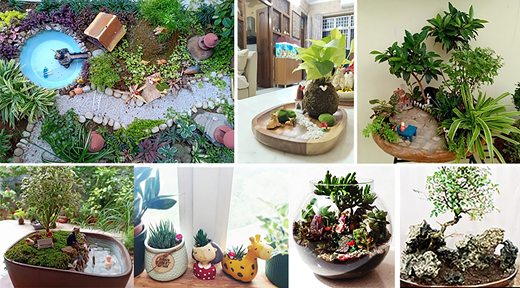
There has been an increase in interest in the use of indoor green plants in homes and workplaces for visual and utilitarian purposes, satisfying the decorative and nature-contacting needs of individuals. The Biophilia Hypothesis indicates that there is a biological need for contact with nature since this is beneficial in terms of mental and health benefits such as reducing stress and aiding in better thinking. In this study, the term “Air Quality” is used in its scientific sense, referring to the concentration of pollutants and particulates in indoor environments (Cummings and Waring, 2020). Biophilic Design refers to the integration of natural elements within built spaces to enhance human well-being (Kellert et al., 2011). Stress Reduction is understood as the measurable decrease in psychological or physiological stress indicators attributable to exposure to natural elements, including plants (Kaplan, 1995; Bringslimark et al., 2009). Plants also purify air by absorbing harmful agents and regulating levels of moisture. In offices, they are associated with performance enhancement and bettered well-being of the human capital. Indoor plants enhance the efforts of sustainable design through the decrease of temperature and the indirect heating or cooling systems. Rooftop gardens encourage growing food in cities sustainably. In the domain of Healing Environments within hospitals, Healing Gardens have gained interest with studies showing that plants help healing. This shift in society reflects theories in favor of Ecological Aesthetics – design with care for nature. All these features combine in plants for indoor practicality and benefit for health, efficiency and the environment (Plate 1).
2. Literature review
The field of indoor plant research in interior environments encompasses many disciplines, such as environmental psychology, interior design and public health. Scientific studies on the aesthetic appeal of indoor plants have repeatedly demonstrated their beneficial influence on interior environments. As intended, however, it had less impact than expected. Cummings and Waring (2020) cautioned that the efficiency of plants in cleaning up the air under real environmental conditions may not be as effective as it is in laboratory settings. Recent bibliometric studies have highlighted the growing intersection between interior design and indoor air quality research (Walia and Singh, 2023). However, Cummings and Waring also acknowledged that plants use other beneficial mechanisms, such as increasing humidity and reducing dust levels, to improve the living quality of indoor air. In addition to filtering airborne toxins, plants contribute to regulating indoor humidity through transpiration, which can reduce dryness and improve comfort in enclosed environments (Lohr, 2009). This reinforces their multifunctional role in improving indoor air quality. An additional line of research regarding indoor plants relates to their enjoyable psychological benefits, which have been explored in the academic literature. The work looking at the impact of indoor plants on stress relief conducted by Bringslimark et al. (2009) presented a strong emphasis on meta-analysis, demonstrating the effects of such plants on the decrease of stress and improvement in the well-being of the inhabitants. The findings were in line with Kaplan’s (1995) attention restoration theory, which advocates that factors of nature or the presence of natural elements help in restoring cognitive abilities. In the research done by Nieuwenhuis et al. (2014), plants were observed scientifically to enhance both employees’ satisfaction levels and their productivity in offices. A very convincing longitudinal study was carried out within a number of work facilities to confirm the positive effects of plants in work environments. Another component of sustainability that has gained heightened interest is the growing trend toward the use of indoor plants to further sustainable living. Ghaffarianhoseini et al. (2018) sought to explore how indoor plants can enhance green building practices. The authors reported that plants are able to cut down energy consumption by regulating the building’s internal heat environment. Pettit et al. (2017) researched the growing indoor production of vegetables and herbs and highlighted their indoor garden’s impact on the future of sustainable cities. There has also been similar research that focuses on the passive use of house plants; for instance, Kaufman and Lohr (2002) analyzed the use of plants for ornamental purposes in domestic settings across various historical eras. The contributions of these professionals enable the understanding of excessive human tendencies toward indoor plant farming. In particular, more recent studies have focused on various strategies for introducing plants inside buildings. Research has looked into the possibility of using vertical gardens and living walls as a more efficient means of providing green areas in the city (Perini et al., 2011). Additionally, another such dimension that goes in tandem with the aforementioned dimension is the biophilic design concept, which is aimed at achieving the successful use of natural elements in a built space (Kellert et al., 2011). However, while the benefits posed by the use of indoor plants cannot be contested, there are some other critical factors that require further investigation. An example of a perspective that has been mentioned but which has not received as much attention is the study of how different techniques of taking care of plants influence the rates of long-term usage of the plants in residential and nonresidential applications. This issue includes several dimensions, such as the influence of cultural and personal factors on plant choice and adoption benefits, which warrant a more detailed approach. An analysis of the existing literature shows the factors that determine the effectiveness of indoor plants in modifying spaces as well as the users of those spaces. In addition, this research addresses some of these gaps and expands the existing knowledge of people’s relationships with indoor plants in the contemporary world by focusing on aesthetic appreciation in particular. The effects of using indoor plants, including enhancing a room’s appeal, improving health or adding to environmental friendliness, are abundantly documented in the literature. Nevertheless, they also raise important questions about their role in modern interior decoration and how they affect people. While this paper frames its discussion within environmental psychology and biophilic design, the emerging field of neuroaesthetics may also offer valuable insights into how the brain responds to natural elements in built spaces. This perspective was not directly examined here but represents a potential direction for interdisciplinary research. The objective of this study is to investigate these factors and add to the existing information on indoor plants in residential and business environments by addressing the following research questions:
How do individuals’ preferences for indoor plants correlate with their perceived advantages in terms of air quality, sustainability and general well-being?
How do personal experiences with indoor plants influence current attitudes and preferences toward incorporating them into interior design?
To what degree do aesthetic preferences for indoor plants, including their look and display variety, relate to their perceived significance in house aesthetics and comfort?
What is the relationship between the perceived ease of plant maintenance and individuals’ willingness to incorporate indoor plants into their living spaces?
How do functional considerations regarding indoor plants (such as air purification and stress reduction) compare with aesthetic factors in influencing homeowners’ decisions to adopt plants?
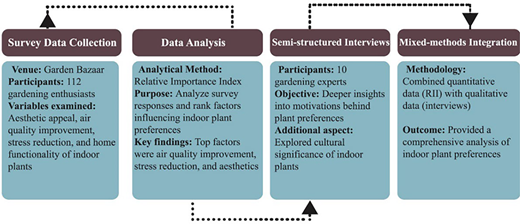
To investigate the research issues specified above and get a thorough understanding of the many functions of indoor plants in modern interior spaces, we have used a mixed-methods research methodology in this study. The proposed methodology aims to integrate quantitative and qualitative data collecting approaches to comprehensively capture the wide range of experiences, preferences and perceptions of persons about indoor plants. In the subsequent part, we shall address that (Figure 1).
3. Research methodology
To analyze the use of plants as decorative objects in interiors, our study used a phased methodology. One of the ways was through a survey at a Garden Bazaar event organized by the Kitchen Garden Association, Jaipur, India. Here, we aimed at 112 gardening enthusiasts. In this survey, we used a Likert scale-based questionnaire, in which we asked the participants to rate the extent of a number of aspects related to indoor plants that they find useful for interior designing. These attributes were finalized based on the literature review. Upon collection of the responses, these were then examined with the aid of relative importance index (RII) to rank and locate the top five most important factors. To explain these factors, which are among those that we ranked after the survey, we carried out semi-structured interviews with 10 gardening enthusiasts of different occupations. These interviews allowed us to gather qualitative data which contributed to understanding the preferences and use of indoor plants in interior spaces in a more in-depth context. The study did not analyze specific residential floor plans, and results should therefore be interpreted as general perceptions rather than dependent on particular architectural layouts. Future studies may incorporate plan-based case analyses to increase ecological validity. This inherent nature of the mixed method made it possible for the researchers to integrate quantitative rankings and qualitative data, which substantially improved the findings of this research. This research investigates the understanding and preferences of indoor gardening among people with regard to gardening, indoor spaces and sustainability. The sampling was done through a questionnaire distributed at a garden fair arranged by the Kitchen Garden Association, a non-governmental organization for employed women. Participants were approached directly at the event and recruited on a voluntary basis. The survey was bilingual (English and Hindi) to ensure accessibility. This process ensured inclusivity but also resulted in a self-selected group of individuals already interested in gardening. Participants were made to rate their perception about factors influencing indoor plants through the use of a Likert scale. In addition to that, a total of 18 factors were included, most of which pertained to plants’ beautification, pollution level improvement, stress management and home utility functional comparison. In total, 112 subjects completed the questionnaire involving 20 statements regarding the participants’ ideas regarding indoor plants and met the inclusion criteria. The demographic profile of respondents included both men and women across different age groups, with the majority falling in the 18–25 and 26–35 categories. Gender distribution was balanced across the sample. However, data on education levels and health status were not collected, which has been acknowledged as a limitation of the study. Each form took about 20–30 min of the participants, and for the ease of the participants, questions were framed bilaterally in both English and Hindi. During the entire process of questionnaire administration, one of the authors was present in case the respondents required assistance. The questionnaire comprised a number of questions focusing on some parameters such as the beneficial appearance of house plants, the effect of house plants on the quality of air and relief of tension and overall utility of modern house including plants. A series of statements were presented, and the importance of rank order within respondents’ view toward each of the statements was investigated using a Likert scale. The gathered information was centered on several aspects; such aspects include addressing air pollution by using indoor plants, the psychological effects of such plants, the home outlook and the issue of being eco-friendly. In the analysis of such responses, the RII effects or differential ranking of the importance of associated factors were conducted. The ranking of these factors was carried out by means of the relative importance index (RII), a widely used approach to classify factors based on the type of responses received. This way, it allowed this study to pose meaningful and relevant observations regarding the worth of each such parameter in the view of the respondents, meaning valuation and technical management professionals across lending institutes in India (Table 1):
where:
= Weight of the response;
= Frequency of responses for each weight;
A = Highest weight (i.e. 5); and
N = Total number of respondents.
4. Key findings
There are some specific factors that encouraged the respondents to have a better liking of indoor plants. These are as follows:
Indoor plants reduce indoor air pollution (RII = 0.9107) – Indoor plants are very important in filtration and purification of the air by absorbing toxins and hence increasing better air quality. More sustainable are the practices that enhance good health because better indoor air is available.
Indoor plants improve the looks of the houses (RII = 0.9071) – The visual aesthetics of the indoor spaces are enhanced by growing tropical plants indoors thereby making spaces more attractive and improving overall well-being which is beneficial in adopting natural elements in designs.
Stress relief (RII = 0.9054) – The relaxing nature of the plants aids in providing a stress-free environment, which is essential for the health of an individual, an aspect that has sustainable living intentions, particularly well-being oriented.
Improved indoor air quality (RII = 0.9036) – Indoor plants are required to help improve the quality of the room air while doing away with the artificial air purifiers and thus enhance environmental balance.
There is a huge inclination for house plants under culture (RII = 0.9000) – There is a huge desire for growing plants indoors which is an important aspect in living with nature’s appreciation which encourages sustainability through biophilic design.
Environmental Indoors plants contribute in promoting serenity in indoors (RII = 0.8911) – This includes the involvement of indoor plants as conducive elements of the environment especially in the house. Participants believe that including plants in living spaces provides comfort, with the most matching feature being air improvement and aesthetics as well as warmth and serenity. This is consistent with the notion that indoor plants assist in reining in the harsh edges of the built spaces and thumbs up for a more relaxed feel of a room, “lived-in” as Preston Matthews put it.
Likeness towards display of indoor plants (RII = 0.8786) – This factor reflects participants’ emotions on how plants are arranged in their homes. For them, the arrangement of the plants – the indoor plants is considered to be an avenue to falter designing of the interior with personal taste. Be it keeping plants beautifully arranged or as accents for the interior decor, the participants felt that there is something nice about dwelling places that have plants in them.
Indoor plants as home décor (RII = 0.8714) – Apart from the enhancement of interior design, it is acknowledged that indoor plants are also excellent décor items. They can be incorporated in different decorating styles and offer great enhancement by adding colors, textures and life to the space. This aspect strengthens how plants are not basic but key features, which integrate into the overall interior styling of the house.
Indoor plants provide peace and calm (RII = 0.8714) – Similar to the stress-relieving effects of green plants, this factor focuses on the peaceful vibe that infiltration of interior plants gives to the house. Plants can be recognized as supportive in the creation of calmness and peacefulness. This is especially important in the modern world where nature is often limited to the outside and therefore house plants become an essential part of making the space peaceful.
Indoor plants boost people’s attitude towards global warming and are eco-friendly (RII = 0.8643) – Participants relate indoor plants to a green way of living. By bringing plants into their residences, they are adopting green practices. This factor emphasizes the people’s yearning for sustainability, who regard plants as indoor decorations but also as something that can promote green living.
Indoor plants enhance health and well-being of a person (RII = 0.8571) – This factor reveals an important implication regarding the health effects that placing indoor plants has. Besides the quality of air and reduction of stress that happens, plants are believed to improve the general state of health of the living conditions. Participants also understand that indoor plants are beneficial for their well-being, therefore, have to be profitable in their homes as well.
Relish taking care of the indoor plants (RII = 0.8554) – Participants do not only appreciate the aesthetics and health benefits of indoor plants but also enjoy using them and taking care of these plants. This factor indicates that people like it, as well as they feel good while looking after the plants, since this makes them feel connected to Mother Earth and is an accomplishment of sorts. Garden enthusiasts especially place considerable gratitude on this factor as they see having to take care of plants as an additional joy, a pastime.
A flexible arrangement regarding the positioning of indoor plants (RII = 0.8554) – Notably, this factor brings out the adaptability of indoor plants with regard to placement and decorating. Participants appreciate the options that the plants provide that could be in the form of shelves, ceiling, or window sills. Indoor plants have this variability without limits, which enhances arts through decorating or designing the living places.
Indoor plants can be placed among the furnishings with home décor (RII = 0.8554) – This factor focuses more on how the use of indoor plants can be incorporated with the existing household environment and décor. Participants wonder that plants can add or even present in the existing room decor which includes implementing creativity and designs using colors and textures from materials such as upholsteries, furniture designs, floor material and patterns to integrate and beautify rooms.
Indoor plants with minimal requirements of care (RII = 0.8464) – Participants consider the need to take care of the indoor plants very easy. The most reasons to choose plants are time efficiency and less attention commitments when they are tending to their plants. This factor shows how smart use of time is a practical or one of the factors in selecting plants that are convenient and sustainable.
Preference towards easy-to-care indoor plants (RII = 0.8321) – Just as low-maintenance plants, the attention of this factor classifies the sun-loving indoor plants that are less tedious in terms of care. They cheapen the effort needed in interior gardening thereby increasing the number of people who practice this hobby.
Indoor plants improve home functionality (RII = 0.8321) – This factor emphasized that indoor plants are not only used for decoration, as it lies in beauty but also for usefulness as it includes enhancing the comfort of a living space. It was noted by participants that plants can serve to enhance or help in the organization and usefulness of a house, be it enclosing an area creating natural walls or serving as soundproofing walls on balconies or cutting off too much sunrays on certain areas when they are near windows and balcony or adding fresh moisture into the dry air.
Indoor plants influence design preferences (RII = 0.8232) – This last factor was rather concerning the inter-relationship between indoor plants and participants on overall design preferences. Incorporating greenery inside the house motivates additional design methods that tend to use natural materials, biophilic design and sustainable design. These top factors highlight that indoor plants not only enhance indoor spaces aesthetically and emotionally but also support sustainable living by improving air quality and fostering healthier environments. To deeply understand these factors a qualitative study was done which comprised of semi-structured interviews of experts (Table 2) and their views on indoor plants as an option for interior design. The different factors raised in the quantitative study determined the role played by indoor plants in the interior design of spaces.
5. Qualitative study
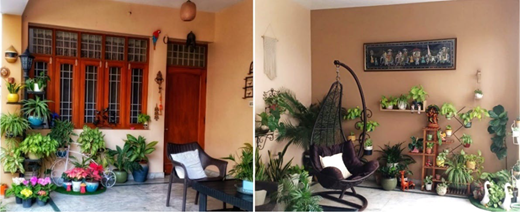
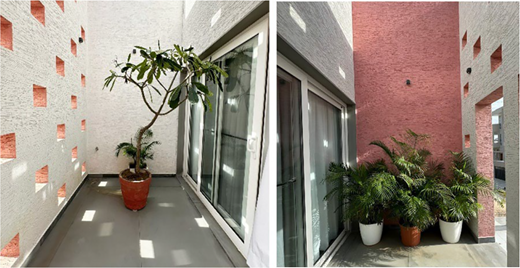
The study’s qualitative component established a crucial basis for comprehending the primary elements that impact individuals’ preferences and expectations of indoor plants in their living environments. To obtain more profound understanding of these significant characteristics, the study team carried out a sequence of semi-structured interviews with 10 specifically chosen gardening professionals and enthusiasts. The inclusion of this qualitative element facilitated a more thorough investigation of the intricacies and incentives driving the incorporation of indoor plants in interior design. An interior designer, a distinguished proponent of sustainable design, highlighted the significance of indoor plants in augmenting the visual appeal of homes. “Plants immediately give any area a warmth and a sense of life,” she said. Their capacity to transform a cold, sterile place into a hospitable and sensible one is astonishing. So apart from making the space aesthetically attractive, the process of arranging houseplants can become a true craft of art imitating the personal tastes of the house owner and successfully creating an eye-pleasing atmosphere. Her statements mirrored the quantitative results, which identified “indoor plants improve home aesthetics” as the second most significant determinant. Furthermore, a landscape architect specializing in biophilic design emphasized the significance of indoor plants in mitigating stress and enhancing mental well-being (Plate 2). “There is an intrinsic tranquilizing quality to the existence of vegetation in our living environments,” he elucidated. “The visual association with nature, together with the air-purifying characteristics of plants, can significantly influence our emotional state and general feeling of calmness.” The clients frequently articulate the ways in which their indoor plants facilitate relaxation after a tiring day and provide a sanctuary of tranquility within their residences. He provided evidence that supported the third-ranked factor, “indoor plants reduce stress,” as determined in the quantitative study. Concerning the highest-ranked aspect of “indoor plants reduce air pollution,” a specialized environmental scientist in indoor air quality highlighted the crucial contribution of plants in establishing healthier living conditions. The expert emphasized that indoor air pollution is a critical issue, since different pollutants and particles build up in residential environments. Strategically positioning a particular plant species enables efficient air filtration, elimination of toxic substances and enhancement of overall air quality (Wolverton et al., 1989). Such practices not only enhance our physical well-being but also foster a more sustainable and environmentally conscious way of living. Her viewpoint emphasized the concrete advantages of indoor plants in promoting the health of inhabitants and the conservation of the environment. Furthermore, another expert, a horticulturalist with a profound knowledge of plant science, provided further explanation on the fourth-ranked aspect, “indoor plants enhance air quality.” The expert elucidated that several plant species possess diverse abilities to assimilate and metabolize distinct contaminants. Certain agents have exceptional proficiency in eliminating formaldehyde, whereas others exhibit greater efficacy in decreasing carbon dioxide levels. Through meticulous selection of a wide range of indoor plants, we establish a synergistic system that can greatly improve the quality of the air we inhale in our indoor spaces. Her specialized knowledge offered vital understanding of the technical processes that underlie the air-purifying capabilities of indoor plants. The element of “preference for indoor plants at home,” which was ranked sixth, was examined by another expert who is an enthusiastic urban gardener and champion for sustainability. “For many individuals, the inclusion of indoor plants is not only a matter of design, but also a deliberate choice in our way of life,” she imparted. As an extension of our ideals, we saw them as a means to incorporate the natural world into our living spaces and cultivate a more profound relationship with the environment. The use of indoor plants signifies a deliberate endeavor to adopt biophilic design principles and make a positive contribution towards a more sustainable future. Her viewpoint emphasized the wider social and cultural changes towards sustainable living, in which indoor plants greatly contribute. The interviews also explored aspects outside the top five, including the adaptability of indoor plant exhibits. According to another specialist, an interior stylist, the appeal of indoor plants lies in their versatility to be shown in several manners, such as on shelves, suspended from the ceiling, protruding down walls, or even as central elements within a room. This adaptability enables homeowners to engage in experimentation and discover innovative solutions that enhance their current interior design. Her observations illuminate the concept of “adaptable exhibition of ornamental plants indoors” and its significance in promoting customized and aesthetically pleasing interior design. Moreover, the interviews delved into the element of “low-maintenance indoor plants” such as snake plants or cacti and its importance in enhancing the accessibility of indoor gardening. Low maintenance indoor plants have also become more prevalent in metro cities because of lack of space in homes, commercial establishments and the lack of maintenance time for the owners. Cultural and religious associations were also observed. For example, the Tulsi (Ocimum tenuiflorum) plant holds spiritual significance in Hindu households, while bamboo is often integrated into interiors under Feng Shui practices in East Asian traditions. Such cultural contexts influence plant selection and arrangement, extending beyond aesthetic or functional purposes. In addition, a landscape designer specializing in urban greening observed, “A significant number of our clients are attracted to indoor plants, but they frequently express reservations about the maintenance and maintenance required.” By suggesting low-maintenance plants that flourish with little care, we may surmount those obstacles and enhance the satisfaction and sustainability of indoor gardening for all individuals. The author’s viewpoint was consistent with the quantitative results, highlighting the pragmatic factors that shape individuals’ plant preferences. In addition, the specialists have sought to understand how the presence of indoor plants adds usefulness to a home from the perspective of the variable “indoor plants improve home functionality”. A biophilic design architect explained how it is possible to block sound and views by planting trees, which incidentally can also be used on balconies and windows for shading harsh sunlight. It is also said by the architect that design integrity need not be compromised even in green building concepts wherein conceptual designs should be guided by environmental sustainability through ventilated courtyard designs, incorporation of appropriate materials and native plants in indoor spaces (Plate 3). The mounting of such plants in such places helps in achieving beautiful and low maintenance works since the design works hand in hand with the space design. The provision of plants within the layout is done with intelligent end users in mind while solving the problem of space utilization and providing adaptable working and living conditions integrated with nature.
He also pointed out how indoor plants in houses or offices can complement certain functional aspects of interior design, apart from purely being aesthetic and environmental. The qualitative interviews conducted therefore included other perspectives that were not directly responded to in the quantitative assessments. One such professional, who is also an urban gardening activist and loves plants, pointed out that growing indoor plants brings joy and a certain sense of accomplishment. “It gives you immense satisfaction to see how your plants thrive and flower,” she said. “When we do this, there is a world we feel part of and it gives us satisfaction especially in this era where all is fast and busy with technology.” This explains the amity and personal gratification that come with having and caring for indoor plants as the author’s observation suggests, a nuance that may not have been fairly covered in the survey findings.
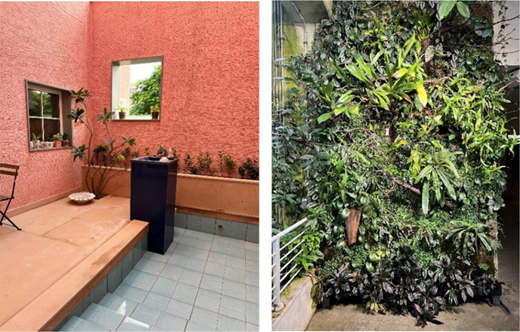
Likewise, a sustainable design consultant gave his views on the effect which indoor plants have on general design preferences of users. He explained that since people are becoming more and more cognizant of their ecological footprint, there is a growing demand for biophilic design elements which better integrate natural settings within built environments. The expert also mentioned that the inclusion of services on the design of green walls into the scheme of commercial interiors as well as residential lobbies supports the biophilic design of the given interiors. This also reinforces the connection to the outdoor green environment, as similar vertical garden systems can be installed in balconies and interior spaces of houses. (Plate 4). The purpose of indoor plants goes beyond the extent of measures where they are used for decoration purposes; they perform a role that positively contributes to the overall sustainable design of the indoor environment, the well-being of the users and a greater engagement with nature. This point of view endorsed was inward-looking as the use of indoor plants can alter the perspectives of designs in a wider context and incorporate and support the biophilic design and health-centered outlook of interiors. During all the interviews, various experts pointed out the sundry benefits of indoor plants, stating how these could satisfy different needs and preferences. The qualitative analyses provided such important factors shaping people’s opinions and attitudes towards indoor plants in interior spaces - dividing into adding aesthetics, decreasing stress, enhancing air quality and helping to be more sustainable. The professional opinions correspond to the varied decisions made by gardening lovers in northern India, where a range of indoor plants have become essential components of contemporary living environments. For instance, the Snake Plant (Sansevieria trifasciata) is highly valued for its robustness and ability to filter the air. As one aficionado said, “The snake plant is a fundamental element in my household.” It imparts a streamlined and contemporary ambiance to my living area, and I need not be overly concerned about it, even if I periodically neglect to water it. Similarly, the Golden Pothos (Epipremnum aureum) is highly valued not only for its simple maintenance but also for its inherent cultural importance, also culturally the Golden Pothos (Epipremnum aureum) is widely referred as a money plant in the Indian context as compared to Money Plant (Pachira aquatica) is often used as a Feng Shui adjustment for prosperity and luck in western counties. “I consider the pothos as an essential addition to my home,” stated another gardener. “The plant is easily cultivable, exudes a feeling of rejuvenation and optimism, and I appreciate its versatility in being conditioned to develop different growth patterns.” For individuals who value both aesthetic appeal and practicality, Aloe Vera (Aloe barbadensis) provides the additional advantage of beneficial therapeutic qualities. A gardener confided, “I maintain an Aloe Vera plant in my gourmet kitchen.” It is quite effective for minor burns during cooking and also maintains a pleasing appearance on the windowsill. Popular options for enhancing air quality and adding visual appeal to a room include the Spider Plant (Chlorophytum comosum), Fiddle Leaf Fig (Ficus lyrate) and Rubber Plant (Ficus elastica). One aficionado observed, “The Spider Plant adorns my room exquisitely, and I have witnessed its remarkable impact on air quality.” Another observed, “The Rubber Plant in my living room is prominent and demands notice.” Its shiny foliage enhances the vibrancy of the environs. Furthermore, Peace Lily (Spathiphyllum) and Areca Palm (Dypsis lutescens) are highly esteemed for their sophisticated visual appeal and soothing aura. One gardener even noted, “Peace lilies in my bedroom provide a serene sanctuary, and I have observed their positive influence on air quality as well.” For individuals in search of low-maintenance alternatives, the ZZ Plant (Zamioculcas zamiifolia) and Chinese Evergreen (Aglaonema) are highly recommended species, acclaimed for their capacity to flourish in low light conditions and with little attention. “The ZZ Plant is visually appealing and does not exhibit any signs of dissatisfaction when I intentionally neglect to water it,” said a gardener. One admirer praised the Philodendron and Dracaena for its versatility and adaptation to many indoor settings, noting that the Philodendron may be grown either trailing from a basket or climbing a wall, therefore bringing a natural element wherever desired. Succulent plants such as Echeveria, Haworthia and Jade and their growing popularity can be attributed to their distinctive shapes and low maintenance needs, rendering them optimal for areas with enough sunlight. “Succulents are highly manageable and exhibit a wide variety of captivating forms and dimensions,” observed a resident gardener. Ultimately, perennial favorites, such as English Ivy (Hedera helix) and the Bamboo Palm (Chamaedorea seifrizii), are still valued for their timeless charm and capacity to introduce elements of the natural environment indoors. One gardener expressed enduring admiration for the visual appeal of ivy, noting its ability to enhance the greenery of compact areas. The qualitative findings, when paired with the quantitative data, provide a holistic viewpoint on the function of indoor plants in promoting health, sustainability and visual design.
6. Discussion
Based on the quantitative and qualitative analysis conducted in our study, we are able to address the following five research questions: To what extent do individuals’ preferences for indoor plants correlate with their perceived advantages in terms of air quality, sustainability and general well-being? The study revealed a robust correlation between people’ particular inclinations towards indoor plants and their reported advantages in terms of air quality, sustainability and well-being. Specifically, the participants identified the reduction of air pollution as the most influential factor on their choice for indoor plants (RII = 0.9107). Such sentiment reflects a prevailing conviction that indoor plants have a beneficial impact by purifying indoor air quality, hence fostering healthier surroundings. Furthermore, the correlation between plant preferences and general well-being is further supported by the observation that stress reduction (RII = 0.9054) and enhancement of aesthetics (RII = 0.9071) are associated. What is the impact of personal experiences with indoor plants on present attitudes and preferences toward their use in interior design? Experiential factors, such as the pleasure derived from tending to indoor plants (RII = 0.8554) and the inclination towards distinctive plants (RII = 0.8571), greatly influence present attitudes and preferences for the integration of plants into interior design. In addition, interview results indicate that Plant Neophytes hold the view that the structural features and overall aesthetics that indoor plants offer make important contributions towards helping them make design choices and seeing indoor plants as integral details in space design. There is an aesthetic perception for indoor plants and their contribution in relation to the house or the room within to what extent such indoor plants are used for house comforts. A comparison of the two suggests that there is a higher correlation between aesthetic values for indoor plants and the values associated with space relief as well as comfort. In particular, the parameters of “Enhancing house aesthetics” (RII = 0.9071) and “Where indoor plants are utilized as interior decorations” (RII = 0.8714) were placed among the most favorable ones. Survey findings suggest that respondents are very much aware of the role played by indoor plants in improving the aesthetics and comfort of their surroundings. Thus, this affirms the relationship between aesthetics and the role of plants indoors. How does the degree of difficulty in keeping indoor varieties of plants impact people’s desire to incorporate them into their homes? It is worth stating that existing evidence confirms the existence of such a relationship between convenience with indoor plants and people’s willingness to use them as house accessories. A preference for plants with low maintenance requirements (RII = 0.8464) and those that are easy to maintain indoors (RII = 0.8321) demonstrates that convenience and the need to save time is something that can be attributed to the reason people get to adopt plants. Participants with this preference are more likely to have the plants in their households, which shows how important practical issues can be in the plant selection process. To what extent do functional assumptions regarding indoor plants (such as air quality enhancement, stress management) and aesthetic factors stimulate the uptake of indoor plants for decorative purposes? I also believe that functional beliefs as well as aesthetic principles have great impact on the adoption of plants. Of all the factors, functional aspects of smoke odor elimination (RII = 0.9036) and stress relief (RII = 0.9054) were ranked the highest. However, all the same, considering that to a degree, aesthetic phenomena such as enhancing the beauty of the room (RII = 0.9071) and how the plants are arranged (RII = 0.8786) are somewhat important. The findings suggest that while there is appreciation of the functional benefits of indoor plants, there is also appreciation of the aesthetic factors that influence the decision on whether to use plants in the home or workplaces. This research article provides an in-depth investigation into what factors and how the preferences, individual experiences, aesthetic appeal, maintenance ease and functional attitudes impact the acceptance and attitude towards indoor plants within indoor areas.
7. Conclusion
The findings of this research illustrate how well indoor plants enhance the aesthetics as well as the functionality of enclosed spaces. On the one hand, indoor plants have many consequences on the environment of a house as they help reduce indoor air pollutants, relieve stress and contribute to sustainability. The use of RII to analyze the survey’s results revealed that enhanced air quality, improved aesthetics and stress relief were the most convincing reasons why people consider adding plants to their homes and workplaces. The qualitative interviews of gardening professionals complement those findings by exposing the drivers of extending and the penetration of sustainable and biophilic design in the field of Architecture and Interior Design. This work contributes to the existing body of research by proposing the integration of ordinal assessment with narratives to present a more holistic picture of the influence of indoor plants on the choices regarding interior design. While this study captured perceptions, it did not examine the quantitative scale of plant use, such as how many plants, their specific species, or their arrangement within rooms are necessary to achieve measurable effects. Future controlled studies should address these practical parameters. Such emphasis on sustainability, health and aesthetics is in line with wider cultural trends focused on creating a healthier and more harmonious space for living. However, the study has also pointed out the need for further studies on the long-term retention and integration of indoor plants as well as the effects of culture and personality on plant selection and adoption. In brief, this research contributes to the understanding of the role of interior plants in contemporary interior design and opens perspectives for future research touching upon the evolving role of plants in enhancing interior environments. An additional line of inquiry could compare the influence of indoor plants in residences with no exterior nature views versus those with accessible natural views, to evaluate whether indoor greenery compensates for the absence of external landscapes. Future studies should aim to include participants with varying levels of familiarity with plants, spanning diverse urban and cultural contexts and ideally conduct intercultural comparisons. In addition, triangulation of self-reported perceptions with objective measures – such as physiological indicators of stress or direct measurements of air quality – would strengthen ecological validity.