This study explores how the social, cultural and religious landscapes of Makkah and Madinah (Islam’s heartlands located in Saudi Arabia) shape and influence women’s entrepreneurship.
Employing an institutional approach and an Islamic feminism lens, the analysis reacts to the growing demand for research on women entrepreneurs in Saudi Arabia, particularly Makkah and Madinah, within the pervasive Islamic cultural environment. Via semi-structured interviews with 14 women entrepreneurs, the study explores the influence of the Islamic landscape on women’s entrepreneurship in these Islamic cities.
Despite Islamic scriptures encouraging women’s entrepreneurial activity, local societal interpretations frequently pose challenges and promote resistance to women’s economic activity. Nevertheless, by adopting principles of Islamic feminism such as “ijtihad”, women entrepreneurs in Islam’s holiest cities navigate these socially embedded misinterpretations, drive societal change and achieve economic independence.
This study contributes to the gender and entrepreneurship literature by highlighting the need to further explore the Islamic culture’s influence on women’s entrepreneurship, especially in under-researched Islamic contexts like Makkah and Madina. In addition, the results expand the awareness of entrepreneurial dynamics beyond stereotypes that show women in Muslim-majority countries as socially conservative. Overall, the results present an in-depth analysis of the complex intersections between Islamic culture, gender roles, and women’s entrepreneurship activities through the Islamic feminism lens.
Introduction
Despite the significant increase in women’s participation in business across emerging economies (Ahmetaj et al., 2023), men still outnumber women in various business aspects (Metcalfe and Lahoud, 2022) and continue to dominate both in the nature and scale of their enterprises (Ogundana et al., 2021). In countries like Saudi Arabia, women have been encountering sociocultural barriers impeding their entrepreneurial activities and limiting interactions beyond their families (Mathew, 2019). Unlike the established landscape of women’s entrepreneurship in Western economies (Khan et al., 2020), women’s involvement in entrepreneurial activities in Saudi Arabia is comparatively less prevalent (Kemppainen, 2019) but increasing rapidly (GEM, 2024). Within Saudi Arabia, specifically in Islam’s heartlands of Makkah and Madinah, Islamic culture plays a significant role as an informal institution where entrepreneurship is closely intertwined with Islamic values and practices. However, its impact on women’s entrepreneurship in Saudi Arabia remains underexplored (Tlaiss and McAdam, 2021a). The study aims to address this gap by exploring how the social, cultural, and religious landscapes of Makkah and Madinah shape and influence women’s entrepreneurial activities.
Institutional factors play a significant role in shaping women’s entrepreneurial activities and their level of participation in a given economy (Chen et al., 2023; Welter and Smallbone, 2019). Moreover, institutions are often seen as gendered, as they affect men and women differently and unequally (Bullough et al., 2022; Wu and Li, 2019). Mazonde (2016) suggests that informal institutions, such as culture and religion, influence and determine the proportion of male and female entrepreneurs differently. The cities of Makkah and Madinah, known for their Islamic significance, also embody rich cultural and traditional Islamic aspects (Brabazon, 2014). Historically engaged in trade, Makkah has witnessed trading ventures even before the advent of Islam (Gundogdu, 2019).
We explore the influence of the Islamic religion and culture on women’s entrepreneurial activities in Makkah and Madinah by using an interpretive qualitative research approach. Specifically, we draw on 14 semi-structured interviews of women entrepreneurs located in Makkah and Madinah, which are analyzed through a thematic analysis method (Althalathini et al., 2020). The thematic analysis sheds light on the impact of obstacles, cultural environment, religious interpretations, and entrepreneurial motivation on women’s entrepreneurship within the Islamically significant cities of Makkah and Madinah, amid the rapid transformation engulfing Saudi Arabia.
This research is significant because it addresses a critical gap in the literature on Muslim women’s entrepreneurship (Ramadani et al., 2015; Althalathini et al., 2022), particularly in conservative religious contexts where informal institutions such as culture and religion exert profound influence (Alkhaled, 2021; Al-Dajani and Alsahli, 2021). Previous studies have largely focused on women’s entrepreneurship in Saudi Arabia generally (Al-Dajani and Alshali, 2021; Alkhaled, 2021), and/or examined institutional barriers without fully engaging with the specificities of religiously significant locations like Makkah and Madinah (Metcalfe and Lahoud, 2022). By focusing on these locations, this study offers new insights into how Muslim women entrepreneurs navigate the dual pressures of adhering to religious expectations while challenging patriarchal cultural norms.
Moreover, the study contributes to the broader discourse on institutional perspective, particularly in examining how informal institutions, such as religion and culture, shape entrepreneurship in gender-specific ways. By applying both Islamic feminism and an institutional approach, this research seeks to deepen our understanding of how women entrepreneurs reinterpret Islamic teachings to justify and legitimize their economic activities. In doing so, it sheds light on how women act as institutional change agents within conservative societies, subtly reshaping cultural norms while maintaining adherence to religious values (Welter and Smallbone, 2019). Overall, this study makes important contributions to both entrepreneurship studies and religious studies, advancing the discourse on the intersection of religion, gender, and entrepreneurship in one of the most unique socio-cultural contexts in the world.
Following this introductory section, we proceed with the conceptual background and the methodology employed, including the research context. Subsequently, we delve into the analysis, present the findings, and discuss them in light of the theoretical framework. Finally, we conclude and identify limitations and avenues for future research.
Conceptual background
An institutional approach to Women’s entrepreneurship
North’s distinction between formal and informal institutions constitutes a society’s motivation system and manages individual behavior (North, 1990) of both men and women. While informal institutions are the culturally acknowledged foundation for legitimating entrepreneurship, formal institutions present the regulatory frame (Williams, 2018). Informal institutions, which include uncodified values and norms, are deeply embedded in society and alter gradually and over a prolonged period to create behavioral shifts (Elliott and Olson, 2023). Gendered informal institutions, including religion, culture, and traditions, form the social status of men and women and affect their economic position. Most Western cultures still have a masculine hegemonic representation of the entrepreneurial position (Hechavarria and Ingram, 2016), resulting from a combined effect of formal and informal institutions (Thornton et al., 2011; Urbano et al., 2019). Therefore, it is essential to comprehend how informal institutions impact women’s entrepreneurship because whilst they cannot be easily modified and are hard to control (Welter and Smallbone, 2019; Turro et al., 2020), they can help to explain the gender differences in becoming entrepreneurs in different countries (Cullen, 2019). There is growing recognition and interest in engaging with the informal institution of religion to advance knowledge and enhance understanding of women’s entrepreneurship in emerging and non-Western contexts (Al Boinin, 2023; Abou-Moghli and Al-Abdallah, 2019; Ahmetaj et al., 2023; Hashim, 2023).
The influence of Islam on Arab Muslim women’s entrepreneurship remains an area that is not fully understood (Tlaiss and McAdam, 2021a). On the one hand, prior studies suggest that Islam reinforces gender subordination and discrimination (Tlaiss, 2015) by granting men authority and preeminence in matters such as financial responsibility, inheritance, marriage, and divorce (Tlaiss and McAdam, 2021a). On the other hand, entrepreneurship among women in Islam is neither discouraged nor prohibited (Althalathini et al., 2022); rather, it is supported (Al-Dajani and Marlow, 2010). As a result, a significant body of research challenges the narrative that links Islam exclusively with the cultural obstacles faced by Arab women entrepreneurs (Tlaiss and McAdam, 2021b). From this perspective, women may find their religious beliefs to be a source of motivation and resilience (Hendrayati et al., 2025), aiding them in overcoming the challenges of entrepreneurship (Lee et al., 2024). Existing literature highlights that a key limitation to Muslim women’s entrepreneurship lies in clerical interpretations of Islamic teachings and cultural norms that perpetuate women’s subordination (Al-Dajani and Marlow, 2010; Tlaiss and McAdam, 2021a; Althalathini et al., 2022).
Islamic Feminism and Women’s entrepreneurship
While an institutional approach effectively delves into the intricacies of context, formal structures, and informal norms, it falls short in providing a coherent framework for understanding how these institutions are gendered (Hechavarria et al., 2024; Yunis et al., 2018). Therefore, to overcome this limitation and similarly to Alkhaled (2021) and Althalathini et al. (2022), we adopt an Islamic Feminism (Sakai and Fauzia, 2016) lens to analyze how women’s entrepreneurship in Makkah and Madinah is influenced by Islam. The continuing narratives of gender disparity and discrimination against Muslim women in Arab cultures are mainly driven by strict conventional Muslim readings of religious scriptures and by societal norms that support gender stereotypes, gender roles, and male-dominated practices, which are often mistakenly considered as Islamic practices (Althalathini et al., 2020). This “Islamic gender order” (Metcalfe, 2007) distinctly shapes gender norms, relationships, and societal interactions based on the Islamic teachings and ethical structures within the Quran and Hadith that direct the behaviour of men and women, as well as principles of equality, justice, and trusteeship (Ali, 1999; Rice, 1999). Whilst the Quran addresses men and women equally concerning religious principles, faith practices and pillars, it also outlines different yet complementary social roles for men and women which are embedded within Islamic Shariah laws (Muhammad et al., 2020).
Islamic feminists accept that the Quran, as the word of Allah, exceeds time, encourages gender egalitarianism, asserts the equality of men and women, and lacks misogynistic verses (Badran, 2017). They also argue that the Quran, being polysemous and open to multiple interpretations, has been released from its original historical and literary context and placed into various cultural contexts, performing various ideological purposes (Zayd, 2019). Following the passing of the Prophet, male Islamic scholars engaged in “ijtihad”, which refers to using an independent, logical interpretation to analyze aspects that were not explicitly addressed in the Quran and Hadith (Metcalfe and Lahoud, 2022). This interpretative approach has been employed by diverse Islamic scholars to clarify and re-evaluate women’s societal roles and responsibilities (Sakai and Fauzia, 2016) over the centuries. As argued by Althalathini et al. (2022), Islamic feminism itself is a form of “ijtihad”, engaging in a gendered analysis of patriarchal structures within Muslim nations. The main premise of Islamic feminism is that the perceived restrictions on women are not inherent in the Quranic text itself but rather are the result of its misinterpretation (Badran, 2017) and therefore are social and changeable rather than divine and immutable. Hence, Islamic feminism refutes the reductionism of Islamic texts and the historically conventional, conservative, masculine interpretations of them (Ali, 2017).
Research context: the heartlands of Islam - Makkah and Madinah
Transformations in promoting women’s entrepreneurship are underway in Saudi Arabia, as evidenced by the country scoring higher on the Global Entrepreneurship Monitor (GEM) 2024 report, highlighting the increasing participation and success of female entrepreneurs nationally. Specifically, 26.4% of the population in Saudi Arabia is involved in entrepreneurship, and this percentage is significantly higher for men entrepreneurs (14.3% men vs 12.1% women). However, such changes are not as noticeable in Makkah and Madinah, where the entrepreneurial landscape for women remains deeply intertwined with both Islamic religious principles and cultural traditions. In fact, in both cities, the percentage of the population that engages in entrepreneurship is significantly lower than the country average (15.6% in Makkah, and 18% in Madinah). As the spiritual heartlands of Islam, these cities offer a unique socio-cultural and religious environment that shapes women’s entrepreneurship.
Historically, Makkah and Madinah have been central trade hubs, dating back to pre-Islamic times (Luz, 2020). Makkah’s status as a religious site and major trading centre is well-documented, and its significance grew considerably following the advent of Islam. Khadijah bint Khuwaylid, the Prophet Mohammed’s s wife, was a prominent and successful merchant, serving as a key historical figure and role model who continues to inspire many contemporary Muslim women entrepreneurs (Bastian et al., 2018). Similarly, Madinah, as the Prophet Mohammed’s city of refuge and the location of his burial place, also has a long-standing tradition of commerce and trade. These cities’ histories are steeped in entrepreneurial spirit, which has persisted through the centuries, fueled further by their roles as significant destinations for religious and spiritual visitations such as Hajj and Umrah (Nashrah and Said, 2020).
Religious tourism continues to play a pivotal role in shaping the economic landscape of Makkah and Madinah today (Al Shuwaier, 2023). Millions of pilgrims travel here each year, generating substantial economic activity and demand for services in sectors such as hospitality, food services, retail, and transportation (Luz, 2020). For many local residents, including women, this influx of pilgrims presents an opportunity to engage in entrepreneurial activities that cater to the needs of religious visitors. However, despite the historical and economic foundations for entrepreneurship in these cities, cultural constraints often pose significant challenges for women. Societal expectations that confine women to traditional domestic roles, coupled with patriarchal interpretations of Islamic teachings, limit their participation in the entrepreneurial ecosystem (Mathew, 2019; Tlaiss and McAdam, 2021a).
The tension between Islamic religious principles, which support women’s participation in economic life, and Muslim cultural practices which restrict it, is particularly pronounced in Makkah and Madinah. While Islamic teachings encourage economic independence for women and acknowledge their right to engage in trade (Ayob and Saiyed, 2020), cultural norms tend to reinforce patriarchal gender roles, creating a complex environment for women entrepreneurs (Al-Dajani and Alsahli, 2021). Currently, women entrepreneurs here are largely operating in feminized sectors catering to the female residents of Makkah and Madinah rather than the millions of religious tourists who visit annually (Abdullah, 2022).
Methodology
A qualitative research approach was adopted (Creswell and Guetterman, 2021; Yunis et al., 2018) to explore Muslim women’s entrepreneurial activity in Makkah and Madinah. The interpretive research (Arino et al., 2016) capitalized on 14 in-depth semi-structured interviews with Saudi Muslim women entrepreneurs located in Makkah and Madinah to explore the impact of the Islamic culture on their entrepreneurial activities.
Initially, the research question was broad, seeking to capture the overall impact of informal institutions on women’s entrepreneurship in Makkah and Madinah. However, initial interviews revealed that the influence of religion and culture was not inflexible. It changed depending on the entrepreneur’s age, business sector, and level of societal engagement. Based on these understandings, the research question was refined to: How do women entrepreneurs in Makkah and Madinah utilize their Islamic values to resist and reshape gendered cultural norms?
This refinement qualified for a more nuanced exploration of the topic, acknowledging that the influence of informal institutions can be both enabling and constraining. The development of the research question required revising the interview protocol (see the Appendix for detailed information). The questions broadly investigated participants’ experiences with religion and culture in their entrepreneurial experience. As the focus pointed out, the protocol was edited to include more targeted questions addressing the precise influences of these institutions.
Overall, this study responds to the need for qualitative research on women’s entrepreneurship (Bullough et al., 2022), the call for extensive research on women’s entrepreneurship in the Arab world (Abou-Moghli and Al-Abdallah, 2019), and the call for research on women’s entrepreneurship in Islamic contexts (Ramadani et al., 2015; Althalathini et al., 2022; Choudhurykaul et al., 2023).
Data collection
To address the research question critically, individual semi-structured interviews were conducted with 14 women entrepreneurs residing in Makkah and Madinah. All interviews were conducted in Arabic by the lead author and lasted between 60–90 min. Following approval from the participants, the interviews were recorded and then transcribed.
The theoretical saturation and the richness of the data from the 14 women entrepreneurs in Makkah and Madinah reflect a depth that contributes significantly to the understanding of the influence of Muslim culture on women’s entrepreneurship. The study reached saturation by ensuring that no new themes or categories emerged during data collection, as defined by Glaser and Strauss (2017). This point was not determined solely by the number of interviews but by the depth and quality of insights gathered, as emphasized by Green and Thorogood (2018) and O’Reilly and Parker (2012). The rich, nuanced explanations of the participants provided a deep understanding of how Islamic teachings are interpreted and reinterpreted within the entrepreneurial context of Islam’s holiest localities. The depth of data is evident in the range of themes, from the gendered societal barriers faced by these women to the socio-religious values that simultaneously empower and restrict their entrepreneurial activities. These insights were further enriched by the participants’ diversity in age, education, family background, and business sectors, reflecting the entrepreneurial landscape within Makkah and Madinah.
The participants
A purposive sampling approach (Althalathini et al., 2020) was employed to select the 14 Saudi Muslim women entrepreneurs residing and operating in Makkah and Madinah. As a starting point, contact details for potential participants were gathered from the Makkah and Madinah Chambers of Commerce, and pseudonyms are used within this paper to anonymize and protect the identity of the participants. We chose participants based on specific criteria to ensure alignment with our research purposes. The participants were Saudi females from Makkah or Madinah who owned a commercial, profit-oriented business. Further, the enterprises were required to have been operating for more than two years and to be formally registered with the Chamber of Commerce. Only those meeting these criteria and agreeing to participate were included in the study. Out of the 40 women who met the study’s criteria and were invited to participate, 14 participants were selected, illustrating the relative size of the sample in comparison to the overall pool. Table 1 below outlines the participants’ characteristics.
Demographic data of the participants
| Code | Location | Education level | Age | Marital status | Children | Business age | Number of employees |
|---|---|---|---|---|---|---|---|
| AH | Makkah | Bachelor | 32 | Married | 3 | 3 years | 8 |
| AM | Makkah | Bachelor | 38 | Married | 3 | 5years | 2 |
| F.M | Makkah | Bachelor | 47 | Widow | 5 | 3 years | 3 |
| F.SH | Makkah | Secondary | 52 | Married | 7 | 6 years | 7 |
| IS | Makkah | Bachelor | 38 | Widow | 3 | 6 years | 5 |
| RG | Makkah | Bachelor | 41 | Divorcee | 3 | 8 years | 3 |
| RM | Makkah | Secondary | 56 | Married | 8 | 16 years | 5 |
| SA | Makkah | Master | 47 | Married | 1 | 11 years | 2 |
| G | Madinah | PhD | 44 | Married | 4 | 15 years | 44 |
| H | Madinah | Master | 41 | Single | 0 | 10 years | 10 |
| IH | Madinah | Secondary | 42 | Married | 2 | 4 years | 3 |
| L | Madinah | Bachelor | 31 | Single | 0 | 7 years | 2 |
| N | Madinah | Bachelor | 56 | Single | 0 | 10 years | 1 |
| SH | Madinah | Secondary | 28 | Married | 2 | 5 years | 2 |
Source(s): Authors’ own work
Data analysis
The data analysis was conducted using an inductive approach, utilizing a sequential cross-checking procedure to promote thematic analysis. All interviews were conducted in Arabic, the native language of both the lead researcher and participants, to minimize the risk of meaning distortion and to maintain the authenticity of the participants’ explanations (Bispo et al., 2022). The interviews were then transcribed in Arabic, adhering to the same objective of preserving accuracy and ensuring that the participants’ perspectives were faithfully captured. This approach aimed to reduce any potential loss of nuance that might occur during the translation process. To translate the interview quotations for inclusion in the paper, a rigorous process was employed. The lead researcher first translated the selected quotations from Arabic into English. To validate the accuracy of these translations and prevent any loss of meaning, a bilingual researcher subsequently re-translated the English quotes back into Arabic.
After reading each transcript in detail, the lead author manually generated preliminary codes to create the themes informed by the theoretical conceptualizations. An inductive approach was used to analyse the data, allowing for the identification of emergent themes and sub-themes (Gioia et al., 2013). In the first step, the data was coded into general topics and themes. In the second step, the information was put back together in a way by linking the different themes to develop the second-order and aggregate theoretical dimensions (Diaz-Garcia and Welter, 2013). In the third step, the data structure was developed by the lead author and reviewed by all members of the research team for its reflection of the data’s richness and relevance to the research question. This approach is consistent with previous research (Althalathini et al., 2020, 2022) and allows for the development of a framework rooted in the raw data.
Findings
The aggregate theoretical dimensions are thoroughly examined and illustrated with powerful quotes (Pratt, 2009). These powerful quotes highlight the key themes emerging from the data (Rockmann and Vough, 2024).
Motivations of women drawn to entrepreneurship
The findings indicated advantages to residing in Makkah and Madinah, as ample business opportunities were available, surpassing those in Saudi Arabia’s larger cities. In this regard, previous research indicates that these opportunities are recognized and interpreted differently based on the institutional context (Welter, 2011). G explained that:
Upon relocating to Madinah, I discovered that an autism centre was lacking. I seized the opportunity and established the first autism centre here [G].
H added:
My beauty salon is strategically positioned at the core of a well-known city mall, offering a distinct advantage. By capitalizing on this opportunity, I secured a location that had not been utilized previously, as the idea of having a beauty salon in the mall's centre was unprecedented [H].
Most participants engaged in entrepreneurial ventures for diverse reasons that extended beyond financial gain. While self-satisfaction was a significant motivator, the pursuit of fulfilment emerged as a driving force behind their business efforts. Beyond monetary success, participants found a deep sense of meaning and contentment in bringing their ideas to life and contributing to their communities. RM, for example, proudly explained:
Establishing and running my own restaurant brings a profound sense of self- satisfaction, as it signifies the achievement of my goal to create a successful enterprise. Also, to prove to myself that women can succeed as entrepreneurs [R].
Similarly, L added:
A compelling emotion propelled me towards entrepreneurship, driven by my desire for self-satisfaction. I had never experienced true contentment as an employee, and upon becoming a business owner, I genuinely felt the fulfilment of self-actualization [L].
Conversely, some participants engaged in entrepreneurship out of necessity due to a lack of other employment options (Amoros et al., 2019). In this regard, IS explained:
After my husband's death, I was without a job. To address this, I reopened his shop and took an active role in its functions.
FM explicitly referred to the necessity of creating her own business:
My husband was not adequately responsible for providing for my children and me, leaving me to shoulder the full responsibility for our well-being. As a result, establishing my own business became a necessity rather than a choice.
Islamic teachings and principles encourage women’s entrepreneurship
The findings show that Islamic values provide support for women’s entrepreneurial initiatives. Participants consistently reported that their entrepreneurial activities were driven by their desire to uphold Islamic ethical standards, such as honesty, responsibility, and serving their communities. For many women, their businesses were seen as a form of worship (ibadah), fulfilling both economic and religious obligations.
All participants acknowledged that Islamic principles and values support women by fostering independence, allowing them to choose to work, and garnering respect and empowerment. SH states:
I emphasized that Islam provides me with strength, empowering me to attain independence by relying on my capabilities. This sense of self-reliance is deeply rooted in my religious beliefs. [SH].
F.M also agreed stating:
Islam does not restrict women's financial freedom but allows women to work and contribute actively to society. This view is supported by Islamic teachings that emphasize the importance of women's participation in economic and social development [F.M].
Hence, they view their Islamic faith as a guiding framework for their actions and firmly believe that their Islamic faith was the sole pathway to help them overcome arising challenges and adversity (Tlaiss and McAdam, 2021a). Participants show that owning an enterprise illustrates the principle of tawakkul (trust in God), integrating faith with proactive effort. This view claims that women have the right to participate fully in economic activities, as it aligns with Islamic principles of fairness, equity, and social good (Tlaiss, 2015).
Furthermore, the pursuit of halal business opportunities held a paramount position for women in Makkah and Madinah. AM explained:
I meticulously price all my services to avoid greed and dishonest practices. I firmly believe that Allah (God) Almighty blesses halal money and work, even if it is modest in scale.
Similarly, F.SH preferred to obtain financial support from her husband, rather than seek a bank loan. This decision was driven by the Islamic prohibition of interest, known as riba. Certain businesses continue to grapple with ambiguous judgments regarding their compatibility with Islamic principles, creating a debate between what is deemed Halal (permissible) and what is considered Haram (forbidden).
Overall, women in Makkah and Madinah navigate a male-dominated culture and deeply ingrained local customs. Despite the challenges this implies, their resilience has been essential in overcoming conventional barriers and establishing their presence in the entrepreneurial landscape. Islamic feminism, which supports gender equality and challenges patriarchal interpretations of Islamic teachings (Tlaiss and McAdam, 2021a), provides a framework for comprehending these struggles. Some participants acknowledged ijtihad as an Islamic method employed to address and resolve matters where societal thoughts may contradict each other. Tawakkul and ijtihad are not mutually exclusive but rather two sides of the same coin. Together, they encourage a proactive yet spiritually grounded approach, where human effort (ijtihad) is balanced with trust in the divine (tawakkul) (Althalathini et al., 2022).
Institutional challenges to women’s entrepreneurship
The findings indicate that women entrepreneurs in Makkah and Madinah encounter substantial gender-based societal barriers. These barriers often require women to balance their entrepreneurial activities with their domestic responsibilities, reflecting traditional expectations of women’s roles within the family. The entrepreneur’s families are a double-edged sword: while families approve of the purpose of entrepreneurial ventures, they also support the expectation that women must simultaneously perform traditional family roles. As explained by SA:
My family support has been instrumental in sustaining my enterprise; however, my husband always expects a great deal from me, frequently reminding me that my role as a wife comes before my role as an entrepreneur [SA].
Similarly, IS stated:
After my husband’s passing, I took over his enterprise, leading to resistance from his family and mine. They expect me to stay home and concentrate solely on my traditional role, believing I should not work outside the home [IS].
Given the distinctive attributes of Makkah and Madinah, the influence of Islamic culture remains prevalent. Women entrepreneurs operating here contended with social disapproval. For instance, participants highlighted that socio-cultural norms remained deeply embedded, as explained by SH:
… my community prefers me to stay away from the job market and stay home [SH].
In the case of H, she explained:
… the idea was met with resistance by society. The general belief was that a beauty salon should not be located in a mall, as salons were traditionally anticipated to operate outside mall centres [H].
Islamic feminism argues that the traditional societal expectation for women to stay in traditional roles rather than seek enterprise careers results from patriarchal misinterpretations rather than core Islamic principles (Althalathini et al., 2022; Tlaiss and McAdam, 2021a). This view supports women entrepreneurs by affirming their right to engage in economic activities and challenging the stereotypes that keep them back. Also, the high standards and pressures placed on women entrepreneurs can be seen through the lens of Islamic feminism as a representation of entrenched gender biases.
Participants indicated that the businesses they manage are often perceived as less valuable than those managed by men. They felt they had to face a heightened scrutiny on the value proposition of goods and services. In this regard, F.SH. was very clear saying:
… many parents perceive nursery costs as expensive, often underestimating the value of professional childcare by believing it is something any woman can easily operate by nature [F.SH].
Similarly, L mentioned:
The Madinah community consistently perceives my service prices as high and frequently negotiates them. In contrast, the supplier of raw materials did not treat men and women equally in the market, charging women higher prices than men. This difference makes running a business in Madinah challenging [L].
Consequently, businesses operating in Makkah and Madinah need to manage this unique socio-economic landscape, ensuring their offerings align with the discerning perspectives of the local population. Women face societal stereotypes of being less experienced or knowledgeable in business negotiations.
Strategies for navigating barriers
The strategy of silent resistance emerged as a strategy that women entrepreneurs applied in order to manage the expectations of family members and their social disapproval:
I faced fear, not from my husband, but from my parents. My mother was anxious and didn’t want me to overlook my duties as a mother and wife. I also feel some silent resistance towards them, as they expect me to remain home, care for my family, and depend on my husband to provide for our needs [RM].
Unconventional businesses are emerging in Makkah and Madinah (such as a tattoo studio), and given their divergence from religious customs and traditions, they are attracting widespread criticism. AH also added:
Tattooing and microblading, being non-traditional businesses, drew inquiries from people. Some individuals regarded them as contradictory to Islamic law and inconsistent with the principles of Islam [AH].
In order to gain legitimacy, some participants decided to involve male family members in their business activities. As explained by RM:
I initiated my journey by operating from home and eventually established my business outside. I encountered societal disapproval challenges, as women working in shops were uncommon at the time [RM].
Consequently, she had to involve a male family member to strengthen her position and avoid social disapproval of being a woman seeking a career outside the home. In other cases, women entrepreneurs brought a male family member to negotiate prices with suppliers or customers. FM explains:
Usually, I go on my own to purchase raw materials at a particular cost. Nevertheless, when my brother accompanies me, I witness that the price tends to decline [FM].
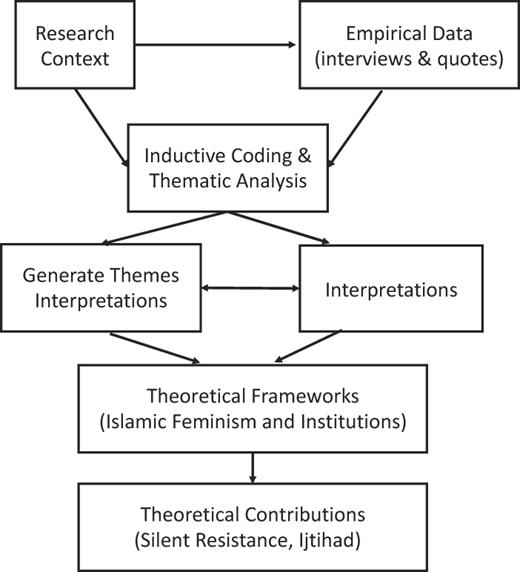
Table 2 provides quotes from the participants, Table 3 presents a data-to-claim map, and Figure 1 illustrates the coding scheme of the data. In addition, in the appendix, we provide a storyboard that illustrates the transition from empirical data to theoretical contributions.
 The Gioia chart consists of three vertical columns labeled from left to right as “Provisional categories and first order codes”, “Theoretical categories (Second order themes)”, and “Aggregate dimension”. Under “Provisional categories and first order codes”, nine stacked rectangular boxes are arranged from top to bottom and labeled as follows: “Statements about identified entrepreneurial opportunities in Makkah and Madinah”, “Statements about pursuing entrepreneurship for self-fulfillment”, “Statements about necessity being an entrepreneurial motivation”, “Statements about how Islamic teachings and values support women’s entrepreneurship”, “Statements about operating halal and other enterprises”, “Statements about societal and family expectations and balancing these with entrepreneurial aspirations”, “Statements about societal disapproval and seeking external validation and male approval”, “Statements about negotiating gender unequal treatment in business and in society”, and “Statements about opening businesses in unconventional sectors and how these are perceived”. Under “Theoretical categories (Second order themes)”, nine stacked, rounded, rectangular boxes are arranged from top to bottom and labeled as follows: “Opportunity-based entrepreneurship”, “Self-fulfilment”, “Necessity-based entrepreneurship”, “Support women”, “Halal business”, “Family expectation”, “Social disapproval”, “Social underappreciation”, and “Unconventional business”. Right-pointing block arrows connect each box from the first column directly to its corresponding rounded rectangular box in the second column. Under “Aggregate dimension”, four large ovals are stacked vertically from top to bottom and labeled as follows: “Motivations of women drawn to entrepreneurship”, “Islamic teachings and principles encourage women’s entrepreneurship”, “Institutional challenges to women’s entrepreneurship”, and “Strategies for navigating barriers”. Arrows from the top three theoretical themes converge into the first oval. Arrows from the fourth and fifth theoretical themes converge into the second oval. Arrows from the sixth, seventh, and eighth theoretical themes converge into the third oval. A single arrow from the ninth theoretical theme connects to the fourth oval.
Coding scheme Source: Authors own work
The Gioia chart consists of three vertical columns labeled from left to right as “Provisional categories and first order codes”, “Theoretical categories (Second order themes)”, and “Aggregate dimension”. Under “Provisional categories and first order codes”, nine stacked rectangular boxes are arranged from top to bottom and labeled as follows: “Statements about identified entrepreneurial opportunities in Makkah and Madinah”, “Statements about pursuing entrepreneurship for self-fulfillment”, “Statements about necessity being an entrepreneurial motivation”, “Statements about how Islamic teachings and values support women’s entrepreneurship”, “Statements about operating halal and other enterprises”, “Statements about societal and family expectations and balancing these with entrepreneurial aspirations”, “Statements about societal disapproval and seeking external validation and male approval”, “Statements about negotiating gender unequal treatment in business and in society”, and “Statements about opening businesses in unconventional sectors and how these are perceived”. Under “Theoretical categories (Second order themes)”, nine stacked, rounded, rectangular boxes are arranged from top to bottom and labeled as follows: “Opportunity-based entrepreneurship”, “Self-fulfilment”, “Necessity-based entrepreneurship”, “Support women”, “Halal business”, “Family expectation”, “Social disapproval”, “Social underappreciation”, and “Unconventional business”. Right-pointing block arrows connect each box from the first column directly to its corresponding rounded rectangular box in the second column. Under “Aggregate dimension”, four large ovals are stacked vertically from top to bottom and labeled as follows: “Motivations of women drawn to entrepreneurship”, “Islamic teachings and principles encourage women’s entrepreneurship”, “Institutional challenges to women’s entrepreneurship”, and “Strategies for navigating barriers”. Arrows from the top three theoretical themes converge into the first oval. Arrows from the fourth and fifth theoretical themes converge into the second oval. Arrows from the sixth, seventh, and eighth theoretical themes converge into the third oval. A single arrow from the ninth theoretical theme connects to the fourth oval.Coding scheme Source: Authors own work
Quotes table
| Statements about identified entrepreneurial opportunities in makkah and madinah: “Fifteen years ago, when I launched my autism center in madinah, there was a substantial gap in the local market, as no similar facilities existed at that time. People with autism faced notable marginalization, and many families were unwilling to seek help or integrate these individuals into society due to stigma and shame. Driven by islamic principles and my previous experience working with people with autism, I launched the center to address this critical need and provide much-needed assets and inclusion” [G] “In makkah, nurseries traditionally did not highlight language education for young kids. I Recognized this gap and saw an opportunity to present a potent language curriculum in the kindergarten stage. This initiative aligns with islamic teachings, which promote learning multiple languages and cater to social needs, attracting families who value bilingual education. By integrating language learning into our nursery program, we address educational and cultural needs, offering parents a convincing cause to register their kids in our nursery” [AM] ‘'From the beginning of my enterprise journey, I knew it would spark debate. Nevertheless, I considered this an opportunity rather than a challenge, as no one around me had ventured into such a business. While it presented a unique opportunity for growth, it also drew criticism from conservative individuals who viewed it from an islamic perspective.” [AH] |
| Statements about pursuing entrepreneurship for self-fulfillment: “My primary objective is to alleviate stress and achieve self-actualization; coming from a conservative family, my project faced intense resistance due to their belief that our religion prohibits drawing living beings. Nevertheless, I overcame many barriers to follow my passion”[N] “Despite having a prior enterprise that failed because of societal denial and the perception that it did not adhere to Islamic regulations; I did not let this setback stop me. I believed in myself and my abilities, and today, I own one of the most prominent salons in Madinah.”[H] “Although I met criticism from society for redefining the idea of the hijab by introducing it in colors beyond the standard black, I feel very proud and fulfilled by my success. Today, I have set myself as a well-known brand, proving that innovation can appear despite difficulties. ”[RG] “When my youngest son passed away, the pain of his loss was immense. I found comfort in working with children through my nursery to keep his memory and cope with the deep sadness. This has become an influential way to channel my love for him and keep his soul alive. ”[F.SH] |
| Statements about necessity being an entrepreneurial motivation: “After my husband’s death, I was without a job. To address this, I reopened his shop and took an active role in its functions. Culturally, it is expected that I should prioritize looking after my kids. Nevertheless, from an Islamic viewpoint, as a capable person, I am encouraged to depend on myself, work, and earn a living. Islam values self-reliance and supports the purpose of livelihood. Therefore, I did not allow my family’s disapproval of my decision to work to influence me”[IS] “Without a university degree, I struggled to secure employment. So, to generate income, I opened a small bakery shop. Despite not owning a university degree, which led many around me to predict my project’s failure, my faith and confidence in God’s provision of success encouraged me to continue the journey”[IH] “My husband was not adequately responsible for providing for my children and me, leaving me to shoulder the full responsibility for our well-being. As a result, establishing my own business became a necessity rather than a choice. Fortunately, my family helped me, understanding the magnitude of the responsibilities I was managing. ” [F.M] |
| Statements about how Islamic teachings and values support women’s entrepreneurship: “Islam emphasizes self-reliance and empowerment, preventing any concept of weakness or dependence on others. However, my work does not diminish the role of man as a family leader and responsible for the family’s maintenance; instead, the additional income can improve our life’s quality” [SA] “Islam underscores the inherent equality of all individuals before God, irrespective of gender, race, or social standing. This principle enhances women’s self-confidence and motivates them to follow their aspirations. However, the local community considers me primarily a widow and deserving of support.” [IS] “Islam does not restrict women’s financial freedom but allows women to work and contribute actively to society. This view is supported by Islamic teachings that emphasize the importance of women’s participation in economic and social development, as long as it aligns with ethical and moral principles.” [F.M] |
| Statements about operating halal and other enterprises: “I want to ensure that my business sticks to Sharia principles and operates halal” [AM] “The Islamic religion advocates for honesty in one’s work, Halal work and income, punctuality in meeting deadlines, conducting work in an upright manner, protecting the rights of others, and refraining from unjustly inflating prices” [H] “I refused to take any loans from the banks due to the interest, commonly referred to as riba in Arabic, as it is prohibited in Islam. Instead, I convinced my father to lend me the required funds, promising to refund him once the business became profitable. Alternatively, I offered him the chance to become a contributor or partner in the enterprise. ” [IH] |
| Statements about societal and family expectations and balancing these with entrepreneurial aspirations: “After my husband’s passing, I took over his enterprise, leading to resistance from his family and mine. They expected me to stay home and concentrate solely on my traditional role, believing I should not work outside the home, specifically with my children still being young. ” [IS] “I faced fear, not from my husband, but from my parents. My mother was anxious and didn’t want me to overlook my duties as a mother and wife. I also feel some silent resistance towards them, as they expect me to remain home, care for my family, and depend on my husband to provide for our needs. ” [RM] “My aunt was my role model and provided me with tremendous support. In contrast, my mother, a high school principal, was very strict and carried her authoritative approach from school into our home. She strongly resisted the idea of me becoming a businesswoman, as she believed my priority should be staying at home and fulfilling the role of a wife rather than pursuing a business career. ” [RG] “My family supported me while I established my business. However, implicit approval can arrive with unspoken expectations or duties the women entrepreneur may feel obliged to satisfy. These include the expectation to balance family commitments alongside the enterprise, which can lead to burnout or hinder the business’s potential” [IH]. |
| Statements about societal disapproval and seeking external validation and male approval: “While working in my restaurant, I encountered social criticism; although I am committed to Islamic hijab, I alleviated that societal censure by involving my son in the business, I do not want criticism to influence my husband’s support for me” [RM] “When introducing non-traditional Abaya designs, I faced a cultural challenge, deviating from the commonly accepted black. Many believed that hijab-appropriate Abayas should strictly be black. The incorporation of diverse colours and designs garnered substantial criticism. These criticisms arise from cultural and social principles rather than from Islamic concepts” [RG] “The gallery met societal refusal due to the general belief that Islamic principles forbid depicting living beings. To manage this misconception, I posted a clarification at the entrance, highlighting that my painting does not feature living beings but rather concentrates only on nature scenes. My brother played a key role in helping me throughout this process by helping with the work and persuading our family to embrace and support my business. ” [N] |
| Statements about negotiating gender unequal treatment in business and in society: “Some people consider nurseries as simple easy childcare skills, but these facilities provide much more than basic supervision. Despite the extensive services offered, many parents perceive nursery costs as expensive, often underestimating the value of professional childcare by believing it is something any woman can easily operate by nature” [F.SH] “My brother and I are involved in the same business sector. Still, I often receive different pieces of advice from people around me, mainly about my work, which is taking pictures and taking photographs, which are viewed from an Islamic perspective. Despite these external effects, my business has faced challenges and struggles over time before reaching a position of strength comparable to my brother’s.” [SH] |
| Statements about opening businesses in unconventional sectors and how these are perceived: “I have encountered a significant challenge in my business. Individuals in Makkah society criticize me for my involvement in tattooing and eyebrow procedures; I believe that if men were to work in this domain, they would not face the same level of social criticism as women” [AH] “Usually, I go on my own to purchase raw materials at a particular cost. Nevertheless, when my brother accompanies me, I witness that the price tends to decline. Since then, when I go alone, the seller is unwilling to negotiate, but when my brother is with me, they are more open to haggling and offering us a lower price. ” [F.M] “I often face challenges with clients when discussing service fees, as they frequently attempt to negotiate the price. This matter is compounded by the fact that women are usually offered raw materials at various prices than men, ignoring the effort and actual price involved. Such practices not only damage fairness but also contradict Islamic principles, which stress the importance of proper and fair pricing” [L] |
Source(s): Authors’ own work
Claim table: Data-to-theory mapping
| Empirical theme | Representative quote | Interpretation | Theoretical contribution |
|---|---|---|---|
| Motivations for Entrepreneurship | “A compelling emotion propelled me towards entrepreneurship, driven by my desire for self-satisfaction … ”[L] | Entrepreneurship is a path to personal fulfillment and psychological well-being for many participants. | Enriches literature on intrinsic motivations in religious and patriarchal societies. |
| “My husband was not adequately responsible … establishing my own business became a necessity rather than a choice.” [F.M] | Necessity-driven entrepreneurship arises from lack of economic alternatives and family responsibility. | Supports findings on necessity entrepreneurship shaped by socio-economic and gendered contexts. | |
| Islamic Principles as Enablers | “I firmly believe that Allah (God) Almighty blesses halal money and work, even if it is modest in scale.” [AM] | Religious values motivate women to operate ethical and halal enterprises, reinforcing religious legitimacy. | Demonstrates how Islamic ethics shape business practices and serve as a form of empowerment. |
| “Islam emphasizes self-reliance and empowerment … the additional income can improve our life’s quality.” [SA] | Islamic principles support women’s right to work and self-reliance, challenging cultural gender norms. | Islamic feminism used as a framework to reinterpret religious norms in favor of women’s autonomy. | |
| Institutional Barriers | “My family support has been instrumental … however, my husband always expects a great deal from me … ” [SA] | Support is conditional; family expectations still prioritize traditional roles despite entrepreneurial support. | Highlights the paradox of conditional support within patriarchal family systems. |
| “My mother was anxious and didn’t want me to overlook my duties as a mother and wife.” [RM] | Cultural norms pressure women to conform to traditional caregiving roles even when they are entrepreneurs. | Reinforces the tension between religious egalitarianism and cultural conservatism in entrepreneurship. | |
| Navigational Strategies | “I faced fear, not from my husband, but from my parents … I also feel some silent resistance towards them … ” [RM] | Silent resistance is a coping strategy used to navigate social disapproval without direct confrontation. | Introduces “silent resistance” as a gendered entrepreneurial strategy in conservative societies. |
| “When my brother accompanies me … the price tends to decline … seller is more open to haggling.” [F.M] | Male family members are enlisted to negotiate or lend legitimacy in culturally contested entrepreneurial spaces. | Shows how women navigate institutional voids using culturally strategic gendered partnerships. |
Source(s): Authors’ own work
Discussion
The findings from this study reveal that for women entrepreneurs in Makkah and Madinah, business ownership transcends economic necessity; it becomes a moral, Islamic, and emancipatory act. Their entrepreneurial actions reflect an integration of ijtihad (independent reasoning) and tawakkul (trust in God), two deeply embedded Islamic principles. Rather than functioning independently, these principles operate dialectically: ijtihad empowers women to reinterpret religious teachings in alignment with entrepreneurial aspirations, while tawakkul affirms spiritual conviction in the moral legitimacy of their efforts. This synthesis supports Islamic feminism’s core argument that gender equality is not antithetical to Islam, but rather distorted by patriarchal misreadings of its texts (Badran, 2017; Althalathini et al., 2022).
One of the most significant contributions of this study lies in theorizing the concept of silent resistance as a distinct and underexplored form of institutional navigation. Silent resistance refers to the subtle, often imperceptible strategies women use to operate within and push against institutional constraints without triggering overt backlash (Aldossari and Calvard, 2022). This includes maintaining outward compliance with gendered expectations while internally subverting them through entrepreneurial action, negotiating legitimacy through male intermediaries, or deliberately choosing socially acceptable business types as a platform for broader autonomy. Unlike overt activism or formal contestation, silent resistance enables women to maintain harmony within their families and communities while still effecting incremental social change (Al-Dajani et al., 2015).
From an institutional perspective, silent resistance adds depth to our understanding of how informal institutions such as religious norms, family expectations, and gender roles are adopted and actively interpreted and contested (Kabeer, 2011). As the findings demonstrate, the participating women entrepreneurs in Makkah and Madinah did not passively conform to such norms but rather, actively and creatively responded to the structural constraints and resisted them. Their resistance is quiet but transformative, reflecting the incremental reshaping of cultural expectations through everyday entrepreneurial behavior. In this way, silent resistance functions as a gendered form of institutional entrepreneurship, challenging dominant institutional logics without triggering their full defensive force.
This concept also offers a valuable extension to Islamic feminism, positioning it as both a theoretical framework and a lived strategy of social change. The women entrepreneurs participating in this study did not reject Islamic principles but rather they reclaimed Islamic foundational doctrines as sources of moral legitimacy and empowerment. By drawing upon ijtihad, they reinterpreted Islamic teachings in ways that support their roles as entrepreneurs, caregivers, and economic agents. Silent resistance thus aligns with the Islamic feminist strategy of internal critique, challenging patriarchal authority by offering alternative interpretations that emphasize justice, equity, and inclusion rather than by rejecting the religious doctrine (Alkhaled, 2021). In this sense, Islamic feminism is not only a discourse, but a practice enacted through women’s daily efforts to align faith with freedom (Aldossari and Calvard, 2022).
Theoretically, this study makes three key contributions. First, it expands institutional approach by showing how informal institutions, particularly religious ones, can simultaneously constrain and empower entrepreneurial action depending on how they are interpreted. Second, it deepens our understanding of gendered institutional change by illuminating the micro-level tactics women entrepreneurs employ to navigate and reshape their environments. Third, it enriches Islamic feminist thought by empirically demonstrating how concepts like ijtihad, tawakkul, are not abstract ideals but active tools for resistance, empowerment and entrepreneurship.
Practically, the implications of this study are equally compelling. For policymakers and entrepreneurship educators, the study underscores the need to design culturally congruent support mechanisms that resonate with the lived realities of Muslim women entrepreneurs in conservative settings (Moghadam, 2003). Programs that foreground Islamic values such as halal financing, modest branding, and business mentorship aligned with Islamic principles, are more likely to gain traction than secular, Western-modeled interventions. Moreover, efforts to promote women’s entrepreneurship in religious contexts should be attentive to the socio-emotional labor these women perform to manage community expectations while building ventures. These implications are especially significant in the context of the economic reforms currently underway in Saudi Arabia (Topal, 2019).
From a policy standpoint, recognizing and supporting silent forms of resistance is critical. These subtle strategies may not appear revolutionary, yet they are often more effective in conservative environments than overt advocacy. Development organizations, chambers of commerce, and NGOs should work with local religious leaders and cultural gatekeepers to co-create narratives that support women’s economic participation as a fulfillment of Islamic ethics, not a violation of them.
Finally, the concept of silent resistance offers broader relevance to women’s entrepreneurship research in the Global South, especially in societies where formal institutional support is limited and cultural norms are tightly woven into the fabric of public and private life. It compels scholars to look beyond binary models of resistance and conformity, and instead consider how women exercise agency in complex, non-confrontational ways. This invites a reconsideration of what counts as resistance, who gets to define it, and how it manifests within the daily practices of entrepreneurship. By advancing the concept of silent resistance and situating it within both institutional approach and Islamic feminism, the study offers new theoretical language and empirical insight into how women in conservative societies quietly but powerfully reshape the norms that seek to define them.
Conclusion
This study explored how women entrepreneurs in Makkah and Madinah navigate the tensions between Islamic religious principles and patriarchal cultural norms, and what forms of agency emerge within these negotiations. By drawing on institutional approach and Islamic feminism, the study contributes to a more nuanced understanding of gendered entrepreneurial agency in contexts shaped by religious authority and conservative sociocultural expectations.
Empirically, the study reveals that women in Islam’s most sacred cities do not merely accommodate or resist institutional constraints; rather, they engage in context-sensitive reinterpretation of religious values, most notably through ijtihad and tawakkul to construct entrepreneurial pathways that are both culturally legitimate and personally empowering. Their strategies reflect a complex interplay of adaptation, moral conviction, and institutional awareness. Central to this negotiation was silent resistance - a form of situated agency that enables the women entrepreneurs to subtly challenge restrictive gender norms while preserving social legitimacy. This form of resistance extends the repertoire of entrepreneurial agency theorized in institutional literature.
Theoretically, this study advances institutional approach by demonstrating that informal institutions, particularly those anchored in religion and gendered culture, are not monolithic structures but fields of contestation and reinterpretation. Secondly, the study contributes to the development of Islamic feminism as an interpretive and empirical framework by empirically grounding concepts such as ijtihad and tawakkul within entrepreneurial practice. This shows how Islamic feminism can illuminate faith-based forms of agency that are often excluded from secular and/or Western feminist analyses of entrepreneurship. Thirdly, silent resistance contributes to a richer conceptualization of how gendered agency operates in conservative settings, through calibrated, culturally coherent strategies of transformation rather than through overt disruption.
This study also contributes to debates about the relational and embedded nature of entrepreneurship. In contrast to liberal individualist models that emphasize autonomy and disruption, the entrepreneurial practices documented here are fundamentally relational and entangled with family obligations, religious commitments, and social expectations. The agency exercised by the women entrepreneurs is therefore not about escape from constraints, but about navigating and reconfiguring them from within. This has important implications for how entrepreneurship is conceptualized in settings where religion, gender, and institutional tradition are deeply intertwined.
Future research can build on these insights by exploring how silent resistance operates across different religious and cultural contexts, particularly in other Muslim-majority societies or among Muslim diaspora communities. Comparative studies could examine whether similar forms of agency emerge in contexts with different levels of institutional rigidity or religious pluralism. Longitudinal studies could also illuminate how these subtle strategies evolve over time, especially in response to institutional reforms such as Saudi Arabia’s Vision 2030. Further research might also interrogate the limits of silent resistance by asking under what conditions it transforms into more overt forms of contestation, and how it is received by broader institutional actors, including policymakers, religious authorities, and entrepreneurial ecosystems.
Finally, by situating entrepreneurial practice within the tensions between Islamic principles and patriarchal norms, and by theorizing silent resistance as a form of agency, the study opens new analytical pathways for understanding how Muslim women entrepreneurs enact change from within institutions that have historically marginalized them. In doing so, it invites a rethinking of entrepreneurship not merely as an economic act, but as a culturally negotiated and religiously meaningful practice of institutional transformation.
Andreu Turro and David Urbano acknowledge the financial support from Grant PID2022-141777NB-I00 funded by MCIN/AEI/10.13039/501100011033 and by “ERDF A way of making Europe”, and Grant 2021-SGR-00719 funded by Agency for Management of University and Research Grants (AGAUR), Generalitat de Catalunya. In addition, David Urbano acknowledges the financial support from ICREA under the ICREA Academia programme.
References
Appendix 1 Interview protocol
Part One: Demographic and General Questions
How old are you?
What is your city?
What is your educational level?
What is your marital status?
How many children do you have?
What is the type of your business?
What is the size of your business?
Is it a family business?
How many hours do you work per day?
How did you get the idea for this business? Who has been your greatest inspiration? Why?
Is the assumption that the women entrepreneurs are not involved in any other work/business/employment? What about unpaid work?
Give me a brief description of yourself (your characteristics). How are you dealing with your personal and professional life together?
Part Two: Gender
As a Saudi woman, did you face problems/challenges when starting your business? (Bastian et al., 2019).
Do you think some of these problems were related to gender roles and norms? If “yes”, can you give us an example? (Aljarodi et al., 2022).
How did you overcome the fact that a woman’s main role is family caring and rearing? (Metcalfe and Lahoud, 2022).
Did the gender roles prevent or limit your roles in the progress and expansion of your business? If “yes”, explain how? (Kalemci Tuzun and Araz Takay, 2017)
Did you agree that the Saudi community has gender inequality? If “yes”, explain by giving examples? (Danish and Smith, 2012)
Did the barriers you faced because of your gender through your project affect the success and performance of the business? How? (Explain by giving examples)? (Džananović and Tandir, 2020).
Part Three: Islamic culture
Do you think the Islamic religion increases women’s self-confidence and supports their role in society, and encourages them to become entrepreneurs? How? (Explain by giving examples) (Naguib and Jamali, 2015).
How does your religion affect you as a woman to engage in entrepreneurship? (McElwee and Al-Riyami, 2003).
In your opinion, do Islamic interpretations lead to gender inequality and women’s subordination? (Yunis et al., 2018).
Did you agree that Islam is often considered a demotivating factor limiting women’s participation in the workforce and promoting gender discrimination? If yes, or no? How? (Explain by giving examples) (McElwee and Al-Riyami, 2003).
Part Four: Entrepreneurial motivation
Why did you open your own business? What were your intentions behind opening the business? (Were they financial reasons or personal intentions like self-achievement, self-empowerment, self-satisfaction, self-actualization, and so on?) (Jennings and Brush, 2013).
What motivates you to keep going? (Metcalfe and Lahoud, 2022).
What was the most satisfying moment in your business? (Kalemci Tuzun and Araz Takay, 2017).
How does your business affect your life from a financial and personal point of view? (McGowan et al., 2011).
Appendix 2 Storyboard illustrating the transition from empirical data to theoretical contributions