Organizations are currently confronted with agile external dynamics, and achieving sustainable organizational performance requires the appropriate method. Therefore, this study aims to explain how innovation can achieve sustainable organizational performance, tracing the antecedents to produce a comprehensive model.
Based on previous studies, a cause-and-effect flow of thought to ascertain existing relationships between constructs as well as establish a coherent path was adopted. Participants consisted of 208 knowledge employees who worked in knowledge organizations in Indonesia. The proposed pathway was tested using structural equation modeling.
Sustainable organizational performance was realized through innovation driven by organizational learning. Meanwhile, this variable was realized through knowledge sharing, formed by organizational culture and strategic alliances. Sustainable performance is effectively achieved by an internal driver compared to an external driver.
This study focused on 208 knowledge employees in knowledge organizations. This limitation led to weak generalization of the analysis.
The results offered substantial managerial insight, namely a pathway to coherently build sustainable organizational performance for comprehensive implementation.
Innovation is a process that cannot be actualized instantly, due to the impact on internal organization, social aspects and external environment. This study contributes to resource savings and the realization of the sharing economy.
This study differs from previous analyses due to the coherent proposal of a path to build sustainable organizational performance and the constructs to enable proper application.
1. Introduction
Resource-based theory is a business framework that states competitive advantage is achieved by organization when valuable, rare, inimitable and non-substitutable characteristics are realized depending on the resources (Barney, 1991). The fundamental problem is the realization of resources with these characteristics to produce sustainable competitive advantage. Several studies reported that sustainable organizational performance could be achieved with human resource innovation (Aslam et al., 2023), as well as related business models (Madhavan, Sharafuddin, & Chaichana, 2022; Bismo, Halim, & Erwinta, 2021), processes (Adam & Alarifi, 2021) and capabilities (Kamalrulzaman, Ahmad, Ariff, & Muda, 2021). This also included market, product (YuSheng & Ibrahim, 2020), culture (Dabić, Lažnjak, Smallbone, Švarc, & Smallbone, 2018) and technological innovation (Chaarani & Abiad, 2018).
Innovation positively impacts performance by increasing the ability to differentiate knowledge-based organizational operational models in response to environmental changes. Several studies have opposed the view that it has a positive effect on performance. Lee and Roh (2012) found that innovation had no impact on the financial performance of both high- and low-tech companies. The interaction of three aspects of organizational innovation, particularly in business practices, workplaces and external relations, did not significantly impact company performance (Phan, 2019). Similar studies also found that higher levels of related activities reduced performance by increasing the possibility and number of consumer complaints (Roper & Bourke, 2022) as well as the potential failure of innovation in achieving sustainable organizational performance (Coad, Nightingale, Stilgoe, & Vezzani, 2021). Moreover, organizations operating in high-tech and considerably concentrated markets have a lower impact on economic performance compared to low-tech markets (Guei, 2022).
Previous studies reported a controversy regarding the influence of innovation on sustainable organizational performance. These reviews did not report how the process, which tended to positively or negatively affect organizational performance, could be achieved. Scholarly debate suggested that managers theoretically understood the impact on performance. In practice, the impact may be limited during implementation, preventing the incorporation of concrete innovation forms into organizational operational applications. This study addressed the gap between theoretical findings and practical applications by proposing a pathway for realizing innovation and its impact on performance.
Following the description above, knowledge-based organizations have unique characteristics associated with carrying out related work by employees with a high level of expertise, education or experience and the use to acquire, create, share or apply knowledge within the work environment (Óskarsdóttir, Oddsson, Sturluson, & Sæmundsson, 2021). The consequence is the inability to be ordered to do a job without a satisfactory purpose. However, employees can improvise to carry out their respective work creatively if motivated to innovate openly and rationally. Participation is an important element in every change initiated by organization.
Knowledge-based organizations encounter extremely complex external dynamics. This led to the formulation of the dynamic capability theory, which introduced the idea that competitive advantage was achieved by integrating both static resources and dynamic capabilities during related external changes (Teece, Pisano, & Shuen, 2009). Dynamic capabilities refer to the ability of organization to integrate, build and reconfigure internal and external competencies to address rapidly changing environments. However, the speed of change in the environment may be less relevant than the prevailing degree of uncertainty, strengthened by the judicious use of open innovation processes (Teece, 2020). Previous studies also reported the role of innovation in responding to external changes, using flexible strategies (Miroshnychenko, Strobl, Matzler, & De Massis, 2021) to enable business survival (Adam & Alarifi, 2021). Innovation increases the ability to learn about new opportunities and, in certain cases, use external resources to fill capability gaps. Organizational efforts to realize innovation require high costs, particularly during external dynamics in the form of shifts in consumer tastes, technological developments, increasingly massive competition, changes in regulations and international pressure. Therefore, organizations are required to adopt the appropriate strategy during innovation.
Several studies have reported the importance of organizational learning in the innovation process, including the influence between both variables (Noruzy, Dalfard, Azhdari, Nazari-Shirkouhi, & Rezazadeh, 2013; Rao, Yang, & Yang, 2018; Migdadi, 2021). In this context, the level of innovation is driven by organizational learning. Kim and Park (2020), Khan and Khan (2019), Park and Kim (2018), Rao et al. (2018) and Yang (2007) further reported that organizational learning was built on knowledge sharing. This fundamental phase leads to the optimization of management processes, which enables the availability of knowledge in a timely, valuable and effective manner, thereby increasing the value (Rezaei, Sadraei, Jafari-Sadeghi, & Vrontis, 2023).
Knowledge sharing activities are influenced by a conducive organizational culture (Sawan, Suryadi, & Nurhattati, 2021; Azeem, Ahmed, Haider, & Sajjad, 2021; Ibidunni, Kolawole, Olokundun, & Ogbari, 2020; Abbasi, Shabbir, Alaghbari, & Abbas, 2020), which provide comfortable conditions for related processes. This is triggered by the ability of employees to motivate effective knowledge sharing during teamwork. Internal knowledge sharing also plays an essential role in supporting organizational learning and innovation. Furthermore, the process was ineffective in a dynamic environment confronted with open technological changes. Organizational learning can be improved through knowledge sharing and strategic alliances, namely collaboration between organizations, customers, parent companies, regulators and other stakeholders. Sarkar, Routroy, and Sultan (2022) found a positive correlation between concepts such as coordination, collaboration, open innovation, value creation, supply chain management and development, as well as the increasing importance of big data and blockchain technology. This analysis showed that knowledge development with increased user-based interactions, better resource usage, and improved productivity supported mutual adaptation of co-creation and co-discovery. The results further showed a logical path about the antecedents of sustainable organizational performance through the innovation process. These previous studies examined links in isolation rather than the comprehensive testing in a complete model. The relationship between strategic alliance, organizational culture, learning, innovation and sustainable performance in a comprehensive model is exciting to review. Therefore, this study integrated the diverse reviews to show the combined effect. The exploration pathway further enabled a comprehensive understanding of creating sustainable organizational performance attributable to the antecedent roots. This gap was addressed by explaining how knowledge sharing processes were carried out to realize organizational learning and innovations that motivated sustainable organizational performance.
Indonesia is transforming into a knowledge-based economy, with the service sector contributing significantly to GDP, accounting for 53.95% (Badan Pusat Statistik, 2024). This economic development is sustained by knowledge-based supporting organizations. The country is also experiencing globalization, which demands openness, support and networking. However, the unique culture of collectivism, tradition and bureaucracy, which is responsible for obstructing creativity and openness, resulting in low innovation, including organizational sustainability, is interesting to examine. This study focused on how sustainable organizational performance could be achieved in knowledge-based organizations in Indonesia. The introductory section described the importance of building sustainable organizational performance through innovation and the adoption of effective strategies. The literature review focused on sustainable organizational performance and the determinative factors. The subsequent section analyzed the study method adopted, followed by the instrument measurement and results. Finally, the conclusion centered on contributions, implications, limitations and suggestions for further reviews.
2. Literature review and hypothesis development
2.1 Innovation and sustainable organizational performance
Given the rapidly changing environmental dynamics, measuring company performance solely through past-oriented financial indicators is insufficient, as such measures often fail to accommodate the interests of broader stakeholders. This limitation has shifted scholarly attention toward sustainable performance, a concept that inherently balances the competing interests of multiple parties. Rooted in the principle of balancing integrity (environment), equity (society) and prosperity (economy), this perspective led to the formulation of the “Triple Bottom Line” concept focusing on people, planet and profit (Correia, 2019; Jackson, Boswell, & Davis, 2011; Bansal, 2005). However, the operationalization of sustainable performance remains fragmented. While Jha and Rangarajan (2020) and Rahi, Akter, and Johansson (2022) reviewed its practices through economic, environmental and social dimensions, more recent studies tend to conflate it with the ESG (ecological, social and governance) perspective without clear conceptual boundaries (Wasiq, Kamal, & Ali, 2023; Madhavan et al., 2022; Laskar, Chakraborty, & Maji, 2017). This conflation creates ambiguity between sustainability as a performance outcome and sustainability as a governance mechanism.
To bridge this gap, this study positions innovation as the critical mechanism linking intent to outcome. Although Johannessen (2013) proposed the systemic innovation theory, innovation theory separated institutional (political, cultural, social) and economic (organization, materials, services, markets) dimensions of innovation; most subsequent definitions remain overly generic. According to Celtekligil and Adiguzel (2019), innovation is merely problem-solving efforts, while innovation refers to the reduction of costs and risks, including the provision of improved products, services and instruments that effectively meet the demands of market participants (Borowski, 2021). Such definitions fail to capture the strategic essence of innovation in a sustainability context. It covers all possible degrees of novelty, from new products and processes on a global scale (called absolute innovation) to the country or market scale in which the organization operates. The process also includes products and processes new to the organization, but implemented in the organization's field of activity or other countries (called imitative innovation) (Borowski, 2021). Innovation refers to the intelligent effort to produce a new product, service or process in response to internal and external dynamics, thereby enabling sustainability. Therefore, this study adopts a more integrative view: innovation is defined as an intelligent, intentional effort to create new products, services or processes in response to internal and external dynamics, enabling firms to simultaneously achieve economic viability, environmental integrity and social equity.
Several studies showed that sustainable organizational performance could be achieved with human resource innovation (Aslam et al., 2023), related business model (Madhavan et al., 2022; Bismo et al., 2021; Corral de Zubielqui, Lindsay, Lindsay, & Jones, 2019) and processes (Adam & Alarifi, 2021). This also included market, product (YuSheng & Ibrahim, 2020), culture (Dabić et al., 2018), technological (Chaarani & Abiad, 2018) and organizational innovation (Noruzy et al., 2013). Therefore, these previous studies led to the formulation of Hypothesis 1:
The higher the innovation, the greater the sustainability of organizational performance.
2.2 Organizational learning and innovation
Organizations are projected to be agile considering the extremely dynamic external environment encountered. An agile organization tends to implement and direct the resources efficiently and effectively. The purpose is to create, protect and capture value in activities with higher revenues according to internal and external conditions (Teece, Peteraf, & Leih, 2016). However, the conceptualization of agility remains centered on dynamic capabilities for value appropriation, without explicitly explaining what intangible mechanism enables such reconfiguration. This study argues that in highly turbulent contexts, knowledge management serves as that critical intangible strategic asset for building sustainable performance.
While Chetty, Gerwel Proches, & Singh (2021) positioned knowledge management as a strategic asset enabled in daily practices embedded within the organization. However, that view risks reducing knowledge management to a mere routine administrative function rather than a strategic capability. A more critical perspective holds that its strategic value lies not in the practice itself, but in its capacity to facilitate continuous adaptation. This adaptation is manifested through organizational learning. Additionally, the mechanistic view of learning refers to the process by which an organization adapts to its environment. This process requires goal-focused information-gathering and processing activities, norms, strategies, and assumptions governing the rules for allocating tasks, and customizing related behavior (Sullivan & Nonaka, 2016). It overlooks the social and contextual embeddedness of learning.
To address this, knowledge should be understood not merely as a stock of information, but as a fluid combination of experiences, values, contextual information and expert insight that provides a framework for evaluating and integrating new experiences (Garcia-Perez & Partners, 2007). Although this definition is comprehensive, it remains abstract unless linked to organizational enablers. Recent literature suggests that knowledge is driven by collaborative human resource management practices (Antunes & Pinheiro, 2020). Applying the management process drives value and sustainable performance competitiveness in a dynamic environment mediated by effective participation in social network organizations. The acquisition through social media further optimizes learning and ideas, as well as enables improved sustainability performance in a dynamic environment for resource-starved technology-based organizations (Tajpour, Hosseini, Mohammadi, & Bahman-Zangi, 2022). However, these enablers present a paradox. Chetty et al. (2021) stated that the successes and obstacles encountered during the implementation of knowledge management included leadership commitment and support, business culture, technology, strategic goals, organizational settings, size, related activities, incentive assistance and development, alongside human resources.
The learning process enables the exploitation of external knowledge and evaluation of the feasibility of developing new technology programs. Companies must use existing knowledge and pursue new opportunities by initiating innovation initiatives. Experts have widely studied the influence and relationship between organizational learning and innovation (Noruzy et al., 2013; Rao et al., 2018; Migdadi, 2021; Al-Haq & Rasyid, 2022). Organizational learning and knowledge sharing significantly impact employee innovation (Khan & Khan, 2019). Meanwhile, organizational learning capability has a positive value, characterized by a minimal influence on innovation and its dimensions. In this case, organizations focus on administrative rather than product and process innovation (Haile & Tüzüner, 2022), resulting in the formulation of Hypothesis 2.
Higher organizational learning tends to increase innovation.
2.3 Knowledge sharing and organizational learning
Organizational learning is the process of creating, retaining and transferring knowledge within organization. Several previous studies reported that this variable was an essential outcome of knowledge sharing (Rao et al., 2018). Conceptually, positioning knowledge sharing solely as a predictor is inadequate; this overlooks the underlying mechanism that transforms the act of sharing into learning. Theoretically, knowledge sharing serves as a behavioral catalyst. Through knowledge sharing, employee attitudes are shaped to influence work behavior and motivate individual innovation. Furthermore, knowledge sharing facilitates the dissemination of information and deepens internal learning, thereby creating a conducive environment. This argument implies that organizational learning depends on the quality of the knowledge-sharing process.
Furthermore, knowledge sharing enables information delivery and deepens internal learning to create a conducive atmosphere. This argument implies that organizational learning is contingent upon the quality of the knowledge-sharing process. More crucially, previous studies indicate that the effectiveness of knowledge sharing in fostering learning does not occur automatically. It depends on integrative mechanisms (Kim & Park, 2020; Khan & Khan, 2019; Park & Kim, 2018), with a collaborative culture further influencing and determining organizational learning (Nugroho, 2018). It also facilitated the transformation of individual collective experience without orphaned knowledge and related depreciation, resulting in the advancement of learning, alongside enriched effectiveness (Yang, 2007). Therefore, the previous studies led to the formulation of Hypothesis 3:
The higher the knowledge sharing, the greater the organizational learning.
2.4 Organization culture and knowledge sharing
Organizational personality refers to a culture characterized by being rigid or flexible, friendly or supportive, innovative or conservative. This personality type is included in the system of meaning held by employees, serving as a guide in organizational life, as well as differentiating diverse organizations (Sawan et al., 2021). While this conceptualization is useful for typology, it remains descriptive and does not explain how such personality translates into tangible organizational behavior. This limitation becomes even more apparent regarding the broader construct of organizational culture, defined as the beliefs, habits, values and attitudes that shape individual behavior. Sawan et al. (2021) reported that organizational culture tends to influence knowledge sharing both directly and indirectly. Moreover, conducive organizational cultures are characterized by clan, bureaucratic, supportive, innovative, trusted, communication, collaborative, relationship orientation, collectivistic and uncertainty avoidance norms. Knowledge sharing and innovative activities are further motivated by a conducive environment for obtaining advanced knowledge (Azeem et al., 2021). A more critical perspective reveals that culture does not always facilitate knowledge transfer; it can also hinder it. Culture tends to influence knowledge transfer because different departments have their own beliefs and ways of capturing information, as well as transferring it to avoid leaks (Ibidunni et al., 2020). This indicates that the organizational culture is fragmented. Power distance and masculinity have a negative effect, while uncertainty avoidance, collectivism and long-term orientation positively affect the sharing process (Kucharska & Bedford, 2019). Furthermore, SECI models (socialization, externalization, combination and internalization) mediate the relationship between individual-level creativity with intrinsic motivation and team-level trust, enabling knowledge transfer to support creativity (Baldé, Ferreira, & Maynard, 2018). Therefore, the numerous previous studies led to the formulation of Hypothesis 4:
The more conducive the organizational culture, the greater the knowledge sharing.
2.5 Strategic alliances and knowledge sharing
Alliances are an effective strategy for knowledge-intensive businesses in the view of prevailing market forces. Organizations must pay attention to both pre- and post-alliance issues, partner similarity and reputation, alliance experience, complementary skills, industry coverage, commitment to increasing trust and skills, as well as collaboration to improve performance (Emami, Welsh, Davari, & Rezazadeh, 2022). The essence of the strategic alliance goals is the willingness of the concerned parties to share knowledge. Organizational networks also enable the creation and development of knowledge transferred and shared among employees, thereby impacting organizational innovation and performance (Marchiori & Franco, 2020). A similar study showed that the exact characteristics of interrelated board members, including the independence of Iran and Iraq, increased corporate innovation through knowledge sharing, experience and skills willingly transmitted to the organization outside the industrial sources (Shafeeq Nimr Al-Maliki, Salehi, & Kardan, 2023). These results prove that the board of directors determines organizational performance through two channels. First, the interlocking board members deliver innovative ideas, new production procedures, and are willing to improve organizational performance. Second, independent boards establish efficient manager monitoring strategies to enhance organizational performance. Knowledge sharing behavior is proven to be higher among employees of enterprise social networks (Reus, Moser, & Groenewegen, 2023). The six aspects of relational and social capital, also referred to as supporting factors, significantly impacted inter-organizational knowledge sharing and influenced the innovative behavior of hotel alliance companies (Toylan, Semerciöz, & Hassan, 2020). Previous studies showed that the greater the reciprocal relationship strength (frequency of interaction, relationship history, intimacy and mutual trust) between two organizations, the higher the external tacit knowledge transferred (Tamer Cavusgil, Calantone, & Zhao, 2003). Therefore, these results led to the formulation of hypothesis 5, which is stated as follows:
The more robust the strategic alliance that is successfully built, the stronger the knowledge sharing will be.
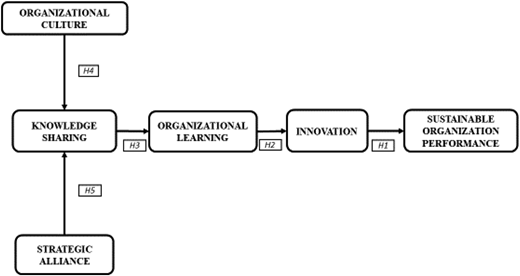
Figure 1 shows the theoretical framework based on hypothesis development.
As shown in Figure 1, organizational culture and strategic alliances are hypothesized to indirectly influence sustainable performance through a sequential mediation of knowledge sharing, organizational learning and innovation.
3. Methodology
Purposive sampling was adopted, and the selected participants were mainly knowledge employees in knowledge-based organizations in the country. Participants had worked for a year and were currently employed at the agency when the questionnaire was distributed. The distribution process was carried out through Google Forms using the WhatsApp application to motivate sharing with other parties. This described the result that the use of personal forms of contact, such as face-to-face or telephone, increased the response rate (Wu, Zhao, & Fils-Aime, 2022). A wide network of WhatsApp users, including colleagues and alumni in various business sectors, was contacted to obtain an ideal response. WhatsApp is highly popular in Indonesia, with 112 million users, leading to its ranking in the 3rd position globally. The widespread use and familiarity resulted in its adoption for distributing questionnaires, replacing face-to-face meetings, phone calls and letters.
This study used both procedural and statistical methods to avoid the issue of common bias. The procedural method ensured anonymity was maintained and there was no form of compensation. Confidentiality was also maintained by ensuring the managers of the diverse institutions were not informed, enabling participants to freely fill out the questionnaire. A total of 208 participants, comprising 63.9% females, completed the questionnaire within a month of distribution. Approximately 48.1% were within the age range of 30.1–40 years, while 51% had worked for <5 years, and the business field was dominated by 60.6% of employees in non-education service organizations and other, as shown in Table 1. Common method bias was statistically assessed using the unmeasured latent construct (Podsakoff et al., 2003; Polas, 2025), which included the incorporation of a latent factor (common method variance) into the model, with the indicator loadings squared. Additionally, the results obtained using AMOS software suggested an average variance of 0.31. Common method bias was not detected because the threshold of 0.50 was exceeded.
Structural equation modeling (SEM) was used to simultaneously test all hypothesized relationships. It provided a comprehensive understanding of the relationships across the entire causal chain from culture and alliances to knowledge sharing, innovation and performance. Interdependencies and mediating effects were captured, compared to partial methods. The ability of variables to influence outcomes, account for measurement errors and enhance construct validity was also clarified. Bootstrapping was adopted to strengthen the analysis by handling non-normality, including the provision of robust standard errors for significance testing. This combination supported stronger causal claims than fragmented analyses. The integrated SEM method reduced partiality risks as well as provided a detailed review compared to previous partial methods.
4. Results and discussion
4.1 Measurement model
The indicators were adopted from various sources to ensure accuracy and contextualization. Consultations were also carried out with professors and PhD students to review the questionnaire designed in Indonesian due to the study location. The questionnaire comprised a cover letter containing the study objectives and a request for participation. Additionally, assurances regarding anonymity and confidentiality, as well as the lack of material compensation for participation, are also stated in the cover letter. The next section focused on identity, gender, age, tenure in the organization and business field. The last section is a statement of the indicators of each variable measured on a Likert scale of 1–10, ranging from strongly disagree to strongly agree. The measurement instrument uses convergent validity, construct reliability, average variance extracted (AVE), and discriminant validity values.
As shown in Table 2, the measurement instrument showed acceptable convergent validity, construct reliability, AVE and discriminant validity values greater than 0.6. AVE of the Organizational Culture (OC) variable has a marginal value equivalent to 0.518. Therefore, the indicators of the diverse variables met the proposed requirements.
The validity of an indicator in reflecting a construct is assessed by its factor loading.
Table 3 presents the factor loading values from two iterations of the research model. Factor loadings indicate the precision with which indicators measure their respective constructs. Iteration 1 shows that all indicators used have factor loading values above 0.6, with the exception of indicator OC4. In Iteration 2, however, all factor loadings exceed the 0.6 threshold for acceptance as valid indicators.
The next stage of analysis is model fit testing. Two iterations were performed to identify the best-fit model.
As shown in Table 4, Iteration 1 produced fit model with p-value = 0.070, Chi-Square = 1.206, Goodness-of-Fit Index (GFI) = 0.933, Adjusted Goodness-of-Fit Index (AGFI) = 0.896, Tucker–Lewis Index (TLI) = 0.989, Comparative Fit Index (CFI) = 0.992, Normed Fit Index (NFI) = 0.955 and Root Mean Square Error of Approximation (RMSEA) = 0.032, respectively, all of which meet the requirements for a fit model as shown in Table 4. However, Iteration 1 produced an estimate of the OC4 loading factor of 0.425, with the other indicators obtaining values greater than 0.6. OC4 indicator was further removed from the model. Iteration 2, with n 208, was tested, and the estimate showed all indicators had a loading factor greater than 0.6, proving the valid use in this study. A perfect goodness of fit was produced because the p-value = 0.062 was below the recommended value of >0.05. Chi-Square value = 1.235, GFI = 0.939, AGFI = 0.900, TLI = 0.988, CFI = 0.992, NFI = 0.960 and RMSEA = 0.034, respectively, and met the requirements of a fit model.
A multivariate normality test was conducted after the model was fitted.
As represented in Table 5, the data were detected as univariate normal rather than multivariate. This is because the multivariate normality value of 45.380 is far from the required value of 2.58. Bollen–Stine bootstrap process was carried out with the non-multivariate normality results. Testing the null hypothesis to prove the validity of the model led to a Bollen–Stine bootstrap p = 0.731. The result is consistent with Collier (2020), suggesting the model can be used in this study. If the skewness and kurtosis values are within the range of −2 and +2, and −10 and +10, respectively, it simply implies the data were properly distributed and could be used for further analysis.
4.2 Full model
This study aims to determine how innovation can realize sustainable organizational performance through a logical path. Table 6 shows the results of hypothesis testing in a structural model using maximum likelihood estimation for Iteration 2. Several organization types, specifically educational and non-educational (manufacturing, non-education services and others), were used as control variables to test for robustness. All model estimates remain supported even when control variables were included. Therefore, the results of the estimation in this study showed good robustness.
As described in Table 6, the results confirmed that all hypotheses were accepted. In relation to Hypothesis 1, the estimated result of 0.892, p = 0.000, showed that the higher the innovation, the greater the sustainable organizational performance. The results proved that innovation capability is the main driver of sustainable organizational performance. The coefficient of 0.892 indicated an extremely strong effect, suggesting that innovation capability explained approximately 80% of the variance in sustainable performance. This is in line with the Resource-Based View, where innovation as a dynamic capability enabled organizations to reconfigure resources in response to environmental turbulence (Miroshnychenko et al., 2021). The magnitude of the effect proved that competitive advantage relied entirely on innovation, because the study sample was obtained from a developing country, where strategic flexibility had become a prerequisite for survival (Adam & Alarifi, 2021).
The direct and indirect effects denote the unique interactions in achieving sustainable organizational performance. The results in Table 7 showed that innovation functioned as the direct driver of sustainable organizational performance.
In this context, organizational learning operated predominantly as an indirect enabler through innovation, which had the largest total effect on sustainable organizational performance with a direct path coefficient of 0.892, p < 0.001. The result proved that innovation is the most proximal and impactful mechanism for achieving performance outcomes. However, organizational learning shows the largest indirect effect of 0.873 and does not exert a significant direct effect on performance. The indirect pathway is entirely explained by the near-deterministic relationship between organizational learning and innovation, β = 0.978, p < 0.001. The results positioned organizational learning as a foundational, but distal capability. Learning does not translate into performance, because the value is realized only when converted into innovative outputs. This challenges the simplistic view that “more learning automatically leads to better performance.” The observation further supported the sequential logic, from learning to innovation to performance. The benefits of organizational learning remain latent without the mediating role of innovation.
The results strongly support Hypothesis 2, which suggested organizational learning exerted a deterministic influence on innovation capability, with a path coefficient of 0.978 and p < 0.001. The magnitude of the effect implied that the capacity of the organization to innovate is entirely dependent on the learning processes. The result is consistent with the study by Sullivan & Nonaka, which stated that in agile environments, learning was an active mechanism for adaptation. Organizational learning facilitated innovation through three mechanisms, namely goal-focused information gathering to reduce environmental uncertainty, continuous challenging of norms and assumptions that reversed existing mental models. This also included dynamic reallocation of tasks that enabled creative experimentation (Sullivan & Nonaka, 2016). The near-perfect coefficient of 0.978 required critical interpretation that suggested weak learning routines hindered innovation. An R&D budget or hiring creative talent is insufficient if the organization lacks absorptive capacity to convert external information into new knowledge. This positioned the burden of innovation mainly on managerial capability to design systems for knowledge acquisition, dissemination and application.
Based on this perspective, the results strongly support Hypothesis 3, with knowledge sharing signifying an exceptionally strong direct effect on organizational learning, β = 0.930, p < 0.001. This proved that organizational learning was socially constructed through the exchange of experience, skills and information. The magnitude of the coefficient showed that knowledge sharing functioned as the main activation mechanism for organizational learning. Rao et al. (2018) reported that organizational learning was an important outcome of knowledge sharing. In addition, open sharing practices tended to generate three crucial conditions, including exposure to diverse cognitive frameworks, establishment of a shared language for transferring tacit knowledge and cultivation of reciprocity norms. The near-perfect relationship also requires caution, with a coefficient of 0.930 depicting homogeneity risk. When sharing only occurs within closed circles or reinforces existing knowledge, it leads to groupthink rather than genuine learning. The quality and diversity of knowledge shared becomes as important as the intensity.
Table 7 further clarified the chain of influence within the model by proving knowledge sharing did not impact performance directly, but operated through organizational learning and innovation. Organizational learning served as a full mediator, with the indirect effect of knowledge sharing on innovation and sustainable performance equivalent to 0.909 and 0.812, respectively. Both pathways were driven by the sequential conversion of shared knowledge into collective learning, innovative outputs and sustainable performance. This critically established a three-stage causal logic, knowledge to organizational learning to innovation to sustainable performance, challenging the assumption that simply “being open” is sufficient. The data suggested that openness without internal learning routines caused noise, not capability. The exceptionally high indirect effects proved that knowledge sharing only established value when the organization has the capacity to process, challenge and institutionalize the knowledge shared. External information remains superficial and is not translated into distinctive innovations. The value of 0.812 confirmed that competitive advantage arose from how effectively the organization learned from the knowledge shared.
These results proved that knowledge sharing was driven by both internal and external factors. Hypothesis 4 was strongly supported because organizational culture exerted a substantial direct influence on knowledge sharing (β = 0.685; p < 0.001). Furthermore, Hypothesis 5 was also supported, though strategic alliances showed a significantly weaker direct influence (β = 0.322; p < 0.001), because this asymmetry focused on an underlying mechanism. Knowledge sharing is fundamentally a behavior rooted in permission rather than access. Considering employees possess knowledge and managers provide the relevant platform, the variable is a culture of innovation, open communication and relationship orientation that legitimizes the act of sharing. It fosters psychological safety and normative expectations, transforming individual knowledge into a collective organizational asset.
Strategic alliances functioned as repositories for external knowledge. In an agile environment, alliances expand the scope and quality of available knowledge through relationship strength, collaborative experience and a cooperative working climate. The coefficient of 0.322 outlined a clear limitation, considering the ability of alliances to acquire knowledge, as well as the inability to compel internal dissemination. Access without absorption only creates a “knowledge warehouse” filled with inputs and lacking the mechanism for mobilization, which confirms the analysis of the indirect effects. Based on this perspective, the indirect effects of organizational culture on sustainable performance are 0.556, twice the 0.262 influence exerted by strategic alliances. A similar pattern was observed for knowledge sharing, organizational learning and innovation, with the indirect influence of culture consistently surpassing that of alliances. The main insight is that in a developing country such as Indonesia, performance is driven mainly by internal mobilization rather than external networking. In contexts characterized by institutional gaps and resource constraints, culture served as a low-cost but high-impact coordination mechanism. It substitutes for formal systems by fostering trust and shared norms that hasten both the use and assimilation of internal and external knowledge. The strategic priorities followed a specific sequence: first, an innovation culture that supports knowledge sharing should be cultivated, followed by the use of alliances to enrich the capabilities supported. The subsequent risks become a symbolic gesture rather than a substantive strategic move without the initial step.
4.3 Theoretical and practical implications
Cultural innovations relate to norms, values, habits, expectations and new ways of thinking, which constitute part of systemic innovation theory (Johannessen, 2013). The proposition is reliant on the fact that people act based on the system of rewards reflected in the norms, values, policies and attitudes in a culture as an informal institution (the institutional framework), comprising implications for enhancing innovation. This is in line with the present study, which stated that the relationship between the two is mediated by knowledge sharing and organizational learning aimed at achieving sustainable performance. Performance is influenced when organizations prioritize the realization of culture.
Knowledge sharing and organizational learning serve as media to instill a new culture, leading to the achievement of exceptional performance. During the process, organizations encountered unavoidable external dynamics, which led to the relevance of the relationships, networks and alliances within the social systems. According to Johannessen (2013), a closed organizational system led to a lower probability of innovation. The impact on performance triggered the adoption of the strategic alliance as a proxy for system openness. This study reported that knowledge sharing and organizational learning mediated the relationship between strategic alliances and innovation to achieve sustainable performance. The result contributed to the systemic innovation theory by showing the mediating role of both variables in the relationship between internal and external drivers, alongside sustainable performance.
The significantly weaker influence of strategic alliances on knowledge sharing, compared to organizational culture, outlined a unique contextual characteristic. This result reinforced the Resource-Based View that positioned institutional factors as a critical backdrop. The context of developing economies presents distinct features compared to developed countries. Moreover, informal institutions are deeply embedded and compensate for formal institutions that are not fully robust in supporting organizational processes. Culture, as a component of informal institutions, tends to support formal institutions. Previous studies reported that these institutions comprised regulations, norms and cognitions responsible for shaping the structures and activities that provide adequate stability to social behavior (Scott, 2001). The stronger influence of culture over strategic alliances in driving knowledge sharing behavior shows that informal institutions are salient and operative in developing country contexts. Knowledge stocks acquired from external sources through alliances are similar to raw materials stored in a “knowledge warehouse.” These elements cannot be fully distributed or utilized within an organization without supporting mechanisms for the transformation process. Therefore, organizational strategies aimed at achieving sustainable performance must accommodate the “strategy tripod” (Peng, Wang, & Jiang, 2008), comprising industry, resource and institution-based views. In developing economies, the institution-based view, particularly through informal institutions such as culture, becomes the critical factor that enables the other two to function effectively.
This study provided a valuable contribution to closing the controversy over the influence of innovation on sustainable organizational performance. However, the inadequacy of previous studies to confirm that innovation created sustainable organizational performance was caused by the inaccuracy of organizations in designing an appropriate innovation model. High levels of innovation require technological change and significant market concentration, as well as a lack of employee participation, leading to customer complaints and negatively impacting sustainable organizational performance (Roper & Bourke, 2022). Innovation impacted performance when designed with employees, culture and external strategic alliances. The organizational landscape tends to be shifting toward networks and ecosystems, requiring a blend of internal and external aspects (Koster, 2024). Combining culture and strategic alliances triggered knowledge sharing and organizational learning, which drove the need to address capability gaps. The fundamental values, norms and beliefs outlining sustainability were incorporated into the organization to form an integral component of the identity and decision-making processes (Tardin, Perin, Simões, & Braga, 2024). Strong social ties in collectivist cultures outweighed the role of external influences, and this led to the need to focus on internal drivers for creating learning.
In practical terms, these results delivered a clear message to managers, such as the reliance on “business-as-usual” strategies was no longer viable in the current market dynamics. Organizations should prioritize investment in R&D, considering the significant impact of innovation on sustainable performance, to actively improve product experimentation, and also embed a culture of trial-and-error as an integral part of the adopted strategy. The need to foster a psychologically safe work environment is critical to ensure that attempts at new knowledge are not penalized but viewed as part of the learning process. Organizations should allocate dedicated resources to innovation teams as well as provide incentives for employees who generate new ideas.
Following the description above, the Indonesian collectivist culture prefers an internal driver. Although this study focused on employees within knowledge-based organizations, work environments are typically populated by open-minded individuals. The results show that informal institutions exert a stronger direct and indirect influence on knowledge sharing and sustainable performance than strategic alliances. Cordial relationships among employees fostered cooperation, which led to the cultivation of openness and shared risks. This served as the foundation for collaboration, knowledge sharing and strategic alliances. Organizations need to accommodate employee interaction, including the avoidance of restrictions or regulations that impede communication. The assumption that learning would occur automatically should be eradicated, and sufficient scope should be provided for informal mechanisms responsible for transforming raw material into accessible, usable information aimed at driving innovation. The diverse structures need to be intentionally designed for cross-functional dialogue, post-project evaluations and digital platforms that ascertain the impact of experiences gained. The focus must shift from “sharing more” to “sharing better.” This method ensured that shared knowledge was tested, integrated and applied to new products, processes or mental models. Therefore, investing in shared activities without a commensurate investment in absorptive capacity and innovation processes produced diminished returns.
The concept of the sharing economy outlines the collaborative use of resources to support sustainability through cooperation and more efficient resource usage. Knowledge-based organizations in Indonesia tend to implement the idea of the sharing economy to enhance the acquisition of knowledge. The scarcity of quality human resources and sophisticated facilities in the country can be overcome with strategic alliances and knowledge sharing. Organizations do not have to provide all resources independently for the innovation process. Moreover, innovation can function efficiently without the absorption of all internal resources, resulting in the need to create an organizational culture that supports the sharing economy. This perspective is supported by both internal and external drivers. The transformation of informal institutions into formal institutions is a crucial step. A proactive method comprising efforts to reduce negative impacts alongside searching for opportunities to achieve sustainable performance is required, because it is a long-term collective endeavor. Currently, managers possess a clear roadmap toward sustainable organizational performance through innovation.
5. Conclusion
In conclusion, this study showed how innovation was built by adopting internal and external knowledge, specifically in knowledge-based organizations. Additionally, the role in achieving sustainable organizational performance was also reviewed. Organizational culture indirectly had a stronger influence on sustainable performance compared to strategic alliances. The innovation process should be built into a comprehensive system with employees. Knowledge-based organizations need to provide learning and sharing spaces to accommodate employees during the innovation process. Employees, as the main change actors, must actively adapt to new conditions by forming strategic alliances.
This study focused on a limited sample size of 208, although satisfactory statistical results were obtained. Future studies have to focus on a larger sample, using a sampling method developed for adequate selection. The low response rate suggested that the closeness between the study team and the target participants did not guarantee a high response rate. Wu et al. (2022) stated that the student population produced a higher response rate than non-students. The ethical provision of initial incentives for participants needs to be considered to increase the response rate (Wu et al., 2022; Memon, Thurasamy, Ting, & Jun-Hwa Chea, 2026). The material motivation was also an important issue in questionnaire-based reviews in Indonesia. A formal permission letter from managers for the data collection process was crucial, particularly if employees were the target, and anonymity needed to be maintained. The review carried out on public sector employees in Indonesia showed that the use of a formal permission letter and leadership participation generated a high response rate of 92.06% (Indriastuti & Fachrunnisa, 2024).
Certain limitations were observed in the context of knowledge-based organizations. Therefore, the adoption in the context of other organizations not dominated by high and complex knowledge, such as simple service and manufacturing companies, or the public sector, particularly the production and operational sections, which were more mechanical and required less innovation intensity, appeared interesting. Simple and mechanical processes in organizations impacted the achievement of sustainable organizational performance, resulting in the need for innovative changes. Innovation became an interesting study related to the intensity because of the simple and mechanistic nature of these sections. The proposed model was applied to social organizations, including small and medium enterprises, because all organizations encounter external and internal dynamics that require the realization of sustainable organizational performance. Future studies, including knowledge-based organizations across various cultural backgrounds, are highly recommended to support the robustness of the results.
Several factors supported sustainable organizational performance, but the limited sample led to the need for the moderating effect of the proposed model to be tested on different organizations with diverse cultures and innovation intensities. Muhammad, Khizar, Jawad, Khalid, and Adomako (2022) reported that sustainability issues and cultural reviews were constantly encountered in Western countries and needed to be contextualized in other regions. Additionally, a cross-cultural study must provide solutions related to the rapid and gradual development of other countries.
The supplementary material for this article can be found online.