


Understanding the determinants of capital structure decisions is essential to enhancing the firm's financial sustainability. The objective of the present study is to examine the influence of financial reporting quality (FRQ) on the decision of a firm's capital structure. Furthermore, the moderating impact of financial constraints (FC) is investigated in this relationship.
The study's sample consists of 165 non-financial Pakistan Stock Exchange-listed companies from 2010 to 2023. The sample companies' capital structure is calculated by the ratio of total debt to total debt plus the market value of equity. FRQ is calculated using Jones' (1991) accrual-based model and Dechow et al.'s (1995) accrual quality-based model, while financial constraints are evaluated using the KZ Index. To meet the study's objectives, we used a random effect model (REM) based on the Hausman test. Furthermore, the system-generalized approach of the moment estimation technique is employed to assess the robustness of the findings.
In support of the agency theory and pecking order theory, the results indicate that firms with greater FRQ minimize information asymmetry and agency cost, lowering the cost of equity and therefore negatively correlated with financial leverage in the capital structure. Furthermore, the results demonstrate that financial constraints enhance the negative relationship between FRQ and capital structure.
The findings have serious consequences for emerging markets where governments want to increase market openness. In emerging markets with a lack of clear information, high agency costs, and a higher perceived risk, an acceptable FRQ is critical for boosting transparency and lowering agency expenses, which enhances a firm's stability.
The study's findings provide policymakers, business managers, regulators and investors with a better knowledge of how a firm's FRQ affects capital structure in Pakistani firms, as well as the significance of financial constraints in this relationship.
To the best of the authors' knowledge, this is the first study in an emerging market that empirically investigates the impact of FRQ on capital structure while studying the moderating role of financial constraints.
1. Introduction
The question of whether corporations have an optimal capital structure has been the subject of much scholarly debate. There is still much to learn about the factors that influence capital structure and firm decisions. Myers (1984) accurately refers to the study of capital structure as “the capital structure puzzle.” It is worth mentioning that, even after more than 50 years, managers' complex decision-making process for establishing their capital structure remains opaque (Kumar et al., 2017; Liang and Renneboog, 2017; Rajan and Zingales, 1995). Capital structure decisions are crucial because they focus on increasing the efficiency of a company's departments while also enhancing the organization's ability to respond to its environment.
The capital structure significantly influences firm investment (Li et al., 2025), ultimately driving firm growth and prosperity. The capital structure represents the equilibrium a company achieves between the advantages and disadvantages of utilizing debt (Flannery and Rangan, 2006). Any divergence from the ideal capital structure diminishes a company's value (Chang et al., 2014). Huang and Ritter (2009) assert that companies that deviate from their optimal capital structure incur significant adjustment costs, including agency costs, financial hardship, transaction costs, and bankruptcy costs. Various firm-specific characteristics that both affect and represent a company's capital structure have been the subject of prior research. Hall et al. (2004) highlighted age, size, profitability, asset structure, growth, and risk as critical qualities. Kumar et al. (2017) conducted a meta-analysis that revealed a notable deficiency in the current literature, specifically regarding the relationship between various board characteristics—such as age, gender, education, and experience—and financing decisions in corporations in both developed and developing countries.
Most capital structure research focuses on internal and external causes to explain organizations' financial decisions. Internal determinants refer to a firm's fundamental qualities (e.g. size, age, profitability), whereas external determinants are market features (e.g. inflation, GDP growth) (D'Amato, 2020). Few studies have examined the impact of FRQ on capital structure. According to Arthur Levitt, former Chairman of the US Securities and Exchange Commission, high-quality accounting standards boost investor confidence, improve liquidity, and lower capital costs (Levitt, 1998, p. 81). Thus, FRQ can influence capital structure decisions.
FRQ is a crucial determinant among other firm-specific features and influences a firm's capital structure decisions. The influence of FRQ on enterprises' capital structure has received little attention. FRQ indicates the precision and transparency with which a corporation reveals its financial information (Garrett et al., 2014), significantly influencing corporate decision-making. The US Financial Accounting Standards Board (FASB) says the main goal of financial reporting is to provide useful financial information about a company to current and potential investors, lenders, and other creditors so they can make informed decisions about allocating resources to the company. Managers use financial information to determine whether to issue more debt or equity; thus, this information must be accurate, dependable, and representative of the firm's financial condition to prevent managerial inefficiencies (Leuz and Verrecchia, 2005; Huynh, 2019; Costa et al., 2022). High-quality financial reports deliver clear, precise, and timely information to stakeholders, enabling them to assess the anticipated risks and returns of investment opportunities. It reduces information asymmetry between management and stakeholders by providing accurate, timely, and precise information (Hammami and Hendijani Zadeh, 2020). Managers use financial information to determine whether to issue more debt or equity; therefore, this information must be accurate, dependable, and representative of the firm's financial condition to prevent management inefficiencies (Leuz and Verrecchia, 2005; Huynh, 2019; Costa et al., 2022).
The relationship between FRQ and capital structure is grounded in two theoretical frameworks: pecking-order theory, introduced by Myers (1984) and Myers and Majluf (1984), and agency theory, developed by Jensen and Meckling (1976). The pecking-order hypothesis suggests that better reporting reduces the information asymmetry between companies and investors, thereby lowering the risk of investors making poor choices and the costs of raising new equity. Consequently, superior reporting quality is anticipated to yield a diminished debt ratio. From the viewpoint of the agency problem, a lack of information worsens the agency issue; therefore, companies with greater information gaps might take on more debt to lower high agency costs. High-quality reporting, by reducing information asymmetry, may alleviate the adverse effects of the agency problem and serve as an alternative to debt financing, thereby constraining managerial self-interest. Both the pecking order theory and agency theory predict that superior reporting quality will lead to lower debt utilization. Therefore, FRQ has a significant impact on a company's capital structure decisions. The literature has rarely examined the relationship between FRQ and capital structure. To the author's knowledge, only two research studies, Lisboa et al. (2025) and Synn and Williams (2024), examine the relationship between FRQ and capital structure. Both studies were conducted in developed countries, thereby highlighting the need to examine this association in developing countries. Consequently, a possible research gap exists in the current literature. Therefore, the primary purpose of this study is to examine the influence of FRQ on capital structure within the framework of a developing economy, specifically Pakistan.
Moreover, the current study contributed to the existing literature by examining the influence of financial constraints (hereinafter, FC) on the relationship between FRQ and capital structure. A firm experiences FC when it has restricted access to external capital markets (Fazzari et al., 1988) or when external financing is obtainable only at an elevated cost (Denis and Sibilkov, 2010). A financially constrained firm exhibits elevated risk (Garcia-Quevedo et al., 2018), increased capital costs (Campbell et al., 2012), and diminished stock returns (Li and Luo, 2019). Carreira and Silva (2010) characterize FC as a company's inability to secure funds to leverage market investment and growth opportunities. This incapacity arises from a company's difficulties in securing external funding. Almeida et al. (2004) stated that enterprises with FC encounter more challenges in securing external financing.
Financially constrained firms are facing severe agency and transaction costs when accessing capital markets (Korajczyk and Levy, 2003). Constrained firms are thus expected to have a greater incentive than unconstrained firms to engage in earnings management to increase their stock prices and raise external capital at favorable terms. Kurt (2018) found that firms with financial constraints report higher earnings than those without such constraints during investment periods, and he believes this occurs because managers of these constrained firms use accounting tricks to show satisfactory results to investors and improve their chances of obtaining funding. Constrained firms, by definition, have limited access to stock markets and pay higher transaction costs when obtaining capital (Hennessy and Whited, 2007). Unconstrained firms, which have better access to funding and a stronger reputation with banks, are less likely to focus on short-term gains from aggressive profit management and tend to use fewer discretionary accruals because they care about their reputation. In the same way, the signaling hypothesis suggests that firms with FC are more inclined to manage their earnings positively than those without constraints, as such actions can help them demonstrate better potential to investors and ease their funding difficulties.
Although extensive research has examined the role of FRQ in corporate financial decisions, the evidence is fragmented across related but distinct areas. One research stream finds that firms' reporting behavior, such as earnings management and disclosure practices, is shaped by financing frictions and FC. For example, constrained firms often use income-increasing accruals to signal creditworthiness and improve access to external financing. Another stream shows that financial reporting and disclosure quality influence financing decisions by reducing information asymmetry and lowering capital costs.
While these studies offer valuable insights, they typically focus either on firms' behavioral responses to financial constraints or on the direct impact of FRQ on financing outcomes, rather than on their interaction. Consequently, the combined effect of FC on the relationship between FRQ and capital structure remains poorly understood within a unified empirical framework.
Building on this identified gap, it is important to examine how FC influences the extent to which FRQ affects leverage decisions. Since constrained firms experience greater information asymmetry, higher external financing costs, and greater reliance on capital markets, the impact of FRQ on capital structure is likely to vary with the level of constraint. Therefore, integrating the literature on FRQ and capital structure with research on FC and financing behavior is necessary to better understand firms' financing decisions.
To address this gap, this study examines the relationship between FRQ and capital structure, explicitly considering the moderating effect of FC. This integrated approach reconciles previous findings and offers new evidence on how information quality and financing frictions together influence corporate leverage decisions.
Previous studies have largely focused on developed economies, highlighting a broader imbalance in accounting research. Uddin (2025) notes that the dominance of Western institutional frameworks has led to epistemic injustice by marginalizing knowledge from underdeveloped and emerging economies, often treating it as merely context-specific. This bias limits the Development of more inclusive and context-sensitive theories. To address this, greater engagement with Majority World (emerging markets) contexts is needed, as their institutional environments, financial systems, and governance structures differ significantly from those in industrialized economies.
Against this backdrop, Pakistan provides an appropriate and underexplored setting for examining capital structure decisions for various reasons. Pakistan is the world's fifth-most populous country and has a growing market economy in South Asia. It is one of the next 11 countries in the 21st century to achieve significant economic growth. Most studies on corporate governance and capital structure have focused on developed markets, ignoring developing economies. According to Buvanendra et al. (2017), there is extensive empirical research on corporate capital structure in established markets but little in emerging countries. There is a need to investigate the determinants of capital structure in developing countries, as they differ from those in developed economies due to differences in investor protection, legal systems, and the rule of law. Frag et al. (2012) and Alves and Francisco (2015) demonstrate that capital structure issues in underdeveloped countries differ from those in developed countries.
Furthermore, Pakistani firms have greater FC due to a weak regulatory environment, limited shareholder rights, and an underdeveloped economic infrastructure. According to Ahmed and Hamid (2011), Pakistan's financial industry meets only 10% of firms' financial needs, which is insufficient; moreover, 40% of Pakistani firms complain of a lack of foreign financing. Since the 1990s, when there were 35 Initial Public Offerings (IPOs) per year, there have been just 7 in 2012. The percentage of underpriced initial public offerings (IPOs) in Pakistan has decreased from 51% in 2012 to 36% currently. Furthermore, Pakistan's equity market is highly concentrated in terms of ownership. Around 100,000 people engage in trading. In sum, 92% of investors own only 1 million shares, with the remainder held by a small number of individuals. This data demonstrates the level of concentration in the equities market.
Furthermore, Pakistan's capital market is inefficient and underdeveloped (Afza and Nazir, 2015). All of this data indicates the level of FC that Pakistani firms face. Pakistan, characterized by weak investor protection, limited access to external financing, and concentrated ownership structures, presents an environment where the dynamics of financial reporting quality and capital structure may differ substantially from those in Western contexts. Focusing on this setting addresses an empirical gap and advances a more inclusive accounting literature that acknowledges diverse institutional realities.
To achieve the study's objectives, the present study selects a sample of 209 non-financial firms listed on the Pakistan Stock Exchange from 2010 to 2023. Jones's (1991) accrual-based model and Dechow et al.'s (1995) accrual quality-based model are used to calculate FRQ, while the debt-to-equity ratio is used to measure capital structure. We use the KZ Index to determine FC. Based on the regression analysis, our findings indicate significant relationships among the variables studied. We use the GMM system estimation technique to ensure robust results. In addition, we compute the degree of FC experienced by sample enterprises using the WW Index to ensure robust conclusions.
The study's findings indicate that financial reporting quality (FRQ) significantly negatively impacts the debt ratio and that the level of financial constraints (FC) further strengthens this negative relationship in firms listed on the PSX. The study's findings are beneficial to investors and policymakers in emerging markets. The findings show that Pakistani regulators must improve the quality of their reporting. Furthermore, the results suggest that eliminating information asymmetry by disclosing high-quality financial reports to outsiders may lead to lower equity costs, more flexible financing options, and less reliance on bank loans. The findings help relieve strain on the banking system and stabilize the underdeveloped financial systems of developing countries.
This study contributes to the literature in several ways. First, it extends research on FRQ by examining its impact on capital structure and linking information quality to firms' financing behavior. While prior studies focused on FRQ's role in reducing information asymmetry and the cost of capital, this study demonstrates how FRQ relates to leverage decisions. Second, the study integrates two previously fragmented streams of literature: FRQ and financing decisions, and FC and corporate financial behavior. Existing research has mainly examined these areas separately, such as studies on earnings management under financial constraints or the effect of disclosure quality on financing outcomes. This study connects these strands by analyzing how FC influences the relationship between FRQ and capital structure. Third, the study demonstrates that FC moderates the relationship between FRQ and capital structure. Direct testing reveals that FRQ affects leverage differently across firms with different financial constraints. Fourth, this study enhances theoretical understanding by expanding both the pecking order theory and agency theory. The results offer conditional support for the pecking order theory by demonstrating that enhanced financial reporting quality reduces information asymmetry and reliance on loan funding, especially under heightened financial constraints. From an agency perspective, the findings indicate that FRQ may serve as an alternative to debt as a governance mechanism, particularly when firms encounter heightened funding frictions. Fifth, by using a comprehensive panel dataset from multiple official sources, the study strengthens empirical evidence on firm-level financial behavior in a data-scarce emerging economy. Employing a dynamic panel estimator further enhances methodological rigor by addressing endogeneity and persistence. Sixth, although the empirical setting is country-specific, the findings provide insights relevant to other emerging economies with similar market Development, governance, and regulation. However, the study does not claim broader generalizability. Finally, the study offers policy and managerial implications. Enhancing FRQ, particularly for financially constrained firms, increases transparency, reduces information frictions, and improves access to external financing.
2. Literature review
2.1 Financial reporting quality and capital structure
The subject of “what influences a firm's choice of capital structure?” is central to corporate Finance. Furthermore, is the company's observed capital structure efficient or optimal? In frictionless capital markets with symmetric information, a firm's capital structure does not influence its value (Modigliani and Miller, 1958). When information is asymmetric, adverse selection influences a firm's capital structure decisions (Cooney and Kalay, 1993; Myers, 1984; Myers and Majluf, 1984; Nachman and Noe, 1994; Noe, 1988). The firm will suffer greater FC as the extent of information asymmetry between insiders and outsiders increases. Previous studies have shown that information asymmetry is a crucial determinant of capital structure (Agarwal and O'Hara, 2007; Bharath et al., 2009).
FRQ is a measure for disseminating information about a company and reducing information asymmetry (Malik and Kashiramka, 2025). We define a company's FRQ as the accuracy, reliability, and openness of its financial disclosures. A high FRQ means that the information in financial statements is a good picture of the company's real financial health and performance. This means that accounting choices or estimation errors do not change the picture. According to Chen et al. (2011) and Biddle et al. (2009), a high FRQ minimizes information asymmetry and agency costs by providing stakeholders with comprehensive financial information. When a firm provides enough financial information to capital providers through traditional reporting channels (high FRQ), information asymmetry between the firm and its capital suppliers is reduced (Zhong and Gao, 2017).
The pecking-order theory and agency theory offer a more comprehensive explanation of the relationship between FRQ and capital structure. The pecking-order theory suggests that when a company raises capital by selling stock, it is more influenced by the lack of information than when it borrows, because shareholders have a claim on the firm's assets after lenders are paid off. Reporting quality encompasses various qualitative attributes, such as relevance, faithful representation, timeliness, understandability, and comparability (Beest et al., 2009). Enhanced financial reporting, which extends beyond mere financial data, renders the report more informative and mitigates information asymmetry. Enhancing financial reporting quality alleviates information asymmetry, thereby reducing the adverse selection impact on fresh equity financing. Therefore, firms with superior reporting quality will have lower debt ratios. Bharath et al. (2009) provide real-world evidence for the pecking-order theory by showing a positive link between information asymmetry and market leverage, even after controlling for traditional capital structure factors. Their results show that businesses with the most information asymmetry have more market power than those with the least. Synn and Williams (2024) assert that an increase in FRQ diminishes the firm's financing frictions, leading to a more efficient capital structure. Using a sample of US enterprises and discretionary accruals as a proxy for reporting quality, the authors discover a negative relationship between financial reporting quality and debt financing. Companies that do not report their finances well may have too much debt.
Agency theory posits a negative correlation between reporting quality and financial leverage. Agency theory posits that in an environment characterized by asymmetrical information, managers driven by self-interest may fail to implement policies aimed at maximizing shareholder wealth (Jensen, 1986; Jensen and Meckling, 1976). Instead, they may opt to invest in costly buildings or engage in value-eroding projects that benefit themselves. Companies with substantial free cash flows intensify the agency problem (Richardson, 2006; Zhang et al., 2016). Therefore, debt can alleviate the agency problem by reducing free cash flows, as it requires the payment of interest (Jensen, 1986). However, we could improve reporting quality rather than rely on debt financing to reduce managers' self-serving behavior. High reporting quality reduces information asymmetry, providing investors and their representatives, such as the board of directors, with accurate and sufficient information (Houcine, 2017). Consequently, they may overlook managers' self-serving actions that do not require debt financing.
Recent literature emphasizes the importance of moving beyond Western-centric evidence to better understand the relationship between FRQ and corporate financing decisions. Uddin (2025) observes that accounting scholarship has been shaped by epistemic injustice, with insights from Majority World (emerging markets) contexts often underrepresented and viewed as context-specific rather than theoretically significant. In response, recent studies demonstrate that reporting quality affects financing outcomes across diverse institutional settings. For example, Lisboa et al. (2025) report a negative relationship between FRQ and leverage, while Selleslagh and Ceustermans (2025) find that higher reporting quality improves Belgian firms' access to bank debt. Persakis et al. (2026) and Petcharat et al. (2026) show that reporting quality and integrated reporting practices significantly influence the cost of capital and debt maturity, including in emerging economies such as Thailand. Similarly, Muttakin et al. (2020) find that higher FRQ reduces the cost of debt for South African firms. Ding et al. (2016) examined Chinese private-listed firms to assess the relationships among earnings quality, debt financing, debt access, and the cost of debt. Their findings show that higher earnings quality improves access to debt financing and reduces the cost of debt for private firms. These effects are stronger in less developed provinces.
Some studies in the literature assess the cost of equity rather than financial leverage, providing another avenue for investigating the effect of reporting quality on capital structure decisions. According to Francis et al. (2008), earnings quality and voluntary disclosures complement each other. Furthermore, greater voluntary disclosures are associated with a lower cost of capital; however, this effect is mitigated when the authors condition on earning quality. According to Bhattacharya et al. (2012), earnings quality influences the cost of equity both directly and indirectly via information asymmetry. Sony and Bhaduri (2021) show that asymmetric information affects enterprises' decisions to raise financing and that only firms in environments with low information asymmetry issue equity. Vitolla et al. (2020) discovered that integrated reporting quality can lower the cost of equity; as a result, they recommend that companies provide comprehensible integrated reports that emphasize not only significant information to meet investors' information demands, but also readability, relevance, and comparability. According to Romito and Vurro (2021), the amount of non-financial information revealed and the variety of stakeholder-related topics reduce information asymmetry. The regularity with which a report distributes information across categories helps eliminate information asymmetry. Rjiba et al. (2021) argue that annual report readability can minimize information risk for investors, therefore lowering the cost of equity financing. Because FRQ lowers information asymmetry, which might lower the cost of equity, it is reasonable to conclude that it enhances managers' willingness to issue stock. In other words, improved reporting quality is likely to lessen a firm's financial leverage.
Research shows that firms with higher financial reporting quality (FRQ) have greater leverage. Transparent financial reports lower risk and borrowing costs. They help creditors assess risk accurately, improving access to debt, extending maturities, and securing better terms. FRQ also acts as a governance tool that supports capital structure decisions.
Recent research extends this relationship by linking financial reporting quality (FRQ) to broader financial outcomes. These outcomes, in turn, indirectly affect capital structure. For example, Assad et al. (2026) find that firms with higher FRQ allocate resources more efficiently. This strengthens their financial position and enables optimal financing. Yilmaz and Nobanee (2026) demonstrate that FRQ influences firms' financial strategies, including capital structure, especially in emerging markets with information asymmetry and weak institutions. Iqbal et al. (2025) use a sample of 174 firms from Australia and New Zealand between 2018 and 2022. They demonstrate that enhanced financial reporting quality (FRQ) reduces the cost of capital and improves financing conditions. This, in turn, indirectly influences leverage decisions.
Lisboa et al. (2025) recently examined the impact of FRQ on capital structure, utilizing a sample of 414 publicly traded companies in Portugal, Italy, Greece, and Spain from 2013 to 2022. The global research produced mixed results, with three indicators of FRQ having a favorable impact on debt (accruals quality, smoothness, and accounting conservatism), and the remaining proxy having a negative impact (timeliness). In conclusion, based on the pecking-order theory, agency theory, and further empirical evidence, I hypothesize that:
Financial reporting quality has a significant negative impact on the debt ratio in the capital structure.
2.2 Financial reporting quality, capital structure, and financial constraints
Financial constraints (FC) are the constraints a firm faces when accessing external cash, which can limit its ability to finance investments and lead to inefficient capital structures. Financially constrained firms often require debt financing, which can introduce additional agency costs (Jensen and Meckling, 1976). To address these costs, managers may voluntarily disclose relevant information in financial reports, thereby reducing monitoring expenses (Watson et al., 2002). Chen et al. (2011) and Biddle et al. (2009) found that high financial reporting quality (FRQ) reduces information asymmetry and agency costs by providing stakeholders with comprehensive financial information. Similarly, Zhong and Gao (2017) noted that when firms offer adequate financial information to capital providers through high FRQ, information asymmetry is minimized. Korajczyk and Levy (2003) contended that financially constrained firms experience high agency and transaction costs when accessing capital markets. As a result, financially constrained firms are likely to be more motivated than unconstrained firms to engage in earnings management to enhance their stock prices and raise external capital at favorable terms. According to Kurt (2018), financially constrained firms will report more income-increasing accruals than unconstrained firms. According to the signaling hypothesis, financially constrained firms are more likely to engage in positive earnings management than unconstrained firms since doing so may allow them to reduce their FC by communicating better prospects to investors. Linck et al. (2013) consistently examine the relationship between earnings management and FC and find that financially constrained firms inflate their earnings more than unconstrained firms in the quarters preceding investment. They attribute this finding to signaling, in which managers of constrained firms use income-increasing accruals to communicate positive prospects to investors and improve their financing capacity.
Hennessy and Whited (2007) argued that FC firms have limited access to capital markets and incur higher transaction costs when raising capital. The opportunism hypothesis suggests that constrained firms are more likely to report income-increasing accruals because they perceive greater benefits and fewer costs in using them than unconstrained firms do. Constrained firms are more inclined to focus on the perceived short-term benefits of aggressive earnings management than on reputational risks. Unconstrained companies, which can raise more funding and enjoy a stronger reputation with banks, tend to care less about short-term gains from aggressive profit management and are more careful about using discretionary accruals.
FRQ shapes capital structure decisions. Its impact varies by firm. FC drives this relationship. Firms with FC struggle to secure external financing due to more information asymmetry, weaker collateral, and greater perceived risk. In these cases, FRQ helps alleviate such constraints. High-quality financial reporting mitigates FC by increasing transparency, reducing uncertainty, and enhancing credibility. This lowers adverse selection and moral hazard, allowing financially constrained firms to access external financing more readily. Additionally, high FRQ signals firm quality to investors and creditors, supporting capital structure adjustments.
Choi (2025) examines how FC shapes capital structure. The study analyzes zero-leverage firms during the COVID-19 pandemic. It finds that financing decisions are directly influenced by the degree of constraints. Financially constrained firms maintain low leverage because they have limited access to external capital. These results underline the need for financial flexibility. They demonstrate that constraint conditions are key drivers of capital structure, especially during economic uncertainty. Silva and Silva (2026) show that FC play a formative role in shaping firms' policies and performance. Constrained firms must adopt more efficient strategies to manage limited resources. Transparency and high-quality reporting improve access to external Finance. FRQ directly reduces financing frictions and strengthens firms' ability to adjust their capital structure.
Recent evidence confirms that FC moderates the effects studied. Malik and Kashiramka (2025) show that FRQ and FC jointly influence firms' leverage decisions. Higher FRQ enhances firms' ability to secure external financing, even under constraints. This demonstrates that transparency and financing capacity go hand in hand. The positive impact of FRQ on capital structure is most pronounced for financially constrained firms.
Recent literature shows that financial constraints strongly affect the relationship between FRQ and capital structure. Constraints serve as a key moderating factor. For financially constrained firms, high-quality reporting reduces information asymmetry, lowers financing costs, and improves access to capital. The interaction between FRQ and financial constraints is key in shaping leverage decisions. Hence, the level of FC moderates the relationship between FRQ and capital structure. Thus, we formulate the hypothesis as follows:
Financial constraints strengthen the negative relationship between financial reporting quality and capital structure, such that the negative association between financial reporting quality and leverage is more pronounced for financially constrained firms.
2.3 Theoretical framework of the study
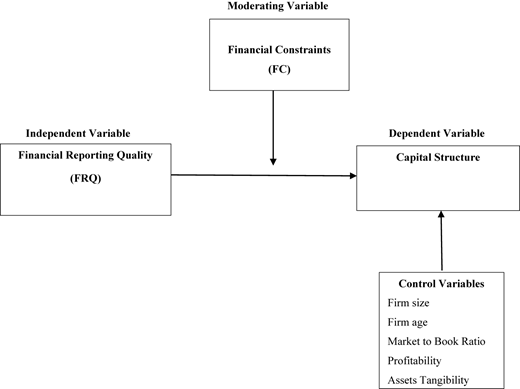
Figure 1 presents the study's theoretical framework, which is based on the hypotheses.
3. Research methodology
3.1 Data sample
The study's population consists of 524 companies listed on the PSX as of December 31, 2023, including the years 2010–2023. Financial firms were excluded from the initial sample because of significant disparities in financial reporting, accounting standards, and determinants of capital structure (Farooq et al., 2022). Consequently, 125 financial institutions were omitted from the sample. Additionally, according to the research conducted by Jian and Lee (2015), Ehsan et al. (2018), Farooq and Noor (2023), and Farooq et al. (2024), nine state-owned enterprises were excluded from the sample. To qualify for the study, firms must be registered with the SECP for the full duration of the study, with no mergers or acquisitions occurring during that period, and must provide all variable data. The filtering methods removed 216 non-financial entities from the sample, leaving 165. The study's final sample comprised 165 non-financial firms that functioned from 2010 to 2023. Table 1 presents the description of the sample selection.
Description of sample selection
| Description | No. of firms |
| Total PSX firms listed on June, 2023 | 524 |
| Less financial firms | 125 |
| Less state-owned firms | 9 |
| Less firms not meet the sample selection criteria | 216 |
| Final sample of the study | 165 |
Data on required variables were obtained from a variety of sources, including an assessment of the annual reports of sample firms, balance sheet data from the State Bank of Pakistan, and historical data from the PSX. After data collection, we winsorize all continuous variables at the 1st and 99th percentiles to reduce the impact of outliers, following standard practices in empirical Finance and corporate governance. Compared to the 5–95% method, 1–99% winsorization better retains meaningful extremes, particularly in panel datasets.
3.2 Measurement of variables
3.2.1 Financial reporting quality
Two proxies are used to compute FRQ. The first is Jones' (1991) accrual-based technique, denoted as FRQ-I. It outperforms all other discretionary accrual (DA) models (Dechow et al., 1995), and it is widely employed in existing research (Abbott et al., 2016; Farooq et al., 2025; Hashmi et al., 2018). The model is as follows.
Where total accruals (TAit) are computed as the change in noncash current assets minus the change in current liabilities (excluding the current portion of long-term debt), less depreciation and amortization, PPEit refers to net property, plant, and equipment, whereas ΔSalesit refers to a percentage change in sales. All variables are scaled to reflect the lagged total assets. Cross-sectional calculations are performed for each industry and year using the model. The absolute value of e (multiplied by 1) represents FRQ1. As a result, higher good values indicate a higher FRQ1.
The second indicator, FRQ-II, considers both accrual quality and performance-matching efficacy. It is identical to the first model (Jones, 1991), which Dechow et al. (1995) adjusted by deducting accounts receivable from revenue and augmenting for LROA. Kothari et al. (2005) presented this model, which has been employed in previous studies (e.g. Lemma et al., 2020; Rubin and Segal, 2019), as follows:
Where TAit represents total accruals. Salesit is ( Salesit _ ARit) divided by the previous year's total assets. PPEit refers to the net property, plant, and equipment scaled by the lagged total assets. ROAit_1 is the net income before the extraordinary items in year t-1 divided by the total assets of year t-1. FRQ-II is the absolute value of e multiplied by −1. Thus, high values represent high reporting quality.
3.2.2 Capital structure
Following the research of Chang et al. (2014), Miloud (2022), Ezeani et al. (2023), and Farooq et al. (2024), the capital structure of the sample companies is determined by the ratio of total debt to total debt plus the market value of equity.
3.2.3 Measurement of financial constraint
The KZ Index is used in this study to assess FC status. KZ Index comprises FC-related characteristics and identifies enterprises that are more likely to be classified as financially constrained. Although it uses fewer variables, once it captures the essence of the firm's financial restrictions, it is recognized as a good measure of FC.
Where.
Kit stock capital for firm i at time t;
CFit cash flow variable for firm i at time t;
LTDit long-term debt for firm i at time t;
FCFit free cash flow for firm i at time t
We use the Equation to calculate the KZ Index for sample data; the higher the value, the higher the organization's FC level. Table 2 describes how the FC variables were measured in this study.
Variables definition of KZ index
| Variable name | Variable description |
|---|---|
| K | Capital Stock, Measured by the property plant and equipment, net of depreciation |
| I | Firm's investment, measured by (Kt-Kt-1) |
| NI | Net Income |
| DA | Depreciation and amortization |
| CF | Cash flow, measured by (NI + DA) |
| S | Sales |
| LTD | Long term debt, measured by Long-term liabilities |
| TA | Total assets |
| SE | Stockholders' equity |
| CL | Current Liabilities |
| FCF | Free Cash flow, measured by (CF + I)/S |
| TD | Total Debt, measured by (LTD + STD) |
| TE | Total equity, measured by (PC + ELP + PL) |
| ROA | The ratio of NI to TA |
| OI | Operational income |
3.2.4 Control variables
We employed the following firm-specific factors as control variables to explain capital structure determinants. Firm age (age)—natural logarithm of the number of years since incorporation (D'Amato, 2020); firm size (size)—natural logarithm of total assets (Danso et al., 2021); tangible fixed assets (tangibility)—ratio of tangible fixed assets to total assets (Danso et al., 2021); profitability (prof)—ratio of EBIT to total assets (Sogorb-Mira, 2005); and market-to-book value (MBV), which is the sum of the book value of debt and the market value of equity divided by the book value of total assets (Adeneye and Kammoun, 2022).
3.3 Econometric models
To achieve the study's objectives, we constructed the following models:
To examine the impact of a firm's FRQ on a firm's Capital structure, we develop the following model:
To examine the impact of FC on capital structure, we develop the following model:
In the third model, we tested the moderating impact of FC in the FRQ-capital structure relationship in our sample firms.
We include industry- and year-fixed effects (FE) to control for time-invariant factors that might affect capital structure across industries and for time variation in capital structure across all firms in the sample. Furthermore, the inclusion of industry- and year-fixed effects reduces potential cross-sectional dependence by accounting for unobserved shared shocks across enterprises and time-varying macroeconomic factors. This specification helps lessen cross-sectional reliance caused by common industry circumstances and economic shocks.
3.4 Econometric methodology
We employ a panel-data framework to examine the relationships among FRQ, FC, and capital structure. Panel data integrates cross-sectional and time-series information, increasing the number of observations, improving estimation, and reducing multicollinearity (Hsiao, 2005). Our analysis applies Ordinary Least Squares (OLS), Fixed Effects (FEM), and Random Effects Models (REM). OLS assumes that there are no unobserved firm effects, which is often unrealistic in corporate Finance. Firms may differ in unobservable aspects such as management, governance, ownership, and risk preferences, all of which can influence capital structure.
To address unobserved differences, we estimate both Fixed-Effects and Random-Effects models. The FEM controls for time-invariant factors using firm-specific intercepts, reducing bias from correlations with explanatory variables. The REM assumes firm-specific effects are random and uncorrelated with the explanatory variables, which can yield more precise estimates. We use the Hausman test to select between FEM and REM. The test indicates we cannot reject the null hypothesis (p > 0.05), supporting the use of REM and suggesting the explanatory variables are not systematically linked to unobserved effects.
We further control for unobserved differences by including industry and year effects in all regressions. Industry effects account for differences across sectors. Year effects capture time-specific changes. This approach reduces bias from omitted variables and clarifies the relationships identified.
The justification for using REM draws on both statistical and conceptual grounds. Statistically, the Hausman test supports REM by suggesting the explanatory variables are not correlated with unobserved firm-specific effects. Conceptually, REM assumes these unobserved effects are random and uncorrelated with the explanatory variables—an assumption that is plausible in our context. This is because FRQ and FC capture systematic, rather than firm-fixed, components of information and financing. Moreover, firm-level controls for size, profitability, growth, and tangibility help ensure that individual-firm effects are accounted for, reducing the risk of omitted-variable bias.
4. Results and discussions
Table 3 presents the descriptive statistics of the examined variables. The capital structure is assessed using the debt-to-equity ratio. The results indicate that the average total debt-to-market ratio is 53%, suggesting that Pakistani enterprises predominantly utilize debt in their capital structure. The minimum and maximum values of the debt-to-market ratio are 5 and 90.3%, respectively, with a standard deviation of 0.271. The FRQ of the sample firms was assessed using two proxies, namely FRQ-I and FRQ-II. The average value of FRQ-I is −0.527, with a range from −0.881 to −0.329. With a range of −0.974 to −0.202, the average value of FRQ-II is −0.509. Financial constraints (FC) are assessed using the KZ Index. A higher index value indicates a greater degree of FC encountered by the firms. The KZ Index spans from −0.236 to 2.091, with an average value of 1.088. The descriptive statistics for the control variables indicate an average sample size of 6.828, with a range of 5.908–7.751. The average age of the sample enterprises is 37 years, with a Market-to-Book Ratio (MBR) of 1.103. The average profitability of the sample enterprises is 10.4%, and the asset tangibility ratio is 0.535.
Descriptive statistics
| Variable | Obs | Mean | Std. Dev | Min | Max |
|---|---|---|---|---|---|
| TMDR | 2,310 | 0.534 | 0.271 | 0.052 | 0.903 |
| FRQ-I | 2,310 | −0.527 | 0.165 | −0.881 | −0.329 |
| FRQ-II | 2,310 | −0.509 | 0.232 | −0.974 | −0.202 |
| KZ Index | 2,310 | 1.088 | 0.582 | −0.236 | 2.091 |
| Size | 2,310 | 6.828 | 0.592 | 5.908 | 7.751 |
| Age | 2,310 | 37.534 | 13.907 | 20 | 61 |
| MBR | 2,310 | 1.103 | 0.459 | 0.702 | 2.118 |
| Prof | 2,310 | 0.104 | 0.084 | −0.014 | 0.254 |
| Tang | 2,310 | 0.535 | 0.173 | 0.251 | 0.798 |
Following the descriptive analysis, we perform a correlation analysis, and the results are shown in Table 4. The correlation results show no values exceeding 0.70, indicating that the data are free of multicollinearity issues (Anderson et al., 2016). However, relying solely on the correlation matrix to evaluate multicollinearity may be insufficient. Wu et al. (2023) underline the need for further diagnostic measures to reach definitive conclusions. As a result, we computed the variance inflation factors (VIF) for each independent variable. The VIF results are presented in Table 5. The VIF values ranged from 1.0051 to 2.562, well below the widely accepted criteria of 10 (Hair, 1995). As a result, the VIF results reveal that the data is free of multicollinearity.
Matrix of correlations
| Variables | (1) | (2) | (3) | (4) | (5) | (6) | (7) | (8) | (9) |
|---|---|---|---|---|---|---|---|---|---|
| TMDR | 1.000 | ||||||||
| FRQ-I | −0.016 | 1.000 | |||||||
| FRQ-II | −0.034 | 0.780 | 1.000 | ||||||
| KZ Index | 0.355 | 0.016 | 0.010 | 1.000 | |||||
| Size | −0.090 | 0.081 | 0.063 | −0.041 | 1.000 | ||||
| Age | 0.006 | −0.017 | −0.030 | −0.002 | 0.031 | 1.000 | |||
| MBR | −0.136 | −0.035 | −0.031 | −0.062 | −0.045 | 0.056 | 1.000 | ||
| Prof | −0.030 | 0.018 | 0.042 | −0.029 | 0.137 | 0.003 | −0.060 | 1.000 | |
| Tang | 0.127 | 0.016 | 0.021 | 0.003 | 0.024 | −0.020 | −0.236 | 0.054 | 1.000 |
4.1 Regression analysis
In the next step of the analysis, we conducted a regression analysis to examine how FRQ affected the capital structures of the sample firms. As mentioned earlier, we used the FEM and REM based on the results of the Hausman test. The Hausman test indicates that the Random Effects Model (REM) is the best choice for this study, since all three models have p-values greater than 0.05. Table 6 presents the findings of the Hausman test. To account for the temporal fixed effects and industry influence, we adjust the model for both year and industry effects. Table 6 presents the regression analysis results. Further, we conducted the Breusch-Pagan test to assess heteroscedasticity in all econometric models. The test results are displayed in Table 6. The Breusch-Pagan test results indicate the absence of heteroscedasticity in the data, as the p-value is negligible (exceeding 0.05) across all econometric models.
Regression results
| Variables | TMDR | TMDR | TMDR | TMDR | TMDR | TMDR |
|---|---|---|---|---|---|---|
| Model 1 (REM) | Model 2 (REM) | Model 3 (REM) | Model 1 (REM) | Model 2 (REM) | Model 3 (REM) | |
| FRQ-I | −0.0365** | −0.0346** | −0.0297* | |||
| (0.017) | (0.017) | (0.031) | ||||
| KZ Index | −0.0307 | −0.0614 | −0.0727 | −0.0204 | ||
| (0.006) | (0.017) | (0.006) | (0.014) | |||
| FRQ-I*KZ Index | −0.0568*** | |||||
| (0.030) | ||||||
| FRQ-II | −0.0221* | −0.0208* | −0.0566** | |||
| (0.013) | (0.013) | (0.024) | ||||
| FRQ-II*KZ Index | −0.0432*** | |||||
| (0.025) | ||||||
| Size | 0.0136* | 0.0135 | 0.0135 | 0.011 | 0.011 | 0.0107 |
| (0.008) | (0.008) | (0.008) | (0.008) | (0.009) | (0.009) | |
| Age | −0.0113*** | −0.0111*** | −0.00111*** | −0.0113*** | −0.0112*** | −0.0112*** |
| (0.000) | (0.000) | (0.000) | (0.000) | (0.000) | (0.000) | |
| MBR | −0.0303*** | −0.0292*** | −0.0291*** | −0.0323*** | −0.0313*** | −0.0312*** |
| (0.009) | (0.009) | (0.009) | (0.009) | (0.009) | (0.009) | |
| Prof | 0.0676 | 0.0675 | 0.0680* | 0.06 | 0.0597 | 0.0576 |
| (0.041) | (0.041) | (0.041) | (0.043) | (0.043) | (0.043) | |
| Tang | 0.0436 | 0.0106 | 0.0107 | 0.0455 | 0.0108 | 0.0091 |
| (0.028) | (0.028) | (0.028) | (0.029) | (0.029) | (0.029) | |
| Constant | 0.491*** | 0.491*** | 0.494*** | 0.520*** | 0.517*** | 0.502*** |
| (0.062) | (0.062) | (0.064) | (0.063) | (0.064) | (0.064) | |
| Industry dummies | Yes | Yes | Yes | Yes | Yes | Yes |
| Year dummies | Yes | Yes | Yes | Yes | Yes | Yes |
| Observations | 2,310 | 2,310 | 2,310 | 2,310 | 2,310 | 2,310 |
| Hausman Test (p-value) | 3.51(0.7426) | 3.60(0.8244) | 3.65(0.8875) | 2.61(0.8556) | 2.77(0.9058) | 3.02(0.9331) |
| Wald Stat (p-value) | 31.95(0.0000) | 31.18(0.0001) | 31.22(0.0001) | 28.77(0.0001) | 27.71(0.0002) | 30.73(0.0002) |
| R-square | 0.0231 | 0.0227 | 0.0228 | 0.0223 | 0.0216 | 0.0238 |
| Breusch-Pagan (p-value) | 1.53(0.2163) | 1.64(0.2007) | 0.76(0.3832) | 1.51(0.2199) | 1.83(0.1759) | 2.09(0.1487) |
| Number of coid | 165 | 165 | 165 | 165 | 165 | 165 |
Note(s): Standard errors in parentheses. ***p < 0.01, **p < 0.05, *p < 0.1
In this study, we assess FRQ using two proxies: FRQ-I (John's (1991) accrual-based approach) and FRQ-II (Dechow et al.'s (1995) accrual-based equity model). We employed the first proxy in panel A of Table 6 and the second proxy in panel B for the analysis.
In Model 1, we investigated the impact of FRQ on capital structure. The results indicate a strong negative relationship between FRQ and capital structure (leverage ratio) for both measures of FRQ, with FRQ-I showing a coefficient of −0.0365 (p-value <0.05) and FRQ-II showing a coefficient of −0.0221 (p-value <0.10). This study supports our first hypothesis that FRQ is inversely correlated with the firm's debt ratio. A firm's higher FRQ corresponds to a lower debt ratio in its capital structure. Results are in line with the pecking order and the agency theory. According to the pecking order theory, increased FRQ makes the report more useful and minimizes information asymmetry; hence, the adverse selection effect on fresh equity financing is reduced. Consequently, companies with superior reporting quality tend to exhibit lower debt ratios. Vitolla et al. (2020), Romito and Vurro (2021), and Rjiba et al. (2021) supported the pecking order theory by arguing that higher FRQ reduces information asymmetry, lowering the cost of equity financing. Agency theory also supports this negative link, saying that debt is a control tool used to reduce management's self-serving behavior. Higher FRQ reduces information asymmetry; therefore, shareholders and boards of directors cannot use debt as a control mechanism to monitor management. Similarly, the findings corroborate Synn and Williams's (2024) findings that increasing FRQ reduces information asymmetry and adverse selection problems. As a result, firms are likely to issue equity at a lower cost and so acquire less debt (Tran, 2022).
In the second part of the analysis, we evaluated the impact of FC on the firm's capital structure, and the results are shown in Model 2 of Table 6. The results indicate a negative but insignificant relationship (coefficient −0.0307; p-value>0.10) and (coefficient −0.0727; p-value>0.10) between FC and the firm's capital structure. This negative association lends weight to Malik and Kashiramka's (2025) claim that enterprises with poor financial health incur a higher risk premium and may have more difficulty obtaining debt.
Table 6's model 3 investigates the moderating influence of FC on FRQ and capital structure. The results indicate that the interaction between FRQ and FC has a significant negative effect on capital structure in both FRQ proxies (coefficient −0.0568; p-value <0.01) and FC (coefficient 0.0432; p-value <0.01), hence validating hypothesis H2 that FC strengthens the negative relationship between FRQ and capital structure. This result indicates that FRQ's negative influence on capital structure is more severe in firms with higher FC. This finding demonstrates that enterprises with higher FC benefit more from higher FRQ, as they experience reduced information asymmetry, fewer adverse selection problems, and lower equity financing costs. These findings can be understood through the lens of agency theory. FRQ reduces information asymmetry and shows that shareholders and board directors can trust it. The results offer conditional support for the pecking order theory by demonstrating that enhanced FRQ diminishes information asymmetry and dependence on loan funding, especially when faced with higher FC. This means that companies with higher FC benefit more from raising FRQ, which lowers the cost of equity financing. Consequently, a firm's financial leverage is likely to decrease.
Among the control variables, the study found that age and market-to-book ratio have a significant negative impact on financial leverage. This finding demonstrates that older firms tend to rely on equity financing. This conclusion aligns with the pecking order theory, which posits that firms prefer to finance operations with internal capital before seeking external capital (D'Amato, 2020). The significant negative impact of MBR on financial leverage aligns with the findings of An et al. (2016), Dang et al. (2021), and Tran (2022), which support the market timing theory: when companies are overvalued relative to their book value, demand for debt declines. The other variables, namely business size, profitability, and asset tangibility, have an insignificant impact on financial leverage.
4.2 Robustness test
To strengthen our empirical findings, we perform additional tests for endogeneity. We specifically assess reverse causality, omitted-variable bias, and unobserved heterogeneity between FRQ, FC, and capital structure.
First, we re-estimate the baseline models using the two-step System Generalized Method of Moments (System GMM) estimator. This method is widely used in dynamic panel data analysis. It controls for endogeneity by using lagged endogenous variables as internal instruments (Blundell and Bond, 1998; Roodman, 2009). The GMM system is well-suited to this study, given the dynamic nature of capital structure decisions.
In this framework, lagged levels and differences of the dependent and explanatory variables serve as internal instruments. We assess instrument validity with the Hansen and Sargan tests of overidentifying restrictions (Roodman, 2009). We also apply the Arellano and Bond (1991) AR(1) and AR(2) tests to check for serial correlation in the errors. First-order serial correlation is expected in first-differenced equations. The absence of second-order serial correlation (AR(2)) supports the model specification. For system GMM, we use the following econometric equations:
To validate the instruments used in the System GMM estimation, several post-estimation diagnostic tests are conducted. First, the Sargan test assesses the overall validity of the instrument set. The Sargan statistics for Models 1–3 are significant. This result indicates possible instrument proliferation. In contrast, the p-values for Models 4–6 are insignificant, supporting instrument validity in these cases. Second, the Arellano–Bond tests for serial correlation are reviewed. The AR(1) test confirms the presence of first-order serial correlation in the differenced residuals, as expected. The AR(2) test is statistically insignificant across all models. This finding confirms the absence of second-order serial correlation and supports the moment conditions. Third, the number of instruments is deliberately limited to prevent overfitting. The instrument count remains well below the number of cross-sectional units. These diagnostic checks collectively support the validity and robustness of the System GMM estimates.
The results in Table 7 align with the baseline estimates. The negative and significant relationship between FRQ and capital structure suggests that firms with higher reporting quality face less risk and have stronger internal controls. As a result, these firms reduce their reliance on external debt. FC has a negative but statistically insignificant effect on capital structure. However, the significant interaction between FRQ and FC indicates that FRQ has a stronger impact on capital structure decisions for financially constrained firms. This underscores the greater importance of FRQ in leverage decisions under financial constraints. The lagged dependent variable is positive and highly significant across all models. This suggests that firms adjust their leverage gradually in line with past levels. Overall, these findings confirm that endogeneity does not affect our results.
Regression analysis (system GMM)
| Variables | TMDR | TMDR | TMDR | TMDR | TMDR | TMDR |
|---|---|---|---|---|---|---|
| Model 1 | Model 2 | Model 3 | Model 1 | Model 2 | Model 3 | |
| TMDR(-1) | 0.470*** | 0.467*** | 0.471*** | 0.613*** | 0.625*** | 0.593*** |
| (0.036) | (0.037) | (0.037) | (0.052) | (0.046) | (0.050) | |
| FRQ-I | −0.0419*** | −0.0388** | −0.0747*** | |||
| (0.016) | (0.016) | (0.025) | ||||
| KZ Idex | 0.00761 | 0.0304** | 0.852*** | |||
| (0.005) | (0.013) | (0.170) | ||||
| FRQ-I*KZ Index | 0.0423** | |||||
| (0.02) | ||||||
| FRQ-II | −0.352* | −0.408* | 0.493* | |||
| (0.212) | (0.221) | (0.253) | ||||
| FRQ-II*KZ Index | −1.079*** | |||||
| (0.274) | ||||||
| Size | −0.0146 | −0.0133 | −0.0137 | −0.609* | −0.825*** | −0.789** |
| (0.012) | (0.012) | (0.012) | (0.325) | (0.301) | (0.319) | |
| Age | −0.0067 | −0.0072 | −0.0072 | 0.0066 | 0.0058 | 0.0067 |
| (0.000) | (0.000) | (0.000) | (0.007) | (0.006) | (0.007) | |
| MBR | −0.234*** | −0.233*** | −0.233*** | 0.0501 | 0.1302 | 0.0622 |
| (0.017) | (0.017) | (0.017) | (0.187) | (0.170) | (0.178) | |
| Prof | −0.0455 | −0.0433 | −0.049 | −1.930* | −1.861** | −1.982** |
| (0.040) | (0.041) | (0.040) | (0.986) | (0.913) | (0.959) | |
| Tang | −0.0873*** | −0.0895*** | −0.0926*** | 0.528 | 0.191 | 0.419 |
| (0.033) | (0.034) | (0.033) | (0.415) | (0.421) | (0.405) | |
| Constant | 0.716*** | 0.705*** | 0.688*** | 4.414** | 5.048*** | 5.617*** |
| (0.094) | (0.093) | (0.094) | (2.160) | (1.933) | (2.103) | |
| Industry Dummy | Yes | Yes | Yes | Yes | Yes | Yes |
| Year Dummy | Yes | Yes | Yes | Yes | Yes | Yes |
| Wald Statistics | 617.35(0.000) | 611.30(0.000) | 627.39(0.000) | 219.93(0.000) | 242.10(0.000) | 300.60(0.000) |
| Sargan test | 80.46(0.000) | 81.43(0.000) | 81.44(0.000) | 36.46(0.4007) | 34.90(0.473) | 35.262(0.455) |
| AR1 | 0 | 0 | 0 | 0 | 0 | 0 |
| AR2 | 0.199 | 0.217 | 0.273 | 0.515 | 0.605 | 0.726 |
| Instrument rank | 50 | 50 | 50 | 50 | 50 | 50 |
| Number of coid | 165 | 165 | 165 | 165 | 165 | 165 |
Note(s): Standard errors in parentheses. ***p < 0.01, **p < 0.05, *p < 0.1
4.3 Additional analysis
To further assess result robustness, total debt is split into short-term (SMDR) and long-term (LMDR) debt. This examines whether FRQ and FC influence debt components differently.
Building on this decomposition, the results presented in Tables 8 and 9 indicate that FRQ is significantly and negatively associated with short-term debt. Firms with higher reporting quality tend to rely less on short-term financing. Furthermore, FC amplify this negative relationship, indicating that financially constrained firms are more responsive to the informational benefits of high-quality reporting when making short-term financing decisions. Unlike short-term debt, the link between FRQ and long-term debt is generally weak and not statistically significant. These results suggest that long-term financing choices are less affected by FRQ in the sample.
Regression analysis
| Variables | LMDR | LMDR | LMDR | SMDR | SMDR | SMDR |
|---|---|---|---|---|---|---|
| Model 1 (FEM) | Model 2 (FEM) | Model 3 (FEM) | Model 1 (REM) | Model 2 (REM) | Model 3 (REM) | |
| FRQ-I | 0.0073 | 0.0714 | 0.0233 | −0.0257* | −0.0237 | −0.0326 |
| (0.010) | (0.010) | (0.018) | (0.015) | (0.015) | (0.027) | |
| KZ Index | 0.00326 | −0.00681 | −0.00729 | −0.00172 | ||
| (0.003) | (0.010) | (0.005) | (0.015) | |||
| FRQ-1*KZ Index | −0.0187 | −0.0103** | ||||
| (0.017) | (0.026) | |||||
| Size | 0.00833* | 0.00850* | 0.00850* | 0.00405 | 0.00371 | 0.0037 |
| (0.005) | (0.005) | (0.005) | (0.007) | (0.007) | (0.007) | |
| Age | −0.000468** | −0.000472** | −0.000470** | −0.000445 | −0.000423 | −0.000423 |
| (0.000) | (0.000) | (0.000) | (0.000) | (0.000) | (0.000) | |
| MBR | −0.0112** | −0.0111** | −0.0109** | −0.0206*** | −0.0196** | −0.0197** |
| (0.005) | (0.005) | (0.005) | (0.008) | (0.008) | (0.008) | |
| Prof | 0.0602** | 0.0602** | 0.0615** | −0.0112 | −0.0113 | −0.012 |
| (0.024) | (0.024) | (0.024) | (0.035) | (0.036) | (0.036) | |
| Tang | 0.218*** | 0.220*** | 0.220*** | −0.246*** | −0.241*** | −0.241*** |
| (0.017) | (0.017) | (0.017) | (0.024) | (0.024) | (0.024) | |
| Constant | −0.00187 | −0.00732 | 0.0011 | 0.506*** | 0.513*** | 0.508*** |
| (0.037) | (0.037) | (0.038) | (0.053) | (0.053) | (0.055) | |
| Industry dummies | Yes | Yes | Yes | Yes | Yes | Yes |
| Year dummies | Yes | Yes | Yes | Yes | Yes | Yes |
| Observations | 2,310 | 2,310 | 2,310 | 2,310 | 2,310 | 2,310 |
| Hausman Test (p-value) | 23.56(0.0006) | 31.63(0.0000) | 31.79(0.0001) | 5.90(0.4345) | 9.35(0.2286) | 9.32(0.3232) |
| Wald Stat (p-value) | 113.74(0.000) | 110.46(0.000) | 110.47(0.000) | |||
| R-square | 0.13 | 0.131 | 0.132 | |||
| Number of coid | 165 | 165 | 165 | 165 | 165 | 165 |
Note(s): Standard errors in parentheses, ***p < 0.01, **p < 0.05, *p < 0.1
Regression analysis
| Variables | LMDR | LMDR | LMDR | SMDR | SMDR | SMDR |
|---|---|---|---|---|---|---|
| Model 1 (FEM) | Model 2 (FEM) | Model 3 (FEM) | Model 1 (REM) | Model 2 (REM) | Model 3 (REM) | |
| FRQ-II | −0.000212 | −0.000176 | 0.000401 | −0.0117* | −0.0104 | −0.0365* |
| (0.007) | (0.007) | (0.009) | (0.011) | (0.011) | (0.021) | |
| KZ Index | 0.00306 | 0.0024 | −0.0482 | 0.0106 | ||
| (0.004) | (0.008) | (0.005) | (0.012) | |||
| FRQ-II*KZ Index | −0.00125 | |||||
| (0.013) | ||||||
| FRQ-II*KZ Index | −0.0315* | |||||
| (0.021) | ||||||
| Size | 0.00793 | 0.00808 | 0.0081 | 0.00154 | 0.00131 | 0.00108 |
| (0.005) | (0.005) | (0.005) | (0.007) | (0.007) | (0.007) | |
| Age | −0.000449** | −0.000457** | −0.000457** | −0.000465 | −0.000439 | −0.000444 |
| (0.000) | (0.000) | (0.000) | (0.000) | (0.000) | (0.000) | |
| MBR | −0.0104* | −0.0104* | −0.0104* | −0.0237*** | −0.0228*** | −0.0227*** |
| (0.006) | (0.006) | (0.006) | (0.008) | (0.008) | (0.008) | |
| Prof | 0.0483* | 0.0482* | 0.0483* | −0.0138 | −0.0139 | −0.0155 |
| (0.025) | (0.026) | (0.026) | (0.037) | (0.037) | (0.037) | |
| Tang | 0.217*** | 0.219*** | 0.219*** | −0.246*** | −0.241*** | −0.242*** |
| (0.018) | (0.018) | (0.018) | (0.025) | (0.025) | (0.025) | |
| Constant | −0.00183 | −0.00676 | −0.00657 | 0.534*** | 0.537*** | 0.526*** |
| (0.038) | (0.039) | (0.039) | (0.054) | (0.054) | (0.055) | |
| Industry dummies | Yes | Yes | Yes | Yes | Yes | Yes |
| Year dummies | Yes | Yes | Yes | Yes | Yes | Yes |
| Observations | 1,518 | 1,514 | 1,514 | 1,518 | 1,514 | 1,514 |
| Hausman Test (p-value) | 22.79(0.0009) | 28.45(0.0002) | 29.48(0.0000) | 6.01(0.4221) | 9.42(0.2241) | 9.65(0.2905) |
| Wald Stat (p-value) | 107.45(0.000) | 102.80(0.000) | 104.97(0.000) | |||
| R-square | 0.1232 | 0.1245 | 0.1245 | |||
| Number of coid | 165 | 165 | 165 | 165 | 165 | 165 |
Note(s): Standard errors in parentheses, ***p < 0.01, **p < 0.05, *p < 0.1
5. Conclusion
Understanding the factors that influence capital structure is critical for promoting the firm's financial sustainability. This paper uses pecking-order theory and agency theory to study the impact of FRQ on capital structure in Pakistan, a growing bank-based economy. Furthermore, this study investigated the moderating role of FC in this association. To achieve the study's objectives, the sample consisted of 165 non-financial enterprises, yielding 2,310 firm-year observations from 2010 to 2023. Based on the REM, the findings indicate that FRQ is a predictor of financial leverage. Firms with higher reporting quality had lower debt ratios, which is consistent with both pecking-order theory and agency theory. Enhanced FRQ acts as a signaling mechanism, reducing information asymmetry and agency cost while also improving the informational environment, in line with signaling theory. Further investigation reveals that the degree of FC reinforces the significant negative relationship between FRQ and leverage. Emerging countries may restrict financing options, making this effect especially important. Companies with higher FC could use FRQ to smooth out information and lower the cost of equity financing, thereby reducing leverage in their capital structure.
The present study adds to the extensive accounting literature on the impact of FRQs on firm-level decisions. Although the literature has focused on FRQ and investment efficiency, there is little empirical evidence on how FRQ influences a company's capital structure, which, in turn, can impact firm investment decisions. Second, to the best of the author's knowledge, this paper is the first study to investigate the role of FC in the FRQ-capital structure decision. As a result, our findings make a major contribution to the literature on FRQ, capital structure, and FC, particularly in an emerging economy. This research advances theoretical understanding by enhancing both pecking order theory and agency theory. The findings provide conditional support for the pecking order theory by showing that improved financial reporting accuracy reduces information asymmetry and reliance on loan funding, particularly under tighter FC. From an agency standpoint, the data suggest that FRQ may be a viable alternative to debt as a governance instrument, especially when enterprises face increased FC.
Furthermore, by using a large panel dataset from multiple official sources, the study strengthens the empirical evidence on firm-level financial behavior in a data-scarce developing country. Using a dynamic panel estimator improves methodological rigor by accounting for endogeneity and persistence. Finally, the study provides policy and management implications. Improving FRQ, particularly for financially constrained enterprises, boosts transparency, decreases information friction, and improves access to external financing.
The findings have substantial consequences for emerging markets where governments seek to enhance market openness. In emerging markets where information is scarce, agency costs are high, and perceived risk is high, a satisfactory FRQ is crucial for increasing transparency and reducing agency costs, thereby making a firm more stable. These findings direct policymakers and regulators to implement measures to improve the FRQ of enterprises listed on the PSX. The findings indicate that reducing information gaps and agency problems by providing high-quality financial reports could lower equity costs, giving companies more financing options and reducing their need for bank loans. Such measures may alleviate pressure on the banking systems of developing nations and stabilize their nascent financial markets. These findings are highly relevant to investors. Firms with poor financial reporting face information asymmetry, which can erode investor confidence and elevate the firm's equity cost. Augmented FRQ may indicate transparency and accountability to investors.
Because the empirical evidence is limited to a single country (Pakistan), the conclusions should be regarded with caution. The analysis's country-specificity provides useful theoretical and contextual insights for similar emerging-market contexts, rather than allowing broad generalization across all developing economies. Differences in institutional quality, legal enforcement procedures, and capital market Development may limit the direct applicability of the results to other situations, including both emerging and developed economies. As a result, the findings are most relevant for nations with comparable institutional characteristics, such as underdeveloped financial markets, emerging corporate governance systems, and similar regulatory regimes.

