


This paper describes the innovative MADRID Multicriteria Decision Analysis (MCDA) approach. This approach is used to assess Unmanned Aerial Vehicles (UAVs) and identify the best alternative for the Brazilian Navy to acquire for combat and support missions.
Based on the database available in de Araújo Costa et al. (2021), the UAVs were filtered by Endurance, Maximum speed, Maximum flight altitude, Maximum Take-Off Weight (MTOW), Payload and Cost.
The MADRID follows a structured approach to ranking alternatives. It selected the MQ-9 Reaper as the best UAV for the Brazilian Navy. Sensitivity analysis demonstrates the robustness and stability of the method under different weight configurations, ensuring the reliability of the results. Other high-performing alternatives are also highlighted, facilitating strategic decision-making in defense acquisitions. Future studies are suggested to include criteria related to the life cycle of UAVs.
One key limitation of this study lies in the relatively small number of alternatives (14 UAVs), which may reduce the practical necessity of the clustering step in the MADRID methodology. While the method was designed for scalability and Big Data contexts, its full potential is best realized in larger decision spaces. Additionally, the results are based on a predefined set of operational criteria and expert evaluations, which, although robust, may vary under different strategic scenarios or stakeholder preferences.
MADRID integrates clustering techniques with MCDA methods, offering a solution for dimensionality reduction in Big Data problems and enhances decision-making by focusing on the most relevant alternatives. This methodology provides a robust and adaptable tool for strategic decisions, particularly in contexts with multiple evaluation criteria and large volumes of data. This approach is adaptable for acquiring a variety of new defense assets.
1. Introduction
National defense planning has become increasingly complex due to the growing technological demands and security challenges of the 21st century. Naval forces, in particular, must be equipped with modern and adaptable platforms capable of responding to a wide range of scenarios—from territorial surveillance and maritime interdiction to humanitarian aid and disaster response. In this context, decision-makers must deal with large volumes of data, competing strategic priorities, and strict budgetary constraints, which make the selection of new defense assets a highly challenging task.
Unmanned Aerial Vehicles (UAVs) have emerged as crucial assets for modern naval operations due to their flexibility, operational range, and ability to perform missions without endangering personnel. Their increasing integration into naval strategies requires careful evaluation and selection to ensure that the most suitable models are acquired according to mission-specific and logistical criteria. Therefore, applying systematic and robust decision-making methodologies is essential to support the Brazilian Navy in acquiring UAVs that meet operational needs efficiently and sustainably.
In recent years, the Brazilian Navy has been testing various UAVs, both for embarked use and for use on land by the Marine Corps. These new resources incorporate various aspects of technological innovation, the development of related systems, new operational concepts, and the establishment of an appropriate organizational structure to manage them (da Costa Braga, 2019).
One of the core initiatives in Brazil’s long-term strategic policy for its navy is the creation of the Naval Power Core (Núcleo do Poder Naval), a foundational force structure aimed at modernizing naval, air-naval, and marine equipment that is obsolete or nearing the end of its operational life (Rodrigues, 2021). This initiative aims to maintain the operational readiness of the Brazilian Navy in alignment with broader national defense goals. Naval Power in this context refers to the combination of maritime assets— including ships, aircraft, submarines, and personnel— that enable a nation to exert control over maritime spaces and effectively project military force.
A significant aspect of this strategic initiative involves the procurement of aircraft, particularly UAVs, intended to enhance naval capabilities. Thus, the objective of this study is to develop and demonstrate the effectiveness of a new methodology based on a Multicriteria Decision Analysis (MCDA) framework. The proposed framework integrates hierarchical agglomerative single linkage clustering with the MABAC (Multi-Attributive Border Approximation Area Comparison) (Tešić et al., 2022) and DIBR (Defining Interrelationships Between Ranked Criteria) (Pamucar et al., 2021) methods to facilitate the selection of the most appropriate UAV for deployment by the Brazilian Navy.
This study introduces Multicriteria Analysis Directed by Ranking and Integrated Data-clustering (MADRID) to evaluate UAVs for the Brazilian Navy. Initially, MADRID applies unsupervised machine learning through clustering, generating a manageable set of distinct clusters. Each cluster is represented by a centroid, determined by the average of all observations within the cluster, considering each dimension. Next, a hybrid DIBR-MABAC method (Tešić et al., 2022) ranks these clusters: DIBR is used to establish the weights of each criterion, while MABAC is employed to rank the clusters based on the centroid values. After this step, the alternatives within each cluster are ranked using the DIBR-MABAC hybrid method. Subsequently, the final decision matrix is constructed, including all alternatives present in the highest-ranked cluster, along with the top-ranked alternative from each cluster. The final ranking is performed by applying the DIBR-MABAC hybrid method again, providing decision support to select the best alternative.
This MADRID method is particularly suitable for Big Data problems due to its ability to combine clustering techniques with MCDA methods. By grouping alternatives into homogeneous clusters, MADRID significantly reduces the dimensionality of the problem, making the decision-making process more manageable and focused on the most relevant alternatives within each group. This is especially useful in Big Data scenarios, where the number of alternatives and the complexity of decision criteria can be immense.
Production Engineering, crucial in supporting strategic decision-making, is significant in managing complex operations, including military applications. Operations Research (OR) is a vital discipline that encompasses a variety of mathematical methods and advanced analytical techniques to address large-scale and complex operational challenges (dos Santos et al., 2019). This study evaluates fourteen UAV models using MADRID, an OR decision support tool integrated with the unsupervised machine learning technique of hierarchical clustering. MADRID analyzed the UAV based on six specific performance criteria: endurance, maximum speed, maximum flight altitude, payload, maximum takeoff weight, and cost. Thus, Multicriteria Decision Aid is used to describe a set of formal approaches that seek to explicitly take into account various criteria to help stakeholders and groups explore important decisions (Belton and Stewart, 2002).
Moreover, Machine Learning (ML) is, in essence, the extraction of knowledge from databases. Since it involves areas such as Statistics, Artificial Intelligence, and Computer Science, ML is commonly seen as a subfield encompassing topics like predictive analysis and statistical learning (Bakshi and Bakshi, 2018) and includes computational methods for acquiring new knowledge, new skills, and new ways of organizing existing knowledge (Tyugu, 2011). Among the most common techniques is clustering, which is widely used for statistical data analysis and is applied in many fields, including machine learning, data mining, pattern recognition, image analysis, and bioinformatics. This technique involves grouping similar objects into different clusters, or more precisely, partitioning a dataset into subsets so that the data in each subset are grouped according to some defined distance measure (Madhulatha, 2012).
In the hierarchical agglomerative clustering technique using the Single Linkage method, increasingly larger groups are formed at each aggregation stage by joining new observations or groups based on a certain criterion (linkage method) and the chosen distance measure (Fávero and Belfiore, 2017). The hierarchical agglomerative single linkage method prioritizes the shortest distances so that new clusters are formed at each stage of aggregation by incorporating observations or groups (Fávero and Belfiore, 2017).
The relevance of this work lies in introducing an innovative methodology for selecting an UAV for the Brazilian Navy by strategically applying the unsupervised machine learning technique in decision support. The remainder of this article is organized as follows: Section 2 is dedicated to the literature review. Section 3 addresses the presented methodology, which describes the MADRID method. Section 4 presents the results and analysis of the UAV case study. Finally, Section 5 offers the study’s final considerations.
2. Literature review
The systematic literature review (Abramo and D'Angelo, 2011) in this section follows the guidelines established by Kitchenham (2004) and is based on information extracted from the Scopus database until June 2024. This review focuses exclusively on literature published in academic journals, conferences, and symposia, restricting itself to works written in English. The search strategy employed for identifying relevant publications was carefully developed to ensure a systematic and comprehensive approach to mapping the current state of knowledge in this field.
The methodology employed for constructing the search string was meticulously designed based on the selection of keywords strictly aligned with the central theme of the research for the period between 2004 and 2024. This careful selection of key terms aimed to ensure optimal comprehensiveness and precision in retrieving relevant publications on the themes of Multi-Criteria Decision Analysis and clustering techniques, as outlined in the scope of the study. Keywords were chosen to faithfully reflect the core theme of the investigation, thus contributing to the effectiveness and efficiency of the search process in the Scopus database, following the methodology proposed by Carrera-Rivera et al. (2022): (“Clustering”) AND (“multicriteria” OR “MCDM” OR “MCDA” OR “multicriteria” OR “multicriteria decision analysis” OR “multicriteria decision making” OR “multicriteria decision making” OR “multicriteria decision analysis”). Figure 1 presents the phases of the selection process in this research according to the method proposed by Croft et al. (2022).
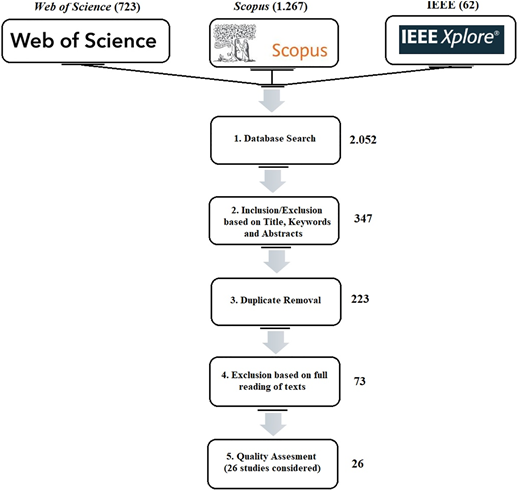
Among the various existing methods applying clustering techniques with MCDA methods, several stand out: Li et al. (2023) conduct a study using TOPSIS and the non-hierarchical k-means clustering technique to classify and delineate ecological and clean micro-watersheds. Wang (2008) uses the non-hierarchical clustering technique to group financial indices, identifying representative indicators of each cluster. These indicators were used as criteria in the Fuzzy Multicriteria Decision-Making (FMCDM) method to evaluate the financial performance of airlines. Chen et al. (2019) present a methodology using the AHP and TOPSIS methods and the non-hierarchical clustering technique to assess regional disaster risk in China. Güçdemir and Selim (2015) integrate Fuzzy AHP with non-hierarchical clustering for customer segmentation. To evaluate the performance of US banks, Ishizaka et al. (2021) develop a hierarchical clustering algorithm, the SMAA-MDHC, which groups alternatives into homogeneous clusters with similar preferences. Unlike existing studies in this line, a joint clustering method is incorporated into the SMAA-PROMETHEE framework to obtain more robust and stable clustering solutions.
Guhathakurata et al. (2021) analyze the factors determining the unequal distribution of COVID-19 deaths among different countries. Using the AHP method, a risk index is calculated for each factor, and hierarchical clustering is applied to visualize the relationship between the number of deaths and the susceptibility index of countries, highlighting how these factors influence mortality differently across the analyzed nations. Trojan et al. (2023) describe a comparative analysis using the ELECTRE TRI multicriteria method and clustering algorithms to obtain an auxiliary procedure for defining initial thresholds for the ELECTRE TRI method. Anand et al. (2023) propose a hybrid decision-making method for selecting logistics suppliers in the electrical industry, combining the Fuzzy C-Means (FCM) clustering algorithm and the multicriteria decision-making method MAIRCA (Multi-Attributive Ideal-Real Comparative Analysis). Güler et al. (2023) guide decision-makers in the practical assessment of earthquake risk, integrating clustering techniques and the ELECTRE I and SWARA methods. Akay et al. (2023) investigate sediment risk in forest areas in Turkey. The combined use of the WASPAS and fuzzy clustering techniques provides a comprehensive and effective approach to sediment risk assessment. Nilashi et al. (2024) use the DEMATEL method, clustering, and fuzzy logic to evaluate the electric vehicle supply chain.
Additionally, Ding et al. (2024) evaluate road safety performance in the Southeast Asian region using the CRITIC-TOPSIS-Kmeans model. The model ranks and groups the road safety performance of countries. Wu et al. (2024) present an integrated framework for selecting battery-swapping station locations for electric vehicles, combining the K-means clustering algorithm and the TODIM method. Azadnia et al. (2011a, b) present a model integrating the Fuzzy C-Means clustering algorithm and the TOPSIS method for evaluating customer lifetime value. Keskin (2015) uses the integration of the fuzzy DEMATEL algorithm and fuzzy C-Means for supplier evaluation and selection. Maghsoodi et al. (2018) present an innovative approach called CLUS-MCDA, which combines k-means clustering analysis with the MULTIMOORA method to enhance multicriteria decision analysis with big data. Hillerman et al. (2017) present an approach using the non-hierarchical K-means clustering technique with the multicriteria Analytic Hierarchy Process (AHP) method to assess suspicious healthcare claims. Chen et al. (2018) propose an ordered clustering algorithm called ordered K-means, which considers the degree of preference between alternatives using the relative net flow of PROMETHEE to address an ordered clustering problem related to human development indices. Liu and Li (2021) propose an improved failure modes and effects analysis method for multicriteria group decision-making in green logistics risk assessment using the k-means clustering technique and the PROMETHEE II method. López Ortega and Rosales (2011) propose a decision support method combining fuzzy clustering and AHP methods.
De Smet (2013) addresses the problem of multicriteria ordered clustering: the detection of ordered categories in a multicriteria context, with an extension of PROMETHEE II called P2CLUST. The algorithm is inspired by both the k-means procedure and the underlying idea of the FLOWSORT method. Swindiarto et al. (2018) introduce the FCM-TOPSIS method by clustering the FCM technique together with the TOPSIS method. Dahooi et al. (2019) introduce the FCM-ARAS method, using the non-hierarchical Fuzzy C-Means (FCM) clustering technique in conjunction with the ARAS multicriteria method to evaluate the financial performance of companies. Mahdiraji et al. (2019) suggest a digital banking strategy for the Iranian banking industry using the k-means clustering technique and the BWM-COPRAS method. Azadnia et al. (2011a, b) uses the Fuzzy C-Means (FCM) algorithm, the Fuzzy Analytic Hierarchy Process (FAHP), and ELECTRE to solve a supplier selection problem.
Table 1 shows the most relevant scientific articles in this field of science.
Most relevant documents
| Document | Total citations (TC) |
|---|---|
| Wang, Y, 2008, Expert Systems with Applications | 175 |
| Mardani, 2016, Energy | 68 |
| Keskin, G. A, 2015, International Journal of Production Research | 67 |
| Güçdemir, 2015, Industrial Management and Data Systems | 64 |
| Chen, N, 2019, International Journal of Disaster Risk Reduction | 63 |
| Maghsoodi, A. I, 2018, Computers and Industrial Engineering | 63 |
| Hillerman, T, 2017, Journal of Computational Science | 57 |
| Mahdiraji, H. A, 2019, Economic Res. Ekonomska Istrazivanja | 57 |
| Liu, P, 2021, Reliability Engineering and System Safety | 56 |
| Dahooi, J. H, 2019, Economic res. Ekonomska istraživanja | 55 |
| Ishizaka, A, 2021, Omega | 38 |
| Chen, L, 2018, Int. Journal of Machine Learning and Cybernetics | 37 |
| Hamzeloei, F, 2016, Procedia Computer Science | 32 |
| López-Ortega, O, 2011, Expert Systems with Applications | 21 |
| Azadnia, A. H, 2011, IEEE Int Conf Ind Engin and Engin Mgmt | 20 |
Source(s): Table by the authors
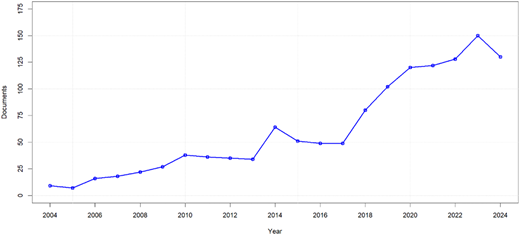
The chart illustrated in Figure 2 was generated from the search in the Scopus database, following the research strategy described in this section. The data show an upward trajectory in academic production over the analyzed period. This rising trend suggests increasing interest in the field and strong potential for future investigations. The notable increase in production, especially in recent years, reflects the growing importance and demand for research that integrates Multicriteria Decision Aid methods and clustering techniques, establishing a field of study constantly evolving and deepening. It is worth noting that in 2023, 151 articles were published in this research area in the Scopus database.
In summary, the MADRID method offers a structured and differentiated approach to multicriteria analysis and decision-making, providing a more detailed and accurate evaluation of alternatives. This innovative methodology enriches the existing literature and proves to be a practical and effective tool for addressing real-world challenges in various contexts.
In defense-related applications, Tešić et al. (2022) consider the problem of selecting an anti-tank missile system, applying a hybrid Multi-Criteria Decision Analysis (MCDA) model based on two methods: DIBR and MABAC. The DIBR method defines the weight coefficients of the criteria based on expert opinions, while the MABAC method is used to select the best alternative.
Regarding the applications of the AHP method in military problems, the following stand out: scoring and classification of military network sensors (Bisdikian et al., 2013); ordering and evaluation of weapon systems (Zhang et al., 2005); selection of the best location for the installation of a military naval base (Suharyo et al., 2017); selection of the best advanced military training aircraft for the Spanish Air Force (Sánchez-Lozano and Rodríguez, 2020); positioning of surveillance systems within a national security project in Turkey (Çarman and Tuncer Şakar, 2019); evaluation of airworthiness criteria for military aircraft (Şenol, 2020); selection of ground vehicles for the provision of military units intended for multinational operations (Starčević et al., 2019); and selection of graduate students for the Defense Science Institute of the Turkish Military Academy (Altunok et al., 2010). Dos Santos et al. (2021) applies the AHP method to support the selection of a medium-sized warship to be built by the Brazilian Navy, considering operational and economic criteria evaluated by experienced naval officers.
3. Methodology
MADRID provides a structured integration of the hierarchical agglomerative clustering technique Single Linkage, with the MABAC and DIBR. The literature review supports the novelty of this approach, particularly in its unique sequential framework that integrates hierarchical clustering with MCDA methods to maximize the efficiency of decision support for multicriteria analysis. This section describes the MADRID method.
3.1 Clustering technique
In the clustering technique using the hierarchical agglomerative single linkage method, larger clusters are progressively formed at each stage of aggregation by merging new observations or groups according to a certain criterion (linkage method) and based on the chosen distance measure (Fávero and Belfiore, 2017). The hierarchical agglomerative single linkage method favors the shortest distances for forming new clusters at each aggregation stage by incorporating new observations or groups (Fávero and Belfiore, 2017). Johnson and Wichern (2002) propose a logical sequence of steps to facilitate the understanding of cluster analysis developed through a particular hierarchical agglomerative method:
Initialization: For a database with M observations, the clustering process begins with exactly M individual groups (aggregation stage ). The initial distance (or similarity) matrix is composed of the distances between each pair of individual items (e.g. UAVs) being assessed.
Aggregation: In the kth aggregation stage, , we choose the shortest linkage in the matrix. This shortest linkage represents the two most similar observations/groups in , based on one of the linkage methods adopted. In the kth stage, the number of observations/groups decreases by 1, with one group formed by two combined observations/groups from the st stage. Thus, at the end of the kth aggregation stage, we will have a matrix with dimensions .
A dendrogram, a tree-shaped graph, can be formed during this process. The dendrogram summarizes the aggregation process, representing how the clusters are formed in each stage and the order in which they are merged.
3.2 Silhouette method
Rousseeuw (1987) proposes the Silhouette Method, which assists in selecting the optimal number of clusters. First, the silhouette index values are defined for each alternative . Consider any alternative in the set of alternatives and denote as the cluster to which it was assigned. When cluster contains more than one alternative we can calculate (Rousseeuw, 1987):
= average dissimilarity of alternative to all other alternatives within its own cluster ;
Now, consider any cluster that is different from (Rousseeuw, 1987):
= average dissimilarity of alternative to all alternatives in separate cluster ();
For each alternative compute the smallest average dissimilarity, (Rousseeuw, 1987):
.
is the distance between alternative and the nearest neighbouring cluster using the dissimilarity criterion.
is calculated from and as follows (Rousseeuw, 1987):
The average silhouette coefficient, , is used to measure the goodness of clustering using only the information contained in the data set. (Gray and Morsi, 2014):
3.3 DIBR method
The DIBR method allows Decision-Makers (DMs) to perceive the relationships between criteria better. It considers the relationships between adjacent criteria, thus eliminating the problem of defining relationships between distant criteria, which in many cases decreases the consistency of results in models that rely on expert subjectivity, such as in the first stage of the Analytic Hierarchy Process (AHP) (Pamucar et al., 2021). In the AHP method, Saaty’s fundamental scale limits expert preferences to a maximum ratio of 9:1, making obtaining consistent results in models with many criteria difficult. In contrast, the DIBR method eliminates this problem by considering a scale with all real values within the interval [0,1] (Pamucar et al., 2021).
The DIBR method is divided into three steps: ranking the criteria by significance; comparing the criteria and defining their interrelationships; and calculating the criteria weight coefficients (Pamucar et al., 2021).
Step 1 - Ranking the Criteria by Significance: Consider criteria, indexed . The DMs rank the criteria based on their assessment of their significance. For example, we could have the following order: , where is the most significant criterion and is the least significant criterion.
Step 2 - Comparison Between the Criteria and Defining Their Interrelationships: The DMs divide an interval of 100% significance between two criteria adjacent in the ranking. Define weight coefficients and for criterion and criterion . When comparing criterion with criterion , a value is assigned such that:
Similarly, we have for any :
Stage 3 - Calculation of the Criteria Weights: The objective of this calculation is to express all the criteria weights as a function of the weight of the most significant criterion (). By isolating in equation (3), we have:
By iterative substitution we can derive, , for
3.4 MABAC method
The basis of the MABAC method lies in defining the distance of each alternative’s criterion function from an approximate border area (Tešić et al., 2022). Figure 3 represents the position of the various alternatives in relation to the approximate border area for a given criterion . For a specific alternative to be selected as the best, it must have the highest number of criteria belonging to the upper approximate area (G+) (Pamučar and Ćirović, 2015).
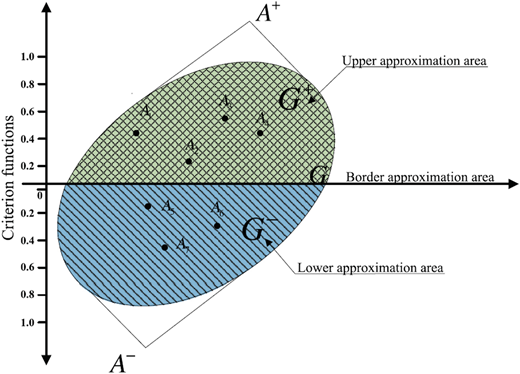
Presentation of the upper (G+), lower (G_) and border (G) approximation areas (Pamučar and Ćirović, 2015)
Presentation of the upper (G+), lower (G_) and border (G) approximation areas (Pamučar and Ćirović, 2015)
The MABAC method is divided into six steps: (1) initial decision matrix; (2) normalization of the decision matrix; (3) weighting of the normalized matrix; (4) determination of the approximate border area; (5) calculation of the distance from the alternative to the approximate border area; and (6) ranking of the alternatives (Pamučar and Ćirović, 2015).
Step 1 – Initial Decision Matrix: The initial decision matrix () aims to relate alternatives to their criteria, such that = (, , … …, ), where is the value of alternative for the th criterion, with and .
Step 2 – Normalization of the Decision Matrix: At this step, it is necessary to verify whether each criterion is a cost criterion, meaning the lower the value, the better, or a gain criterion, meaning the higher the value, the better.
For a gain criterion, the following is used:
For cost criteria, this form is used:
Where:
are the elements of the initial decision matrix ;
is the maximum observed value of criterion across all alternatives;
is the minimum observed value of criterion across all alternatives;
This results in the normalized matrix () (Pamučar and Ćirović, 2015):
Step 3 – Criteria Weighting of the Normalized Matrix: Weight coefficients for the criteria are used, obtained in this study through the DIBR method, represented by the matrix (), as follows:
The weighted matrix () is calculated such that each element is computed as follows (Pamučar and Ćirović, 2015):
We then obtain the weighted matrix (), as follows:
Step 4 – Determine the approximate border area for each criterion: is in the × 1 format, where is the number of criteria, and each element is the result of the product of each column of matrix , raised to the inverse of the number of rows in matrix , as shown in the formula below (Pamučar and Ćirović, 2015):
We then have the matrix , defined as:
Step 5 – Calculation of the distance of the alternative from the border approximation area for the matrix elements (): The distance of the alternatives from the approximate border area () is obtained by the difference between the elements of the weighted matrix () and the value of the approximate border area () (Pamučar and Ćirović, 2015).
Step 6 – Ranking of the Alternatives: By calculating the sum of the distances of the alternatives from the approximate border areas, that is, the sum of the elements of matrix () by rows, the final values of the criterion functions of the alternatives are obtained (Pamučar and Ćirović, 2015).
Step 7 – Among the alternatives, the one with the highest sum is defined as the best.
3.5 MADRID method
In the MADRID methodology, initial clustering facilitates the identification of patterns and natural groupings. This technique allows for a detailed and structured analysis of the alternatives, focusing on homogeneous groups and simplifying the complexity of the problem.
After clustering, the clusters are ranked using the hybrid DIBR-MABAC method. The DIBR method is used to objectively determine the weights of the criteria, eliminating the need to define subjective relationships between criteria. Next, the MABAC method is applied to rank the clusters based on centroids. After that, the alternatives within each cluster are ranked again using the hybrid DIBR-MABAC method. Lastly, the final decision matrix is structured, composed of all alternatives within the top-ranked cluster, along with the top-ranked alternative from each of the other clusters. The hybrid DIBR-MABAC method is then applied to rank the alternatives from the final decision matrix, thus providing decision support for selecting the best alternative.
This bipartite approach, which first clusters the data and then applies the multicriteria method, reduces initial complexity, allows for the identification of natural patterns, and directs detailed analysis to the most relevant groups, ensuring a more accurate and efficient evaluation of alternatives. This flexible and adaptable approach optimizes resource use and improves decision quality, aligning them with the organization’s strategic objectives and resulting in more informed and well-founded choices. This methodology contributes to the field of Defense Engineering and offers a practical and innovative tool for making complex decisions.
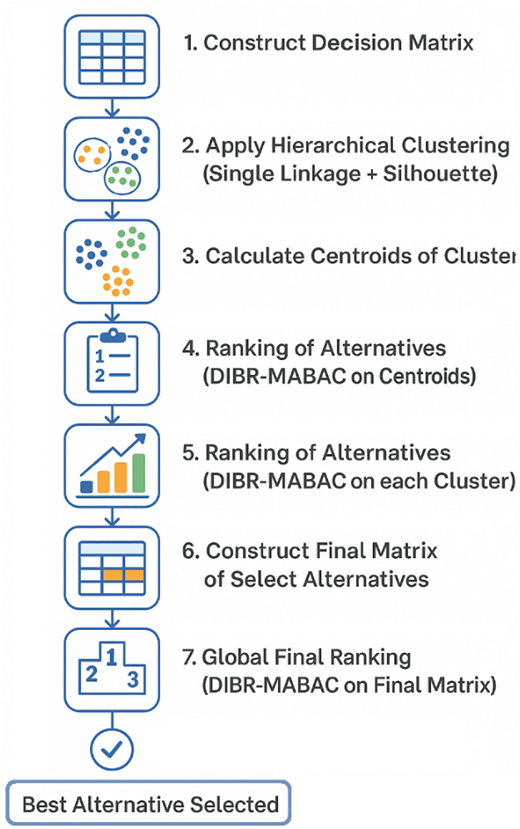
Figure 4 visually represents the MADRID methodology. The process unfolds in seven key steps, each of which is depicted through a representative icon and descriptive label:
Construct Decision Matrix: The methodology begins with the formulation of a decision matrix, where each row represents an alternative (e.g. UAV models) and each column represents a criterion (e.g. cost, payload, endurance). This matrix serves as the foundation for all subsequent analyses.
Apply Hierarchical Clustering (Single Linkage + Silhouette): The alternatives are grouped using hierarchical agglomerative clustering, specifically the Single Linkage method. The Silhouette method is used to determine the optimal number of clusters. This step reduces the problem’s dimensionality and identifies natural groupings in the data.
Calculate Centroids of Clusters: For each cluster formed, the centroid (i.e. the average performance across all criteria) is computed. This centroid represents the overall profile of each group and will be used for ranking clusters in the next step.
Ranking of Alternatives (DIBR-MABAC on Centroids): The DIBR-MABAC method is applied to the centroids to produce a ranking of clusters. DIBR is responsible for assigning weights to the criteria, while MABAC determines the ranking based on the relative distances of each centroid to the border approximation area.
Ranking of Alternatives (DIBR-MABAC on Each Cluster): Once clusters are ranked, the alternatives within each cluster are also evaluated using the same DIBR-MABAC method. This step provides an internal ranking of alternatives in each group.
Construct Final Matrix of Selected Alternatives: A final decision matrix is constructed, consisting of all alternatives from the top-ranked cluster and the best-ranked alternative from each of the remaining clusters. This step ensures that promising options from less dominant clusters are still considered.
Global Final Ranking (DIBR-MABAC on Final Matrix): The DIBR-MABAC method is applied once again, now on the reduced decision matrix, to generate a global ranking of the selected alternatives. This step culminates in the identification of the most appropriate alternative.
The application of MADRID to Big Data problems facilitates the identification of patterns within the data. It allows for prioritising the most promising alternatives, contributing to more efficient and assertive decisions in contexts with large volumes of information. The analysis of the centroids of the clusters and their use in global ranking ensures that the decision-making process is more structured, preserving the quality and consistency of the choices made. In summary, the MADRID method integrates clustering techniques and multicriteria methods. It is a powerful tool for tackling Big Data challenges in MCDA, providing a structured approach to selecting and ranking alternatives.
In the MADRID method, the application of clustering reduces the dimensionality of the decision problem, making it more manageable without compromising the quality of the evaluation. Instead of comparing all alternatives directly, clustering allows the analysis to be concentrated on groups of similar options, making subsequent multicriteria evaluation more efficient and targeted. Each cluster is represented by a centroid, which reflects the average performance of the group and serves as a basis for the initial ranking.
Moreover, this approach proves particularly effective in Big Data scenarios, where the number of alternatives and complexity of criteria can hinder conventional decision-making methods. By narrowing down the decision space to the most representative clusters and alternatives, the method enhances the decision-maker’s ability to focus on the most promising solutions. Clustering, therefore, not only improves computational efficiency, but also contributes to a more structured, interpretable, and robust decision-support process.
4. Results and analysis
We implemented the MADRID method in Python. To demonstrate its use, this section describes the evaluation of 14 UAVs with the objective of selecting the most suitable alternative for the Brazilian Navy. We obtained relevant characteristics and performance data on the aircraft through a literature review, complemented by information provided by three experts in the field with extensive experience in UAVs. The main goal of this demonstration is to enable a detailed comparative evaluation of the aircraft, serving as a fundamental basis for decision support. This analysis, however, does not replace the necessary individualized operational assessment, considering the specific requirements of each Navy mission, while also respecting the expertise of the specialists in selecting the evaluation criteria. Comprehensive and relevant factors were considered, reflecting both the technical performance and the practical feasibility of the aircraft, ensuring a complete evaluation that addresses both operational capabilities and economic considerations.
The evaluation criteria defined by the experts are listed below, with their respective definitions:
Maximum speed in knots (SPD): The highest speed the aircraft can reach during flight;
Maximum flight altitude in km (ALT): The maximum height at which the aircraft can operate above sea level;
Endurance in hours (END): The aircraft’s maximum flight time without the need for refueling or recharging;
Payload in kg (PYL): The maximum useful load the aircraft can carry, including sensors and armaments;
Maximum take-off weight in kg (MTOW): The maximum total weight the aircraft can have at takeoff, including fuel and cargo; and
Cost in US$ million (CST): The investment required to acquire the UAV.
Table 2 presents the decision matrix, which comprises fourteen aircraft alternatives and six evaluation criteria.
Decision matrix
| UAV | Criteria | |||||
|---|---|---|---|---|---|---|
| Cost Cost | Payload benefit | Endurance benefit | Maximum speed benefit | Maximum takeoff weight benefit | Maximum flight altitude benefit | |
| Global Hawk | 100 | 860 | 30 | 310 | 12,200 | 20 |
| MQ-9 Reaper | 17 | 1,750 | 27 | 240 | 4,800 | 15 |
| Scan Eagle | 5 | 5 | 18 | 60 | 26 | 6 |
| Heron | 46 | 470 | 45 | 100 | 1,270 | 10 |
| Hermes 900 | 8 | 350 | 36 | 110 | 1,180 | 9 |
| ASN 209 | 5 | 50 | 10 | 100 | 320 | 5 |
| Aerosonde Fixed Wing | 12 | 10 | 14 | 65 | 37 | 6 |
| Kronshtadt Orion | 13 | 200 | 24 | 100 | 1,200 | 8 |
| MQ 4B – Sea Guardian | 100 | 2,155 | 30 | 210 | 1,900 | 14 |
| Gray Eagle | 30 | 500 | 25 | 167 | 1,700 | 9 |
| Triton | 120 | 2,500 | 24 | 331 | 14,700 | 15 |
| Heron TP | 40 | 2,700 | 30 | 220 | 5,700 | 14 |
| Orion | 48 | 1,200 | 120 | 120 | 5,100 | 9 |
| United 40 | 30 | 1,000 | 120 | 120 | 1,500 | 7 |
Source(s): Adapted from de Araújo Costa et al. (2021)
4.1 Application of the clustering technique
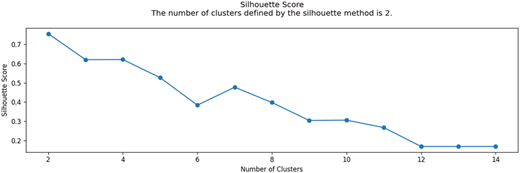
Figure 5 depicts the Silhouette Score as a function of the number of clusters. This information is used to determine the optimal number of clusters in a dataset. The Silhouette Score measures the quality of clustering, with higher values indicating better-defined clusters. The chart shows a decreasing trend in the score as the number of clusters increases, with the highest score achieved at 2 clusters. This suggests that the optimal number of clusters, as defined by the silhouette method, is 2, as it provides the most distinct and well-separated clusters in the dataset.
After applying the clustering technique, the values referring to the centroids of each cluster were generated, as illustrated in Table 3. Table 4 shows the clusters formed, with each UAV associated with its respective cluster.
4.2 Dendrogram analysis
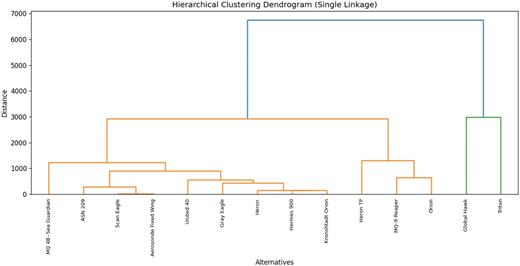
In addition to allowing the study of the number of clusters at each agglomeration stage, the dendrogram also enables the decision maker to visualize the magnitude of distance changes as clusters are formed in each iteration. An iteration with a high magnitude change may indicate that a significantly different observation or cluster is being incorporated into already formed groupings, which provides support for determining the number of clusters without the need for a subsequent agglomeration stage (Fávero and Belfiore, 2017).
The dendrogram in Figure 6, based on hierarchical clustering with the Single Linkage method, reveals three main distinct groupings, highlighting two primary clusters: a larger (orange) cluster, including systems such as the MQ 48 - Sea Guardian to the MQ-9 Reaper, showing progressive proximities within subgroups, and a smaller (green) cluster consisting of Global Hawk and Triton, which stand out due to their greater distance from the others. The structure indicates that Global Hawk and Triton possess significantly different characteristics. The dendrogram in Figure 6 further demonstrates how the systems in the orange cluster exhibit more apparent similarities in further sublevels, with notable internal distinctions, such as between the subgroups Heron and Hermes 900. This suggests that the criteria allow for strong separation between clusters and identifying specific relationships within them.
4.3 Ranking of clusters by centroid values
The DIBR method (Section 3.3) was applied to the UAV information to obtain the weight coefficients for each criterion. In DIBR stage 1, the criteria were ranked according to their order of significance, as defined by three experts in the field, with the following result:
In DIBR stage 2, adjacent criteria were compared, with the result shown in Table 5.
Comparison between adjacent criteria
| Comparison between criterias | Proportion |
|---|---|
| ρ CCST: ρ CPYL | 65:35 |
| ρ CPYL: ρ CEND | 55:45 |
| ρ CEND: ρ CSPD | 52:48 |
| ρ CSPD: ρ CMTOW | 60:40 |
| ρ CMTOW: ρ CALT | 51:49 |
Source(s): Table by the authors
In DIBR stage 3, the weight coefficients were obtained, shown in Table 6.
4.4 Ranking of Clusters and alternatives within each cluster
With the weights of each criterion established, it is possible to begin the MABAC method (Section 3.4) to rank the clusters, with the result in Table 7. Cluster 2 achieved the best result, considering each cluster’s centroid values for ranking.
Ranking of the clusters
| Position | Cluster | Score |
|---|---|---|
| 1 | Cluster 2 | 0.092 |
| 2 | Cluster 1 | 0.079 |
Source(s): Table by the authors
Using the same criterion weight values generated in the previous section, the MABAC method was applied to rank the alternatives within cluster 1 and cluster 2, with the results shown in Tables 8 and 9, respectively.
Ranking of cluster 1
| Position | UAV | Score |
|---|---|---|
| 1 | MQ-9 Reaper | 0.2951 |
| 2 | Heron TP | 0.2717 |
| 3 | Orion | 0.1317 |
| 4 | United 40 | 0.1061 |
| 5 | Hermes 900 | 0.0305 |
| 6 | Gray Eagle | −0.0010 |
| 7 | Kronshtadt Orion | −0.0306 |
| 8 | MQ 4B – Sea Guardian | −0.0521 |
| 9 | ASN 209 | −0.0724 |
| 10 | Heron | −0.0833 |
| 11 | Scan Eagle | −0.0914 |
| 12 | Aerosonde Fixed Wing | −0.1177 |
Source(s): Table by the authors
4.5 Final ranking
Using the same criterion weight values generated in Section 4.3, the MABAC method ranks the alternatives for the final decision matrix, which is composed of the alternatives within the highest-ranked cluster and the top-ranked alternative from each of the other clusters. Thus, Table 10 presents the final ranking of the MADRID method.
Final ranking
| Position | UAV | Score |
|---|---|---|
| 1 | MQ-9 Reaper | 0.1078 |
| 2 | Global Hawk | 0.0729 |
| 3 | Triton | 0.0062 |
Source(s): Table by the authors
Based on the result generated from the application of the MADRID method, the “MQ-9 Reaper” UAV was identified as the most suitable alternative for the Brazilian Navy to acquire.
4.6 Sensitivity analysis
According to Demir et al. (2024), the Spearman’s Rank Correlation Coefficient accurately measures the relationship between rankings obtained with varying weights or between rankings resulting from comparative analysis. Therefore, to perform a sensitivity analysis in this study, we compared the rankings generated by varying the criterion weights. For this purpose, two hypothetical scenarios were created, where the weights were varied compared to the original weights in the UAV case study. The DIBR method generated the weights for each scenario, as illustrated in Tables 11 and 12.
Comparison between the criteria of each scenario
| Scenario 1 | Scenario 2 |
|---|---|
| CCST > CPYL > CEND > CSPD > CALT > CMTOW | CCST > CPYL > CSPD > CALT > CEND > CMTOW |
| ρ CCST: ρ CPYL = 64:36 | ρ CCST: ρ CEND = 66:34 |
| ρ CPYL: ρ CEND = 57:43 | ρ CEND: ρ CSPD = 54:26 |
| ρ CEND: ρ CSPD = 50:50 | ρ CSPD: ρ CALT = 51:49 |
| ρ CSPD: ρ CALT = 57:43 | ρ CALT: ρ CPYL = 56:44 |
| ρ CALT: ρ CMTOW = 55:45 | ρ CPYL: ρ CMTOW = 50:50 |
Source(s): Table by the authors
Weight coefficients of the criteria for each scenario
| Weight coefficients | ||||||
|---|---|---|---|---|---|---|
| Cost | Payload benefit | Endurance benefit | Maximum speed benefit | Maximum takeoff weight benefit | Maximum flight altitude benefit | |
| Scenario 1 | 0.3340 | 0.1879 | 0.1417 | 0.1417 | 0.0875 | 0.1069 |
| Scenario 2 | 0.3291 | 0.1090 | 0.1695 | 0.1444 | 0.1090 | 0.1387 |
Source(s): Table by the authors
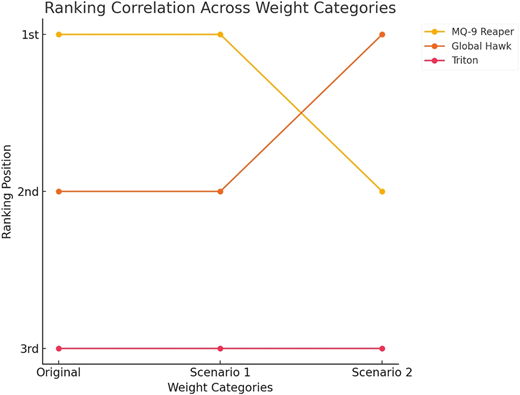
Table 13 compares the ranking generated with the original weights, Scenario 1 weights, and Scenario 2 weights.
Comparison between the rankings
| Ranking | Original weights | Scenario 1 weights | Scenario 2 weights | |||
|---|---|---|---|---|---|---|
| UAV | Score | UAV | Score | UAV | Score | |
| 1 | MQ-9 Reaper | 0.1078 | MQ-9 Reaper | 0.0988 | Global Hawk | 0.1612 |
| 2 | Global Hawk | 0.0729 | Global Hawk | 0.0799 | MQ-9 Reaper | 0.0694 |
| 3 | Triton | 0.0062 | Triton | 0.0090 | Triton | −0.0412 |
Source(s): Table by the authors
Spearman (1904) rank correlation, a non-parametric statistical test used to measure the strength and direction of the association between two rankings, revealed the following results: a value of 1 between the case study and Scenario 1 (the rankings are identical), and 0.7 between the case study and Scenario 2.
Supporting these results, Figure 7 shows the variations in the positions of the UAVs according to the weight variations, indicating stability in the analyses. According to Mukaka (2012), a strong positive correlation is evidenced by Spearman correlation values greater than 0.9, while values between 0.7 and 0.9 suggest a high correlation, reinforcing the validity of the MADRID method as a reliable approach consistent with established methods. These high correlation values indicate a strong agreement between the rankings generated by MADRID through the variation of weights, suggesting the method’s consistency and robustness.
5. Conclusion
This study proposed and implemented an innovative approach for selecting UAVs for the Brazilian Navy. The methodology integrated machine learning methods with multicriteria decision support using the MADRID method. The analyses enabled a detailed evaluation of 14 UAVs, considering six essential criteria for military missions.
The study identified the “MQ-9 Reaper” as the most suitable UAV according to the established criteria, outperforming the other alternatives. This superior performance highlights the importance of carefully selecting criteria and weights during the multicriteria analysis process, ensuring that the results align with the Navy’s operational and strategic needs.
Moreover, this study proposed a new methodology called MADRID, which combines the hierarchical agglomerative clustering technique, single linkage, with the multicriteria methods MABAC and DIBR. The central objective was to identify the best UAV for the Brazilian Navy based on technical and economic criteria. The application of the MADRID methodology demonstrated its effectiveness in handling the complexity of multicriteria decision-making problems, providing a solid framework for ranking alternatives based on predefined criteria. The silhouette method was used to determine the optimal number of clusters and ensure the best data segmentation, which evaluates clustering quality and ensures more precise and reliable classification.
Sensitivity analysis, conducted by varying the criteria weights, demonstrated the robustness and consistency of the results generated by the MADRID method. The Spearman correlation, which evaluated the robustness of the rankings obtained, showed high values, suggesting strong agreement across different weight configurations and reinforcing the reliability of the methodology. This confirms the effectiveness of MADRID in providing decision support even in scenarios with uncertainties or variations in evaluation criteria.
Finally, the contribution of this study goes beyond selecting a specific UAV for the Brazilian Navy. The MADRID methodology opens new possibilities for using clustering techniques and multicriteria methods in complex decision-making scenarios, including big data problems, as the method allows for problem dimension reduction by grouping alternatives into homogeneous clusters and facilitating pattern identification. Its innovative nature lies in combining these techniques, offering a structured and efficient approach to analyzing large datasets and selecting the best alternative among several options, making it a valuable tool for the defence sector and other areas that demand advanced decision support.

