


This paper aims to explore the role of cultural ecosystem services in influencing tourist behaviour toward certified products in the context of the Gran Paradiso National Park (Italy). It investigates whether visitors who engage with the park's cultural and recreational offerings are more likely to purchase “Qualità Gran Paradiso” certified products, a label that identifies high-quality local goods produced in line with the Park's environmental and sustainability criteria.
The study is based on primary data collected through the face-to-face administration of a structured questionnaire during the summer tourist season of 2024. Logistic regression is employed to assess the influence of socio-demographic characteristics, visitor habits, and engagement with Cultural Ecosystem Services, such as artistic activities, cultural events, and recreational services, on the likelihood of purchasing certified products.
The findings reveal that families with children, individuals with higher education, and those engaging in gastronomic tourism or overnight stays are more inclined to purchase certified products. Moreover, participation in artistic and cultural events significantly increases the likelihood of such purchases. These results highlight the connection between local products, cultural identity, and sustainability goals in promoting consumer/tourist preferences.
This research provides insights for local entrepreneurs, park administrators, and policy makers by identifying key drivers for promoting sustainable product consumption within protected areas. Additionally, it emphasizes the importance of cultural services in enhancing both the economic sustainability and cultural preservation of local communities.
The novelty of this study lies in the investigation of how the valuation of cultural ecosystem services influences consumer likelihood of purchasing certified products. Furthermore, it contributes to the literature by presenting Gran Paradiso National Park as a case study that links the park's unique cultural heritage with sustainable consumer behaviour.
1. Introduction
National parks and other protected areas serve as vital reserves for biodiversity, cultural heritage, and ecosystem services (ES) (Lecina-Diaz et al., 2019; Pisani et al., 2021; Pu et al., 2023). These services are commonly categorised into cultural, provisioning, regulating, and supporting ecosystem services (Millennium Ecosystem Assessment (Program), 2005).
Within this framework, Cultural Ecosystem Services (CES) refer to the non-material benefits that individuals and communities derive from ecosystems, such as spiritual enrichment, cognitive development, aesthetic appreciation, and recreational experiences (Chan et al., 2012; Haines-Young and Potschin, 2018). CES are inherently relational and subjective, often linked to cultural identity, values, and sense of place (Raymond et al., 2013; Gould et al., 2019). As such, they encompass intangible benefits including recreation, aesthetic enjoyment, cultural identity, and emotional connection with nature (Dickinson and Hobbs, 2017; Romanazzi et al., 2023; Ryfield et al., 2019). In contrast, provisioning services refer to tangible goods such as food, water, and raw materials, which can be directly consumed or traded, often forming the economic backbone of rural communities. Although more difficult to quantify than provisioning (or regulating) services, CES are essential for understanding how people value and engage with natural areas, particularly in tourism and conservation contexts.
Gran Paradiso National Park (GPNP), Italy's oldest national park, represents a compelling case study to examine the relationship between these two types of services. The park's landscapes, traditions, and cultural heritage contribute significantly to CES, attracting visitors and strengthening local identity. At the same time, local agri-food products, such as dairy products, honey, and other high-quality goods, are examples of provisioning services that are deeply embedded in local economic activities.
Quality certification is a mechanism that connects provisioning ES with conservation objectives. In this context, the “Qualità Gran Paradiso” label, a place-based certification promoted by the Gran Paradiso National Park, was introduced to ensure the authenticity, sustainability, and environmental responsibility of local products. It is awarded to producers who meet strict criteria related to environmental stewardship, cultural heritage, and territorial traceability, and is officially promoted by the Gran Paradiso National Park authority (Parco Nazionale Gran Paradiso, 2024).
This study explores the potential relationship between CES valuation and consumer behaviour towards certified products. Specifically, it examines whether individuals who value the cultural and experiential aspects of national parks are more likely to purchase certified goods associated with these protected areas. By answering this question, this research aims to deepen our understanding of how quality certification in national parks can serve as a tool for sustainable development, conservation, and the enhancement of local economies.
Consumer behaviour towards certified products in national parks is influenced by several psychological and social factors. A key driver is the appreciation of CES, which influences individuals' emotional and cognitive connections to protected areas (Cheng, 2023; Gross et al., 2023; Wang et al., 2022). Studies suggest that visitors who develop a strong attachment to a location through recreation, cultural identity, and aesthetic appreciation are more likely to support conservation efforts and, consequently, prefer certified local products (Pizzichini et al., 2020; Temperini et al., 2017).
The sense of place (Botha, 2024) may also play an important role in shaping consumer preferences. Visitors who experience deep emotional connections with national parks may perceive certified products as a way to preserve the landscapes and traditions that they value. This connection may increase their willingness to pay a premium for products embodying environmental stewardship and cultural heritage. In addition, trust in certification labels is an important determinant of purchasing behaviour. Consumers may seek guarantees that the products they buy not only are of high quality but also contribute to sustainability goals. Certification schemes such as “Qualità Gran Paradiso” act as a signal of authenticity, assuring consumers that their purchases support ethical and environmentally responsible production practices.
Although numerous studies have examined the economic and cultural significance of ES (Cheng, 2023; Dickinson and Hobbs, 2017; Pu et al., 2023), there is a noticeable gap in the research on their role as predictors of consumer behaviour in the context of certified products. Indeed, previous studies have focused on broader environmental aspects that can affect food consumption, employing various theories and methodological approaches, and relating them to different aspects as dependent variables. Among them, Environmental Conscious Purchasing was evaluated suggesting that this factor can be important in reducing food waste (Chen, 2019). Environmental consciousness, as the psychological aspect that can drive consumers toward eco-friendly behaviour, has been employed in consumer studies (Mishal et al., 2017). This aspect can be divided into different constructs such as knowledge, concern, and perceived effectiveness, whit the first multi-item aspect having the strongest effect on purchase intention (Kim and Lee, 2023). Internal values such as goals, self-fulfilment and self-respect were also integrated in consumers studies. In particular, a recent study found that internal values can influence green attitudes and subsequently green consumer behaviour (Van Tonder et al., 2023). While consumer behaviour in the context of food certification has been explored in studies on sustainability labels (Grunert et al., 2014), cultural identity (Tregear et al., 2007), and local food experiences (Mariani and Borghi, 2018), few have explicitly integrated CES into predictive models of certified product purchases. Furthermore, research on CES has largely focused on mapping, valuation, or relational dimensions (Plieninger et al., 2013; Milcu et al., 2013), without addressing behavioural outcomes in protected areas. Based on this body of literature, a need emerges to empirically explore how specific forms of engagement with CES, particularly those occurring in protected natural areas, translate into tangible consumption behaviours. Although previous studies have analysed tourist attitudes towards sustainability or have examined the perceived value of natural and cultural assets, few have integrated these dimensions into predictive behavioural models in relation to place-based certification. In this light, our research questions aim to address this gap by focusing on the relationship between CES engagement and the likelihood of purchasing certified local products, while also considering relevant socio-demographic and behavioural factors.
2. Study area, aims, and research questions
Gran Paradiso National Park (location shown in Figure 1) was chosen for three main reasons. First, it attracts approximately 237,000 visitors per year (Parco Nazionale Gran Paradiso, 2022), making it an ideal location to study consumer behaviour in a highly visited and appreciated natural area. In particular, in 2019, prior to the COVID-19 pandemic, the park recorded over 441,000 visitors, highlighting its significant popularity. Although the number of visitors declined by 2021 due to the restrictions imposed by the pandemic, the park remains one of the most visited protected areas in Italy. This decline in tourism reflects the ongoing challenges facing the sector but also highlights the potential for recovery and the continued relevance of the park as a destination for ecotourism and sustainable product consumption.
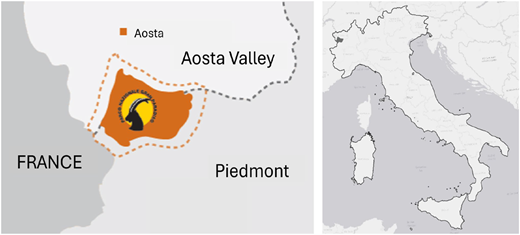
Localisation of the Gran Paradiso National Park. Source: Courtesy of the Gran Paradiso National Park
Localisation of the Gran Paradiso National Park. Source: Courtesy of the Gran Paradiso National Park
Second, the Park's own certification scheme, “Qualità Gran Paradiso” (Figure 2), provides an exemplary case study for analysing the role of quality labels in promoting local, sustainable products linked to the conservation of the area's cultural and environmental heritage.

The quality label “Qualità Gran Paradiso”. Source: Courtesy of the Gran Paradiso National Park
The quality label “Qualità Gran Paradiso”. Source: Courtesy of the Gran Paradiso National Park
This label guarantees the authenticity, sustainability, and environmental responsibility of products originating from the Gran Paradiso National Park. Created under National Law 394/91 on Protected Areas, the aim of certification is to support local producers while promoting a stronger connection between consumers and Park's ecosystems. Products bearing the “Qualità Gran Paradiso” label - such as dairy products, honey, and other agri-food items–are not only of high quality but are also produced in accordance with sustainable practices in line with Park's conservation goals. Certification ensures that these products are manufactured with respect to both the environment and traditional knowledge of local communities, thereby reinforcing Park's identity and cultural heritage. By linking production standards with the conservation of local ecosystems, certification plays a key role in promoting sustainable regional development and serves as a valuable tool for both local economy and environmental stewardship.
A third reason lies in the park's unique socio-cultural and institutional context. As Italy's first national park, Gran Paradiso has a longstanding tradition of integrating conservation goals with local development and cultural heritage promotion. It serves as a reference case for the implementation of CES in protected areas, through artistic residencies, heritage trails, educational programmes, and active involvement of local communities. This makes the park particularly suitable for examining how cultural engagement translates into sustainable consumption behaviours.
Building upon the gaps identified in the existing literature and the conceptual framework developed in the previous section, the overall objective of this study is to explore the role of CES in shaping consumer behaviour towards products certified by Gran Paradiso National Park. Specifically, this study aims to assess how CES influences consumer preferences for certified products, thereby contributing to the economic viability and conservation goals of the park.
In pursuit of this objective, this research addresses the following research questions (RQs):
How does visitors' engagement with CES in Gran Paradiso National Park relate to their purchasing behaviour regarding certified products?
Which visitor habits are associated with the purchase of quality-certified products from Gran Paradiso Park?
How do sociodemographic characteristics influence the likelihood of purchasing products certified by the Gran Paradiso Park Quality Label?
3. Methodology
3.1 Data collection
Data collection was conducted during the summer months of 2024, which represent the peak tourist season in Gran Paradiso National Park (PNGP, 2024; Eupedia, 2024; Quotidiano Canavese, 2023). This period was chosen to capture the highest concentration of visitors and to ensure a representative sample of tourist behaviours. Using face-to-face interviews conducted by trained interviewers, a structured, multi-section questionnaire was administered to capture tourist destination choices and attitudes towards purchasing products certified by the quality label of Gran Paradiso Park. The closed-ended format, besides being functional for subsequent statistical analysis, helped minimise interviewer bias by leaving no room for subjective interpretation or influence during the interaction. Moreover, to reduce potential selection bias, we adopted a systematic sampling strategy, whereby interviewers approached every fifth person passing by designated locations within the park. This method ensured a structured and objective participant selection process, minimised interviewer discretion, and enhanced the representativeness of the sample. Given the relaxed context of data collection, i.e. tourists visiting the park during their leisure time, participants were generally open to engaging in the survey. As a result, refusals were rare and did not significantly affect data quality, with an estimated response rate of approximately 90% (9 out of 10 individuals approached).
The survey consisted of three main sections: (1) characteristics of the visit, (2) the perceived importance of cultural and provisioning ES, and (3) the socio-demographic characteristics of respondents. To ensure a representative sample, interviews were conducted at different times during the day and throughout the week. Each interview lasted for approximately 10 min.
CES in Gran Paradiso National Park includes a wide range of intangible benefits. These include:
Artistic activities: Park's inspiring landscapes stimulate creativity and engage visitors in painting, photography, writing, and other artistic activities related to natural and cultural heritage.
Educational activities: Various educational programs are offered to raise awareness of biodiversity, conservation, and sustainability issues.
Cultural events include festivals, concerts, exhibitions, and performances that celebrate local traditions, folklore, and cultural identity, fostering connections between visitors and local communities.
Recreational activities: opportunities for leisure activities such as sightseeing, hiking, birdwatching, and natural walking
Sporting activities: The park is a venue for outdoor sports, such as trekking, skiing, and mountain biking.
Tourists' involvement in these CES was measured using dummy variables (yes/no responses) to assess the prevalence of each activity during their visits.
A pilot survey of 20 participants was conducted to test the clarity and comprehensibility of the questionnaire. A qualitative approach was adopted for the pilot survey, given the absence of psychometric scales. In particular, the pilot phase aimed to improve aspects such as question clarity, time required for the interview and the logical flow of the questionnaire. After the interviews, respondents were asked to provide feedback on any critical issues encountered during the interview process. This led to minor revisions of the questionnaire. This phase was also used to estimate the minimum sample size (n) required for robust statistical analyses, as suggested by Zanchini et al. (2023). For this purpose, the online tool Conjoint (Chipeta, 2020) was used. This software implements the equation proposed by Bartlett et al. (2001) to calculate the minimum sample size:
Where:
N is the annual number of tourists in Park (237,000; (PNGP, 2024)).
z is the confidence level (z = 95%), or the probability that the sample contains the true population value;
e is the margin of error (e = 5%) representing the range of values within the true population value is likely to be found, based on the value from the sample.
p is the sample proportion (p = 0.5).
The calculation was performed by setting the parameters of the equation with values typical for business and consumer analysis (Chipeta, 2020; Zanchini et al., 2023): however, the value of the confidence interval was increased to 95% to improve the estimation precision resulting in a minimum sample size of 384 participants. Regarding the margin of error, the value of 5% was considered suitable for the purpose of the study, as it indicates the possible difference between the sample result and the true population value. Indeed, the sample size should be adequate to detect behavioural changes with statistical reliability. Consequently, the margin of error determined by the sample size and the variability of the outcome should be sufficiently small to allow for correct interpretation (Stopher and Greaves, 2007). In the obtained sample, the proportion of consumers who purchased certified products was approximately 38%. Given the margin of error used, the population proportion is estimated to fall between 33% and 43%, allowing for the identification of relevant behavioural variation within the gathered sample. The final dataset comprised 405 valid observations, after cleaning the data. The socio-demographic profiles of the respondents and the variable codes used for the statistical analysis are depicted in Table 1.
Socio-demographic characteristics of respondents (n = 405)
| Variables | Categories | Code | Frequency | Percent |
|---|---|---|---|---|
| Family members | 1 | 1 | 62 | 15.31 |
| 2 | 2 | 153 | 37.78 | |
| 3–4 | 3 | 150 | 37.04 | |
| More than 4 | 4 | 40 | 9.88 | |
| Family with minor children | No | 0 | 239 | 59.01 |
| Yes | 1 | 166 | 40.99 | |
| International tourists | I prefer to not declare | 0 | 17 | 4.20 |
| Italian | 1 | 286 | 70.62 | |
| International | 2 | 102 | 25.19 | |
| Monthly income | Up to 1,000 €/month | 1 | 79 | 19.51 |
| 1,001–2,000 €/month | 2 | 197 | 48.64 | |
| 2,001–4,000 €/month | 3 | 105 | 25.93 | |
| More than 4,000 €/month | 4 | 24 | 5.93 | |
| Provenience | Urban | 0 | 165 | 40.74 |
| Rural | 1 | 240 | 59.26 | |
| Study degree | Elementary and middle school | 1 | 26 | 6.42 |
| High school | 2 | 139 | 34.32 | |
| University degree | 3 | 217 | 53.58 | |
| Higher education | 4 | 23 | 5.68 | |
| Gender | Male | 0 | 223 | 55.06 |
| Female | 1 | 182 | 44.94 | |
| Age | Mean (SD) | Continuous from 18 to 77 | 40.36 (13.68) |
3.2 Data analysis
Data analysis included frequency and logistic regression, supplemented by an examination of marginal effects. This approach was appropriate given the binary nature of the dependent variable, which was derived from the question, “Have you ever bought products with the Gran Paradiso quality mark?” The answers were coded as follows: “Yes” = 1 and “No” = 0. The logistic model is preferred to linear probability models (LPM), which are unsuitable for binary outcomes because of their limitations, such as generating predicted probabilities outside the range [0,1] and problems with heteroscedasticity (Hellevik, 2009). In addition, probabilistic models do not have a constant probability, whereas the probability variances reported by linear models do (Breen et al., 2018).
We developed a multiple logistic regression model using a combination of dummy, categorical, and continuous covariates. These were included in a regression analysis that can be formalized as a multiple logit model, as shown in Equation (2) below (Agresti, 2007).
where the constant term (interpreted as the intercept of the model) also corresponds to the log-odds of the probability of purchasing certified products when all predictors are equal to zero. Each predictor x is associated with coefficient , which represents the natural logarithm of the odds ratios.
From this equation, the predicted probabilities are obtained using Equation (3):
The logit model in Equation (2) is particularly useful for identifying the direction and qualitative magnitude of the covariate effects. However, its coefficients cannot be interpreted directly in terms of changes in the probability. As the coefficients represent the natural logarithm of the odds ratio, they are primarily useful for examining the linear relationships between predictors and log odds of the outcome variable (Kleinbaum and Klein, 2010).
The Average Marginal Effects (AMEs) were calculated to provide a direct and quantitative interpretation of the coefficients. AMEs are commonly used in consumer research because they provide a directly interpretable probability estimate that represents the average change in the probability of the dependent variable y in response to a unit change in a predictor (for categorical variables) or an infinitesimal change (for continuous variables) (Brida et al., 2012; Zanchini et al., 2022). In addition to the study of marginal effects, odds ratios (OR) were included, which represent the ratio between the odds (relative probabilities) of purchasing certified products across the different reference groups identified by the predictors (Pippinato et al., 2022).
The model's goodness-of-fit was then assessed using MacFadden's pseudo r2 (Allison, 2013; Smith and McKenna, 2013), the Akaike Information Criterion (AIC) and the Bayesian Information Criterion (BIC) (Li et al., 2023). Finally, multicollinearity was assessed using the Variance Inflation Factor (VIF) (Mehmetoglu and Jakobsen, 2016). Another important aspect considered for the model reliability was omitted variable bias, addressed through an a priori approach by combining factors such as variable selection, sampling design, and the use of a multiple regression model, all of which contribute to mitigating this bias (Jeyaraj, 2024). A specification test was also conducted using the linktest function (Pregibon, 1980; Ngokkuen and Grote, 2012), which indicated that omitted variable bias does not pose a significant issue for the model analysed in this study.
A stepwise backward selection procedure was employed to address variable selection. This method improves the reliability of the estimated coefficients by iteratively selecting predictors and minimizing the residual sum of squares (Derksen and Keselman, 1992). To adapt the approach to logistic regression, the variables were first included in a linear regression model with the same dependent variable and predictors (Mehmetoglu and Jakobsen, 2016).
All the analyses were performed using Stata 17 software.
4. Results
4.1 Descriptive analysis
As shown in Table 2, regarding the importance of quality certification, nearly 40% of the respondents indicated that they buy products certified with the Gran Paradiso Park quality label.
Descriptive analysis of motivations and visitation habits
| Type | Variables | Type | Categories | Code | Frequency | Percent |
|---|---|---|---|---|---|---|
| Dependent | Purchase certified products | Purchasing habit | No | 0 | 251 | 61.98 |
| Yes | 1 | 154 | 38.02 | |||
| Independent | Artistic activities | Cultural ES | No | 0 | 324 | 80.00 |
| Yes | 1 | 81 | 20.00 | |||
| Independent | Cultural events | Cultural ES | No | 0 | 283 | 69.88 |
| Yes | 1 | 122 | 30.12 | |||
| Independent | Educational activities | Cultural ES | No | 0 | 292 | 72.10 |
| Yes | 1 | 113 | 27.90 | |||
| Independent | First Visit | Habit | No | 0 | 259 | 63.95 |
| Yes | 1 | 146 | 36.05 | |||
| Independent | Gastronomic tourism | Habit | No | 0 | 225 | 55.56 |
| Yes | 1 | 180 | 44.44 | |||
| Independent | Recreational activities | Cultural ES | No | 0 | 140 | 34.57 |
| Yes | 1 | 265 | 65.43 | |||
| Independent | Sport Activities | Cultural ES | No | 0 | 177 | 43.70 |
| Yes | 1 | 228 | 56.30 | |||
| Independent | Visiting companions | Habit | Alone | 1 | 38 | 9.38 |
| With partners | 2 | 113 | 27.90 | |||
| With family | 3 | 115 | 28.40 | |||
| With friends | 4 | 139 | 34.32 | |||
| Independent | Visits of two days or more | Habit | No | 0 | 136 | 33.58 |
| Yes | 1 | 269 | 66.42 |
With regard to CES, the CES preferred by tourists in the Park are mainly associated with recreational activities, followed by sports activities. However, cultural events and educational initiatives are less interesting.
In terms of visitation habits, two-thirds of the tourists preferred to stay overnight in Park's facilities, indicating a tendency for visits to last more than one day. In addition, the majority of visitors (64%) had already visited the park before, suggesting that repeat visits play an important role in the park's tourism economy.
Food and wine tourism is also perceived as very important, involving more than 40% of tourists and offering considerable potential for the promotion and sale of local products.
Finally, the majority of tourists preferred to visit the park in the company of others, most commonly friends (34%) and their own families (28%).
4.2 Logistic regression analysis
Frequency analyses were further explored through econometric modelling, which allowed for a probabilistic interpretation and addressed the research questions. Prior to estimating the model, multicollinearity was assessed using STATA; the results are presented in Table 3. The analysis indicated that multicollinearity was not a major concern because all 1/VIF values were above the commonly accepted threshold of 0.2 (Shrestha, 2020). In terms of the goodness of the logistic regression model, MacFadden's pseudo R-square was above 0.2, indicating a satisfactory level of reliability and consistency with similar studies employing this methodology (Grasso et al., 2019; Zanchini et al., 2022). The values obtained for the AIC and BIC criteria can also be considered consistent with findings in the current literature (Owusu et al., 2025).
VIF analysis
| Variables | VIF | 1/VIF |
|---|---|---|
| Age | 1.73 | 0.58 |
| Artistic activities | 1.36 | 0.73 |
| Cultural activities | 1.82 | 0.55 |
| Educational activities | 1.58 | 0.63 |
| Family members | 1.49 | 0.67 |
| Family with children | 1.86 | 0.54 |
| First Visit | 1.29 | 0.77 |
| Gastronomic tourism | 1.39 | 0.72 |
| Gender | 1.11 | 0.90 |
| International tourists | 1.33 | 0.75 |
| Monthly income | 1.41 | 0.71 |
| Provenience | 1.14 | 0.87 |
| Recreational activities | 1.27 | 0.79 |
| Sport Activities | 1.41 | 0.71 |
| Study degree | 1.29 | 0.77 |
| Visiting companions | 1.20 | 0.83 |
| Visits of two days or more | 1.17 | 0.86 |
| Mean VIF | 1.40 | 0.71 |
Table 4 presents the results of the logistic regression, combined with a stepwise backward selection procedure. The regression coefficients indicate the direction and provide qualitative measures of the magnitude of the effects. To enable quantitative interpretation, the table also includes marginal effects, which represent the discrete change in the probability of the outcome variable associated with changes in each predictor. Moreover, the table includes the OR for the variables selected through the stepwise backward procedure. This allows for a deeper and more comprehensive understanding of how different predictors influence the likelihood of the outcome. The estimated ORs facilitate assessment of how the association between the variables included in the model and the probability of purchasing certified products change, by comparing the odd ratios across the groups analysed.
Logistic regression, marginal effects and Odds ratio related to the probability of purchasing certified products
| Variables | Coefficients | Z-values | dy/dx | Odds ratio |
|---|---|---|---|---|
| Artistic activities | 0.837 | 2.54** | 0.149*** | 2.310** |
| Cultural activities | 0.704 | 2.21** | 0.125** | 2.022** |
| Educational activities | −0.816 | −2.43** | −0.145** | 0.442** |
| Family with children | 0.497 | 1.95* | 0.088** | 0.1644* |
| First Visit | −1.452 | −5.05*** | −0.258*** | 0.234*** |
| Gastronomic tourism | 0.487 | 1.79* | 0.086* | 1.627* |
| Income between 2,001–4,000 €/month | −0.605 | −2.14** | −0.108** | 0.546* |
| International tourists | −0.585 | −1.85* | −0.104* | 0.557* |
| Recreational activities | 0.506 | 1.82* | 0.090* | 1.658* |
| University degree | 0.598 | 2.38** | 0.106** | 1.818** |
| Visits of two days or more | 1.061 | 3.84*** | 0.188** | 2.889*** |
| Constant | −0.711 | −1.30 | N.A. | 0.176*** |
| Log likelihood | −214.210 | |||
| McFadden's Pseudo R2 | 0.201 | |||
| AIC | 452.420 | |||
| BIC | 500.407 |
Note(s): ***,**,* are significant levels of the coefficients and marginal effects, Respectively: p-value 0.01, 0,05, 0,1
N.A. = Not Available
The following subsections report the results grouped by research questions. For the interpretation of the results, the focus will be on the analysis based on marginal changes in probability.
4.2.1 CES as predictors
Beginning with artistic activities, the analysis revealed a significant and positive effect. Tourists who engage in such activities show a greater interest in certified products and a higher likelihood of purchasing. Artistic activities were the third most influential variable and the most important among those related to ES. Specifically, participation in artistic activities increased the probability of purchasing certified products by 14.9%.
With regard to cultural events, the analysis also showed a significant positive effect of cultural events. From a quantitative point of view, these activities significantly increase the likelihood of purchasing local products, with an observed increase of 12.5% compared with visitors not involved in these events.
Recreational activities represent another CES-related factor that positively impacts the likelihood of purchase. Visitors who participate in such activities are 9% more likely to make purchases.
Interestingly, educational activities do not show a positive relationship with the purchase of Gran Paradiso-certified products. This variable is particularly noteworthy, as it is the second most influential CES activity in terms of probability variation, yet it is associated with a negative coefficient. Quantitatively, participation in educational activities corresponds to a 14.5% lower probability of purchasing certified products than tourists participating in other activities.
Finally, sports activities was not a significant predictor of the likelihood of purchasing certified products. In fact, the iterative stepwise backward selection removed this variable during the selection process with a p-value of 0.1, suggesting that visitors involved in sporting activities in the park are less interested in “Qualità Gran Paradiso” certification. As this variable is part of the focus of this paper, it will be discussed even if it is not a significant factor.
4.2.2 The role of habits
A notable finding concerns the “first-visit variable”. Tourists visiting the park for the first time are significantly less likely to purchase certified products, highlighting the link between product purchases and familiarity with the place and its characteristics. This variable shows a stronger discrete change in probability among all considered factors: first-time visitors are 25.8% less likely to purchase than returning visitors.
Conversely, a positive association emerged between gastronomic tourism and the purchase of certified products, indicating that interest in food is a relevant predictor of visitor behaviour. Respondents visiting the park for gastronomic purposes were 8.6% more likely to purchase certified products than those visiting the park for other reasons.
Another important behavioural predictor is the visit duration, which ranks second in terms of the magnitude of the probability change. Tourists who stayed overnight in the park's accommodation facilities were 18.8% more likely to buy certified local products than those who did not stay overnight.
4.2.3 Socio-demographic variables
The presence of children in the household is a significant predictor of the likelihood of purchasing certified Gran Paradiso Park products. Families with children are more inclined to buy these products, with the probability of purchase increasing by 8.8% for households with children.
Income level also plays a role, with the medium-high income group showing a negative relationship with the likelihood of purchasing certified products. Specifically, this income category reduces the probability of purchase by 10.8%, whereas the other income groups do not show statistically significant effects.
Regarding the origin of tourists, international visitors were less likely to purchase certified products, with a 10.4% decrease in the likelihood of purchase. This suggests that Italian visitors value certification more highly.
Finally, education level is positively correlated with the likelihood of buying certified products. Consumers with a university degree are 10.6% more likely to buy locally certified products than those with a lower level of education.
5. Discussion
The results reveal several key findings with important implications for both research and practice in the context of protected areas and certification schemes.
In particular, the results suggest that there is real demand for certified products associated with protected areas. The presence of certification schemes within natural parks provides significant economic opportunities for local communities. Tourists perceive park-certified products as indicators of quality, sustainability, and authenticity, resulting in higher willingness to pay. This supports previous literature suggesting that certifications, particularly those associated with national parks, increase the perceived value of local products and foster greater consumer trust (Temperini et al., 2017).
As expected, this study found that tourists engaged in recreational activities within the park were more likely to purchase certified products. These activities, which are central to the park experience, contribute to visitors' emotional and cognitive attachment to the area, thereby strengthening the link between the cultural and provisioning services. This finding is consistent with the literature that highlights the role of sports and recreation in shaping tourism preferences in natural environments (Bulatovic et al., 2019; Markovic and Petrovic, 2013). Therefore, investment in infrastructure to support these activities is crucial not only for tourism development, but also for advancing the conservation goals of the park.
The findings related to gastronomic tourism are also noteworthy, as respondents showed a higher propensity to purchase certified products when visiting parks for food-related experiences. This highlights the role of local food as a key component of a park's appeal, echoing research suggesting that food tourism is a critical factor in attracting repeat visits and supporting the local economy (Schirpke et al., 2018).
First-time visitors were found to be significantly less likely to purchase certified products, possibly due to their limited familiarity with the park and its offerings. This highlights the importance of repeated visits and the role of visitor education in fostering long-term engagement with both the park and its certified products. As noted by Sthapit (2019), repeat visitors are often motivated by a desire to relive memorable experiences such as local cuisine, which can drive product purchases.
Among the different forms of CES, artistic activities emerged as the most significant predictor of purchase behaviour, followed by cultural events and recreational activities. This suggests that visitors who engage in the park's cultural heritage, whether through artistic inspiration, cultural events, or recreational activities, are more likely to support local products. This finding highlights the importance of preserving and promoting the cultural identity of protected areas, as it directly contributes to economic and environmental sustainability. This is also consistent with previous research linking cultural identity with local products, which tourists see as part of a broader cultural narrative (Basile and Cavallo, 2020; Moreno and Malone, 2021).
Conversely, educational activities do not show a positive association with the purchase of certified products. This may be explained by the nature of educational experiences, which, while valuable, tend to focus on raising awareness rather than direct consumer behaviour. Unlike recreational or artistic activities, educational initiatives may not translate directly into product purchases, which could explain their lower impact on purchasing decisions (Pirchio et al., 2021). One possible explanation for this negative relationship may lie in the nature of educational initiatives, which often emphasise critical reflection on environmental issues, conservation ethics, and the limits of consumption. Such framing may inadvertently create a form of cultural dissonance, where participants, while appreciating the value of local ecosystems, become more cautious or sceptical towards market-oriented expressions of environmental engagement, such as certified product consumption. This contrast between normative environmental education and consumerist mechanisms could discourage immediate purchasing behaviour, particularly if visitors perceive certification as part of a commodification process rather than a conservation tool.
No significant relationship was found for sporting activity. The literature on local products and physical activity is used as an analogy in the absence of studies relating these activities to national park certifications. Physical activity is an important factor that can influence food choices, both in terms of emotional aspects and intake (Thomé et al., 2020), but as a predictor, it is not systematically significant (Knaggs et al., 2022), also in relation to the consumption of local products (Blanc et al., 2021). Based on this consideration, the lack of association between sporting activities and the purchase of park-certified products can be explained by several hypotheses, probably arising from the specific nature of park certification and visitors. It is possible that tourists involved in these activities are less interested in gastronomic aspects or have specific eating habits (Pompurová et al., 2025), for which their preferences may not be met by the products offered by the park. It is also possible that the use of sport as an aggregate item partially reduces the effect that certain specific activities, such as climbing, cycling, or hiking, might have. Indeed, by disaggregating this variable into specific dummy variables, it would be possible to obtain more detailed results (Chapple et al., 2024). Sociodemographic analysis identifies several predictors of purchasing behaviour. The presence of children in the family significantly increases the likelihood of purchasing certified products, supporting existing studies suggesting that families with children tend to prioritize sustainability and quality in their consumption choices (Steenkamp et al., 2010). In addition, higher levels of education are positively correlated with the purchase of certified products, reinforcing the idea that more educated individuals are generally more aware of and supportive of sustainable certification schemes (Sampalean et al., 2021). However, income levels showed mixed effects. While middle-to high-income groups are less likely to purchase certified products, the results suggest that lower-income consumers may also be interested in local certification. This result can occur particularly when purchase incentives are provided (Aoki, 2015) or when consumers consider food to be safe and the related information is easily accessible (Nie et al., 2021), although further research is needed to explore this complex dynamic in more depth. In the case of park certification, it can be assumed that the second aspect prevails and that consumers perceive certified products as safe.
International tourists, on the other hand, were found to be less inclined to buy certified products, which may reflect a lack of familiarity with “Qualità Gran Paradiso” certification. This finding highlights the need to increase awareness of and trust in local certification schemes, especially among international visitors. As Yang et al. (2024) argue, gastronomic experiences play a crucial role in shaping international tourist satisfaction and could be strategically used to boost the appeal of certified products. The need for further investigation is particularly relevant: although the result is expected and the sign of the coefficient aligns with theoretical assumptions, it is plausible that in certain tourism contexts, international tourists may exhibit a stronger preference for certified products. This variability may be explained by the heterogeneity observed in preferences for certified products at the international level (Menozzi et al., 2022).
The results provide valuable insights for local entrepreneurs, park managers, and policymakers. Local producers can use these findings to better understand the characteristics of consumers who are most likely to purchase certified products (Huang et al., 2014). This knowledge can inform tailored marketing strategies and product offerings that target specific visitor segments such as families, food tourists, or repeat visitors (Alderighi et al., 2016; Savelli et al., 2022). These findings suggest practical pathways for enhancing the visibility and uptake of certified products in protected areas. Marketing strategies could be tailored to specific visitor profiles identified in the study. For instance, targeted promotions or storytelling campaigns aimed at families with children could leverage their demonstrated interest in sustainability and authenticity. Similarly, food-related experiences might be bundled with certified product tastings or co-branded events to attract gastronomic tourists. Repeat visitors, who exhibit a higher likelihood of purchase, could be engaged through loyalty initiatives or personalised product communications delivered via park newsletters or mobile applications.
These findings also contribute to a growing body of literature on tourist behaviour and sustainability, extending it by framing the consumer-environment interaction through the lens of CES. While earlier studies have highlighted the role of perceived value in influencing satisfaction and revisit intentions (Rasoolimanesh et al., 2022), or have examined how cultural practices contributes to the development of sustainable cultural tourism (Gaonkar and Sukthankar, 2025), our study uniquely operationalises CES as behavioural predictors within a national park context. By doing so, we move beyond perception-based models to explore measurable links between cultural participation and sustainable consumption patterns.
6. Conclusions
In response to the first research question, the results indicated that engagement in CES - particularly artistic activities and cultural events - significantly increases the likelihood of purchasing certified products. This supports the idea that tourists who form emotional connections with the park through cultural experiences are more inclined to value and support its conservation efforts through consumption choices. Conversely, educational activities show less influence, possibly due to their indirect link with consumer behaviour, while sporting activities show no significant effect. Regarding the second research question, overnight stays and gastronomic motivations are associated with a higher likelihood of purchasing certified products, suggesting the central role of immersive and food-related experiences. Repeat visitors also show greater engagement, underlining the importance of familiarity and loyalty.
The third research question highlights the importance of socio-demographic variables: higher education levels and the presence of children positively influence purchasing behaviour, whereas middle-income groups show a lower propensity to buy.
All these findings offer concrete insights for both local producers and park managers. Marketing strategies could be refined to target specific visitor profiles, such as families and food tourists, through personalised storytelling, bundled experiences, or loyalty initiatives. Moreover, the study underlines the broader relevance of CES in fostering sustainable consumption and enhancing the visibility of certified local products. Although the study focuses on a single national park, it offers a transferable framework that can inform similar initiatives in other protected areas. By empirically validating the role of CES as behavioural predictors, it advances theoretical understanding of the links between cultural valuation and sustainable consumer behaviour. In particular, future research could enrich the existing literature by confirming the results of this study through the analysis of quality certifications provided by other national parks. Such studies could be designed either as cross-sectional or repeated-measures studies, to assess the seasonal effect on tourists' choices. These research lines could be pursued using methods that elicit willingness to pay for quality certifications offered by national parks, such as choice experiments or experimental auctions. Additional studies may focus on the psychological drivers that influence consumer choices, using psychometric scales and structural equation modelling. Further research could also investigate these or other behavioural predictors through a cross-country approach.
Limitations include the use of self-reported data, the absence of food tourist typologies, and the aggregation of visitor groups, which - while analytically robust - may mask intra-group variations. In addition, since certification knowledge was not investigated, it is possible that part of its effect may have been absorbed by the coefficient for the “first time visit” variable. Future studies should also address these aspects, consider actual purchase data, and explore how differentiated food tourist profiles (e.g. cultural, experiential, or health-driven) influence certified product choices. The effect of certification knowledge could also be integrated to improve the analysis of tourists' choices. Looking ahead, protected areas face critical challenges related to visitor flow management, economic viability, and technological innovation. Certification systems like “Qualità Gran Paradiso” could evolve from simple quality labels to destination branding tools, strengthening the park's identity while supporting conservation goals. As living laboratories for sustainability, parks can connect provisioning and cultural services to foster circular economies and community-led innovation in the face of global change.
The authors wish to thank the former Director of the Gran Paradiso National Park, Dr Bruno Bassano, and its President, Mauro Durbano, for their availability and support in the development and implementation of the research, and Caterina Margherita Moresino for her assistance with data collection.

