This article is drawn from a dissertation (Holt, 2020) that describes, based on the teaching presence component of the community of inquiry (CoI) theoretical framework, the lived experiences of mathematics instructors while establishing teaching presence in online higher education mathematics courses. Teaching presence is necessary for achieving learning outcomes and student satisfaction. This article describes how mathematics instructors establish teaching presence in online higher education mathematics courses. The participants for this study were faculty members from a public university system. Data were collected from face-to-face and online mathematics course syllabi and in-depth, semistructured interviews. The interview data were subjected to a phenomenological analysis, and the syllabi were subjected to content analysis.
Introduction
This article is drawn from a dissertation (Holt, 2020), which describes the lived experiences of mathematics instructors while establishing teaching presence in online higher education mathematics courses based on the teaching presence component of the community of inquiry (CoI) theoretical framework. Teaching presence is one of the three core elements of the CoI framework (Garrison et al., 2000). The CoI framework provides order and a methodology for distance education research (Garrison, Anderson, et al., 2010; Kineshanko, 2016). Garrison, Anderson, et al. (2010) explain that the CoI framework provides the theoretical foundation for the CoI survey instrument, enabling a wide range of empirical studies that otherwise could not have been conducted qualitatively. Kineshanko (2016) conducted a thematic analysis of CoI research from 2000 to 2014 and discovered that the CoI framework, terminology, and concepts were continuously adopted independently of the technology used. Google Scholar (n.d.) reported that Garrison et al.’s (2000) seminal article had been cited 7,823 times as of April 10, 2022.
Purpose of the Study
The purpose of the phenomenological study described by Holt (2020) is to describe, based on the teaching presence component of the CoI theoretical framework, the lived experiences of mathematics instructors while establishing teaching presence in online higher education mathematics courses. There are three research questions for Holt (2020); however, this article will present the findings from Research Question 1 and its subquestions.
Phenomenon of Interest
Teaching presence pertains to course design and facilitation of learning (Garrison et al., 2000) and is essential for achieving learning outcomes (Garrison & Akyol, 2013) and student satisfaction (Bush et al., 2010). Facilitating learning can be performed by both the instructor and students; however, designing the course is commonly accomplished by the instructor (Garrison et al., 2000). “Teaching presence is not possible without the expertise of a pedagogically experienced and knowledgeable teacher who can identify worthwhile content, organize learning activities, guide the discourse, offer additional sources of information, diagnose misconceptions, and provide conceptual order when required” (Garrison, 2017, p. 76).
Garrison (2017) suggests that designing and organizing an online course is initially more challenging than designing and organizing a similar face-to-face course. Instructors must use technology for teaching and learning to maximize the potential of online learning. Also, an online course’s architecture and content must be determined before the course begins.
Furthermore, Anderson et al. (2001) note that designing and organizing an online course is initially more extensive and time-consuming than designing and organizing a similar face-to-face course. In most cases, an instructor plans an online course thoroughly because colleagues and administrators may have access to the course. Also, when an instructor designs an online course, they are forced to think through the processes of teaching and learning related to the course, as well as the structure, evaluation, and interaction between components of the course. In addition, the instructor is forced to be transparent and detailed; teaching and learning online requires a different skill set than those required for face-to-face teaching and learning.
Garrison (2017) notes that facilitating discourse—that is, managing and monitoring discourse—in an online learning environment is at least as important as facilitating discourse in a face-to-face environment. When an instructor facilitates reflection and discourse for students to build understanding, the instructor affects the learning experience. Students are enabled to construct personal meaning, as well as collaborate with peers to develop mutual understanding.
Background and Justification
A study of teaching presence—course design and facilitation of learning (Garrison et al., 2000)—is relevant for instructors who teach online courses. Teaching online requires instructors to adapt to an environment where the primary technology for communication and instruction is the Internet (Ko & Rossen, 2010). In addition, teaching online requires a change in how instructors understand their work as teachers (Major, 2015).
Teaching presence is necessary for achieving learning outcomes (Garrison & Akyol, 2013) and student satisfaction (Bush et al., 2010). It is one of the three presences comprising the CoI framework; the other two presences are social presences and cognitive presence (Garrison et al., 2000). Teaching presence is also essential because it supports cognitive and social presence (Garrison & Akyol, 2013). Note that the CoI is descriptive and does not explain how to establish teaching presence (Dunlap et al., 2016). To fill a gap in the literature, Holt (2020) documents the process by which teaching presence is established in online asynchronous mathematics courses in higher education. Data were gathered from in-depth, semistructured interviews and course syllabi.
Deficiencies in the Evidence
According to Engelbrecht and Harding (2005), “pedagogy for driving online courses in mathematics is still only in its development phase” (p. 253). Seven years later, Juan et al. (2012) said, “there remains a dearth of research to inform best practices specific to the disciplinary particularities of Mathematics e-learning in higher education” (p. x). Furthermore, Akyol and Garrison (2008), Coll et al. (2009), and Shea et al. (2010) explain that studies on teaching presence have not considered entire courses but mainly focused on gathering data from discussion boards.
It is important to note that as a response to the COVID-19 global pandemic in 2020, educators were forced to pause face-to-face instruction abruptly and deliver instruction remotely. Hodges et al. (2020) define this type of instruction as emergency remote teaching, not traditional online learning. According to Hodges et al. (2020), emergency remote teaching
is a temporary shift of instructional delivery to an alternate delivery mode due to crisis circumstances. It involves using fully remote teaching solutions for instruction or education that would otherwise be delivered face-to-face or as blended or hybrid courses and that will return to that format once the crisis or emergency is abated (Hodges et al., 2020, emergency remote teaching).
Emergency remote teaching is not a robust educational ecosystem but an educational system that quickly develops and provides temporary access to instruction and instructional support (Hodges et al., 2020).
Definitions of Terms
The following are terms relevant to this study.
Best practices often refer to “a set of documented strategies, procedures, or methods employed by highly successful organizations to effectively achieve results in particular circumstances” (Orellana & Hudgins, 2009, p. ix).
Husserl viewed consciousness as a whole made of parts such as perceptions, emotions, memories, and sensations (Belousov, 2016).
In a culture of inquiry, learners share the responsibility for their learning. These learners share in acquiring and disseminating knowledge and assessing learning (Harasim, 2012).
Distance education is “teaching and planned learning in which teaching normally occurs in a different place from learning, requiring communication through technologies as well as special institutional organization” (Moore & Kearsley, 2012, p. 2).
E-learning occurs when a student interacts with electronic media—such as videodisc, compact disc, videotapes, audiotapes, and others—to learn a skill or topic (Schlosser & Simonson, 2006).
Learning outcomes are what the learner should learn after receiving instruction (Allen, 2006). Learning outcomes are observable, measurable behaviors (Simonson, Smaldino, et al., 2012). Learning outcomes are the foundation for curriculum development, review, and assessment (Allen, 2006).
Mathematics is “the group of sciences (including arithmetic, geometry, algebra, calculus, etc.) dealing with quantities, magnitudes, and forms, and their relationships, attributes, et cetera, by the use of numbers and symbols” (Agnes & Guralnik, 2001, p. 887).
Online learning is “the use of online communication networks for educational applications, such as course delivery and support of educational projects, research, access to resources, and group collaboration” (Harasim, 2012, p. 27). Therefore, online learning can occur synchronously and asynchronously. According to Harasim, online learning emerged during the late 1970s and early 1980s and became increasingly accepted, adopted, and mainstreamed during the mid-1990s.
Phenomenology is described by Husserl (1965) as the “science of science” (p. 23) because (a) phenomenology explores the essence of objects that provide the foundations for other sciences and (b) the other sciences fail to explore these objects at the same level of detail. Furthermore, Husserl (1919/1981) described phenomenology as the “science of consciousness” (p. 12).
Husserl viewed phenomenon as “the entire lived experience of perceiving with all of its components,” “the object which appears in lived experience with all its qualities, moments, and relations,” and “the component of my lived experience … that serves as the pivot of my apprehension in its orientation to the object” (Patočka, 1969/1996, p. 62).
Literature Review
The Community of Inquiry Framework
The Col framework, which was developed by D. Randy Garrison, Terry Anderson, and Walter Archer to fill a gap in distance education theory (Garrison et al., 2000), has provided order and a methodology for distance education research (Garrison, Cleveland-Innes, et al., 2010; Cleveland-Innes & Fung, 2010; Kineshanko, 2016). The Col framework differs from traditional distance education theories, focusing on students working independently (Garrison, Cleveland-Innes, et al., 2010). The Col framework focuses on transactions occurring in asynchronous, text-based group discussions (Garrison, Anderson, et al., 2010). Furthermore, the Col framework is essential for a worthwhile higher education experience (Garrison et al., 2000).
The terms, concepts, processes, and tools pertaining to the CoI framework remain relevant to online education independent of the technology used (Kineshanko, 2016). Kineshanko (2016) conducted a heterogeneous thematic synthesis of 329 empirical studies published between 2000 and 2014 that cited Garrison et al.’s seminal 2000 article. The emerging themes were used to describe, used to measure, used as a treatment, and validation or extension of the framework. The theme used to describe was an unexpected outcome. It shows that the CoI framework has had a major role in developing nomenclature for online education.
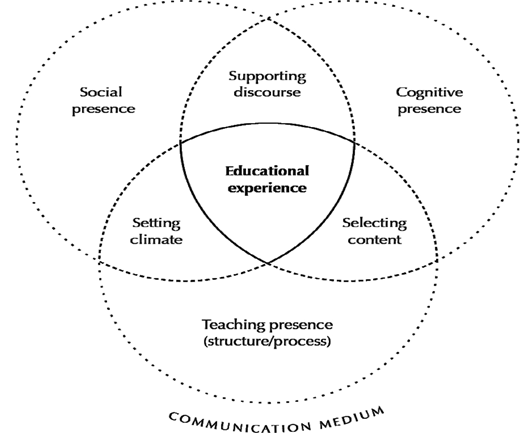
Core elements of the Col framework consist of teaching presence, social presence, and cognitive presence (Garrison et al., 2000). The interaction of the presences is dependent on the subject matter, the learners, and the communications technology (Garrison et al., 2010; Garrison et al., 2010). Teaching presence and social presence intersect to create the climate for the educational experience. Teaching presence and cognitive presence intersect to select content for the educational experience. Social presence and cognitive presence intersect to support discourse for the educational experience. The three presences intersect to form an educational experience where deep and meaningful learning occurs (Akyol & Garrison, 2011; Garrison et al., 2000), as indicated by Figure 1.
Teaching presence pertains to course design and learning facilitation; teaching presence indicators can be divided into three categories—instructional management, building understanding, and direct instruction (Garrison et al., 2000). Instructional management includes selecting a curriculum, designing methods and assessments, establishing due dates and the flow of the course, and navigating the learning environment (Garrison et al., 2000). Building understanding involves transferring valid knowledge through discourse (Garrison et al., 2000). Building understanding enables the community to develop an effective group consciousness by sharing meaning, identifying areas of agreement and disagreement, and seeking consensus and understanding (Garrison et al., 2000). Direct instruction refers to the teacher presenting content, engaging students with questions and answers, assessing learning outcomes, and providing constructive feedback (Garrison et al., 2000). Direct instruction enables the instructor to provide intellectual and scholarly leadership and engage students by sharing subject matter knowledge (Anderson et al., 2001). According to Arbaugh (2008), teaching presence influences student satisfaction, perceived learning, and a sense of community.
Shea et al. (2010) suggested researchers consider entire courses, not only threaded discussions or survey data when evaluating teaching presence. This position was based on research by Shea et al. (2010) involving instructors for two identical sections of a fully online course. One of the research questions was, “Where does teaching presence occur in online courses?” (Shea et al., 2010, p. 134). Discussion and nondiscussion teaching activities were explored. Nondiscussion teaching activities included communicating with students via emails, private folders, bulletin board/announcements, and question areas. Instructor A’s teaching presence measure was determined mainly by nondiscussion activities (88%). Similarly, instructor B’s teaching presence measure was determined mainly by nondiscussion activities (90%). These findings indicated that “the work of the online instructor may be significantly underrepresented by conventional analyses originating in research on computer conferencing” (Shea et al., 2010, p. 140). Therefore, Shea et al. (2010) proposed that most instructional effort does not involve discussion forums.
Arbaugh et al. (2010) conducted a study to examine perceptions of teaching, social, and cognitive presences across disciplines at two U.S. universities. School A was a midsized western U.S. university where the participants were enrolled in fully online (57%) and blended (43%) courses during the spring semester of 2008 via WebCT.
The participants from School A completed the CoI survey voluntarily. The researchers analyzed the data to test for significant differences across course disciplines and delivery modes for teaching presence, social presence, and cognitive presence factors. For the teaching presence factor, there was a significant difference in the course discipline’s main effect. That is, course discipline affected the students’ perceptions of teaching presence. There were significant differences between the social and cognitive presence factors for the course discipline’s main effect and the delivery mode’s primary effect.
School B was a Midwestern U.S. university where participants were enrolled in online courses associated with an MBA. The instruction in the courses was delivered primarily through asynchronous web-based interactions. The courses were grouped into six categories: (a) macromanagement (strategy and international business), (b) operations (MIS, project management, and decision analysis), (c) micromanagement (organizational behavior and human resources), (d) quantitative (accounting and finance), (e) marketing, and (f) other (business law, ethics, and business literature).
Participants from School B completed the Col survey. The researchers analyzed the data collected from School B’s participants to test for significant differences between teaching, cognitive, and social presences across course categories. The participants enrolled in marketing courses and “other” courses perceived teaching presence as significantly higher than students enrolled in courses from the remaining categories. The participants enrolled in macromanagement, operations, micromanagement, marketing, and “other” courses perceived cognitive presence significantly higher than students enrolled in quantitative courses. In addition, students enrolled in “other” courses perceived social presence significantly higher than those in macro- and micromanagement courses.
Arbaugh et al. (2010) suggested that the significant differences in students’ perceptions of teaching presence across disciplines and courses are due to the differences in knowledge dissemination, acquisition, and application inherent across courses and disciplines, as described by Neumann (2001) and Neumann et al., (2002). For example, hard disciplines, characterized as having a dominant paradigm for approaches to teaching, depend on direct and focused instruction from the instructor (Arbaugh et al., 2010). Pure disciplines emphasize knowledge acquisition, whereas applied disciplines emphasize application and integration (Arbaugh et al., 2010). The CoI framework may need modification when used as a theoretical framework for designing online courses for hard, pure disciplines (Arbaugh et al., 2010).
The CoI framework has only existed with controversy. Rourke and Kanuka (2009) synthesized 252 reports from 2000-2008 that cited Garrison et al. (2000) seminal article. Rourke and Kanuka first argued that even though deep and meaningful learning was the outcome of the CoI framework, most of the studies in the literature did not focus on learning but on peripheral issues such as student satisfaction and educational measurement. Second, Rourke and Kanuka concluded that deep and meaningful learning does not materialize in communities of inquiry because evidence of cognitive presence did not exist in the five articles from the synthesis that focused on learning. According to data, students engaged only the first two levels of the practical inquiry process—triggering events and exploration. Moreover, the data on learning reported in these studies were self-reported by students via surveys.
Akyol et al. (2009) offered a rebuttal to Rourke and Kanuka (2009), noting first that the CoI framework is a process model and does not focus on learning outcomes. The model is also transactional, and the presences are dynamic. Second, the framework should be considered because it is a new theoretical model that guides research in distance education. In addition, it has been validated by studies. Third, some of the articles from the Rourke and Kanuka (2009) study were classified improperly and taken out of context. Fourth, Rourke and Kanuka (2009) did not use the Practical Inquiry model when reporting data. Last, Akyol, Arbaugh, et al. (2009) suggested that self-reported data may be relevant to CoI research at the point in time for the studies explored by Rourke and Kanuka (2009).
Teaching and Learning Mathematics Online
Description of Mathematics
Mathematics is defined “as the group of sciences (including arithmetic, geometry, algebra, calculus, among others) dealing with quantities, magnitudes, and forms, and their relationships and attributes, by the use of numbers and symbols” (Agnes & Guralnik, 2001, p. 887). Kilpatrick et al. (2001) explain that mathematics proficiency includes five strands: (a) conceptual understanding, (b) procedural fluency, (c) strategic competence, (d) adaptive reasoning, and (e) productive disposition. A conceptual understanding occurs when a student understands the connections between mathematical concepts, operations, and relations. Procedural fluency occurs when students can solve problems accurately and efficiently using different and appropriate procedures. Strategic fluency occurs when a student understands the components of a mathematical problem, can express the problem using mathematics and can solve the problem. Adaptive reasoning occurs when a student can construct, explain, and justify logical solutions to a problem. Finally, productive disposition occurs when a student
sees sense in mathematics;
perceives it as both useful and worthwhile;
believes that steady effort in learning mathematics pays off; and
sees oneself as an effective learner and doer of mathematics (Kilpatrick et al., 2001, p. 131).
These five strands of mathematical proficiency do not occur in isolation but are intertwined.
Contemporary Teaching Practices
This section describes contemporary practices for teaching higher education online mathematics classes. Best practices for teaching higher education online mathematics classes have yet to be clearly articulated in the literature.
Gleason (2006a, 2006b) describes his experiences preparing and teaching “Discrete Mathematics for Teachers” online. This course was created for a master’s degree program; however, doctoral students also enrolled. Gleason designed his course in a way he believed would enable students to gain mathematical knowledge and develop mathematical thinking. His course included two hours of synchronous interaction per week via web conferencing that featured both instructor-student and studentstudent interaction. Students submitted typed and handwritten homework, which counted for most of the students’ overall grades. Gleason graded the homework and provided feedback. The content was delivered by PowerPoint slides. Instead of a final exam, the students were required to submit a group project.
Gleason (2006c) offers instructional and technology advice to mathematics instructors planning to teach their first online course. Without facial cues, online instructors must determine how to assess student understanding when students interact with course content. In addition, Gleason recommended requiring students to submit homework electronically and allowing students to ask questions via chat when web conferencing. Furthermore, Gleason recommends that online instructors feel confident when using computers, as well as have the ability to troubleshoot technical problems. Gleason also recommends that online instructors receive technology training and become familiar with technical support at the institution where the online course is offered.
Akdemir (2010) provided additional insight into the experiences of instructors teaching mathematics courses online in his exploration of “current practices of teaching mathematics online” (p. 50). There were four participants, all of whom were teaching mathematics online, and the data were collected from open-ended interviews.
The themes emerging from the data analysis were online course design, online course teaching, student assessment, and the effectiveness of online courses (Akdemir, 2010). The theme of online course design emerged from the categories of technical help, course management systems, and student orientation. The theme, of online course teaching emerged from the categories of course materials, teaching process, and course assignments. Participant A used a variety of teaching tools. Based on the response from Participant A, it was evident that developing course materials requires teamwork from instructional designers, subject matter experts, graphic designers, and computer programmers. Participants B and D reported using their course notes and recommending hard-copy books, Internet sources, and a discussion board. Faculty using instructional materials created via teamwork used more teaching tools than faculty responsible for creating their materials.
The teaching process in an online mathematics course differs from that in a traditional face-to-face course (Akdemir, 2010); however, the processes should be equivalent (Simonson et al., 1999). In a traditional face-to-face learning environment, instructors deliver content in a step-by-step progressive manner (Akdemir, 2010). In contrast, in Akdemir’s (2010) study, Participant A used ebooks to explain course concepts, e-television to teach processes, interactive online exercises for practice, online tests for assessment, and online advising to answer questions when teaching mathematics online. Participant D reported delivering online instruction differently. Students in online courses were expected to complete a final project and guided assignments for topics, and the final project was presented face-to-face at the end of the semester. Akdemir (2010) did not discuss Participant C’s strategy for delivering course content.
The coding for the theme, student assessment, was student assessment. Assessment instruments were determined by enrollment. When enrollment was high, standardized tests were preferred. Individual projects, assignments, group projects, discussions, online presentations, and exams were used when course enrollments were manageable.
The theme, effectiveness of online courses, was coded by the categories of faculty members’ perceptions and faculty members’ perceptions of students. The participants perceived the advantages and disadvantages of teaching mathematics courses online. The advantages were posting course materials at any time, making courses available to students who are at a distance, and monitoring student progress effectively.
The disadvantages pertained to faculty workload. Designing and developing online mathematics courses versus traditional mathematics courses requires more time. In addition, providing feedback to online students requires more time than providing feedback to face-to-face students.
In addition, Akdemir’s (2010) participants perceived advantages and disadvantages for students enrolled in online mathematics courses. The advantages are that students could review course content as often as necessary and review and access course content at any time. The disadvantages were that student success was dependent on the course being well designed, students having basic computer skills, and students being self-regulated learners.
Assessment and Feedback
Trenholm et al. (2015) explored the assessment and feedback practices of undergraduate mathematics instructors who taught fully online courses. Data for this study were taken from Trenholm (2013). The 66 participants were instructors from traditional “brick and mortar” colleges and universities. The instructors reported assessing students’ learning using homework (83%), final exams (73%), tests (65%), quizzes (53%), discussions (39%), midterms (2%), individual projects (20%), group projects (5%), group work (3%), journaling (2%), and portfolios (2%). The midterm exams and final exams were proctored by 73% of the instructors. In addition, the data collected by Trenholm (2013) indicated that instructors weighed summative assessments, such as final exams, midterms, and tests, in a manner comparable to the weightings in their respective face-to-face classes.
Trenholm et al. (2015) devised a scoring system to evaluate the assessment data. Feedback in terms of only a grade received a score of 0, which is considered poor feedback. Feedback providing the correct answer or complete solution received a score of 1. Feedback providing hints or comments received a score of 2, considered rich feedback. This type of feedback is credited with enhancing student learning. Based on the feedback scoring system, the average feedback scores for homework, final exams, tests, quizzes, discussions, midterm exams, and individual projects were 1.73, 0.52, 1.23, 1.26, 1.00, 0.94, and 1.85, respectively. Trenholm et al. (2015) found that rich feedback was associated chiefly with homework and individual projects. In addition, Trenholm et al. (2015) “found no link between the quality of feedback used and participants’ approaches to teaching for conceptual understanding and with a student focus, suggesting this feedback may not be, at least primarily, advancing student learning” (p. 1215). The feedback was used to assist students with maintaining student-instructor, studentstudent, and student-content engagement throughout the course.
Assessing student learning and providing feedback present challenges for faculty teaching higher education mathematics courses (Akdemir, 2010; Trenholm et al., 2015). Trenholm et al. (2016) conducted a follow-up interview study based on Trenholm (2013), where six U.S. instructors of fully online mathematics courses were chosen from the 66 participants in the initial study to participate in an interview. All the participants had at least 16 years of experience teaching face-to-face and at least 1 year of experience teaching online. The instructors were asked to base responses on an introductory-level course for which they could compare face-to-face and fully online instructional experiences.
During the interview, the instructors discussed problems and potential advantages of using discussion and providing feedback in fully online courses. The instructors found incorporating open-ended and collaborative learning discussions in fully online mathematics classes challenging. However, discussions in fully online classes gave students more time to reflect.
Regarding problems and potential advantages associated with providing feedback in fully online courses, instructors’ comments were categorized according to process, purpose, and timing. Compared to face-to-face teaching, the instructors found providing feedback was more time-consuming, expected 24/7, and used to keep students engaged in the course. The instructors also expressed concern that students may misinterpret feedback from computer-assisted instruction. Despite challenges, instructors provided more individualized instruction in fully online mathematics courses.
Trenholm et al. (2016) acknowledge the challenges instructors face when incorporating discussions and providing feedback in fully online mathematics courses; however, they do not suggest replicating face-to-mathematics teaching practices. According to Trenholm et al. (2016), the mathematics education community has developed mathematical instruction that may assist with developing student-centered, fully online mathematics courses.
Student Perception, Satisfaction, and Perceived Learning
Glass and Sue (2008) explored student preference, satisfaction, and perceived learning in a quarter-long online mathematics course designed for undergraduate business and social science majors. College algebra was a prerequisite for this course, and this course was a requirement for admission to the MBA program.
For their study, learning objects are defined as collections of small, reusable pieces of information (Glass & Sue, 2008). The learning objects for the explored course were PowerPoint slides, video lectures, web-based tutorial homework, discussions, quizzes, and a textbook. When the students were surveyed at the beginning of the course to obtain a baseline measure of preferences for learning objects, practice exercises ranked the highest, followed by video lectures, one-on-one online interaction with the instructor, and online discussions. Students were surveyed at the end of the course regarding the quality of the learning objects and the contribution of the learning objects to learning. For quality, homework had the highest rating, followed by quizzes, PowerPoint slides, lectures, Blackboard discussions, and text. Regarding contribution to overall learning, homework also had the highest rating, followed by quizzes, PowerPoint slides, lectures, text, and Blackboard discussions.
Glass and Sue (2008) reported that all assessments in the course, except the final exam, were completed online and not proctored. The instructor in a face-to-face environment proctored the final exam. The assessments were worth 1000 points— homework (240), discussion (60), quizzes (200), midterm (200), and final exam (300).
The course studied by Glass and Sue (2008) was composed of 10 learning modules. Each module contained two lectures and a set of online assignments. Each module was accessible to students at midnight on the first day of the week, and students were given one week to complete the module. At the beginning of the quarter, students were given a document containing a detailed list of assignments and due dates. The course instructor answered questions synchronously during face-to-face and online office hours and answered questions asynchronously via email and discussion board posts.
According to Glass and Sue (2008), based on student preference, satisfaction, and perceived learning, this course provides a best practices model for an online mathematics course composed of “strongly” (p. 337) utilized practice problems with immediate feedback and various types of media delivering course content. On the course evaluation, 44.8% of the students rated this course as outstanding, and 41.4% rated the course as good. Also, 86.7% would recommend this course to other students. Furthermore, 93.1% rated the course as intellectually challenging.
Glass and Sue’s (2008) study has implications for establishing teaching presence in higher education online mathematics courses. Having insight into how students view the quality of the learning objects and the contribution of the learning objects to learning in an online mathematics course equips online mathematics instructors to better develop and select learning objects for assessment, which fall in the category of instructional management (Garrison et al., 2000). Instructors will also be better equipped to establish and maintain discourse, which falls into the building understanding category (Garrison et al., 2000). In addition, instructors will be better equipped to present content, engage students with questions and answers, assess learning outcomes, and provide constructive feedback, which falls under direct instruction (Garrison et al., 2000).
Course Syllabus
Description and Function
“In addition to providing an overview of course policies and goals, a well-designed syllabus can demonstrate your teaching style, values, and commitment to helping each student in your course.” (Stanford Teaching Commons, n.d., paragraph 1). The syllabus may be the first communication from the instructor to the students and the first learning activity designed to provide information for completing the course successfully and without incident (Gambescia, 2006; Svinicki & McKeachie, 2014). The syllabus also provides the first opportunity for faculty to assist students with being responsible for their learning (O’Brien et al., 2008). The syllabus sets the tone for the course (Harnish & Bridges, 2011) and reveals elements of the instructor’s personality (Svinicki & McKeachie, 2014). Furthermore, the syllabus has evolved as a contract between instructor and student (Gambescia, 2006; Sulik & Keys, 2014; Svinicki & McKeachie, 2014). O’Brien et al. (2008) suggested that a course syllabus include the following items:
Table of contents; Instructor information; Student information form; Letter to the students or teaching philosophy statement; Purpose of the course; Course description; Course objectives; Readings; Resources; Course calendar; Course requirements; Policies and expectations: Attendance, late papers, missed tests, class behaviors, and civility; Evaluation; Grading procedures; How to succeed in this course: Tools for study and learning. (p. 40)
An Online Course Syllabus
A syllabus for an online course is essential (Simonson et al., 2012) and includes information not required for a face-to-face course syllabus (West & Shoemaker, 2012). First, online students may interact with other students and the instructor using online communication media; therefore, the online syllabus should discuss net etiquette (West & Shoemaker, 2012). Second, online students may not have required meetings with the instructor; therefore, the course syllabus should provide details on communicating with the instructor (West & Shoemaker, 2012). Third, course content will be delivered online; therefore, the syllabus should contain information regarding technologies and technology skills required for the course (West & Shoemaker, 2012). Finally, the online course syllabus should provide an instructional plan to assist students with engaging course content and meeting course deadlines (Sulik & Keys, 2014; West & Shoemaker, 2012).
A Learning-Centered Syllabus
According to O’Brien et al. (2008), “students learn what is required to achieve the course objectives, and they learn what processes will support their academic success” (p. 5) from reading a learning-centered syllabus. In addition to course objectives about content, this syllabus may contain course objectives regarding processes for achieving the content course objectives (O’Brien et al., 2008). Furthermore, a learning-centered syllabus outlines the instructor’s plan for engaging students, as well as a plan for students to engage the instructor, course content, and other students in the course (O’Brien et al., 2008).
Methodology
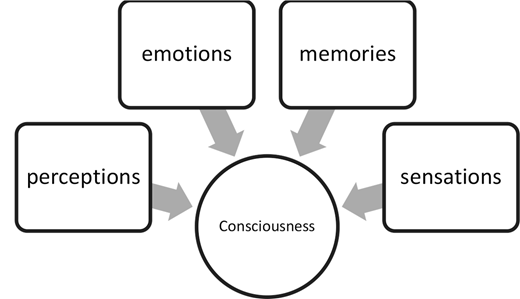
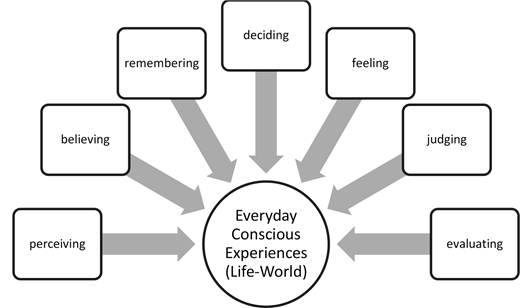
Holt (2020) uses phenomenological inquiry to investigate the life-world of mathematics instructors when establishing teaching presence in online higher education mathematics classes. The phenomenological movement was founded during the early part of the 20th century by Edmund Husserl (Edmund Husserl, 2017). From this movement grew Husserl’s transcendental phenomenology, Maurice Merleau-Ponty and Jean-Paul Sartre’s existential phenomenology, and Martin Heidegger’s hermeneutic phenomenology (Schwandt, 2007). Husserl (1965) described phenomenology as the “science of science” (p. 23) because (a) phenomenology explores the essence of objects that provide the foundations for other sciences, and (b) the other sciences fail to explore these objects at the same level of detail. Furthermore, Husserl (1917/1981) described phenomenology as the “science of consciousness” (p. 12). Husserl viewed consciousness as a whole made of parts such as perceptions, emotions, memories, and sensations (Belousov, 2016; see Figure 2). The significance of consciousness lies in the idea that one’s perceptions and emotions regarding an object, not the object, belong to one’s consciousness (Belousov, 2016).Husserl viewed a phenomenon as “the entire lived experience of perceiving with all of its components,” “the object which appears in lived experience with all its qualities, moments, and relations,” and “the component of my lived experience … that serves as the pivot of my apprehension in its orientation to the object” (Patocka, 1996/1996, p. 62). The phenomenologist gathers data about everyday conscious experiences, which include perceiving, believing, remembering, deciding, feeling, judging, and evaluating, as well as physiological activities, to determine the essence or structure of phenomena (Merriam, 1998; Schwandt, 2007; Vagle, 2016). The everyday conscious experiences are referred to as the life-world (Schwandt, 2007). Note that phenomenologists do not consider theory, deduction, and assumptions from other disciplines when gathering data (Phenomenology, 2016).
The essence of consciousness is intentionality (Giorgi, 1989; Phenomenology, 2016). Husserl redefined the term intentional to refer to the meanings associated with acts of the mind toward an object (Moustakas, 1994; Sokolowski, 2000). These acts may include perception, believing, remembering, deciding, feeling, judging, evaluating, and physiological activities directed toward objects (Schwandt, 2007; see Figure 3). Therefore, every act of consciousness and every experience, when correlated to an object, is intentional (Sokolowski, 2000). A phenomenological analysis is appropriate for Holt (2020) because the purpose of Holt (2020) is to gain knowledge regarding how mathematics instructors establish teaching presence in higher education online mathematics courses based on the perceptions, beliefs, memories, decisions, feelings, judgments, or evaluations of these instructors.
Holt’s (2020) challenges were those associated with conducting qualitative research. The researcher for Holt (2020) was required to separate her everyday conscious experiences from those of the participants and decide how and when her experiences would be included in the study (Creswell, 1998).
Participants
Acquiring the appropriate number of participants who had experienced the phenomenon of establishing teaching presence both face-to-face and online was challenging for Holt (2020). Polkinghorne (1989) explains that there is a wide range in the number of participants in phenomenological studies. Vagle (2016) suggests that the number of participants is driven by the phenomenon being studied and what seems reasonable to the researcher. Creswell (1998) recommends at most 10 participants, and Dukes (1984) suggests three to 10 participants. The plan for the study conducted by Holt (2020) was to include 12 mathematics instructors from a public university system composed of 26 institutions—four research institutions, four comprehensive universities, nine state universities, and nine state colleges (University System of Georgia, 2018). Including 12 participants would allow for attrition. However, only 10 instructors consented to participate in the study described by Holt (2020). Six instructors were from research institutions, three were from state colleges, and one was from a state university.
Participants were to be selected using maximal variation sampling, a type of purposeful sampling, to gather data representative of the diverse universities within the university system. The criteria for participation are listed here:
The participants must have experienced the phenomenon of establishing teaching presence in both higher education face-to-face and online mathematics courses.
The participants must be able to explain their everyday conscious experiences when establishing teaching presence (Creswell, 1998; Holt, 2020; Polkinghorne, 1989).
Setting
When conducting a phenomenological study, the researcher is “interested in trying to slow down and open up how things are experienced” (Vagle, 2016, p. 22). Therefore, a university system was chosen as the setting for studying the phenomenon of establishing teaching presence in online higher education mathematics courses (Holt, 2020).
Types of Data
Data for (Holt, 2020) were collected from face-to-face and online mathematics course syllabi and in-depth semistructured interviews.Data were collected from both interviews and course syllabi because indicators of teaching presence could be present in the (a) interviews, (b) course syllabi, or (c) interviews and course syllabi (Holt, 2020). One online course syllabus was requested from each participant because the course syllabus sets the tone for the class (Harnish & Bridges, 2011; Holt, 2020), represents an agreement between the instructor and students, reveals elements of the instructor’s personality, and is essential for an online course (Svinicki & McKeachie, 2014).
Data were collected from the syllabi based on the measures of teaching presence contained in the CoI survey and a checklist created by the researcher (Holt, 2020). The items included in the checklist were based primarily on the common items for a syllabus suggested by O’Brien et al. (2008).
Roulston (2010) describes phenomenological interviews as relatively unstructured, with open-end questions. Holt’s (2020) interviews were semistructured with open-ended questions and lasted approximately 60 minutes. The focus of the interviews was to gain knowledge of the meaning of lived experiences (Roulston, 2010) of mathematics instructors while establishing teaching presence in online higher education mathematics courses (Holt, 2020). Specific questions were asked of all participants (Holt, 2020); however, follow-up questions could differ for each participant (Vagle, 2016). The interview questions were:
How do you deliver course content in online courses?
How do you ask and answer questions in online courses?
How do you establish a dialogue between students in online courses?
How do you assess student learning in online courses?
How do you encourage students to meet deadlines in online courses? (Holt, 2020)
All data were coded for anonymity (Holt, 2020).
Data Collection Tools
Three instruments were used to gather data for Holt (2020)—a modified CoI survey, a semi-structured interview, and a checklist. The CoI survey emerged from a study by Arbaugh et al. (2008). The CoI survey is valid and reliable when measuring teaching presence, cognitive presence, and social presence, as described by the CoI framework (Arbaugh et al., 2008). This survey is available under the Creative Commons license and may be altered (CoI Survey, n.d.). According to Holt (2020), in Item 2 of the CoI Survey, “student learning outcomes” replaced “course goals.” Also, all statements in the survey were considered in present tense and third person because the measures of teaching presence in the survey were used to code the online course syllabi. In addition, the measures of teaching presence were used to create a rubric for analyzing interview data for online courses and syllabi data for online courses.
Data were collected from the syllabi according to the measures of teaching presence outlined in the CoI survey and a checklist created by the researcher (Holt, 2020). The items included in the checklist were based primarily on the common items for a syllabus suggested by O’Brien et al. (2008).
Procedures
Data Analysis
Phenomenological Analysis. Phenomenological analysis was used to organize and analyze the interview data for Holt (2020). This analysis consisted of three core processes— epoch, transcendental phenomenological reduction, and imaginative variation (Merriam, 1998; Moustakas, 1994). According to Patton (1990), epoch adds rigor to the analysis. Epoch is not an isolated event but a continuous process (Merriam, 1998), which requires the researcher to bracket or set aside biases and experiences regarding the phenomenon to understand the phenomenon from the participant’s point of view (Holt, 2020; Moustakas, 1994). During transcendental-phenomenological reduction, the data were reviewed, coded, grouped, reduced, and described (Holt, 2020; Moustakas, 1994). The imaginative variation process involved finding meaning (Moustakas, 1994). During this process, the phenomenon was examined through the participants’ experiences from different angles or perspectives (Holt, 2020; Merriam, 1998).
The phenomenological analysis’s final step involved synthesizing the composite textural and composite structural descriptions (Moustakas, 1994). The synthesis should include “clear, precise, and systematic descriptions of the meaning that constitutes the activity of consciousness” (Polkinghorne, 1989, p. 45). The essence of the phenomenon emerges (Wertz, 1989). The processes by which mathematics instructors establish teaching presence in online mathematics courses emerged (Holt, 2020). These processes were compared to the measures of teaching presence outlined in the CoI survey (Holt, 2020).
Checklist. A checklist was used to review each syllabus for common information (Holt, 2020). The items included in the checklist are based primarily on the common items for a syllabus suggested by O’Brien et al. (2008).
Content Analysis. Content analysis was used to study the most recent online course syllabi developed by the participants (Holt, 2020). Content analysis is a research method by which textual artifacts—which may include books, articles, cartoons, graffiti, newspaper headlines, historical documents, and interview transcripts (Klenke et al., 2015)—are explored in order to recognize meanings (Krippendorff, 2013) or make inferences (Weber, 1990). Content analysis reveals cultural information about the object of the text or the author or creator of the text (Ungvarsky, 2017).
While reading each syllabus, textual content was reduced and organized by coding (Creswell, 1998; Holt, 2020). Schwandt (2007) describes coding as “a procedure that disaggregates the data, breaks them down into manageable segments, and identifies or names those segments” (p. 32). The names of these segments are called codes; codes with common characteristics are grouped into categories (Creswell, 2013). The categories for this content analysis in Holt (2020) were the categories for the measures of teaching presence contained in the CoI survey. The categories were examined for alignment with the measures of teaching presence contained in the CoI survey based on a rubric (Holt, 2020).
Trustworthiness
The researcher for Holt (2020) established validity for the study by (a) bracketing or setting aside her biases and experiences regarding the phenomenon (Holt, 2020; Roulston, 2010),
(b) testing the interview questions with a potential participant (Holt, 2020; Merriam, 1998; Polkinghorne, 1989; Roulston, 2010),
(c) describing the processes for collecting and analyzing data (Freeman et al., 2007; Holt, 2020; Polkinghorne, 1989; Potter & Levine-Donnerstein, 1999; Roulston, 2010), (d) avoiding ambiguous word meanings, category descriptions, and coding rules (Holt, 2020; Weber, 1990), (e) developing a coding schema consistent with theory (Holt, 2020; Potter & Levine-Donnerstein, 1999), (f) evaluating the summaries of data from the content analysis based on theory, definitions, and common understandings of words (Holt, 2020; Potter & Levine-Donnerstein, 1999; Weber, 1990), and (g) staying engaged with the study (Holt, 2020; Vagle, 2016).
In Holt (2020), the researcher and a colleague coded the same syllabus to check for coder reliability. The researcher compared the data for inconsistencies in coding (Holt, 2020). The researcher made the necessary adjustments for coding the text from the syllabi to avoid inconsistencies (Holt, 2020).
Limitations
Holt (2020) was limited in at least two respects: (a) the number of participants and (b) the types of institutions represented. The plan for this study was to include 12 mathematics instructors from a public university system composed of 26 institutions—four research institutions, four comprehensive universities, nine state universities, and nine state colleges (Holt, 2020; University System of Georgia, 2018). However, only 10 instructors consented to participation in this study (Holt, 2020). Also, comprehensive universities were not represented, and 60% of the participants were from research institutions (Holt, 2020). In this case, the data may not reflect the experiences of “key constituencies within the population” (Ritchie et al., 2014, p. 119). As a result, the findings of this study may not be generalizable, which is characteristic of a qualitative study (Ritchie et al., 2014).
In addition, there are two potential problems associated with Holt (2020). First, the Col survey is a data collection tool for the study. Garrison et al. (2010) explain that the CoI framework, which focuses on transactions occurring in asynchronous, text-based group discussions, provides the theoretical foundation for the Col survey. Therefore, the Col survey may not apply to the interview data and syllabi data collected for the study because these data apply throughout entire mathematics courses, not only asynchronous, text-based group discussions (Holt, 2020).
Potential Research Bias
The researcher for this study described by Holt (2020) is a mathematics professor who has experience teaching both face-to-face and online undergraduate courses. The process of epoch, the first component of phenomenological analysis, required the researcher to set aside biases to gather data based on the participants’ points of view (Moustakas, 1994). Also, the researcher remained neutral during the interviews and did not ask the participants leading questions (Holt, 2020; Roulston, 2010).
Findings
There were three research questions for Holt (2020); however, this article will present the findings from Research Question 1 and its subquestions. Research Question 1a asked, “How do mathematics instructors deliver course content in online courses” (Holt, 2020, p. 43)? All participants reported delivering course content using video and print-based instruction. A theme, instructor delivers content, which is an indicator of the teaching presence category, direct instruction, as described by the Col framework (Garrison et al., 2000), emerged from the responses to Subquestion 1a.
Research Question 1b asked, “How do mathematics instructors ask and answer questions in online courses” (Holt, 2020, p. 43)? Based on participants’ responses, all participants receive and answer questions in their online courses by email. When several students asked the same question, participants reported posting the answer on a discussion board for the entire class to view. Some participants also ask and answer questions via both face-to-face and online office hours, text messages, phone calls, announcements, videos, online assignments, and the “Ask My Instructor” features of the online homework software. A theme, the instructor engages students with questions and answers, which is an indicator of the teaching presence category, direct instruction, as described by the Col framework (Garrison et al., 2000), emerged from the responses to Subquestion 1b.
Research Question 1c asked, “How do mathematics instructors establish a dialogue between students in online courses” (Holt, 2020, p. 43)? The strategies for establishing a dialogue between students in online courses included graded discussions, optional discussions, face-to-face test reviews, face-to-face problem sessions, and optional study groups. All the participants reported allowing students to post on a discussion board. A theme, instructor and students engage in discourse for meaning, which is an indicator of teaching presence category, building understanding, as described by the CoI framework (Garrison et al., 2000), emerged from the responses to Subquestion 1c.
Research Question 1d asked, “How do mathematics instructors assess student learning in online courses” (Holt, 2020, p. 43)? Participants reported assessing student learning in online courses through discussions, projects, online homework, quizzes, tests, midterm exams, and final exams. Nine of the participants reported assigning online homework; Participant 6 and Participant 10 mentioned using online homework when responding to Subquestion 1e, “How do mathematics instructors encourage students to meet deadlines in online courses” (Holt, 2020, p. 43)? Some participants administered proctored tests, midterm exams, and final exams. A theme, instructor assesses learning, an indicator of the teaching presence category, direct instruction, as described by the CoI framework (Garrison et al., 2000), emerged from the responses to Subquestion 1d. In addition, a theme instructor uses assessments with automatic feedback, an indicator of the teaching presence category, instructional management (design & organization), as described by the Col framework (Garrison et al., 2000), emerged from the responses to Subquestion 1d.
Research Question 1e asked, “How do mathematics instructors encourage students to meet deadlines in online courses” (Holt, 2020, p. 43)? Participants encouraged students to meet deadlines in online courses using different strategies. The most common strategies were sending weekly emails and posting weekly announcements. Other strategies included contacting students with missing assignments, posting class statistics for tests, providing a late policy, providing a detailed calendar containing assignments and due dates, sending reminders when due dates are approaching, and using the Remind App. One participant mentioned alerting students that online learning differs from face-to-face learning. Two themes, (a) the instructor establishes due dates and the flow of the course, and (b) the instructor monitors student participation, which are indicators of the teaching presence category, instructional management (design & organization), as described by the Col framework (Garrison et al., 2000), emerged from the responses to Subquestion 1e.
Results From the Checklist of Common Items on Online Course Syllabi
The items included in the checklist for Holt (2020) are based primarily on the common items for a syllabus suggested by O’Brien et al. (2008). All participants included the name of the course, the instructor’s name and contact information, grading procedures, study plan, and course materials (books and technology) on online syllabi. However, more online course syllabi for this phenomenological study contained the items, policies, expectations, communicating instructions, study plan, Americans with Disabilities Act, campus resources, and technical support than face-to-face course syllabi for this study.
Results From the Rubric for Analyzing Interview and Syllabi Data
Interview data and online course syllabi were analyzed according to a rubric based on the CoI survey (Holt, 2020). The results from the rubric were used to complete the teaching presence component of a modified Col survey. According to Holt (2020), in item 2 of the Col Survey, “student learning outcomes” replaced “course goals.” Also, all statements in the survey were considered in present tense and third person because the measures of teaching presence in the survey were used to code the online course syllabi. Table 1 contains the measures of teaching presence met by at least 90% of participants.
Conclusion
Interpretation of Findings
In Holt (2020), the themes that emerged from the interview responses for establishing teaching presence in online classes are indicators of the categories comprising the teaching presence component of the CoI framework. Three themes emerged for the category of instructional management (design & organization): (a) the instructor uses assessments with automatic feedback; (b) the instructor establishes due dates and flow of the course; and (c) the instructor monitors students.
One theme emerged for building understanding (facilitation), instructors and students engage in discourse for meaning. Three themes emerged for the category of direct instruction: (a) the instructor delivers course content; (b) the instructor engages students with questions and answers; and (c) the instructor assesses learning.
The themes emerging from Holt (2020) are consistent with contemporary teaching practices described by Gleason (2006a, 2006b, & 2006c), Akdemir (2010), Trenholm et al. (2015), and Glass and Sue (2008). Gleason designed an online mathematics course that he believed would enable students to gain mathematical knowledge and develop mathematical thinking (Gleason, 2006a, 2006b). His course included two hours of synchronous interaction per week via web conferencing that featured both instructor-student and student-student interaction; this action reflects the theme that instructors and students engage in discourse for meaning. Gleason graded homework and provided feedback, reflecting the theme, instructor assessed learning. The content was delivered by PowerPoint slides containing definitions, theorems, and problems, which reflect the theme of the instructor-delivered course content. Instead of a final exam, the students were required to submit a group project that reflected the theme; the instructor and students engaged in discourse for meaning. Also, Gleason (2006c) stated that in the absence of facial cues, online instructors must determine how to assess student understanding when students interact with course content, which reflects the theme of the instructor assesses learning.
Akdemir (2010) provided additional insight into the experiences of instructors teaching mathematics courses online in his exploration of “current practices of teaching mathematics online” (p. 50). The themes emerging from Akdemir (2010) were online course design, online course teaching, student assessment, and the effectiveness of online courses. Categories determining themes from Akdemir (2010) support themes that emerged from Holt (2020). The theme of online course design from Akdemir (2010) emerged from technical help, course management systems, and student orientation. The theme of online course teaching emerged from the categories of course materials, teaching process, and course assignments. Note that the categories for online course teaching from Akdemir (2010) correspond to the theme instructor delivers course content from Holt (2020). In addition, the theme student assessment from Akdemir (2010) corresponds to the theme instructor assesses learning from Holt (2020).
Furthermore, the theme effectiveness of online courses in Akdemir (2010) was coded by the categories of faculty members’ perceptions and faculty members’ perceptions of students. Akdemir (2010) participants perceived the advantages and disadvantages of teaching mathematics courses online. One perceived disadvantage was that providing feedback to online students requires more time than providing feedback to face-to-face students, which Holt (2020) addressed. The theme instructor uses assessments with automatic feedback emerged from responses to Question 1 from Holt (2020).
Similarly, the themes of instructors using assessments with automatic feedback and instructor assessing learning are reflected in a study that explored assessment and feedback practices of undergraduate mathematics instructors who taught fully online courses conducted by Trenholm et al. (2015). Data for that study were taken from Trenholm (2013). The 2015 study had 66 participants. The instructors reported assessing students’ learning using homework (83%), final exams (73%), tests (65%), quizzes (53%), discussions (39%), midterms (2%), individual projects (20%), group projects (5%), group work (3%), journaling (2%), and portfolios (2%). The instructors also reported which assessments were proctored. According to Trenholm et al. (2015), feedback was used to assist students with maintaining student-instructor, studentstudent, and student-content engagement throughout the course. Furthermore, Trenholm et al. (2016) reported that instructors found providing feedback was more time-consuming, expected 24/7, and used to keep students engaged in the course.
The last study to consider is a study conducted by Glass and Sue (2008), which explored student preference, satisfaction, and perceived learning in a quarter-long online mathematics course designed for undergraduate business and social science majors. College algebra was a prerequisite for this course, and this course was a requirement for admission to the MBA program.
Glass and Sue (2008) defined learning objects as collections of small, reusable pieces of information. The learning objects for the course being explored were PowerPoint slides, video lectures, web-based tutorial homework, discussions, quizzes, and a textbook, which encompasses the themes: (a) the instructor uses assessments with automatic feedback, (b) instructor and students engage in discourse for meaning, (c) instructor delivers course content, and (d) instructor engages students with questions and answers, in no respective order, from Holt (2020).
The course studied by Glass and Sue (2008) was composed of 10 learning modules. Each module contained two lectures, which reflects the theme instructor delivering course content (Holt, 2020). Each module was made available to students at midnight on the first day of the week, and students were given 1 week to complete the module, which reflects the theme instructor established due dates and flow of the course (Holt, 2020). At the beginning of the quarter, students were given a document containing a detailed list of assignments and due dates, reflecting the theme instructor’s established due dates and course flow (Holt, 2020). The course instructor answered questions synchronously during face-to-face and online office hours, which reflects the theme instructor engages students with questions and answers; the course instructor also answered questions asynchronously via email and discussion board posts, which also reflects the theme instructor engages students with questions and answers from (Holt, 2020).
Best practices often refer to “a set of documented strategies, procedures, or methods employed by highly successful organizations to achieve results in particular circumstances effectively” (Orellana & Hudgins, p. ix, 2009). The course explored in Glass and Sue (2008), based on student preference, satisfaction, and perceived learning, provides a best practices model for an online mathematics course composed of “strongly” (p. 337) utilized practice problems with immediate feedback and various types of media delivering course content, which reflects the theme instructor delivers course content from (Holt, 2020). Immediate feedback from Glass and Sue (2008) supports the theme that instructor uses assessments with automatic feedback from Holt (2020). Also, the discussion of various types of media delivering course content by Glass and Sue (2008) supports the theme of instructors delivering course content from Holt (2020).
Glass and Sue’s (2008) study has implications for establishing teaching presence in higher education online mathematics courses. Having insight into how students view the quality of the learning objects and the contribution of the learning objects to learning in an online mathematics course equips online mathematics instructors to better develop and select learning objects for assessment, which falls in the category of instructional management (Garrison et al., 2000). Instructors will also be better equipped to establish and maintain discourse, which falls into the building understanding category (Garrison et al., 2000). In addition, instructors will be better equipped to present content, engage students with questions and answers, assess learning outcomes, and provide constructive feedback, which falls under direct instruction (Garrison et al., 2000).
The theme instructor monitors student participation, from Holt (2020) was directly reflected by Gleason (2006a, 2006b, 2006c), Akdemir (2010), Trenholm et al. (2015), and Glass and Sue (2008). Holt (2020) participants mentioned viewing students’ grades and progress using a course management system. Note that the category, course management systems, was an indicator for the theme online course design from Akdemir (2010).
Furthermore, Holt (2020) supports Simonson, Smaldino, and Zvacek (2012), West and Shoemaker (2012), and Sulik and Keys (2014). A syllabus for an online course is essential (Simonson et al., 2012) and includes information not required for a face-to-face course syllabus (West & Shoemaker, 2012). More online course syllabi for Holt (2020) contained the items, policies, and expectations, communicating instructions, study plan, Americans with Disabilities Act, campus resources, and technical support than face-to-face course syllabi for this study. Also, according to West and Shoemaker (2012), an online course syllabus should provide details on how to communicate with the instructor and information regarding technologies and technology skills required for the course (West & Shoemaker, 2012). In addition, an online course syllabus should provide an instructional plan to assist students with engaging course content and meeting course deadlines (Sulik & Keys, 2014; West & Shoemaker, 2012). Furthermore, a learning-centered syllabus outlines a plan for students to engage the instructor, course content, and other students in the course (O’Brien et al., 2008).
Implications of Findings
Holt (2020) begins to fill the gap in the literature for best practices and strategies for teaching mathematics online, as well as applying the CoI theoretical framework to an entire course. Holt (2020) has implications for mathematics instructors, educators, instructional designers, higher education policymakers, and administrators. First, Holt (2020) informs mathematics instructors, both junior and senior faculty, of the lived experiences of mathematics instructors while establishing teaching presence in online higher education mathematics courses. The responses from the participants to the interview questions provide insight into how the participants deliver course content, ask and answer questions, establish a dialogue between students, assess student learning in online courses, and encourage students to meet deadlines in online courses. The participants also provide insight into designing and facilitating higher education online mathematics courses that are equivalent (Simonson et al., 1999) to the same courses offered in a face-to-face format in terms of achieving learning outcomes. Instruction will be effective when a course is designed effectively (Simonson & Schlosser, 2009).
Based on findings from Holt (2020), mathematics instructors teaching higher education online mathematics courses should: (a) deliver content using video and print-based instruction; (b) receive and answer questions by email; (c) post answers to commonly asked questions on a discussion board for the entire class to view; (d) allow students to post on a discussion board; (e) assign online homework with automatic feedback; (f) send weekly emails and post weekly announcements; and (g) monitor student participation constantly and contact students who are not participating in the course. Furthermore, the course syllabus sets the tone for the class (Harnish & Bridges, 2011), represents an agreement between the instructor and students, reveals elements of the instructor’s personality, and is essential for an online course (Svinicki & McKeachie, 2014). Based on findings from the content analysis for Holt (2020), online mathematics course syllabi should include the items, (a) table of contents, (b) name of the course, (c) quarter or semester offered, (d) instructor’s name and contact information, course description, (e) student learning outcomes, policies and expectations, (f) communicating instructions, (g) attendance/ participation, (h) grading procedures, (i) study plan, (j) course materials (books, technology), (k) academic honesty, (l) Americans with Disabilities Act, (m) campus resources, and (n) technical support. These items formed the checklist created by the researcher for the content analysis and are based on suggestions from O’Brien et al. (2008, p. 40)
Second, Holt (2020) informs mathematics instructors and educators who validate and distribute best practices, strategies, and standards for teaching mathematics (MAA, 2018; NCTM, 2018). Currently, pedagogy informing strategies, best practices, and standards for online mathematics courses are in a stage of infancy (Engelbrecht & Harding, 2005; Juan et al., 2012), and many math teachers have not participated in teaching or learning mathematics in an online environment (Appelbaum et al., 2016). Holt (2020) begins to fill the gap in strategies and best practices for teaching mathematics online.
Third, Holt (2020) informs mathematics educators who teach preservice teachers how to teach mathematics to achieve learning outcomes. Mathematics educators can use the findings from Holt (2020) to provide an online learning experience in mathematics education courses that their students can emulate when teaching mathematics online.
Fourth, instructional designers are trained in best practices and standards for teaching online (Pennsylvania State University, 2018); however, Holt (2020) informs instructional designers of the process by which mathematics instructors establish teaching presence in online mathematics courses. Holt provides instructional designers with a theoretical framework for establishing and evaluating teaching presence in online mathematics courses. Based on findings from Holt (2020), instructional designers may use the Col survey to evaluate teaching presence throughout online mathematics courses. The Col survey, which emerged from a study conducted by Arbaugh et al. (2008), is valid and reliable when measuring teaching presence, cognitive presence, and social presence as described by the CoI framework (Arbaugh et al., 2008). Therefore, instructional designers will be better equipped to fulfill their primary responsibility of designing instruction (Morrison et al., 2013). Hirumi (2009) stated that when the effectiveness, efficiency, and attractiveness of online learning materials are inadequate, “educators may have to spend exorbitant amounts of time explaining requirements, clarifying expectations, correcting errors, troubleshooting, and otherwise filling in gaps in design” (p. 40).
Fifth, Holt (2020) informs higher education policymakers and administrators. The participants’ responses provide insight into the training, technologies, and infrastructure needed for higher education mathematics instructors to establish teaching presence in higher education online mathematics courses. Therefore, Holt (2020) provides a basis for higher education policymakers and higher education administrators to make informed decisions regarding online education policy and funding (Simonson et al., 1999). Simonson and Schlosser (2009) posit, “Distance education programs require a careful planning process that includes systematic design and implementation” (p. 3).
Finally, Holt (2020) begins to fill the gap in the literature on applying the CoI theoretical framework to an entire mathematics course. The CoI framework focuses on transactions occurring in asynchronous, text-based group discussions (Garrison, Cleveland-Innes, et al., 2010). It is essential for a worthwhile higher education experience (Garrison et al., 2000). The core elements of the CoI framework are teaching presence, social presence, and cognitive presence (Garrison et al., 2000). Teaching presence pertains to course design and facilitation of learning (Garrison et al., 2000) and is necessary for achieving learning outcomes (Garrison & Akyol, 2013) and student satisfaction (Bush et al., 2010). The themes that emerged from this study are indicators of instructional management, building understanding, and direct instruction, which are categories of teaching presence.
Limitations of Findings
Creswell (2012) defined limitations as “potential weaknesses or problems with the study identified by the researcher” (p. 199); they are present, in varying degrees, in all studies. Holt (2020) is limited in at least two respects: (a) the number of participants and (b) the types of institutions represented. The plan for Holt (2020) was to include 12 mathematics instructors from a public university system composed of 26 institutions—four research institutions, four comprehensive universities, nine state universities, and nine state colleges (University System of Georgia, 2018). Including 12 participants would allow for attrition. However, only 10 instructors consented to participation in the study. Six instructors were from research institutions, three from state colleges, and one from a state university. Comprehensive universities were not represented, and 60% of the participants were from research institutions. In this case, the data may not reflect the experiences of “key constituencies within the population” (Ritchie et al., 2014, p. 119). As a result, the findings of this study may not be generalizable, which is characteristic of a qualitative study (Ritchie et al., 2014).
In addition, there are two potential problems associated with Holt (2020). First, the CoI survey is a data collection tool for Holt (2020). Garrison et al. (2010) explain that the CoI framework, which focuses on transactions occurring in asynchronous, text-based group discussions, provides the theoretical foundation for the CoI survey. Therefore, the CoI survey may not apply to the interview and syllabi data collected for Holt (2020) because these data apply throughout entire mathematics courses, not only asynchronous, text-based group discussions. Second, in the absence of facial cues from students, instructors for online mathematics courses may need to learn when it is necessary to review course content. According to Dahlke (2008), mathematics content “will fade from memory if it is not used frequently” (p. 524).
Recommendations for Future Research
Holt (2020) describes the lived experiences of mathematics instructors while establishing a teaching presence in online mathematics courses. First, future research could replicate Holt (2020) with a different research design. Second, future research could also use the CoI survey instrument to describe teaching presence in online mathematics courses. Third, future research could explore instructor—student, student—student, and student-content interactions occurring throughout entire online mathematics courses.