This paper aims to explain the current practice of translating scientific research findings by scholars in the field of sustainability-related disclosure research, using research published in Sustainability Accounting, Management and Policy Journal (SAMPJ) as a case study, for decision-making by policymakers. It makes recommendations to increase the policy relevance of research information.
Adopting a systematic literature review methodology, the study analyses empirical research articles on sustainability-related disclosure published in the SAMPJ from its inception in 2010 to issue 2 of 2023. The paper examines the research focus, methodological approaches, authors’ affiliations, readability and policy implications-related content in the journal articles.
The sustainability-related disclosure research published in SAMPJ mainly focuses on environmental issues, with social and governance issues given less attention, particularly from a policy perspective. The contribution of this body of research to policymaking relating to public and not-for-profit sectors and in geographic contexts beyond developed nations is limited. Abstracts are generally written for readers with postgraduate-level education. Methodologically, there is an over-reliance on retrospective analysis and a lack of ex ante research informing new policies. Non-academic co-authors are severely underrepresented, and many studies omit a meaningful explanation of policy implications. Articles that directly address policy questions, target specific policymakers and provide actionable recommendations are scarce.
The study underscores the need for sustainability-related disclosure researchers to proactively engage with policymakers and adapt their communication strategies to ensure their research is accessible and relevant. It explains strategies for effectively translating academic research to enhance its impact on policymaking and influence the agendas of policymakers. The findings support calls for academics to engage in, and for universities and journals to support, research that is not only theoretically sound but also practically applicable in policymaking, particularly in the realm of sustainability reporting.
This study emphasises the policy relevance of sustainability-related disclosure research and highlights the potential for academic insights to contribute significantly to societal well-being by influencing policymaking. It advocates for research that not only advances academic knowledge but also plays a crucial role in shaping policies that address critical sustainability challenges, thereby contributing to the broader societal goal of sustainable development.
The paper addresses the need for understanding the role of academic research in shaping sustainability disclosure-related policies. This paper contributes by focusing on the underexplored area of policy relevance of sustainability-related disclosure research. Unlike previous studies that predominantly addressed the dissemination of research, this study delves into the other stages of the research diffusion process, offering new insights into how research can be more effectively communicated to assist policymaking.
There is a broad perception that, despite the large volume of accounting research produced over the last half century, there has been relatively little impact on practice and public policy, and only limited lasting impact on the development of accounting thought” – AAA President David Burgstahler quoted by Schrand (2019, p. 11).
1. Introduction
Academic research is mainly funded through public sources and, as a result, should contribute to society, for example, by informing practice (Malmi and Granlund, 2009) [1] or policy making (Salterio et al., 2021). Accounting research can shape policymakers’ perceptions by examining their assertions, assessing consequences of policies, and explaining stakeholder agreement with existing and proposed policies (Swieringa, 1998). However, a misalignment has always existed between the supply of and demand for accounting research for practice and policymaking (Leuz, 2018; Osma et al., 2023). The prevalent view is that accounting research has had limited impact on policymaking in general and policymaking concerning the advancement of accounting practice in specific. While policymakers also have a role to play in integrating academic research into decision-making processes, this paper focuses specifically on the actions accounting academics can take to enhance the policy relevance and impact of their work.
A significant barrier to policymakers’ limited engagement with accounting research is its perceived inaccessibility and unintelligibility, as noted in the academic literature (Leuz, 2018; Singleton-Green, 2010; Tucker and Schaltegger, 2016) and in a report by the Research Relevance Taskforce of the American Accounting Association (2018). Schrand (2019) reduces this problem to accounting academics’ inability or unwillingness to proactively translate research findings for practitioners and disseminate research in accessible outlets. Challenges in translating research are the most pervasive barrier relating to the communication of research (Baxter, 2013; Tucker and Schaltegger, 2016; Van Helden and Northcott, 2010).
This paper aims to understand the current practice of translating scientific research findings pertaining to sustainability-related disclosure and make recommendations to increase the policy relevance of research information. The main question we answer is how researchers communicate the relevance of their empirical findings for policymaking in academic journals. In this study, the policymakers we focus on are governments and pseudo-regulators (e.g., industry associations, Non-governmental Organisations, professional bodies and private standards bodies) that influence or seek to improve sustainability reporting. We exclude from our scope companies and other organisations that formulate policies affecting their own behaviour to ensure our analysis accurately reflects the impact on external regulations. We acknowledge that accessing journal articles sitting behind paywalls hinders their usefulness, regardless of how well policy implications are articulated. However, policymakers’ ability to access academic research is improving due to the growth in and incentives for various forms of Open Access publishing [2] and policymakers’ active engagement with academics to obtain relevant research.
Effective communication of academic research is crucial in shaping the perceptions and views of policymakers and persuading them (Swieringa, 1998). In policymaking, where decisions are influenced by myriad factors, including existing beliefs, political pressures, and public opinion, clearly articulated policy implications of research findings can have a significant bearing. No matter how ground-breaking, research information holds little value if it is not communicated effectively. Policymakers are inundated with data, reports, and recommendations. Research must be presented in a manner that is not only clear and concise but also compelling to cut through this information overload. Effective communication often involves crafting a narrative that connects the research to the real-world implications and benefits. Policymakers are more likely to be swayed by research that is presented as part of a coherent story that illustrates the potential impact of their decisions on their constituents and society at large. This narrative approach helps contextualise the research, making it more relatable and easier for policymakers to understand and appreciate its significance. Thus, the translation of research information by synthesising and adapting it to a form applicable to policymakers in their decision-making context becomes important.
Previous research exploring the research communication gap predominantly focuses on the dissemination aspect of the research communication problem. It relies on anecdotal speculations and expert opinions, offering limited empirical evidence (Osma et al., 2023). Most studies that use empirical data have sorted to canvassing the views of others, such as academics (Clor-Proell et al., 2025; Tucker and Parker, 2014), practitioners, or professional bodies (Tucker and Schaltegger, 2016), rather than examining research outputs. Exceptions include Boyle et al. (2020b), Burton et al. (2021) and Osma et al. (2023). The limited research explains the extent, prevalence, and causes of the research diffusion problem. Insofar as research translation is concerned, none of the studies uses empirical data to explain how authors have engaged with policy issues and articulated policy implications in journal articles. A more focused and in-depth study on the translation aspect of the research diffusion process targeting a specific policy domain in accounting enables the identification of strategies for narrowing the research-policy gap in that domain. Our study aims to fill this gap in relation to the sustainability disclosure research domain, while addressing three other limitations in the relevance literature stated below.
Firstly, we address the dearth of research on the utility of accounting research for policymaking. The relevance literature has mainly examined accounting research’s contribution to informing practice. Secondly, the “relevance” literature focuses predominantly on contributions of so-called “mainstream” North American accounting journals (e.g. The Accounting Review, The Journal of Accounting Research and Journal of Accounting and Economics, etc.), which Gendron and Rodrigue (2021) argued constitute the “centre” of accounting research. There is little to no recognition of the contributions of research considered part of the intellectual “periphery” due to their openness to diverse paradigms, qualitative and interpretive methods and applied research addressing practice and policy (Gendron and Rodrigue, 2021; Pimentel et al., 2023). This periphery has significant potential for developing new ideas and innovations (Gendron and Rodrigue, 2021). Our focus is on research that resides in the periphery, which arguably places a greater emphasis on informing policymaking. Thirdly, we address the notable deficiency in the relevance literature, specifically the lack of studies focusing on individual domains within accounting [3]. To this end, we focus on the underexplored area of sustainability accounting and its contribution to policymaking. Burritt and Tingey-Holyoak (2011) have highlighted the gap between sustainability accounting research and professional practice. They explain the potential for sustainability accounting research to contribute to developing the practice of sustainability accounting and inform policymaking.
Our study is exploratory and illustrative, and it adopts a systematic literature review approach and content analysis. We analyse all empirical research articles on sustainability-related disclosure published in the Sustainability Accounting, Management and Policy Journal (SAMPJ) since its inception in 2010 and issue 2 of 2023, which was the most recent issue available at the time of data collection. As a leading journal with an explicit mandate to advance policy-relevant sustainability research for both academic and practitioner audiences, SAMPJ provides a credible and representative sample of high-quality scholarship in this field. While focusing on a single journal may limit the generalisability of our findings, this approach aligns with the study’s objective: rather than attempting to map the entire discipline, we derive insights from a strategically selected, high-impact source that prioritises rigorous, policy-oriented research on disclosure practices.
We selected sustainability-related disclosure literature to answer our research questions because it is an area of research highly pertinent to contemporary policy discussions in numerous countries, which focus on implementing mandatory sustainability reporting and developing sustainability disclosure standards. The application of this research holds the potential to enrich ongoing discourse concerning policies across diverse domains beyond the central purview of accounting, encompassing realms including environmental regulation, consumer protection, diversity, and human rights. Since achieving the sustainable development goals (SDGs) is a policy priority in many countries, investigating the policy relevance of sustainability-related disclosure research is timely (Burritt and Tingey-Holyoak, 2011).
While sustainability-related disclosure research holds the potential to yield pertinent insights for policymakers and regulators, its actual contribution is questioned by academics, who criticise policymakers for their lack of engagement with research. This criticism was notably highlighted during the public consultation conducted by the International Financial Reporting Standards (IFRS) Foundation Trustees in 2021 on their proposal to establish an international body for setting sustainability standards (Adams, 2020). A team of esteemed Professors of Accounting and Editors of renowned accounting journals specialising in sustainability accounting and reporting research expressed their concerns in an open letter to the Chair of the IFRS Foundation Trustees. They stated:
We are concerned that there has been little or no engagement with the extensive body of published accounting research on the topic of sustainability accounting and reporting […] Your proposals not only fail to be cognisant of this body of research evidence, but overall will exacerbate the lack of corporate and investor responsiveness to sustainable development issues and accountability thereon. Further, a number of the above findings refute assertions in your Consultation Paper”. (Adams, 2020, p. 1)
Indeed, Adams and Mueller (2022), upon analysing academic responses to IFRS Foundation Trustees’ public consultation in 2021, noted that academics were excluded from the pre-consultation process and well-substantiated concerns raised in academic submissions were ultimately disregarded in the IFRS Foundation’s final proposals. This exclusion, coupled with the IFRS Foundation’s evident prioritisation of investor-oriented materiality and its dismissal of academics’ concerns, points to a pre-determined agenda that may help explain its limited engagement with academic research (Adams and Mueller, 2022).
In this context, our study offers a timely and introspective examination of sustainability disclosure research to consider whether limited regulatory engagement, such as that exhibited by the IFRS Foundation Trustees – may also reflect, in part, limitations within the academic research itself, particularly in how policy implications are articulated and positioned. Given that regulators – such as the USA Securities and Exchange Commission and the Public Company Accounting Oversight Board (PCAOB) – are required to base their rulemaking and standard-setting activities on economic analysis often informed by academic research, the imperative for engagement exists (Clor-Proell et al., 2025). This makes it all the more critical to understand how accounting researchers can proactively enhance the relevance, accessibility, understandability, and actionability of their work for policymaking audiences – a gap this study seeks to address.
Our study addresses the widespread calls for academics to engage in, and for universities and scholarly journals to support, research that is not only theoretically robust but also practically applicable in policymaking (see, for example, Boyle et al., 2020a; Boyle et al., 2020b; Clor-Proell et al., 2025; Kaplan, 2011; Osma et al., 2023; Schrand, 2019). More specifically, we respond to Patten and Shin’s (2019) call to “explicitly link the importance of understanding sustainability reporting and its impacts to […] policy issues” (p. 36) by examining how effectively researchers translate their research information for use by policymakers.
2. Relevant literature
The debate about the relevance of academic research to practice and policymaking has a long history, going back at least to the 1970s. Studies discussing this issue have focused on a diverse range of applied or practice-based disciplines, including accounting (Brownson et al., 2006; Van de Ven and Johnson, 2006). An early example from the accounting discipline is the symposium held at Duke University in December 1975 to assess the impact of accounting research upon practice [4].
Burton et al. (2021) showed that accounting research attracts significantly less attention from non-academic audiences like policymakers and practitioners than similar disciplines. The analyses of the “relevance gap” in accounting and other business disciplines predominantly reflect the perspectives of seasoned academics (e.g. Beresford, 1994), some of whom have transitioned into/from practice or policy roles. Notably, this literature relies too heavily on anecdotal evidence. Moreover, the insights are concentrated on the “centre” of the accounting research field, which is represented by mainstream North American journals (Gendron and Rodrigue, 2021). Hence, our understanding of the practice and policy relevance of accounting research is biased and incomplete, overlooking the contributions of qualitative, interdisciplinary and innovative research, especially from outside North America (Gendron and Rodrigue, 2021; Pimentel et al., 2023).
Rutherford (2011) argues that, at best, the contribution of accounting research to policymaking is at a very high level of generality and, even then, is “disputed within and between research paradigms” (p. 151). The causes of the gap between accounting research and policymaking can be found in four areas:
academic incentives and career structures;
research domain limitations (i.e. research characteristics);
issues with the use of research findings by policymakers; and
barriers to communicating research findings (Albu and Toader, 2012).
Issues identified within some of these areas reflect limitations within policymaking structures and practices and therefore present opportunities for reform that lie squarely within the remit of policymakers themselves. Tucker and Schaltegger (2016) and Osma et al. (2023) conceptualised the first three areas as precursors to the main barrier of diffusion of academic research among practitioners and policymakers rather than barriers themselves. The next section discusses these precursors. It is noteworthy that not all accounting academics consider the divide between accounting research (specifically, management accounting research) and practice problematic or require remediation (Tucker and Parker, 2014).
2.1 Precursors to the problem of diffusion of academic research
Much has been written about academic incentives and career structures and their impact on academics’ role as public intellectuals (see, for example, Singleton-Green, 2010). The landscape of accounting academia has evolved significantly from when “accounting research was both descriptive and normative” (Baker, 2011, p. 212) and, thus, more practice-oriented. Today, research questions are influenced by what editors and referees of top-tier accounting journals find interesting (Rajgopal, 2021) [5] (who are merely reinforcing the status quo) and research methods, theories, and paradigms they favour (Moser, 2012). The journals’ bias towards conventional economic theory [6] and quantitative methods discourages academics from engaging in conceptually oriented ex ante research, which is most needed for policymaking and standard setting (Beresford, 1994). This issue is entrenched within academic institutions, where workloads, salaries, promotions, and tenure decisions are tied to publishing in such journals (Merchant, 2010; Moser, 2012). Academics, thus, abandon their public intellectual role and non-academic audiences, including practitioners and policymakers (Osma et al., 2023). New entrants to accounting academia often lack experience in practice or policymaking (Bergner et al., 2020; Smith and Emerson, 2017) and are trained by status quo editors and reviewers (Moser, 2012), perpetuating the cycle, making academic research further removed from the problems of practice (Gaffikin, 2009; Rajgopal, 2021).
Recently, universities and governments have emphasised the need for academic research to benefit society tangibly. Notable examples include the Research Excellence Framework in the UK, which requires universities to submit case studies describing specific examples of research impact, the Standard Evaluation Protocol in the Netherlands and the Excellence in Research for Australia. Additionally, the accreditation standards for business schools enforced by the Association to Advance Collegiate Schools of Business (AACSB, 2018) now more closely link research production with societal impact, further reinforcing the global trend towards valuing research that meaningfully contributes to the public good. Some universities have responded to these initiatives by recognising through academic promotions, research workloads and research impact awards, appointing former practitioners and policymakers as professors of practice [7], providing funding for translating research findings to practical applications. A recent survey by Osma et al. (2023) reveal a growing agreement among accounting academics about the importance of research dissemination. The lack of formal rewards has not deterred some accounting academics from seeking ways to make their research contribute to/influence practice, such as by publishing in practitioner journals (Boyle et al., 2020b).
Leuz (2018) identified three research domain-related factors affecting the contribution of accounting research to evidence-based policymaking:
the difficulty of generating causal evidence that is sufficiently generalisable;
limited availability of sufficiently granular data to identify and measure regulatory effects (e.g. for quantifying disclosure and measuring elasticities); and
concerns regarding the reliability of published research.
Other commonly highlighted factors within this category include the dispersion of research across numerous journals, focus on a narrow set of generally accepted research methods which limit the types of research questions that can be explored (Beresford, 1994; Kaplan, 2011) and divergence in opinions among academics regarding the reliability of methods and the validity of findings (Beresford, 1994). The latter is argued to create confusion regarding the nature of research that can be trusted (Beresford, 1994) and make policymakers susceptible to criticism from those seeking to undermine its credibility (Singleton-Green, 2010).
A major barrier to policymakers using research findings is the complexity of positivist accounting research, which often involves advanced econometrics, statistical methods and academic jargon. Policymakers without training in research methodologies are unable to interpret and apply nuanced and complex findings (Albu and Toader, 2012; Singleton-Green, 2010). Moreover, public debate, which favours rhetorical and persuasive strategies over empirical evidence (Singleton-Green, 2010), sidelines research-based contributions. The political nature of policymaking encourages those tasked with that responsibility to cherry-pick research evidence that supports their agenda (Leuz, 2018).
2.2 Barriers to communicating research findings
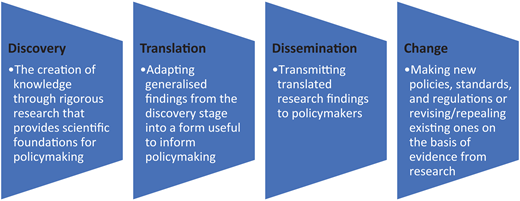
Osma et al. (2023, p. 4) note, “excellent research is a necessary but not sufficient condition for impact […] dissemination is key to achieving it”. Brownson et al. (2006) present a four-stage framework for translating and disseminating research findings rooted in the theory of diffusion of innovation. This model has gained acceptance in several domains of applied research, including accounting, as a conceptual framework to explore and identify barriers to research diffusion, evaluate their relative significance and unravel solutions to the research communication problem impeding the engagement with practice and policy making (for example, Gautam, 2008; Tucker and Parker, 2014; Tucker and Schaltegger, 2016). Figure 1 describes the four stages relating to the dissemination of research findings for informing policymaking.
2.2.1 Discovery.
Discovery is the first stage of the diffusion process. For diffusion across different communities of practice, discoveries should relate to the “right questions” from the point of view of the users of the research. i.e. the research should be relevant for policy making. Tucker and Schaltegger (2016) found the limited relevance of topics researched by academics as the most significant barrier to accounting research informing practice in Germany. Beresford (1994), a former chairman of the Financial Accounting Standards Board, criticises academics for neglecting research crucial to enhancing accounting standards, notably ex ante studies, which hold greater significance for standard setting. Schrand (2019) contends that researchers’ prior knowledge combined with observations of practitioners’ problems and conditions lead to “right” or relevant research questions, which in turn yield practically relevant findings. She observes that the preoccupation of top-tier accounting journals with hypothesis-testing research discourages academics from engaging in observational studies, such as those using fieldwork or surveys, and descriptive research that are crucial for identifying practical problems and phenomena.
2.2.2 Translation.
Translation, the second stage in the diffusion process, is the process of transferring knowledge and practices between parties, with an emphasis on the role of translators who apply various translation rules to achieve desired outcomes. Effective translation is essential for bridging the gap between the academics’ preoccupation with accuracy and generality and practitioners/policymakers’ need for simplicity and applicability (Malmi and Granlund, 2009; Tucker and Parker, 2014). Røvik (2016) argues that translators de-contextualise practices from their source context and re-contextualise them in a target context. Tucker and Lowe (2014) define translation as the process where “research findings are synthesised and adapted to a form applicable to practitioners in the context of the conditions in which they live and interact” (p. 402). For our investigation, we define translation within a positivistic paradigm as the act of presenting research in an intelligible and comprehensible manner to facilitate the use of that research by policymakers.
Ensuring understandability is a cornerstone of research translation. Understandability is enhanced when an article clearly and concisely communicates its key messages. The effectiveness of translation is diminished by poor presentation, lack of clarity and brevity, the use of pretentious jargon and excessive attention to theory, methodology and epistemology that obfuscates rather than clarifies the intended message (Baxter, 2013; Beresford, 1994; Inanga and Schneider, 2005; Tucker and Parker, 2014; Van Helden and Northcott, 2010). Understandability also helps mitigate some of the demand-side barriers explained previously, such as policymakers’ limited research training and misinterpreting the implications of research findings due to lacking the required tacit knowledge (Osma et al., 2023).
Swieringa (1998) highlights the critical role of actionability in research translation, stating that “to be effective, research information must confirm or alter the perceptions and views of policy makers in the context of other information and interest” (p. 46). Rynes (2007) emphasises the importance of clearly articulating implications for practice, and this can be extended to implications for policymaking. Actionability is enhanced, inter alia, by formulating intermediate questions between the policy and research questions (Singleton-Green, 2010) and deriving normative conclusions from empirical research (Clor-Proell et al., 2025). Beresford (1994, p. 192), commenting on the lack of actionability in academic research, questions “if the researchers themselves are unwilling to tell us what they think the significance of their research is, how can standards setters base decisions on it”? He also observes that while standards setters may not concur with all research findings, they greatly benefit from the rigorous thinking and perceptive insights researchers provide.
Previous studies emphasise the importance of the accessibility of research information in the translation process, specifically focusing on where this information is presented. Beresford (1994), inviting academics to send their research papers to the FASB, specifically requests a summary of their research to be provided to facilitate review by the Board. Beresford’s (1994) request highlights the importance of the research abstract as a tool for enhancing accessibility by policymakers. Publishing practitioner-oriented versions of research published in scholarly journals, mostly notably in professional magazines and presenting at practitioner conferences are also regarded as ways of increasing accessibility (Boyle et al., 2020a; Tucker and Parker, 2014).
Although recognising the importance of translation in addressing the research-practice gap, empirical research that explicitly demonstrates the extent, nature and characteristics of the translation problem in accounting is notably lacking.
2.2.3 Dissemination.
Dissemination is the third stage in the research diffusion process. Even if research findings are effectively translated in journal articles, their utility remains constrained if the articles are not accessible or not effectively disseminated. Most policymakers lack access to academic research due to the barriers imposed by paywalls, their general reluctance to read academic articles (instead preferring other forms of communication) and due to the time lags involved in academic publishing (Inanga and Schneider, 2005). Several studies examine the dissemination of academic research beyond academia (e.g. Boyle et al., 2020b; Burton et al., 2021; Osma et al., 2023). After comparing the authorship in the two publication types, Boyle et al. (2020b) find only a little overlap between the research published in academic journals and practitioner journals. This observation is supported by the work of Osma et al. (2023), which reveals that academics infrequently disseminate research published in scholarly journals through non-academic sources, such as social media, presentations to standard setters or regulators or publishing practitioner-oriented versions of their work. Burton et al. (2021) examined the Altimetric Score of articles in top-tier accounting journals and found that research reported in those articles has gained limited attention in the non-academic media (usually targeting the public) and in policy documents.
Osma et al. (2023) report that compared to other business disciplines, publications in accounting journals receive significantly less attention across all non-academic sources based on the Altimetric Score. It is argued that merging scholarly research with practitioner-oriented findings in journal articles is ineffective, as this medium does not adequately serve practitioners and policymakers (Schrand, 2019). However, Tucker and Schaltegger’s (2016) findings highlight that professional accounting bodies can be the conduit facilitating the communication of academic research to practitioners and policymakers. The authors call for the establishment of strategic alliances between academic researchers and professional accounting bodies, recognising that such collaborations could be mutually beneficial. These bodies, perceived as ready, willing and able partners, could play a pivotal role in translating academic research into actionable knowledge for practitioners and policymakers through their own publications and by providing forums for direct engagement.
2.2.4 Change.
Change is the final step in the research diffusion process. In the policymaking arena, change refers to amendment of policies/standards or introduction of new policies/standards. For change to occur in response to evidence-based research, policymakers should be ready, willing and able to make changes (Brownson et al., 2006). In this stage, what is within the control of researchers is the provision of high-quality information (Gautam, 2008), and Tucker and Parker (2014) interpret this as the provision of research findings contextualised to the setting for which decisions are being made. However, policymakers may often pursue predetermined agendas, disregarding even well-communicated academic research (Adams and Mueller, 2022).
2.2.5 Summary.
Baxter (2013, p. 289) eloquently summarises the barriers associated with the research diffusion, which he originally discussed in his 1988 publication:
Practical men give plenty of reasons for ignoring, and sometimes disparaging, academic research. Thus, they find its subject matter remote. They shy away from its statistical tables, and mathematics. They regard its jargon as pretentious. They feel that the writers are excessively concerned to demonstrate familiarity with “the literature”; the many bracketed references in the text are irritants, as is the end-loading of full references. Research should be written up with brevity and clarity.
Tucker and Parker (2014) argue that a clear gap in our understanding exists in identifying the relative contribution of each of the four barriers within the accounting research diffusion process. Their study, which includes a survey and interviews with senior management accounting academics, reveals that academics perceive translation and dissemination as the foremost barriers. They argue that while considerable conversations have occurred concerning the “relevance gap”, these conversations are often fragmented and largely speculative, primarily based on experience and opinion. A logical extension of the “relevance literature” in accounting would be to focus on individual stages of the research diffusion process and conduct in-depth empirical enquiries targeting specific policy domains in accounting. Such research can identify more specific and actionable strategies for narrowing the research-policy gap.
3. Method
3.1 Sample
We conducted a systematic literature review of articles published in the SAMPJ from its inception in 2010 to issue 2, 2023, the latest issue for which articles were available through ProQuest at the time of data collection in May 2023. SAMPJ was chosen as our data source because it is the most impactful journal in the field of sustainability accounting research [8] and has a special mandate to publish policy and practice-relevant research [9]. Moreover, it is the only journal explicitly committed to influencing practice and policy solutions, as outlined in its aims and scope. SAMPJ carries a special note on its website that articles submitted to the journal should provide sufficient justification and/or contextual information to make them helpful in informing practice or policy (Emerald Publishing Limited, 2023) [10]. Given that basic research primarily aims for theory development and testing without necessarily clarifying its policy relevance, choosing a journal focusing on applied research is crucial. Nevertheless, this is not to say that SAMPJ exclusively publishes applied research. By intentionally selecting SAMPJ as our sample source, we skew our data set towards articles that are most likely to excel in communicating policy-relevant information compared to those from any other journal. Consequently, we contend that if we identify any shortcomings or deficiencies in how research is translated into policy-making insights within SAMPJ, these issues are likely to be more pronounced in research published in other journals. However, we make no claim that our findings are generalisable to the entire population of sustainability-related disclosure research due to our exclusive focus on the research published in one scholarly journal. SAMPJ published 394 articles during the 13 years covered by this study. This number excludes editorials, book reviews and other publications not classified as research articles.
The systematic literature review was limited to articles containing empirical research [11] and simulations because the aim of this paper is to understand the current practice of translating scientific research findings. Hence, we excluded viewpoint, literature review, and conceptual articles from our sample of articles. For this classification, we relied on the definitions of each category of article provided by SAMPJ itself (see Appendix). Empirical articles offer direct evidence and data-driven insights, which is required by policymakers. While viewpoints, conceptual research and literature reviews provide valuable insights into policy-related topics, they rely on empirical findings published by others, constituting a secondary dissemination of research findings. Seventy-one per cent of the 397 (i.e. 280) articles are empirical or simulation-based studies. The remainder of the articles was distributed more or less equally between literature reviews (45 papers), articles expressing authors’ viewpoints on sustainability-related issues based on their expertise (36 papers), and articles developing or refining conceptual frameworks, theories or models relating to sustainability issues (33 papers). There were no noteworthy patterns in the distribution of different types of articles over the sample period.
The 280 articles encompassed a wide spectrum of sustainability-related issues and topics. We classified each empirical study based on its key research focus into seven mutually exclusive topics. The results of this analysis are provided in Table 1. Our sample was narrowed down to only include studies centred on public disclosure, limiting the initial pool to 124 articles. Several of these studies, while primarily investigating sustainability disclosures, also incorporate a sub-focus on areas such as assurance, sustainability strategies or market behaviour.
We further refined our sample by excluding studies on public disclosure that did not specifically address sustainability disclosures [12], aligning the sample more closely with our research goals. The screening process resulted in a final sample of 108 empirical research articles, with no simulation studies meeting the criteria.
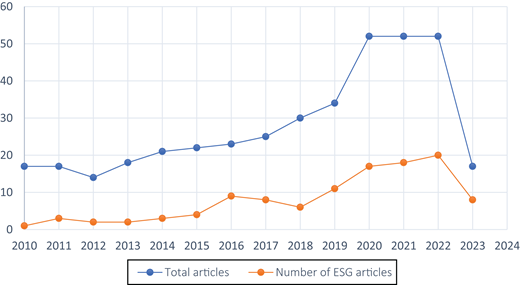
Figure 2 compares the total number of articles published in SAMPJ against the number of sustainability disclosure-related articles published during our sample period. This comparison reveals the proportional variation between the number of sustainability-related disclosure articles and the overall volume of articles published, confirming that our sample is a good cross-section of the population. The spike in the number of articles in 2020 reflects that SAMPJ increased the number of issues and started publishing more special issues. The drop in 2023 signifies that the entire year of 2023 is not included in our analysis.
In sum, our final sample includes roughly 27% of all articles and 39% of all empirical research articles published in SAMPJ during the sample period.
3.2 Data collection
In our systematic literature review, we used a comprehensive categorisation scheme to analyse the selected journal articles, as outlined in Table 2. This scheme encompasses 19 distinct categories. These categories are grouped into four analytical dimensions:
sampling attributes;
methodological approach;
authorship and affiliation; and
content and policy implications.
The categories aim to provide the context of the corpus of sustainability-related disclosure research published in SAMPJ and shed light on the following characteristics of research diffusion:
Relevance: whether research addresses questions and issues pertinent to policymakers.
Accessibility: whether policy implications are stated in locations of the article easily accessible by policymakers.
Understandability: whether the research is written up clearly and in a succinct manner to facilitate quick comprehension.
Actionability: whether the research provides targeted, actionable recommendations that are straightforward and practical for implementation.
Firstly, we examined the scope of the study to determine if the research was cross-sectoral or sector-specific. We then assessed the sector focus, identifying whether studies concentrated on the private, public or non-profit sectors, including universities. We also assessed the geographical focus of each study and whether its sample came from a single-country or multiple countries. We also scrutinised the research method used for data collection and the types of documents analysed for investigating disclosure. We specifically focused on the authors’ affiliation with non-academic institutions/roles, which include organisations in the government, and not-for-profit and for-profit sectors, anticipating that articles authored or co-authored by policymakers, practitioners or policy advocates would more prominently emphasise implications for policy.
We conducted a readability analysis of the journal articles in our sample, focusing on their full texts and abstracts separately by calculating the Flesch-Kincaid grade level, automated readability index and Gunning Fog score. These readability measures are not only most commonly used in accounting and finance research (see, for example, Loughrand and McDonald, 2014; Uddin and Chakraborty, 2022), but also Zhou et al. (2017) identified them as among the top five used, based on a review of the readability literature. The use of multiple measures of readability provides a more comprehensive and robust assessment of text complexity, as each formula considers different aspects of the text. Moreover, since the scores from each measure often diverge, using multiple measures allows us to draw more reliable inferences from their convergence. The scores derived from these formulas indicate the years of formal education a reader requires to understand the text on first reading. Texts aimed at the general public should typically have a readability score around 8, while texts with a score above 17 are considered to have graduate-level readability (Uddin and Chakraborty, 2022).
Unlike the categories in the first three analytical dimensions, the categories relating to policy implications (except for understandability) were developed inductively by reading the abstract of the articles and the full text when the abstract was insufficient/ambiguous. During the coding process, as new categories emerged from other sections of the articles, the initial coding categories were extended or revised accordingly. The categories formulated within this fourth analytical dimension, which directly responds to our main research question, were designed to understand the extent to which studies articulated and translated policy implications of their research findings, elucidating their practical applications. This detailed categorisation scheme allowed for a nuanced analysis, revealing the relevance and accessibility of the research presented in the articles, clarity of communication, depth of policy recommendations, the targeted audiences and beneficiaries and the practical actionability of the findings, ensuring a thorough grasp of each study’s multifaceted impact and relevance.
Two authors systematically coded all 108 articles using the categorisation scheme detailed in Table 2. To ensure validity of our findings, different sections of each article were systematically read to collect information pertaining to various categories. For example, the research method section was analysed for coding “sampling attributes” and “methodological approaches”. Policy implications were gathered from the abstract, introduction, discussion and conclusion sections. Our approach was not to read each article from start to finish, but rather to navigate different sections to gather the required information according to our coding scheme. To address any uncertainties or ambiguities in the coding process, the two coders engaged in several discussions with the authorship team, ensuring clarity and consensus in their coding decisions. The outcomes of these meetings were documented to refine and improve the coding criteria for the relevant categories. To further ensure the validity and reliability of the data, each author performed a cross-check on a randomly selected subset of 15 articles coded by their counterpart. This cross-coding process revealed 100% inter-coder reliability.
4. Findings
We start by contextualising the potential impact of sustainability-related disclosure research published in SAMPJ on policy discussions, identifying gaps in research that could inform policy-making. We then present our findings on how effectively these studies have translated research results to inform policymaking.
4.1 Contexts studied in sustainability disclosure research
This section documents the sectoral and industry focuses, jurisdictional diversity, research methods and data sources used in the articles we analysed. It also explains the involvement of authors from regulatory agencies, non-academic institutions or professional practice.
4.1.1 Sectoral and industry focus.
Table 3 explains the sector-specific emphasis within analysed articles, making it apparent that most studies concentrate on the private sector and cross-industry samples. Specifically, 99 articles exclusively focus on the private sector. In contrast, research on the public and non-profit sectors is notably scarce, with only nine articles examining public sector sustainability disclosures, two articles focusing on the non-profit sector and a singular study exploring the university sector. Additionally, only three articles investigate a combination of sectors, encompassing both the private and public or non-profit sectors. This gap in research highlights an opportunity to provide policymaking insights into public and third-sector organisations.
The bulk of the articles, totalling 84, adopt a cross-industry approach, using samples from multiple industries or conducting comparative analyses between industries. When a study is concentrated on a specific sector or providing a comparison of select few sectors, it enables the researchers to derive conclusions that are particularly relevant to those industries. As a result, the policy implications derived from these studies can be more targeted and specific, offering tailored insights and recommendations pertinent to the focal sectors.
4.1.2 Jurisdictional diversity.
The distribution of studies based on geographical context reveals a significant bias towards single-country research, with 77% (83 articles) of the studies focusing on individual nations (see Table 4 – Panel C). China and the USA emerged as the most commonly studied countries, each subject of 14 articles. This trend is particularly striking given the historical context, where academics from these nations have been reluctant to conduct sustainability-related disclosure research. This change marks a notable evolution in academic interests, reflecting an increasing awareness and prioritisation of sustainability issues in regions where they were once given less attention. For a detailed breakdown, refer to Table 4.
Sixty-seven studies concentrated on developed countries, whereas 40 studies targeted developing countries (see Table 4 – Panel B). Thirty-one percent of studies focus on sustainability disclosure practices in Asian countries and 24% in European countries (see Table 4 – Panel A). The limited geographic spread in research suggests a valuable opportunity to broaden coverage to underrepresented regions, such as developing countries and the African continent, where most of the global population resides. While these findings are not surprising for obvious reasons, they are significant from the perspective of informing policymaking because contextually grounded research is important for it (Moat et al., 2013; Weyrauch et al., 2016). Sustainability disclosure standards designed for developed countries and with investor-centricity may not align well with the unique contexts of developing nations and non-Western cultures. These countries differ in the level of capital market development, necessitating a more tailored approach to policymaking.
4.1.3 Research methods and data sources.
Table 5 highlights the research methods and data sources used in the reviewed studies. Document analysis emerged as the predominant method used in 58% of the studies (63 articles). There is diversity in research methods in the remaining studies. In studies conducted using document analysis (predominantly content analysis), most articles (39) primarily reference sustainability or Corporate Social Responsibility reports, while 20 articles focus on annual reports. Additionally, a smaller subset of seven articles used other types of reports, including social reports and board of directors reports. Studies using archival data, the second most common method, use sustainability scores and rankings provided by databases like ASSET4. Surveys and case studies are also notable, accounting for 10% and 9% of the studies, respectively, offering in-depth insights into context-specific sustainability disclosure issues.
4.1.4 Authors affiliated with non-academic institutions.
Our examination of the author affiliations in the articles indicates a notable absence of contributors from regulatory, policymaking or standard-setting bodies. However, six articles include one or more authors who are industry practitioners. None of the articles was authored or co-authored by persons affiliated with non-governmental organisations.
4.2 Communication of policy relevance in sustainability disclosure research
This section examines (1) how relevant the research is for informing policymaking; (2) whether the researchers make research findings easily accessible for policymakers; (3) how clearly and concisely the articles communicate with their audience, enhancing understandability; and (4) how well policy implications are articulated to enhance actionability.
4.2.1 Relevance of sustainability disclosure research for policymaking.
Table 6 presents a classification of articles by sustainability themes and the subthemes they focus. To classify the articles, we analysed whether they focus on environmental, social or governance themes or any combination of them.
Environmental issues are the predominant area of interest. Twenty-four articles were dedicated solely to exploring environmental issues, whereas another 76 articles include all three facets of sustainability or combined the environmental aspect with either social or governance aspects. This bias reflects the traditional focus of sustainability reporting on the environmental dimension. Only six articles focused solely on social issues as their primary sustainability element. Most studies integrate governance with either environmental or social themes rather than examining it independently.
According to untabulated results, the most prominent issue addressed within the environmental theme was carbon emissions and climate-related concerns (11 articles). In relation to social disclosures, gender diversity (5 articles) received special attention. The Global Reporting Initiative (GRI) guidelines/standards (15 articles), the Internal Integrated Reporting Framework (5 articles), and the SDGs (8 articles) are the most frequently featured sustainability reporting frameworks. The Sustainability Accounting Standards Board (SASB) Standards, the European Union’s Non-Financial Reporting Directive and the International Financial Reporting Standards were each the focus of only one article.
The articles have examined a wide range of topics relevant to policymaking (see Table 7). It is not surprising that more than half of the articles focus either on “exploration of reporting/disclosure practices” or “drivers or determinants of reporting”, given our sampling criteria. Twelve articles specifically examine the relationship between sustainability reporting and firm performance-related variables. Six percent of the articles evaluate reporting guidelines and standards. The topics examined as well as the diversity therein, imply that this body of research could have significant policy implications.
Next, we examined whether the research implications drawn in the articles concern an existing policy (ex post research), which evaluates the actual outcomes and impacts of a policy post-implementation, or inform the development of new policy (ex ante research), which predicts potential outcomes and impacts before the policy is implemented to aid in planning and decision making. An example of ex ante research is Connors et al. (2013), who suggest that regulators might consider alternative methods to reduce chemical emissions beyond Toxic Release Inventory disclosures. Similarly, Zeng et al. (2022) recommend that the international accounting standard setter should guide the use of photos in Corporate Social Responsibility (CSR) reports to enhance their realism and accurately reflect human rights issues within organisations. A good example of ex post research is Matuszak and Różańska (2021), who highlighted that mandatory regulations, such as Directive 2014/95/EU, positively impact the harmonisation of non-financial disclosure practices. Additionally, Pizzi et al. (2022), responding to the debates about the revision of Directive 2014/95/EU, reveal that the regulation’s main impacts include a quantitative increase in the overall number of reports disclosed annually.
We found that 32% of the articles concerned ex ante research, 38% ex post research and 30% neither ex ante nor ex post research, based on an objective evaluation of the research findings rather than on what the authors described as implications. These findings suggest that a significant portion of the research generates policy-relevant insights, with a relatively balanced focus on both forecasting potential impacts and evaluating actual outcomes, although a notable proportion of the research does not directly align with policy development or evaluation.
4.2.2 Accessibility of research for policymaking.
We define accessibility in the context of this study as the enablement of the audience to more easily access the research being presented. Highlighting policy implications in the abstract makes it easier for policymakers to quickly assess the article’s relevance and ensures important research with significant policy impacts is not overlooked. Table 8 shows data on articles offering any type of implications (i.e. policy, practice or societal) and those highlighting them in the abstract. All but one article discusses research implications. However, only 80 articles explicitly outline them in their abstracts. The remaining 28 articles, which do not provide implications in the abstract, typically relegate such discussions to the discussion and conclusion sections, requiring readers to read the full paper to uncover any research implications. SAMPJ mandates that all published articles include a structured abstract, with subsections dedicated to outlining the practical and social implications. The findings suggest a lost opportunity to better use the structured abstract format to foreground policy implications and enhance the accessibility of their research. Omission of implications from the abstract does not significantly vary by the topics addressed in the articles.
4.2.3 Understandability of the research.
On average, the articles were 9,905 words long, with abstracts averaging 304 words. The length of the abstracts ranged from 162 to 702 words, while the full texts ranged from 5,168 to 15,590 words. These findings indicate that SAMPJ publishes shorter articles than most mainstream accounting journals (see Nigrini, 2022), enabling it to attract non-academic readers, and the abstracts are sufficiently long to highlight research implications.
However, the abstracts are more challenging to read and comprehend than the full texts, as indicated by various readability measures. Scores of 18.5 for Flesch-Kincaid Grade Level, 19.0 for Automated Readability Index, and 21.8 for Gunning Fog Score imply that the abstracts require the reader to have completed a master’s degree or be in the process of completing a PhD. These scores suggest that the abstracts include complex text with advanced vocabulary, intricate sentence structures and specialised and technical content. Overly complex abstracts can deter engagement, reducing the likelihood of findings being understood and used.
In comparison, the full texts of the journal articles are slightly more accessible, assuming around 12 years of schooling based on an Automated Readability Index of 12.7 and a Gunning Fog Score of 12.3[13]. This is similar to the readability of annual reports (Bradbury et al., 2020) and sustainability reports (Uddin and Chakraborty, 2022), but much more readable than the 10-K or 10-Q filings (see Jiang et al., 2022; Loughrand and McDonald, 2014), management discussion and analysis sections in annual reports (Li, 2008) and compensation discussion and analysis sections in proxy statements (Laksmana et al., 2012) all of which require postgraduate-level education for understanding. While these statistics indicate that the articles in SAMPJ are comprehensible to policymakers without discipline-specific technical knowledge, Lambert et al. (2022) show that health policy documents are written at a level understandable by someone with nine years of formal education.
3.2.4 Actionability of policy recommendations.
This section examines how well policy implications are articulated in the analysed articles, enabling policymakers to readily use them for decision-making. We assess the nature of insights provided, the specificity of policy recommendations and the identification of target audiences and beneficiary organisations.
3.2.4.1 Nature of insights provided for policymaking.
We organised the articles into four thematically derived categories based on the main research findings described in them, as shown in Table 9- Panel A. In the first category, comprising a bit less than a quarter of the articles in the sample, the policy implications stem from an understanding of negative/positive consequences of organisational practices. For example, Singh and Chakraborty (2021) and Thompson et al. (2022) show that the adoption and reporting of CSR practices can benefit firms and their stakeholders and improve the firm’s market value, emphasising the broader positive consequences of such organisational practices.
The second category encompasses research that examines drivers of organisational practices (including sustainability reporting or auditing) and challenges faced by organisations in continuing with those practices. Approximately half of the articles belonged in this category. The implications in these articles typically take the form of policies for addressing the identified challenges or better leveraging or modifying the identified drivers to enhance sustainability reporting. The identified drivers include corporate governance variables, such as characteristics of the board of directors, unionisation (Chantziaras et al., 2021), national culture (Perkins et al., 2022), and challenges include, for example, policy uncertainty.
Articles in the third group demonstrate the prevalence of a particular organisational practice across a region, country or industry. These articles demonstrate whether a practice is emerging, mature or dying and what action policymakers could take to change or support the current course taken by the practice to enhance sustainability disclosure. For example, Demir and Min (2019) show that in the pharmaceutical industry, where there is a strong practice of sustainability reporting, discrepancies in disclosure exist in sensitive areas like human rights and supply chain issues. Farooq et al. (2021) find that sustainability reporting by companies in Gulf Coorporation Council (GCC) countries shows low engagement with and declining use of international sustainability standards. These studies underscore the need for the adoption of mandatory sustainability reporting.
In the fourth category of articles, researchers have solicited stakeholders’ views about a current organisational practice or a hypothetical or emerging/new practice. Only four articles belonged in this category, indicating that there is a scarcity of research directly engaging report users and other stakeholders.
We then analysed whether the authors use their findings to call for improving existing policies or regulations and/or the introduction of new policies or regulations (see Table 9 – Panel B). Most of the research findings are used to support recommendations to revise existing policies and regulations. They include amendments to existing regulations for encouraging CSR reporting (Chantziaras et al., 2021), calls for regulatory actions to enhance CSR disclosure practices (Liang et al., 2022; Mardini and Elleuch, 2022) and calls to strengthen regulation on sustainability assurance (Farooq et al., 2021). Only 28% of the articles contribute to the development of new policies or regulations. Of these, for example, Costa et al. (2022) call for new sustainability disclosure standards for the microfinance sector and Perkins et al. (2022) recommend cultural differences to be considered when developing new sustainability standards.
The relatively low number of articles contributing to new policies highlights a valuable opportunity for future sustainability disclosure research in SAMPJ to play a more influential role in shaping emerging regulatory frameworks. Moreover, a surprising 28% of the articles did not explicitly support the revision or introduction of policies or regulations. These articles are either vague in terms of how their findings contribute to policy or support the status quo. For example, Tarquinio and Xhindole (2022) state that their findings are useful for practitioners, regulators and other stakeholders in understanding corporate sustainability reporting without specifying how policymakers can use the findings. Similarly, Castilla-Polo and Sánchez-Hernández (2021) suggest that their results will be of interest for improving reporting without indicating how to achieve it. There is no discernible pattern across the types of research findings and the types of policy implications identified by the authors.
When we cross-tabulated the type of policy implication against the sustainability research topics (see Table 7), we found that significantly more articles focusing on “drivers or determinants of reporting”, “relationship between sustainability reporting and firm performance” and “auditing/assurance of reporting and its determinants” use their findings to recommend revisions to policies compared to introduction of new policies. For example, Mooneeapen et al. (2022) examining drivers/determinants of reporting recommend enhancing the regulatory environment and enforcement mechanisms to improve corporate governance and sustainability engagement, rather than introducing new regulations targeting environmental and social performance. Pizzi et al. (2022) highlight that the revision of Directive 2014/95/EU mainly increased the number of reports published annually, supporting the need for policy revisions rather than new regulations. Interestingly, more than 40% of the articles focusing on either “exploration of reporting/disclosure practice” or “market reaction to disclosure/value relevance of disclosure” do not recommend revision to regulations/policies or the introduction of new regulations/policies.
3.2.4.2 The target audience for research implications.
A significant portion of studies (i.e., 62 articles) target multiple groups as beneficiaries of the findings they report, including practitioners, policymakers, investors, educators and professional bodies (see Table 10). Eighteen articles discussed implications for more than two groups. Notably, practitioners and policymakers are the primary audiences, accounting for 77% and 75% of the articles, respectively. In contrast, educators and professional bodies are the focus of only 6% and 5% of the articles, respectively. A closer examination reveals that articles predominantly targeting policymakers explore environmental issues, while those aimed at practitioners have a specific focus on the GRI. For example, Jadiyappa et al. (2021) call for policymakers to consider mandating the disclosure of more impactful direct measures of environmental responsibility, such as actual energy consumption, rather than imposing quotas for CSR spending by companies. Interestingly, all articles directed at professional bodies call for policies for sustainability report assurance. For example, Cho et al. (2014) note that the benefits of sustainability report assurance extend beyond investors to enhance credibility among stakeholders.
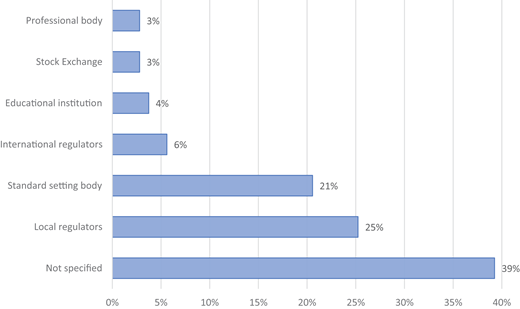
Figure 3 illustrates the outcomes of our analysis identifying the specific target audiences that the authors of the articles have pinpointed as beneficiaries of the research implications therein. This analysis differs from that in Table 10. The categorisation in Table 10 is not based on the specific identification of an organisation that could benefit from the research reported. For instance, some papers used the term “policymakers” in general rather than naming the beneficiary policymaker. Such papers were categorised as “policymakers” in Table 10 but as “not specified” in Figure 3.
Figure 3 reveals that 62% of the articles (65) specify their target audience, with local regulators (25%) and standard-setting bodies (21%) being the most frequently mentioned groups. International regulators are the focus of 6% of the articles, while stock exchanges are identified by 3% as the primary audience. Notably, 39% of the articles (42) failed to specify any type of policymaking body that could benefit from the research findings. Furthermore, only 27 articles (24%) explicitly named a policymaker or standard setter. The GRI was the most frequently mentioned institution. For example, Zeng et al. (2022) identified GRI as an international standard-setting organisations that should provide clear guidance on the utilisation of photos in sustainability reports to improve their realism and ensure that they reflect the reality of human rights issues within the organisation.
We performed a keyword search for terms identifying policymakers [14], such as “policymaker”, “regulator”, “lawmaker”, “standard setter” and “legislator”. The frequency of these terms in the articles varied significantly, ranging from a minimum of one to a maximum of 241 mentions. Interestingly, many articles that articulated research implications in their abstracts did not directly address policymakers or used these specific terms infrequently in the body of the articles. Moreover, notably nine articles (8%) did not link these implications to any specific policymaking actor despite having policy implications articulated in the abstract or body of the article.
3.2.4.3 Variety of and specificity in advocated policy actions.
Of the 108 articles analysed, 76 offered policy-related explanations with general calls for action. Twenty-eight percent of the articles making no explicit call for action, suggests a problem in communicating actionable insights. Only 45 of the 76 articles provide specific, detailed guidance on how to implement the call for action. An example of specific guidance is found in Krasodomska and Cho (2017), where the authors argue that the “[…] the introduction of minimum level of mandatory CSR disclosures into Polish accounting standards seems to be a necessity […]” (p. 5). The remaining 31 articles, while supportive of policy action, lacked the necessary detail to effectively guide policymakers in acting on the recommendations. The statement “we expect the findings to engender discussions on sustainability reporting and assurance among market participants, and also serve as a reference for regulators in the formulation of policies for the promotion of sustainability reporting and assurance to promote firm accountability and enhance transparency in the capital market” found in Thompson et al. (2022, p. 872) is representative of these types of calls.
We analysed specific policy actions called for by the author/s of the reviewed articles and inductively identified ten thematic categories into which the policy actions can be classified. The results are presented in Table 11. Specifically, 20% of the articles call for more specificity in disclosure requirements. An example of such an article is Cotter et al. (2011, p. 294), who call for “specific guidelines for the disclosure of climate change-related information and greater standardization of reporting”.
A further 17% of the articles called for regulation aimed at improving disclosure or assurance of sustainability disclosures and another 9% advocated for the introduction of mandatory sustainability reporting, especially frameworks, such as GRI or SASB standards. One of them is Williams (2015, p. 281), who stated that their results “will help to strengthen the arguments for mandated sustainability reporting requirements within the public sector”. In contrast, two articles argued in favour of keeping sustainability reporting voluntary or relaxing mandatory reporting in certain contexts. There were also calls for introducing sector-specific disclosure requirements from 4% of the articles. For example, Vila and Moya (2023) suggest establishing standards that suit the needs of business schools, and An et al. (2020) recommend that universities in Hong Kong to have guidelines specific to the university sector developed based on existing reporting models.
Strengthening or improving corporate governance regulations for promoting better sustainability performance and disclosure in companies is advocated in 4% of the articles. A good example is Guo et al. (2023, p. 332) who recommend that “policy makers and executives in the GCC countries and shareholders support more gender diverse boards, appoint more independent directors, separate the CEO and chair of the board roles, and form sustainability committees”. Bellringer et al. (2011) call for increasing the awareness of policymakers and better educating them on sustainability issues. They argue that “with increased education, policy advice, and training by organisations such as Local Government New Zealand (Link to Local government in New ZealandLink to cited article), local governments seem likely to become increasingly more aware of the value of high quality sustainability reports” (p. 134).
Half of all articles discussed policy alternatives stemming from their research findings. However, only one of those articles prescribed one or more of those options as the best choice. The findings indicate that specificity in policy recommendations is less common in sustainability-related disclosure literature.
5. Discussion
The main premise of our study is that individual academic articles have the potential to contribute to policymaking, provided the research within them is relevant and can be translated to suit policymakers. Contrary to our view, Salterio et al. (2021) contend that efforts to boost the readability of individual articles may not enhance overall knowledge transfer in standard-setting domains. They advocate for research syntheses, arguing that policymakers do not engage with individual research articles. We maintain that individual academic articles do have utility for several reasons. Firstly, readable abstracts and summaries can serve as a gateway for policymakers, sparking interest and leading them to explore the topic more deeply, potentially through research syntheses. Secondly, in a rapidly evolving field such as sustainability reporting, the most current research findings are often found in individual articles. Finally, there is evidence that accounting standard setters are interested in individual research articles. For instance, the Australian Accounting Standards Board sponsors academic conferences and workshops and commissions funded academic research. Furthermore, when standard setters or affiliated entities like the European Financial Reporting Advisory Group commission reviews of academic literature, articles that clearly highlight policy implications are more likely to be emphasised in these reviews and, consequently, influence the decisions made by policymakers. As a result, our study focuses exclusively on empirical research articles (rather than literature reviews, conceptual, or viewpoint articles) to shed more light on how the research findings in them are translated into insights for policymaking.
Having discoveries of interest to policymakers is a prerogative for translation efforts to be effective for informing policy action. Our analysis of sustainability-related disclosure research published in SAMPJ, though significantly relevant from a policymaking perspective, reveals opportunities to enhance the clarity and specificity of insights that can better capture policymakers’ interest and inform impactful policy action. Firstly, there is less research on certain sectors, geographical areas, industries, and types of institutions, indicating opportunities to expand knowledge that can better inform policymaking in those contexts. These areas include the public and not-for-profit sectors, developing countries – particularly in Africa and South America, and educational institutions and professional bodies. Secondly, the absence of practitioners and policymakers among the authors of sustainability-related disclosure research articles presents a valuable opportunity to incorporate diverse perspectives that could reveal research questions and insights not readily apparent to academics. Moser (2012) notes that collaborations beyond the academic field have the potential to drive innovation in accounting research and enhance its impact on policymaking.
Thirdly, the methodological and topic biases in the reviewed literature yield insights more suited for retrospection than for forward-looking analysis. Beresford (1994) highlights the necessity for research that addresses ex ante questions, aiding standard setters in enhancing disclosure practices proactively. Beresford (1994) underscores the significance of research guiding policymakers to pre-emptively identify and consider pertinent issues, thereby facilitating the final phase of standard-setting processes, entailing choosing among the alternatives and implementing one alternative. He notes that in this phase, the standard setters ask questions such as “what are the likely consequences or effects of each alternative? Which alternative provides the ‘best’ solution in terms of theoretical consistency, technical feasibility, and practical consequences? Do the expected benefits of improved reporting exceed the perceived costs of a new standard?” (p. 193).
Our study reveals that research methodologies capable of answering these ex ante questions, such as surveys, interviews, case studies and experiments, are relatively underused in the published research, presenting opportunities for future studies to broaden methodological approaches. These methods are instrumental in capturing the nuanced perspectives of various stakeholders, including investors, consumers, and the broader community. Similarly, the current emphasis in the literature on delineating sustainability-related disclosure practices and elucidating the drivers and determinants of such disclosures has laid a strong foundation but also signals the need to expand understanding of the evolving disclosure needs of various stakeholders and how different types of information influence their decisions. Surveys and interviews can provide direct insights into stakeholders’ expectations and preferences regarding the types and nature of sustainability-related disclosures. Case studies offer in-depth analyses, providing a situated and context-specific understanding of the practices of organisational participants in the context of sustainability-related reporting. Experiments, on the other hand, allow researchers to test the effects of different disclosure formats or contents in controlled settings, yielding evidence to guide the formulation of effective disclosure standards. These methods can provide critical insights into what constitutes ‘material’ information for different stakeholder groups, thereby contributing meaningfully to ongoing debates about materiality in sustainability disclosure standards.
Finally, a gap exists in the examination of policymaking in relation to environmental disclosures beyond climate-related reporting and societal and corporate governance-related disclosures. The drive by governments and corporations to achieve the SDGs and the interconnections that exist between the SDGs amplify the need for policymaking in these currently less-researched topic areas. Failures in governance can lead to detrimental social and environmental outcomes, underscoring the need for robust policy frameworks that ensure corporate accountability, transparency, and ethical decision-making. These frameworks are essential for steering companies towards sustainable practices that align with societal expectations and the broader objectives of the SDGs.
Effective translation of relevant research depends on the accessibility, understandability and actionability of the research and its implications. All but one article in our sample included at least some implication (i.e., policy-relevant or otherwise), likely influenced by the editorial policies of SAMPJ. This journal explicitly mandates authors to articulate policy implications, shaping content through its editorial process – a commendable practice upheld since its inception. This ensures that sustainability-related disclosure studies published in SAMPJ do more than simply “extend the literature” or speak only to academic audiences, unlike top-tier accounting journals (Moser, 2012). An opportunity to enhance the accessibility and reach of impactful research emerges from the findings that approximately a quarter of the analysed articles omit research implications from their abstracts, while many others lack explicated policy implications and are written in less accessible language. Since many policymaking bodies lack database access and depend on publicly available abstracts, value of improving abstract clarity to broaden research uptake is amplified. Moreover, as the entry point to the article, the abstract plays a critical role in encouraging further engagement. Recognising that policymakers are unlikely to read full academic articles (Boyle et al., 2020a), even when accessible, underscores the importance of presenting key findings and implications clearly and concisely in the abstract and early sections of the research paper. Boyle et al.’s (2020b) survey of academics publishing in practitioner journals reinforces this, while also stressing the impact of a well-crafted introduction and a succinct, informative conclusion or summary.
In terms of actionability, sustainability-related disclosure studies predominantly offer insights of a generalist nature (e.g. negative relationship between sustainability reporting and cost of capital) instead of specific recommendations for policymakers to act upon. To offer specific policy-relevant insights, Leuz (2018, p. 584) argues that academic research should “devote much more effort towards understanding the regulatory ‘plumbing,’ i.e. the details of regulation, its implementation and the interplay of rules […]”. Only a few studies in our sample had engaged with policy questions at the deep level recommended by Leuz (2018). Collaborations with policymakers and practitioner co-authors could enrich research with this understanding of the regulatory plumbing for generating specific recommendations. Increased actionability is associated with specificity in recommendations, and this requires the identification of policymaking bodies standing to benefit from the research findings and explaining what actions those policymakers ought to take in response to the findings. In addition to limited engagement with policy questions, most studies neglect to propose policy alternatives or prescribe specific actions based on their findings. Our findings demonstrate significant scope for improving translatability of research by authors dedicating more effort to writing their conclusion sections, which carry research implications. Moreover, policy questions should drive the research. They should not be an afterthought for the conclusion section, and writing a structured abstract.
6. Conclusion and future research
We delved into the issue of translating sustainability-related disclosure research into policy-relevant information when writing journal articles. Our paper addresses the longstanding issue of the limited impact of accounting research on policymaking and is motivated, particularly, by the recent need to inform sustainability reporting standard setting. Our analysis is predicated on the need to communicate research effectively to policymakers, emphasising the need for clear, concise and compelling narratives that connect research to real-world implications for policymaking. We conducted a systematic literature review of empirical research articles published in SAMPJ from its inception until mid-2023, analysing their research focus, methodologies, author affiliations, readability and various attributes concerning the communication of policy implications.
Our review of policy implications in the sample of articles suggests that authors often merely comply with journal templates that require a policy implications section, resulting in superficial explanations of policy relevance. The experience of the first-named author of this paper, who is a seasoned reviewer and journal editor, underscores this issue. His experience is that authors frequently need to be reminded to clearly articulate policy implications and make them specific, practicable, and actionable. This recurring need for prompting indicates a broader challenge within the academic community. A systemic change is needed to emphasise the role of academics as public intellectuals, accountable to society. This shift would move academics away from the mechanistic pursuit of publishing research solely for career advancement and workload fulfillment. Instead, it would foster a culture where the societal impact and practical application of research are paramount, aligning academic efforts with broader public interests.
Based on our findings, we offer several recommendations to enhance the policy relevance of sustainability-related disclosure literature to the extent that our findings based on the analysis of articles in SAMPJ are representative of sustainability-related disclosure literature. Firstly, there is a need for more in-depth studies on governance and social dimensions of sustainability accounting. Secondly, research should be expanded in underrepresented sectors, such as the public and non-profit sectors, and underexplored geographical areas, particularly in developing countries in Africa and South America. This would ensure a more globally inclusive approach and help formulate policies better suited to diverse economic and developmental realities of countries. Thirdly, policy considerations should be integrated in the research from the inception. Collaborating with policymakers during the research design phase can ensure that the questions addressed are of practical relevance, enhancing the applicability of research findings, facilitating their translation into actionable policy recommendations and fostering innovative research. Burritt and Tingey-Holyoak (2011) promote the use of transdisciplinary research to provide solutions to ecological crises. We argue that this approach has utility for promoting evidence-based policymaking as it also encourages collaborations between researchers from different disciplines with stakeholders and the community.
Fourthly, more research should be directed at answering ex ante questions important for policymaking. Methodologies such as surveys, interviews, case studies and experiments are more suitable for it. However, we acknowledge that ex post research, when carefully designed, can also yield critical policy insights by evaluating the real-world impacts of existing policies and helping identify what has worked, what has not and why. Researchers conducting ex post studies should be encouraged to explicitly reflect on what their findings imply for future policy development, thereby complementing forward-looking research with lessons from past interventions. Finally, journals should mandate robust, actionable policy implications in their guidelines and editorial teams should enforce this requirement through the review process. By challenging researchers to embed policy considerations and make them centre stage, we can move beyond tokenistic mentions of policy relevance and towards meaningful contributions to policymaking.
The framework we used to analyse the diffusion of sustainability-related disclosure research into policy-relevant insights and our observations have led to the development of a set of recommendations stated in Table 12 below to help authors enhance the impact of their research.
While the inherent time lag in the academic peer-review and publishing processes could render even the most policy-relevant research outdated by the time it gets published, there are mitigating factors such as reducing publication times, the use of preprint services, Open Access publishing models, and institutional repositories that provide hope for more rapid dissemination of research findings to policymakers. However, we do emphasise that policymakers too should proactively engage with academic research, as evidence-informed regulation and policy are public goods that yield broad societal benefits.
Our findings have implications for policymakers. Firstly, policymakers can enhance the production and publication of policy-relevant research by actively engaging with academic institutions through initiatives like research grants, commissioned studies, appointing academic liaison officers and setting-up research depositories, and by encouraging collaboration between their staff and academics. Secondly, considering the limitations identified in journal abstracts, policymakers should extend their review beyond these summaries to fully capture the relevant research for decision making. To support this, regulators could commission academics to synthesise relevant research into accessible, policy-focused summaries that go beyond abstracts and aid informed decision-making. Thirdly, governments and regulatory bodies should mandate that their staff demonstrably incorporate research evidence when crafting significant policies and regulations.
This study has some limitations. Firstly, selecting articles from a single journal, despite SAMPJ’s suitability for assessing the contribution of sustainability-related disclosure research to policymaking, limits the generalisability of our findings. However, inclusion of papers from different journals if the sample were expanded to include articles from journals that neither specialise in sustainability research nor have a clear mandate for their papers to address practical and policy implications would necessitate a comparative analysis, which would have required us to divert from our primary focus. Hence, we call for research into other journals to compare, validate and extend our conclusions. Given the significant emphasis SAMPJ places on engaging with policymaking, we expect researcher engagement with policymakers to be less in other journals. i.e. the problems we identify in relation to research diffusion in this paper is likely to be worse if the sample came from elsewhere. Secondly, our analysis excludes literature reviews, viewpoints and conceptual research. While such work is often valuable to standard setters and policymakers – particularly for synthesising evidence and shaping high-level insights – our focus is on empirical studies to ensure consistency in evaluating how original research is translated into policy impact. We acknowledge that conceptual and review papers may exhibit different patterns of engagement and impact in policymaking, and therefore, our findings may not be fully representative of the broader research landscape. Hence, we call for future research to extend our analysis by examining conceptual, viewpoint and review articles.
Thirdly, in our paper, we have conceptualised translation in a literal sense, focusing on the direct transfer of information, without considering critical aspects of translation that involve emphasising certain elements while de-emphasising others. Our approach aligns with a positivist epistemology, which emphasises objective, straightforward communication of research findings. The way translators apply various translation rules significantly impacts the outcomes of knowledge transfer processes (Røvik, 2016). Interpretive approaches highlight the importance of understanding both the source and target contexts and the meanings constructed within them. Critical theory emphasises the role of power dynamics and ideological biases in shaping how knowledge is transferred and transformed. Future research could operationalise translation theory, possibly through qualitative research methods, to better understand the nuances in translation of research by authors for shaping policy.
Acknowledgements
The authors would like to express their sincere gratitude to the four anonymous reviewers and the Associate Editor for their constructive and insightful feedback over three rounds of review, which significantly improved the breadth, depth and quality of this research paper. Authors are especially grateful to Professor Carol Adams, Editor of the journal, for encouraging us to write this paper and for her guidance and support in responding to reviewer feedback. Authors also thank the participants of the 5th Global Chinese Accounting Association Summit held in Guangzhou, China in 2023, where the first version of this paper was presented and the attendees of the research seminar at Universidade Federal do Rio de Janeiro (UFJR), Brazil in December 2023 for their helpful comments. In particular, authors are grateful to Professor Aracéli Cristina de S. Ferreira of UFJR for her valuable suggestions and thoughtful critique.
Notes
However, we do not argue that all academic research could and should contribute directly or indirectly to policy and practice (Tucker and Parker, 2014).
There has been a significant growth in open access journals. Authors are increasingly able to self-archive their pre-publication manuscripts in institutional and discipline specific open access repositories. Universities have agreements with publishers to get the article processing fee waived for a percentage of publications.
An exception might be management accounting research. However, management accounting research is predominantly oriented towards practice, in contrast to, for example, financial accounting or sustainability accounting research, where policy relevance or relevance for standard setting is often of equal, if not greater, importance.
The papers and discussions from this symposium were published in Abdel-Khalik and Keller (1978).
Wood’s (2016) survey reveals that accounting academics criticise reviewers for overemphasising incremental contribution and rigor, neglecting practice-focused research.
Moser (2012) notes that the utilisation of behavioural economic and psychological theories is becoming more common in recent years in articles published in the top five North American centric journals.
Boyle et al. (2020b) demonstrate that tenured faculty members with extensive practice experience frequently publish in practitioner journals.
As SAMPJ occupies a niche within the periphery of accounting research, it enables us to examine the policy relevance of studies published outside the so-called “mainstream” accounting journals. SAMPJ is one of only two journals ranked “B” or higher by the Australian Business Deans Council journal ranking system that specialise in sustainability-related business research. The other journal is the Social Responsibility Journal.
SAMPJ shares with Accounting, Auditing and Accountability Journal the highest Scopus CiteScore for 2023 among accounting journals. SAMPJ’s CiteScore for 2023 is 9.5 and CiteScore Tracker for 2024 is also 9.5. It has a five-year Impact Factor of 5.9. Our reference to SAMPJ as occupying a position in the “periphery” of accounting research is not based on citation metrics but rather on its intellectual orientation. As discussed by Gendron and Rodrigue (2021), the term reflects SAMPJ’s openness to interdisciplinary, qualitative and policy-oriented research that sits outside the methodological mainstream of North American accounting journals.
In a personal email to the authors dated 8 March 2022, the Editor-in-Chief of SAMPJ stated: “SAMPJ was established because no other journals in the field required authors to draw out the practice and policy implications of their research. I am still not aware of any that do. There was very little research that engaged with organisations and policy makers to facilitate this type of research […] It has always been a requirement of SAMPJ to draw out practice and policy implications of the research in the abstract and conclusions. The pressing social and environmental challenges facing the planet, and its inhabitants brings a need for a shift away from research for the sake of research. Since the journal started publishing in 2010, I hope we have got better at this as a community”.
We define empirical research as research based on direct and indirect observation or experience, rather than relying on theories, logic or argumentation alone. Empirical research involves the collection of data through observation, experimentation, surveys or interviews or use of archival data.
Predominantly, the excluded articles were associated with integrated reporting but lacked a specific focus on environmental, social or governance-related reporting.
In contrast, the Flesch-Kincaid Grade Level of 15.75 for full texts indicates that they are suitable for readers with a graduate-level education.
The keywords used are: policymaker*, policy maker*, policy-maker*, regulator*, law maker*, law-maker*, law giver*, law-giver*, standard* setter*, standard*-setter*, legislator*, official*, authorities