This paper aims to examine the influence of big data (BD) on human resource management (HRM). It defines how these data can be a useful tool in the decision-making process of companies’ human resources to obtain a sustainable competitive advantage.
This paper emphasizes the need to develop a holistic approach to emphasize these relations. Starting from these observations, the document proposes empirical research employing Eurostat data to test the benefits of BD in HRM decisions that optimize the relationship between training, productivity, and well-being.
The findings estimate HRM decisions and their impact in a broader macroeconomic and microeconomic perspective.
BD research is emerging as a crucial discipline in human resources. To overcome this problem, the paper develops an analysis of the literature on cleaner production and sustainability context; it creates a conceptual framework to clarify whether the existing studies consider the growing intensity of BD on human resources.
1. Introduction
The power of big data (BD) is growing within organizations. It is transforming the landscape of economic value creation (Blazquez and Domenech, 2018) while opening new and fascinating scenarios in human resource management (HRM) processes that are the highest value for any organization and a rare, inimitable and irreplaceable mine of production factors (Purcell et al., 2003; Pfeffer, 1994; Prahalad, 1983; Ratner, 2020).
The potentialities and benefits that these huge amounts of data originated are enormous (Wamba et al., 2017; Resch et al., 2021). Making good use of tetra-bite information requires enormous cultural efforts within the organization that only human resources, the driving force of the company's individual, interpersonal and organizational change, can support.
Nevertheless, few types of research have tackled the impact of BD in HRM and its various applications in organizations. Thus, exploratory empirical literature on the topic remains at a rudimentary state (Gupta and George, 2016; Wamba et al., 2017), reducing BD's application strategic potential in HRM (McAfee et al., 2012; Mikalef et al., 2018). Effectively, one of the most significant corporate applications of BD consists of contributing to a better understanding of changes and the making of predictions (Jun et al., 2018) within a multidimensional framework including “IT infrastructure, operational, organizational, managerial and strategic aspects” (Wang et al., 2016, 2020).
Throughout tools such as data mining and business analytics, techniques that use algorithms to analyze enormous quantities of data such as information on "employment history, skills and competencies, formal educational qualifications, and demographic information” (Angrave et al., 2016; Alaimo and Kallinikos, 2021), career and salary, BD are relevant in the transformational processes of companies, which aim to plan and create value. It is a new value that produces a responsible and sustainable competitive advantage.
However, also research on the impact of BD on sustainability (in terms of sustainable performance) is discontinuous (Dubey et al., 2017) and limited, leaving a largely unchartered territory of research, even if it is critical to grasp better how to use BD to render it an HRM's competitive advantage for managing structures, processes and organizational cultures.
Therefore, this paper intends to find out when and how the integration of BD technologies and HRM practices (in terms of training) enhances firms' operational and sustainable performance.
The conceptual idea of the paper starts from the Triple Bottom Line (TBL) model, which considers three components: the natural environment, society and economic performance (Elkington, 1994, 2004). According to this model, the sustainable advantage, which translates into economic, social and environmental benefits, considers employees as stakeholders and adopts an integrated vision of HRM with long-term strategic planning.
The primary purposes of this study are three: (1) describe and explain the existing scientific research, develop a systematic literature review to bring to light the ability of companies to integrate and improve HRM with BD technologies, as well as their influence on sustainable performance; (2) using the findings of the review for identifying a conceptual holistic research model; (3) testing empirically the model with a study: through a holistic approach, the document proposes empirical research employing Eurostat data to test the benefits of BD in HRM decisions that optimize the relationship between training, productivity and well-being.
In order to achieve this, the paper is structured in seven sections. After the introduction (Section 1), Section 2 describes the main steps adopted to conduct a systematic literature review. Section 3 offers the data sources and search strategy from which it is possible to deduce the main research areas observed by literature studies on BD and HRM. Section 4 develops empirical research on the VAR model's relationship between training, productivity and well-being. Section 5 shows the results of empirical research, while Section 6 discusses the results of systematic literature review and empirical research, as well as identifying avenues for further research. Lastly, Section 7 serves as the conclusion.
2. Review background
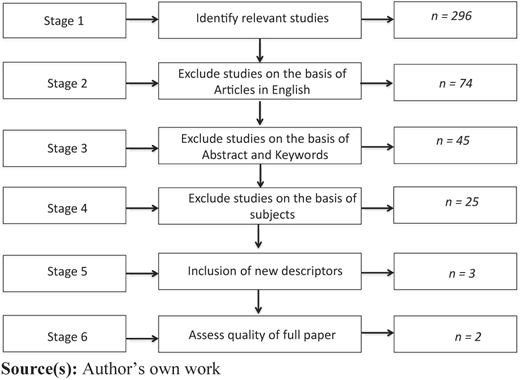
In this paper, we have used the methodology by Ngai and Wat (2002), Kitchenham (2004), Brereton et al. (2007), Kitchenham et al. (2009), for a systematic literature review. First, a revision protocol followed; then, the inclusion and exclusion criteria were established to reveal significant research for the analyzed topic. This was followed by the critical evaluation, the extraction of the data and the synthesis of the results. The following figure describes in detail the process (Figure 1).
3. Data sources and search strategy
3.1 Description of the review process: data collection
A systematic literature analysis was developed in the Web of Science (WOS) and SCOPUS databases. The descriptors carefully chosen to examine the scientific production were “Big Data,” “Human management,” “Human resources management” and “Talent management.”
3.2 Description of the inclusion criteria
Investigation showed that scientific production started in 2013 and has 296 papers. Those written in “English” were 74 (70 in Journals and 3 in Trade Publication), all published between 2013 and 2020 (see Table 1).
3.3 Description of the sample analysis
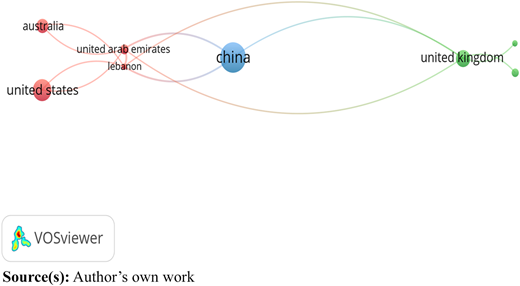
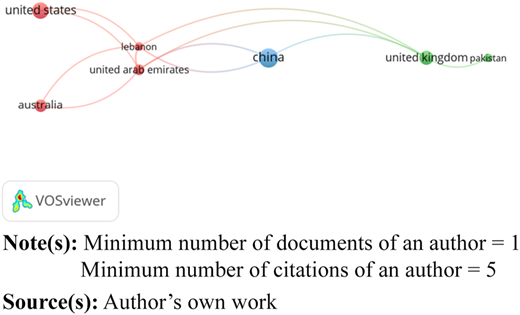
Chinese, American and English authors (see Table 2 and Figure 2) mainly focused on research areas such as Engineering, Computer Science and Business, Management and Accounting, even though other regions were concerned (see Table 3) (see Figures 3–8).
Selected journals and highly cited articles are in the following Tables 4 and 5:
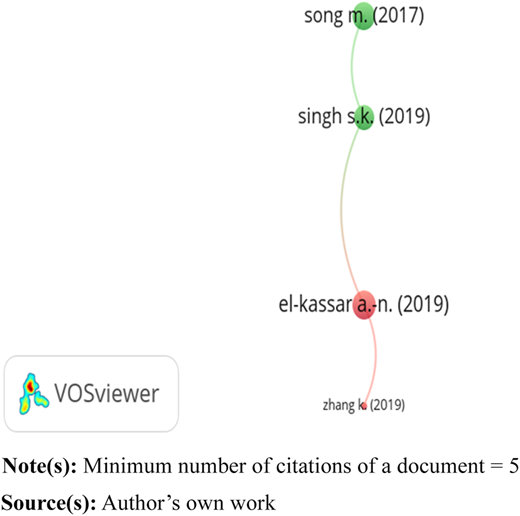
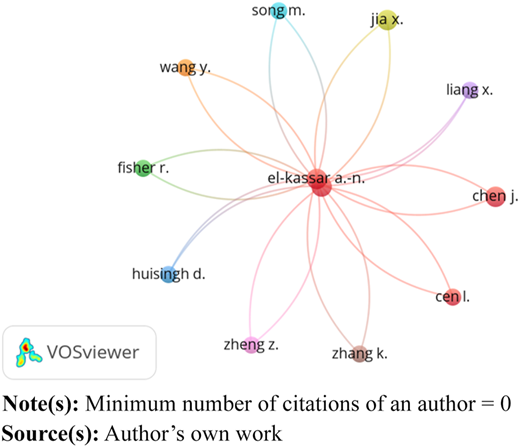
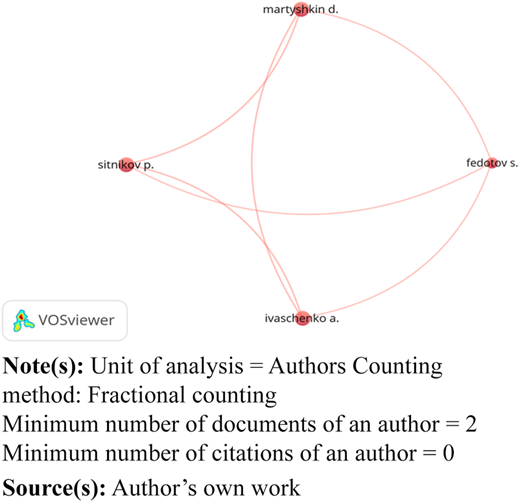
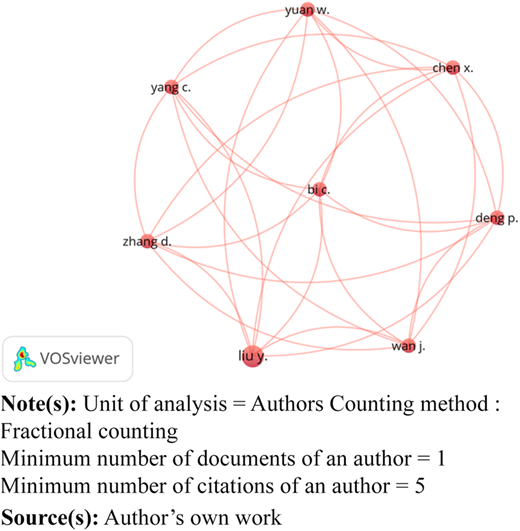
In the following figures are visible the maps of the citation by countries, citations by authors and coauthorships:
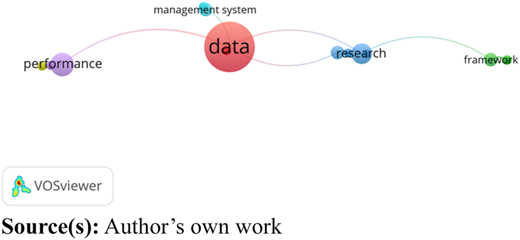
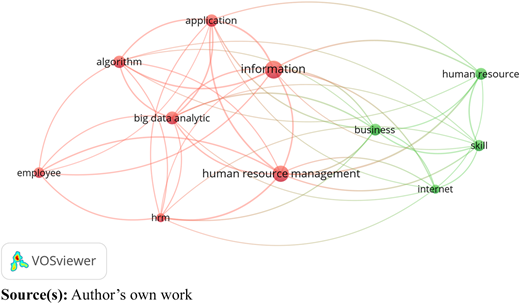
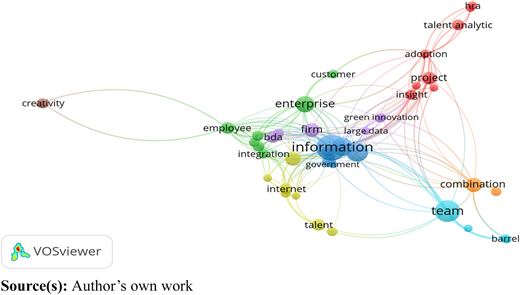
Following this classification, all papers were examined, and those out of our study's scope were excluded. This second screening process was based on the analysis of “Abstract and Keywords,” and the result gave 45 relevant articles (Figures 9 and 10) using a combination of the following keywords: “Big Data,” “Human Management,” “Information Management,” “Data Analytics,” "Big Data Analytics,” “Decision Making,” “Human Resources Management,” “Human,” “Resource Management,” “Human Resource,” “Machine Learning,” “Personnel,” “Sustainable Development,” “Artificial Intelligence,” “Innovation,” “Internet Of Things,” “Managers,” “Natural Resources Management,” “Performance Assessment,” “Big Data Era,” “Employee,” “Employment,” “Enterprise Human Resource,” “Environmental Management,” “Green Innovations,” “HR Analytics,” “Industry 4.0,“ “Information Management Systems,” “Information Systems,” “Management,” “Organizational Performance,” “Performance Management,” “Quality Management,” “Talent Management,” “AI,” “ Environmental and Organizational Performance,” “Behavioral Research,” “Big Data Analysis,” “Big Data Analytics (BDA),” “Big Data Applications,”“Big Data Decision-making Capability,” “Blockchain,” “Business Intelligence,”Artificial Intelligence and Talent Management.”
The third phase of the process, assessed based on subjects, consisted in identifying relevant articles that allowed focus only on 25 papers, classifying them by research approach into seven categories: Conceptual, Review, Data Analysis, Survey, Experimental, Case Study and Developmental (see Table 6).
3.4 Synthesis of findings
Our investigation revealed that BD usage could benefit different categories of HRM (see Table 7).
At the fourth step of our investigation, it became necessary to introduce new descriptors, such as “sustainability,” “environmental management” and “Triple Bottom Line.” From this further evaluation, only four papers appeared (3 articles and 1 article in press) and were published between 2016 and 2018 in the following journals: “Human Development and Interaction in the Age of Ubiquitous Technology,” “International Journal of Information Management,” “Journal of Cleaner Production” and “Technological Forecasting and Social Change.”
Following their classification by research areas, two main categories were identified: Business, Management and Accounting, and Computer Science, even though other regions were treated, as demonstrated in Table 8.
At the final phase of the process, the four selected papers were crossed with the other previously analyzed documents. Two papers were finally excluded because they were out of the scope of our study. In the end, only two articles were in line with the research topic (El-Kassar and Singh, 2019; Singh and El-Kassar, 2019). Both papers highlight the links between HRM, sustainability, BD and performance (as shown in Table 9).
This paper has developed a literature review of BD, HRM and sustainability in the largest abstract and citation database of peer-reviewed publications called SCOPUS. The literature review found 25 relevant articles published on these topics. The analysis of the related papers shows that since 2013, new literature has continued to emerge, highlighting how BD are being applied to revolutionize HRM, indicating that the transformation is underway. However, there has been little indication (only two papers) on the impact of environmental sustainability on BD and HRM and vice versa, even if the “green economy” is imposing a profound rethinking of the HRM.
Findings indicate that, at varying levels, scholars from all research areas who are particularly interested in Engineering, Computer Science and Business, Management and Accounting fields are demonstrating a growing interest in BD and HRM, especially those from China, the USA and the UK. BD research is emerging as an essential discipline in the HRM field. Virtually all HRM subareas deserve special attention, including the following: people resourcing, learning and development, career, employee relations, performance and awards and a flexible work system. Investigations are mainly conducted through case studies and conceptual papers, meaning an increasing need to develop an integrated and standardized method for managing human resources in organizations.
4. Conceptual framework and empirical research hypotheses
For the conceptual framework, this paper draws upon the dynamic capabilities (DC) approach, such as in Singh and El-Kassar's (2019) studies put in light of the literature review. According to this theoretical lens, companies need to constantly develop resources able to integrate and/or reconfigure competencies internally and externally (Teece et al., 1997). Moreover, in this perspective, the company's ability to renew its skills needs to be in tune with environmental changes. In this regard, several BD studies have demonstrated the applicability of the dynamic capabilities view, arguing that BD technologies are resources that support firms operating in turbulent contexts (Wamba et al., 2017; Dubey et al., 2017) and examining their influence on firm performance.
Considering the context of sustainability, dynamic capabilities can be referred to as the ways in which companies implement and reconfigure BD technologies and HRM practices to achieve sustainable performances (e.g. Eisenhardt and Martin, 2000; Teece et al., 1997). It's evident, therefore, that a strong accent needs to be laid on human capital adapting to the company's new requirements.
Based on these observations, this paper develops a conceptual model that focuses on HRM decisions aiming to test the relationship between training, productivity and well-being. It consists of 6 factors, namely: education (E), IT training (ITT), IT personnel (ITP), productivity (P), well-being (WB) and social exclusion (SE).
Understanding the effects of these factors can support managerial strategies in effectively implementing sustainable HRM practices to perform better, be more competitive, and gain more market quotas, despite the turbulence. Adaptability theory proposes that organizations must possess the ability to adapt to changing circumstances to achieve sustainable success. Integrating BD analytics (BDA) into HRM, practices offers a valuable tool for enhancing organizational adaptability and ultimately fostering sustainability. This article explores how BD and HRM can be combined using the lens of adaptability theory to pave the way toward sustainable practices. Adaptability theory provides a valuable framework for understanding the role of BDA in HRM and its influence on organizational sustainability. By integrating BDA into HRM practices, organizations can enhance their adaptability by improving environmental scanning, sense-making, flexibility, learning, employee empowerment and change management. This integration ultimately paves the way toward sustainable practices by enabling organizations to make data-driven decisions, respond to emerging trends and align HRM strategies with sustainability goals.
The link between training, performance and wage is one of the most researched topics in the field of economics (Bartel, 1995). However, the implications of these variables are far-reaching, with echoes in macroeconomic variables such as GDP per capita and social exclusion.
To estimate the impact of HRM decisions on employees' performance and observe the implication of these decisions in a larger picture from a macroeconomic point of view, we have considered both microeconomic and macroeconomic variables. Thus, having in mind the implications, both from macro and microeconomic points of view, and in order to test and contextualize these relationships, we have developed empirical research, implementing a VAR model and taking into consideration two variables that are responsible for BD generation: IT training offered by enterprises and IT personnel, focusing upon the HRM decisions that are aiming to optimize the relationship between training, productivity and well-being.
Our hypotheses are based on the augmented Solow neoclassical and the “new growth theories,” and the role of education on productivity, well-being or social exclusion is almost axiomatical. Thus, human capital, as an extra input, directly influences productivity and hence well-being and social exclusion. According to Sianesi and Reenen (2003), a one-year increase in average education is found to raise the level of output per capita by between three and six percent according to augmented neoclassical specifications, while leading to an over one percentage point faster growth according to estimates from the new-growth theories.
Thus, starting from the findings of the literature review and the macro and microeconomic implications, we were able to formulate the following hypothesis:
Education (regarding both employees with tertiary and IT education) has a positive effect on productivity.
Education (regarding both employees with tertiary and IT education) has a positive impact on the well-being.
Education (regarding both employees with tertiary and IT education) has a negative impact on social exclusion.
IT training in enterprises has a positive effect on employees (regarding both employees with tertiary and IT education).
The need to implement IT training will decrease when more IT personnel are hired.
Hypotheses 4a and 4b are related to training and its impact on productivity. Training increases the marginal product of labor more than the wage, which creates incentives for the firm to invest in general training (Konings and Vanormelingen, 2015). In addition, taking into consideration the fact that the industry is full of 4.0 transformation, it makes sense the need to invest in IT&C personnel and the training by which they can transfer know-how and skills to other workers. However, IT&C personnel, considering their average salary, imply additional costs for the entity. Therefore, a cost-benefit analysis is required on this issue. In order to perform the case study, the following variables have been considered: GDP per capita, employees with tertiary education, employees in the IT field, real labor productivity per person, people at risk of poverty or social exclusion, enterprise-provided training to their personnel to develop their ICT skills.
For our case study, we have used an unrestricted panel VAR, one of the most flexible and versatile research instruments, as we can test different hypotheses. Thus, because of the interdependencies between the variables selected, and the bidirectional impact between them, we have concluded that a VAR panel model is the optimal type of research methodology. The model that we have opted for is original and, since the variables are integrals of different orders, is taking into consideration the recommendations of Harvey (1990). According to Canova and Cicarelli (2013), panel VAR models are best at determining the explicit microstructure present in DSGE models and, as their VAR counterparts, attempt to capture the dynamic interdependencies present in the data using a minimal set of restrictions.
Thus, because of the interdependencies that are common between our variables and the impact between them is mutual, we have opted for this unrestricted VAR Panel model, which because of its versatility, can be easily used for testing the hypothesized relationships between the variables considered. Thus, using the Eurostat database, we have taken 28 cross-sections regarding the European Union member states from 2012 until 2018.
Model:
LEGEND:
Variable Explanation
GDP GDP per capita
Employees3 Employees with tertiary education
Itemployees Employees in the IT field
Productivity Real labor productivity per person
Exclusion People at risk of poverty or social exclusion
Ittraining Enterprise provided training to their personnel to develop their ICT skills
After the estimation of the VAR, all the necessary tests were performed in order to continue further with the VAR methodology. As observed in Table 10, the number of lags is 1.
Also, in Table 11, it can be observed that the VAR satisfies the stability condition after performing the stability test.
The VAR satisfies the autocorrelation condition, as presented in Table 12. For assuring the autocorrelation, it used the LM test, and it is possible to observe that for lag 1, the condition is satisfied.
Also, one can see in Table 13 that the VAR model respects the heteroskedasticity conditions, and therefore, it is possible to proceed forward with impulse response functions (see Table 14).
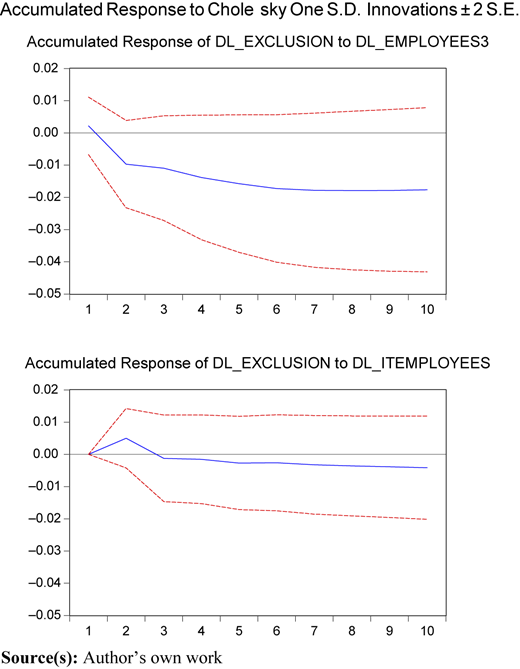
After performing the necessary tests for ensuring the VAR robustness, we have performed the impulse-response functions in order to observe the response of certain variables to the impact of others, according to our hypotheses. We have obtained a general overview that could be a starting point for HRM decisions with this approach.
5. Results of empirical research
5.1 The response to productivity
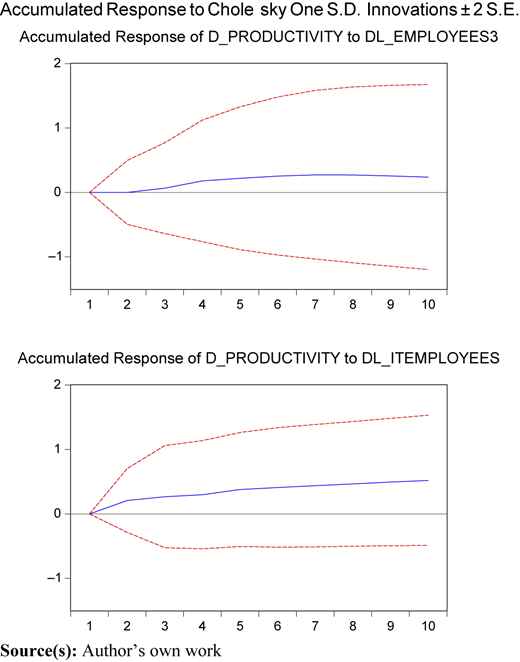
By looking at Figure 11 (a and b), it is possible to validate hypothesis H1, as the impact of the employees with tertiary education and IT education is having a positive effect on productivity. This makes perfect sense-being in line with mainstream literature stating a positive impact.
However, a new interesting observation resides in the impact as IT employees have a more significant effect on productivity than tertiary education ones.
5.2 The response of wellbeing (taken as GDP per capita)
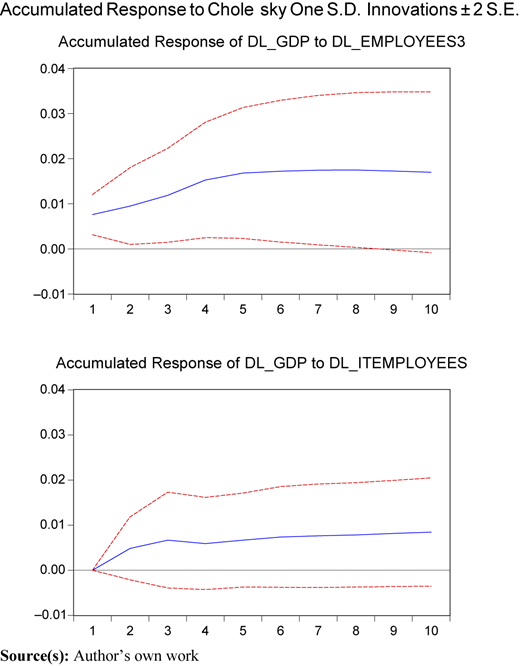
Figure 12 (a and b) show that the impact of the employees with tertiary education and IT training is positive, thus confirming hypothesis 2. Besides, it emerges that tertiary education employees have a more significant impact on well-being (taken as GDP per capita) than employees with IT training.
5.3 The response to social exclusion
As observed in Figure 13 (a and b), the response to social exclusion is negative, thus proving our hypothesis H3 to be right. Therefore, it makes perfect sense that by increasing educational attainment, there will be a decrease in social exclusion. However, it emerges that tertiary education has a more significant impact than IT training.
5.4 The influence of IT training on enterprises
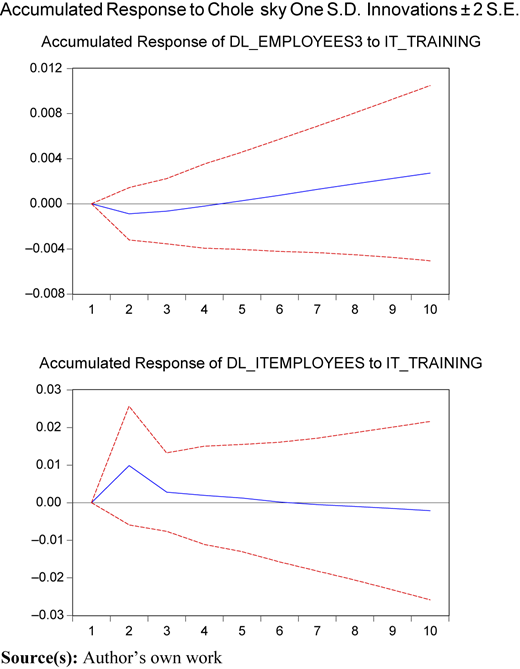
Figure 14 (a and b) highlight a divergent response to IT training. Thus, the number of employees with tertiary education negatively reacts to IT training, but after year 5, the impact turns positive. Therefore, companies' shock of IT training is resorbed, so IT training in enterprises has to be continuous to respond to the fast changes in IT skills. In terms of IT employees, the impact is positive; there will be a need for IT personnel. However, with time, as the training continues, the need for IT personnel is no longer as high, as certain employees can take the skills needed in terms of IT education. So, the continuous IT training offered by enterprises is reducing the need for IT personnel.
Therefore, hypothesis 4a is confirmed partially, as the impact becomes positive after year 5 in Figure 14 (a and b), is positive in the beginning, and turns negative.
5.5 The response of IT training to increasing IT employees
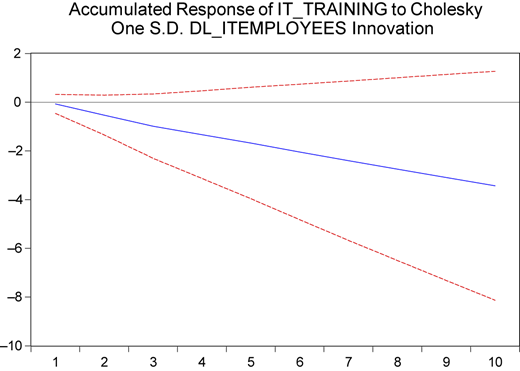
In Figure 15, we observe the response of IT training in enterprises to the increase of IT personnel. IT training will decrease when more IT personnel are hired, thus confirming hypothesis 4b. This response makes perfect sense, as the tasks performed by IT personnel are replacing the skills created by training. Thus, the company will need to perform a cost-benefit analysis to observe which decision is more appropriate regarding both HRM and a financial perspective.
5.6 Control variable: response of social exclusion to increasing GDP per capita
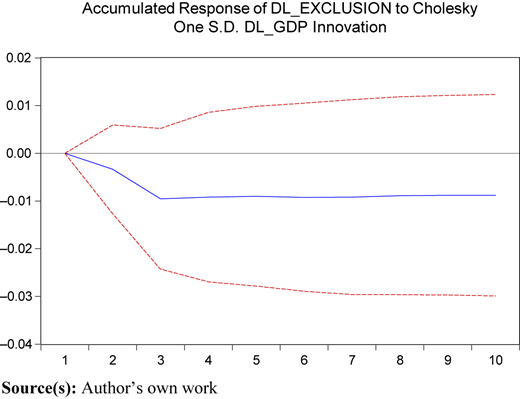
Figure 16 was used to control variables to observe if the social exclusion is decreasing, while the GDP per capita is increasing. Our control variables are correct since the literature review confirms that by increasing GDP per capita, in ceteris paribus conditions, the social exclusion will decrease.
5.7 Summary of findings
6. Discussions of findings
BD research is emerging as an essential discipline in the HRM field, even if it's still discontinuous and limited. Virtually all HRM subareas deserve special attention: people resourcing, learning and development, career, employee relations, performance and awards, as well as a flexible work system. Investigations are mainly conducted through case studies and conceptual papers, meaning that there is an increasing need to develop an integrated and standardized method for managing human resources in organizations and transforming BD into a real sustainable advantage for companies. Using highly complex information could support managerial strategies to plan actions for future scenarios. The systematic literature review, developed in the first part of the paper, has demonstrated that using BD bring many benefits in corporate operational and strategic HRM. It is becoming increasingly clear that we are facing a new era of HRM, one in which new technologies, BD, artificial intelligence and the latest developments in work-from-home phenomena will shape the major trends of HRM faster than we would have expected a few years ago.
6.1 Operational HRM
6.1.1 People resourcing
Managing people remains a top organizational priority. The proliferation of BD has given rise to new ways of organizing employees. Based on employees' characteristics (Fathian et al., 2017) and talent management (Yuan et al., 2015; Martin-Rios et al., 2017; El-Kassar and Singh, 2019; Cheng et al., 2018; Fathian et al., 2017; Osuszek et al., 2016; Campion et al., 2018), BD can be helpful to define reasonable solutions for managing work assignments (Yuan et al., 2015), absenteeism, retention, permits and turnover (Martin-Rios et al., 2017; Wang and Cotton, 2018) of staff. However, using BD in HRM has some risks: it may give room for inequalities at work. Employees ' rights may be infringed in the hiring/promotion process, and their voices manipulated (Calvard and Jeske, 2018).
6.1.2 Recruitment process
In an age characterized by a “war of talent” (Chambers et al., 1998), capturing the best talent becomes a priority for any company. In the recruitment process (Yuan et al., 2015; Campion et al., 2018; De Mauro et al., 2018; Fathian et al., 2017), BD can guarantee the selection of the best candidates with skills, personality traits and abilities (Martin-Rios et al., 2017), in connection with the searched profile and the existing database of most-suited employees for the roles. All this is possible in short response times, with the possibility of filling the vacant position more quickly while significantly reducing recruitment costs. The companies' predictability and ability in relation to BD are used to make them self-sufficient and capable of achieving highly competitive advantages. However, the use of big information in the recruitment process could be a risk for companies (Calvard and Jeske, 2018). The information at hand could not be accurate or inaccessible (even without authorization) to enterprises; in this case, the selection process could be guided by false information.
6.1.3 Performance, awards and career
Compensation is one of the most relevant factors in the process of attracting new employees into companies. Attracting the best candidates ensures high worker performance, but the employing company must guarantee excellent compensation and attractive economic rewards. BD can be utilized to give management specific and fast information on each employee's work content, daily workload and task achievement (Zhang, Y. (2017); Yuan et al., 2015; Wang and Cotton, 2018; Campion et al., 2018; De Mauro et al., 2018; Popovič, Hackney, Tassabehji and Castelli, 2018; Osuszek et al., 2016; Cheng et al., 2018; Fathian et al., 2017; Martin-Rios et al., 2017; El-Kassar and Singh, 2019). With such far-fetched and fast information, talents can be easily and rapidly identified, thus improving efficiency and efficacy in HR management and career planning.
6.1.4 Learning and development
Training is an integral aspect of HRM. Collecting and analyzing data and intensifying the knowledge level are generally vital to increasing performance (Zhang, Y. (2017); Martin-Rios et al., 2017; El-Kassar and Singh, 2019). Furthermore, the advent of BD in workplaces henceforth allows for:
Exploring new options to determine the skills and topics that should be covered to develop the right expertise.
Finding the most appropriate programs.
Studying the behavior of each employee for feedback.
Choosing the best form of teaching for the future.
6.1.5 Flexible work systems
Over the past years, companies have developed new flexible-working systems in response to the economic crisis, and the employees need to balance their private life and their work. In this context, BD represent innovative support to speed up development and explore new opportunities for part-time jobs, as it provides connectors between the company and its workers.
In addition, working from home has become a significant phenomenon in recent months due to the COVID-19 epidemic. Thus, it remains to be seen whether the largest work-from-home experiment in history had a limited span at the time of the epidemic or it will already be proven effective and cumulated with BD; it will forever change working and, in the ceteris paribus conditions, HRM.
6.1.6 Employee relations
Maintaining good employee relations is an integral part of a company's success. Happy and engaged employees produce the best possible work. An employee relations program that uses BD could be effective because of its ability to explore a variety of information representing the history of the company's rules, procedures and philosophy, all of which are useful for addressing employee-related matters and helping resolve their problems in the workplace.
6.2 Strategic HRM
The current state of research demonstrates that BD can support decision-making processes (Calvard and Jeske, 2018; Martin-Rios et al., 2017; El-Kassar and Singh, 2019). BD offer a high form of knowledge and intelligence (Knapp, 2013) that can generate appropriate planning for HRM. The core asset of BD in HRM is its potential to produce new knowledge compared to other information systems. This entails a strategic view for gathering, storing, managing and manipulating vast amounts of data, with important implications in creating competitive and sustainable advantage.
6.3 Empirical analysis
The results of empirical analysis prove the testing hypotheses. Tertiary education and IT education are having a positive impact on productivity (H1) and well-being (H2), as was supposed. In addition, training and education are having a negative impact on social exclusion (H3). According to H4a and H4b, an interesting finding is that investing in IT training for a company will have a negative and significant impact on the number of tertiary education personnel during the first half of the analyzed period. The first conclusion is that the enterprise has to keep investing in IT training to adapt well to the new skill requirements in the labor market. Second, investing in IT training will decrease the need for IT employees with IT education. So, IT skills can be taught through training, thus replacing IT employees with IT education.
Another interesting finding in our study is that the IT training offered decreases when IT personnel are hired (H4b). However, in our opinion, the company will need to perform a cost-benefit analysis to observe which decision is more appropriate with regard to both HRM and financial perspective. In conclusion, the findings of this study demonstrate the numerous benefits of leveraging BD in HRM decisions to optimize the relationship between training, productivity and well-being. Data-driven training needs analysis, personalized training and development, enhanced training evaluation, predictive analytics for workforce planning, employee well-being and agile decision-making are all areas where BDA can bring significant advantages. By harnessing these benefits, organizations can make informed decisions that enhance productivity, foster employee well-being and create a harmonious balance between training initiatives and organizational objectives. However, it is crucial to address data privacy concerns and ethical considerations and ensure effective communication with employees to build trust and ensure responsible use of BD in HRM. The findings of this study demonstrate the positive influence of integrating BD technologies into HRM practices on sustainable performance. Improved decision-making, talent acquisition, personalized development, employee well-being, diversity and inclusion and environmental sustainability are all areas where BDA can drive positive outcomes. By leveraging these insights and implementing data-driven strategies, organizations can enhance their HRM practices and achieve long-term sustainability goals. However, it is important to consider ethical implications, data privacy concerns and organizational readiness when adopting and implementing BDA in HRM to ensure responsible and sustainable practices.
6.4 A holistic comparison of our findings with other studies
The main findings of our study showed that numerous studies employed the combination of BD and HRM, and their effects on the firm's sustainability remain inconsistent and inconclusive. Although some consistent studies emerged, these studies focused on investigation, which is based on BD and HRM components separately or in the form of a combination. However, our findings shed light that it is possible to identify three clusters: (1) the combination of BD and HRM; (2) the combination of studies on HRM and sustainability, and (3) studies based on BD and sustainability. For example, Amrutha and Geetha (2020) investigated the impact of green HRM practices on productivity, but researchers did not investigate the relevance of BD. Gardas et al. (2019) identified an integrated model based on only two dimensions: HRM and sustainability. In the same way, Zaid et al. (2018), Joshi and Dhar (2020) and Maas and Reniers (2014) examined challenges in HRM for a sustainable business. The state-of-the-art, such as Sivathanu and Pillai (2018), Bag et al. (2020), Song et al. (2017), Dubey et al. (2017) and Ur Rehman (2016), demonstrated how digital technologies can support sustainability, while several studies investigated by Calvard and Jeske (2018), Campion et al. (2018), Hamilton and Sodeman (2020), Angrave et al. (2016) and De Mauro et al. (2018) focused on the relationship between BD and HRM.
Thus, this paper demonstrates a comprehensive view of BD, HRM and sustainability and presents the usage of these core areas in the business world. Further, this paper highlights how academic studies must leave the universe to find inspiration and innovate through a more holistic approach. In a nutshell, the current study has underlined that only two papers (El-Kassar and Singh, 2019; Singh and El Kassan, 2019) consider all the dimensions of BD, HRM and sustainability. Consequently, our paper contributes to the academic body of knowledge by highlighting that companies must review traditional HRM models in order to make them capable and align the principles of the BD with the principles of sustainability.
7. Concluding remarks
Our study was designed with the purpose of bringing to light, through a systematic literature review, the ability of companies to integrate and improve HRM with BD technologies, as well as their influence on sustainable performance. Thanks to the findings of the review, a conceptual holistic research model was identified and tested empirically to highlight the benefits of BD in HRM decisions that can optimize the relationship between training, productivity and well-being.
The results clearly show the many potential benefits of BD in HRM and the close relationships built between HRM, BD and sustainability to achieve a sustainable competitive advantage. Though existing relevant studies remain insufficient (notably regarding the link with sustainability, with only one research work identified), such relationships are evident and should be further investigated. Future studies may consider the conditions and BD impact on “individual employee sustainability and the ability of HRM systems to attract, regenerate and develop motivated and engaged employees continuously” (Ehnert et al., 2013) while reinforcing their sustainability as viable corporate systems. In addition, it may be interesting to analyze the sustainability factor in terms of cooperation with top management for well-achieved economic, ecological, social and human goals. At this stage of research, it is possible to foresee a further study in the following directions: (1) to continue to improve the focus research on BD, HRM and sustainability; (2) to identify empirical applications in which BD could be a useful tool for managerial topics to support sustainability in companies; (3) to develop quantitative studies to examine, from a practical perspective, how the HRM analytic results support strategic decision-making in further steps and (4) to extend the experimental, data analysis and survey in this field to support policies and market forces.
Regarding BD generation, our research has found that the response of productivity to IT employees is positive and long-lasting. Thus, in the BD era, IT&C personnel are improving productivity. In addition, the response of GDP to IT employees is positive and long-lasting; thus, we can state that IT employees, by improving productivity, are also increasing GDP per capita. The impact of IT personnel has a positive impact on productivity and well-being, both considered GDP per capita and social exclusion.
In addition, the response of IT employees to IT training performed by enterprises starts as positive but becomes negative. Thus, IT personnel need IT training for the enterprise are needs. However, the impact diminishes; therefore, we can affirm that periodical IT training is needed. Continuous digital training is fundamental and necessary for organizational renewal, capable of integrating, building and reconfiguring internal resources and skills.
In our opinion, therefore, it represents a strategic asset capable of achieving challenging personal goals and developing skills that allow workers to act in the most effective way possible and allowing the company always to have new knowledge and internal skills useful for success.
Technology requires constant change. Current knowledge and skills risk becoming obsolete if companies are unable to keep up with the pace of change. Continuous training is necessary to keep up to date with the IT skills required by the sector.
However, the response of IT training to IT personnel is negative. Therefore, hiring an IT employee diminishes the need to invest in IT training. We can state that the management can and should pursue a cost-benefit analysis to observe if it is more cost-efficient to hire an IT employee rather than pay for IT training in the context of sustainable HR management.
There are many factors to consider. The cost of hiring a new employee depends on the size of the company but is usually higher for a small business than for a medium or large one, while training an internal member has the advantage that this person will already know the processes and systems he uses. This means that all training will be focused solely on the additional skills to be acquired.
Hiring a new employee can be an injection of new energy into the company and add new and interesting points of view that will help your company grow. Offering employees growth opportunities helps significantly to motivate and increase the sense of belonging within the company.
The dilemma, therefore, remains open: upskilling or hiring?
7.1 Theoretical and practical implications of the study
BD and its use in the decision-making process is a powerful tool that certainly could increase the effectiveness of HRM and firms' sustainable performance. In particular, this study has put evidence that BD use guarantees a quality HRM system and its continuous improvement in terms of sustainability. These findings, consistent with previous theoretical research (El-Kassar and Singh, 2019; Singh and El-Kassar, 2019), represent a step forward in this research field, even if in theoretical and empirical research, BD are not yet perceived as a potentiality for the development of HRM green practices.
Our study highlights that the exploitation of BD emphasizes the long-term effects on human resources. Furthermore, it has been shown that tertiary education and IT education and training positively influence productivity. These research results can help researchers in a thorough understanding of BDA for sustainable business. In the context of Industry 4.0, the need for IT graduates and IT training will increase over time, changing the paradigm of HRM toward a more digitalized and sustainable economy.
In sustainable working relationships, BD represent a key element to achieving well-being in terms of structural, interpersonal and individual dimensions of work. In particular, there is a positive impact in terms of availability and fluidity of information, recognition, incentives and clarity of corporate functions and roles. From an interpersonal dimension, BD allow the achievement of a better quality of relationship with the company, relationships with superiors, and colleagues, the cohesion of the working group, collaboration, communication dynamics and relationship satisfaction. Finally, BD implements a sense of belonging, satisfaction, motivation, responsibility and autonomy of freedom of expression from an individual dimension. These observations are validated by previous studies (El-Kassar and Singh, 2019; Singh and El Kassan, 2019). This paper contributes to the advancing knowledge of the impact of BD and HRM on a firm's performance.
7.2 Policy recommendation
Our study has several practical implications and policy recommendations for leaders and managers to improve organizations' sustainable performance in public and private organizations. The impact of our findings in the present context of the COVID-19 epidemic and the new orientation toward working from home, the need for more digital skills and digital education will increase, changing the requirements and the job description toward enhancing digitals alphabetization. The BD's use in HRM facilitates developing the skills, motivations, values and trust among organizations and stakeholders, guaranteeing at the same time the long-term sustainability of internal and external stakeholders, with policies that reflect equity, development, and well-being and support environmentally friendly practices.
In this way, organizations will develop a culture of ethics, respect, integrity, empowerment and commitment of employees who can expand collaborative networks, enhance diversity, open and interactive dialogue with stakeholders and corporate transparency. In addition, this sustainable approach in public and private organizations will encourage the establishment of corporate identity in line with sustainability principles. Organizations are generating vast amounts of data as the world becomes increasingly digitized. Integrating BDA into HRM, practices offers numerous opportunities to enhance decision-making, improve employee well-being and promote sustainability within organizations. By integrating BDA into HRM practices, organizations can pave the way toward sustainability by enhancing decision-making, fostering employee well-being and promoting diversity and inclusion. This policy recommendation emphasizes the need for ethical guidelines, robust data governance, collaboration, predictive analytics and a continuous improvement mindset. By following these strategies, organizations can maximize the potential of BD in HRM while ensuring long-term sustainability and positive employee experiences.
7.3 Limitations of the study and future research
The approach used in our study was mainly one from a macroeconomic level, not going into the economic sectors, where results could be different due to the heterogonous characteristics of the sectors. In addition, although BD can help in the decision-making process of HRM, there will always be certain behavioral characteristics of the manager, which will lead him/her toward a subjective decision, despite certain BD analyses and recommendations. Also, the VAR methodology we have applied always brings certain limitations to it, such as the ad hoc specification, restrictions identified, ordering of the variables and so on. Therefore, future studies can focus on a theoretical approach to holistic methods to take care of this limitation of our study. Furthermore, implementing BDA in HRM requires significant technological infrastructure and organizational readiness. Not all organizations may have the necessary resources or capabilities to adopt and leverage BD effectively. Therefore, future research should examine the barriers and challenges organizations face in implementing BDA in HRM and provide insights into strategies for overcoming these obstacles. Finally, we have conducted our study in European countries empirically; then, future research should expand the sample to other regions. By addressing these limitations and focusing on these future research directions, scholars can further enhance our understanding of integrating BDA in HRM for sustainable practices and contribute to developing effective frameworks and guidelines.