This study aims to develop a comprehensive and integrated approach for identifying and prioritizing critical factors influencing pharmaceutical supplier selection and supply chain performance, with direct implications for health system resilience and access to essential medicines. By positioning supplier selection as an upstream determinant of preparedness, the study addresses the concerns of humanitarian and health supply chain actors that depend on commercial pharmaceutical suppliers for the uninterrupted availability of essential medicines during disruptions and emergencies.
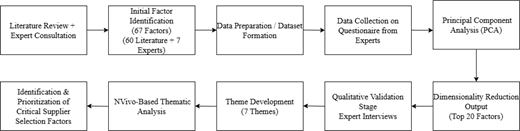
A hybrid methodology is adopted, combining Principal Component Analysis (PCA), a machine learning-based dimensionality reduction technique and qualitative analysis using NVivo. Initially, 67 factors were identified through literature and expert input, reduced to 20 using PCA and subsequently validated through qualitative thematic analysis.
The analysis identified seven key themes encompassing operational, risk, supplier capability, financial, governance, technological and ethical dimensions of pharmaceutical supply chains. Operational factors such as delivery accuracy, availability of supplies and cold chain capabilities are fundamental to supply continuity and patient safety. Risk-related factors, including political instability and labour disruptions, significantly impact supply chain resilience. Supplier capabilities, governance factors, technological innovation and ethical considerations jointly drive resilience, sustainability and competitiveness.
The current study contributes to supplier selection theory by combining PCA with qualitative thematic analysis, with a focus on operational, technological, governance and ethical aspects. The hybrid method of dimensionality reduction using machine learning and qualitative depth increases the reliability and interpretability of the data and understanding of the assessment processes for the healthcare supply chain. The framework also extends the humanitarian logistics literature by connecting commercial upstream supplier decisions to the preparedness and resilience of downstream health supply chains serving populations affected by disruptions and crises.
Healthcare organizations should adopt a multi-criteria approach to supplier evaluation, considering delivery accuracy, cold chain, financial sustainability and regulatory compliance, all of which affect patient safety and the continuity of essential medicines. Building resilient, health-system-aligned supply chains requires investment in digital technologies like AI, along with proactive measures such as multi-sourcing and geographic diversification. For humanitarian organizations, national procurement agencies and global health programmes, the prioritized factors provide a screening template for evaluating pharmaceutical suppliers whose reliability ultimately determines whether essential medicines reach crisis-affected and underserved populations.
This study contributes to the literature by providing a holistic, multi-dimensional framework that integrates PCA-based machine learning and NVivo-based qualitative insights for supplier selection – an approach not previously applied in the pharmaceutical supply chain context. It further contributes to the humanitarian logistics and health supply chain literature by demonstrating how upstream supplier selection functions as a preparedness mechanism for maintaining access to essential medicines under conditions of political instability, labour disruption and demand shocks.
Introduction
The pharma industry works under strict regulations formulated by the regulatory bodies, that is, the U.S. Food and Drug Administration (FDA) and the European Medicines Agency (EMA), because the industry deals with the patient’s safety and health (Fernando et al., 2020). As a health-critical sector, the pharmaceutical industry’s supply chain performance has a direct impact on public health outcomes; disruptions do not merely represent operational failures but can delay or deny patients access to life-saving medicines. These regulations cover the supply chain of the pharmaceutical industry, that is, from the procurement of raw materials to the distribution of finished medicine. Regulatory authorities handle all aspects from ensuring the safety of drugs to preventing counterfeiting, as well as disposing of safe and environmentally friendly medical gadgets (Yang et al., 2026; Moosivand et al., 2019). The healthcare distribution system is already complicated due to different regulations and the requirement of patient safety, which further complicates the situation with the possibility of disruption in a supply chain, resulting in demand for a comprehensive supply chain systems management along with establishing synergies (Kumar Detwal et al., 2023). Due to the growing demand for pharmaceutical products, there is a critical requirement for the design of a framework that incorporates the complete dynamics of the industry to enable optimal supplier selection (Suresh and D’Souza, 2019). The growing complexities are compelling the organization to reassess its current procurement strategies (Thiruchelvam and Tookey, 2022). A small reduction in the purchasing cost process leads to an enhancement of the organization’s performance and profitability (Cano and Ayala, 2019). In this way, selection of an effective supplier ensures product quality, supply continuity and reduced disruption risks, while also fostering innovation through collaboration and meet standards (Burke et al., 2007).
The relevance of pharmaceutical supplier selection extends beyond commercial operations into the humanitarian and health-emergency domain. Recent disruptions, including the COVID-19 pandemic, geopolitical conflicts and trade decoupling, have exposed how fragile upstream pharmaceutical sourcing translates into drug shortages, delayed treatment and inequitable access to essential medicines for vulnerable populations (Sazvar et al., 2022; Gupta and Gupta, 2025. The supply chain for healthcare products has its own unique set of problems that make managing that supply chain, creating viable cold chain logistics, ensuring product integrity throughout the entire distribution lifecycle, dealing with politically unstable areas of the world and managing an unpredictable demand for healthcare products (Tetteh et al., 2025; Akin-Oluyomi et al., 2023). To comply with the evolving challenges for supply chain management, companies need to establish better supplier selection processes that will reduce risk in their supply chains while continuing to improve their overall supply chain performance (Sazvar et al., 2022). Procurement professionals have shifted from cost-focused purchasing to a comprehensive supplier evaluation approach that incorporates quality, reliability and sustainability to build resilient and sustainable supply chain relationships (Polo-Triana et al., 2024). The use of complex input in the pharma industry sector and the aspect of its sustainability add complexity to the evaluation process. Therefore, there is a need for a hybrid model that can incorporate qualitative information for revealing the interdependencies among criteria for the accuracy and better decision making (Siddiquee et al., 2024). To enhance an organization’s competitiveness and longer-term strategy performance, the new frameworks for supplier selection extend far beyond the original cost-reduction focus to promote a more complex approach to supplier assessment (Toffano et al., 2022). A methodical, evidence-based selection approach is essential for both organizations in a regulated industry (pharmaceuticals or healthcare) to maintain market-based leadership while ensuring the protection of the public’s health (Lüttenberg et al., 2025) (Arunyanart and Khumpang, 2025). On the other hand, there have been innovative improvements in the supply chain through predictive analytics, higher levels of traceability for products in the supply chain, increased use of digital technologies, such as artificial intelligence (AI), the Internet of Things (IoT) and digital twin technology and data-driven decision-making (Abdulla and Baryannis, 2024). However, a significant gap exists in the applicability of AI and qualitative methods for identifying and measuring the important drivers in supplier selection (Sahoo et al., 2024; Mzougui et al., 2020). Previous studies on supplier evaluation have been conducted, but those studies focused mostly on experts’ opinions through traditional means, for example, surveys and case studies and did not incorporate data analysis models, along with the expert-driven qualitative results to create a unified evaluation framework (Jane Osareme Ogugua et al., 2024; Busola Fadojutimi, 2024). Most pharmaceutical supply chain studies rely on single methods or limited evaluation criteria, which inadequately capture the complexity of supplier assessment in this health-sensitive industry (Jane Osareme Ogugua et al., 2024). There is a requirement to identify all the supplier selection factors in the pharmaceutical supply chain from a holistic perspective using data-driven techniques and then qualitatively validating them is not sufficiently explored and is a critical research need (Sahoo et al., 2024). Existing quantitative models are often insufficient in addressing qualitative aspects like regulatory compliance, ethical aspects and health safety (Mzougui et al., 2020). Besides, the existing frameworks fail to provide a comprehensive solution for global disruption, supply chain resilience and ethical issues in a single framework (Busola Fadojutimi, 2024; Dubey, 2025). Also, humanitarian organizations, national health systems and global health programmes rarely manufacture medicines themselves; they procure them through the same commercial pharmaceutical supply chains examined in this study. Consequently, the criteria by which pharmaceutical suppliers are selected constitute an upstream determinant of humanitarian preparedness and health supply chain resilience: weaknesses tolerated at the supplier selection stage surface later as stock-outs and cold chain failures precisely when disruptions strike (Khan et al., 2023). Indeed, uncertainty in supplier reliability has been shown to directly constrain governments’ vaccine order allocation decisions during pandemic response (Sarigol et al., 2023).
Therefore, a significant research gap exists for an integrated hybrid framework that addresses these limitations, especially given that pharmaceutical supply chain disruptions carry direct public health consequences (Nikookar et al., 2024; Khan et al., 2023) (Kovács and Falagara Sigala, 2021). This study, therefore, proposes a hybrid data-driven and qualitative framework to address these gaps. The research is guided by the following questions:
What are the factors that influence the supplier selection in the pharmaceutical industry?
How does the qualitative analysis interpret the identified factors in the pharmaceutical supply chains?
The remaining section of the article consists of a literature review as section 2, methodology as section 3, results and discussion as section 4, theoretical and practical implications as section 5 and conclusion with future directions as section 6. This study contributes by proposing a hybrid data-driven and qualitative framework for identifying and prioritizing critical factors in pharmaceutical supplier selection. Therefore, the study is positioned within the domain of humanitarian health care supply chains, that is, the factors it identifies and prioritizes concern the upstream commercial tier upon which humanitarian organizations, public health agencies and emergency health programmes depend for the procurement and continuity of essential medicines.
Literature review
Traditional supplier selection and sustainability approaches
Prior studies have examined environmental sustainability practices through ranking suppliers’ performance on those types of services with methods such as Fuzzy TOPSIS in developing countries (Siddiquee et al., 2024). However, most studies rely on single-evaluation criteria, instead of integrated frameworks. Most studies do not incorporate the integrated assessment of resilience with health, safety and environmental (HSE) performance, which are becoming more critical to ensuring continued supply and compliance with regulatory requirements in the pharmaceutical industry. (Maddah et al., 2025). While some research has noted the importance of assessing sustainability and resilience as part of supplier evaluation criteria (Sazvar et al., 2022; Tiwari, 2026). A limited amount of effort has been made to provide an integrated model for these interconnected dimensions, along with HSE performance indicators, within the complex, highly regulated context of the pharmaceutical industry (Maddah et al., 2022). Furthermore, current approaches to supplier selection for the pharmaceutical industry tend to underestimate such key elements as regulatory requirements, ethical issues or the effect of international events and crises, leading to incomplete evaluation frameworks. (Busola Fadojutimi, 2024; Raveena and Umamaheswari, 2025). In addition, there is a lack of integrated methodologies that combine data-driven techniques with qualitative insights to comprehensively identify and prioritize these multi-dimensional factors (Sadeghi et al., 2026; Vamarzani et al., 2026). These limitations in traditional approaches have prompted researchers to examine how data-driven and machine learning-based methods can enhance supplier evaluation in pharmaceutical supply chains.
Supplier selection and humanitarian health care supply chains
Health care supply chains occupy a distinctive position within the humanitarian logistics literature because medicines and medical supplies are simultaneously commercial products and life-critical relief items. Studies of pharmaceutical supply chains in developing and crisis-prone settings show that procurement bottlenecks, regulatory complexity and weak upstream supplier performance translate directly into stock-outs and interrupted treatment at the point of care (Shockley et al., 2023; Moosivand et al., 2019; Akin-Oluyomi et al., 2023). Research conducted during the COVID-19 pandemic further demonstrated that supplier evaluation criteria oriented toward resilience and sustainability become decisive when health systems face demand surges and supply disruptions (Sazvar et al., 2022), while geopolitical instability has been linked to recurring shortages of essential drugs (Gupta and Gupta, 2025). Power asymmetries among pharmaceutical supply chain actors have likewise been shown to shape resilience outcomes (Vann Yaroson et al., 2023). Collectively, this stream establishes that the vulnerability of health care supply chains is substantially inherited from upstream supplier decisions; however, it offers little systematic guidance on how suppliers should be selected to reduce that inherited vulnerability, which is the question this study addresses. Within the humanitarian logistics literature specifically, Sarigol et al. (2023) model COVID-19 vaccine order allocation under uncertain supplier reliability and Kar and Jenamani (2025) show that regional vulnerability should drive vaccine distribution decisions during healthcare emergencies; both demonstrate that upstream supplier characteristics and vulnerability assessment jointly condition downstream humanitarian health outcomes, yet neither addresses the prior question of how such suppliers should be systematically selected.
Role of AI in supply chains
The use of AI to improve supply chain resilience has been well recognized. However, the application of AI to evaluate supplier performance across multiple criteria, which are also interrelated, has not been explored significantly (Al-Hourani and Weraikat, 2025). Recent studies have demonstrated a variety of quantitative approaches to research the effects of supply chain disruptions, which include using mathematical algorithms and simulation; however, the researcher has found a lack of multiple methodological approaches that integrate MCDM with AI to facilitate the rigorous evaluation of suppliers (Amoozad Mahdiraji et al., 2024). While machine learning-based approaches show promise, their application has largely occurred outside the pharmaceutical context. The following section examines hybrid multi-criteria decision-making models and their sector-specific limitations.
Hybrid MCDM and sector-specific limitations
The integration of hybrid MCDM models has highlighted the need for comprehensive supplier evaluation that accounts for environmental sustainability (Raveena and Umamaheswari, 2025). Studies are however limited to specific industries or areas and the assessment methods used for long-term evaluation are lagging in being able to cover the increasingly strict regulatory requirements, technological innovations and patient safety concerns that are relevant to the global pharmaceutical supply chain. These sector-specific gaps are further compounded by inherent weaknesses in existing data-driven methodologies, examined in the following section.
Limitations of existing data-driven approaches
Data-driven methodologies have been studied in the context of supporting sustainable and resilient supplier evaluation particularly in times of crisis, such as COVID-19, but most of the studies have applied a limited number of evaluation metrics (Sazvar et al., 2022). There are several models that still rely on predetermined weightings and criteria by experts in assessing suppliers. These pre-established weights and criteria restrict their flexibility to answer the more dynamic supply chain environments and the new risks (Mohammed et al., 2021). These limitations, rigid weightings, narrow criteria and poor adaptability underline the need for more advanced and flexible evaluation frameworks, as discussed next.
Need for advanced and adaptive frameworks
There remains a critical need for developing more advanced frameworks that allow for the automation of criterion filtering and weighting processes, thus increasing the objectivity, flexibility and accuracy of predictions pertaining to supplier selection in fast-paced and/or complex business environments, such as the pharmaceutical industry Supplier evaluations within the pharmaceutical sector should include robust, adaptive and data-based processes that have the capability to go beyond existing models because of the stringent requirements of compliance as well as the need for safety (Souza et al., 2022). Addressing this need, researchers have increasingly explored combining machine learning-based screening with qualitative expert validation; an integrated approach is reviewed in the following section.
Integration of machine learning and qualitative methods
AI-based approaches are an effective alternative for dealing with the challenges of advanced frameworks because they allow for a combination of structured and unstructured data when evaluating potential suppliers, thereby increasing the objectivity and predictive accuracy of the supplier-selection model (Vamarzani et al., 2026). These advanced techniques allow researchers to incorporate multi-criteria decision-making techniques with supervised machine-learning approaches to create a comprehensive picture of supplier performance using both quantitative and qualitative data (Sadeghi et al., 2026). Existing models typically use a hybrid of traditional decision-making techniques, such as analytic hierarchy process and data envelopment analysis and modern algorithms, such as artificial neural networks, support vector machines or evolutionary approaches. These models require some level of expert input when establishing evaluation criteria, which limits their degree of flexibility and scalability to rapidly changing supply chains (Bonthu and Goel, 2025). In addition, there are limited studies on using unsupervised and semi-supervised controlled machine learning to discover patterns and assess supplier performance without preexisting conditions in the context of pharmaceutical supply chains (Rainy and Chowdhury, 2022).
The pharmaceutical sector as a health-critical system
The pharmaceutical industry occupies a distinctive position among manufacturing sectors because its output directly determines patient survival and its operations are bound by stringent regulatory regimes governing quality, traceability and safety. The strategic fragility of pharmaceutical provision during periods of crisis was recognized early in the literature by (Redwood, 1989) argued that the sector’s long-term planning must anticipate health-care crises rather than treat them as exceptional events. More recent scholarship reframes this fragility in supply chain terms, showing that regulatory complexity, cold-chain dependence and reliance on a small number of upstream suppliers make pharmaceutical supply chains especially vulnerable to disruption (Patil et al., 2022). Consequently, decisions about which suppliers to select are not merely operational; they set the resilience ceiling of the entire downstream health system. A growing body of research on pharmaceutical supply chain risk reinforces this point, modelling the sources and propagation of risk across the chain (Moktadir et al., 2018), tracing risk pathways from a multi-actor perspective (Ciceri et al., 2025), examining logistics risks from a fourth-party logistics (4PL) standpoint (Mogale et al., 2025) and linking counterfeit-risk and broader supply chain risk management to healthcare supply chain performance (Falasca et al., 2022; Senna et al., 2024).
Health crises and supply chain vulnerability
Health crises expose the latent vulnerabilities of pharmaceutical supply chains with unusual severity. The COVID-19 pandemic demonstrated how demand surges, export restrictions and concentrated sourcing translate rapidly into shortages of essential medicines and inequitable access, particularly in developing and rural regions (Lasco and Yu, 2022). Empirical studies of crisis management in the pharmaceutical industry during the pandemic show that firms with resilience- and continuity-oriented supplier arrangements coped substantially better than those optimized solely for cost (Latonen et al., 2025). Material convergence, the simultaneous surge of demand across many actors for the same critical items, further amplifies these effects during disease outbreaks, straining procurement systems that were designed for stable conditions(Patil et al., 2022). These findings reinforce the premise of the present study: criteria that appear secondary under normal conditions, such as multi-sourcing capacity, cold-chain robustness and financial stability, become decisive determinants of continuity during a health crisis.
Humanitarian challenges and the continuity of essential medicines
Humanitarian organizations, national health systems and global health programmes rarely manufacture medicines themselves; they procure them through the same commercial pharmaceutical supply chains examined in this study. As a result, the criteria by which pharmaceutical suppliers are selected constitute an upstream determinant of humanitarian preparedness. In crisis-prone and resource-limited settings, complex and lengthy drug supply chains are a recognized barrier to reliable access and simplifying and strengthening them has been shown to improve health outcomes in developing countries (Jahre et al., 2012). Recent work on temporary healthcare supply chains during geopolitical disruption similarly emphasizes that resilience must be engineered upstream, through supplier arrangements, rather than improvised once a disruption is underway (Duong et al., 2025). A useful lens for evaluating this continuity is the “5As” framework, availability, accessibility, affordability, adaptability and alignment, which foregrounds affordability and accessibility as core objectives for supply chains serving underserved populations (Escamilla et al., 2021).
Summary of literature and research gap
The literature examined shows that there are numerous research gaps that are interrelated. Existing supplier selection models are not collectively addressing sustainability, resilience and health, safety and environment (HSE) issues in a unified way (Maddah et al., 2025). Moreover, current systems lack pharmaceutical-related elements like regulatory aspects, ethics and the influence of worldwide changes, thus limiting the evaluation framework (Busola Fadojutimi, 2024). In addition, there is a critical need for hybrid data-driven and qualitative, expert-based approaches that yield more effective evaluations of pharmaceutical suppliers (Vamarzani et al., 2026; Sahoo and Goswami, 2024; Sadeghi et al., 2026). Therefore, this study has tried to fill these gaps by introducing a hybrid approach, which includes machine learning based on PCA and qualitative expert interviews, to identify, validate and rank critical factors influencing the selection of pharmaceutical suppliers. It is an integrated approach which offers a clear, empirical basis to facilitate resilient and compliant pharmaceutical supply chains. Moreover, while the humanitarian logistics literature has emphasized preparedness, agility and resilience of health supply chains during disruptions, the upstream question of how pharmaceutical suppliers should be selected to safeguard the continuity of essential medicines has received limited systematic attention, leaving a gap at the interface of commercial procurement and humanitarian health supply chain performance, which this study also seeks to address.
Taken together, these literatures indicate that the vulnerability of health and humanitarian supply chains is substantially inherited from upstream supplier decisions, yet they offer limited systematic guidance on how suppliers should be selected to reduce that inherited vulnerability. By identifying and prioritizing the critical factors that govern pharmaceutical supplier selection and by connecting them explicitly to preparedness and the continuity of essential medicines, this study positions supplier selection as a preparedness mechanism at the interface of commercial procurement and humanitarian health supply chain performance.
Methodology
For supplier selection in the pharmaceutical industry, a comprehensive methodology is applied that integrates principal component analysis (PCA), a machine learning-based dimensionality reduction technique and the innovative factors that emerged from expert interviews. This study adopts a sequential mixed-methods design, in which quantitative factor reduction is followed by a qualitative interpretive phase, to explore critical factors influencing supplier selection in the pharmaceutical industry, enabling insights into participants’ experiences and perspectives (Lawrence, 2025; Peña-Montoya et al., 2026).
Step 1: inclusion of seven innovative factors from experts
The methodology consists of an extensive literature review and expert interviews for the creation of an initial list of 67 potential factors. The 60 factors were obtained from the literature review, as reported by the previous study (Mahmood et al., 2026) and seven innovative factors were obtained after consultation with the domain experts. Purposive sampling was used to select professionals involved in supplier selection across the Asia-Pacific region and data were collected until saturation was achieved, resulting in 12 expert interviews (Etikan, 2016; Javadi and Zarea, 2016).
Step 2: data collection on finalized questionnaire
The primary data were obtained through structured questionnaires administered to professionals of pharmaceutical companies (Zhong et al., 2022). The questionnaire was composed of two sections. Section 1 was designed to fetch the general information of the expert, for example, gender, designation, qualification and experience. Section 2 contained the information regarding the 67 factors, with the five-point Likert scale: Not important, Slightly Important, Moderately Important, Important and very Important (Hirakubo and Kublin, 1998; Ahmad Hamdi et al., 2026). Determining an appropriate sample size in research is one of the important phases in research design and it involves careful considerations such as statistical power, effect size and the characteristics of the population under study (Li et al., 2014). The sample of 602 respondents was selected based on the minimum threshold of > 300 samples, proposed by the study (De Winter* et al., 2009). The larger sample size enhanced the reliability and stability of factor analysis results.
Step 3: applying PCA on data for deduction of the top 20 factors
PCA was applied to deduce the top 20 factors from the complete data set of respondents. By lowering the number of factors, PCA can facilitate the simplification of further analyses and enhance the performance of machine learning algorithms.
Step 4: ranking of factors
A machine learning-based classification method was applied to identify and rank the most critical factors.
Step 5: interviews from experts on top 20 factors
The interview guide was prepared based on the insights extracted from the literature review and subsequently, it was validated by two experts. Questions were designed to be semi-structured and open-ended, allowing participants the flexibility to express their viewpoints freely. To ensure participants’ anonymity, IDs were assigned to each individual instead of using real names. Interviews were conducted face-to-face and Table 1 shows the demographics of the respondents. Each interview lasted between 45 and 55 min (Castaldo et al., 2026).
The top 20 factors, obtained from PCA, are then qualitatively evaluated by interviews with the domain experts. The thematic analysis was done through NVivo 15 and a thematic analysis was performed. The methodology to combine PCA with qualitative thematic analysis helps in the identification, prioritize key supply chain parts and also addressing the limitations of traditional linear methodologies (Singh et al., 2024; Vann Yaroson et al., 2023). The proposed methodology is depicted in Figure 1.
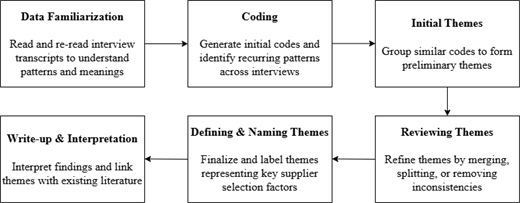
The thematic analysis technique was used to analyze the data, involving the identification, analysis and reporting of various themes within the data set. This approach offers flexibility in qualitative data analysis, allowing results to be presented in a format understandable to policymakers and the public (Braun and Clarke, 2006). The interviews were transcribed verbatim. NVivo 15 was used for the data analysis. The analysis process used the six steps of qualitative analysis suggested by (Braun and Clarke, 2006). These steps are explained in Figure 2.
Table 2 shows the details of the generated themes.
Data structure and research propositions
To make the inductive analysis transparent, the coding was organized into a data structure in the tradition of the Gioia methodology (Gioia et al., 2013), linking first-order, informant-centred concepts to second-order, theoretically framed themes and, finally, to the aggregate dimensions that structure the findings. Table 3 presents this data structure.
Building on this data structure and to make explicit the theoretical propositions emerging from the analysis, the study advances the following research propositions. These connect the prioritized supplier-selection factors to the preparedness and resilience of the health and humanitarian supply chains that ultimately depend on commercial pharmaceutical suppliers for the uninterrupted availability of essential medicines:
Suppliers selected on operational and logistics criteria (location, delivery accuracy, availability, cold-chain integrity and inventory visibility) sustain the continuity of essential medicines and reduce downstream stock-outs in health and humanitarian supply chains (Jahre et al., 2012; Patil et al., 2022).
Incorporating risk and disruption criteria (political risk and labour disruption) into supplier selection strengthens upstream preparedness, so that resilience-oriented selection functions as an ex ante vulnerability-assessment mechanism for crisis-prone health supply chains (Duong et al., 2025).
Supplier organizational experience and the financial stability of supply-chain partners are positively associated with regulatory reliability and long-term supply continuity in the pharmaceutical sector.
Technology-enabled cost optimization reconciles the rising cost of specialized pharmaceutical storage with affordability and accessibility objectives, supporting the “5As” (availability, accessibility, affordability, adaptability and alignment) of health supply chains (Escamilla et al., 2021).
Governance and regulatory criteria (verifiable certification and real-time compliance) constitute the trust infrastructure that enables humanitarian and public-health actors to delegate life-critical supply to commercial pharmaceutical suppliers (Redwood, 1989; Lasco and Yu, 2022).
Technological and digital-transformation capabilities (AI, digital twins and secure data systems) improve traceability and predictive visibility, which are informational preconditions for coordinated emergency health response (Latonen et al., 2025).
Incorporating ethical principles (responsible sourcing, anti-diversion compliance and pharmacovigilance) in supplier selection helps to maintain stakeholder trust and access to critical medicines during health emergencies.
Results
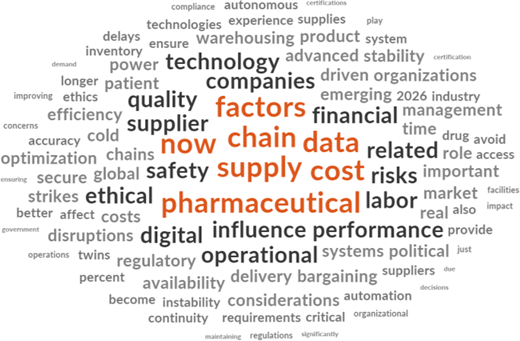
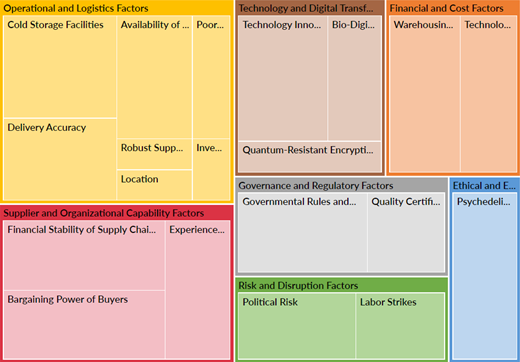
The analysis of the data generated seven themes from our data set. These themes include operational and logistics factors, risk and disruption factors, supplier and organizational capability factors, ethical and emerging pharmaceutical factors, financial and cost factors, governance and regulatory factors and technology and digital transformation factors. Figure 3 shows the word cloud displaying the words that occurred most frequently throughout the thematic analysis. Figure 4 shows the hierarchy chart of all the themes related to critical factors for supplier selection.
Theme 1: operational and logistics factors
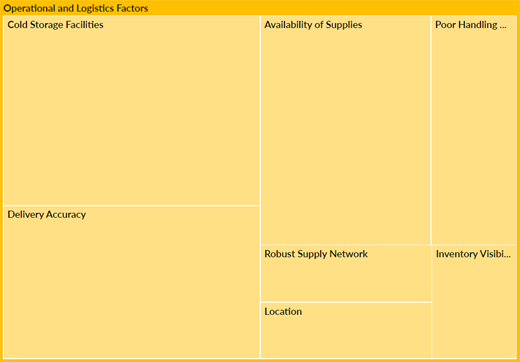
Experts highlighted location as one of the major contributing factors to the effectiveness of the pharmaceutical supply chain. Experts remarked that there is a strong dependency between the location of the supplier and their proximity to healthcare facilities, distribution centres and significant transportation corridors concerning their ability to lower delivery lead times and improve the dependability of the service provided to their customers. The hierarchy chart of Operational and Logistics Factors is shown in Figure 5. As one of the experts mentioned:
Having the supplier close to the selling point can contribute to a reduction in delivery time, especially if timely access is critical in the medicine distribution chain (Expert 1).
The results reveal that geographical location of supply chains is an enabling factor for supply chain efficiency, which helps in operational and strategic drivers.
Delivery accuracy is also increasingly seen as a substantial operational driver that impacts pharmaceutical supply chain performance. Experts shared that slight inaccuracies in delivery data can lead to rigorous regulatory measures, including quarantine of the product or access to the market.
Delivery accuracy now includes a digital pedigree. any error leads to immediate regulatory quarantine (Expert 9).
The key to delivering a timely medication to a patient is to prevent error or delay. The reason for delivering a timely medication to the patient is that if an error or delay occurs, it can have a significant impact on the patient’s ability to receive a medication when it is most needed.
Supply chain performance for the pharmaceutical industry has been known to be influenced by the availability of supplies. The findings suggest that a definite transition is happening from traditional forecasting approaches to advanced supply management systems that are increasingly based on technology:
Availability is managed through AI-driven demand sensing. This technology has replaced traditional forecasting to reduce the Bullwhip Effect by 25 percent. It ensures that life-saving medications are present exactly when a patient needs them (Expert 2).
In addition, one respondent stating that:
Product availability acts as the primary shield against patient mortality and clinical failure (Expert 12).
Therefore, maintaining continuous supply availability is of utmost importance to improve resiliency and effectiveness in pharmaceutical supply chains by incorporating innovative technology and logistics best practices.
An additional critical factor in the pharmaceutical supply chains is the ability of a robust supply network to create the conditions in which the supply of necessary products is ensured despite disruptions and fluctuations in demand. According to experts, a well-structured and interconnected pharmaceutical supply network is required to ensure the smooth flow of medical products:
A robust supply network is essential to ensure uninterrupted availability of pharmaceutical products, particularly during disruptions (Expert 11).
Cold storage is one of the essential parts of the pharmaceutical supply chain. Product degradation, loss of efficacy and significant financial losses are just some of the negative effects of even slight temperature changes, all agreed upon by the experts:
Cold chain facilities have evolved into smart ecosystems, where autonomous sensors continuously monitor temperature and vibration to ensure product integrity (Expert 12).
Inventory visibility is a crucial operational aspect in the supply chain of the pharmaceutical industry. It allows companies to quickly and easily access the availability of products using real-time monitoring systems, which helps to improve decision-making and supply chain efficiency:
Inventory visibility enables real-time tracking of stock levels across multiple nodes, helping organizations ensure that essential medicines are available when needed (Expert 8).
The results showed that improved visibility of inventory adds to an improvement in supply chain efficiency, planning and coordination.
Inadequate handling is a major risk factor in pharmaceutical supply chains. The results can be product damage, contamination and loss of effectiveness, which can affect patient safety, supply chain and financial losses due to poor handling practices:
Poor handling of medicines during storage and transportation can significantly compromise product quality and safety (Expert 10).
The findings demonstrated that maintaining a high standard of handling practices will help to maintain product integrity and there is a need to provide adequate training.
Theme 2: risk and disruption factors
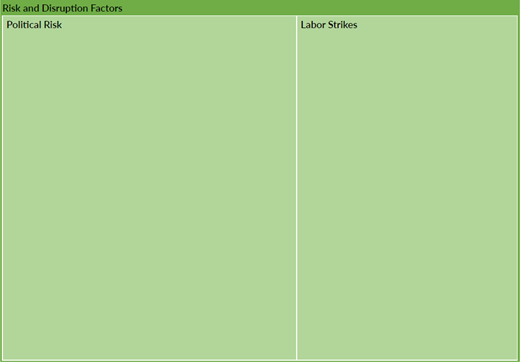
Political risk is one of the most significant challenges to the performance of the pharmaceutical supply chain. Geopolitical uncertainty, trade restrictions and policy instability hamper operations and drive companies to reconsider their worldwide sourcing plans. Figure 6 illustrates the hierarchy chart of risk and disruption factors:
Geopolitical instability and trade decoupling have led to aggressive tariffs, forcing a shift toward regionalization and friend-shoring (Expert 11).
The findings suggest that political risk is a significant external factor that will require proactive and responsive supply chain strategies to maintain resiliency and continuity.
Labour disruption from strikes has been identified as a significant factor in the supply chains of pharmaceutical companies. According to the findings, if labour issues occur at any of the critical supply chain locations, that is, ports, warehousing facilities and distribution centres, they negatively impact transportation flow and product delivery time:
Labour strikes at major ports trigger automated dual-hub strategies, enabling real-time rerouting of shipments to avoid bottlenecks (Expert 8).
Similarly, another expert stating that:
Labour strikes are countered by hyper-automation in distribution centres, reducing human dependency during crisis periods (Expert 5).
The outcomes suggest that labour strikes contribute to an external risk that will require proactive strategies, for example, real-time decision-making, for the improvement of the pharmaceutical supply chain.
Theme 3: supplier and organizational capability factors
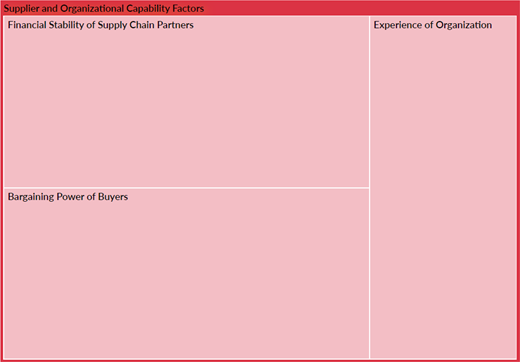
The experience of an organization has proven to be a critical supplier-based factor that affects the performance of pharmaceutical supply chains. Suppliers with substantial experience were found to be the most reliable source since they have a history of successful complex regulatory requirements, for example, passing good manufacturing practice (GMP) audits and consistently performing their activities over time. Figure 7 illustrates the hierarchy chart of supplier and organizational capability factors:
A supplier’s organizational experience is synonymous with their regulatory track record, particularly in consistently passing GMP audits (Expert 6).
The results suggest that supplier organizational experience also serves as an important factor in determining supplier reliability, regulatory compliance and supply chain stability in the pharmaceutical industry.
The financial stability of supply chain partners was reported as one of the most important factors, impacting supplier selection and supply chain performance in the pharmaceutical supply chain:
Financial stability is a key vetting criterion, because a bankrupt supplier can hold up important processes like drug approvals (Expert 12).
Financial stability is regarded as a critical component in determining the reliability, continuity of operations and resilience of the pharmaceutical supply chain.
Pharmaceutical bargaining power of the buyer is an important determinant of pharmaceutical procurement and supply chain performance. Large volume purchasers like purchasing organizations (GPOs) and hospitals have a lot of leverage against suppliers, including influencing procurement decisions and cost reductions. As highlighted by one expert:
The bargaining power of large buyers influences pricing and supplier selection decisions (Expert 4).
Under some circumstances, suppliers may have greater bargaining ability than buyers due to the overall reduction of global capacity and increasing costs associated with changing suppliers:
Specialized CDMOs for complex modalities like mRNA hold the upper hand due to limited capacity and high switching costs (Expert 2).
The results indicate that buyers’ power is becoming more dynamic and two-sided, as buyers are increasingly influencing pricing, supply conditions, partnership length and supply chain stability.
Theme 4: financial and cost factors
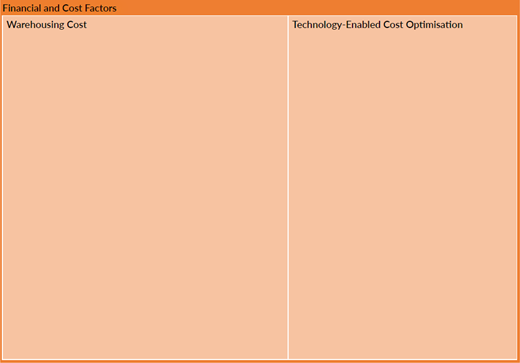
Warehousing cost is becoming an economic issue, impacting the performance of the entire pharma supply chain. The trend of increasing warehousing expenses is driven primarily by the need for temperature- and humidity-controlled environments and better material handling requirements for pharmaceuticals. Figure 8 illustrates the hierarchy chart of financial and cost factors. As one of the experts stated that:
Warehousing costs have risen due to specialized storage needs but are being offset by scalable automation and autonomous systems (Expert 5).
The study demonstrates that storage cost is an important strategic investment area where new technologies will help improve operational efficiencies and eliminate waste.
The use of cost optimization technologies affecting financial results is a growing trend that is vital in reducing operating costs and improving the performance of the company’s supply chain, such as predictive analytics and data-driven decision-making:
Technology-driven optimization, through predictive analytics, has enabled a 10–20% reduction in distribution costs by improving demand forecasting and middle-mile efficiency (Expert 11).
Similarly, another expert stating that:
Processing logistics data locally reduces hidden data processing costs and leads to more stable and predictable operational expenses (Expert 10).
The findings indicate that the use of technology enabled cost optimization is incredibly important to drive operational efficiencies and elimination of waste for sustainable financial performance within pharmaceutical supply chains.
Theme 5: governance and regulatory factors
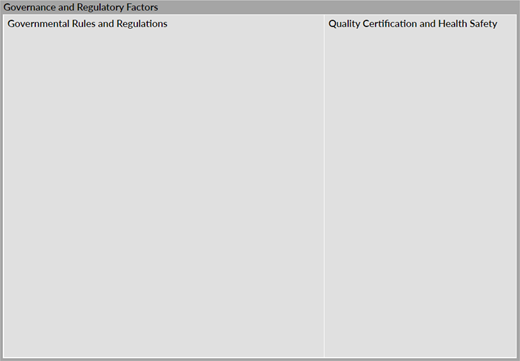
Experts have identified government laws and regulations as a key governance-related factor affecting the success of the pharmaceutical supply chain. The study revealed that regulatory frameworks are no longer simply compliance requirements, but they have evolved into dynamic, controlling aspects that directly impact a company’s daily operational processes. Figure 9 illustrated the hierarchy chart of governance and regulatory factors:
Automated regulatory reporting tools now feed real-time data to regulatory authorities, making transparency a core operational feature (Expert 12).
This suggests that government regulations and rules play a dominant role in the operations of pharmaceutical supply chains:
Quality certification and health and safety have also become fundamental factor to protect product integrity and guaranteeing compliance with regulation and therefore patient safety. The results of the study indicate that quality certifications have created larger categories for certifications, such as compliance with environmental, social and governance (ESG) criteria, transparency in the supply chain and member company compliance with industry best practices:
Quality certifications now include ESG due diligence and failure to meet these standards can result in market lockouts (Expert 11).
The results indicate that quality certifications and health safety are the foundations of the pharmaceutical supply chain and serve as confirmation of compliance, as well as to protect the quality of products and patient outcomes.
Theme 6: technology and digital transformation factors
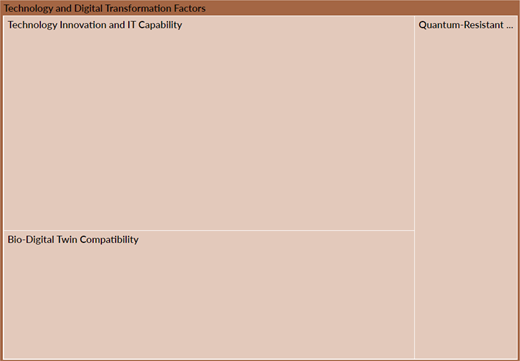
The key factor impacting performance in the pharmaceutical supply chain is global technological innovation and IT capabilities. Findings have shown that new technological advancements are transforming conventional supply chains into digitalization, which help them reduce operational costs. Figure 10 illustrated the hierarchy chart of technology and digital transformation factors. As stated by expert:
Emerging technologies now act as the nervous system of the supply chain (Expert 12).
Similarly:
AI and digital twins provide cognitive orchestration, enabling proactive and intelligent decision-making (Expert 4).
According to these findings, innovation in technology and IT capabilities are the crucial enablers of digital transformation and enable pharma supply chains to be more intelligent, resilient and efficient.
Bio-digital twin compatibility is becoming one of the most critical technological aspects impacting the performance of the pharmaceutical supply chain, with predictive decision-making capabilities. advent of digital twin technologies is changing the nature of supply chains from simple processes to smart simulation based processes, which can predict disruptions and increase operational resilience:
AI-enabled digital twins create virtual replicas of the entire network, allowing managers to simulate “what-if” scenarios before disruptions occur (Expert 3).
The study results demonstrate that having bio-digital twins in sync across different organizations is essential for developing predictive, adaptive and highly resilient pharmaceutical supply chains.
Quantum-resistant encryption and secure data systems have become major technological advancements for enhancing integrity, transparency and security in pharmaceutical supply chains. They help build consumer trust, support regulatory compliance and protect pharmaceutical authenticity throughout the supply chain:
Secure data systems provide an immutable ledger of every transaction, ensuring data integrity for regulatory audits (Expert 10).
The evidence supports the idea that quantum-resistant encryption and secure data systems are transformational facilitators of trust, security and resiliency that are enabling a digital connected model of the future-ready pharmaceutical supply chain.
Theme 7: ethical and emerging pharmaceutical factor
Ethical considerations include responsible sourcing, anti-diversion compliance and pharmacovigilance. These are critical to pharmaceutical supply chain performance, with ethical sourcing, fair distribution and life-saving priorities having lasting impacts on its credibility and operations. Figure 11 illustrated the hierarchy chart of ethical and emerging pharmaceutical factor:
Ethical supply chain practices, supported by real-time data, enable improved pharmacovigilance and are increasingly linked to investor confidence and market performance (Expert 10).
Results reveal that ethics promote a foundation of trust and transparency which is crucial to the long-term sustainability of the pharmaceutical sector.
Discussion
Operational and logistics insights
According to the findings, pharmaceutical supply chains are affected by delivery accuracy, provision of supplies and cold storage facilities as the most critical operational factors. The nature of pharmaceutical products especially Biologics is sensitive that slight changes in transport conditions can lead to loss of efficacy with disastrous clinical consequences. Previous studies have highlighted reliability of supply and temperature-controlled logistics.(Busola Fadojutimi, 2024; Khan et al., 2023), however, this study suggests that accuracy of delivery has progressed beyond a standard measure of performance into regulatory requirement, supported by digital traceability systems. This shows that operational effectiveness is measured not just based upon efficiency, but also upon compliance and safety of patients. Therefore, organizations need to invest in real time monitoring, cold chain infrastructure and precision logistics to ensure continuity of supply and regulatory compliance.
Risk and resilience perspective
Supply chain disruptions are caused by political instability and labor strikes, along with increase in global uncertainty related to global supply chains and reliability on cross-border sourcing. While previous research has focused on the risks associated with disruptions (Gupta and Gupta, 2025), which has shown a transition from a reactive risk management approach to a proactive approach in managing disruption risks. Because of this transition, companies have adopted multi-regional sourcing, dual-hub logistics and automation as strategy to maintain supply continuity and to create a more resilient supply chain architecture that allows for operational continuity during uncertain times, rather than to minimize the risk of disruption. From a humanitarian and health-emergency standpoint, these findings suggest that resilience-oriented supplier selection functions as a preparedness investment: multi-regional sourcing and dual-hub logistics determine whether essential medicines remain available to health systems and relief actors when political instability or labour disruptions materialize. The prioritized factor set can therefore also be read as a vulnerability assessment instrument: by scoring prospective suppliers against the risk and disruption factors identified here, procurement bodies can locate concentrations of vulnerability in their upstream supply base before a crisis exposes them. This complements vulnerability-index approaches applied downstream in humanitarian health logistics, where regional vulnerability guides the positioning of vaccine distribution hubs during healthcare emergencies (Kar and Jenamani, 2025).
Supplier capability and financial stability
According to the results, the supplier’s level of experience and their financial stability are the most influential factors in determining the provision of reliable services. The supplier’s level of experience will allow them to meet all the regulatory requirements. Financially stable suppliers will decrease the risk of disruptions in the supply chain. These findings are consistent with previous studies that found long-term reliability to be more important over cost (Abdulla and Baryannis, 2024; Sahoo et al., 2024). In addition, this research has provided an additional view that while the financial stability of suppliers is an economic concern (Yagci Sokat and Altay, 2021), it also acts as a strategic risk management tool. Organizations should partner with financially stable, experienced suppliers to avoid regulatory and operational failures.
Cost and technology transformation
Cost-related factors, especially in relation to warehouse-based storage, are undergoing major transformations due to the integration of new technologies. Although costs have risen due to specialized storage and automation, advanced technologies such as predictive analytics, robotics and artificial intelligence are supporting the optimization of costs and improvements in efficiency. This is consistent with other studies highlighting data-driven supply chains (Kumar Detwal et al., 2023; Singh et al., 2024). The complexity of pharmaceutical products along with their associated regulatory requirements necessitates the creation of a new type of infrastructure, which will require an initial investment to create; however, this will help to improve long-term efficiency. The shift of organizations from cost minimization to value optimization requires that technology investments result in greater performance, less waste and increased resiliency.
Governance and regulatory implications
It was found that governance and regulatory factors had a high impact on supplier selection. Regulatory compliance has become a moving target and technology-driven process, as increased regulation and transparency demands become a reality in real time. This is in line with earlier research on compliance frameworks (Akin-Oluyomi et al., 2023). The current study, however, adds to the literature by demonstrating that compliance is not only required, but also an opportunity to gain market access and trust. Compliance should be included in an organization’s supply chain plan and be part of the technology enabled supply chain, so it becomes verifiable and compliant with regulations. Because pharmaceutical firms typically enter humanitarian and public health supply chains as private partners of governments, procurement agencies and relief organizations, governance and compliance factors also function as the trust infrastructure of such public-private arrangements: verifiable certification and regulatory conformity are what allow public and humanitarian actors to delegate life-critical supply to commercial suppliers.
Digital transformation and emerging technologies
Technology and digital transformation were the most prevalent drivers of supplier choice. Predictive and real-time decision making are made possible through AI, digital twins and advanced analytics, improving supply chain performance. Previous research has identified the importance of AI (Polo-Triana et al., 2024; Al-Hourani and Weraikat, 2025), but this study demonstrates how multiple aspects of supplier evaluation can be combined within a single system. The ever-growing complexity of supply chains demands real-time insights & data-driven decision-making. As digital skills are crucial for staying competitive and operating a resilient supply chain, organizations need to invest in them. These findings also speak to the role of information and communication technology in health-oriented humanitarian logistics: the same traceability, real-time visibility and predictive analytics capabilities that experts identified as supplier selection criteria are the informational preconditions for coordinated emergency response, where relief actors must know what stock exists, where it is and whether its integrity has been maintained.
Ethical and sustainability considerations
The ethical issues such as responsible sourcing, product authenticity and product safety were recognized as important issues. This is especially crucial in the pharmaceutical sector, where the failure in the supply chain can have a direct impact on human lives. The findings are similar to previous studies of sustainability and ethics (Siddiquee et al., 2024). This study, however, puts a strong focus on the fact that ethics is not a secondary consideration for the choice of supplier, rather it is a core consideration. To build trust, meet regulatory standards and maintain sustainability, it is crucial for organizations to integrate ethical assessment criteria into their supplier selection processes.
Contribution and insights
One key finding of this study is the shift of traditional supplier selection criteria toward regulatory and technology-driven requirements, where factors such as delivery accuracy and cold chain management have become compliance-critical, supported by digital traceability systems. NVivo-based thematic analysis further revealed that the 20 PCA-identified variables are deeply interrelated, loading onto operational, regulatory, technological and ethical dimensions, with ethical considerations and digital transformation now regarded as minimum requirements in pharmaceutical supplier selection. In addition, PCA provided an objective, data-driven basis for reducing 67 factors to the 20 most significant, minimizing subjective bias compared to traditional expert-driven filtering – consistent with prior studies advocating machine learning in multi-criteria supplier evaluation (Sahoo et al., 2024; Al-Hourani and Weraikat, 2025; Mahmood et al., 2026). For decision-makers in health-oriented and humanitarian supply chains, the two-stage design offers a transferable decision-support logic: data-driven reduction narrows a large factor space objectively and qualitative validation ensures that the retained criteria remain interpretable to the practitioners who must apply them under time pressure and uncertainty.
Finally, these findings are placed within the “5As” model of availability, accessibility, affordability, adaptability and alignment (Escamilla et al., 2021) to illuminate their humanitarian significance. Availability and accessibility are linked to the operational and logistics factors identified here and technology-transformation and cost factors directly relate to the affordability of essential medicines, as technology-enabled cost optimization is what makes them viable in a resource-limited environment; adaptability and alignment are linked to the risk, governance and digital-capability factors identified here, which enable the reconfigured and coordinated supply of essential medicines during the crisis to serve the public-health and humanitarian goals. If this lens is applied, the prioritized supplier-selection criteria are not only procurement metrics, but also tools that can make a difference in the quality of equitable healthcare service provision, providing procurement bodies and humanitarian organizations with a clear framework for reinforcing the continuity of essential medicines in contexts of disruptions.
Conclusion
This study aimed to develop a comprehensive framework for identifying and evaluating critical factors influencing pharmaceutical supplier selection and supply chain performance by integrating machine learning and qualitative analysis. The results show that the complexity of the supply chains in the Pharma industry is increasing and an integrated and flexible supplier evaluation should be conducted. The results reveal the importance of operational factors like delivery accuracy, availability of supplies and cold chain, in ensuring supply continuity and patient safety. At the same time, the risk factors like political unrest and labour unrest need to be addressed via anticipatory and resilient supply chain methods. Experience and financial strength of suppliers and the organizational capability were found to be important factors influencing reliability and performance in the long term. In addition, governance factors like regulatory compliance and quality certification are important to product safety and market access. The study also shows that innovation and digitalization of the pharmaceutical supply chain are the two most critical phenomena. AI, digital twins and data systems help to create efficient, transparent and predictive supply chain operations. Moreover, ethical matters have played a major role in the compliance and trust and sustainability of the stakeholders. This research offers a comprehensive and coherent framework to improve the comprehension of supplier selection in pharma supply chains. The results highlight the need to use a multi-dimensional and technological approach to boost resilience, efficiency and sustainability in context of high regulation and dynamism. Finally, the findings carry implications beyond commercial pharmaceutical firms. Because humanitarian organizations and public health systems source essential medicines through these same supply chains, the prioritized supplier selection factors identified here, particularly those relating to disruption risk, cold chain integrity and supply availability, represent upstream levers for strengthening humanitarian preparedness and ensuring continuity of access to essential medicines in disruption-prone settings. Future research should validate the framework directly within humanitarian procurement contexts, such as emergency health programmes and public-sector procurement in crisis-affected regions. A limitation of this study is that its respondents and interviewees were drawn from commercial pharmaceutical organizations rather than humanitarian agencies; the transfer of the prioritized factors to humanitarian procurement settings is argued conceptually here and should be tested empirically with humanitarian and public-sector decision-makers.