


The purpose of this study is to emphasize the crucial role of supply chains in humanitarian and development interventions, specifically targeting gender-based violence in East Asia and the Pacific, regions prone to climate change-induced disasters. It explores optimizing development supply chains for humanitarian use, and the plausible impacts on community peacebuilding.
By adopting an abductive approach to the action research methodology, based on 11 case studies, including intensive fieldwork in seven, this study evaluates development supply chains for their adaptability, institutionalization and flexibility to support humanitarian needs and analyzes the potential interlinkages of peacebuilding.
The research uncovers the irregular and unsystematized present humanitarian efforts and highlighting a lack of advancement in development channels for implementing effective humanitarian preparedness and response. By focusing on the Triple Nexus framework and based on the findings, the study rather proposes enhancing the humanitarian supply chain, suggesting a restructured mechanism for development channels that fosters synergies across the dimensions. It intricately connects peacebuilding applying a Triple Nexus Analytical Framework, examining the potential impact on micro-level peacebuilding outcomes.
The research recognizes the challenge in conceptualizing peacebuilding within the Triple Nexus framework, calling for a nuanced understanding of peacebuilding across different levels. Contrary to expectations, the case studies yielded unexpected results, suggesting a need for a reversed approach in the applied methodology, hence advancing humanitarian supply chains with synergies to development channels that in the specific cases studies lack efficiency in their current set-up.
This study examines the collaboration between humanitarian efforts and development initiatives and how they can collectively contribute to peacebuilding. It pushes forward the conversation on improving humanitarian preparedness by leveraging development supply chains and explores the effects of peacebuilding on local levels.
Introduction
The literature on humanitarian supply chains highlights significant challenges, including fragmentation, inadequate infrastructure and poor integration with development systems, which hinder effective crisis response (Kopczak et al., 2007; Kovács and Spens, 2007). Integrating sustainability into these supply chains is crucial for balancing immediate crisis needs with long-term development goals, aligning strategies with broader societal objectives like economic development and social welfare (Haavisto and Kovács, 2014). Strategies such as local sourcing, capacity building and ethical considerations are essential for enhancing resilience and ensuring culturally appropriate aid that empowers communities (Haavisto and Kovács, 2014).
The increasing frequency of climate change-induced disasters in East and Southeast Asia and the Pacific exacerbates these challenges, necessitating the integration of humanitarian and development supply chains under the Triple Nexus framework, which promotes the alignment of humanitarian, development and peacebuilding efforts (Kelman, 2020; Peters and Kelman, 2020). Although the Triple Nexus is gaining recognition as a comprehensive approach (Brown et al., 2024; Brugger et al., 2022; Cochrane and Wilson, 2023; Elomaa, 2021; Hövelmann, 2020; Howe, 2019; Obrien, 2020; Ozkul, 2021; Skadkaer Pedersen, 2020; Strachan, 2022; Südhoff et al., 2020; de Wolf and Wilkinson, 2019), its application in Gender-Based Violence (GBV) interventions remains underexplored, especially at the micro-level (John et al., 2023).
Gender considerations have become central in the UN’s counterterrorism strategies, reflecting a shift toward multilateralism and prevention, recognizing gender equality as both a security and human rights issue (Rothermel, 2022). However, there is a need to avoid securitizing gender issues and instead fully integrate gender into the Triple Nexus framework without reinforcing traditional gender roles (Rothermel, 2022). GBV affects about 35% of women globally, with consequences often surpassing those of conflict (Oxfam, 2019). Emerging literature highlights the overlooked issue of GBV against men and boys, underscoring the need for more inclusive approaches (Onyango and Hampanda, 2011; Sivakumaran, 2007). This research emphasizes the importance of gender-sensitive supply chains that support all GBV survivors within humanitarian contexts.
Despite the recognized need for integrated approaches, current GBV interventions remain siloed and inefficient due to unsystematized strategies and the lack of coherent development supply chain integration into humanitarian efforts (Anjomshoae et al., 2023a; Heaslip et al., 2019). More adaptable supply chains are critical for improving GBV intervention effectiveness (Mena and Hilhorst, 2022; Wassenhove, 2017).
Addressing GBV within Sexual and Reproductive Health (SRH) in humanitarian settings requires a coordinated approach that bridges immediate response and long-term development (Barrow, 2019). The Minimum Initial Service Package (MISP) for SRH depends on robust supply chains and strong coordination between humanitarian and development actors (Barrow, 2019). However, the application of the Triple Nexus in SRH and GBV interventions is still limited, necessitating tailored strategies to address the unique challenges at the intersection of gender dynamics and supply chain management (Barrow, 2019; Gallagher et al., 2020).
This study aims to fill critical research gaps by examining how gender dynamics influence the success of Triple Nexus approaches, particularly in GBV interventions, and by assessing the utility of development supply chains when integrated into humanitarian contexts. The research contributes to improving GBV interventions and advances the theoretical development of the Triple Nexus framework in relation to supply chain management and gender equality.
How can the integration of development supply chains into humanitarian operations enhance the effectiveness and sustainability of gender-based violence (GBV) interventions in crisis-affected regions, particularly within the framework of the Triple Nexus approach?
The article’s structure, outlined in Table 1, provides a comprehensive framework for exploring the intersection of supply chains, GBV and peacebuilding within the Triple Nexus framework.
Structure of the research article
| Section | Content |
|---|---|
| Introduction | Introduces the intersection of humanitarian supply chains, gender-based violence (GBV), and peacebuilding through the triple nexus framework |
| Theoretical background | Outlines essential theories like High-Reliability theory (HRT) and normal accident theory |
| Integrates gender and peace theories to explore their interconnections in humanitarian contexts | |
| Practical background | Investigates the role of humanitarian supply chains within the triple nexus framework |
| Focuses on the international planned parenthood federation’s (IPPF) approach | |
| Highlights current inefficiencies in supply chains and suggests improvements for integrated supply chains in development and humanitarian contexts | |
| Findings and analysis | Identifies existing inefficiencies in current supply chains |
| Proposes strategies to enhance supply chains for better integration in development and humanitarian efforts | |
| Introduces and employs the triple nexus analytical framework to analyze the findings | |
| Discussion and implications | Integrates findings with theoretical insights |
| Discusses the practical implications of the research | |
| Addresses the limitations of the study and suggests directions for future research | |
| Conclusion | Summarizes the study’s key contributions |
| Stresses the importance of a more integrated and efficient approach to humanitarian supply chains, particularly in addressing GBV and supporting peacebuilding |
Methodology and research design
The study uses an abductive approach within an action research framework, specifically designed to explore the interplay among humanitarian, development and peace dimensions within the Triple Nexus framework. The primary goal is to identify synergies, challenges and opportunities to enhance humanitarian supply chains integrated with development channels and to assess their implications for localized peacebuilding efforts addressing sexual and GBV.
Data was gathered using a variety of methods to ensure comprehensive coverage. Ethnographic observations and semistructured interviews were conducted with stakeholders across seven locations in East and Southeast Asia and the Pacific, providing insights into local practices and challenges. Eleven case studies, chosen for their geographic and thematic relevance, particularly in regions prone to climate change-induced disasters and high GBV prevalence, involved qualitative data collection through interviews, focus group discussions, direct observations and questionnaires. Additionally, document analysis of policy documents, operational reports and existing literature was conducted to contextualize findings within the broader Triple Nexus framework.
The data analysis was thorough and methodical, using thematic analysis to identify key themes related to supply chain adaptability, institutional integration and the effectiveness of humanitarian interventions. The data was systematically coded to categorize information and uncover recurring themes critical to the study’s objectives. A cross-case comparative analysis was also performed to identify similarities and differences across the 11 case studies, providing insights into the factors influencing supply chain efficiency and effectiveness, while accounting for local variations.
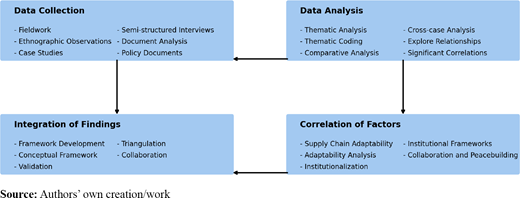
The methodological design, as presented in Table 2, reflects the abductive action research framework used to investigate humanitarian and development synergies.
Research design and methodological overview
| Data collection | Data analysis | Integration of findings | Correlation of factors |
|---|---|---|---|
| Fieldwork: Conducted detailed ethnographic observations and interviews with stakeholders involved in supply chains, humanitarian aid, and peacebuilding activities. Focused on seven locations across East Asia and the Pacific | Thematic analysis: Coded and categorized qualitative data to identify recurring themes related to supply chain adaptability, institutionalization, and flexibility | Framework development: Synthesized findings into the triple nexus framework to propose a restructured mechanism for enhancing humanitarian supply chains | Supply chain adaptability: Examined the relationship between the flexibility of development supply chains and their effectiveness in humanitarian contexts |
| Ethnographic observations allowed for in-depth understanding of local practices and challenges. - Interviews provided insights into stakeholders’ perspectives and experiences | Thematic coding helped in organizing data into themes that reflect the core issues and patterns observed. Cross-coding ensured consistency and reliability in data interpretation | Integrated qualitative findings into a conceptual framework that aligns with the triple nexus approach, enhancing coherence between humanitarian, development, and peacebuilding efforts | Analyzed how adaptable supply chain processes impact timely and effective humanitarian responses, focusing on flexibility in procedures and logistics |
| Case studies: Selected based on regions prone to climate change-induced disasters and high prevalence of GBV. Included 11 case studies with intensive fieldwork in seven locations. The case studies involved qualitative data collection through semi-structured interviews, focus group discussions, and observations. Prior to the fieldwork, quantitative data was collected; questionnaires were completed by the clinics (MAs) | Comparative analysis: Conducted cross-case analysis to identify commonalities and differences in supply chain practices across different contexts. The questionnaires were coded with cross-coding to identify comparative themes that were used for generalizations across the case studies. The outcomes of the questionnaires also informed the preparation of the fieldwork | Validation: Validated findings through triangulation of data sources and expert consultations | Institutionalization: Analyzed how well-integrated supply chain processes within institutions influence overall responsiveness to SGBV crises |
| Semi-structured interviews provided flexibility to explore various issues in-depth. - Focus group discussions facilitated a broader understanding of community-level dynamics. - Observations captured real-time practices and challenges in the field | Cross-case analysis allowed for the identification of patterns and unique factors influencing supply chain effectiveness. - Comparative themes provided a basis for generalization and broader application of findings | Triangulation involved cross-referencing data from multiple sources to ensure robustness and reliability of findings - Expert consultations provided additional perspectives and validated the proposed framework | Evaluated the extent to which institutional frameworks support the integration of flexible supply chain processes, enhancing SGBV response effectiveness |
| Document analysis: Reviewed policy documents, operational reports, and existing literature to contextualize findings within the broader triple nexus framework. | Explore relationships Between identified factors and their impact on humanitarian effectiveness and peacebuilding outcomes | Collaboration: Investigated the impact of inter-agency and cross-sector collaboration on enhancing the efficiency of supply chains and achieving peacebuilding objectives | |
| Policy documents provided a regulatory and strategic context for the study. - Operational reports offered insights into practical challenges and successes. - Literature review helped in framing the research within existing theoretical and practical knowledge | Analysis: identified significant correlations between qualitative findings to understand the impact of various factors on overall supply chain effectiveness and peacebuilding efforts | Analyzed how collaboration between agencies and sectors can enhance supply chain operations and contribute to peacebuilding. - Identified best practices for inter-agency collaboration that could be replicated in similar contexts |
The methodological overview (Figure 1) outlines the abductive action research framework applied in this study, providing a foundation for exploring synergies in supply chain integration.
Theoretical background
Program theory: theory of change
Theory of Change (ToC), also known as program theory, logic model (Berra, 2018; Berry, 2017; Funnell and Rogers, 2011; Savaya and Waysman, 2005; Yampolskaya et al., 2004) or causal model (Russo, 2009; Steel, 2011), serves as a critical methodological framework for understanding how interventions lead to their intended outcomes (Better Evaluation, 2024). This framework is instrumental in mapping the causal relationships between various activities and outcomes (Marini and Singer, 1988; Russo et al., 2019; Trampusch and Palier, 2016), providing a comprehensive view that includes not only the expected positive effects but also potential negative impacts, contextual factors and other contributing variables (Better Evaluation, 2024).
ToC plays a fundamental role in developing a conceptual framework that supports monitoring and evaluation processes. It facilitates the integration of existing evidence related to a program, highlighting areas of success and challenges in its operation while identifying gaps in the current evidence base (Better Evaluation, 2024). This framework is highly adaptable, applicable at various stages of a program’s lifecycle, from initial planning through to implementation and post-completion evaluation (Better Evaluation, 2024).
As illustrated by Berra (Berra, 2018), the versatility of ToC is one of its key strengths, allowing it to be tailored from simple, linear models to more detailed, multi-layered approaches (Wilkinson et al., 2021). This article presents a methodology for constructing a comprehensive, complexity-aware ToC, particularly relevant in non-linear contexts such as the Triple Nexus approach. However, despite the growing recognition of the need for dynamic and flexible monitoring and evaluation frameworks, there remains a shortage of concrete examples of ToC models that effectively incorporate the principles of complex systems (Douthwaite and Hoffecker, 2017).
Douthwaite and Hoffecker (Douthwaite and Hoffecker, 2017) argue that developing a complexity-aware ToC model can provide an alternative narrative for driving developmental change, aligning with insights from complexity theory (Byrne, 1998; Douthwaite and Hoffecker, 2017; Morin, 2008; Rijpma, 1997; Sammut‐Bonnici, 2015; Skilton and Robinson, 2009; Stame, 2004). Such an approach offers a more accurate reflection of the operational dynamics inherent in many research-for-development interventions. Furthermore, applying ToC more broadly, particularly at the micro-level, could enhance the adaptability, transparency and sustainability of the impact investing industry (Jackson, 2013).
Application of theory of change to humanitarian and development supply chains
Humanitarian crises often disrupt traditional supply chains, severely hindering the delivery of critical services. This disruption underscores the urgent need to establish resilient GBV supply chains that can withstand, adapt to and recover from disasters. Ensuring uninterrupted access to essential GBV supplies in all circumstances is paramount. A nexus approach to GBV services in humanitarian settings not only guarantees rapid disaster response but also plays a crucial role in rebuilding and enhancing the resilience of healthcare systems (IAWG, UNFPA, JSI, Care, Women’s Refugee Commission, Family Planning, Emory, 2019).
The ToC for integrating humanitarian and development efforts within GBV supply chains is founded on a comprehensive strategy designed to equip the International Planned Parenthood Federation (IPPF) and its Member Associations (MAs) with the capabilities to navigate humanitarian crises effectively. The proposed ToC emphasizes preparedness and the strengthening of supply chains, ensuring a sustained focus on GBV services even during emergencies.
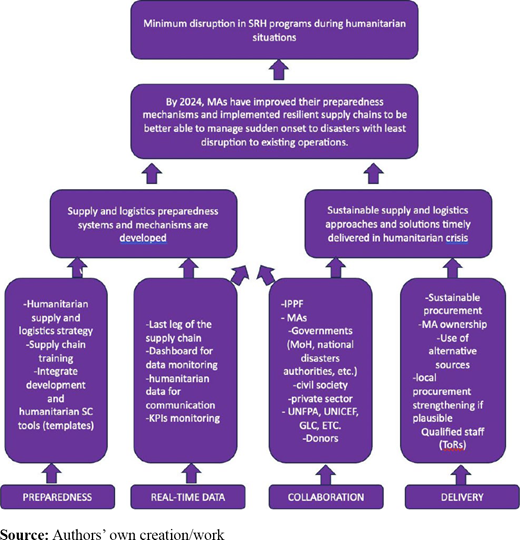
This strategy seeks to bridge the divide between humanitarian action and development efforts within the IPPF and its partners by transitioning from traditional, parallel approaches to a nexus-oriented framework that links humanitarian response with development (IAWG, UNFPA, JSI, Care, Women’s Refugee Commission, Family Planning, Emory, 2019). The success of this strategy hinges on the establishment of globally, regionally and locally adaptable preparedness processes and mechanisms, which will enable the supply function to operate effectively in humanitarian contexts through development-supportive channels. The implementation of this strategy centers on four key pillars: preparedness, effective response during humanitarian crises, collaboration with internal and external stakeholders and the utilization of real-time data for informed decision-making.
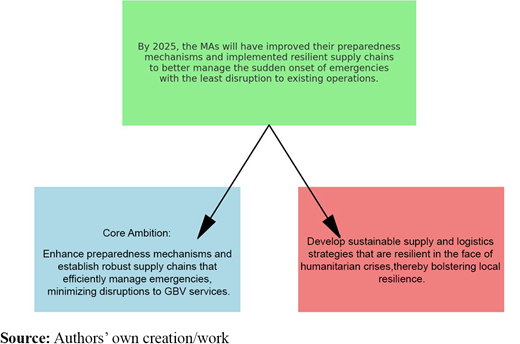
The envisioned change process for the IPPF is outlined in Figure 2, highlighting the long-term goals for GBV integration within humanitarian and development programs.
Strategic components of the ToC (Figure 3) illustrate the core pillars of preparedness, response, collaboration and data-driven decision-making, essential for effective GBV supply chain management.
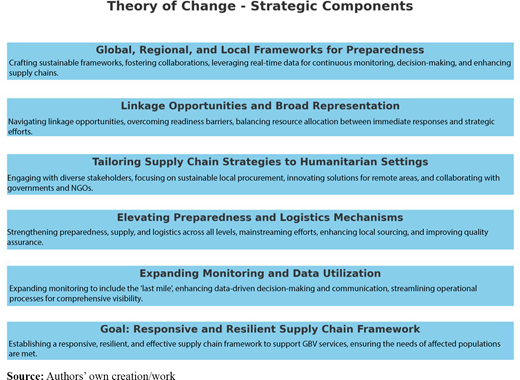
Figure 4 consolidates the ToC approach, showing how each element contributes to building resilience and capacity within humanitarian and development supply chains.
High-Reliability theory, High-Reliability organizations and normal accident theory
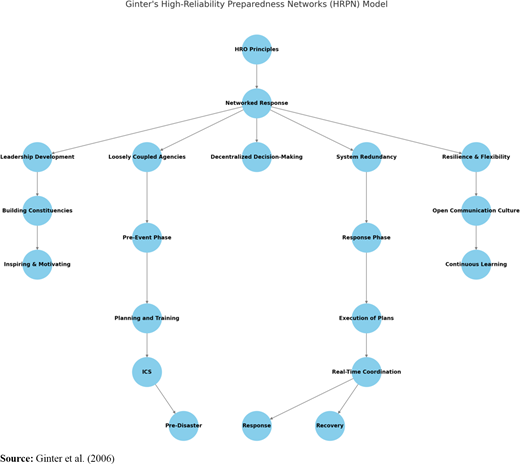
High-Reliability Theory (HRT) and High-Reliability Organizations (HROs) are crucial in managing high-risk systems and infrastructures, emphasizing principles like preoccupation with failure, sensitivity to operations and fostering resilience (Le Coze, 2022; Dekker and Woods, 2010; Meyer et al., 2020). HROs thrive in uncertainty, prioritizing reliability and adaptability in disaster prevention and response (Ginter et al., 2006; van Stralen et al., 2024). However, the tension between efficiency and sustainability necessitates a framework that emphasizes integrity over short-term gains (Smart et al., 2003).
The HRPN model in Figure 5 visualizes the network of reliability and preparedness strategies critical to effective supply chain management in high-risk contexts.
The application of HRT extends to the Triple Nexus framework, guiding the management of complexity and uncertainty in humanitarian contexts. HRT principles are valuable in building resilient supply chains through flexibility, strong relationships and robust risk management (Sawyerr and Harrison, 2020). Sustainable approaches in humanitarian logistics, including public-private partnerships, are essential for optimizing resource use and ensuring transparency (Anjomshoae et al., 2023b; Nawazish et al., 2023; Zarei et al., 2019).
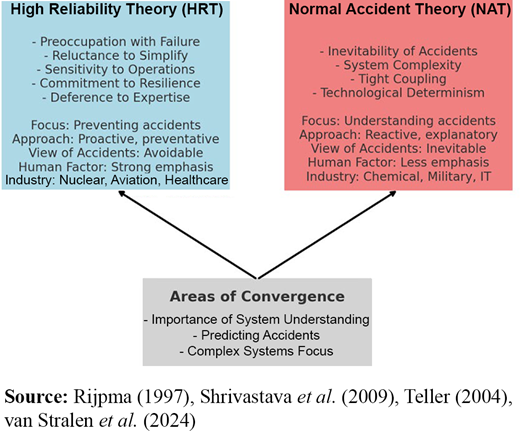
NAT, introduced by Charles Perrow (Perrow, 1984), posits that accidents are inevitable in complex, tightly coupled systems, highlighting the need for strategies to manage rather than eliminate risks (Le Coze, 2015; Perrow, 1984; van Stralen et al., 2024). Despite critiques of its deterministic nature, NAT remains relevant in understanding supply chain disruptions, emphasizing the importance of traceability, transparency and network complexity (Scheibe and Blackhurst, 2018; Skilton and Robinson, 2009).
While HRT and NAT offer contrasting perspectives, they occasionally converge, suggesting potential cross-fertilization of ideas (Rijpma, 1997). Both aim to predict and mitigate risks, but a holistic, systems-based approach integrating technical, organizational and social factors is recommended for enhancing safety (Leveson et al., 2009; Marais et al., 2004). Practitioners advocate for managing uncertainty through early detection and dynamic action, blending top-down and bottom-up approaches (van Stralen et al., 2024).
In the context of humanitarian supply chains within the Triple Nexus framework, HRT and NAT provide valuable insights for managing complexities and building resilience. HRT’s focus on failure prevention and resilience is critical for maintaining robust supply chains, while NAT offers a framework for anticipating and mitigating disruptions by recognizing inherent risks (Sawyerr and Harrison, 2020). Integrating these principles into a systems-based approach allows organizations to address vulnerabilities and improve supply chain effectiveness within the Triple Nexus framework (Leveson et al., 2009; Marais et al., 2004).
The comparative analysis of HRT and NAT (Figure 6) provides insight into managing risks within humanitarian and development frameworks.
Integrating gender and peace theories into the Triple Nexus framework: addressing gender-based violence and power dynamics in humanitarian contexts
Gender Mainstreaming Theory emphasizes the integration of gender considerations into all aspects of policy and practice, paralleling the Triple Nexus framework’s aim to integrate humanitarian, development and peacebuilding efforts (Bacchi and Eveline, 2010; Elena Camilletti et al., 2021; Piálek, 2008; Walby, 2005). The UN’s evolution toward increased multilateral cooperation and prevention has placed gender issues at the forefront, though women’s roles often remain marginalized (Rothermel, 2022; Sluga, 2020) discourse has shaped the development of UN policies, highlighting the need for gender considerations in peace and security, humanitarianism and human rights (Gavey, 2011; Leah Mallinos, 2019; Thompson et al., 2018). These dynamics underscore the importance of inter-agency collaboration within the Triple Nexus, with a focus on specific mandates to effectively implement these interconnected dimensions (Barakat et al., 2023).
The evolving field of gender, conflict and peace studies has revealed the oversight of gender in traditional security studies, integrating sociology, feminist theory and international relations to explore gender’s influence in conflict and peace (Gizelis, 2018). Gender dynamics are crucial in both conflict and peacebuilding, reflecting the broader transformation of peace as a concept that includes gender equality and social justice (Campbell and Cordery, 2023; Devere, 2018; Galtung, 1976; Sluga, 2020; Turan, 2016). The intersection of gender and resilience offers new perspectives on conflict dynamics and peacebuilding strategies, though there is a need for deeper gender expertise in fostering resilient conflict transformation (Aggestam and Eitrem Holmgren, 2022). This approach calls for a shift from conflict management to conflict transformation, emphasizing the importance of local contexts and actors in shaping effective peacebuilding efforts (Aggestam and Eitrem Holmgren, 2022).
The significance of gender in peacebuilding is further highlighted by the UN’s Women, Peace and Security agenda, which emphasizes women’s involvement in conflict resolution and the need for protection against sexual violence in conflicts (UN Security Council, 2002, 2004). However, the implementation of these principles often faces challenges, including cultural resistance and the slow transformation of entrenched norms (Carey, 2021). Addressing these issues requires a localized approach, integrating gender considerations into institutions and laws, while also acknowledging the unique challenges faced by women during humanitarian crises, where gender dynamics can both challenge and reinforce existing inequalities (K.C. and Hilhorst, 2022; Oswald-Spring, 2023; Oxfam, 2019). Moreover, during crises like the COVID-19 pandemic, the exacerbation of GBV and the disruption of critical services underscore the need for gender-sensitive responses that prioritize women’s safety and participation in decision-making processes (John et al., 2020).
GBV remains a significant public health challenge globally, cutting across socio-economic and cultural boundaries (Sanjel, 2013). It is perpetuated by entrenched patriarchal values that reinforce female subordination, leading to various forms of violence, including physical, sexual and psychological abuse (Sanjel, 2013). The COVID-19 pandemic and past health emergencies like Ebola have shown that GBV often increases during crises, exacerbated by factors such as isolation, economic strain and the reallocation of resources away from essential services for women (John et al., 2020). These crises reveal the need for robust, gender-sensitive health and social systems that can prevent and respond to GBV effectively, especially in vulnerable populations like refugees and displaced women (Russo and Pirlott, 2006).
The discourse on gender, sexuality and violence within humanitarian contexts reveals gaps in current practices, highlighting the need for a more nuanced understanding of gender relations that extends beyond traditional binaries (Hilhorst et al., 2018). A deeper focus on how gender norms evolve during crises is essential for fostering equitable humanitarian responses that address the diverse needs of all affected populations (Hilhorst et al., 2018). Moreover, effective GBV interventions must engage men and boys as allies in prevention efforts, adopting gender-transformative approaches that challenge harmful masculinities and promote gender equality (Casey et al., 2016; Peacock and Barker, 2014). These strategies are crucial for developing sustainable peacebuilding initiatives that address the root causes of gendered violence and inequality.
In hybrid peacebuilding contexts, the interaction between international interventions and local realities often neglects the gendered dimensions of power dynamics (Ryan and Basini, 2017). A gendered approach to hybridity reveals the limitations of current peacebuilding models, emphasizing the need for alternatives that address patriarchal violence and promote gender equity through local collaboration and communication (Oswald-Spring, 2023). Achieving sustainable peace requires systemic changes that integrate gender perspectives into both top-down and bottom-up strategies, supported by global solidarity, particularly among marginalized groups like women and girls (Oswald-Spring, 2023).
Table 3 summarizes key insights and relevant issues in gender analysis within peacebuilding and humanitarian theories, offering context for integrating gender perspectives into the Triple Nexus approach.
Overview of key insights and relevant issues in gender analysis within peacebuilding and humanitarian theories
| Theory | Key insights | Relevant issues |
|---|---|---|
| Gender mainstreaming theory | Integration of gender considerations into all aspects of policy, programming and practice; Triple nexus as an approach to mainstream interconnectedness of interventions | UN’s institutionalization of gender norms; Competition for discursive influence among UN agencies; need for focused implementation of the triple nexus |
| Gender, conflict and peace theory | Evolving understanding of gender in conflict and peace studies; Influence of gender in conflict dynamics, peace processes, and resilience | Lack of gender expertise in conflict transformation; Need to integrate gender into resilience-building policies and practices |
| Gender-Based violence and local peace | Importance of addressing gender as a vulnerable segment in peacebuilding; The role of UN and local governments in addressing gender issues in conflict and post-conflict scenarios | Allegations of sexual abuse by UN forces; Cultural and local barriers to implementing gender guidelines |
| Evolving concepts of peace and gender dynamics | Impact of disasters on women due to patriarchal systems; Need for gender-responsive approaches in disaster response and recovery | Discriminatory barriers faced by women in accessing relief aid; Challenge to patriarchal norms and potential for shifts in gender roles |
| Hybrid peacebuilding and gender | Oversight of gendered dimensions in hybrid peacebuilding; Interaction of international interventions, local realities, and power structures | Gendered power dynamics in peace processes; Need for alternatives to neoliberal globalization and patriarchal violence |
Practical background
Integrating gender-based violence care into community health: International Planned Parenthood Federation’s commitment and strategy
One in 3 women globally experience violence across the course of their lives, which is around 736 million women, who suffer physical, mental and/or sexual violence from an intimate partner or non-partner (Wendoh, 2021). This alarming statistic has not changed over the past decade, highlighting the deep-rooted issue of violence against women and girls (Wendoh, 2021). Violence against women not only violates individual rights but also constitutes a global health crisis, deeply entrenched in societal and cultural norms (Wendoh, 2021).
GBV is commonly acknowledged as a crucial social issue, primarily emphasizing women as the victims. Nevertheless, recent research underscores the significant yet frequently neglected occurrence of GBV affecting men and boys. The theoretical framework around GBV has expanded to include men not just as perpetrators, but also as victims and active agents in combating GBV, which is a crucial shift for developing more inclusive and effective intervention strategies (Peretz and Vidmar, 2021). In Zimbabwe, a study has revealed that young men aged 18–25 often remain silent about their victimization due to societal norms and stigma (Guga et al., 2023). Similarly, in South Africa, disaggregated data and societal biases have led to a lack of recognition and support for male victims of GBV, despite legal frameworks, which is gender neutral (Thusi and Mlambo, 2023). Additionally, Studies in the DRC reveal how sexual violence against men is used as a tool of war, aiming to dismantle traditional gender roles and assert dominance (Ferrero Baselga, 2023). In India, a community-based study revealed that more than 50% of men experienced some form of GBV, with emotional violence being the most common (51.6%), followed by physical violence (6%) and sexual violence (0.4%) (Malik and Nadda, 2019). These forms of violence are often linked to socio-economic factors such as unemployment, alcohol abuse and cultural dynamics (Chibwe et al., 2023). Men often do not seek help due to the perception that admitting victimization is incompatible with masculine identities, and institutional responses to male GBV victims are often inadequate (Durham, 2020). Continued research and policy adjustments are essential to provide comprehensive support and prevent GBV across all demographics.
The IPPF is dedicated to preventing and responding to Sexual and GBV at the community level, including in humanitarian contexts. Their statement outlines the commitment to integrating quality GBV care in every clinic (IPPF, 2020). This effort is aimed at supporting the delivery of the IPPF Gender Equality Strategy Outcome, which focuses on providing quality integrated gender-responsive, and rights-based services without discrimination (IPPF, 2020). The statement emphasizes the importance of addressing GBV as a core component of the IPPF Humanitarian Strategy (IPPF, 2018a), highlighting the introduction of GBV interventions within humanitarian programs as part of the MISP (IAWG, 2020; UNFPA and IAWG, 2020) of SRH services in humanitarian settings (IAWG, 2019a; IPPF, 2020).
IPPF defines GBV as any act perpetrated against a person based on gender norms and unequal power relationships, as GBV encompasses a wide range of physical, psychological, sexual and socioeconomic violence (IPPF, 2020). The term GBV is used by IPPF to explicitly include sexual violence under the umbrella of GBV. Anyone can be subjected to GBV, which can range widely in intensity and form, including verbal slander, physical abuse and even murder (IPPF, 2020).
Healthcare providers, positioned to offer first-line support to affected women and men, play a crucial role in addressing this issue and training frontline staff to deliver effective services is vital (Wendoh, 2021). Efforts to prevent GBV are underway globally, with IPPF MAs leading initiatives (Wendoh, 2021). IPPF emphasizes that GBV is preventable and showcases the impactful work of its MAs in combatting this issue through community engagement, education and empowerment programs, but calls for sustained commitment from policymakers, donors and decision-makers to fund sexual and reproductive healthcare and rights, support specialized training for health providers and adopt a multi-sectoral approach to address GBV (Wendoh, 2021). A detailed referral pathway for SGBV, as shown in Table 4, illustrates essential steps for survivor support and inter-agency coordination.
A referral pathway for sexual and Gender-Based violence
| Steps | Actions | Considerations |
|---|---|---|
| Primary point of contact | Explain the role and inform about available resources | Always observe guiding principles: Safety, confidentiality, respect, non-discrimination |
| Access to health care | Inform survivor about medical care availability and importance of accessing health care within 72 h | For survivors under 18, must be accompanied by an adult |
| If she chooses: Refer survivor to available medical clinic/facility with capacity for clinical management | Keep the number of people informed to a minimum to ensure confidentiality | |
| Access to legal and judicial assistance | Provide information on legal services and protection mechanisms | Inform about possible legal actions and protection measures |
| If she chooses: Link to police or legal aid for further assistance | Respect her choice to pursue legal action or not | |
| Psychosocial support | Provide information on psychosocial services and support | Offer emotional support and information on coping mechanisms |
| If she chooses: Link to professional psychosocial support services | Explain the importance of emotional health and coping strategies | |
| Follow-Up support and Long-Term assistance | Provide ongoing support and monitoring, referring to additional services as needed | Follow up with the survivor to ensure continued support |
| Coordinate with multi-sectoral support services (e.g. health, psychosocial, legal, safety and security) | ||
| Referral to additional services | Link to health, legal, psychosocial, and other necessary services | Ensure a multi-sectoral approach to address all needs comprehensively |
| Documentation and information gathering | Record appropriate, multi-disciplinary interviews and information | Gather only necessary information, respecting the survivor’s privacy and choices |
| Immediate and Long-Term support | Ensure immediate response and plan for long-term assistance | Provide holistic support considering health, psychosocial, safety and security, legal assistance, and multi-sectoral aspects like WASH (water, sanitation, and hygiene) |
Supplies for gender-based violence interventions
Effective GBV intervention programs require a diverse range of supplies to support survivors, raise awareness and implement preventive measures (IAWG, UNFPA, JSI, Care, Women’s Refugee Commission, Family Planning, Emory, 2019). These supply needs vary based on the intervention type and specific context (IASC, 2019). Comprehensive assessments are essential for accurately identifying and fulfilling these needs, ensuring programs align with the requirements of both survivors and the community (CHS Alliance, Group URD and Sphere Project, 2014; IASC, 2016; IASC and Global Protection Cluster, 2015; WHO, 2004). Adequate and ready supplies are crucial for immediate and comprehensive support, awareness-raising and preventive efforts (IAWG, 2018). Strategic collaboration and careful planning enable organizations to create resilient supply chains, ensuring continuous and effective GBV services even in challenging situations (IAWG, 2018). Table 5 provides an overview of necessary supplies for effective SGBV intervention, highlighting the logistics required for comprehensive survivor support.
Supplies in SGBV intervention programs
| Category | Type of supplies | Description |
|---|---|---|
| Survivor support supplies | Crisis helplines | Essential communication tools for immediate support and counseling |
| Safe spaces | Secure shelters or spaces with necessary facilities for refuge | |
| Personal care items | Hygiene kits, sanitary products, and toiletries for personal care | |
| Clothing and bedding | Essential clothing and bedding for those who fled homes abruptly | |
| Emergency food and water | Non-perishable food items and clean water for sustenance | |
| Medical supplies | First aid kits and medical equipment for treating injuries | |
| Mental health resources | Counseling materials and psychosocial support tools | |
| Legal support | Resources for accessing legal assistance and support | |
| Awareness and prevention supplies | Educational materials | Posters, brochures, and pamphlets for awareness and prevention |
| Training materials | Manuals and guides for community and professional education | |
| Community outreach tools | Tools for mobilization efforts, like megaphones and banners | |
| School resources | Materials for GBV prevention education in school curricula | |
| Media campaign materials | Resources for public awareness campaigns in media | |
| Protection and safety supplies | Security measures | Safety measures including locks, alarms, and security personnel |
| Personal protective equipment (PPE) | Masks, gloves, and protective gear for health emergencies | |
| Data collection and reporting supplies | Documentation tools | Forms, registers, and software for GBV case documentation |
| Computers and software | Hardware and software for data analysis and reporting | |
| Secure data storage | Systems for the secure storage of confidential information | |
| Training and Capacity-Building supplies | Training facilities | Venues for training sessions and workshops |
| Training materials | Educational resources for facilitator and participant training |
Humanitarian supply chains in the Triple Nexus context
The Triple Nexus framework provides a theoretical foundation for integrating humanitarian and development supply chains, yet its practical implementation is fraught with significant challenges. These include inefficiencies in transitioning between development and humanitarian operations (Mena and Hilhorst, 2022), inflexibility in supply chains and inadequate support for GBV response, all of which underscore the need for a more nuanced, context-specific approach. Tailored strategies that account for the unique demands of both humanitarian and development contexts are essential for effective and sustainable supply chain integration.
Humanitarian interventions are often associated with immediate responses to crises, but the acute phase of such interventions is typically short-lived (Weishaupt, 2020). The focus during this period is on critical life-saving measures. Opportunities to enhance the resilience of national supply chains typically arise either before or after a crisis, rather than during the peak emergency when information and access are limited (IAWG, 2019b). The emergency programming cycle provides insights into potential interventions to strengthen national supply chains around such crises.
Current humanitarian and development financing structures are misaligned with the complex, prolonged nature of crises and global disruptions, leading to inefficiencies and gaps in supply chain systems (IAWG, UNFPA, JSI, Care, Women’s Refugee Commission, Family Planning, Emory, 2019). Recognizing that crises often extend over years, it is crucial for governments, funding bodies, humanitarian and development organizations, private sector entities and other stakeholders to collaborate on strategic, impactful solutions (IAWG, UNFPA, JSI, Care, Women’s Refugee Commission, Family Planning, Emory, 2019).
Traditionally, humanitarian operations prioritize the rapid delivery of aid, often without fully considering the socio-economic context of the affected areas (IAWG, UNFPA, JSI, Care, Women’s Refugee Commission, Family Planning, Emory, 2019). However, a more comprehensive approach during disaster rehabilitation is needed, one that aligns supply chain design with the immediate capabilities of relief organizations while also accounting for the long-term needs of affected populations and the socio-economic and governmental factors that could impact recovery (Kunz and Gold, 2017).
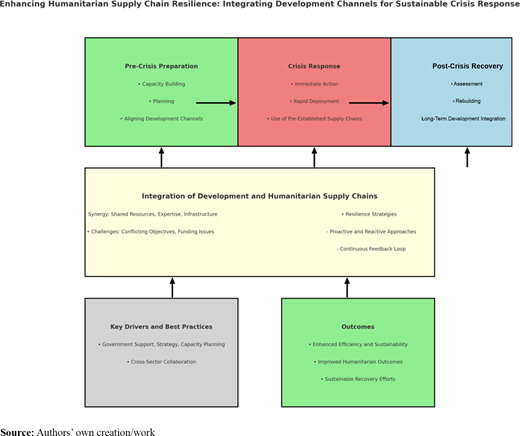
Leveraging development channels to implement humanitarian supply chains can enhance the efficiency, sustainability and impact of aid delivery by using the existing infrastructure, expertise and resources of development organizations (Anandhi et al., 2023). Supply chain considerations increasingly influence the ethical and political dimensions of humanitarianism, where sustainable logistics often involve reducing material aid provision and prioritizing local and transnational markets (Pascucci, 2021). The partnerships between humanitarian agencies and corporate entities play a crucial role in fostering sustainable logistics within the Triple Nexus context (Pascucci, 2021).
Developing resilience in humanitarian supply chains involves addressing both process-oriented and result-oriented factors, such as government support, strategic and capacity planning and continuous assessment of project progress (Singh et al., 2018). Managing these factors effectively contributes to more resilient and agile humanitarian aid programs, ultimately leading to more effective and sustainable relief efforts. However, the humanitarian principles of neutrality, impartiality, independence and humanity must be carefully considered within the Triple Nexus framework (Dubois, 2020; Lie, 2020).
Effective implementation of humanitarian supply chains through development channels requires robust collaboration and coordination between humanitarian and development actors. Clear protocols, agreements and communication channels are essential for seamless emergency response, and ongoing training and capacity-building efforts ensure that development organizations can transition smoothly into humanitarian roles when necessary (Agarwal et al., 2022; Aitsi-Selmi et al., 2016). This integrated approach not only improves humanitarian supply chain efficiency but also fosters resilience and sustainable development in crisis-affected regions, mitigating the impact of future emergencies (Banomyong et al., 2019).
Sustainability is a critical consideration in humanitarian supply chains. The sustainable humanitarian supply chain concept distinguishes humanitarian supply chain management from commercial supply chains by examining sustainability through various lenses, including material, operational, logistical, human, funding and exogenous challenges (Dubey and Gunasekaran, 2016; Patil et al., 2021). Addressing these challenges, particularly material, operational and logistical issues, is crucial for achieving sustainability in humanitarian logistics, with poor compliance with WHO guidelines identified as a significant obstacle (Patil et al., 2021).
Humanitarian organizations increasingly address sustainability expectations in their annual reports, focusing on societal and beneficiary expectations, supply chains, organizational structure and strategy. However, there is limited explicit discussion on how these programs fit with contextual expectations, highlighting the need for better alignment between organizational structures and societal aims to enhance aid effectiveness (Haavisto and Kovács, 2014). Additionally, integrating environmental sustainability into humanitarian supply chains remains underemphasized, despite its significant role in social sustainability through relief efforts (Mena et al., 2022; Zarei et al., 2019).
The implementation of supply chain resilience, despite a well-established roadmap, continues to face challenges. Six key challenges identified by Cohen et al. (2020) include the complexity of determining the optimal supply chain setup and the need for a dynamic approach to address evolving factors and trade-offs. Proactive strategies and a dynamic risk management process are essential for long-term resilience, especially in the context of the Triple Nexus, where integrating development and humanitarian supply chains within the same organization offers numerous advantages but also presents significant challenges (Cohen et al., 2020; Shrestha et al., 2019). Key challenges and recommendations for implementing supply chain resilience are mapped in Figure 7, guiding the development of adaptive strategies.
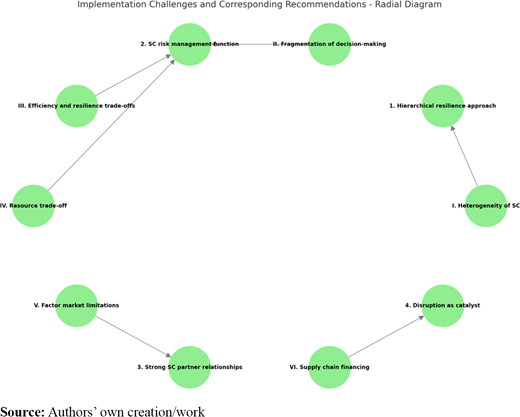
Addressing these challenges requires measures such as developing flexible funding mechanisms, training staff in humanitarian response, establishing clear coordination protocols, harmonizing procurement and reporting requirements, managing resource reallocation, implementing robust risk management strategies, ensuring accountability and navigating legal and regulatory frameworks (Hilhorst and Jansen, 2010). Moreover, ensuring a good fit between supply chain design and the various dimensions of disaster rehabilitation, including the needs of the population, enabling factors within organizations and external contingencies, is crucial for effective humanitarian responses (Kunz and Gold, 2017). As shown in Figure 8, the proposed resilience strategies address critical challenges in supply chain adaptability for improved GBV intervention support.
The integrated framework for supply chain resilience, detailed in Table 6, emphasizes strategies for building flexibility and robustness into humanitarian supply chains.
Integrated supply chain resilience management framework
| Enablers | Supply chain resilience strategies |
|---|---|
| End-to-end visibility → | Operational buffers |
| - Real-time data/supply chain control tower | – Inventory buffers for critical components |
| - Supply chain/value stream mapping | – Flexible production capacities (internal or external) |
| - Cost transparency | |
| End-to-end control → | Footprint diversification |
| - SC risk assessment and monitoring | – Flexible process design |
| - Information sharing | – Manufacturing postponement |
| - Integrated business planning | – Make or buy decisions |
| - Scenario and contingency planning | – Production relocation and nearshoring |
| Continuous IT infrastructure → | Supply options |
| - Central data lake | – Diversify supply base (if location/regions, # of plants) |
| - Digital twin | – Flexible supply networks |
| - Cloud connectivity | – Alternative supplier development |
| - Hyperresiliency | – Supply chain financing |
| - Probabilistic forecasting | |
| Organizational readiness → | Robust distribution |
| - Maturity of supply chain risk management function | – Transportation alternatives and back-ups |
| - Repeated drills and business continuity planning | – Dependable and agile logistics systems |
| - Management focus | – Multi-modal transport and e-commerce capability |
| - Supply chain “stress tests” | – Local warehousing |
| Product (portfolio) standardization | |
| – Product design that shares components across multiple products and encourages re-use of their parts | |
| – Variable BOM | |
| – Focused product lines that resist SKU proliferation | |
| Partner network | |
| – Supplier audits | |
| – Aligned roles and responsibilities (share risks, costs, and gains) | |
| – Strong supplier relationships based on trust and fair treatment (long-term) |
Findings and analysis
The analysis of the IPPF MAs highlights a multitude of critical challenges faced in maintaining robust supply chain capacity and ensuring policy consistency. These challenges are evident during both stable periods and emergencies, underscoring the need for extensive reforms across various domains including supply chain capacity, partnerships, IT infrastructure and policy consistency.
One primary finding is the excessive reliance of MAs on donated supplies from the Ministry of Health (MoH). This dependency leads to significant gaps in budget allocations for procurement within annual financial plans. The lack of financial planning for procurement critically undermines the ability of MAs to independently manage their supply chains. This dependency on external donations not only impedes the flexibility and responsiveness of MAs but also ties them to the availability and timing of these donations rather than aligning with their strategic needs. Such reliance results in potential disruptions in the availability of essential supplies, impacting the overall efficiency and effectiveness of supply chain management.
Additionally, variability in partnerships and the establishment of memoranda of understanding (MoUs) with the MoH contribute to unclear roles and responsibilities. This ambiguity hampers the reliability and efficiency of procurement cycles. Since different MAs have different agreements with the MoH, the resulting inconsistencies in procurement practices create difficulties in maintaining a stable supply of essential goods. The absence of standardized agreements exacerbates inefficiencies in the management and distribution of supplies, further complicating supply chain operations.
In the Pacific region, MAs encounter severe logistical issues characterized by frequent shortages and stockouts, which are intensified by the over-reliance on the MoH. These logistical problems are compounded by the lack of robust IT infrastructure, which significantly impairs the effective management of humanitarian safety stocks. The absence of adequate IT systems renders the tracking and management of inventory cumbersome, resulting in inefficiencies in stock monitoring and forecasting. Outdated or inadequate data for inventory quantification and forecasting frequently leads to unanticipated shortages, stockouts and delays in deliveries. The situation is further aggravated by unclear processes, stringent import regulations and limited storage facilities.
Inventory management emerges as a critical challenge, particularly in the Pacific MAs. The lack of integrated inventory management software and comprehensive data for last-mile distribution contributes to unreliable processes. Without standardized operating procedures and clear roles, procurement and supply chain management are fraught with difficulties. Integrating experienced staff with prior humanitarian response experience could potentially improve the effectiveness of these operations, addressing some of the current gaps.
The Triple Nexus framework provides a theoretical foundation for evaluating supply chain operations. However, the findings reveal that the current supply chain development channels within the MAs are insufficiently aligned with this framework. The heavy reliance on donated supplies and government support poses significant challenges to upholding the principles of impartiality, neutrality and independence that are crucial to humanitarian efforts. This dependence risks compromising the integrity of humanitarian actions, as external influences, including political agendas, may affect the delivery of aid. The principles of humanitarian action emphasize the need for neutrality and independence to ensure aid is provided based solely on need. The current dependency on external donors and government support potentially undermines these principles, compromising the ability to act impartially and independently.
Furthermore, this reliance on external support impacts the flexibility and resilience required during emergencies. The Triple Nexus approach advocates for robust partnerships and collaboration among humanitarian, development and peacebuilding actors to create a comprehensive and adaptable system. However, existing supply chain mechanisms often fall short of meeting these requirements, limiting their effectiveness in addressing complex and rapidly evolving crises.
The findings also expose a significant gap in the adequacy of current development frameworks to support GBV preparedness and response. The lack of tailored infrastructure and strategic focus on GBV-related humanitarian crises indicates that conventional approaches need rethinking. There is a critical need to establish specialized humanitarian supply chains specifically designed to address the unique and urgent needs of GBV crises. By creating dedicated supply chains for GBV, MAs can better address these specific crises, ensuring that resources and support are available when needed most. This specialized approach would enable MAs to build a solid foundation for GBV response, which could later be integrated with broader development supply chains, aligning with the Triple Nexus framework’s goal of a cohesive and comprehensive approach.
Fieldwork conducted in countries such as Fiji, Indonesia, the Philippines, Solomon Islands, Maldives, Nepal and India underscores that the current structure of humanitarian and development financing and operations does not adequately address the complexities of prolonged crises. This misalignment leads to inefficiencies and gaps in supply chain systems, challenging the assumptions of the Triple Nexus framework, which advocates for more adaptive and integrated systems. The observed inefficiencies contradict the framework’s emphasis on synergy and adaptability. For example, development-focused supply chains in certain case studies struggled to transition effectively during unexpected crises, resulting in delays and disruptions in aid delivery. This highlights the need for supply chains that are inherently flexible and adaptable, capable of shifting functions as needed to respond effectively to emerging situations.
Integration efforts aimed at enhancing the efficiency, sustainability and impact of humanitarian aid through development channels are often impeded by a lack of coordination and conflicting objectives between humanitarian and development actors. In the Pacific region, for instance, the absence of robust IT infrastructure and clear protocols significantly hindered the seamless integration of humanitarian supply chains into existing development frameworks. These practical challenges illustrate the complex reality of implementing the Triple Nexus framework and reveal the difficulty of aligning theoretical principles with operational realities.
The findings also underscore persistent challenges in implementing resilient humanitarian supply chains, even when development channels are available. Bureaucratic processes, coordination difficulties and a lack of tailored infrastructure contribute to these challenges. The heavy reliance on donated supplies and government support compromises the flexibility and independence necessary for rapid humanitarian responses. This reliance highlights a critical gap in the current supply chain models and underscores a disconnect between the Triple Nexus framework’s theoretical emphasis on resilience and the practical difficulties in achieving it. To address these gaps, it is essential to move toward creating self-sustaining and resilient supply chains. This involves reducing dependency on external donors and government systems and developing mechanisms that can operate independently and adapt to changing needs. Such an approach aligns with the Triple Nexus framework’s goal of integrated and adaptable systems, ensuring that humanitarian supply chains are both effective and resilient.
Another critical observation from the field is that the distinction between development and humanitarian work becomes much less evident at the grassroots level. Often, the same staff members are involved in both development programs and humanitarian operations, depending on the size of the implementing agency. This is particularly true in the Pacific, where the two dimensions are not distinctly separated. This could suggest that the Triple Nexus approach is less apparent in theory. However, in practical terms, this overlap may offer an advantage by creating synergies between development and humanitarian efforts, as the same staff members serve as focal points. Nevertheless, this convergence may blur the essential differences between the two fields, particularly in maintaining humanitarian principles.
The findings highlight the need for a strategic overhaul in the management of humanitarian and development supply chains. Prioritizing the establishment of specialized supply chains for GBV preparedness and response is crucial for effectively addressing the specific needs of these crises. Once these specialized supply chains are established, they can be integrated with broader development supply chains, fostering a more cohesive and resilient approach to both humanitarian and development challenges. Addressing the identified gaps and inefficiencies requires a careful and systematic approach. By aligning practical strategies with the theoretical principles of the Triple Nexus framework, MAs can create more adaptive, integrated and effective supply chain systems. Continuous evaluation and adjustment of these systems will be crucial to meeting the complex needs of humanitarian crises, ultimately leading to more sustainable and impactful outcomes.
Expanding on additional findings and perspectives, resource allocation and financial management within the MAs emerge as a critical aspect needing further attention. The significant reliance on donated supplies often translates into inadequate budget allocation for procurement within annual financial plans, revealing broader issues in financial management and planning. Insufficient budgetary provisions for procurement may lead to underfunded or poorly managed supply chains, increasing vulnerability during emergencies. For IPPF and its MAs, the challenge extends beyond simply inadequate budget allocations. The budgets are extremely tight, leaving little room for additional expenses, such as developing humanitarian supply chains. IPPF provides MAs with an annual contribution, which they can allocate according to their needs. However, it is a common practice among MAs not to use this funding for supplies. Instead, it is primarily allocated for staff salaries, advocacy campaigns and clinic expenditures. Some MAs own their facilities, avoiding monthly rent costs, but all face significant challenges in securing additional funding, relying heavily on donations rather than actively pursuing fundraising efforts. While some of the larger MAs, like those in Indonesia and Nepal, receive donated supplies from organizations such as UNFPA, these donations are typically routed through Ministries of Health (MoH), which often results in little change to the supply situation. MAs do have the option to use IPPF’s funding to procure supplies through IPPF’s procurement unit, but none of the 11 MAs have opted to do so, despite IPPF’s ability to source some of the items that MAs lack. This brings the issue back to the core problem: a persistent lack of funding.
Political and economic instability in various regions profoundly affects supply chain operations. The heavy reliance on government support and donations can be exacerbated by political shifts or economic crises, leading to unpredictable supply chain disruptions. A comprehensive analysis should consider how political and economic factors influence supply chain stability and explore strategies to mitigate these risks. For example, political unrest may cause delays in customs and import processes, affecting timely delivery of supplies, while economic downturns could reduce funding and support, further straining supply chains. Examining these external factors can offer a more nuanced understanding of the challenges faced by Medical Association (MAs) and inform strategies to enhance resilience against such disruptions. During a fieldwork period in the Philippines, a change in government occurred, which significantly impacted the operations of the MA involved. As a consequence of this political shift, the MA ceased to receive essential supplies from the MoH. This interruption in the supply chain rendered the MA unable to continue providing necessary services, as the availability of supplies is directly tied to their capacity to deliver healthcare. Compounding the issue, the MA had allocated the majority of its budget to staffing costs, leaving them without the financial flexibility to procure supplies independently. This situation highlights a critical vulnerability in resource allocation, where the lack of contingency funding can severely hinder service provision. Although this challenge was particularly acute in the Philippines, where alternative solutions were more feasible than in Pacific countries, it underscores the broader difficulties faced by healthcare organizations in regions where political changes can disrupt essential services.
The role of local communities and grassroots organizations in humanitarian supply chain management also warrants attention. These entities often have a deeper understanding of local needs and contexts, which can be invaluable for effective supply chain management. Engaging local communities can improve forecasting accuracy, better resource distribution and enhanced crisis response. The emphasis on local grassroots levels (micro) combined with international support aligns well with the hybrid and Triple Nexus approach. It is widely acknowledged that for change and development to be effective, they must be deeply rooted in local contexts, taking into account local norms, customs and culture. This approach ensures that interventions are not only relevant but also sustainable, as they are tailored to the unique needs and realities of the communities they aim to serve.
Technological innovations present significant potential for improving supply chain management. Findings highlight deficiencies in IT infrastructure, complicating inventory management and forecasting. Recent technological advancements, such as blockchain for supply chain transparency and AI for predictive analytics, could offer new solutions for enhancing supply chain operations. Analyzing the integration of these technologies into existing systems might reveal opportunities to address current inefficiencies. Implementing real-time tracking systems and advanced data analytics could improve forecasting accuracy and reduce stockouts. Evaluating the feasibility and impact of these technologies can provide practical solutions to persistent issues. However, in their current form, many of the MAs lack the capacity to integrate such technologies. While some of the larger MAs are more receptive to change, particularly in the Pacific, technological advancements and innovations present significant challenges. These MAs face other critical issues that must be addressed before they can be prepared to take such steps.
Capacity building and training are crucial for improving supply chain management. The findings suggest a lack of clear roles and standardized procedures, which could be addressed through targeted training and development programs. Investing in capacity building can enhance supply chain operations by equipping staff with necessary skills and knowledge. Training programs focused on best practices, new technologies and emergency response strategies could significantly improve supply chain management. Assessing the impact of these training initiatives on operational performance can provide insights into their effectiveness and areas for improvement. IPPF and other organizations do offer training programs for the MAs; however, the aspect of supply chain management has been notably lacking in these initiatives.
Collaboration and partnership models are vital to effective supply chain management. Findings highlight variability in MoU agreements with the MoH, impacting procurement processes. Exploring how different collaboration models affect supply chain efficiency can reveal best practices and potential improvements. Analyzing successful partnerships between MAs and other humanitarian or development organizations might provide insights into effective collaboration strategies, improving overall supply chain performance. Some of the larger MAs have been more successful in establishing collaborations with other organizations, particularly those that can provide much-needed supplies. In contrast, the Pacific MAs have no such collaborations and face greater limitations in forming them, as fewer organizations are represented in the region. It is strongly recommended that the collaboration with UNFPA, a key donor of relevant supplies, be renegotiated. Wherever possible, humanitarian supply chains should be redirected outside of the MoH to ensure more direct and efficient support to the MAs. For instance, establishing a regional hub in Fiji could be a strategic solution, allowing all Pacific MAs to better respond to humanitarian disasters. This hub would centralize resources and enhance coordination, ensuring that the Pacific MAs have the capacity to effectively manage and distribute supplies during emergencies. Figure 9 provides an overview of key findings, highlighting critical factors influencing supply chain efficiency across case studies.
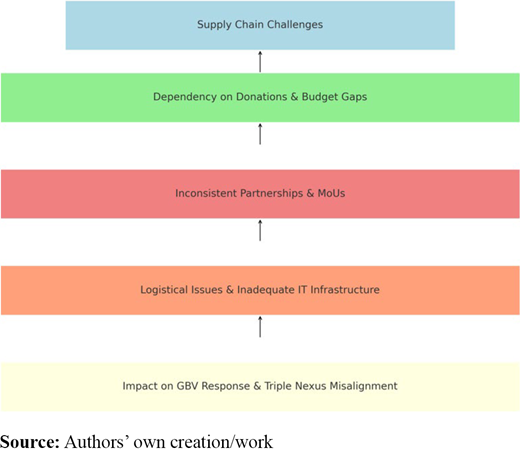
Table 7 consolidates the study’s findings, outcomes and proposed solutions for enhancing supply chain efficiency within the Triple Nexus context.
Summary findings, outcomes and proposed solutions
| Analysis performed | Key findings | Outcome | Proposed solution |
|---|---|---|---|
| Supply chain infrastructure analysis | Significant gaps in supply chain infrastructure impede timely and effective GBV interventions | Delayed responses to GBV cases, Exacerbating survivor suffering and undermining community peace efforts | Develop a resilient and adaptable supply chain system with advanced technology for efficient management |
| Peacebuilding integration analysis | Disproportionate focus on immediate needs, with insufficient attention to peacebuilding efforts | Limited effectiveness in achieving sustainable, Long-term solutions for GBV and community stability | Rebalance GBV programs by integrating peacebuilding and conflict transformation strategies |
| Inter-sectoral coordination and policy analysis | Lack of strong partnerships and transparent policies hinders effective triple nexus implementation | Fragmented efforts, duplicated tasks, and diminished impact of GBV interventions | Foster stronger partnerships, create transparent policies, and establish clear communication channels |
| Technological and logistical capacity analysis | Deficiency in advanced forecasting tools and inventory management systems | Inefficiencies and delays in GBV intervention efforts, weakening overall response and peacebuilding | Invest in advanced technological solutions for real-time data monitoring, forecasting, and inventory management |
Triple nexus analytical framework
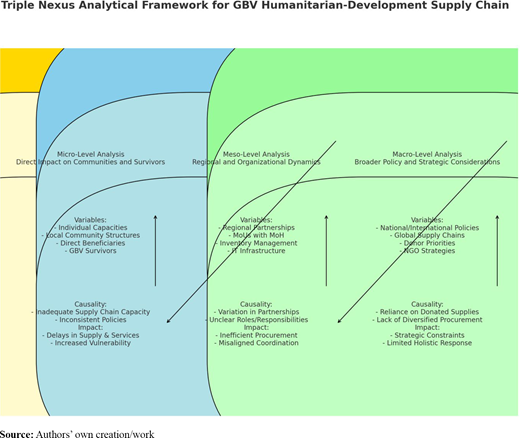
The Triple Nexus Analytical Framework is designed to analyze interventions within Triple Nexus contexts, focusing on the interconnectedness of humanitarian, development and peacebuilding efforts. By analyzing interventions across micro, meso and macro levels, this framework delves into the causality and variables that influence outcomes in these complex settings. It provides a structured approach to understanding how different factors – from local community structures to global policies – affect the effectiveness and coherence of strategies aimed at addressing critical issues like GBV.
Micro-Level analysis: direct impact on communities and survivors
At the micro level, the analysis emphasizes the direct impact of supply chain inefficiencies on GBV survivors and local communities. It identifies critical variables such as individual capacities, local community structures, direct beneficiaries of humanitarian aid and survivors of GBV themselves. The causal link established here points to the detrimental effects of inadequate supply chain capacity and inconsistent policies on the ability of the MAs to respond to GBV cases effectively. This inefficiency not only delays the provision of necessary supplies and services but also exacerbates the vulnerability of GBV survivors, highlighting a critical gap in immediate response mechanisms.
Variables: Individual capacities, local community structures, direct beneficiaries of humanitarian aid and survivors of GBV.
Causality: The lack of robust supply chain capacity and consistent policies directly affects the ability of MAs to effectively respond to GBV cases at the local level. This inefficiency can exacerbate the vulnerability of GBV survivors by delaying access to necessary supplies and services.
Meso-Level analysis: regional and organizational dynamics
Moving to the meso level, the focus shifts to regional partnerships, MoU with the MoH, inventory management practices and IT infrastructure. These variables play a pivotal role in shaping the efficiency of procurement cycles and supply chain management overall. The analysis reveals that unclear roles and responsibilities, along with variation in partnerships, hinder the coordination required for a comprehensive response to GBV. This misalignment directly impacts the intermediate structures essential for bridging humanitarian aid with development objectives, pointing to a systemic challenge in operationalizing the Triple Nexus approach at this level.
Variables: Regional partnerships, MoUs with MoH, inventory management practices and IT infrastructure.
Causality: Variation in partnerships and unclear roles/responsibilities hinder effective procurement cycles and supply chain management. This misalignment affects the intermediate structures that are crucial for coordinating a comprehensive response to GBV within the humanitarian-development nexus.
Macro-Level analysis: broader policy and strategic considerations
At the macro level, the analysis broadens its scope to consider national and international policies, global supply chain networks, donor priorities and strategies of international NGOs. The causal analysis here highlights how reliance on donated supplies and a lack of diversified procurement channels are symptomatic of broader systemic issues. These limitations constrain strategic flexibility, crucial for effectively implementing the Triple Nexus approach, and thereby impact the capacity to address GBV in a manner that integrates humanitarian, development and peacebuilding efforts comprehensively.
Variables: National and international policies, global supply chain networks, donor priorities and international NGOs’ strategies.
Causality: The reliance on donated supplies and the lack of diversified procurement channels reflects broader systemic issues. These constraints limit the strategic flexibility needed to operationalize the Triple Nexus approach effectively, impacting the capacity to address GBV in a holistic manner that encompasses humanitarian, development and peacebuilding efforts. The analytical framework for the Triple Nexus approach is presented in Figure 10, depicting the interconnections between humanitarian, development and peacebuilding dimensions.
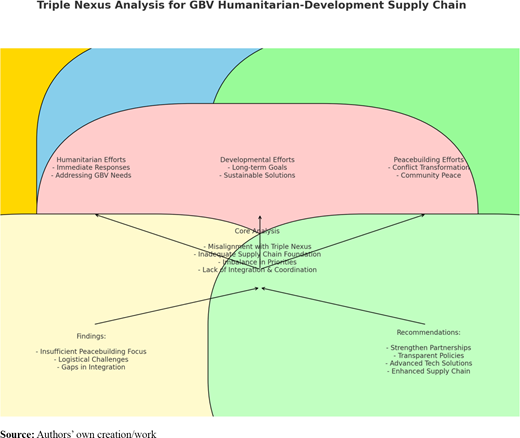
The examination of the GBV humanitarian-development supply chain underscores profound misalignments with the Triple Nexus framework. The lack of a solid supply chain foundation significantly hinders the MAs’ ability to deliver timely and effective responses to GBV, thereby diminishing the potential for positive impacts on community peace at the micro grassroot level, hence local peace.
Key findings indicate that current aid programs insufficiently prioritize peacebuilding or conflict transformation, elements pivotal for a holistic approach to GBV within the Triple Nexus paradigm. This oversight results in an imbalanced focus on immediate humanitarian and developmental needs, neglecting the root causes of GBV that peacebuilding efforts aim to address.
The study stresses an urgent need for stronger partnerships and more transparent policies to ensure the Triple Nexus’s efficacy. This involves fostering seamless integration and coordination across humanitarian, development and peace sectors, which remains a notable gap.
Furthermore, the lack of sophisticated forecasting tools and inventory management systems severely constrains the efficient management and distribution of supplies, critical for swift GBV interventions and prevention strategies.
The GBV case study does not fully align with the Triple Nexus approach due to these gaps in integration and logistical challenges. To truly embody the Triple Nexus, a comprehensive, resilient and adaptable supply chain system is essential, one that addresses immediate needs and contributes to long-term developmental and peacebuilding goals. Strengthening supply chain capabilities, enhancing inter-sectoral cooperation and adopting advanced technological solutions are vital steps toward this comprehensive integration, ultimately amplifying the impact on local community peace and advancing sustainable solutions to GBV.
This highlights the complex challenges faced when applying the Triple Nexus framework to GBV humanitarian-development supply chains. Without an integrated, robust and agile supply chain system, efforts to combat GBV may fall short. Achieving the full potential of the Triple Nexus approach necessitates a dedicated push toward meeting immediate humanitarian needs while also nurturing long-term development and peacebuilding efforts. Enhancing supply chain infrastructure, fostering cross-sector collaborations and harnessing technological advancements present a substantial opportunity to amplify the impact on community peace and forge sustainable solutions to GBV challenges. The in-depth analysis of the Triple Nexus approach (Figure 11) demonstrates how integration efforts impact GBV intervention effectiveness.
Discussion and implications
The discussion of humanitarian supply chains within the Triple Nexus framework offers a rich terrain to explore the interaction between theoretical frameworks – specifically HRT, HRO and NAT – and the practical realities faced by humanitarian organizations such as IPPF and its MAs. This expanded discussion will delve deeper into the differential application of these theories versus the practical challenges and strategies used in humanitarian supply chains.
The discussion section also expands on the application of Gender, Conflict and Peace Theory to both the findings and the Triple Nexus analytical framework output. This section will provide a more nuanced examination of how these theoretical frameworks inform the understanding of the challenges identified and offer actionable insights for improving the effectiveness of humanitarian, development and peacebuilding efforts.
Theoretical application: high-reliability theory and high-reliability organization in building resilient supply chains
HRT and HRO provide a theoretical foundation for understanding how organizations can manage complex, high-risk operations with a low incidence of failure (Meyer et al., 2020; van Stralen et al., 2024). In applying these theories to the findings on IPPF MAs, the principles of HRT – such as preoccupation with failure, reluctance to simplify and sensitivity to operations – are directly applicable to the design and management of humanitarian supply chains.
For instance, the finding that IPPF MAs heavily rely on donated supplies points to a lack of strategic foresight and resilience. In HRT, a preoccupation with failure would compel organizations to anticipate potential disruptions in supply and build redundancies into their systems (Dekker and Woods, 2010). This could involve diversifying supply sources or establishing contingency plans to mitigate the risk of dependency on a single source, particularly one as volatile as external donations. Moreover, HROs emphasize the importance of continuous learning and adaptability, which is critical in humanitarian contexts where conditions can change rapidly and unpredictably (Meyer et al., 2020).
By integrating these HRO principles, humanitarian organizations can enhance their ability to maintain operations during crises. For example, the implementation of robust inventory management systems, tailored training for staff and the establishment of clear communication channels could all contribute to creating a more resilient supply chain that aligns with HRT and HRO standards. Such systems would allow IPPF MAs to better manage stock levels, forecast needs more accurately and respond more effectively to supply chain disruptions.
Practical application: addressing supply chain challenges through grounded strategies
While HRT and HRO provide a valuable theoretical lens, the practical challenges identified in the IPPF MAs’ supply chains demand solutions grounded in real-world constraints. The over-reliance on donated supplies, variability in partnerships and inadequate IT infrastructure are issues that require practical interventions rather than purely theoretical solutions.
One practical approach is the enhancement of local partnerships and the establishment of more consistent MoU agreements with MoH. This would involve negotiating clearer terms that delineate roles and responsibilities, thereby reducing the variability and ambiguity that currently plague procurement processes. From a practical standpoint, this strategy aligns with the broader goal of improving supply chain reliability but is driven more by operational needs than by theoretical principles.
Moreover, the implementation of advanced IT systems for inventory management represents a practical response to the logistical challenges identified. While HRT might suggest the need for such systems to improve sensitivity to operations, the actual deployment of these technologies requires overcoming significant barriers, such as funding constraints and staff training. Thus, while the theoretical application highlights the need for resilience, the practical application focuses on how to achieve this resilience given the existing limitations within IPPF MAs.
Differentiating between theoretical and practical applications
The application of HRT and HRO is fundamentally about instilling a mindset and organizational culture that prioritizes safety, reliability and adaptability. These theories are concerned with how organizations think about and approach risk management, particularly in complex and high-stakes environments. In contrast, the practical application of these principles within humanitarian supply chains involves translating these abstract concepts into tangible actions, such as improving infrastructure, enhancing training programs and renegotiating partnerships.
For example, HRT’s emphasis on a “preoccupation with failure” may lead to the theoretical recommendation that IPPF MAs diversify their supply sources to reduce reliance on external donations. In practice, however, this might involve complex negotiations with new suppliers, the establishment of regional supply hubs or the allocation of limited resources to procurement activities. The practical challenges of funding, logistics and political considerations often necessitate compromises that may deviate from the ideal scenarios envisioned by theoretical frameworks.
Similarly, while HRO theory advocates for a culture of continuous learning and adaptability, the practical implementation of this principle within IPPF MAs may be hindered by resource constraints or the absence of adequate training infrastructure. Thus, the practical application might focus on incremental improvements, such as targeted training sessions for key staff members, rather than the comprehensive organizational transformation suggested by HRO theory.
The role of Normal Accident Theory in understanding and mitigating systemic risks
NAT offers a contrasting perspective by suggesting that in complex, tightly coupled systems like humanitarian supply chains, accidents are inevitable despite best efforts to prevent them (Perrow, 1984). This theory is particularly relevant when considering the systemic risks that arise from the complex interplay of factors such as political instability, economic volatility and logistical challenges, as observed in the IPPF MAs’ operations.
NAT would suggest that the frequent stockouts and logistical issues faced by IPPF MAs are not merely the result of poor planning or inadequate resources but are inherent in the complex nature of humanitarian supply chains. The tight coupling of various elements – such as reliance on MoH supplies, stringent import regulations and limited storage facilities – creates a system where small disruptions can lead to significant failures (Perrow, 1984). The application of NAT in this context highlights the importance of recognizing these systemic vulnerabilities and developing strategies to mitigate their impact, rather than attempting to eliminate them entirely.
In practical terms, this might involve adopting a more flexible approach to supply chain management, where the focus is on building the capacity to respond quickly to disruptions rather than trying to prevent them altogether. This could include strategies such as maintaining a buffer stock of critical supplies, establishing decentralized supply hubs, or developing rapid procurement protocols that can be activated in response to emerging crises. While these strategies are informed by NAT’s recognition of the inevitability of accidents, their implementation is driven by the practical need to maintain operational continuity in the face of systemic risks.
Integrating theory and practice: toward a resilient supply chain model
The integration of theoretical insights from HRT, HRO and NAT with practical strategies offers a pathway toward developing more resilient humanitarian supply chains within the Triple Nexus framework. The theoretical application provides a framework for understanding the underlying principles that should guide supply chain management, such as reliability, adaptability and risk management. Meanwhile, the practical application focuses on how these principles can be implemented given the constraints and challenges of real-world operations.
For instance, the establishment of specialized supply chains for GBV preparedness and response represents an area where theory and practice can converge effectively. HRT and HRO principles suggest the need for a supply chain that is both reliable and adaptable, capable of responding to the unique and urgent needs of GBV crises. In practice, this could involve the creation of dedicated supply hubs, the development of rapid deployment protocols and the integration of advanced forecasting tools to ensure that supplies are available when and where they are needed most.
Moreover, the Triple Nexus framework, with its emphasis on the integration of humanitarian, development and peacebuilding efforts, can benefit from the application of NAT. By recognizing the complex and tightly coupled nature of these systems, organizations can develop more realistic and effective strategies for managing the inherent risks and uncertainties. For example, the reliance on external donations and government support, while challenging, can be managed more effectively by adopting a systems-based approach that anticipates and mitigates potential disruptions rather than attempting to eliminate them entirely.
Gender mainstreaming and the Triple Nexus framework
The application of Gender Mainstreaming Theory to the Triple Nexus framework reveals significant gaps in the current supply chain strategies used by the IPPF’s MAs. Gender Mainstreaming Theory, which advocates for the integration of gender considerations into all aspects of policy and practice (Bacchi and Eveline, 2010; Walby, 2005), suggests that the absence of gender-focused strategies in supply chain management can lead to inefficiencies and exacerbate gender inequalities, particularly in crisis situations.
The findings highlight a critical dependence on external donations and government support, which often do not prioritize gender-specific needs, especially in the context of GBV. This reliance poses a significant risk to the impartiality and neutrality essential to humanitarian efforts, as external influences may not align with the specific needs of women and vulnerable groups (Barakat et al., 2023). Gender Mainstreaming Theory would argue for the development of independent and resilient supply chains that prioritize gender equality, ensuring that gender-specific needs are consistently met regardless of external political or economic pressures (Elena Camilletti et al., 2021). This would involve integrating gender analysis into the supply chain planning process, ensuring that resources are allocated to meet the specific needs of women and girls, particularly in GBV preparedness and response.
Gender, conflict and peace theory: addressing structural inequalities
Gender, Conflict and Peace Theory provides a critical lens for understanding the structural inequalities that underlie the supply chain challenges identified in the findings. This theory posits that traditional security and peacebuilding approaches have historically overlooked the gendered dimensions of conflict, leading to the marginalization of women and other vulnerable groups in peace processes (Gizelis, 2018; Sluga, 2020). The findings reveal that the current supply chain mechanisms fail to adequately address the gendered impacts of conflict and crises, particularly in their lack of tailored strategies for GBV response.
The theory suggests that a more holistic approach to peacebuilding is needed, one that integrates gender perspectives into all stages of conflict resolution and post-conflict reconstruction (Osman, 2021). This approach is consistent with the Triple Nexus framework, which advocates for the seamless integration of humanitarian, development and peacebuilding efforts. However, the findings indicate that current supply chain practices are insufficiently aligned with this framework, particularly in their failure to support gender-specific needs in GBV crises. The lack of robust IT infrastructure and inventory management systems, for example, disproportionately impacts women and girls by delaying the delivery of essential supplies and services (Aggestam and Eitrem Holmgren, 2022).
To address these issues, Gender, Conflict and Peace Theory would advocate for the development of gender-responsive supply chains that prioritize the needs of women and girls in conflict-affected areas. This would involve not only improving the efficiency and resilience of supply chains but also ensuring that gender considerations are integrated into all aspects of supply chain management, from planning and procurement to distribution and monitoring (Devere, 2018). By adopting such an approach, the MAs could contribute to more effective and sustainable peacebuilding efforts that address the root causes of GBV and other forms of gendered conflict.
Gender dynamics in hybrid peacebuilding and supply chains
The findings also underscore the complex interplay between international interventions, local realities and power structures in the context of hybrid peacebuilding, a concept that explores how peacebuilding initiatives incorporate local and international elements (Ryan and Basini, 2017). The Gender, Conflict and Peace Theory suggests that these hybrid initiatives often neglect the gendered dimensions of conflict and peace, leading to the marginalization of women and other vulnerable groups in peacebuilding processes (Oswald-Spring, 2023).
The findings highlight the variability in partnerships and MoU agreements with the MoH, which complicates the management and distribution of supplies, particularly in conflict-affected regions like the Pacific. This variability can be understood as a reflection of the gendered power dynamics at play in hybrid peacebuilding contexts, where international actors may prioritize “masculine” framed issues, such as security and stability, over “feminine” issues like gender equality and social justice (Ryan and Basini, 2017). As a result, the needs of women and girls may be overlooked in the design and implementation of supply chain strategies, leading to gaps in GBV preparedness and response.
To address these challenges, the theory would advocate for a more nuanced understanding of gender dynamics in hybrid peacebuilding contexts. This would involve engaging local women’s organizations and other grassroots actors in the design and implementation of supply chain strategies, ensuring that their voices and perspectives are included in decision-making processes (Hilhorst et al., 2018). By fostering greater collaboration between international and local actors, the MAs could develop more gender-responsive and context-specific supply chains that better meet the needs of women and girls in conflict-affected areas.
The role of gender in resilience and conflict transformation
The findings also point to the critical importance of resilience in supply chain management, particularly in the context of prolonged crises and complex emergencies. Gender, Conflict and Peace Theory emphasizes the transformative potential of gender dynamics in conflict and peacebuilding, suggesting that integrating gender perspectives into resilience-building efforts can lead to more effective and sustainable outcomes (Aggestam and Eitrem Holmgren, 2022).
However, the findings indicate that current supply chain practices are not sufficiently aligned with this theoretical perspective, particularly in their lack of tailored strategies for addressing GBV in conflict-affected areas. The theory suggests that resilience-building efforts should go beyond mere conflict management to focus on conflict transformation, addressing the root causes of gendered violence and inequality (Campbell and Cordery, 2023). This would involve developing specialized supply chains for GBV preparedness and response, ensuring that resources are allocated to meet the specific needs of women and girls in conflict-affected areas.
Moreover, the theory advocates for a more comprehensive examination of the roles played by peacebuilding actors and the specific local contexts within which they operate (Aggestam and Eitrem Holmgren, 2022). This approach is consistent with the findings, which highlight the need for more context-specific and gender-responsive supply chain strategies. By adopting such an approach, the MAs could contribute to more effective and sustainable peacebuilding efforts that address the root causes of GBV and other forms of gendered conflict.
Implications for policy and practice
The discussion underscores the need for a strategic overhaul in the management of humanitarian and development supply chains, particularly in the context of the Triple Nexus framework. The integration of Gender Mainstreaming and Gender, Conflict and Peace Theory into these efforts could lead to more effective and sustainable outcomes.
First, there is a need to mainstream gender considerations into all aspects of supply chain management, from planning and procurement to distribution and monitoring. This would involve developing gender-responsive supply chains that prioritize the needs of women and girls, particularly in conflict-affected areas. Such an approach is consistent with the principles of Gender Mainstreaming Theory, which advocates for the integration of gender considerations into all aspects of policy and practice (Bacchi and Eveline, 2010; Walby, 2005).
Second, there is a need to develop more resilient and context-specific supply chain strategies that address the root causes of GBV and other forms of gendered conflict. This would involve adopting a more holistic approach to peacebuilding, one that integrates gender perspectives into all stages of conflict resolution and post-conflict reconstruction (Devere, 2018; Gizelis, 2018). By aligning their supply chain strategies with the principles of Gender, Conflict and Peace Theory, the MAs could contribute to more effective and sustainable peacebuilding efforts that address the root causes of gendered violence and inequality.
Finally, there is a need to foster greater collaboration between international and local actors in the design and implementation of supply chain strategies. This would involve engaging local women’s organizations and other grassroots actors in decision-making processes, ensuring that their voices and perspectives are included (Hilhorst et al., 2018). By fostering greater collaboration and adopting a more nuanced understanding of gender dynamics in hybrid peacebuilding contexts, the MAs could develop more gender-responsive and context-specific supply chains that better meet the needs of women and girls in conflict-affected areas. The outcomes of this study’s discussion on implications (Figure 12) emphasize the potential for a more cohesive response through supply chain resilience.
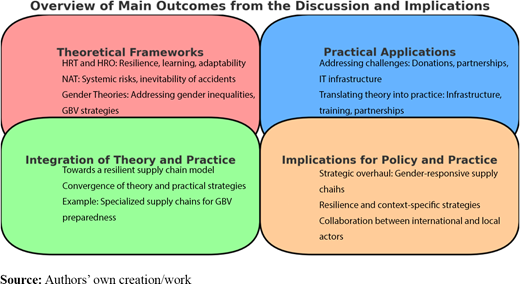
Limitations and scope for future research
Figure 13 outlines the research limitations encountered, providing context for areas needing further exploration.
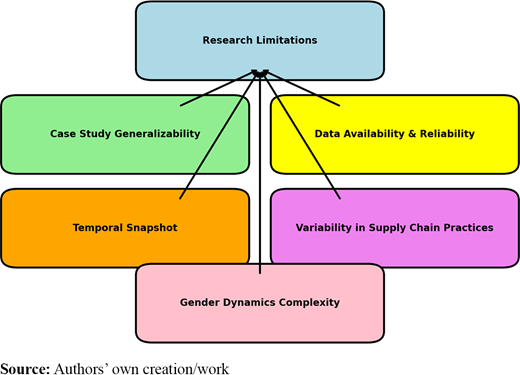
As summarized in Table 8, the identified research themes outline the scope for future studies aimed at further refining and adapting the Triple Nexus approach.
Scope for future research
| Theme | Research Area | Description |
|---|---|---|
| Geographical & Temporal Scope | Geographical Expansion | Explore regions prone to climate change-induced disasters |
| Broaden applicability of the Triple Nexus framework | ||
| Longitudinal Studies | Track changes in supply chain practices over time | |
| Assess sustainability and adaptability in GBV interventions | ||
| Methodological Approaches | Quantitative Methods | Utilize statistical analyses and modeling |
| Enhance robustness and generalizability of findings | ||
| Emerging Technologies | Blockchain: Supply chain transparency | |
| AI: Demand forecasting | ||
| IoT: Real-time monitoring | ||
| Improve resilience and efficiency of humanitarian supply chains | ||
| Social & Policy Considerations | Intersectional Analysis | Study the influence of age, ethnicity, disability, socioeconomic status |
| Develop tailored and inclusive solutions | ||
| Policy & Guidelines Evaluation | Assess the impact of policy changes on humanitarian-development integration | |
| Provide feedback for policymakers and practitioners | ||
| Collaboration & Capacity Building | Collaboration Models | Examine inter-agency and cross-sector collaboration |
| Identify best practices for GBV intervention coordination | ||
| Capacity-Building Initiatives | Investigate impacts on local communities and organizations | |
| Highlight strategies for sustainable development |
Conclusion
This paper has ventured into the intricate landscape of the Triple Nexus framework, focusing on the seamless integration of humanitarian mechanisms within development channels and its subsequent impact on fostering local peace. Through a comprehensive exploration of GBV within the humanitarian-development-peace nexus, particularly in regions vulnerable to climate change-induced disasters in East and Southeast Asia and the Pacific, the critical role supply chains play is unveiled in not only enhancing humanitarian and development program efficiency but also in contributing to community peacebuilding efforts.
The research underlines the fragmented and unsystematized nature of current humanitarian efforts, emphasizing the substantial gap in leveraging development channels for effective humanitarian preparedness and response. By adopting the Triple Nexus approach, it advocates for a reimagined mechanism that promotes synergies across humanitarian, development and peace dimensions, with a keen focus on improving GBV-related supply chain management for micro-level peacebuilding outcomes.
The current development channels are insufficiently equipped to advance the humanitarian supply chain for GBV preparedness and response due to inadequate infrastructure and strategic focus. Therefore, reversing the conventional approach is crucial by prioritizing the creation and enhancement of humanitarian supply chains specifically for GBV initiatives. This shift will build a strong foundation that can later integrate with development supply chains, forming a comprehensive and effective Triple Nexus approach. The findings reveal that existing development frameworks lack clear connections to local peacebuilding efforts within the GBV context, underscoring the need to validate theoretical assumptions through practical application. By initially focusing on establishing robust humanitarian supply chains, it is possible to address immediate needs and create synergies with development supply chains, thereby improving their overall effectiveness.
The study highlights several recommendations pivotal for strengthening humanitarian supply chains, including enhanced forecasting, strategic sourcing, robust procurement strategies and the establishment of efficient storage and transportation systems. These recommendations are not only instrumental in addressing immediate humanitarian needs but also in achieving sustainable development goals and enhancing peacebuilding efforts, especially concerning the provision of GBV health services in crisis-prone regions.
The findings reveal that current development frameworks lack clear connections to local peacebuilding efforts in the context of GBV preparedness and response. This gap underscores the need to validate theoretical assumptions through practical application. Using the Triple Nexus analytical framework, which examines independent and dependent variables, causality and micro-level analysis, it is possible identify the proclaimed linkages to peacebuilding.
Another key finding from the fieldwork is that, at the grassroots level within the MAs, there is no clear distinction between humanitarian and development work, unlike at the meso and macro levels. The same staff members handle both roles, using identical processes and channels for both types of interventions. This overlap diminishes the distinctiveness and effectiveness of the Triple Nexus approach in these contexts.
Navigating the evolving landscape of the Triple Nexus, this paper contributes to the ongoing dialogue and calls for a nuanced understanding of peacebuilding within the Triple Nexus framework urging for a reversed approach in methodology, where practice shapes policy to address the realities on the ground effectively.
In essence, this study catalyzes further research and action toward institutionalizing the Triple Nexus approach as a standard operational model, ensuring that humanitarian, development and peacebuilding efforts are not only coherent but also collectively contribute to the overarching goal of sustainable peace and development.
Executive summary
The intersection of humanitarian operations and development programs, particularly in relation to GBV, is a critical area of focus. This study conducts a comprehensive evaluation of existing development supply chains through 11 case studies in East Asia and the Pacific, regions that are particularly vulnerable to climate change-induced disasters. The primary objective is to optimize these supply chains for humanitarian purposes and assess their potential impact on community peacebuilding.
Using an abductive approach within an action research framework, the study analyzes the adaptability, institutionalization and flexibility of development supply chains to meet humanitarian needs, while also exploring their connection to peacebuilding efforts. Intensive fieldwork was conducted in seven of the 11 case studies to gather detailed insights.
The findings reveal significant irregularities and a lack of systematic efforts in current humanitarian responses, exposing deficiencies in the development channels necessary for effective preparedness and response. By applying the Triple Nexus framework, the study proposes improvements in humanitarian supply chains and the restructuring of development channels to create synergies across various dimensions, potentially linking peacebuilding outcomes at the micro-level. Recommendations include enhancing forecasting capabilities, strategic sourcing, robust procurement strategies and improving storage and transportation systems.
Gender dynamics are highlighted as a crucial factor in the success and challenges of integrated Triple Nexus approaches. A deep understanding of these dynamics is essential for assessing the impact on GBV outcomes and advancing gender equality in crisis-affected communities. The study also stresses the importance of addressing GBV against men, which, while less visible, is a significant issue with complex socio-economic and cultural dimensions.
The evaluation of development supply chains within GBV programs for humanitarian contexts is deemed essential, focusing on their flexibility, scalability and resilience in crises. In cases where development supply chains are found to be unsuitable, a reversed approach may be necessary, where humanitarian-specific supply chains are developed to provide insights and strategies for development programs.
IPPF MAs face challenges in maintaining robust supply chain capacity and consistent policies for best practices during both stable periods and emergencies. Challenges include reliance on donated supplies, inadequate IT infrastructure for managing humanitarian safety stock and the overlap of staff roles at the grassroots level, which complicates the implementation of the Triple Nexus approach. To address these challenges, the study recommends strengthening partnerships, improving IT infrastructure, implementing advanced forecasting systems, establishing clear coordination protocols, harmonizing procurement and reporting requirements and ensuring robust risk management strategies. Additionally, the development of flexible funding mechanisms and investment in staff training are suggested to facilitate smooth transitions between humanitarian and development roles.
The study also examines the complexities of conceptualizing peacebuilding within the Triple Nexus framework, emphasizing the need for a nuanced understanding across different levels. Collaboration between humanitarian and development initiatives is seen as vital for contributing to peacebuilding.
Incorporating gender considerations into all aspects of policy, programming and practice within the Triple Nexus framework is essential for effectively addressing GBV and promoting gender equality in crisis-affected communities. The study concludes that integrating humanitarian, development and peacebuilding efforts through optimized supply chains can significantly enhance the effectiveness of GBV interventions. Addressing current inefficiencies and fostering synergies between these sectors is crucial for building resilient communities and achieving sustainable peace in Southeast Asia.
This research article builds upon the foundational support and encouragement that have guided the author’s academic journey. The author is deeply grateful to the mentors, colleagues and institutions that have provided their insights and collaboration, particularly within the realm of exploring the Triple Nexus framework. The author thanks her supervisors and collaborators, whose expertise significantly enriched this study, and the individuals and organizations who shared their experiences and data, grounding this research in real-world contexts. Their contributions have been invaluable. Finally, the author extends heartfelt gratitude to her family for their unwavering support and encouragement throughout this journey. Their belief in her has been the cornerstone of her perseverance.
Funding: This study was supported by Innovationsfonden Denmark.
Conflict of interest: No conflict of interest.

