


Mumbai needs to be transformed into a world-class city as stated in the 2005–2025 development plan of Municipal Corporation. For this initiative, hospital management information system (HMIS) has to be implemented across 400+ health facilities in the city.
A case study methodology was adopted to study HMIS implementation. Wave 1 of Phase 1 implementation of HMIS is carried out as a pilot project at Film City’s Hospital, Mumbai, which “go-live” on 21st June 2018. The work for hardware and software implementation was awarded to HardSystems and Solutions Limited and SoftSolutions India Private Limited, respectively, through e-tender.
Provision of inadequate quantity of hardware, slowness of network or system, non-satisfactory training after observation confirmation and sign-off process, lack of data entry operators, mismatch in numbering systems in blood bank and many other challenges concerned with the specific departments had become a major impediment in the efforts to maximize number of patients registered into HMIS.
Even after providing many clinical and managerial benefits, being the first cloud-based centrally located HMIS in any of the hospitals in the city, it imposes a major challenge for the management in terms of resistance of employees toward technology and need for the adoption of theoretical models for implementing change for the overall organizational development.
To the best of the authors’ knowledge, no other teaching case study is conducted to study the HMIS implementation in large-scale public health-care services. This is a dummy case study for teaching exercises. The identity of the stakeholders, organizations and events has been masked to maintain confidentiality.
Background
It was a dewy evening of Mumbai in July 2018 and a biscuit falls into the hot coffee which Medical Superintendent of Film City’s Hospital, Mumbai was dunking into his huge vintage cup.
Deputy Medical Superintendent and hospital management information system (HMIS) Nodal Officer at Film City’s Hospital bought a letter sent by one of the Heads of a Clinical Department to his office. It was mentioned in the letter that in most domains of the HMIS, the providers have not completed the modules and required integration which they have requested them to make as per the departments’ clinical and documentation requirements. The letter added that the training team was helping them only with cursory skills which they could learn by themselves once the modules would be effectively designed and given. Hence, the representatives of SoftSolutions India Private Limited were suggested to be called in a meeting along with Heads of all the Departments and other users of the system in the presence of Medical Superintendent and Director to avoid financial losses to the health-care system.
The Deputy Medical Superintendent and the HMIS Nodal Officer discussed with the Medical Superintendent that it was only one among many letters received by HOD of many departments of the hospital where HMIS was implemented as a pilot project by the Director in the past few months.
Informatics involves information acquisition, organization, validation, storage, retrieval, integration, analysis, communication and presentation, using IT as a key resource (Lifshitz et al., 2007; Sinard, 2006). HMIS is defined as the “computer system designed to ease the management of all the hospital’s medical and administrative information and to improve the quality of healthcare” (Degoulet and Fieschi, 1997). An EHR system comprises “the longitudinal collection of electronic health information for and about persons, where health information is defined as information pertaining to the health of an individual or health care provided to an individual. Critical building blocks of an EHR system are the electronic health records (EHR) maintained by provider…and by individuals” (National Institutes of Health, 2003).
At present, most of the Indian hospitals are adopting HMIS as a way of automation and digitalization of their health-care records.
Film City’s Hospital, Mumbai
Bombay, the very first possession of Britishers in India, came to King Charles II of England in 1661, when he married the Portuguese queen, as part of the royal dowry. Through Corporation Resolution No. 512 which was dated August 12, 1996 under Maharashtra Act, XXV, 1996, the name “Bombay” has been changed as “Mumbai.”
Greater Mumbai is presently a metropolitan aggregation of around 18 million residents (world’s six largest and largest in India). The port city accounts for most of foreign trade in India as well as government revenues, being one of the major hubs for education, research, development and technology in India (MCGM, 2019).
The Film City’s Hospital situated in the heart of Mumbai is a 1,000-bedded tertiary care facility with around 30 clinical departments where every year more than 55,400 patients are admitted and more than 280,000 patients (new and old) are treated in out-patient department. More than 21,000 operations (major and minor) are performed and 4,200 deliveries are done every year.
In addition to the routine medical services, it also offers various super-specialty services in nephrology, neurosurgery, endocrinology, gastroenterology, cardiology and cardiac vascular and thoracic surgery. This hospital has well-equipped intensive care units for medical, surgical, cardiac and neonate patients. The hospital has its own blood bank and component therapy unit, which provides services round the clock. A whole body CT scanner, cardiac catheterization system and spect camera, etc. are also installed at the hospital. It also has independent hyperbaric oxygen therapy chambers.
The hospital levies fees from the patients at subsidies rate and efforts are made to provide the best and excellent patient care (MCGM Health Department, 2019).
Why hospital management information system…?
India’s 12th 5-year plan highlights the need to improve HMIS throughout the nation and a possible investment in health IT in the public health system (Twelfth Five year Plan Draft 2012, 2017). Multiple findings have reported the advantages of HMIS implementation (Hillestad R et al., 2005; Wang et al., 2003; Frisse and Holmes, 2007; Shekelle et al., 2006).
HMIS is considered to be the most promising instrument to improve the overall efficiency, safety and efficacy of the health service (Basit et al., 2006). Wide and effective use of HMIS improves the quality of health care (Frere, 1987); minimize adverse events; reduce the cost of medical care (Lun, 1995); increase administrative productivity improvements (Kuruvilla et al., 2004); reduce documentation as well as enhance access to affordable treatment (Basit et al., 2006; Yasnoff et al., 2000).
Municipal Corporation aspires Mumbai to be transformed into a millennium and world-class city as stated in the development plan 2005–2025. For this to happen, Mumbai requires to be distinguished about the quality of life aspect by improving the quality of citizen welfare services. As part of this initiative, the HMIS has to be implemented across 400+ health facilities across the city.
There is the availability of digital access original data through HMIS which can be used as a strong tool in the decision support system for the Film City’s Hospital management. The HMIS data can be used for analysis as well as for forecasting purposes. The electronic medical records (EMRs) as well as picture archiving and communication system (PACS) generated can be of great use for the clinical purposes for better diagnosis and treatment. The HMIS data can also be used for drug calculations and better scientific inventory management practices at the hospital.
Hospital management information system implementation at Film City’s Hospital
Literature have shown that implementation and improvement in HMIS to guide policy and management decisions has found essential space in countries such as Peru, Tanzania, Solomon Islands, Caribbean, Lesotho, Honduras, India (Uttar Pradesh) and Kryragya Republic (World Bank Reports, 1993, 1999, 2000, 2001; Commission on Health Research for Development, 1990).
The work of software implementation and post-implementation of HMIS in the film city covering 4 major hospitals, 1 dental hospital, 18 peripheral hospitals, 5 specialty hospitals, 28 maternity homes, 161 dispensaries and 183 health posts was awarded to SoftSolutions India Private Limited.
As per the directives, Wave 1 of Phase 1 implementation of HMIS is carried out at Film City’s Hospital as a pilot project. Wave 2 of Phase 1 was planned to be implemented at other three major hospitals in the city and thereafter at balance health-care locations (Mukul, 2018).
It was decided to form a committee to commence the viability and feasibility of Wi-Fi services project at Film City’s Hospital and the standing committee sanction was received for awarding the work for hardware and network implementation at the Phase I Hospitals and the LOI of worth Rs. 50+ crores for the prestigious project is issued to HardSystems and Solutions Limited. Further, a pilot implementation is planned to be carried out at few departments in Film City’s Hospital which “go-live” on 21st June 2018 (MCGM IT Department, 2019).
Bid document for hospital management information system
The HMIS software pilot project at Film City’s Hospital was awarded to SoftSolutions Private Limited through evaluation of technical and commercial bids by e-tender process, initiated in July 2016. SoftSolutions, also as part of their scope, conducted a site survey for hardware infrastructure for all health-care institutions in the city. The exact quantity and minimum specifications for various hardware and infrastructure have been provided by SoftSolutions post site survey.
The purpose of this bid document is to select an agency for not only the supply but also the hardware and network components’ installation, testing, commissioning and maintenance for the health institutions.
A Bid Evaluation Committee (BEC) was appointed to examine and assess the submitted technical as well as commercial bids. The BEC reviewed the bids to decide if they’re really complete, able to respond and if the bid format complies with the bid specifications. In a bid that does not represent a material variance, it was waived for any informality or nonconformity and the bidder with the lowest cost submitted (L1 rate) in the commercial bid opening was awarded the contract.
As per this bid document (MCGM Bid Document, 2018), pre-implementation scope till go-live in the health-care institutions was as follows:
Submission of inception report.
Supply, installation and commission of various hardware and network components along with required accessories at health institution.
Undertake required passive structured cabling (including patch chord, faceplate with input/output connector, laying of LAN and fiber cable (if required) with proper labeling, testing certificate and others).
The device should be tested before mass-installation (operating system compatibility, software, drivers, etc.).
The supplier should take care of all installation and support issues that are faced by the end-user, for all hardware and software supplied as part of the purchase order. This would include installation and support for security functions, user configuration, LAN configuration, etc.
Addition of a desktop PC to the security device is to be done by the implementation agency.
Post-implementation scope for the operation and maintenance period was:
In-warranty annual technical support for hardware and network components services for a period of five years.
The following are additional points for the scope of the implementation agency:
The Wi-Fi/network device shall be connected to the local area network.
The supplier shall disable unnecessary services, protocols and ports.
When installing software, ensure that only required software is installed and the latest versions of all software including all recommended security patches are updated.
Disable or remove redundant software/services (including program, machine utilities and network services).
Pre-requisites for hospital management information system pilot project
The Assistant Medical Officer (AMO) of the hospital was appointed as the HMIS implementation nodal person from Film City’s Hospital for coordinating with the internet service provider and hardware supplier appointed by HardSystems and Solutions Limited, implementation of software by SoftSolutions and coordinating with various departments for providing solutions to any challenges faced.
Site readiness – the representative of SoftSolutions visited each department of the hospital for finalizing the network points, in consultation with the Head of Departments (HODs).
For the implementation of HMIS, one server room and one room for hardware and software support staff for the hospital and UPS room per building were identified and subsequently handed over to HardSystems and Solutions Limited, as per the specification (The Hindu, 2018).
The support staff room was used by HardSystems and Solutions Limited for storing the equipment during the installation.
The civil work, if any, required for the network installation, server room and UPS room readiness was carried out by the Hospital Assistant Engineer (AE), Civil Department.
The furniture, if any, required for the HMIS hardware was identified and procurement was carried out by the Hospital M&E department.
The electrical work for HMIS implementation was carried out through the Chief Engineer (M&E) department. The concerned M&E engineer from the hospital coordinated with the representative of SoftSolutions and HardSystems and Solutions Limited.
The Phase 1 pilot project implementation at Film City’s Hospital was done at four clinical departments, including gastroenterology, psychiatry, nephrology and oncology services and various supportive departments including Assistant Medical Officer (AMO) office, Blood Bank, Registration Counter, Kitchen and Dietary Services Department, Linen and Laundry Department, Pharmacy Department and Medical Social Work (MSW) Department. The Phase 2 implementation was done in remaining supportive services and six other clinical departments, including General Medicine, General Surgery, Orthopedics, Neurology, Cardiology and Gynecology and Obstetrics. Presently, a total of 32 HMIS modules have been implemented at Film City’s Hospital.
Hardware and software implementation
As the number of patients was increasing in the waiting areas of the clinical departments, Deputy Medical Superintendent took a round with HMIS nodal officer to locate any patient-free area or store rooms in IPD building.
After the functional requirement study and the hardware survey did from June to September, 2016, the Digital Laboratory and Security room on ground floor of IPD building of the Film City’s Hospital was allotted for hardware storage. A 24 × 7 helpdesk was also created to give instant solutions to the arising issues in the software or hardware.
As per directives, 200 customized portable computer trolleys (to be used for computer-on-wheels) were provided as per the requirements and storage area in the departments.
Under Software Research Survey (SRS) up to September 2016, software customization for medical specialties was done after studying the workflow of major hospitals of Mumbai, for surgical specialties, radiology and central sterile services. Sub-committees were formed in each of these hospitals to monitor the process of customization of software, and sessions to sensitize nursing staff, technicians, pharmacists, registration attendants, etc. were conducted across all the hospitals. Weekly or sometimes fortnightly review meetings were held at the Film City’s Hospital. Also, various teams visited multiple public, private and trust hospitals across the city to study already existing HMIS implemented in these hospitals (MCGM IT Department, 2019).
User acceptance tests and finalization of hospital management information system modules
Documented literature suggests that the degree of end-user satisfaction is a pivotal factor of an information system’s success (Bailey and Pearson, 1983). Many other studies have stressed the significance of levels of end-user satisfaction (Doll and Torkzadeh, 1988; DeLone and McLean, 1992).
During the user acceptance test-1 (UAT-1), there were 517 observations noted in module testing which was carried out up to March 21, 2017, by the doctors and other representatives.
Thereafter, in April 2017, a UAT observation confirmation process (also known as system requirement specification reconfirmation) was carried out by SoftSolutions with representatives from various health-care facilities who were assigned for each module so as to prepare SRS 1.1 with more precise information and requirement to aid the development of HMIS.
With reference to the OPD module, about 318 proformas from 29 departments were handed over to SoftSolutions on 9th June 2017 for developing the EMR for the OPD module. Considering each proforma was unique and also an easy-to-use system is to be developed, SoftSolutions has developed a solution and the same was shown to a team of doctors of each department concerned with the OPD module to check the functionality and provide their inputs for the same, so that the precise requirement can be incorporated in the SRS 1.1.
Further, SoftSolutions have documented the information provided during and after the UAT 1 and UAT/SRS reconfirmation in the latest SRS version 1.1 and the same was ascertained by the team of representatives who had provided the information during the UAT/SRS reconfirmation and corrected the same if necessary and provided the sign-off for the respective module SRS 1.1. On completion of the activity, UAT-2 (inter-module) and thereafter UAT-3 (integrated) were planned to be conducted.
On the basis of all the three UAT and UAT observation confirmation processes conducted for different modules, there were a number of change requests made by concerned HODs/departments which after approval from nodal officers were incorporated through some policy decisions for requirements which were taken by the administration.
It was finalized by the management that the short message service (SMS) would be used for registration and inpatient referral only. It is not necessary to send SMS for every activity. For easy workflow of IT services, digital signatures were assigned for important decisions, for legal, medico-legal cases, birth and death certificates.
Recruitment of data entry operators and training of hospital staffs
Deployment of data entry operators (DEOs) for assisting the hospital staff related to the implementation of HMIS was done through prescribed norms of recruitment for different departments for three working shifts.
The training was well planned by a team of SoftSolutions and all the requirements including space and other resources were allocated. Training was done in two parts, which involved orientation lectures and hands-on session conducted in the first and second weeks of February 2018, respectively.
It was decided to use India’s first indigenous Web-based PACS Medsynapse for training doctors and staff of radiology department. It is developed on advanced technologies and provided a full range of features and tools for image processing, distribution and archival. It is very user-friendly, scalable and affordable PACS with more than 20,000 installations in 40 countries.
A training completion certificate on specific HMIS module was awarded to each employee after successful completion of training.
For the purpose of logging into HMIS computers and application, employee’s ID-based default login and password systems were generated, which were later allowed to reset by the users. Thus, all the resident doctors and other staff got access to the HMIS system.
An HMIS refreshment training with proper consultation with Team SoftSolutions was provided once again in October 2018 after proper implementation of all the 32 modules in the system.
Dry run and go-live
A dry run was conducted in the selected clinical and supportive services departments of Film City’s Hospital in Phase 1 from April to June 2018. After the required improvements needed the pilot project “go-live” for Phase 1 of Wave 1 from 21st June 2018 (MCGM RTI, 2019).
Overcoming hospital management information system challenges
Provision of an inadequate quantity of hardware either because of lack of storage space or because of unavailability of furniture and computer trolleys had become a major impediment in the efforts to maximize the number of patients registered into HMIS at Film City’s Hospital, e.g. super-specialties such as nephrology and gastroenterology have an average outpatient load of around 100–150 patients per OPD. But only three computers have been provided for doctors and one for the nursing staff in the OPD of super-specialties.
Because of the slowness of the network or the system, particularly after 11:00 a.m., patients are inconvenienced as they have to wait for long periods till the EMRs are filled and prescriptions and laboratory/radiology requisitions are generated. At times, patients are reluctant to wait for the procedure to be completed. Consequently, only a few requisitions of laboratory and radiology investigations had been processed through the system. It was decided to put more LAN cables but when the issues persist, new Wi-Fi dongles were thought to be procured for every department in the future (DNA, 2019).
Also, a major challenge is that integration of HMIS with various government and insurance schemes is to be undertaken and also a separate budget is to be allocated for HMIS consumables.
HMIS Nodal Officer conducted an immediate evaluation and the following challenges were reported to be faced by some important clinical and supportive services departments.
Department of gastroenterology
One of the issues of the gastroenterology was that all the hospitals in the film city were using different systems for capturing endoscopy reports. Also other investigations such as manometry, PH, fibroscan and breath hydrogen were intended to be managed well so that different reports and PDF can be uploaded in HMIS. The report’s structure given in HMIS was discussed with concerned IT team to check for the network link to the system.
Department of psychiatry
As soon as the recreational activities started for the admitted patients, the HOD of Psychiatry Department entered the IPD area. HMIS Nodal Officer was waiting for him to ask for required modifications.
He said, “Wires need to be covered to protect against damage by the psychiatric patients. Sub-departments like Psychology, Social worker and EEG are also to be included in the system.” HMIS Nodal Officer carefully noted the desired changes. When inquired about the psychiatric OPD, implementation of electronic queue management system monitor was suggested.
Pediatrics department
On meeting with the Professor of Pediatrics while he was checking the nutritional chart for a three-year-old child, the Nodal Officer asks her to raise the concerns regarding HMIS implementation. She swiftly enumerated that the weight, age and height data have to be integrated for making relevant WHO charts and growth curves for classifying patients with severe acute malnutrition or moderate acute malnutrition. She added, immunization record is also to be included in IPD paper. If a vaccine is missing as per national immunization program, a warning has to come on the system. Automatic calculation of surface area is required for prescribing certain drugs. Integration with certain government schemes is also required.
Opening her smart tablet, the HMIS Nodal Officer checked the relevant schemes available in the Film City’s Hospital and asked, “Should Janani Suraksha Scheme also be integrated?” for which she got the affirmative response.
Professor of Pediatrics explained to the Nodal Officer that daily reporting/monthly data have to be available disaggregated in terms of age, gender, notifiable diseases and monsoon-related illness. In addition, the multiple diagnoses have to get sited separately because they are not mutually exclusive. Also, referral list has to be made comprehensive to include physiotherapy, occupational therapy, dietetics and speech therapy in addition to clinical/lab departments.
Radiology department
With the use of Digital Imaging and Communications in Medicine standard and Health Level 7 communication protocol, vendors communicate with the radiology imaging management system termed PACS. Undoubtedly, a major concern in radiology department is to combine the images of each analysis with other important patient records and enhance interoperability with radiology information system and HMIS (Cummings, 1995; Offenmuller, 1997).
According to recommendations of PACS Support Engineer given to HMIS Nodal Officer of Film City’s Hospital, “open office” does not support PACS reporting. In addition, the automatic transfer of stored images from USG machine to HMIS was not taking place. Therefore, the HOD of Radiology requested that the licensed access to 3D-MPR viewing be provided to all the radiology employees, including CT/MRI technicians. Furthermore, with the view of additional CT and MRI machines being instilled with additional workload in the near future, approximately 70 licensed accesses needed to be made available to increase the ease, efficiency and speed of reporting. The licensed MS office is also preferred to maintain the integrity and uniformity of the departmental work.
Also, while reporting the patient on PACS, considerable time was consumed in logging in as well as in opening a particular patient. It was difficult to interpret whether the slowness could be attributed to the slow speed of the network or slowness of the operating software.
In addition to this, there was the need for early integration of revenue counter and the central laboratory with the HMIS system for the better functioning.
Laboratory and diagnostics services
Diagnostics is a data-intensive specialty, and laboratory data is often used in addition to patient services to record continuous improvement, performance management, outcome analyses and research studies (Cowan, 2005; Young, 2000). At the center of most laboratory activities is the laboratory information system. Workflow management, specimen monitoring, data entry and reporting, regulatory enforcement assistance, code acquisition, interfacing with several other applications, archiving, inventory management and provision of billing information are its features (Eleveitch and Spackman, 2001; Pearson et al., 2006).
After the complete day consultation with various departments, when HMIS Nodal Officer reached the laboratory services at the end of the day, the following recommendations were provided:
For appointment generation counter: token generation facility for the same-day blood collection of patients has to be incorporated in the system. For the token generation, a fast printer device was required as a large number of patients need to be handed over in a short period of time.
For labeling counter
Quality of bar code labels need to be improved. Printouts sometimes are not readable and may face problem in scanning. The problem was discussed with the Project Director, HMIS.
Consumables such as printer roll, appropriate sized labels are not easily available in the hospital.
For collection table: It was discussed with the IT in charge, SoftSolutions, that wall-mounted all-in-one PC units with bar code scanner facility or tablets with in-built scanner need to be installed in OPD for scanning the collected blood samples.
Blood sample processing: Appropriate diagnostic equipment such as blood cell counter and automated biochemistry analyzer have to be procured, which can be integrated with HMIS.
Blood bank services
The blood bank system consists of an autonomous blood center responsible for human blood procurement, storage and distribution (Li et al., 2007). Because blood bank services are vital segment of the Film City’s Hospital and there were major concerns raised by the employees in the department, Medical Superintendent called for an urgent board meeting (Tables 1).
Discussion in the meeting conducted at Medical Superintendent’s office, Film City’s Hospital between authorities and the users on the HMIS challenges of blood bank
| Key points | Discussion and decisions |
|---|---|
| Blood bag sources in hospitals | All blood bank have three sources of blood (indoor, outdoor and brought-from) |
| Blood bag number series | They suggested number series with prefix as ID, OD for indoor and outdoor, respectively, along with hospital code |
| Blood bag number series | The suggested prefix to be printed as 102/ID/18 (first line) and 00001 (large font on second line). Similarly, for outdoor as 102/OD/18 (first line) and 10001 (large font, on second line). This will reset yearly |
| Blood bag number series | Final numbers sequence decided was:
|
| Blood bag number series | A query was raised on what if the defined number series gets exhausted? Blood bank authorities suggested to begin the series with 1 lakh onwards which was communicated to them that technically not feasible. Hence, they have defined the above-mentioned numbers for indoor and outdoor as 00001 to 15000 and 30001 to 99999, respectively, which according to them will be maximum number and probably not exceed |
| Blood bag barcode | Printed barcode label should sustain different temperatures. Also, need from blood bank authority how many types of labels are required and their content |
| Blood bag cross-match | If a bag is cross-matched, the bag should be available on stock for cross-match again until it is issued to some patient. The same flow is available in system (tested on UAT environment) |
| Data entry operators | Blood bank needs data entry operators to fill up existing stock of blood bank |
| Blood collection report | Hospitals need to submit report to the camp organizer. Such report should be made available in HMIS. Format of the report to be received from blood bank authority |
| Transfusion details | After blood bag is issued to a ward, the transfusion details and/or transfusion reaction details should be visible to blood bank authority also Functionality is available in module for doctors to enter transfusion details, need to give access to blood bank users |
| Brought from blood bags | Brought from (source of blood bags) should be captured in system while adding blood bag for blood bank monthly reporting.
|
A unique number was given to each blood bag in the blood bank. This number is followed through the life of that blood bag, i.e. the same number applies at blood group, serological tests, stock taking, cross-matching and issue of blood bag to patients. As on 30th July 2018, the blood bank numbers were at “Indoor 905,” “Outdoor 9888” and “Brought from i.e. BF 1186.”
The HMIS data entries in Blood Bank were attempted since 26th July 2018; however, the HMIS software is unable to match the actual bag numbers because it begins by default 001, 002, 003, etc. Because of this error, the outdoor bag number 8434 may be entered in HMIS as bag number 0004, indoor bag number 894 entered in HMIS as bag number 0005 and so on.
This numbering system, if continued, could have created utter chaos at all levels. Online bloodstock will show wrong bag numbers available to technicians for a cross-match. Issued bags will not correspond to the actual blood bag issued, thus resulting in confusion at a blood bank and clinician level.
In addition, serious mistakes in identifying and discarding of seropositive bags (HIV, Hepatitis B, etc.) can occur because of an incorrect numbering system.
Given the sensitive nature of blood bank work, the slightest error in numbering can cause disastrous results for the patient’s life. Any kind of dual numbering system, as suggested by the HMIS technical team, will further compound the problem, double the workload and invite severe adverse remarks from the FDA.
Because Film City’s Hospital is stationed for the pilot study, any errors can get carried forward and adversely affect the working of other hospitals and other blood banks too. In view of this serious medico-legal and ethical implications, it is essential that HMIS number entries have to categorically match with available numbering for blood bags.
Pharmacy prescriptions and dispensary services
In outpatient health care, the drug management process is a multifaceted relationship between patients, prescribers and pharmacists, which is also enabled by HMIS (Tamblyn, 2004). Electronic medication management has the ability to allow a secure process, but errors may also be created (Bates et al., 2001).
At Film City’s Hospital, after consultation with head pharmacist, HMIS Nodal Officer noted that a standard prescription format should include name of the drug, preparation, strength, dose, route of administration, frequency and number of days. The route of drug administration should be comprehensive and must also include intradermal, intra-thecal and intra-ocular routes.
It was recommended that the prescriptions need to be in terms of both generic and brand names. Allergies must be a mandatory field, which needs to be pop out during prescriptions. Starting and end dates should be integrated especially for drugs with progressive decreasing doses. At once, no medicines should be prescribed for more than one month.
It was suggested to improvise the SAP system, based on the positive features of government’s “e-Aushadi program” which includes:
Need for surplus and shortage alerts.
Rigorous quality control of medicines should be mandatory and built-in using impaneled NABL-accredited laboratory.
Achieving the milestones
The HMIS is being implemented to improve the quality and responsiveness of health-care services in health-care network in the film city (Tables 2 and 3).
Features of hospital management information system implementation at Film City’s Hospital
The unique features of the HMIS system at Film City’s Hospital are that this system is first of its kind in any of the city’s hospitals that uses a cloud-based centrally located system in which as much as 32 clinical and supportive services HMIS modules are covered. It is made possible to achieve inter-departmental and intra-departmental connectivity in Film City’s Hospital through this system. In addition, this cloud-based system also allows central access to data through any city’s health-care systems, thus enhancing inter-hospitals connectivity (MCGM RTI, 2019).
Hospital management information system implementation – the road ahead
There is a lack of DEOs in some departments. To enhance the time and cost-effectiveness and to achieve digitization through increasing reach to more number of patients, it was decided to implement “Speech to Text” software in the OPDs based on the principle of “machine learning.” The SoftSolutions team has already started taking voice samples of the doctors in the OPDs, and to test the effectiveness of the software, the trial run has been started in the Psychiatry and General Medicine OPD of Film City’s Hospital.
Also, at the registration department, issue of digitalized health card to every patient with Unique Hospital Identification Number and bar coding on it has been started. In the future, the bar scanners will be incorporated to save time at various points in the hospital.
Most of the users are still very resistant in the use of technology in the hospital as they are adapted to traditional manual data entry and calculation methods. The percentage of EMR completion still has to be improved.
Deputy Medical Superintendent along with the HMIS Nodal Officer discussed with the Medical Superintendent, Film City’s Hospital that there is a need for adoption of “John Kotter’s Eight-Step Plan” for implementing change for user acceptability for the overall organizational development and to reinforce the future dream which she had seen of digitalized health-care systems in digitalized India.
Discussion
Several studies on implementation of HMIS in developed countries (Ash et al., 2003; Ball, 2003; Berg, 2001; Benson, 2002; Little Johns et al., 2003, Joel Rodrigues, 2009; Lippeveld et al., 1992; Dudeck et al., 1997) had reported various challenges, including those in managing infrastructure, integration, inter-departmental issues, technical requirements, data and software issues, end-user contribution, standardization of terminologies, training needs and ignorance of hospital administration. In developing nations, numerous health-care professionals associate information systems with filling of infinite registers, collecting information and submitting reports without sufficient input, making HMIS “data-driven” instead of “action-driven” (Sandiford et al., 1992; Smith et al., 1988). Similarly, in this case study, although being an Indian hospital, managing infrastructure in terms of space for computers, trolleys and other accessories became a major challenge. Allocating areas for installing LAN and rooms for information technologist in a crowded hospital was not that easy task. In this case study, the hospital also faced inter-departmental and inter-hospitals issues with respect to integration and standardization of clinical domains and report structures, respectively. Even after adopting the HMIS principles in several trainings, many employees, especially elder age, felt the need for technical assistance. In addition, the poor doctor–patient ratio and the downtime of the server made the work more complicated as in some of the departments, employees started doing dual entries (both in register and computer) to prevent loss of any data.
Several issues have been identified in the review of reports and studies in low-income countries (Gladwin, 1999), such as general organizational and management difficulties (Campbell et al., 1996; Braa et al., 1997; Azubuike and Ehiri, 1999); data acquisition and processing concerns (Robey and Lee, 1990; Jayasuiriya, 1999; Lippeveld et al., 2000); inadequate use of information (WHO, 1994b, 1999; Braa et al., 1997); over-reliance on epidemiological data or specific surveys (Husein et al., 1993; Sapirie and Orzeszyna, 1995); and paucity of an integrated information strategy for the organization (Van Der Lei et al., 1993). In a similar way, in this case study also, many departments in the hospitals faced challenges around complexity, inconsistency and poor integrity of the system. Although the management tried to ensure the effectiveness, incidents such as mismatch in blood bag numbering in HMIS posed a major ethical issue. There were multiple concerns around data acquisition at revenue and cost centers of the hospital. Although management took corrective and preventive actions, it was reflective of a strategy which would have been well integrated prior with clinical understanding and principles of change management.
Several studies have been conducted on interface design methodologies (Shearer et al., 1997; Arreola et al., 1997), and among the unidirectional, bidirectional and integrated workstations (Levine, 1990), the interface with more consistent information base is most preferred (Veader, 1997). Studies have reported that an integrated radiology network enhances the efficacy of physicians, minimizes costs, decreases the amount of repetitive or unnecessary tests and increases the quality of care (Gibby and Mciff, 1997). In addition, owing to the extensive adoption of electronic radiology reporting systems, filmless radiology systems and speech recognition, there have also been considerable radiology workflow efficiency improvements (Mariani et al., 2006; Gay et al., 2002; White, 2005; Ralston et al., 2004). Similarly, in this case study, it was observed that with administrative efforts and understanding employee training needs, the number of repetitive tests was reduced. There was a direct benefit in lowering turnaround time and publishing more reports. The better integration and consistency of the PACS will help in increasing the profit per unit volume for the radiology department.
HMIS is important in its ability to resolve issues such as increasing laboratory volume with outreach programs; intensified EMRs integration; and the subsequent need to combine fragmented information systems, laboratory resource shortages, patient safety, cost control, central control of subspecialties, rising demand for laboratory diagnostics and customized intervention (Becich et al., 2004; Sinard and Morrow, 2001). In this case study also, HMIS-integrated EMR played a significant role in decreasing the average waiting time for the patients for receiving the laboratory reports.
Child clinicians frequently feel that there is little utility of health information systems in pediatrics because they tend to be structured for adult services (Johnson, 2001). There are several functional areas, such as immunization records (Smith, 1988), growth monitoring (Rosenbloom et al., 2006), drug dosing (American Academy of Pediatrics, 2004), patient recognition (Kuther, 2003) and decision support systems (Miller et al., 2001), which are so vital to the treatment of children and adolescents that their omission contributes to the system hindering quality pediatric care. In this case study, with the discussion with HMIS Nodal Officer, the pediatric department was able to design a customized module which had unique characteristics as compared to any adult-based systems. Drug dosage and calculations, immunizations and growth-monitoring systems were integrated successfully.
Literatures have shown that implementation of computerized blood bank inventory and emergency services (Catassi and Petersen, 1967) and blood bag system (Ali et al., 2017) plays a significant part in hospital’s decision-making systems (Li et al., 2008). Similar results were observed in this case study also.
Mohapatra (2009) notes that combining in-patient, pathological and inventory management of hospital pharmaceutical stores enables to enhance the quality of service and efficiency while reducing operating costs. This economic benefits can be reflected in the price, which gives customers more good value. The use of HMIS has been proposed as a way to minimize prescription errors by increasing the readability, standardization and availability of information or providing automatic controls for possible drug-related issues, but the findings are inconsistent (Huckvale et al., 2010; McKibbon et al., 2011, 2012). In this case study, the findings suggested that the use of HMIS was helpful in inventory management once the employee got well trained in inventory modules and it generated profitability for the hospital.
Literature shows that during the process of automation, important performance variables involved in the phase of change management are organizational structure, technology infrastructure and implementation approach (Galliers and Sutherland, 1991; Lubitz and Wickramasinghe, 2006; Nolan, Norton and CO, 1992). Emergent philosophy is more complex (Markus and Robey, 1988) than imperative perspectives (Robey and Boudreau, 1999), stressing a reciprocal instead of a one-way relationship involving technology and organization. Findings of this case study suggest that the management should have strategically thought about the change management perspectives in a visionary sense before taking the step for HMIS implementation. Most of the elder employees were resistant to change and found the system more complex. In terms of ease of use of HMIS, more than half of the employees were either neutral or disagreed in their responses.
References
Further reading
Appendix
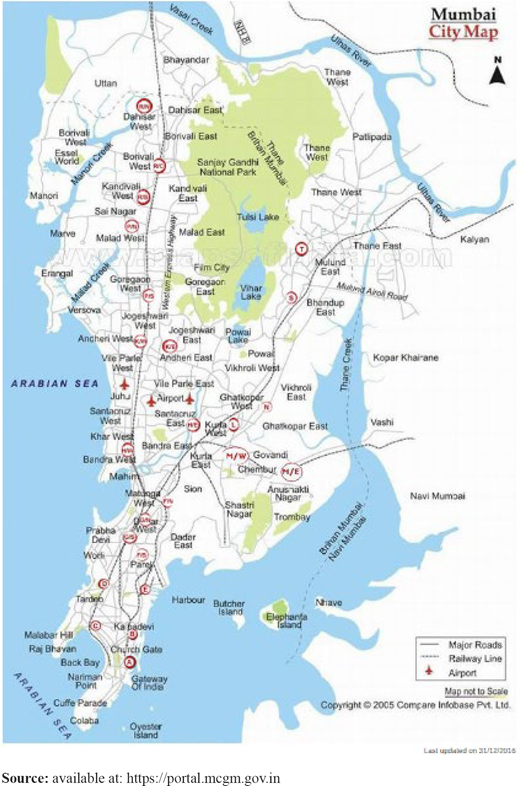
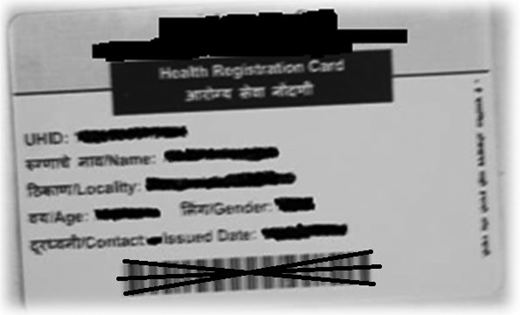
Table showing distribution of customized computer trolleys at Film City’s Hospital
| Section of hospital | Number of trolleys distributed |
|---|---|
| Ward 7 | 4 |
| Neuro OT | 2 |
| TB OPD | 1 |
| Medical OPD | 20 |
| ICCU 1 | 5 |
| Pharmacy department | 4 |
| Medical store | 5 |
| AMO office | 1 |
| Dispensary | 5 |
| Ward 1 | 4 |
| Pulmonary medicine | 4 |
| Ward 2 | 4 |
| Ward 3 | 4 |
| MSW | 7 |
| OPD 1 | 28 |
| Laundry | 1 |
| Ward 4 | 10 |
| Ward 5 | 8 |
| Endocrinology department | 3 |
| OPD 2 | 15 |
| Ward 6 | 5 |
| Ward 7 | 3 |
| ICCU 2 | 10 |
| Miscellaneous | 47 |
| Total | 200 |
Changes in key performance indicators (KPIs) at Film City’s Hospital after HMIS implementation
| KPI | December 2018(%) | January 2019(%) | February 2019(%) |
|---|---|---|---|
| Percentage EMR completed | 17.65 | 36.02 | 39.31 |
| Human resources KPIs | |||
| Average overtime hours worked per employee | 10.31 | 6.40 | 6.35 |
| Percentage of training programs in which Informatics was included | 35.00 | 47.00 | 52.00 |
| Employee turnover | 10.05 | 11.25 | 13.12 |
| Employee satisfaction | 74.67 | 69.25 | 62.33 |
| Quality KPIs | |||
| Percentage of incidents reported | 5.2 | 4.5 | 3.9 |
| Readmission rate | 9.5 | 10.5 | 9.5 |
| Patient KPIs | |||
| Patient satisfaction | 77.67 | 80.05 | 82.25 |
| Percentage of monthly complaints | 17.8 | 17.4 | 15.2 |
| Radiology KPIs | |||
| Percentage change in imaging turnaround time | 46.25 | 40.45 | 39.25 |
| Percentage of reports generated per full time radiologist | 52.52 | 55.33 | 61.65 |
| Laboratory KPIs | |||
| Percentage change in report turnaround time | 44.35 | 38.32 | 34.25 |
| Percent change in operational cost | 43.66 | 41.25 | 42.33 |
| Pharmacy KPIs | |||
| Percentage of dispensing errors reported | 4.5 | 4.3 | 3.8 |
| Informatics KPIs | |||
| Downtime | 24.50 | 14.25 | 19.55 |
| Percentage of instances of lost data/images | 21.66 | 20.05 | 17.25 |
Average time spent per service
| Services | Before HMIS | After HMIS |
|---|---|---|
| Registration process | 00:04:16 | 00:02:47 |
| Consultation process | 00:03:21 | 00:03:16 |
| Discharge process | 00:05:53 | 00:04:48 |
| Drug dispensing | 00:04:22 | 00:03:18 |
| Blood test | 00:04:33 | 00:03:47 |
| Ultrasonography | 00:04:54 | 00:04:38 |
| MRI | 00:05:57 | 00:05:01 |
Average gain per unit volume of the services
| Services | Before HMIS | After HMIS |
|---|---|---|
| Pharmacy services | Rs. 11 | Rs. 14 |
| Consultation services | Rs. 10 | Rs. 11 |
| Laboratory services | Rs. 8 | Rs. 12 |
| Radiology services | Rs. 11 | Rs. 12 |
| Endoscopy services | Rs. 8 | Rs. 9 |
Employees (n = 75) responses for HMIS
| Element | Mean response on five-point scale (Strongly disagree to Strongly agree) |
|---|---|
| Confidence is using HMIS | 3.10 |
| Simplicity of use | 3.01 |
| Inconsistency of system | 2.87 |
| Well integrated system | 2.96 |
| Complex system | 3.48 |
| Feel need for learning/training | 3.99 |
| Requirement for technical assistance | 3.98 |

