


This paper aims to better understand how business model innovation (BMI) occurs in the context of sustainable entrepreneurship, emphasizing the dialectical nature of entrepreneurial relationships. To do so, key interdependencies and reciprocal influences between internal/firm-specific and external/environmental factors underlying BMI for sustainability are analysed through co-evolutionary lenses.
A co-evolutionary framework is developed and applied to a longitudinal business model (BM) analysis of 15 Italian widespread hotels, which creatively use historic villages at risk of abandonment to establish their hotels.
Largely influenced by the interplay between internal and external factors, BMI of widespread hotels occurs through multilevel co-adaptations, which are recognised as virtuous by all stakeholders involved. Effective variations of the BM value elements are selected resulting in circular economy practices, which are retained for successful BMI, radical (first) and incremental (thereafter). Knowledge of specific local and multi-local conditions, time awareness and a future-oriented temporal perspective, by both entrepreneurs and policymakers, favour this dynamic.
Developing targeted policies and practices based on increased organisational knowledge supported by indicators can help in selecting and retaining successful variations of BMs appropriately in/with time with positive effects on firms' performance and sustainable development.
This study provides a novel co-evolutionary framework that explicitly links sustainable entrepreneurship and BM concepts in the accommodation sector. It further proposes a dynamic and holistic explanation of BMI for sustainability from which the crucial roles of the time-knowledge binomial and circular practices emerge.
1. Introduction
Entrepreneurship is increasingly recognised as a solution for many environmental and social problems, rather than their possible root cause (Rosário et al., 2022; Terán-Yépez et al., 2020). Significantly, the UN General Assembly (2020) highlights the contribution of entrepreneurship in light of the 2030 Agenda, helping to attain almost all 17 sustainable development goals (SDGs). This is relevant, considering that, with less than 10 years till 2030, only 25% of the targets for 12 of the SDGs have been met (OECD, 2022).
Scholars have devoted increasing attention to the link between entrepreneurship and sustainability leading to the emergence of sustainable entrepreneurship as a new field of study (Anand et al., 2021). To date, consensus seemingly exists on the meaning of sustainable entrepreneurship as a type of entrepreneur and firm that attain desired competitiveness and profitability by helping to establish a lasting balance between social justice, environmental quality and economic prosperity (Hummels and Argyrou, 2021). Clearly, achieving (and maintaining) this balance requires ongoing interactions with various stakeholders, which do not occur without tensions (Baiocco et al., 2023). In this view, it is acknowledged that the business model (BM) of firms and related value drivers enable value creation and capture not only for firms' performance (Zott and Amit, 2010; Leppänen et al., 2023) but also for achieving social and environmental goals (e.g. Anand et al., 2021; Bocken et al., 2014; Schaltegger et al., 2016). Also, the link of the BM and business model innovation (BMI) with firms' performance and sustainable development has started to be explored (Filser et al., 2021). However, little is known about how sustainable entrepreneurs and firms manage innovation in their BM (Hahn et al., 2018). Addressing this gap requires holistic and dynamic perspectives that are capable of grasping the reciprocal causation between multiple stakeholders within firms, and between them and the rest of society, underlying BMI for sustainability, which to date is still at a developmental stage (Hoch and Brad, 2020; Filser et al., 2021). Indeed, Richard Norgaard (1994) has strongly advocated for a long time the idea that sustainability encompasses a mutually influential relationship between society and nature that humans acknowledge as virtuous. The dynamic of this relationship implies synchronous reciprocal changes in the socioeconomic and environmental sustainability dimensions with systemic effects.
It is, thus, important to address the above gap. Entrepreneurs may fail to innovate their BM for sustainability (Geissdoerfer et al., 2018) if they do not appropriately consider the underlying complex interconnections and interdependencies, resulting in negative consequences not only on firms' performance but also on sustainable development. This is especially relevant for service sector firms, which are the most dynamic and fastest growing worldwide (UNWTO, 2022) with widespread sustainability implications (Correa and Ferreira, 2022) and strong dependence on the BM to innovate their offering (Cheah et al., 2018), particularly as far as tourism firms are concerned (Khan et al., 2023; Kim et al., 2019).
Therefore, this study builds on some elements of the co-evolutionary perspective in management and organisation studies (MOS) about organisational evolution (e.g. Schaltegger et al., 2016; Abatecola et al., 2020), combined with elements from evolving research on the BM of firms (e.g. Foss and Saebi, 2017; Machado et al., 2023), and sustainable tourism in the accommodation sector (e.g. Hjalager and Madsen, 2018; Paniccia and Baiocco, 2020), to develop a conceptual framework of BMI in the context of sustainable entrepreneurship. A co-evolutionary lens examines the relationship between firms and their environments as circular with reciprocal influence, stressing the dialectic and dynamic character of the interdependencies between them holistically and dynamically.
The framework is applied to a longitudinal BM analysis of 15 Italian widespread hotels conducted on the basis of data collected through in-depth retrospective interviews and analysed following a qualitative content analysis both inductively and deductively. The selected cases are representative of a type of hotel that has creatively used historic properties spread across villages at risk of abandonment to provide accommodation services. In doing so, they have clearly differentiated their way of doing business (i.e. their BM) from that of conventional hotels, positively affecting their performance as well as the villages where they are rooted (Paniccia and Leoni, 2019).
Accordingly, the following research questions are posed:
What are the successful features of widespread hotels' BM value elements?
How are these elements formed and why and how do they change?
What are the main influencing factors and interdependencies surrounding their BMI for sustainability?
Findings show that ongoing co-adaptations between widespread hotels and their local and multi-local contexts allow for the selection of radical (first) and incremental (thereafter) effective variations of the BM value elements. This results in circular economy practices, namely refurbishment of vacant treasured buildings at risk of deterioration and their re-use for tourism purposes. Such practices are retained for successful variation of BM, thus BMI for sustainability. Knowledge of some specific conditions of small villages and the tourism sector, time awareness and a temporal perspective oriented toward the future, by both widespread hotel entrepreneurs and policymakers, favour this dynamic. Thus, the findings suggest that BMI for sustainability occurs through multilevel co-adaptations between firms and their environments creating socioeconomic and ecological value recognised by the stakeholders of both.
This article offers a novel co-evolutionary framework that explicitly links sustainable entrepreneurship and BM concepts in the accommodation sector. It explains how firms innovate their BM for sustainability in a holistic and dynamic view, drawing attention to the crucial role of the time-knowledge binomial and circular practices. Finally, this study contributes to advancing sustainable entrepreneurship in the service sector that is rather an under-researched topic, particularly as far as the tourism industry is concerned. Significant implications emerge on how to develop targeted policies and practices (internal and external to firms) that help in selecting and retaining successful variations of BMs appropriately in/with time with positive effects on firms' performance and sustainable development.
Following this introduction, the article is structured as follows. First, the theoretical background of the study is provided. Second, the methodology employed is illustrated. Third, the results achieved are presented and discussed. Finally, implications, limitations and conclusions are outlined.
2. Theoretical background
2.1 Sustainable entrepreneurship in tourism
Sustainable entrepreneurship has emerged as a new field of research over the last decade (Anand et al., 2021), drawing on the sustainable development concept arising from the well-known Brundtland Report published in 1987 (World Commission on Environment and Development (WCED), 1987) and widely adopted in literature since then (Norgaard, 1994; Elkington, 1997; Hummels and Argyrou, 2021). Compared to more traditional approaches, the report links the sustainable development concept to the well-being of future generations and recommends considering society, the economy and the natural environment in an integrated way, shedding light on the limits of separately analysing these three sustainability dimensions.
In line with this, entrepreneurs and firms can promote sustainability by jointly addressing socioeconomic and ecological challenges (Schaltegger et al., 2016; Terán-Yépez et al., 2020). This implies interactions of these entrepreneurs and firms with multiple stakeholders, local and multi-local, such as institutions, various other organisations and local communities, from which tensions can arise while trying to balance the economic value and sustainability mission (Davies and Chambers, 2018; Baiocco et al., 2023). Clearly, this affects how business is conducted and leads to a review of strategies and operations, assigning value to the BM and the drivers of value creation and capture not only for firms' performance (Zott and Amit, 2010; Leppänen et al., 2023) but also for conducting business according to the logic of having sustainability at its core (e.g. Anand et al., 2021; Bocken et al., 2014; Nosratabadi et al., 2019; Schaltegger et al., 2016). However, such interactions and their effects on sustainable entrepreneurship have received limited attention so far. In this respect, scholars advocate the need to overcome the partial analyses of the phenomenon by adopting holistic approaches (Rosario et al., 2022). It is useful for stressing the dialectical nature of entrepreneurial relationships (Benson, 1977; Hrebiniak and Joyce, 1985) in the context of sustainable entrepreneurship (Smith et al., 2013).
Moreover, considering that sustainable entrepreneurs and firms can promote social change through appropriate innovations (Hahn et al., 2018; Schaltegger et al., 2016), scholars stress the need to delve deeper into the connection between sustainable entrepreneurship and the BM, considering the role of BMI in achieving a balance between the three sustainability dimensions (e.g. Anand et al., 2021; Filser et al., 2021). This need is particularly important for service sector firms, especially as far as tourism firms are concerned.
It is worth noticing that existing research on sustainable entrepreneurship has predominantly focused on manufacturing firms of different sectors (e.g. food, mobility and transportation) as well as industrial firms such as construction and energy (Nosratabadi et al., 2019; Tarnanidis et al., 2019; Shahid et al., 2023). This is mainly due to their great impacts, socio-economic and environmental, that need to be balanced. Conversely, sustainable entrepreneurship in the service sector is rather an under-researched topic (Sørensen and Grindsted, 2021; Galbreath et al., 2023). In fact, services constitute the most dynamic and fastest growing sector worldwide, currently accounting for more than 60% of GDP and 50% of employment globally (UNWTO, 2022), with widespread sustainability implications. It is particularly true for the tourism sector; over the past half century, it has become one of the largest sectors worldwide contributing, in 2022, to 7.6% of global GDP and to 22 million new jobs (World Travel and Tourism Council (WTTC), 2016-2023), influencing many other industries such as transport.
Due to their multidimensional nature and strong dependence on local natural and cultural resources, tourism firms in general, and hotels in particular, are regarded as key actors to progress toward (un)sustainable development in many countries worldwide (Kim et al., 2019; Paniccia and Baiocco, 2020). Currently, there are several critical issues related to the social and environmental impacts of hotels including waste production, energy and water consumption (Kim et al., 2019), and workplace bullying (Khan et al., 2023). It seems particularly crucial for Italy, which, according to Eurostat (2022), ranks first in Europe in terms of number of hotels (32,109) and total beds (5.1 million).
Significantly, the evolving research and practice of sustainable tourism have devoted increasing attention to a multitude of micro and small accommodation firms emerging worldwide from creatively enhancing the natural and cultural resources of places within both urban and rural destinations (e.g. Valdivia and Barbieri, 2014; Coles et al., 2016; Hjalager and Madsen, 2018). Some scholars (e.g. Paniccia and Leoni, 2019; Presenza et al., 2019) have shed light on widespread hotels as a new type of hospitality model, which is clearly differentiated from the conventional model. In fact, hotel rooms are located in empty houses of small and remote villages that, despite their remarkable natural and cultural heritage, are at risk of depopulation. Other scholars (e.g. Broccardo et al., 2017; Paniccia and Baiocco, 2020) have focused on agritourism, which has emerged from farmers' strategy to diversify their core business by activating unused resources to offer novel services, such as accommodation and various rural experiences on working farms, satisfying new tourism needs. Another example is that of religious accommodations emerging from the transformation of underused or vacant religious houses run by priests and nuns. These are used to host pilgrims in the context of experiential authenticity rooted in areas rich in traditions that accommodate tourists without any religious affiliation (Paniccia et al., 2017; Kim and Yang, 2021). The entire accommodation sector has experienced degrees of novelty as evidently highlighted by firms through their BMs.
Clearly, a common feature of these accommodation firms is the expression of the Schumpeterian (1934) idea of creative destruction entrepreneurs who are capable of finding sustainable solutions to deal with novel conditions in their environments. Given the enormous cultural and historical heritage (e.g. palaces, villas, castles, rural farmhouses, villages and monasteries) spread throughout Italy (UNESCO, 2023), great potential for new business opportunities in the accommodation sectors favouring sustainable development is evident in the country. As anticipated, this requires the logic of how to conduct business, and thus a BM, with sustainability at its core (Bocken et al., 2014). Significantly, the importance of heritage for sustainable development is acknowledged by the 2030 Agenda, explicitly by SDG 11.
However, tourism research on both sustainable entrepreneurship (Sørensen and Grindsted, 2021; Baiocco et al., 2023) and BM is still at an early stage (Reinhold et al., 2019) with no studies, to the best of the authors' knowledge, that integrate the aforementioned fields of research.
2.2 Business model and business model innovation for sustainability
The BM has been increasingly adopted since the mid-1990s in strategic entrepreneurship studies as a unit of analysis to holistically understand how firms do business (Zott and Amit, 2010). In fact, the BM describes the logic of how a firm creates value through the production/provision of a product/service, offers this value to its customers and captures part of it through revenues streams (Osterwalder and Pigneur, 2010). In other words, it sheds light on the importance for firms to jointly consider the following three value elements: first, the value proposition that, according to the well-established strategy model proposed by Michael Porter (1980), can stem from cost leadership, product differentiation or cost leadership/product differentiation in a niche market; second, the key activities (e.g. logistics, operations, marketing and sales), resources (e.g. financial, human) and relationships (e.g. customers, suppliers, partners, competitors) that are needed to transform input into output, in order to create value; third, the cost structure and revenue streams that are associated with value proposition and creation. Focusing on the various possible combinations of value proposition, value creation and value capture allows firms to innovate, meaning that the BM itself is a new source of innovation (Zott and Amit, 2010).
In this regard, novelty (e.g. revised combinations of activities to address new or latent customer needs, new ways of connecting customers, suppliers, partners and competitors, and different methods to generate revenue) has been traditionally regarded as the main value driver of the BM, strictly centred on value creation and positively linked to firms' performance (Zott and Amit, 2010). This link has been recently confirmed by Leppänen et al. (2023) but only if novelty is combined with the other value drivers (Amit and Zott, 2012) – which are lock-in (proposal of activities incentivising customer loyalty), complementarities (connecting interdependent activities within and outside firms) and efficiency (saving costs by interconnecting activities within the firm) – together with strategies. Thus, the type of BM operationalised by a firm reflects its strategic choices on activities, resources and relationships that allow focus on customers, product innovation or operational excellence, as well as ways to connect selected activities, resources and relationships as a means of value capture for high firm performance (Bask et al., 2010; Leppänen et al. (2023). Misalignment between business strategy, BMs and business processes give rise to poor decision making, resulting in resources, activities and relationships being inadequate to deliver the value proposition to the customer and, thus, capture value (Machado et al., 2023; Solaimani and Bouwman, 2012).
What thus clearly emerge is that interdependent relationships exist not only among the BM value elements mutually influencing each other but also between them and the external environment (Foss and Saebi, 2017). Nevertheless, existing research considers internal or external factors influencing BMI (Foss and Saebi, 2017), devoting less attention to the relationship between them (Peralta et al., 2019). Indeed, changes in one of the value elements, internally or externally driven, influence the others and together determine BMI through effects, positive or negative, on both the internal and external environment. The comprehensive review of the BMI literature by Geissdoerfer et al. (2018) helps to identify BMI as new combinations of value proposition, value creation and value capture emerging through (1) the development of entirely new BMs (such as the BM of the widespread hotel), (2) the diversification into additional BMs (such as the agritourism BM), (3) the acquisition of new BMs and (4) the transformation of one BM into another (such as the BM of religious accommodations).
Regardless of the type, more and more firms innovate the BM instead of (or together with) innovating products or processes, considering its sustainability implications (Brehmer et al., 2018). This is especially true for tourism firms (Cheah et al., 2018). In line with this, an emerging stream of research has linked BMI with sustainability (Bocken et al., 2014; Foss and Saebi, 2017). Interestingly, scholars have demonstrated that both novelty and efficiency are value drivers of new BMs aimed at creating socioeconomic and environmental value (Hahn et al., 2018). However, how BMI for sustainability occurs is posited as a major knowledge gap due to the lack of holistic and dynamic perspectives (Schaltegger et al., 2016; Pieroni et al., 2019). Therefore, scholars particularly call for the adoption of such perspectives to explain the reciprocal causation occurring over time between multiple stakeholders within firms, and between them and the rest of society, underlying BMI for sustainability. This comprehension is needed also in relation to different economic sectors (Yderfält and Roxenhall, 2017; Hoch and Brad, 2020; Terán-Yépez et al., 2020). As previously highlighted, it is particular important for the service industries in general and the tourism sector in particular.
Based on the above, it is crucial to take into consideration specific factors of tourism firms, both internal and external, that influence the BM and related innovation for sustainability. Usually, tourism firms are of small and micro dimensions (Reinhold et al., 2019); they lack financial and human resources (Dias et al., 2020; Freytag and Hjalager, 2021) and are strongly dependent on the knowledge of entrepreneurs and employees, as well as on entrepreneurial intentionality and mental models to perceive and exploit new business opportunities (Souto, 2015; Cheah et al., 2018). In parallel, policies support new BMs through incentives encouraging tourism entrepreneurial initiatives such as those based on the revitalisation of real estate heritage (Hjalager and Madsen, 2018). Many tourism firms take advantage of digital technologies (Pappas et al., 2021) and the growing demand for co-created tourist experiences (Hjalager and Madsen, 2018). Also, climate variability challenges tourism firms' traditional ways of doing business (Valdivia and Barbieri, 2014; Coles et al., 2016). However, the aforesaid factors have been mainly considered separately. This implies that the relationships of mutual functionality among the BM value elements of a tourism firm and between the firm and the environment that drive BMI for sustainability remain unknown. Such scant attention can be related to the widespread theoretical assumptions that social change (including new BMs) is mainly stimulated by policymakers (Reinhold et al., 2019). Following Foss and Saebi (2017), we argue that by interacting with their environments, tourism firms innovate their BMs, favouring (or not) sustainable development.
Thus, in the following section, the co-evolution concept is explained, shedding light on its effectiveness as a research perspective to properly grasp the reciprocal key influences between external and internal factors and BMI for sustainability.
2.3 A co-evolutionary framework to analyse BMI for sustainability in the accommodation sector
To understand how BMI for sustainability occurs, it is crucial to properly grasp the main reciprocal influence and variation over time among factors (internal and external) driving BMI for sustainability, as well as the possible reciprocal influence between BMI and these factors themselves. This is a key issue to support growth potential of sustainable firms, their survival rates and innovativeness and thus their beneficial effects for the transition towards more sustainable societies.
In this respect, we argue that the co-evolutionary perspective in management and organisation studies (MOS) about organisational evolution (e.g. Abatecola et al., 2020) can provide a valuable contribution to this study.
Over recent decades, the co-evolution concept has been widely recognised in MOS to better explain the intertwined relationship between firms and their environments (e.g. Hodgson, 2013; Murmann, 2003; Uli, 2018). This literature conceives the firm-environments’ relationship as circular (Weick, 1969) with mutual influence and dialectical (Benson, 1977; Hrebiniak and Joyce, 1985). This means considering firms and their environments as interdependent (changes in the former induce changes in the latter, and vice versa), with reciprocal influence and feedback at multiple organisational and spatial levels (Ma and Hassink, 2013; Volberda et al., 2014). Moreover, by interacting with each other, firms and their environment can favour (or limit) unexpected, successful social constructions, such as new BMs helping the transition towards greater sustainability.
Thus, co-evolution implies system thinking, which is the consciousness that a reciprocal functionality exists within and across social organisations, and dialectical thinking, which is the awareness of multilevel co-evolutionary adaptations within the firm itself and between the firm and its environments. Specifically, research of co-evolution in MOS has reinterpreted the concept of organisational adaptation as a joint dynamic result of managerial intentionality and environmental pressures, reducing the long-standing dichotomy between strategic voluntarism and environmental determinism (Abatecola et al., 2020; Hrebiniak and Joyce, 1985; Lewontin, 1989). Firms and their environments are competitive forces that jointly define adaptation and, thus, organisational evolution. On the one hand, firms comply with what they find in their environment and wider socioeconomic and natural systems (e.g. various social structures, market processes, individual behaviours); on the other hand, they direct their evolution through intentional actions that can create sustainability innovations, new knowledge and shape reality. Therefore, firms and their environments are the subject and object of evolutionary change simultaneously. Thus, a multitude of potential organisational outcomes (successful or not) are possible over the firm's life cycle depending on the specific power configurations between the firm and its environments (organisational autonomy vs dependence).
To theoretically explain the dynamics of co-evolution, early accounts in MOS have imported, fully or partially, the well-known Darwinian evolutionary principles of variation, selection, and retention according to which biological evolution occurs and species adapt to their environment through an iterative process (Abatecola et al., 2020). The extension to social organisations of such principles involves considering that changes in routines, capabilities, and practices happen through intentional or blind variation (Aldrich and Ruef, 2006). In particular, intentional variation results from conscious design (e.g. planning) and deliberative behaviours (e.g. imitation) of humans. Thus, intentional variation involves firms as well as the environment in that they are both composed by intelligent agents (e.g. entrepreneurs, consumers, political institutions) who choose routines of behaviour, products, technologies and regulations (Cordes, 2007). Then, certain types of the expressed variations are selected by external or internal forces. In this regard, Cordes (2007) highlights that selection and variation are closely connected by systematic feedbacks, meaning that “a positive feedback is established between the generation and the diffusion of novelty” (p. 137). Moreover, scholars largely agree in considering the selection activity as the result of the interplay of the units of analysis of evolution (Hull, 1988). Lastly, selected variations are retained, preserved or duplicated over time (Aldrich and Ruef, 2006).
Due to the strong support of the outlined approach to the analysis of the development over time of any complex system (Breslin and Jones, 2012), Schaltegger et al. (2016) effectively analyse the dynamics between BMI of firms and transformation of mass markets for sustainability. The authors identify core evolutionary processes of BM variation, selection and retention, and connected evolutionary pathways, namely growth, replication, merger and acquisition, and mimicry. Considering the challenges to BMI towards greater sustainability, Schaltegger et al. (2016) call for more theoretical and empirical research aimed at further investigating “the influence of contingencies from the business environment and further social institutions, such as public politics, technological developments, NPOs, and media” (p. 284).
In this view, drawing on Norgaard's (1994) conceptualisation of sustainability as a co-evolutionary process involving society and nature in simultaneous systemic changes recognised as virtuous by humans, some management scholars explain that sustainable tourism paths that are selected and retained over time depend on the influence of external and internal factors on the dynamic of tourism firm–destination relationship (Paniccia and Baiocco, 2020).
Thus, combining the aforesaid elements from the MOS literature about the co-evolution of social organisations and their environment (e.g. Schaltegger et al., 2016; Abatecola et al., 2020) with some elements from the evolving research and practice on BMs (e.g. Foss and Saebi, 2017; Machado et al., 2023), and sustainable tourism in the accommodation sector (e.g. Hjalager and Madsen, 2018; Paniccia and Baiocco, 2020), the article develops a framework (see Figure 1) to explain the key processes driving BMI in the context of sustainable entrepreneurship.
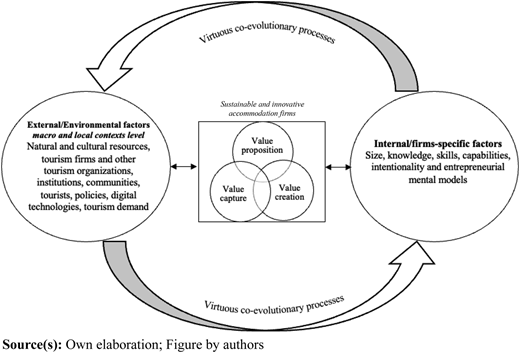
BMs of sustainable and innovative accommodation firms that are selected and retained over time depend on both internal and external factors (Foss and Saebi, 2017; Paniccia and Baiocco, 2020; Schaltegger et al., 2016). The value elements of their BMs are the subject of variation, selection and retention (Table 1).
Evolutionary mechanisms associated with BM value elements driving BMI for sustainability
| Variation Changes in value elements occurring in interdependence with internal and/or external factors | Selection Value elements variations fitting to internal and external environments in evolution are selected | Retention Retention, preservation, or duplication over time of value elements fitting internal and external environments | |
|---|---|---|---|
| Value proposition | Emergence of stakeholders' new problems/needs, tourists' characteristics and behaviours to be addressed through the use of the cultural and natural heritage of places for accommodation offering | Selection of novel accommodation offerings that address stakeholders' new problems/needs, and tourists' characteristics and behaviours | Retention, preservation, or duplication of novel accommodation offerings benefiting the various stakeholders |
| Value creation | Emergence of new business opportunities associated with new knowledge on how current resources, key activities and relationships can be exploited | Selection of current resources, key activities, and relationships (internal and external) to be exploited to produce, sell, and deliver novel accommodation offerings | Retention, preservation, or duplication of key resources, improved relationships, and crucial activities |
| Value capture | Emergence of new opportunities to generate and/or increase revenue and save costs by using the cultural and natural heritage of places for accommodation offering | Selection of new or improved mechanisms for generating/increasing revenue streams and/or saving costs, also producing societal and environmental benefits | Retention, preservation, or duplication of mechanisms that generate/increase revenue streams and/or save costs, also producing societal and environmental benefits |
Source(s): Own elaboration; Table by authors
The value proposition of these firms accumulates changes (i.e. variation) following new perceptions and knowledge of entrepreneurs regarding how to exploit new business opportunities (Dezi et al., 2018; Dias et al., 2020; Paniccia and Leoni, 2019; Schaltegger et al., 2016) by jointly considering tourists' needs and behaviours, key resources and relationships to create and produce their offering while generating revenue streams (Osterwalder and Pigneur, 2010).
Then, variations of the BM value elements, fitting to internal and external environments in evolution, are selected in. This process depends on the reciprocal influences and feedback occurring at multiple organisational and spatial levels (Ma and Hassink, 2013; Norgaard, 1994; Schaltegger et al., 2016; Volberda et al., 2014). In other words, the intentionality of accommodation firms' entrepreneurs, but also market or institutional forces and societal interventions, is to select in positive variations of BMs (thus selecting out unsustainable ones) through multilevel co-adaptations. This addresses the emerging needs and expectations of various stakeholders including employees, local communities and tourists (Hjalager and Madsen, 2018), effectively using local resources and combining them with new technologies, sustainable tourism culture and responsible behaviour (Paniccia and Baiocco, 2020).
Through innovating their BMs by effectively creating novel tourist experiences from heritage lock-ins and improved relationships between internal and external stakeholders, the successful value elements of accommodation firms are retained (Amit and Zott, 2012; Hjalager and Madsen, 2018). These benefit not only the firms but also local contexts in which the firms live and operate (Paniccia and Baiocco, 2020). Moreover, their innovative and sustainable BMs, or parts of them, are duplicated over time (Schaltegger et al., 2016), making it possible to extend the positive highlighted consequences.
3. Methodology
3.1 Research design and sample selection
In line with the article's aim and illustrated framework, longitudinal multiple case studies are conducted through a qualitative approach (Yin, 2018). In this research approach the emphasis lies on the case itself and on comprehending its complexities by considering, for example, its history and contexts (e.g. social, economic, ecological) in which it is set (Mayan, 2023). It is thus appropriate for co-evolutionary explanations (Abatecola et al., 2020) of BMI in the context of sustainable entrepreneurship. It allows exploring such a, scarcely investigated, complex phenomenon in evolution within its real-life context rather than making broad generalisations, focusing on the dynamic of the underlying relationships between variables (Gehman et al., 2018). Additionally, the longitudinal nature of this study is important because developing new BMs requires time and experimentation (Pieroni et al., 2019).
The unit of analysis is the single widespread hotel located in Italy, which is considered as relevant for the study for the following main reasons.
First: In Italy, data on tourism's contribution to GDP and employment have been constantly higher than the global average, at least since 2016 (World Travel and Tourism Council (WTTC), 2016-2023), mainly thanks to a multitude of small and micro accommodation firms (73% of the sector). Following Galbreath et al. (2023), it thus represents a suitable context to conduct more empirical research on sustainable entrepreneurship in tourism that is still at an early stage (Sørensen and Grindsted, 2021; Baiocco et al., 2023).
Second: The business concept supporting widespread hotels, differentiating it from conventional hotels, has been elaborated and developed in Italy. It considers locating hotel rooms in empty buildings of historical and cultural value rooted in small and remote Italian villages characterised by remarkable heritage. Moreover, prior research has acknowledged this type of hotel as an innovative accommodation firm capable of promoting sustainable development (Paniccia and Leoni, 2019). Thus, widespread hotels are representative of a new way of doing business, i.e. a new BM, according to the logic of having sustainability at its core.
Third: According to the estimations of the observatory created by the Alberghi Diffusi Italian Association (ADI), 250 widespread hotels are registered in Italy and 50 of those are abroad, in Switzerland, Japan, Croatia, Tasmania, and the USA. Compared to conventional Italian hotels (Istat, 2022a), widespread hotels (1) contribute to 0.8% of hotel offerings and (2) record an increase of 25% from 2019, while conventional hotels show a 2% reduction at the end of 2021 from 2019. Considering most of the 1,791 Italian small municipalities (less than 5,000 inhabitants) have submitted projects related to the creation of widespread hotels (through the National Plan for Recovery and Resilience finance initiative), these hotels seem to have great potential for full expression.
Purposeful sampling was used to guide the identification and selection of information-rich widespread hotels related to BMI for sustainability (Patton, 2002). As known, this sampling strategy involves most commonly categorising cases according to predetermined criteria of importance in relation to the research problem (Palinkas et al., 2015). In this respect, the following inclusion criteria have been identified to structure the selection of widespread hotels: localisation in Italian villages characterised by remarkable cultural and natural heritage and reuse of buildings of historical and cultural value to offer widespread hotel services. Thus, to identify and select information-rich widespread hotels related to BMI for sustainability, the official websites of “I Borghi più belli d’Italia” Association and ADI were used because (1) I Borghi più belli d’Italia Association certifies distinctive villages for cultural and/or natural heritage and ongoing activities of maintenance, development, and tourist promotion and (2) ADI, set up in in 2006, has the mission of promoting and supporting the development of these hotels.
On the basis of the identified criteria, 15 widespread hotels were selected from those associated with the ADI and located in a historic village certified by I Borghi più belli d’Italia Association (see Appendix 1). The selected sample includes hotels created from 1995 (the first Italian widespread hotel) to 2020 during COVID-19. This has allowed documenting the variations of widespread hotels' BM value elements that have been selected and retained over time. Moreover, for the historic villages of the selected widespread hotels, tourist arrivals grew by 93% from 2014 to 2019, at a higher rate than those recorded at the national level (23.3%). Also, the reduction rate of tourist flows in these villages during 2020 and 2021 due to the COVID-19 pandemic (−23.3%) compares positively to those recorded at the national level (−40.1%). Furthermore, as shown in Table 2, most of the villages of the selected cases are currently characterised by a high degree of tourism development in terms of accommodation offering (very high and high in 74% of cases), tourist flows (very high and high in 54% of cases) and other tourism firms' intensity (very high and high in 73% of cases). Thus, these historic villages are contexts that provide useful evidence of the mutual relationships between internal/firm-specific and external/environmental factors and their variations over time, surrounding BMI for sustainability of the selected cases.
Tourism development of the investigated widespread hotels' villages
| Village | Tourism accommodation offering intensity | Tourist flows intensity | Other tourism firms' intensity |
|---|---|---|---|
| Bosa | Very high | High | Very high |
| Acquasparta | High | Low | Low |
| Santo Stefano di Sessanio | Very high | Very high | Very high |
| Locorotondo | High | Average | High |
| Furore | Very high | Very high | Very high |
| Ortignano Raggiolo | High | Average | Low |
| Apricale | High | Very high | Very high |
| Gradara | High | High | High |
| Palazzuolo sul Senio | Very high | Low | High |
| Verucchio | Average | High | High |
| Brisighella | High | High | High |
| Fiumefreddo Bruzio | Low | Very low | Low |
| Buonvicino | Very low | Very low | Low |
| Egna | Average | Very high | High |
| San Leo | High | Average | Very high |
Source(s): Own elaboration on Istat (2022b); Table by authors
3.2 Data collection
Data were mostly collected through in-depth retrospective interviews (Mayer, 2008) conducted face-to-face and online with entrepreneurs of the selected cases from December 2021 to March 2022 and followed a semi-structured protocol. First, the authors informed the interviewees of the purpose of the study. Participants were interviewed following a guideline comprised of two parts. The first part included questions about the widespread hotel's foundation year, number of housing units, rooms and beds. The second part, comprising six open-ended questions, was designed in relation to research questions and, thus, aimed to obtain information on (1) types of services offered, problems/needs of various stakeholders that had been solved/addressed, and tourists' characteristics and behaviours; (2) key activities, resources and relationships with other village actors that produce, sell and deliver the offering; (3) costs for acquiring resources and developing activities and pricing models, revenue generation strategies and potential streams of income; (4) criticalities encountered when interacting with other actors and the solutions found to overcome them; (5) internal and external factors that influence the way of doing business; and (6) socioeconomic and environmental goals achieved and expected to achieve. The interviewees were asked to provide information at the time of the interview, but also consider the past and changes that occurred over time. To maintain the data's reliability, validity and trustworthiness, all interviews were audiotaped and transcribed by a research team member.
Information on the type (face-to-face and online) and duration of each interview is reported in Table 3.
Information on conducted in-depth retrospective interviews
| No of interviewed entrepreneurs | Type of interview | Interview duration |
|---|---|---|
| #1 | Face-to-face | 39 m |
| #2 | Online | 1 h 28 m |
| #3 | Face-to-face | 1 h 06 m |
| #4 | Face-to-face | 1 h 18 m |
| #5 | Face-to-face | 1 h 13 m |
| #6 | Online | 1 h 33 m |
| #7 | Face-to-face | 1 h 24 m |
| #8 | Face-to-face | 42 m |
| #9 | Face-to-face | 1 h 12 m |
| #10 | Face-to-face | 49 m |
| #11 | Online | 1 h 02 m |
| #12 | Online | 54 m |
| #13 | Face-to-face | 1 h 32 m |
| #14 | Face-to-face | 1 h 17 m |
| #15 | Face-to-face | 1 h 23 m |
Source(s): Own elaboration; Table by authors
3.3 Data analysis
To ensure the verbatim transcription process was conducted accurately, the transcripts were checked by reading them while listening to the entire taped interview. The data analysis was conducted through a qualitative content analysis. In particular, this type of analysis is useful to identify, both inductively and deductively, analyse and report themes within the data set (Elo and Kyngäs, 2008). Inductive content analysis implies a systematic process of open coding, categorising and abstraction to formulate a general description in relation to the research question or topic. Deductive content analysis involves data coding according to existing categories based on prior works. The first step of the qualitative content analysis involved researchers reading through the data several times to become completely familiar with them. Notes, taken during the audiotaping process, supported the initial data interpretation.
The inductive and deductive approaches were then adopted to develop the analysis. Due to the research question and the theoretical background of this study, the main themes used were the internal and external factors influencing BMI considering related statements derived from prior tourism literature (Coles et al., 2016; Dias et al., 2020; Freytag and Hjalager, 2021; Hjalager and Madsen, 2018; Reinhold et al., 2019; Paniccia and Baiocco, 2020; Pappas et al., 2021; Souto, 2015; Valdivia and Barbieri, 2014), which formed an initial codebook. Accordingly, the codes associated with internal/firm-specific factors were business dimension; skills and knowledge; entrepreneurial intentionality and mental model; and sustainable tourism culture and responsible behaviours. The codes associated with external/environmental factors included policies, incentives, subsidies; digital technologies; tourism demand; and climate change. Following completion of encoding the responses from the participants of the selected cases, the codes pointing to the themes were compared by the two researchers in order to arrive at a shared vision of the factors influencing BMI for sustainability. Table 4 reports the factors that emerged from this process.
Internal and external factors emerged from the qualitative content analysis
| Themes | Codes | Description | No | % |
|---|---|---|---|---|
| Internal factors | Business dimension |
| 3 | 20 |
| Skills and knowledge |
| 7 | 47 | |
| 14 | 93 | ||
| Entrepreneurial Intentionality and mental model Time Sustainable tourism culture and responsible behaviours |
| 15 | 100 | |
| 14 | 93 | ||
| 15 | 100 | ||
| External factors | Policies, incentives, subsides |
| 9 | 60 |
| Digital technologies |
| 5 | 33 | |
| Tourism demand Skills and knowledge Time Supply chain |
| 13 | 87 | |
| 14 | 93 | ||
| 14 | 93 | ||
| 15 | 100 | ||
| Natural and cultural resource setting Climate change |
| 15 | 100 | |
| 0 | 0% |
Source(s): Own elaboration; Table by authors
To strengthen their validity, the key insights emerging from the analysis were triangulated with information from other sources (e.g. websites of the investigated widespread hotels, publications in newspaper articles, scientific articles). This enabled us to verify, for example, the successful features of the widespread hotels' BM value elements.
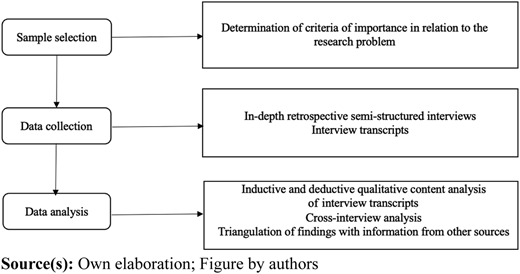
Figure 2 represents the flow chart of research activities.
4. Results
The adoption of a qualitative thematic analysis of interviews with entrepreneurs of the selected cases allows identifying the main features of widespread hotels' BM value elements (Table 5).
Overview of widespread hotels' BM value elements
| Value creation | Value proposition | |
|---|---|---|
| Key relationships Construction firms, artisans and suppliers Art and craft shops Restaurants Tour guides Employees Tourists Residents Municipal and regional institutions | Key activities Restorations works of historic buildings Revitalization of local traditions (such as festivals, food and wine) Organizations of tours (e.g. by bike, horse) also guided by villagers Active involvement of tourists in the creation of the experience Incentives supporting the production-distribution process Key resources Local cultural and natural resources of villages, including castles, noble palaces, medieval manors, stone houses Local human resources Financial resources | Services offered Accommodation in authentic rooms/suites in historic buildings scattered throughout small and remote villages Tourists' experiences of immersion in local cultural and natural contexts, involving local community and tourists in the production/distribution process Problem addressed Depopulation/abandonment of small/remote villages of historic and cultural value Tourists' needs Demand for participation and immersion in authentic contexts |
| Value capture | |
|---|---|
| Cost structure Savings from efficient resource consumption following the adoption of environment-friendly materials and eco-innovative technologies Government subsides | Revenue streams Combination of accommodation and tourist experiences involving also tourists and residents based on the local resource setting |
Source(s): Own elaboration; Table by authors
In particular, the novelty of the BM of all the investigated hotels lies not only on the reuse of restored historic buildings (e.g. castles, noble palaces, medieval manors) to accommodate tourists but also on the integration of various activities involving municipal and regional institutions, local firms (operating in various economic sectors), residents, tourists and employees. This allows all the selected cases to deliver value to tourists and various stakeholders alike, addressing their needs and then capturing the value from novel accommodation services while producing societal and environmental benefits. Clearly, the value proposition of each of the widespread hotels is unique given that each village from which a hotel originates has its unique set of local resources, human and cultural.
On the basis of the above and the identified factors influencing the new BM of Italian widespread hotels, the co-evolutionary framework developed in section two is applied to a longitudinal analysis of the selected cases. Findings are presented below through the use of interview quotes. They shed light on the main evolutionary mechanisms of variation, selection, and retention associated with the BM of the selected widespread hotels in the interdependence with internal and external influencing factors, driving BMI in sustainable entrepreneurship.
4.1 Value proposition
All the selected hotels accommodate tourists in authentic rooms/suites in historic buildings scattered throughout small villages. In addition, they provide traditional hotel services including the reception, common areas for guests and refreshment areas as well as various experiences of immersion in the unique context of the small villages. In this respect, one of the interviewees concisely describes their offering: “For guests staying at our hotel, it is like staying a bit at home and a bit in a hotel”.
These offerings clearly emerge due to an evolutionary process driven by the following main factors: (1) the gradual depopulation and abandonment of small villages throughout Italy that, consequently, left vacant buildings of historic and cultural value; (2) the growing tourism demand for participation and immersion in authentic contexts; and (3) the awareness of the idea of widespread hospitality based on repurposing empty houses for tourism, as realised in the villages of Carnia in the Friuli Region in the 1980s after an earthquake.
In particular, the first widespread hotel was created in 1995 and the successful features of the investigated hotels' BM value elements were formed over the period 1995–2006, i.e. from the creation of the first Italian hotel to the establishment of the ADI that has identified strict requirements to preserve the peculiarities of this novel type of hotel. In total, six hotels in the sample were created during this time span.
Specifically, the earlier entrepreneurs were capable of identifying a new business opportunity emerging in the accommodation sector from more creative, innovative, and efficient use of historic buildings in semi-abandoned villages. One interviewee recalls: “I expected this business could attract tourists making our traditions known to the world, while bringing services and production back to life in time”. These entrepreneurs were aware also of the critical issues they faced: “When I started, widespread hotels were not even recognised by my Region in law. The 1.6 Euro million investment for purchasing and refurnishing the houses was definitely on my shoulders”. In this respect, results show that Sardinia, the Italian Region where the first widespread hotel was created in 1995, was also the first Region to give official recognition to this novel type of hotel three years later in 1998.
Restoration works were carefully undertaken in order to preserve the authenticity of the buildings, also ensuring all the modern comforts and services for tourists by adopting the most advanced technologies. Environment-friendly materials and eco-innovative technologies were adopted including floor heating panels and energy saving strategies to provide hotels with renewable energy sources.
Despite the highlighted critical issues, the earlier entrepreneurs were successful in triggering the tourism development of their small villages, gradually motivating other entrepreneurs: “Following far-sighted entrepreneurs' examples, I decided to renovate my grandfather's stone house and create a widespread hotel in my home village. I bought also other historic houses even if contacting the owners that no longer lived in the village was difficult”.
In particular, nine of the widespread hotels of the sample were created from 2007 to 2020. Interestingly, almost 17 years after creating their first rural hotel in 1999, one interviewee created another in an urban centre of southern Italy and is currently planning to duplicate this hospitality model in a small village in Rwanda. Compared to entrepreneurs that first created the widespread hotels, later entrepreneurs could benefit from better environmental conditions. In fact, the support of policymakers and institutions has gradually increased through new policies and incentives for individual private owners of real estate heritage in historic villages. Moreover, over time, widespread hotels have been officially recognised through regional laws and, despite each Italian region having its own regulations, the requirements for their offering is not always homogeneous. As ADI was aware of the need to improve the regional policy framework, it included the goal of guaranteeing a unified regulation.
All this signals the growing awareness of policymakers and institutions of the positive contribution of widespread hotels to the evolution of small villages and their communities' quality of life. Significantly, also, the international press has recognised this new type of hospitality model as capable “to single-handedly put some regions back on the tourism map”.
Following the dynamic of the interactions between internal and external factors, a degree of variation in the offerings of the investigated cases is evident over time, particularly after COVID-19. Even if considered by the international press as: “the perfect hotel of the COVID era”, at the outbreak of the pandemic, almost all interviewees soon became aware of the need to introduce changes in their offering; to seize new business opportunities while coping with tourists' health concerns, demand for experiences compliant with social distancing and needs of restoring well-being through open-air and rural experiences. Accordingly, all the experiences carrying more risk of contagion (e.g. wellness spa) were ceased and new ones were designed (e.g. long-stay offerings for remote working). In addition to new onsite services, virtual experiences (e.g. online wine tasting, cookery classes) were proposed, especially aimed at keeping contact with foreign tourists unable to visit the country due to ongoing border closures and mobility restrictions. Moreover, almost all the interviewees devoted time to review their websites by adding more content regarding local events.
All the investigated cases intend to maintain the positive changes introduced in their value proposition due to COVID-19 (“We can keep in touch with our guests better than before and use technologies also to improve onsite experiences”).
4.2 Value creation
Findings show that involvement of many local firms has been crucial for all the interviewees to realise and grow their offering over time. However, their ability to do so has been particularly influenced by the distinctive characteristics of the villages where they decided to create the widespread hotel. On the one hand, all the entrepreneurs valued the importance of relying on local construction firms, suppliers and talented artisans for restoration works. On the other hand, not all of them could leverage on their knowledge and capabilities in the start-up phase given the absence, in semi-abandoned villages, of a local economy on which to build supply chain relationships. In all these cases, entrepreneurs were able to solve this critical issue by involving various suppliers located in the nearest city to the village where the widespread hotel is located. In any case, results show that all of them were able to refurbish historic buildings, improving their efficiency while respecting the standards of the village, reusing authentic materials and bringing handmade decorations back to life. To this end, some of the investigated cases collaborated also with local institutions and organisations such as university faculties of architecture, local and regional municipalities and history museums.
Further, for all entrepreneurs, the availability of firms executing activities demonstrating local traditions is associated with the need to complement their offering through various tourist experiences (e.g. tours to heritage attractions, shopping at native arts and crafts workshops, dinner at restaurants serving typical dishes). Again, the absence of a local economy in semi-abandoned villages made it difficult to achieve these experiences, especially in the villages where the first widespread hotels were created.
Another main challenge for the entrepreneurs, particularly those that created the first widespread hotels over the period 1995–2006, was to overcome the initial hesitations of municipal and regional institutions as well as local communities. In order to facilitate cooperation, they devoted time and effort to adequately explain their entrepreneurial idea as “an enhancement project showing the history and culture of the village”. Some specific requirements set by the ADI after 2006 were particularly useful to address these challenges. Accordingly, widespread hotels should operate within a “living community, not a complete ghost town” and be integrated into an “authentic environment” where relationships with residents are positive and based on the awareness of the benefits for the village of being welcoming to guests.
Most of the entrepreneurs that decided to reproduce the widespread hotel in their villages after 2006 could benefit from improved relationships with the various stakeholders. Significantly, one widespread hotel associated with the ADI has been recently created by a “community cooperative” – an initiative promoted by some local youngsters who committed their energy to redeveloping and promoting their village to benefit the local community and the environment.
The positive effects, brought by the widespread hotels, on the villages are confirmed also by the entrepreneurs, one of whom indicates: “following the creation of our hotel, we have an emporium again in the village after 40 years, and also a pharmacy, a bank, and a hairdresser”. Another referred to “various cultural events and promotion of young entrepreneurship in the native villages” as positive effects of the hotel for the village.
Moreover, during the COVID-19 pandemic, strengthened relationships with local policymakers and communities helped almost all entrepreneurs to organise business operations by combining external and internal knowledge with speed. It resulted in new seamless and safe experiences capable of appropriately satisfying tourists' needs. For example, given the restrictions on the number of people allowed in any single premise, some entrepreneurs agreed with local restaurant owners to offer their guests the chance to dine in the village under special conditions. This was particularly valued by tourists because it was perceived as a way they could contribute to supporting residents.
4.3 Value capture
Ongoing interactions between the investigated hotels, institutions, local firms and communities have favoured new revenue streams through reusing the heritage of places for tourism purposes. In all the investigated cases, tourists can purchase various experiences that are distinctive of the places where the widespread hotels are located. For example, even if many of the investigated cases offer cookery classes or culinary tours, neither the former nor the latter are equal given the unique food traditions characterising their villages. Obviously, the same goes for guided tours that discover distinctive art, history and landscapes.
In some of the investigated hotels, different packages combining accommodation and tourist experiences are also offered. In both cases, the value capture mechanism is based on agreements with local firms involved in the realisation of the tourist experiences, thus generating revenue streams for the hotel and all the actors involved. Moreover, all the interviewees indicate that guests can contribute to some services included in the accommodation offering (e.g. wellness spa), paying for extra services (e.g. traditional aperitif and relaxing massages at the spa).
Regarding costs, all the investigated hotels achieve savings by successfully organising resource consumption following the adoption of environmentally-friendly materials and eco-innovative technologies. One of the entrepreneurs affirms, “We have LED lighting in all our rooms and common areas. We take water for irrigation and the swimming pool from an artesian well and treat it” Also, guests and collaborators are encouraged to adopt responsible behaviours: “Everybody here is informed of the separate waste collection and delivery. With our collaborators, we do our best to stay updated on all the new green practices”.
To manage the financial pressures during the pandemic due to tourists' halted arrival and expenses for adhering to new directives, entrepreneurs could count on government subsidies. Even if their amount was largely valued negatively in relation to the sharp decline in revenue, they proved useful to activate some of the new services or adapt space to offer remote workstations. Moreover, all entrepreneurs, perceiving tough times ahead due to the war in Ukraine, are confident in the possibility of receiving further subsidies.
Table 6 summarises the main aspects that emerged from the analysis for each evolutionary mechanisms of variation, selection and retention associated with the value elements of the selected case studies in the interdependence with influencing factors, driving their BMI for sustainability.
Evolutionary mechanisms associated with BM value elements driving BMI for sustainability of the selected widespread hotels
| Variation Changes in value elements of hotel BM occurring in interdependence with internal and external factors | Selection Novel value elements variations fitting to internal and external environments in evolution are selected | Retention Retention, preservation, or duplication over time of novel value elements fitting internal and external environments | ||
|---|---|---|---|---|
| Value proposition | Service offered Problems addressed Tourists' needs | New business opportunities emerging in the accommodation sector Depopulation/abandonment of small/remote villages of historic and cultural value Demand for participation and immersion in authentic contexts | Creation of the first six widespread hotels (1995–2006) offering accommodation in authentic rooms/suites and various tourists' experiences of immersion in local cultural and natural contexts, involving local community and tourists | Duplication of widespread hotels through the creation of 9 hotels (2007–2015) following ADI requirements aimed at preserving their authentic features |
| Value creation | Relationships Activities Resources | Institutions, construction firms, artisans and suppliers Art and craft shops Tourism firms Employees Tourists Residents Restoration works Revitalization of local tradition Organization of tours Local cultural and natural resources Local human resources Financial resources | Production and distribution of novel accommodation offering based on the reuse of historic buildings and on the integration of various activities, made possible through the involvement of municipal and regional institutions, local firms (talented artisans, construction firms, tour guides) residents, tourists and employees | Retention of key relationships, activities and resources to organize business operations by combining external and internal knowledge with speed |
| Value capture | Cost structure Revenue stream | Emergence of new opportunities to generate revenue and save costs by exploiting local cultural and natural resources | New revenue streams from novel accommodation services provided by widespread hotels and savings from efficient resource consumption | Retention of revenue streams from novel accommodation services provided by widespread hotels while producing societal and environmental benefits |
Source(s): Own elaboration; Table by authors
5. Discussion
By applying the co-evolutionary framework to the selected case studies, the findings show the main evolutionary mechanisms of variation, selection and retention associated with a BM's value elements in the interdependence with influencing factors, underlying BMI in sustainable entrepreneurship. Results confirm the role of sustainable entrepreneurs as agents of change committed to seeking a balance between social justice, environmental quality and economic prosperity with positive consequences at local and multi-local levels (Schaltegger et al., 2016; Muñoz and Cohen, 2018; Terán-Yépez et al., 2020). In doing so, how entrepreneurs conceive and develop their core business does not only depend on their intentionality (Child et al., 2013; Souto, 2015). They consider internal factors (sustainable tourism culture and behaviour, time awareness and future-oriented time perspective, knowledge of some specific conditions of small villages and tourism sector) and external factors (availability of vacant buildings of historic value, new tourism demand trends, policies and incentives) with whom they have ongoing interactions of a dialectic nature and mutual functionality (Benson, 1977; Davies and Chambers, 2018; Hrebiniak and Joyce, 1985). These interdependencies and reciprocal feedback allow the selection of BM value elements (Schaltegger et al., 2016), resulting in new sustainable practices of a circular nature, i.e. reuse and refurbishment (Pieroni et al., 2019). To refurbish vacant precious buildings at risk of deterioration and reusing them to propose various tourist experiences (value proposition) enables collaborations in the value chain and sustainable production patterns – i.e. complementarities (Amit and Zott, 2012; Leppänen et al., 2023) – which creates long-term relationships with all the actors involved in the value creation. Value is then captured through revenues from novel tourist experiences and savings by reduced costs for resource input, which is through efficiency (Amit and Zott, 2012; Hahn et al., 2018; Leppänen et al., 2023). In other words, the aforesaid interdependencies and reciprocal feedback underlie the sustainable innovation of the BM of the widespread hotels, which results in being radically different to the BM of conventional hotels (Paniccia and Leoni, 2019), in line with Geissdoerfer et al. (2018). Such successful variation is then retained and duplicated over time while the ongoing dynamics of the key interdependencies between internal and external factors allow for the selection and consolidation of further effective variations in the BM value elements of the investigated hotel, leading to its incremental innovation over time.
This is in line with some of the most recent literature reviews on circular BMs (Pieroni et al., 2019), which highlight the effects of implementation of circular practices on the BM value elements, and the associated benefits in terms of innovation, cost savings, job creation, and resource efficiency. Drawing on the notion of the circular economy as “restorative and regenerative by design” (Ellen MacArthur Foundation, 2013), scholars consider the implementation of circular economy practices and related BMs as a prerequisite for sustainability transition and SDGs' achievement (Schroeder et al., 2019).
Thus, the highlighted dynamics help to understand how sustainable entrepreneurs create socioeconomic and ecological value for a broad range of stakeholders, which contribute to driving forward research on sustainable entrepreneurship (Muñoz and Cohen, 2018). Within these dynamics, knowledge (Dias et al., 2020; Freytag and Hjalager, 2021; Hooi et al., 2016; Norgaard, 1994), time awareness and a temporal perspective oriented towards the future, by both widespread hotel entrepreneurs and policymakers, have substantially helped to select and consolidate radical and incremental positive variations of the BM value elements, which are appropriate to the evolution of internal and external environments in terms of both content and methods.
Interestingly, for some time, scholars in the management and organisation field have highlighted the importance of considering time-related objective (mechanistic) and subjective (sociocultural) dimensions. They shed light on their reciprocal relationship through a better understanding of how firms survive, compete, innovate, and evolve (Ancona et al., 2001; Shipp and Jansen, 2021). Regarding the objective dimension, time is considered as an objective flux; it unfolds in a linear fashion, continually advancing and adheres to the principles of mechanical, uninterrupted and consistent movement, unfolding through a chronological sequence of months, hours and minutes. By contrast, in its subjective dimension, time is a perceived succession of experiences recognised by those who live and interpret them. In other words, firms possess a subjective understanding of time, which they experience and utilise in varying ways to align processes/activities within and outside the firm, aiming to achieve optimal synchronisation.
Thus, sociocultural time becomes the main source of learning for all organisations (Nonaka and Takeuchi, 1997). When time-related objective and subjective dimensions are jointly managed, the operations progress systematically and in harmony within organisations across various organisational levels, among them and their environments (Shipp and Jansen, 2021). Thus, this synchronisation is, first and foremost, sociocultural and its positive effects require shared objectives and moral values. In this regard, results show a widespread consciousness, on the part of the investigated firms and their entrepreneurs, of time in the management of internal resources/capabilities (Dias et al., 2020; Freytag and Hjalager, 2021; Souto, 2015) and external opportunities/threats (Hjalager and Madsen, 2018; Pappas et al., 2021). Moreover, in conceiving and developing the widespread hotel BM, entrepreneurs have oriented their strategic choices by looking at both the long-term need for sustainability of their firms as well as the villages in which they decided to locate their hotel, together with short-term interests for sufficient financial returns. Their temporal perspective, oriented to the future, considered challenges from the moment they created the widespread hotel and capitalised on past experiences (including investments in tangible/intangible resources). Doing business within this temporal perspective has reduced the time for organisational learning from current contexts allowing timing responses (synchronisation) to environmental pressures. In other words, this temporal perspective has helped the alignment between the strategic “what to do” and the operational “how to do it” (Solaimani and Bouwman, 2012). In fact, results show that the selected firms' entrepreneurs have been able to exploit their current resources while exploring new business opportunities and create value for the different stakeholders involved. In particular, by jointly acknowledging new tourists' needs and behaviours as well as key available resources (e.g. vacant treasured buildings) and relationships with various actors (e.g. residents, tourists, municipalities), they creatively revitalised the local cultural and natural resource setting according to circular economy practices (e.g. refurbish and reuse). Indeed, maintaining an appropriate balance between exploration and exploitation is acknowledged as essential for firms' survival, particularly in fast-changing environments (March, 1991; Dezi et al., 2018; Dias et al., 2020).
Thus, integrating time and knowledge, namely the “time-knowledge binomial” (Paniccia, 1999), to understand organisational evolution emerges as particularly relevant to better manage the reciprocal influences between key interdependent internal and external factors underlying BMI in the context of sustainable entrepreneurship. Time can enhance knowledge with possible positive effects on multi-stakeholders’ co-adaptations at multiple-levels, thus, in a way that results fitting to socioeconomic and ecological challenges.
Overall, the analysis highlights that BMs of widespread hotels are both the subject and object of their evolutionary change. A proper understanding and management of the dynamics of the key interdependencies between internal and external factors allow for the selection and consolidation of radical and incremental effective variations in the BM value elements from the ongoing co-adaptation between widespread hotels and their local and multi-local contexts. This results in an innovative BM of circular nature that generates positive effects for the investigated hotels as well as for the local context in which they operate. Without an integrated view of time and knowledge, effective co-adaptations become difficult. In other words, widespread hotels and their entrepreneurs can risk either too many anachronistic or futuristic actions.
From that, we can finally acknowledge that the BMI of the investigated cases results from multilevel co-adaptations between firms and their environments, creating socioeconomic and ecological value recognised by the stakeholders of both. This helps explain why the BMs of widespread hotels have persisted over time and have been also duplicated worldwide extending interdependencies and positive externalities.
6. Implications, limitations and conclusions
The study's findings achieved, although not generalised and could be improved, are interesting from a theoretical and practical point of view.
Regarding the theoretical implications, the article addresses a number of important gaps contributing to advance research on BMI in the context of sustainable entrepreneurship in general and in tourism sustainable entrepreneurship in particular.
First, the study develops and applies a novel co-evolutionary framework to 15 Italian widespread hotels. The study explains how BMI in the context of sustainable entrepreneurship in tourism occurs by considering key interdependencies and reciprocal influences between internal and external factors, which have not been jointly addressed in prior literature, neither in MOS (Schaltegger et al., 2016) nor in tourism (Reinhold et al., 2019) research. It thus helps to advance the research in the field of BMI for sustainability, responding to the call for holistic and dynamic perspectives (Pieroni et al., 2019; Filser et al., 2021).
Second, the findings of this study allow us to explain that BMI for sustainability results from multilevel ongoing co-adaptations between firms and their environments creating socioeconomic and ecological value recognised by the stakeholders of both. The role of the time-knowledge binomial (Paniccia, 1999) in favouring effective co-adaptations in the face of ever-growing sustainability challenges emerges as particularly central. Therefore, these results have the significant implication of suggesting how challenges and tensions caused by the need to balance the economic value and sustainability mission can be overcome (Davies and Chambers, 2018). This may help to align business strategy, BMs and business processes accordingly, appropriately considering key resources, activities and relationships (internal and external) to deliver the value proposition to the customer (Machado et al., 2023).
Third, by highlighting the effects associated with the implementation of circular practices on new BM value elements, this study draws attention to the role played by such practices for sustainability transition and SDGs' achievement (Schroeder et al., 2019). This is particularly important in order to improve the still insufficient contribution of traditional businesses to the SDGs (Diaz-Sarachaga and Ariza-Montes, 2022).
Fourth, this study contributes to advancing sustainable entrepreneurship in the service sector, which is rather an under-researched topic (Galbreath et al., 2023), particularly as far as the tourism industry is concerned (Sørensen and Grindsted, 2021). Explaining co-evolutionary dynamics between internal and external factors driving BMI for sustainability can thus help tourism firms, and hotels in particular, to reduce the critical issues related to their social and environmental impacts (Kim et al., 2019; Khan et al., 2023).
Regarding practical implications, this study can favour strengthening the awareness of both entrepreneurs and policy makers of the interplay between multiple stakeholders within firms, and between them and the rest of the society, driving BMI for sustainability of firms.
In particular, to anticipate socioeconomic and ecological challenges, rapidly and promptly catch all the useful signals through the recognition of both internal resources/capabilities and external opportunities/threats. This can be useful for entrepreneurs as well as institutions by adopting some key indicators that aim to gradually assess (1) the main internal and external factors influencing the types of services offered and stakeholders' problems/needs (thus, value proposition); (2) the key resources, relationships and activities to produce their offering (value creation); and (3) the cost structure and revenue streams (value capture).
To this end, although in a non-exhaustive way, Table 7 shows the codes used in the analysis and suggests a list of indicators that refer to both internal and external factors influencing BMI for sustainability that can be considered jointly.
Proposed indicators
| Themes | Codes | Indicators |
|---|---|---|
| Internal environment | Skill and knowledge Sustainable tourism culture Responsible behaviours |
|
| External environment | Policies Digital technologies Tourism demand Supply chain Local resources |
|
Source(s): Own elaboration; Table by authors
Jointly considering such indicators can help to increase the organisational knowledge base of both firms and institutions and improve decision making to develop targeted policies and practices that support the selection and retention of successful variations of BMs appropriately in/with time, with effects for business as well as regional competitiveness.
This study is not intended to be conclusive or exhaustive. Its main limitations are twofold. First, it focuses on the BM of Italian widespread hotels, assessing their evolution and positive consequences on firms and local contexts in which they live. Second, it relies on an exploratory approach given the limited topic coverage in prior literature. Thus, future investigations may focus on the transferability and scalability of research in international contexts. Moreover, research can benefit from statistical and quantitative analyses aimed at investigating the usefulness of the proposed framework and testing the proposed indicators. Finally, the time-knowledge binomial deserves further consideration by scholars. Future investigations could build upon these findings to expand the understanding of the importance of an integrated view of time and knowledge in the context of sustainable entrepreneurship.
The authors gratefully acknowledge the three anonymous referees for their precious comments and suggestions.
Competing interests: The authors have no competing interests to disclose.
References
Annex
Overview of the selected Italian widespread hotels in historic villages
| Case | Foundation year | Type of building | Housing units | Rooms | Beds | Resident population in the villagea | Surface Km2 | Arrivals at the villageb | Average stay | Experiences | |
|---|---|---|---|---|---|---|---|---|---|---|---|
| #1 | Corte Fiorita (Bosa – Sardinia) | 1995 | Medieval buildings | 4 | 30 | 80 | 7,852 | 128.02 | 23,727 (62% Italians) | 2.3 nights | Walks among the vineyards, wine and gastronomy excursions |
| #2 | Castello di Casigliano Country Inn (Acquasparta – Umbria) | 1997 | Castle from 16th century and its outbuildings | 7 | 8 | 30 | 4,456 | 81,61 | 2,556 (90% Italians) | 3.2 nights | Bicycle rentals, homemade produce, restaurants in the wine cellar of the castle |
| #3 | Sextantio (Santo Stefano di Sessanio, Abruzzo) | 1999 | Historic stone houses | 9 | 29 | 63 | 116 | 33.70 | 7,750 (82% Italians) | 2 nights | Guided tours in the Gran Sasso National Park, walks, trekking, bike tours, picnic in the park, horseback riding, truffle hunting, harvesting saffron, local wine tastings, traditional cooking and pastry classes, weaving courses |
| #4 | Sotto le Cummerse (Locorotondo, Puglia) | 2003 | Historic houses | 10 | 10 | 30 | 14,066 | 48.18 | 13,995 (64% Italians) | 3 nights | E-bike tour, “Ape calessino” tour, traditional cooking classes, local oil and wine tastings, horse riding |
| #5 | Bacco Furore (Furore–Campania) | 2006 | Ancient houses | 10 | 20 | 60 | 719 | 1,88 | 6,602 (64% Italians) | 2.7 nights | Wine tours, “Path of love” and “Path of Gods” routes on the Amalfi Coast, trekking, boat tours, “Angel's Flight” over the Amalfi Coast moving on a steel cable, sight of Amalfi Coast from Furore Fjord, cooking classes |
| #6 | Borgo dei Corsi (Ortignano Raggiolo–Toscana) | 2006 | Historical stone building | 11 | 8 | 861 | 36.30 | 1,384 (63% foreigners) | 4.7 nights | Local wine and food tasting and culinary tours, local festivals, traditional demonstrations of chestnut grinding, hiking and quad bike, horseback riding | |
| #7 | Muntaecara (Apricale, Liguria) | 2008 | Ancient towers, old cellars and noble residences | 15 | 40 | 70 | 643 | 19.94 | 2,927 (51% Italians) | 1.7 nights | Biscuits, cakes, pizza and focaccia baking cooking classes; wine tasting; walks in the pedestrian centre of the village, between climbs, descents, narrow alleyways and medieval walls |
| #8 | La Loggia di Gradara Relais (Gradara, Marche) | 2009 | Convent's cloister from 16th century outside the wall of a medieval castle | 3 | 9 | 16 | 4.881 | 17,53 | 8,893 (83% Italians) | 2 nights | Local wine and food tastings in the ancient inns of the village, in the cellars and along the vineyards; guided tour of the village and the castle in the footsteps of Dante Alighieri; bike tours, walks along the wall of the castle |
| #9 | Locanda Senio (Palazzuolo sul Senio, Tuscany) | 2011 | Historic stone houses | 4 | 8 | 20 | 1,111 | 109.10 | 3,549 (79% Italians) | 3.2 nights | Walks and trekking through the Chianti hills, mountain biking, horseback riding |
| #10 | Le Case Antiche (Verucchio, Emilia Romagna) | 2013 | Historic stone houses | 5 | 2 | 5 | 10.047 | 27.30 | 8,542 (91% Italians) | 1.7 nights | Guided tours, excursions, local wine and food tasting |
| #11 | La Rocca (Brisighella, Emilia Romagna) | 2016 | Medieval building | 2 | 17 | 34 | 7,244 | 194.32 | 10,382 (79% Italians) | 2 nights | Bike tours, guided tours, cooking classes, traditional festivals |
| #12 | Borgo di Fiume (Fiumefreddo Bruzio – Calabria) | 2017 | Ancient houses built with lime before the 20th century | 9 | 9 | 27 | 2,769 | 32.06 | – | – | Tour guided by villagers, local food and wine tasting, Mediterranean diet courses, path of the ancient mule track, encounter with the crib masters |
| #13 | Borgo dei greci (Buonvicino – Calabria) | 2018 | Historic noble palace from the 13th century and houses of the village | 7 | 13 | – | 2,072 | 30.59 | – | – | Guided excursions in the Pollino National Park and in the coast of Cedri, tasting of traditional peasant food and wine |
| #14 | Ela living (Egna, Trentino Alto Adige) | 2019 | Medieval buildings | 18 | 18 | 55 | 5,459 | 23.57 | 8,453 (63% foreigners) | 2.3 nights | Traditional festivals, concerts, wine tastings, excursions in the Monte Corno National Park |
| #15 | Albergo Diffuso San Leo (San Leo–Emilia Romagna) Bandiera arancione | 2020 | Buildings from 17th century | 3 | 10 | 30 | 2,860 | 53.14 | 3,364 (83% Italians) | 2 nights | Tasting of local cold cuts, cheeses and wine, itineraries by bike, guided visits to a local cashmere wool production centre, excursion to the ancient defensive walkway fortified by small towers equipped with cannons |
Source(s): aIstat (2022a) Residents at 1 January 2020
bIstat (2022b) Arrivals at 31 December 2021; Table by authors

