


The research identifies the factors influencing the satisfaction of clearing and forwarding (C&F) agents in Shuwaikh Port, Kuwait, based on port service quality (PSQ). The research is based on the ROPMIS model to study PSQ. This research adds value to PSQ studies and the need to explore this concept further in the context of Kuwait Shuwaikh Port.
Data were collected from 49 C&F agents using a survey method. A self-administered questionnaire was designed using extant literature. The data are analyzed using SPSS to carry out the validity and reliability, followed by correlation and regression analyses to study the ROPMIS factors on C&F satisfaction.
The findings indicate that as per correlation analysis, all five PSQ factors are significant with C&F satisfaction. However, the regression results indicate that out of the five PSQ factors, only resources-related PSQ and management-related PSQ are significant towards C&F satisfaction.
This research implies a policy review need for current port operations and emphasizes understanding customer (C&F) expectations. PSQ improvements lead to economic benefits for the country by enhancing the effectiveness of logistics and port management.
The findings promote the need to use technology for improved management, which could enhance Shuwaikh Port’s service quality in Kuwait, meet C&F agents' needs and maintain industry competitiveness.
This paper fulfills an identified need to study PSQ in Kuwait government-operated ports to provide better end-user experience and satisfaction.
1. Introduction
Users' level of involvement with port activity can vary depending on their role and position in the supply chain. Shippers are always the end-users of ports. Depending on the organizational aspects of specific supply chains, shippers may be directly involved in the port operations if they have specific requirements for handling and storage of their goods. In most supply chains, however, they tend to have the least interaction with ports due to the outsourcing of supply chain management to intermediaries such as third-party logistics service providers and clearing and forwarding agents. These intermediaries play a crucial role in ensuring that shippers can meet their import-export needs efficiently and effectively. In addition, other port users such as shipping lines may also have varying levels of involvement depending on the nature and scope of their operations. Shipping lines may use the port as a hub for transshipment, a location for providing value-added services such as container repair and maintenance (Munim et al., 2022), or a major logistics platform for vertically-integrated container carriers (Paridaens and Notteboom, 2022). Thus, the level of involvement of port users can be complex and multifaceted and may require different strategies of managing bodies of ports (also known as port authorities) for engagement and communication depending on the specific needs and preferences of each user group.
When analyzing different user groups, it becomes evident that customer satisfaction holds significant importance for port managers and the wider port community. This crucial factor influences the port selection decision-making process as part of cargo routing. Ports must prioritize customer satisfaction given its crucial role in attracting and retaining a diverse range of customers. By focusing on enhancing customer experiences and meeting or even exceeding their expectations, a port can establish itself as a preferred choice in a highly competitive industry (Brooks et al., 2011; Brooks and Schellinck, 2015; Munim et al., 2022).
This research explores factors affecting the satisfaction of clearing and forwarding (C&F) agents at Shuwaikh Port in Kuwait. It examines agent satisfaction with port services, clearing process efficiency, customer service quality, and communication with port authorities. It also looks into challenges faced during clearance, like bureaucratic hurdles and operational issues. By thoroughly examining these aspects, the research hopes to provide valuable insights that can help improve the overall satisfaction and experience of the C&F agents in Kuwait’s ports, thereby supporting the path to a more efficient and effective trade and logistics industry. Excellent port service quality holds great value for port users, including shippers. It not only boosts business for carriers, local liners, and clearing and forwarding agents but also stimulates wider economic growth by facilitating international trade. Kuwait is allotting KD 56 million for port development, aiming to enhance efficiency and capacity, thus facilitating economic growth and international trade. This initiative includes infrastructure upgrades, equipment updates, and procedural refinements. These enhancements will allow the ports to handle larger ships and boost their cargo handling abilities (alqabas.com, 2024).
This research addresses different gaps in extant literature. First, as will be demonstrated in Section 2, there is limited focus on measuring service quality in the maritime industry, specifically in ports. Instead of a detailed analysis of service quality measurement, the majority of existing studies focus on carrier and port selection. Another gap is the lack of agreement on what exactly constitutes port service quality. Furthermore, the role of clearing and forwarding agents has not been given much attention in the literature. Finally, there is a noticeable lack of studies that focus specifically on port service quality in second-tier ports in the Middle East, such as those in Kuwait.
Using a methodological lens, the research objective is to identify the ports’ service quality based on factors such as resources, outcomes, process, management, and image and social on C&F agent satisfaction. The research seeks to answer the following main research question: “What are the port service quality (PSQ) factors that impact the satisfaction of C&F agents in Kuwait?”. This main research question is further refined to include a series of secondary research questions:
What is the significance of resource-related PSQ on C&F agent satisfaction?
What is the significance of outcome-related PSQ on C&F agent satisfaction?
What is the impact of process-related PSQ on C&F agent satisfaction?
What is the impact of management-related PSQ on C&F agent satisfaction?
What is the role of image and social-related PSQ in C&F agent satisfaction?
This paper addresses the research questions as follows. Section 2 reviews the literature on port service quality (PSQ), service quality, and customer satisfaction, including an overview of the ROPMIS model’s five dimensions. Section 3 outlines the methodology, covering its philosophy, approach, time horizon, and validity. It details the sampling technique used, the sample, data collection process, and data analysis. Section 4 reports on the findings, followed by a discussion section (Section 5) and conclusions, recommendations and avenues for future research (Section 6).
2. Literature review
2.1 The notion of service quality
Services are intangible interactions between a provider and a user that impact the user’s state (Kimita et al., 2009). Lovelock and Wirtz (2011) define a service as an economic activity offered by one party to another, often involving time-based performance to deliver desired outcomes to service buyers' responsibilities. Consumers expect to gain value from accessing goods, labor, skills, facilities, networks, and systems, without assuming ownership of the physical components.
Early studies viewed service quality as a result of customers comparing their expectations with the received service (Gronroos, 1984). More recent studies focus on a customer’s overall impression of the product or service (Ayinaddis et al., 2023). Parasuraman et al. (1985; Hsu et al., 2023, p. 3) defined service quality as “an attitude and the difference between consumers’ expected services (ES) and their perceived services (PS)”. Service quality involves not only optimal product outcomes but also effective service delivery. This is achieved by focusing on customer satisfaction, improving the service experience, and tailoring the delivery process according to customer needs and expectations.
Service quality shape customer behavior, also in a port context. Shipping lines and port users have expectations for port services, underlining service quality’s importance for efficient operations (Kaliszewski et al., 2020). Ports must prioritize these expectations by continually enhancing their services to meet industry demands. Research at Bandar Abbas Port in Iran examined container terminal operators' service quality, focusing on responsiveness, reliability, and efficiency, to understand its impact on customer behavior (Sayareh et al., 2016). Yeo et al. (2015) and Chang and Thai (2016) found a positive relationship between port service quality and customer satisfaction. The satisfaction of port users can indirectly reflect the level of service provided by the ports to their customers. Siallagan et al. (2023) emphasized the importance of client feedback in assessing administrative abilities and understanding perceptions of overall service quality.
Implementing strategies like staff training, technology upgrades, and process optimization can enhance service quality (Sajjanit and Rompho, 2019). Beyond meeting customer expectations, service quality aims to surpass them. Exceeding expectations improves customer satisfaction and loyalty and encourages positive referrals (Dabees et al., 2023). Therefore, it is also crucial for service providers in a port context to continuously strive for excellence and constantly innovate to deliver exceptional service experiences to their customers. This should lead to achieving better customer satisfaction, a term that is further explored in the next section.
2.2 The notion of customer satisfaction
Satisfaction is determined by how a person’s expectations of a product or service compare to their actual experience. Key factors influencing satisfaction include service quality and price (Siallagan et al., 2023). When expectations are met or exceeded, customers are satisfied, fostering loyalty and a positive reputation. Conversely, dissatisfaction arises when services fall short of expectations, leading to complaints (Srihadi et al., 2015).
Port services are related to efforts to provide faster and high-quality distribution of goods, making these aspects important for achieving high levels of customer satisfaction. Port services require the support of all port resources so that activities to assist the administration and movement of goods can be carried out efficiently and quickly. High levels of customer satisfaction in port services, which are crucial for efficient goods distribution, depend on resources, processes, and technologies that enable timely delivery and reliable supply chains (Rohmah, 2022). By consistently exceeding customer expectations through streamlined processes, advanced logistics technologies, and efficient resource allocation, the port can establish itself as a trusted and preferred hub for global trade, fostering long-term customer loyalty and positive brand reputation.
2.3 Methodological approaches to service quality and customer satisfaction
The existing literature uses several models to study service quality. Othman and Owen (2001) created the widely adopted CARTER model to examine service quality in the Islamic banking industry and its impact on customer loyalty. The model, consisting of six elements: reliability, compliance, tangibility, assurance, responsiveness, and empathy, provides a comprehensive framework for improving customer experience and fostering loyalty (Wang et al., 2023).
Cronin and Taylor (1992) introduced the SERVPERF model, which evaluates service quality based on performance. They concluded that customer perception defines service quality and that perceived service efficiency is its sole measure. Their study suggested a link between service quality, customer satisfaction, and buying intention (Wang et al., 2023).
The SERVQUAL model, identified as a universal model for measuring service quality, has been applied in various sectors like hospitality (Adhikari et al., 2023), healthcare (Kholaif and Xiao, 2023), education (Purwantoro and Nizam, 2023) and banking (Yesmin et al., 2023). It has also been used in maritime studies (Hsu et al., 2023). However, due to its limitations, Thai (2008) introduced the ROPMIS model specifically for the maritime industry.
The ROPMIS model, compared to the SERVQUAL model, is more suitable for the maritime industry due to its comprehensive consideration of traditional service quality dimensions, brand image, and social responsibility. The model can be adapted to cater to specific sub-sectors within the maritime industry, making it applicable and effective across a wide range of maritime transport services (Yeo et al., 2015). It has been used in various studies for evaluating service quality in the shipping industry (Thamrin, 2012; Thai et al., 2014; Tepe, 2015; Le et al., 2018), freight forwarding (Gil-Saura et al., 2018) and ports (Thai, 2016; Yeo et al., 2015; Chang and Thai, 2016; Pham and Yeo, 2019).
This study uses the ROPMIS model to answer the primary research question and related sub-questions. The subsequent section outlines the research framework, explains the ROPMIS model’s dimensions, introduces the research hypotheses, and discusses empirical aspects like data collection and sampling.
3. Methodology
This research is based on the deductive approach, which aims to direct knowledge and control functions and involves the use of logical reasoning. Accordingly, we present a conceptual framework supported by extant literature, and formulate several research hypotheses. These hypotheses were tested in the empirical context of Kuwait Shuwaikh Port before extracting findings and recommendations (Saunders et al., 2019). This “top-down” approach is highlighted by Ragab and Arisha (2018, p. 5). This research is also based on the quantitative method, which refers to a structured approach to research that involves collecting numerical data and analyzing it using mathematical models and statistical techniques (Creswell, 2002). The empirical study relies on data collection through a survey. The self-administered closed-ended questionnaire was shared with the sample population of clearing and forwarding agents. The collected data were entered into SPSS to carry out statistical analyses, beginning with the validity and reliability tests using the factor loading and the Cronbach’s Alpha, respectively. This was followed by the descriptive analysis to study the responses based on the 5-point Likert scale. The Pearson correlation analysis studied the association of the variables with each other. The multiple regression analysis enabled us to accept or refute the formulated the hypotheses. The methodology section addresses these further.
3.1 Conceptual framework
The conceptual framework developed and applied in this research is based on the “resources, outcomes, process, management, image, and social responsibility” (ROPMIS) model developed by Thai (2008).
Based on a thorough evaluation of several service quality dimensions and components in earlier studies, this model integrated newly created aspects like management-, image-, as well as social responsibility-related quality dimensions (Figure 1). Building on Yeo et al. (2015)’s framework, this research applies the ROPMIS model to examine service quality dimensions, including management, image, and social responsibility, in Kuwait Shuwaikh Port. Unlike Yeo et al. (2015), which focused on shipping lines and cargo owners, this study explores the impact of five port service quality factors on the satisfaction of C&F agents.
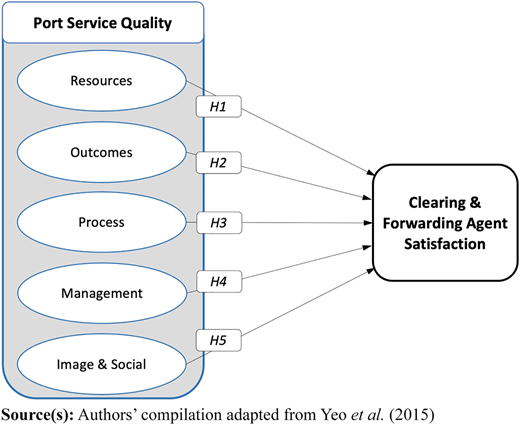
Conceptual framework on the link between port service quality and user satisfaction of C&F agents
Conceptual framework on the link between port service quality and user satisfaction of C&F agents
Previous studies on port service quality have indeed dealt with shipping companies or shippers rather than intermediaries (C&F agents), see, e.g. Yeo et al. (2015) and Thai (2016). The C&F agents are the intermediaries between the ports and the customers. Therefore, C&F agents can provide first-hand information related to PSQ. While C&F agents often do not decide on the actual port choice, the feedback they provide to their customers on the performance and quality of the port used can influence future port selection decisions of these customers. The combination of first-hand contacts and experience with the port, and possible feedback loops into C&F agents’ customers make it relevant and interesting to focus on C&F agents.
3.2 Hypothesis formulation on the five PSQ dimensions in the ROPMIS model
Port clearance efficiency is crucial for businesses, impacting their ability to deliver products to end-users (Bichou and Gray, 2005). Port authorities play a key role in facilitating Port Service Quality (PSQ), which significantly affects Supply Chain Management (SCM) (Verhoeven, 2010). Collaborative efficiency between port authorities and operators is essential to customer satisfaction (De Martino et al., 2020). The ROPMIS model, developed by Thai (2008), offers a framework for examining service quality dimensions in this context. Table 1 provides a comparison between ROPMIS and service quality dimensions. Six dimensions are distinguished in the ROPMIS model.
Comparison between ROPMIS and SQ dimensions
| ROPMIS | SQ dimensions |
|---|---|
| [R] Resources-related | Tangibles |
| [O] Outcomes-related | Reliability |
| [P] Process-related | Responsiveness/Empathy |
| [M] Management-related | Assurance/Efficiency |
| [I] Image/reputation-related | Port’s reputation for cargo damage |
| [S] Social responsibility | Responsibility behavior and activities regarding safety and environmental concerns |
Source(s): Thai (2008)
The first quality dimension in ROPMIS is resource-related. It includes physical resources, financial resources, facility and equipment conditions, locations and infrastructure. These aspects, including access to materials, necessary funds, good facility conditions, accessibility, and robust transportation and communication systems, are vital for service quality (Thai, 2008). It is crucial for ports to offer a pleasant work environment, modern eco-friendly equipment and well-dressed employees who uphold high-standard corporate values (Chen et al., 2019). An efficient workforce and better services can be achieved by providing good working conditions and up-to-date equipment (Zhang, 2020). Furthermore, a comprehensive and well-designed service website can enhance customer satisfaction by keeping them informed about their cargo status and sailing progress (Hofmann and Branding, 2019; Karaś, 2020; Ding et al., 2021). Therefore, a smart port that provides an appealing business environment can improve customer service quality. In this vein, this research integrates the role of resources-related PSQ in C&F agent satisfaction by formulating the following hypothesis:
Resource-related PSQ has a positive impact on C&F agent satisfaction.
The second SQ dimension relates to reliability, which is recognized to be among the key elements of customer satisfaction (Zhang et al., 2019). Reliability refers to a company’s readiness to follow through on its promises and supplements operational accuracy (Devesh, 2019). The primary characteristics of any dependable service are accuracy as well as consistency during service delivery (Blut, 2016). If customers perceive the service is unsatisfactory, they cannot be accountable to service standards (Hamzah et al., 2017). Along these lines, the outcome-related quality dimension in the ROPMIS model is vital for any product or service received by customers. It includes aspects like on-time delivery and completing tasks within a given timeframe. Price is also important in determining quality, as customers assess value in relation to cost. To ensure high quality and value, businesses should implement quality control measures, invest in innovation and seek customer feedback. Prioritizing outcome-related quality improves satisfaction, loyalty and profitability (Thai, 2008). Ports need a sophisticated security system to detect and prevent potential threats, using real-time data from ships (Sanchez-Gonzalez et al., 2019). Electronic data transfer and document sharing are crucial for safe communication (Xiao et al., 2022). Automated systems and big data computing can improve port efficiency and productivity (Zhang, 2020). Installing sensors in and around ports enhances security, efficiency, and traffic management (Min, 2022). Smart port operators should establish work schedules to ensure sufficient staff availability (Chen et al., 2019). This helps to address issues promptly and to avoid congestion (Hsu et al., 2023). Therefore, this research adds a second hypothesis related to the role of outcome-related PSQ on customer satisfaction:
Outcome-related PSQ has a positive impact on C&F agent satisfaction.
Responsiveness and empathy form a third SQ dimension. It involves understanding, communicating with and providing information to customers (Gatari, 2016). In service advertising, empathy meets consumer expectations and promotes positive behavior (Ennew et al., 2013). It is an intricate concept that requires emotional, cognitive, and compassionate assessments and is linked to increased customer satisfaction (Powell and Roberts, 2017; Markovic et al., 2018). Empathy also fosters positive relationships (Lee et al., 2011). Responsiveness, or the timely provision of support, is crucial (Endara et al., 2019), and ports should invest in technology to react proactively to future developments (Karaś, 2020). The ROPMIS model captures empathy and responsiveness aspects through process-related PSQ. The third hypothesis of this study focuses on these process-related PSQ:
Process-related PSQ has a positive impact on C&F agent satisfaction.
The fourth dimension of Service Quality (SQ) stresses the importance of assurance and efficiency. Assurance, derived from employees' competence and courtesy, builds trust and is vital in high-risk sectors, positively impacting customer satisfaction (Olorunniwo et al., 2006; Yarimoglu, 2014; Kant and Jaiswal, 2017). Operational efficiency and effectiveness can be boosted by digitizing container information to expedite information exchange, ensuring smooth cargo flow (Chen et al., 2019). Ports should focus on secure, high-quality cargo transportation and minimize operational mishaps (Hofmann and Branding, 2019). Creating an integrated service supply chain network and providing transparency can enhance interaction with stakeholders (Karaś, 2020; Hsu et al., 2022). Additionally, streamlining procedures and reducing customs clearance times are essential for timely cargo delivery (Talley et al., 2014). Assurance and efficiency are covered in the ROPMIS model by management-related PSQ. This leads to the formulation of the following hypothesis:
Management-related PSQ has a positive impact on C&F agent satisfaction.
The image/reputation-related quality dimension in the ROPMIS model refers to how customers perceive the organization. Factors like brand identity, public relations and marketing efforts can influence this perception. A positive image fosters loyalty, while a negative one can harm the brand and lose customers. Enhancing image/reputation involves improving customer service, product/service quality and communication strategies (Thai, 2008). Reputation, vital for port success, can differentiate a port and attract business. CSR initiatives can build a positive reputation, showcasing commitment to quality and community impact and enhancing trust and loyalty from stakeholders. Building a reputation necessitates time, effort, a long-term commitment, effective communication, transparency and stakeholder engagement. It yields benefits like increased business activity, improved stakeholder relationships and a stronger brand (Phan et al., 2021). For this research, image/reputation [I] and social responsibility [S] are combined and studied as one factor, through the formulation of the following hypothesis:
Image and social-related PSQ has a positive impact on C&F agent satisfaction.
3.3 Case selection
The study focuses on Shuwaikh Port in Kuwait, a country with a deep historical connection to seaports, which have been crucial to its growth. Covering 17,818 sq. km on the Arabian Peninsula and including several islands, Kuwait’s strategic location at the Persian Gulf’s northwestern end has been a significant advantage for its maritime trade. While its economy was once sea-dependent, the discovery of oil has since become the primary income source. The establishment of the Kuwait Ports authorities in 1977 was a pivotal moment, aiming to manage ports' commercial operations. The country’s vision, as stated by His Highness, the Amir Sheikh Sabah Al-Ahmad Al-Jaber Al-Sabah, is to transform Kuwait into an attractive financial and trade hub for investors by 2035, with the private sector leading the economy under the umbrella of supportive government institutions (AlKheder et al., 2022). The Kuwaiti economy heavily depends on oil exports, which generate 90% of state revenue and 50% of GDP. Ports greatly facilitate oil exports. Since Kuwait is an oil exporter and an aspiring regional trade hub, Kuwait’s ports play a significant role in supporting the economy and GDP growth of the country. An essential part of Kuwait’s economic development plans is to increase port capacity (Government of Kuwait, 2022). Shuwaikh Port is ranked 142nd in the global container port performance index prepared by the World Bank and S&P Global Market Intelligence. This places them outside global competition (World Bank, 2023).
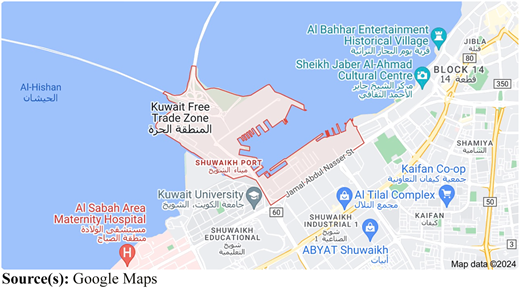
Kuwait has three main ports: Shuwaikh, Doha and Shuaiba. This research has selected the Shuwaikh Port, located west of Kuwait City (Figure 2). It is the country’s primary commercial hub and is managed by the Kuwait Ports Authority. It spans 4.4 million square meters and offers a range of piers to accommodate various vessels. It also includes extensive storage facilities and handles over 500,000 containers annually. The port also acts as a hub for passenger cruise ships (AlRukaibi et al., 2020; arabseaports.com, 2024). Despite its national economic significance, Shuwaikh Port is an under researched seaport and attracts little media coverage compared to top ports in the Middle East such as the ports of King Abdullah and Jeddah in Saudi Arabia, the ports of Jebel Ali, Khalifa and Zayed in the UAE, Hamad port in Qatar and the ports of Sohar and Salalah in Oman. The latter ports typically assume a much stronger role as regional hubs in container and bulk cargo flows and outrank Shuwaikh Port in total cargo volumes and global port ranking, as exemplified by Lloyd’s List’s annual global container port ranking or the global Container Port Performance Index (CPPI) jointly published by World Bank and S&P Global Market Intelligence. For example, Shuwaikh Port is ranked 142nd in the global container port performance index compared to the much higher rankings of other Middle East ports such as Salalah (2nd), Khalifa (29th) and King Abdullah Port (30th) (World Bank, 2023). The modest position of Shuwaikh Port in the regional competitive landscape of the Middle Eastern port system makes the study of the port’s service quality particularly interesting and relevant.
3.4 Data collection process and sampling
This research uses a cross-sectional time horizon, an observational study type where data are collected at a specific point in time rather than over a period, often used for comparing groups or examining variable relationships at a specific time (Bryman, 2006). The sampling technique employed is probability sampling, also known as representative sampling. This technique ensures that every population member has an equal selection chance, ensuring the sample’s representativeness (Saunders et al., 2019). Data were collected through a survey method and a self-administered questionnaire given to C&F agents at the Kuwait Shuwaikh Port. These agents work with port staff and management to ensure timely clearance and delivery of goods to customers. The performance of C&F agents is influenced by the port staff and management. Collecting data from these agents will shed light on their challenges and help address any gaps. The survey method is suitable for studying PSQ based on the ROPMIS framework and data collected from C&F agents. The survey is also considered as one of the best methods to gather the largest amount of data from participants. The survey method is also beneficial in studying the causal relationship between variables based on quantitative data (Albudaiwi, 2018).
Surveys are a critical tool for research, particularly in social science, allowing for efficient data collection from large samples (Park et al., 2020). This study uses questionnaires to gather data on opinions, attitudes and behaviors, providing advantages like reaching diverse populations, asking varied questions and collecting both quantitative and qualitative data (Ragab and Arisha, 2018). Business research often uses questionnaires because of their ability to gather data from large, dispersed samples and support extensive statistical analysis (Zikmund, 2003).
Inspired by Yeo et al. (2015), this research uses a self-administered questionnaire accessible upon request and divided into sections. It begins with a cover letter, followed by a qualifying question confirming that the participant is a C&F agent. Participant details like experience, age, and nationality are gathered next. Lastly, it addresses the ROPMIS model’s independent variables with C&F agent satisfaction as the dependent variable.
Following the recommendations of Saunders et al. (2019), we carried out a pilot test before collecting data using the questionnaire, ensuring ease of answering, accurate data recording, and question validity while also estimating the potential data reliability. The survey was created online and sent to 100 C&F agents via email, but after minimal response, it was printed and distributed in person. A total of 80 hardcopy questionnaires were handed out, and the completed surveys were collected within a week.
Table 2 provides the items that were used in developing the questionnaire based on the study by Yeo et al. (2015). The questionnaire is divided into different sections.
First, the questionnaire introduces the survey through a letter.
This is followed by the first question: “Are you a logistics, clearing and forwarding agent?” Options provided are “yes” and “no”. The survey will be presented only to those that select “yes”. This ensures that the survey participants are C&F agents.
Next, details pertaining to the survey participants such as duration of being a C&F agent, participant age, and participant nationality are collected. Kuwait has citizens from several countries.
The final section covers the independent variables from the ROPMIS model and C&F agent satisfaction as the dependent variable.
Survey items
| Resource-related PSQ | Outcome-related PSQ |
|
|
|
|
|
|
|
|
|
|
| |
| Process-related PSQ | Management-related PSQ |
|
|
|
|
|
|
|
|
| |
| |
| Image and social responsibility-related PSQ | C&F agent satisfaction |
|
|
|
|
|
|
|
|
| |
|
Source(s): Authors’ compilation
Kuwait has not published a list of C&F agents. However, Google search and directories reveal that there are approximately 25 and 30 companies. Within these C&F companies, there are approximately 3 and 5 people per company interacting with port management. Thus, the total population of C&F agents is estimated at between 75 and 150. Based on this estimation, 80 hardcopy surveys were distributed, resulting in 49 completed surveys. Table 3 reveals the demographic data; most agents (36.7%) have been with the organization for 6–10 years. Most agents are aged 25–39 (55.1%), followed by ages 40–59 (42.9%), and most are non-Kuwaiti (77.6%).
Respondent information
| Options | % | Options | % | Options | % |
|---|---|---|---|---|---|
| 1–5 years | 18.4 | 25–39 years | 55.1 | Kuwaiti | 22.4 |
| 6–10 years | 36.7 | 40–59 years | 42.9 | Non-Kuwaiti | 77.6 |
| 11–15 years | 20.4 | >59 years | 2.0 | ||
| >15 years | 24.5 |
Source(s): Authors’ compilation
Table 3 reveals 91.8% of the respondents are not Kuwaiti nationals, and 55.1% are aged between 25 and 39. The majority, at 36.7%, have been involved in C&F activities for 6–10 years. To study whether the relevant experience are significant with the studied variables, we used one-way ANOVA as it concerns more than two groups. The one-way ANOVA results for working experience as a C&F agent in Kuwait indicated significance with ORP (p-value = 0.048). However, the post hoc Bonferroni results did not indicate any difference between the groups. Therefore, the relevant experience is not significant for any of the studied variables.
4. Findings
4.1 Descriptive analysis
The questionnaire was designed using a Five-point Likert scale. The scales were labelled as Strongly Disagree (SD), Disagree (D), Neither agree nor disagree (N), Agree (A), and Strongly Agree (SA). The responses received from the survey participants are analyzed using descriptive analysis where the information is presented through the use of percentages, means, and standard deviations.
Table 4 provides the findings for RRP. According to the survey results, a significant percentage of respondents disagreed with the statement that ports in Kuwait have modern and functional equipment and facilities, modern equipment that always functions properly, strong financial stability, excellent shipment tracking and tracing capability, and excellent physical infrastructure including berths, yards, warehouses, distribution centers and hinterland connection networks. Specifically, 59.2% disagreed with the notion that the ports have modern and functional equipment and facilities (RRP1), while 38.8% disagreed and 38.8% strongly disagreed with the statement about modern equipment that always functions properly (RRP2). Additionally, 42.9% disagreed with the claim of strong financial stability (RRP3), 49.0% disagreed with the notion of excellent shipment tracking and tracing capability (RRP4) and 46.9% disagreed with the statement about excellent physical infrastructure (RRP5). These findings indicate that there are concerns among the C&F agents regarding the current state of the Shuwaikh Port in Kuwait in terms of equipment, facilities, financial stability and infrastructure. This suggests that improvements are needed in these areas to meet the expectations and requirements of the agents. Further actions and strategies could be implemented to address these concerns and enhance the overall performance and reputation of the ports in Kuwait.
Responses for resource-related PSQ (RRP)
| Items | Mean | Strongly disagree (%) | Disagree (%) | Neutral (%) | Agree (%) | Strongly agree (%) | |
|---|---|---|---|---|---|---|---|
| RRP1 | Ports in Kuwait have available equipment and facilities to meet your requirements | 2.102 | 22.4 | 59.2 | 10.2 | 2.0 | 6.1 |
| RRP2 | The equipment and facilities of the Kuwait port are modern and always function properly | 1.939 | 38.8 | 38.8 | 12.2 | 10.2 | 0.0 |
| RRP3 | Ports in Kuwait have strong financial stability | 2.265 | 28.6 | 42.9 | 12.2 | 6.1 | 10.2 |
| RRP4 | Port in Kuwait have excellent shipment tracking and tracing capability | 2.143 | 24.5 | 49.0 | 18.4 | 4.1 | 4.1 |
| RRP5 | Ports in Kuwait have excellent physical infrastructure such as berths, yards, warehouses, distribution centers, and hinterland connection networks | 2.306 | 24.5 | 46.9 | 12.2 | 6.1 | 10.2 |
| Average | 2.151 | 27.8% | 47.3 | 13.1 | 5.7 | 6.1 | |
Source(s): Authors’ compilation
Table 5 provides an overview of the responses for ORP. According to the survey results, there are significant concerns among C&F agents regarding the services provided by ports in Kuwait. A considerable percentage of respondents disagreed with the statement that the ports provide fast, reliable and consistent services. Specifically, 57.1% disagreed with the notion of fast services (ORP1), 67.3% disagreed with the claim of reliability (ORP2) and 46.9% disagreed with the statement about consistent services (ORP3). Furthermore, 32.7% disagreed and 24.5% strongly disagreed with the notion of ensuring safety and security to shipments (ORP4). Additionally, 61.2% disagreed with the statement about producing error-free invoices (ORP5). In terms of meeting service requirements consistently (ORP6), 32.7% of respondents disagreed, followed by 26.5% who were neutral and 24% who strongly disagreed. These findings suggest that improvements are necessary in the mentioned areas to meet the expectations and requirements of C&F agents. The ports in Kuwait must address these concerns and enhance their performance and reputation. By implementing appropriate actions and strategies, the ports can improve their service quality to ensure customer satisfaction and build positive relationships with business partners.
Responses for outcome-related PSQ (ORP)
| Items | Mean | Strongly disagree (%) | Disagree (%) | Neutral (%) | Agree (%) | Strongly agree (%) | |
|---|---|---|---|---|---|---|---|
| ORP1 | Ports in Kuwait provide fast services | 2.204 | 22.4 | 57.1 | 6.1 | 6.1 | 8.2 |
| ORP2 | Ports in Kuwait provide services in a reliable manner | 1.959 | 20.4 | 67.3 | 10.2 | 0.0 | 2.0 |
| ORP3 | Ports in Kuwait provide services in a consistent manner | 2.306 | 24.5 | 46.9 | 12.2 | 6.1 | 10.2 |
| ORP4 | Ports in Kuwait ensure safety and security to the shipments | 2.408 | 24.5 | 32.7 | 26.5 | 10.2 | 6.1 |
| ORP5 | Ports in Kuwait produce error-free invoice and related documents | 2.224 | 16.3 | 61.2 | 12.2 | 4.1 | 6.1 |
| ORP6 | Ports in Kuwait meet our service requirements every time | 2.408 | 24.5 | 32.7 | 26.5 | 10.2 | 6.1 |
| Average | 2.252 | 22.1% | 49.7 | 15.6 | 6.1 | 6.5 | |
Source(s): Authors’ compilation
Table 6 presents the responses for PRP, and the survey results indicate that there are concerns among C&F agents regarding the professionalism, responsiveness, and knowledge of agents' needs exhibited by the staff at Kuwait Shuwaikh Port, with 61.2% disagreeing with professionalism (PRP1), 46.9% disagreeing with responsiveness (PRP2) and 49.0% disagreeing with good knowledge of agents' needs (PRP3). Additionally, the level of ICT applications in customer service (PRP4) received mixed responses, with a majority in the neutral category, followed by 28.8% disagreeing and 20.4% strongly disagreeing. These findings suggest that improvements are necessary in these areas to meet the expectations and requirements of C&F agents. Port management must address these concerns, enhance staff capabilities, and invest in better ICT applications to provide more satisfactory customer service experiences.
Responses for process-related PSQ (PRP)
| Items | Mean | Strongly disagree (%) | Disagree (%) | Neutral (%) | Agree (%) | Strongly agree (%) | |
|---|---|---|---|---|---|---|---|
| PRP1 | Kuwait port staff demonstrate professional attitude and behavior in meeting our requirements | 2.224 | 16.3 | 61.2 | 12.2 | 4.1 | 6.1 |
| PRP2 | Kuwait port staff respond quickly to our enquiries and request | 2.204 | 22.4 | 46.9 | 20.4 | 8.2 | 2.0 |
| PRP3 | Kuwait port staff demonstrate good knowledge of our needs and requirements | 2.224 | 24.5 | 49.0 | 14.3 | 4.1 | 8.2 |
| PRP4 | The level of ICT applications in customer service at Kuwait port is comprehensive | 2.490 | 20.4 | 28.6 | 38.8 | 6.1 | 6.1 |
| Average | 2.286 | 20.9% | 46.4 | 21.4 | 5.6 | 5.6 | |
Source(s): Authors’ compilation
Table 7 covers the responses for MRP. According to the survey findings, there are significant concerns among C&F agents regarding the level of ICT applications, efficiency, and knowledge and competence in the operations and management of Kuwait Shuwaikh Port. A considerable percentage of respondents disagreed with the level of ICT applications (MRP1; 42.9%), efficiency (MRP2; 40.8%), and knowledge and competence (MRP3; 49.0%) in Kuwait Shuwaikh Port operations and management. Additionally, 44.9% of respondents disagreed with the management’s understanding of agents' needs (MRP4) while the collection of feedback (MRP5), and continuous improvement of customer-oriented processes (MRP6) also show a vast majority of respondents disagreed or strongly disagreed with the related statements in the questionnaire. These findings highlight the need for improvements in these areas to meet the expectations and requirements of C&F agents. Port management must address these concerns by enhancing the level of ICT applications, improving efficiency, and investing in staff knowledge and competence. Furthermore, the management should prioritize understanding agents' needs, collecting and acting upon feedback and implementing continuous improvement processes. By implementing these actions, Kuwait Shuwaikh Port can enhance its operations and management practices, ensuring better service quality and customer satisfaction.
Responses for management-related PSQ (MRP)
| Items | Mean | Strongly disagree (%) | Disagree (%) | Neutral (%) | Agree (%) | Strongly agree (%) | |
|---|---|---|---|---|---|---|---|
| MRP1 | The level of ICT applications in Kuwait port operations and management is detailed | 2.184 | 26.5 | 42.9 | 18.4 | 10.2 | 2.0 |
| MRP2 | Kuwait port demonstrates a high level of efficiency in operations and management | 2.388 | 28.6 | 40.8 | 6.1 | 12.2 | 12.2 |
| MRP3 | The management of Kuwait port demonstrates good knowledge and competence, including incident-handling capability | 2.163 | 28.6 | 49.0 | 8.2 | 6.1 | 8.2 |
| MRP4 | The management of Kuwait port demonstrates good understanding of our needs and requirements | 2.449 | 22.4 | 44.9 | 6.1 | 18.4 | 8.2 |
| MRP5 | Kuwait port management collects our feedback about their services and reflect on their improvement | 2.286 | 22.4 | 53.1 | 8.2 | 6.1 | 10.2 |
| MRP6 | Ports in Kuwait continuously improve their customer-oriented operation and management processes | 1.959 | 40.8 | 34.7 | 16.3 | 4.1 | 4.1 |
| Average | 2.238 | 28.2% | 44.2 | 10.5 | 9.5 | 7.5 | |
Source(s): Authors’ compilation
Table 8 shows the responses for ISP. According to the survey results, there are concerns among C&F agents regarding the relationship between Kuwait Shuwaikh Port and logistics/transport providers, the reputation for reliability, the emphasis on operations and work safety, the record in operations and work safety, the fulfillment of social responsibility and the emphasis on environmentally responsible operations. A notable percentage of respondents disagreed or strongly disagreed with the statements included in the questionnaire, thereby pointing to poor to very poor port service quality. Specifically, 38.8% disagreed and 20.4% strongly disagreed with the notion of a good relationship with logistics and transport providers (ISP1), while 36.7% disagreed and 24.5% strongly disagreed with the positive reputation for reliability (ISP2). Furthermore, 46.9% disagreed with the emphasis on operations and work safety (ISP3) and the good record in operations and work safety (ISP4). Additionally, 42.9% disagreed with the fulfillment of social responsibility and the emphasis on environmentally responsible operations (ISP 5 and ISP6). These findings suggest that there are areas for improvement in these aspects to meet the expectations and requirements of C&F agents. Kuwait Shuwaikh Port needs to address these concerns and strengthen their relationships with logistics and transport providers, enhance their reputation for reliability, prioritize operations and work safety, fulfill social responsibility, and emphasize environmentally responsible operations. By taking appropriate actions, Kuwait Shuwaikh Port can improve its overall performance, build positive relationships with stakeholders, and ensure customer satisfaction.
Image and social responsibility-related PSQ (ISP)
| Items | Mean | Strongly disagree (%) | Disagree (%) | Neutral (%) | Agree (%) | Strongly agree (%) | |
|---|---|---|---|---|---|---|---|
| ISP1 | Kuwait ports demonstrate good relationship with different logistics/transport providers | 2.633 | 20.4 | 38.8 | 12.2 | 14.3 | 14.3 |
| ISP2 | Kuwait ports possess a positive reputation for reliability in the market | 2.490 | 24.5 | 36.7 | 14.3 | 14.3 | 10.2 |
| ISP3 | Kuwait ports emphasize on operations and work safety | 2.347 | 20.4 | 46.9 | 16.3 | 10.2 | 6.1 |
| ISP4 | Kuwait ports demonstrate a good record in operations and work safety | 2.224 | 28.6 | 46.9 | 4.1 | 14.3 | 6.1 |
| ISP5 | Kuwait ports fulfill good social responsibility to their employees and other stakeholders | 1.878 | 38.8 | 42.9 | 12.2 | 4.1 | 2.0 |
| ISP6 | Kuwait ports emphasize on environmentally responsible operations | 1.939 | 38.8 | 38.8 | 12.2 | 10.2 | 0.0 |
| Average | 2.252 | 28.6% | 41.8 | 11.9 | 11.2 | 6.5 | |
Source(s): Authors’ compilation
Table 9 provides the responses for SAT. There are significant concerns among C&F agents in Kuwait regarding their satisfaction with the facilities, equipment, and infrastructures of the ports, as well as their satisfaction with the management and employees. A considerable percentage of respondents disagreed with these aspects, with 42.9% disagreeing with the satisfaction regarding facilities, equipment and infrastructure (SAT1), and the satisfaction regarding management and employees (SAT2). Additionally, there were concerns about the service quality of the ports, with 51.0% disagreeing with their satisfaction in this area (SAT3). Furthermore, when it comes to speaking positively about the service to business partners (SAT4), 36.7% of respondents disagreed, and 22.4% strongly disagreed. These findings suggest that improvements are necessary in these areas to meet the expectations and requirements of C&F agents. The ports in Kuwait must address these concerns and enhance their facilities, equipment, infrastructures, management, employees, and service quality. By implementing appropriate actions and strategies, the ports can improve their overall performance, increase customer satisfaction, and foster positive relationships with business partners.
C&F agent satisfaction (SAT)
| Items | Mean | Strongly disagree (%) | Disagree (%) | Neutral (%) | Agree (%) | Strongly agree (%) | |
|---|---|---|---|---|---|---|---|
| SAT1 | Overall, we are satisfied with the facilities, equipment, and other infrastructures of the ports in Kuwait | 2.265 | 28.6 | 42.9 | 12.2 | 6.1 | 10.2 |
| SAT2 | Overall, we are satisfied with the management and employees of Kuwait ports | 1.837 | 38.8 | 42.9 | 14.3 | 4.1 | 0.0 |
| SAT3 | Overall, we are satisfied with the service quality of the Kuwait ports | 2.204 | 24.5 | 51.0 | 10.2 | 8.2 | 6.1 |
| SAT4 | I will speak positively about the service of Kuwait port to our business partners | 2.490 | 22.4 | 36.7 | 16.3 | 18.4 | 6.1 |
| Average | 2.199 | 28.6% | 43.4 | 13.3 | 9.2 | 5.6 | |
Source(s): Authors’ compilation
4.2 Validity and reliability
This section reviews the test’s validity and reliability, evaluated using Principal Component Analysis (PCA). Hair et al. (2019) recommend 0.70 as the best factor loading. However, values above 0.60 are also accepted. For example, Phan et al. (2021) and Kristiyanti et al. (2024) carried out studies in ports where the factor loading is maintained at 0.60. This means that items below this threshold may be excluded after cross-checking the reliability results. The sampling adequacy is studied using the Kaiser-Meyer-Olkin (KMO) test where the values above 0.50 are the accepted criteria (Pham, 2021). In addition to this, the Bartlett’s test of Sphericity significance is used to study the strength of inter-where a p-value of 0.05 or less is considered significant (Phan et al., 2021). The factor loadings for the different aspects of Port Service Quality (PSQ) and Clearing and Forwarding (C&F) Agent Satisfaction are provided in Table 10.
Factor loading with KMO and Bartlett’s test of sphericity
| Variables | Factor loading | KMO | Bartlett’s test of sphericity [sig.] |
|---|---|---|---|
| RRP | 0.649 to 0.806 | 0.698 | 0.000 |
| ORP | 0.483 to 0.924 | 0.707 | 0.000 |
| PRP | 0.576 to 0.841 | 0.706 | 0.000 |
| MRP | 0.469 to 0.892 | 0.864 | 0.000 |
| ISP | 0.578 to 0.827 | 0.795 | 0.000 |
| SAT | 0.801 to 0.891 | 0.799 | 0.000 |
Source(s): Authors’ compilation
Overall, all factor loadings were above 0.60, which is considered valid, except for MRP1 (0.469), ORP2 (0.483) and ISP6 (0.578). As stated above, before excluding these three items, the reliability results will also be studied. The KMO values for all the studied variables are above 0.50, thus establishing the sampling adequacy. Finally, the Bartlett’s test of Sphericity has p-value significance below 0.05, establishing the inter-correlations.
The reliability was assessed using Cronbach’s Alpha, with a threshold of 0.70 (Hair et al., 2019). This method and threshold have been utilized in prior port-related studies (e.g. Chang and Thai, 2016; Han, 2018; Bakari and Subriadi, 2020; Munim et al., 2022).
Table 11 presents Cronbach’s Alpha results. Three items (ORP2, MRP1 and ISP6) have factor loadings below 0.60. The “All items” results include all items, while the “Excluded items below 0.60 loadings” results exclude these three. Excluding ORP2, MRP1, and ISP6 improved the Cronbach’s Alpha values from 0.826 to 0.836, 0.882 to 0.906 and 0.833 to 0.838, respectively. Therefore, ORP2, MRP1 and ISP6 will be excluded from the following analyses to study the relationship of the variables, starting with the correlation and then the regression analyses.
Cronbach’s alpha
| Variables | All items | Excluded items below 0.60 loadings | ||
|---|---|---|---|---|
| Cronbach’s alpha | No. of items | Cronbach’s alpha | No. of items | |
| Resource-related PSQ (RRP) | 0.779 | 5 | 0.779 | 5 |
| Outcome-related PSQ (ORP) | 0.826 | 6 | 0.836 | 5 |
| Process-related PSQ (PRP) | 0.767 | 4 | 0.767 | 4 |
| Management-related PSQ (MRP) | 0.882 | 6 | 0.906 | 5 |
| Image and social responsibility-related PSQ (ISP) | 0.833 | 6 | 0.838 | 5 |
| C&F agent satisfaction (SAT) | 0.855 | 4 | 0.855 | 4 |
Source(s): Authors’ compilation
4.3 Correlation
The correlation is used to study the association between the two variables. First, the significance was studied using the 2-tailed significance p-value (Table 12). The accepted p-value should be below 0.05 to establish the 95% confidence level. The Statistical Package for Social Sciences (SPSS) was used for data analysis.
Correlation
| RRP | ORP | PRP | MRP | ISP | SAT | ||
|---|---|---|---|---|---|---|---|
| RRP | Pearson correlation | 1 | 0.828** | 0.729** | 0.822** | 0.738** | 0.845** |
| Sig. (2-tailed) | 0.000 | 0.000 | 0.000 | 0.000 | 0.000 | ||
| ORP | Pearson correlation | 0.828** | 1 | 0.762** | 0.610** | 0.664** | 0.658** |
| Sig. (2-tailed) | 0.000 | 0.000 | 0.000 | 0.000 | 0.000 | ||
| PRP | Pearson correlation | 0.729** | 0.762** | 1 | 0.621** | 0.538** | 0.611** |
| Sig. (2-tailed) | 0.000 | 0.000 | 0.000 | 0.000 | 0.000 | ||
| MRP | Pearson correlation | 0.822** | 0.610** | 0.621** | 1 | 0.814** | 0.838** |
| Sig. (2-tailed) | 0.000 | 0.000 | 0.000 | 0.000 | 0.000 | ||
| ISP | Pearson correlation | 0.738** | 0.664** | 0.538** | 0.814** | 1 | 0.704** |
| Sig. (2-tailed) | 0.000 | 0.000 | 0.000 | 0.000 | 0.000 | ||
| SAT | Pearson correlation | 0.845** | 0.658** | 0.611** | 0.838** | 0.704** | 1 |
| Sig. (2-tailed) | 0.000 | 0.000 | 0.000 | 0.000 | 0.000 | ||
Note(s): **. Correlation is significant at the 0.01 level (2-tailed)
Source(s): Authors’ compilation
The correlation values, which range from −1 to 1, indicate the strength and direction of the association. Zero signifies no correlation, while 1 represents complete correlation. The correlation strength was classified as (1) 0.1 to 0.3: weak (negative/positive) correlation; (2) 0.4 to 0.6: moderate (negative/positive) correlation; and (3) 0.7 to 0.9: strong (negative/positive) correlation.
RRP and SAT show a strong positive correlation (0.845), as do MRP and SAT (0.838), and ISP and SAT (0.704), all with a p-value of 0.000, indicating statistical significance. This suggests that improved resource-related services increase C&F agent satisfaction. Within the satisfaction (SAT) variable, MRP also has a strong positive correlation with p-value of 0.000 and a correlation of 0.838. A strong positive correlation (0.704; p-value of 0.000) was also observed between ISP and SAT. Both ORP (p-value = 0.000; correlation = 0.611) and PRP (p-value = 0.000; correlation = 0.611) had a moderate positive correlation with SAT. Correlation examines the association between two variables. Regression analysis, detailed in the next section, investigates the impact of five independent variables on the dependent variable.
4.4 Regression analysis
Multiple linear regression analysis presents three outcomes. The first two – model summary and ANOVA – study the overall model. The third outcome, which is the coefficient results, presents the significance of independent variables to the dependent variable.
Table 13 provides the model summary results that study the variance between the studied variables using the adjusted R-squared (R2). The R2 values range between 0 and 1, where 0 establishes 0% variance and a value of 1 establishes 100% variance. The values between these two extremes are therefore used to study the model strength. The results indicate that the adjusted R2 has a value of 0.752, which is a 75.2% variance that indicates a strong model.
Model summary
| Model | R | R-square | Adjusted R-square | Std. Error of the estimate |
|---|---|---|---|---|
| 1 | 0.882a | 0.778 | 0.752 | 1.83792 |
Note(s): aPredictors: (Constant), ISP, PRP, ORP, MRP, RRP
Source(s): Authors’ compilation
Table 14 provides the ANOVA (Analysis of Variance) results to study the model fit using the p-value. The p-value below 0.05 establishes the model fit. The ANOVA provides p-value of 0.000 indicating a good model fit.
ANOVA
| Model | Sum of squares | df | Mean square | F | Sig | |
|---|---|---|---|---|---|---|
| 1 | Regression | 508.708 | 5 | 101.742 | 30.119 | 0.000b |
| Residual | 145.251 | 43 | 3.378 | |||
| Total | 653.959 | 48 | ||||
Note(s): Dependent variable: SAT
Predictors: (Constant), ISP, PRP, ORP, MRP, RRP
Source(s): Authors’ compilation
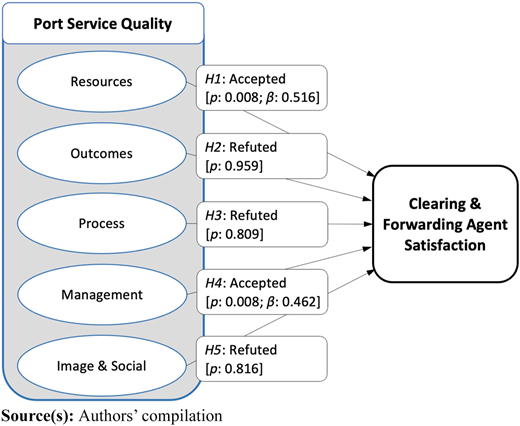
Table 15 provides the coefficient results where the p-value and standardized coefficient beta values are studied. A p-value below 0.05 is used to establish the significance and the standardized coefficient beta establishes the directional (positive/negative) impact of the association. The results indicate that out of the five independent variables, significance is observed only with RRP and MRP with p-value of 0.008. The beta values indicate that both RRP (β = 0.516) and MRP (β = 0.462) have a positive impact and a stronger impact is that of RRP, compared to MRP on SAT.
Coefficient results
| Model | Unstandardized coefficients | Standardized coefficients | t | Sig | ||
|---|---|---|---|---|---|---|
| B | Std. Error | Beta | ||||
| 1 | (Constant) | 0.538 | 0.857 | 0.628 | 0.533 | |
| H1: RRP | 0.483 | 0.172 | 0.516 | 2.804 | 0.008 | |
| H2: ORP | −0.007 | 0.133 | −0.008 | −0.052 | 0.959 | |
| H3: PRP | −0.042 | 0.171 | −0.029 | −0.244 | 0.809 | |
| H4: MRP | 0.331 | 0.119 | 0.462 | 2.789 | 0.008 | |
| H5: ISP | −0.025 | 0.109 | −0.032 | −0.234 | 0.816 | |
Note(s): Dependent variable: SAT
Source(s): Authors’ compilation
The results enable us to refute or accept the hypotheses presented earlier:
Hypotheses H1 (Resource-related PSQ has a positive impact on C&F agent satisfaction) is accepted with p-value of 0.008 and beta of 0.516.
Hypothesis H2 (Outcome-related PSQ has a positive impact on C&F agent satisfaction) is refuted as the p-value of 0.959 is higher than the threshold of 0.05.
Hypothesis H3 (Process-related PSQ has a positive impact on C&F agent satisfaction) is refuted as the p-value of 0.809 is higher than the threshold of 0.05.
Hypothesis H4 (Management-related PSQ has a positive impact on C&F agent satisfaction) is accepted with p-value of 0.008 and beta of 0.462.
Hypothesis H5 (Image and Social-related PSQ has a positive impact on C&F agent satisfaction) is refuted as the p-value of 0.816 is higher than the threshold of 0.05.
5. Discussion
This section links the findings to extant literature and the main and secondary research questions of the presented research.
First, the main research question (“What are the port service quality (PSQ) factors that impact the satisfaction of C&F agents in Kuwait?”) needs to be answered by referring to the outcomes of the ROPMIS model, where five PSQ factors were used to study the satisfaction of C&F agents. The findings are summarized in Figure 3. Resources-related PSQ and management-related PSQ are the only two PSQ dimensions that influence the satisfaction of C&F agents. A detailed discussion of all the dimensions is presented below, thereby also answering the secondary research questions.
Resources-related Port Service Quality (PSQ) involves various aspects such as state-of-the-art equipment, financial stability, advanced tracking capabilities, and superior physical infrastructure, all contributing to the modernization and efficiency of Kuwait Shuwaikh Port. However, current resources do not meet the expectations of most clearing and forwarding (C&F) agents, indicating the need for enhancement. Literature underscores the importance of the resources-related quality dimension in assessing overall service quality (Thai, 2008; Zhang, 2020), impacting staff efficiency and service delivery. Contrarily, a study on Korean ports found no significant impact of resources-related PSQ on satisfaction (Yeo et al., 2015), but in the Kuwaiti context, this research establishes its significance for C&F agent satisfaction. The above discussion answers the first secondary question “What is the significance of resource-related PSQ on C&F agent satisfaction?”
Outcome-focused Port Service Quality (ORP PSQ) in Kuwait, which prioritizes efficient and reliable services and safety, has revealed dissatisfaction among C&F agents despite consistent delivery of accurate documents (Blut, 2016). The quality of service outcomes, crucial for customer satisfaction, has unfortunately not met standards (Hamzah et al., 2017). A study on Vietnamese ports found outcome-related PSQ most impactful (Phan et al., 2021), stressing the importance of prioritizing outcome quality for satisfaction and profitability (Thai, 2008). However, no statistical significance of ORP on satisfaction was established in this research, aligning with the findings of Yeo et al. (2015). As a result, there’s a need for port management to improve service quality to meet C&F agent expectations. This answers the second secondary research question, i.e. “What is the significance of outcome-related PSQ on C&F agent satisfaction?”
The Process-Related PSQ (PRP) assesses customer service at Kuwait Shuwaikh Port, focusing on staff professionalism, response time to inquiries, and the use of ICT applications in service delivery. These aspects are essential for a positive customer experience and satisfaction. To provide good service quality, it is essential to focus not only on delivering excellent product outcomes but also on adopting an efficient approach to service delivery. It is crucial to comprehend the requirements and expectations of customers and adjust the service delivery process accordingly (Hsu et al., 2023). In accordance with the research findings, the study conducted by Yeo et al. (2015) also failed to establish the importance of PRP in relation to satisfaction. Furthermore, aligning with the recommendations of Abdul Rahman et al. (2024), it is imperative for port management to prioritize enhancing their timeliness by promptly responding to customers' requests in a courteous manner, thereby ensuring their satisfaction with the services provided. This answers the third secondary research question: “What is the impact of process related PSQ on C&F agent satisfaction?”.
The research revealed the exceptional efficiency of Kuwait Shuwaikh Port management in operations, demonstrating high competence and reliability. However, a significant number of Clearing & Forwarding (C&F) agents expressed dissatisfaction with the management-related Port Service Quality (MRP PSQ). The MRP PSQ dimension was found to have the strongest positive impact on customer satisfaction, aligning with previous studies by Thai (2008, 2016), which emphasized its importance and developed a reliable PSQ scale. This finding is also supported by Yeo et al. (2015). As recommended by Phan et al. (2021), effective port management should not only serve as a role model but also actively inspire and motivate employees to significantly enhance the overall service quality provided by the port. This implies that a more proactive and engaging approach is required from port management to effectively boost service levels and meet the ever-increasing demands of the industry. This answers the fourth secondary research question “What is the impact of management-related PSQ on C&F agent satisfaction?”.
This study investigated the impact of image and social responsibility (ISP) on port service quality (PSQ) and its relationship with logistics and transport providers. Despite the importance of maintaining a positive reputation and demonstrating a commitment to work safety, respondents expressed concerns about Kuwait Shuwaikh Port service quality in this aspect. A focus was put on corporate social responsibility towards employees and stakeholders, and environmentally responsible operations. However, dissatisfaction was expressed by clearing and forwarding (C&F) agents with the Kuwait Shuwaikh Port focus on ISP. These findings concur with a Vietnamese study, indicating ISP’s insignificant impact on customer satisfaction. Nonetheless, Yeo et al. (2015) found that ISP significantly positively affects customer satisfaction, underlining the need to focus on a port’s social performance. Chen et al. (2019) also recommended providing a comfortable and efficient working environment with modern, eco-friendly equipment for improved productivity and service quality. However, this study did not find a statistically significant relationship between ISP and C&F agent satisfaction in a Kuwaiti context, which contrasts with previous research. This answers the fifth and final research question, i.e. “What is the role of image and social related PSQ on C&F agent satisfaction?”
In conclusion, our research reveals that several C&F agents face issues with PSQ at Shuwaikh Port, Kuwait. Existing infrastructure problems, such as narrow streets and disorganized parking, are worsened by the concentration of customs checkpoints for containers in a single zone. These issues, first highlighted by Al-Hussain and Al-Fadhli (2011), cause a significant bottleneck in customs operations.
Al-Hussain and Al-Fadhli (2011) suggested that adding customs checkpoints could reduce container delays at Shuwaikh Port, Kuwait. However, persistent issues, such as congestion and hindrances in returning empty containers, were still identified in a later study by AlRukaibi et al. (2020). As a solution, they proposed the establishment of a logistics city near Shuwaikh Port, connected by a tunnel for seamless operations.
The development of a logistics city is projected to improve the performance of Shuwaikh Port, Kuwait, attracting more ships and stimulating the economy. It aims to enhance port efficiency, trade mobility, storage capacity, and competitiveness by organizing truck flow and supporting multiple companies. The construction of dedicated roads should relieve traffic and reduce handling time. This effort to establish an international logistics center is a strategic move to give the Kuwait Ports Authority the resources to address current port challenges (AlRukaibi et al., 2020).
AlKheder et al. (2022) proposed the establishment of a logistics city in the Doha area to improve port services, including providing storage spaces and an exhibition for customer goods, thus increasing revenue. This includes expanding storage capacity, reducing handling time, and building an international logistic center. The logistics city would connect to Shuwaikh Port, aligning with Kuwait’s Port Authority’s 2035 vision. Additionally, the Smart Gate Operating System is suggested to simplify entry and exit procedures for port users.
AlKheder et al. (2022) proposed enhancing truck operations by segregating traffic and closing the road adjacent to the port, which could significantly decrease transit time. They recommend maintaining systematic operations and limiting customs inspections to boost customer efficiency. The discontinuation of shared routes for trucks is also suggested, which could lead to an estimated 40% reduction in travel time, increasing the port’s capacity and revenue generation.
6. Conclusions
6.1 Main findings and implications
This study used the ROPMIS model to examine Port Service Quality (PSQ) dimensions' impact on C&F agents' satisfaction at Kuwait Shuwaikh Port. The findings indicate that the resources-related PSQ dimension, which includes aspects such as state-of-the-art equipment, strong financial stability, and superior physical infrastructure, has a significant positive impact on C&F agent satisfaction. This highlights the importance of enhancing these resources to meet the expectations of C&F agents and improve overall port operations. On the other hand, the outcome-related PSQ and process-related PSQ dimensions did not show a statistically significant impact on C&F agent satisfaction. This suggests that while the commitment to delivering efficient and reliable services and the professionalism of staff are crucial, there may be other factors influencing C&F agent satisfaction in these areas that need to be addressed. Interestingly, the management-related PSQ dimension was found to have a significant positive impact on C&F agent satisfaction. This highlights the importance of efficient operations, knowledgeable and competent management, and a commitment to continuous improvement in delivering service quality at Kuwait Shuwaikh Port. Lastly, the image and social responsibility-related PSQ dimension did not show a significant impact on C&F agent satisfaction. This suggests that while connections with logistics and transport providers and social responsibility initiatives are commendable, they may not be the primary drivers of C&F agent satisfaction at Kuwait Shuwaikh Port.
This study presents various policy implications that indicate the need to review policies regarding current operations and development of the ports, studying and meeting customer expectations, and the utilization of technology and automation to enhance port management and operations. By addressing these areas, Kuwait’s Shuwaikh Port can enhance its service quality, meet the needs of C&F agents, and remain competitive in the logistics and transportation industry.
6.2 Recommendations
C&F agents do not prefer their cargo to be held for a long time. Therefore, to meet the demands of C&F agents, the port operations department would need to clearly outline the services, communicate any delays, meet clearing deadlines, and ensure customer satisfaction for C&F agents.
Improve promptness in carrying out port services: It is suggested that senior management of seaports in Kuwait focus on improving the promptness in carrying out port services. This includes outlining the services, communicating any delays to C&F agents and setting clear clearing deadlines to meet the satisfaction of C&F agents.
Invest in employee training: Port management should identify areas for employee improvement and provide targeted training programs to enhance employee knowledge and skills. By investing in employee training, ports can ensure that their staff are equipped to deliver high-quality services.
Adopt new technology and automation systems: It is recommended that port operators in Kuwait adopt new technology and automation systems to improve their management and operation systems. By doing so and properly allocating expertise, ports can enhance efficiency and effectiveness, minimize costs and improve competitiveness.
Develop a strategic operational management and marketing plan: To attract diverse clients, ports should develop a strategic operational management and marketing plan. This plan will help ports set clear goals, stay on track despite distractions and increase the confidence of clients and investors in the port’s vision and services.
By implementing these recommendations, Kuwait Shuwaikh Port can enhance its service quality, meet the needs of C&F agents and remain competitive in the logistics and transportation industry.
6.3 Research contributions
The findings of this research provide the following theoretical and practical contributions and policy implications.
From an academic perspective, the study utilizes the ROPMIS model, tailored for the maritime industry, to assess the quality of port services at Kuwait’s Shuwaikh Port. This research enhances the theoretical understanding of service quality in the port context and expands the application of the ROPMIS model to a new geographical area, i.e. Kuwait. The research focuses on C&F agents' satisfaction, which is a different perspective compared to previous studies that focused on shipping lines and cargo owners. This broadens the theoretical scope of port service quality research.
The study also exhibits practical contributions. The study identifies key areas of concern regarding the service quality at Kuwait’s Shuwaikh Port, specifically highlighting issues related to equipment, facilities, financial stability, and infrastructure. These insights can help port management direct their improvement efforts effectively. This research emphasizes the necessity for enhancements in service speed, reliability, consistency and safety. It also points out the importance of staff professionalism, responsiveness and expertise. These findings can inform targeted training and development programs for port personnel.
From a policy perspective, the findings indicate the necessity for policies that focus on investing in modern equipment and facilities, as well as improving physical infrastructure. This may require a revision of budget allocation policies to better address these areas. Additionally, there is a significant need for policies that enhance the use of ICT applications in customer service. This could involve developing new IT policies or revising existing ones to improve digital infrastructure and provide staff training in technology use. Finally, the study’s results highlight the importance of policies that ensure consistent service quality standards. This could be achieved through the implementation of regular performance evaluations and quality control measures.
6.4 Limitations and future research
This research collected survey-based data from C&F agents who are intermediaries between the port and the customers. Customers base their satisfaction levels of the port on the information and services of the C&F agents. The efficiency of the C&F agents therefore depends on how quickly they can clear the products from the port and make them available to the customers. This research therefore provides empirical evidence on service quality of Kuwait Shuwaikh Port from a C&F agent satisfaction perspective. However, the research has limitations that are addressed here.
Future research can consider conducting a longitudinal study to gather more evidence on the relationship between C&F agents and ports’ management and staff. This could involve collecting data from both C&F agents and customers to gain a comprehensive understanding of their interactions. Additionally, incorporating qualitative exploratory research methods alongside quantitative measures, such as the ROPMIS variables, can provide deeper insights into this phenomenon. Exploring the challenges and opportunities faced by C&F agents, as well as their impact on port operations and customer satisfaction, would further contribute to the knowledge in this field.

