This study examines the role of authentic partnerships between a Historically Black College/University (HBCU) Educator Preparation Program (EPP) and three diverse school districts in supporting culturally responsive teacher preparation. It investigates stakeholder perceptions of partnership quality, identifies non-negotiable elements, and examines how improvement science can guide continuous collaboration and program refinement.
Using an exploratory sequential mixed-methods design, the study surveyed 15 stakeholders across rural, suburban, and urban districts. Qualitative responses were analyzed thematically, followed by quantitative analysis of partnership priorities. The improvement science framework guided iterative inquiry through plan-do-study-act (PDSA) cycles to refine partnership practices.
Stakeholders identified high-quality mentor teachers and teacher candidates as non-negotiable for authentic partnerships. However, they prioritized instructional materials, data governance, and professional development as the areas needing improvement. Qualitative responses emphasized shared goals, transparency, and culturally responsive pedagogy. A key tension emerged between the traditional EPP curriculum and district expectations, with districts favoring curriculum implementation over lesson planning. The study found that authentic partnerships must be co-constructed, context-specific, and continuously refined to align institutional values with district needs.
The small sample size limits generalizability but offers rich, context-specific insights. Findings inform how HBCU EPPs can align curriculum, professional development, and governance structures with district needs while maintaining culturally responsive commitments. Future research should include longitudinal and comparative studies across multiple HBCU partnerships.
The study offers actionable strategies for strengthening HBCU EPP partnerships with school districts. Recommendations include developing memoranda of understanding that align curriculum and professional development, establishing governance structures for data sharing, and creating culturally responsive mentoring systems. EPPs should reframe curriculum preparation to emphasize the implementation and differentiation of instructional materials. These practices support sustainable teacher pipelines, improve candidate readiness, and ensure culturally responsive pedagogy remains central to partnership work.
Authentic partnerships with HBCUs are essential to addressing the national shortage of Black teachers. These collaborations foster culturally proficient educators who positively impact diverse student populations. The study highlights the need for shared values, reciprocal communication, and culturally responsive mentoring to sustain equitable educational outcomes.
This study uniquely centers an HBCU EPP's partnership model across varied district contexts, emphasizing culturally responsive pedagogy as non-negotiable. It applies improvement science to partnership development, offering actionable strategies for co-constructing sustainable, equity-driven teacher preparation pipelines.
Educator preparation programs (EPPs) across the United States are under increasing pressure to strengthen clinical preparation, deepen partnerships with school districts, and address persistent shortages of teachers—particularly teachers of color. Although scholars have begun to identify policies and practices that support redesign work in educator preparation (Peck & McDonald, 2013, 2014), significant gaps remain in understanding how authentic partnerships can be leveraged to advance culturally responsive preparation, especially within Historically Black Colleges and Universities (HBCUs). This gap is particularly consequential given the national need for more Black teachers and the central role HBCUs play in producing them (College Data Analytics, 2024).
The purpose of this study was to examine how an HBCU EPP conceptualizes, builds, and sustains authentic partnerships with three diverse school districts; rural, suburban, and urban, through a yearlong teacher residency model grounded in culturally responsive pedagogy. We explore how stakeholders define authenticity in partnerships, what they view as essential components of effective collaboration, and which nonnegotiable elements must be present for partnerships to thrive. This study responds to that need by examining the conditions, expectations, and non-negotiables that shape partnership authenticity within an HBCU EPP. To guide readers through this examination, the manuscript proceeds in a structured sequence. It begins with a review of scholarship on authentic partnerships, culturally responsive and culturally sustaining pedagogy, and professional development school models to clarify what “authentic” partnership entails and why it matters for teacher residency design. The next section introduces the study context—an HBCU EPP with a longstanding legacy of educator preparation—and explains how its partnership approach operates across rural, suburban, and urban district settings. This is followed by a description of the mixed-methods methodology and analytic procedures. The findings section then presents results that integrate qualitative themes with quantitative rankings. The manuscript concludes with a discussion of how these findings inform continuous improvement in partnership design and offers implications for practice, policy, and future research.
Authentic partnerships in educator preparation
Authentic partnerships between educator preparation programs (EPPs) and school districts have long been recognized as essential for high-quality clinical preparation, yet the field continues to grapple with how to define, operationalize, and sustain such partnerships. Historically, university–school relationships were driven primarily by university needs, particularly the need for practicum placements and research access (Crawford et al., 2008). This dynamic often resulted in extractive partnerships that privileged university interests over school or community needs.
Contemporary scholarship argues that authentic partnerships must move beyond transactional arrangements toward reciprocal, equity-driven collaboration. Kruger et al. (2009) identify four essential characteristics of authentic partnerships: (1) equal contributions between partners, (2) community involvement across all phases of partnership work, (3) long-term sustainability, and (4) commitment to systemic change. Zeichner (2010) further emphasizes the importance of “hybrid spaces” where practitioner knowledge and academic knowledge are valued equally, challenging traditional hierarchies that have historically marginalized school-based expertise.
The Community Campus Partnerships for Health (CCPH) framework adds extra nuance by identifying four elements that characterize authentic partnerships: guiding principles, transformative experiences, quality processes, and meaningful outcomes (CCPH, 2013). This framework underscores that authentic partnerships require intentional design, shared governance, and a commitment to mutual benefit. The framework is discussed in detail later in the article.
Culturally responsive and sustaining pedagogy
For HBCU-based EPPs, authentic partnerships cannot be separated from commitments to culturally responsive pedagogy. Ladson-Billings (1995, 2014) defines culturally relevant pedagogy as an approach that empowers students academically, socially, emotionally, and politically by grounding instruction in students' cultural identities. Gay (2018) extends this work by emphasizing the use of students' cultural knowledge, prior experiences, and performance styles to make learning more meaningful and effective.
Paris and Alim (2017) advanced the concept of “culturally sustaining pedagogy”, which moves beyond responsiveness to actively sustaining and revitalizing the cultural and linguistic practices of communities of color. This perspective is particularly relevant for HBCUs, which have historically served as institutions that affirm Black cultural identity and prepare educators who can do the same in their classrooms. Irvine and Fenwick (2011) note that HBCUs have long been sites where culturally grounded pedagogical practices are cultivated, refined, and passed on to future generations of teachers. For HBCU EPP's partnering with diverse districts, maintaining this commitment requires careful negotiation, especially when district policies or political contexts may not fully embrace culturally responsive approaches.
HBCU educator preparation and partnership work
HBCUs play a critical role in the national teacher pipeline, producing a disproportionate share of Black teachers despite serving a small percentage of the nation's college students. Their contributions are especially significant given the persistent shortage of teachers of color and the documented benefits of teacher–student racial matching (Gershenson et al., 2017). Yet HBCUs often operate within challenging political, financial, and policy environments that complicate partnership development (Graham, 2021).
Research on HBCU–school partnerships consistently document significant benefits for teacher preparation, student teaching, certification, and workforce development, particularly in high-need communities. Studies of partnership models such as professional development schools, teacher residencies, and Grow-Your-Own initiatives show that these collaborations strengthen recruitment pipelines, improve teacher candidate preparedness, and increase certification attainment by integrating coursework with sustained, supervised clinical experiences (Swanson & Duncan, 2025; Okilwa & Barnett, 2026). Research also finds that candidates in strong university–school partnerships report higher self-efficacy, stronger pedagogical skills, and smoother transitions into the profession because of co-mentoring, shared governance, and embedded district supports (Swanson & Duncan, 2025; Okilwa & Barnett, 2026). Additionally, studies of HBCU-centered preparation emphasize that these partnerships support culturally responsive teaching, deepen candidates' commitment to underserved schools, and contribute to teacher retention through community-connected preparation models and equity-focused mentoring (Johnson & Jackson, 2024).
Research findings also underscore broader benefits of HBCU–school partnerships for PK–12 students, districts, and communities. Evidence suggests these partnerships contribute to improved student outcomes through stronger clinical practice, expanded tutoring and literacy supports, and a more diverse, well-prepared educator workforce. Scholars have found that partnership models linking HBCUs and districts often function as “third-space” collaborations, where universities and schools share responsibility for candidate preparation, resulting in stronger alignment between preparation and district needs, improved certification completion, and enhanced novice teacher retention. Importantly, HBCU partnerships have been associated with benefits beyond teacher production, including stronger social capital, community engagement, and leadership development for candidates, while helping districts address persistent teacher shortages through sustainable pipelines rooted in access and service (Johnson & Jackson, 2024; Crawley et al., 2025).
Research on HBCU partnerships highlights both the strengths and challenges of these collaborations. Strengths include deep community trust, culturally grounded preparation models, and longstanding commitments to access. Challenges include navigating district policies that may not fully embrace culturally responsive pedagogy, negotiating power imbalances, and ensuring that partnerships remain reciprocal rather than extractive. These dynamics underscore the need for partnership models that explicitly center cultural responsiveness and equity.
Professional development schools and partnership models
Professional development schools (PDSs) emerged in the 1980s as a response to calls for stronger clinical preparation and closer university–school collaboration (Thurman, 2007). PDSs are built on four pillars: improving P–12 student learning, engaging jointly in teacher education, promoting professional growth for all participants, and constructing knowledge through collaborative research. Although PDSs offer a promising model, scholars caution that power imbalances can persist even within these structures, with universities often maintaining disproportionate control (Castle et al., 2008; National Association for Professional Schools, 2021; Gorodetsky & Barak, 2008).
The broader literature on partnership models, including the Interpretive Framework (IF) and CCPH, reinforces the importance of shared vision, collaborative governance, and continuous improvement. These models provide conceptual grounding for the partnership approach examined in this study. Both models are described in detail later in the article.
Conceptual framework
The conceptual framework guiding this study integrates four models:
E-FOLD-P (Educators as Facilitators of Learning for Diverse Populations)
The Interpretive Framework (IF)
The Community Campus Partnerships for Health (CCPH) model
Community Partnership Schools™ model,
Together, these frameworks provide a foundation for understanding how authentic, culturally responsive partnerships can be developed and sustained across diverse district contexts.
E-FOLD--P: historical and contextual background
The E-FOLD-P conceptual framework was developed by our university and has guided educator preparation at the EPP for more than fourteen years. Developed by unit faculty after extensive review of educational literature and professional standards, E-FOLD-P positions educators as facilitators of learning for diverse populations. The framework emerged in response to demographic shifts, global perspectives, technological demands, and the need for lifelong learning (Korthagen, 2001; Teaching Works, 2023).
According to the conceptual framework document, E-FOLD-P is anchored by four major goals:
Problem solving, critical thinking, and decision making
Reflective and continual learning
Growth and development
Diversity and global awareness
The conceptual framework for both the initial and advanced programs at EPP has evolved over the last fourteen years to view educators as facilitators of learning for diverse populations, emphasizing the unit's commitment to preparing culturally proficient educators. The framework further notes that “understanding and appreciating human diversity is one of the primary goals of the Unit's conceptual framework,” highlighting the centrality of diversity in coursework, field experiences, and assessments.
E-FOLD-P is also aligned with state and national standards, including the Texas Educator Standards and the Interstate Teacher Assessment and Support Consortium (InTASC) Model Core Teaching Standards. These standards reinforce the importance of learner development, learning differences, inclusive environments, content knowledge, instructional strategies, assessment, and professional responsibility—all of which are embedded within the E-FOLD-P philosophy.
Interpretive framework
The Interpretive Framework (IF) model was first developed by Max Weber (1864–1920). He created this approach as an alternative to positivism, arguing that sociologists must understand the subjective meanings and motivations behind human actions, rather than just observing external, objective facts. The model was adopted by the university to guide the initiation, implementation, and evaluation of university–school partnerships. Its components include:
Guiding pedagogical principles
A guide for growing partnerships
Representations of partnership practice
A growth model for continuous improvement
The IF model emphasizes contextualized practice, shared meaning making, and the co-construction of partnership structures. It provides a flexible, adaptive model that allows partnerships to evolve based on stakeholder needs. The IF model positions sustainable university–school partnerships as grounded in shared vision, mutual benefit, clearly delineated roles, structured communication, and ongoing reflective practice. Unlike models that prioritize only measurable outcomes, IF emphasizes the interpretive processes through which stakeholders construct meaning around goals and collaboration. This includes how participants negotiate institutional power, navigate differing organizational cultures, and respond to contextual constraints that shape partnership dynamics. In this way, effectiveness is not only defined by results, but also by the quality of relational processes, sensemaking, and equity in decision-making across partners. By encouraging ongoing dialogue, data-informed decision-making, and adaptive improvement, the framework supports more equitable and effective partnerships between universities and K–12 schools. While the EPP in this study did not adopt the IF wholesale, elements of the framework, particularly its emphasis on contextualization and growth, inform the partnership approach.
Community campus partnerships for health (CCPH)
The CCPH model offers a widely used framework for community engaged partnerships. It is a model grounded in community-engaged scholarship and provides a comprehensive framework for developing equitable, sustainable partnerships between academic institutions and community stakeholders (Community-Campus Partnerships for Health, 2013).
Its four elements; guiding principles, transformative experiences, quality processes, and meaningful outcomes, align closely with the goals of authentic EPP–district partnerships. Furthermore, it emphasizes trust, mutual respect, co-learning, and power-sharing establish the ethical foundation for partnerships, while transformative experiences highlight the mutual capacity-building that occurs when institutions and communities engage in authentic collaboration. The EPP incorporated CCPH principles into its partnership work by emphasizing shared values, mutual respect, regular communication, and codesigned outcomes (Community-Campus Partnerships for Health, 2013).
Although the EPP did not adopt CCPH as a formal model, its principles are reflected in the partnership structures, governance processes, and collaborative improvement strategies used across district contexts. For example, quality processes focus on intentional structures for communication, governance, and joint problem-solving, ensuring that partnerships remain responsive and adaptive over time. Finally, meaningful outcomes extend beyond traditional metrics of success to include community-defined impact, improved practice, and sustained institutional change. Within the EPP–district partnership context, CCPH provides a strong conceptual lens for understanding how shared values, co-designed goals, and continuous engagement can strengthen educator preparation and school improvement efforts, even when not formally adopted as a governing framework.
Community partnership schools model
The CPS model brings together school districts, universities or colleges, nonprofit organizations, and often health and social service partners to support whole-child learning and community well-being through long-term collaboration. This model emphasizes sustained engagement, shared commitments, and co-designed supports that draw on the strengths of each partner to improve educational outcomes and student success (University of Central Florida Community Partnership SchoolsTM Model, n.d.).
CPS model is a research-informed, integrated school improvement framework designed to coordinate school districts, higher education institutions, nonprofit organizations, and health and social service agencies in support of whole-child development. Grounded in the understanding that academic success is closely tied to social, emotional, physical, and family well-being, the CPS model establishes a formalized, long-term partnership structure that embeds services directly within the school setting. Research describing the model highlights four core pillars: integrated student supports, expanded learning opportunities, family and community engagement, and collaborative leadership and practice (University of Central Florida Community Partnership SchoolsTM Model, n.d.).
Key features (University of Central Florida Community Partnership SchoolsTM Model, n.d.)
Collaborative Partnership Structure: This model is grounded in a long-term collaboration among a school district, higher education institution, nonprofit organization, and healthcare partner. Each organization contributes its unique expertise and resources to advance student achievement and overall community well-being. A strong EPP-School partnership focused on increasing positive student outcome is always a benefit to the student and the community
Long-Term Commitment: Participating partners commit to a minimum 25-year agreement formalized through a detailed Memorandum of Understanding, promoting stability, sustained programming, and continuous support for students and families. Most EPP have MOUs that last three-five years, and these are renewable. The commitment to the schools remains long term.
Shared Governance and Strategic Leadership: Representatives from each partner organization serve on a joint governing body responsible for collaborative decision-making related to funding priorities, staffing, resource distribution, and coordination with community service providers. EPP has Advisory Councils that engage in shared governance to ensure the needs of the schools and the community are met. Furthermore, through their residency program, the EPP and school partners meet at least twice a semester to engage in shared governance around student preparation.
Defined Leadership Roles: Program implementation is guided by a dedicated team, including a director, expanded learning coordinator, healthcare coordinator, and family and community engagement coordinator, who lead initiatives aligned with the community school's core pillars and targeted outcomes.
Improvement science in educator preparation
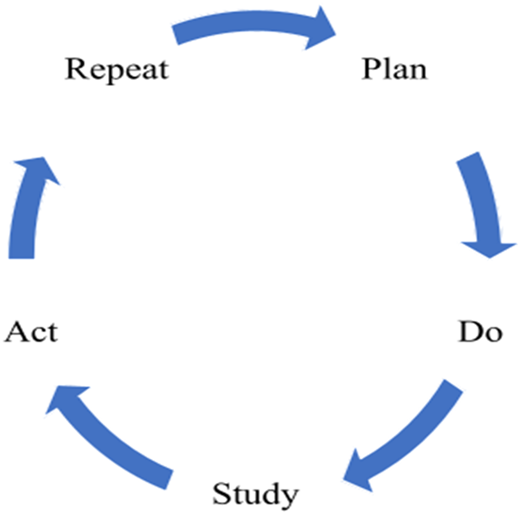
Improvement science has developed as an interdisciplinary area of study that brings methodological and scientific rigor to understanding and implementing improvement efforts in healthcare and education, drawing on insights and contributions from diverse stakeholders and perspectives (National Center for Biotechnology Information, 2024). It was primarily founded on the principles of Edward Deming (also known as the father of modern quality management), particularly his “System of Profound Knowledge,” which revolutionized industrial processes. Improvement science has gained significant traction in educator preparation as programs seek systematic, data-driven approaches to strengthening clinical experiences, partnership structures, and candidate outcomes. Improvement science is a systematic approach to enhancing processes, often using the Plan-Do-Study-Act (PDSA) cycle to test changes on a small scale in real-world settings. PDSA enables rapid testing, learning, and adaptation (plan the change, try it, analyze results, and act on findings) to turn ideas into effective improvements.
Rooted in the work of the Carnegie Foundation for the Advancement of Teaching, improvement science emphasizes disciplined inquiry, rapid cycles of testing, and continuous learning within complex systems (Hannan et al., 2015; LeMahieu et al., 2015). Its core principles, user centered design, attention to system variation, and iterative refinement, make it particularly well suited for EPPs navigating diverse district contexts and evolving policy landscapes (see Figure 1).
Several educator preparation programs have adopted improvement science to address persistent challenges in clinical preparation. For example, the Networked Improvement Community (NIC) model has been used to strengthen mentor teacher development, align coursework with clinical practice, and improve candidate assessment systems. Studies show that improvement science helps EPPs identify root causes of partnership challenges, test targeted interventions, and scale effective practices across multiple district sites (Bryk et al., 2015). This approach contrasts with traditional program reform efforts, which often rely on static models that fail to account for local context or stakeholder variation.
Improvement science has also been used to enhance access focused preparation. Some EPPs have employed improvement cycles to examine how candidates are prepared to work with culturally and linguistically diverse learners, how mentor teachers support culturally responsive practice, and how partnership structures reinforce or undermine equity goals. These studies highlight the potential of improvement science to surface inequities, engage stakeholders in collaborative problem solving, and build shared ownership of partnership outcomes.
Despite its growing use, literature also identifies challenges. Implementing improvement science requires time, sustained collaboration, and a willingness to interrogate existing practices. EPPs must build faculty and district capacity to engage in data-driven inquiry, and they must navigate tensions between rapid cycles of change and institutional constraints. Nevertheless, the literature consistently demonstrates that improvement science offers a powerful framework for strengthening partnerships and advancing high quality, equity driven preparation (Carnegie Foundation for the Advancement of Teachers, 2024; Hannan et al., 2015).
This study builds on that body of work by applying improvement science to examine how stakeholders define authentic partnerships and how those definitions can inform iterative refinement of partnership structures.
What Makes This Partnership Unique This HBCU EPP's approach to partnerships differs from traditional models in several key ways. First, the EPP explicitly centers culturally responsive pedagogy as non-negotiable, even when partnering with districts that may not share this explicit commitment. Second, the EPP partners across a uniquely diverse array of districts—rural, suburban, and urban—requiring different partnership structures and communication strategies for each context. Third, the EPP has implemented a yearlong residency model that goes beyond traditional student teaching, requiring deeper integration between university coursework and district practices.
One concrete example of this partnership approach can be seen in the EPP's collaboration with a rural district partner. Through strategic staffing initiatives, the EPP and district co-developed a recruitment and preparation pipeline specifically designed to address the district's teacher shortage while ensuring candidates were prepared in culturally responsive practices. This partnership was recognized by the Texas Education Agency's Strategic Staffing initiative as a model for authentic university-district collaboration (Texas Education Agency, 2024b). The partnership included: (1) regular governance meetings with district leadership, (2) co-designed professional development for mentor teachers focused on culturally responsive mentoring, (3) aligned recruitment activities including on-campus teaching seminars, and (4) shared data systems to monitor candidate progress and district hiring needs.
Relevance of this study
We envisioned an authentic partnership that would ensure equal contributions between partners, including community involvement in all project phases, involving a sustainable partnership and offering broader long-term change. While designing our year-long teacher residency program, we found that engaging in partnership work occurred more easily with some school districts even though we encountered challenges with other school districts. Therefore, we wanted to determine how teacher residency impacted authentic partnerships and to understand stakeholders' perceptions regarding what an authentic partnership entails.
As many EPPs struggle to increase the number of teachers to reduce the shortage of teachers in the nation, this study's findings may guide EPPs in increasing teachers using an authentic partnership approach. We present a unique approach to university-school partnerships developed and practiced at an EPP that uniquely serves urban, suburban, and rural districts. Our EPP established a partnership model with a wide-reaching system of networks connecting the university to partnering school districts, focusing on what partners consider vital for an authentic partnership. The approach was sequential, dynamic, and systemic, characterized by an acute interest in the partners' voices. The parameters of authenticity are co-identified and co-designed for the mutual benefit of the partners, candidates, and students in prekindergarten through the Grade 12 education system. The teacher-candidate support structure, which included mentor teachers, principals, district leadership, faculty, and supervisors, was instrumental in designing authentic partnerships. Therefore, we answered the following three research questions.
What constitutes an authentic partnership beyond clinical experiences?
What should an authentic partnership between the EPP and a school district look like?
What is considered nonnegotiable in an authentic partnership?
These research questions emerged from our improvement science work with districts and our commitment to understanding how culturally responsive pedagogy can be maintained within authentic partnership structures.
Theoretical framework: improvement science as a lens for partnership development
This study is grounded in improvement science, a methodology designed to accelerate learning-by-doing through disciplined inquiry and continuous refinement. Improvement science is particularly relevant for partnership work because it treats collaboration not as a static agreement but as a dynamic system requiring ongoing attention, adaptation, and shared learning.
Improvement science is anchored in six core principles:
Make the work problem specific and user centered.
Attend to system variation.
See the system that produces current outcomes.
Use disciplined inquiry to drive improvement.
Measure outcomes to learn, not to judge.
Organize as a network to accelerate learning.
These principles align closely with the goals of authentic partnerships, which require attention to stakeholder needs, recognition of contextual variation across districts, and collaborative structures that support shared learning.
Improvement science and the plan-do-study-act (PDSA) cycle
A central feature of improvement science is the Plan-Do-Study-Act (PDSA) cycle, a rapid cycle testing process that allows teams to implement small changes, study their effects, and refine practices based on evidence. As Hannan et al. (2015) explain, improvement science “accelerates how a field advances using disciplined inquiry to drive improvement,” emphasizing iterative learning rather than onetime reform.
In the context of this study, partnership development was treated as a problem of practice. Stakeholders engaged in cycles of planning, implementing, studying, and refining partnership structures, communication processes, and residency components. The survey used in this study represents one stage in an ongoing improvement cycle, providing data that informs subsequent partnership adjustments.
Why improvement science is an appropriate lens for this study
Improvement science is well-suited for examining authentic partnerships for several reasons:
Partnerships are complex systems. Improvement science helps stakeholders understand how policies, practices, and relationships interact to produce current outcomes.
Partnerships require continuous refinement. Improvement science provides a structured approach for testing changes and learning from results.
Partnerships involve multiple stakeholders. Improvement science emphasizes collaborative inquiry and shared ownership of improvement efforts.
Partnerships must be context responsive. Improvement science attends to variation across settings, making it ideal for an EPP partnering with rural, suburban, and urban districts.
By grounding this study in improvement science, we acknowledge that authentic partnerships are not fixed entities, but evolving systems shaped by stakeholder feedback, contextual realities, and ongoing learning.
Integration of improvement science with E-FOLD-P, IF, and CCPH
Improvement science complements the conceptual frameworks guiding this study in several ways:
EFOLDP emphasizes reflective and continual learning, aligning with improvement science's focus on iterative refinement and data-driven inquiry.
The Interpretive Framework (IF) highlights contextualized practice and growth, which parallels improvement science's attention to system variation and continuous improvement.
The CCPH model emphasizes shared values, quality processes, and meaningful outcomes, all of which are central to improvement science's collaborative approach.
Together, these frameworks provide a robust foundation for examining how authentic partnerships are defined, enacted, and strengthened within an HBCU EPP.
Methodology
This study employed an exploratory sequential mixed methods design to examine how stakeholders across three partner school districts define authentic partnerships with an HBCU educator preparation program (EPP). The mixed methods approach was selected to capture both the depth of stakeholder perspectives and the breadth of their priorities, allowing qualitative insights to inform quantitative measurement. This design aligns with improvement science principles, which emphasize iterative learning, user centered inquiry, and the integration of multiple data sources to understand complex systems (Hannan et al., 2015; Patton, 2002).
The study unfolded in two phases. First, qualitative data were analyzed to identify themes related to stakeholders' definitions of authentic partnerships, essential partnership components, and nonnegotiable expectations. These themes informed the interpretation of quantitative survey items, which were analyzed in the second phase to determine the prevalence and prioritization of stakeholder perspectives. Although the survey was administered simultaneously, the analytic sequence followed an exploratory sequential logic, with qualitative findings shaping the interpretation of quantitative results.
Essentially, we choose an exploratory sequential research approach to first develop a deep, qualitative understanding of a phenomenon and then use those findings to build or test a quantitative phase. This design is especially useful when there is limited prior research, when existing measures or theories do not adequately capture the topic, or when the researcher wants participant perspectives to directly shape the next stage of inquiry.
We began with qualitative data collection (interviews, focus groups, and observations) to identify key themes, concepts, or patterns as described above. These findings were then used to inform the development of instruments, variables, or hypotheses for a subsequent quantitative phase. We want to ensure that quantitative tools are grounded in real-world experiences and to develop a new survey. We found this approach valuable because of the complex social contexts (education where understanding context, meaning, and stakeholder perspectives is essential before measuring outcomes.
The mixed methods approach was particularly appropriate for this study because partnership development is a multidimensional process involving diverse stakeholders with varying roles, responsibilities, and experiences. By combining qualitative and quantitative data, the study provides a more comprehensive understanding of partnership dynamics and identifies areas for continuous improvement.
Survey development
The survey instrument was developed through a collaborative process involving EPP faculty and district partners. Initial items were derived from the literature on authentic partnerships (Kruger et al., 2009; Community-Campus Partnerships for Health, 2013) and from partnership agreements already in place. We piloted the survey with a small group of mentor teachers and revised items based on their feedback regarding clarity and relevance. The final instrument included six main sections: defining authentic partnerships (open-ended), rating partnership priorities (7-point ranking), assessing professional development opportunities (3-point scale), evaluating candidate preparation (4-point scale), identifying impactful recruitment activities (multiple selection), and determining non-negotiables (multiple selection). The complete instrument is included in Appendix A.
We made the survey available electronically and distributed the link to a purposively sampled group of stakeholders in three school districts of partners (Etikan et al., 2016). The stakeholders we targeted worked directly with or affected the EPP's teacher's residents. These stakeholders were the district's assistant superintendents, directors of human resources, directors of teacher pipelines, principals, mentor teachers, site coordinators, and the EPP's clinical faculty. The targeted partner school districts included those designated as rural, suburban, or urban in one of the nation's most populated states. This purposeful sampling strategy yielded 15 survey respondents.
Data collection
Data was collected through an online survey platform, which allowed respondents to complete the instrument at their convenience. The survey link was distributed via email to targeted stakeholders identified through partnership records and district contacts. Respondents were informed of the study's purpose and assured that their responses would remain confidential.
In addition to primary survey data, archival documents—including partnership agreements, meeting notes, and improvement science artifacts—were reviewed to triangulate findings and enhance trustworthiness. This triangulation aligns with mixed methods best practices and strengthens the credibility of the results.
Data analysis
Qualitative analysis
Qualitative data from open-ended survey responses were analyzed first, following an inductive content analysis approach. The analysis proceeded through several steps:
Initial Reading: All responses were read in full to gain a holistic understanding of stakeholder perspectives.
Open Coding: Key phrases and ideas were coded line-by-line to identify recurring concepts.
Category Development: Codes were grouped into categories representing broader themes.
Theme Refinement: Categories were refined into overarching themes that captured the essence of stakeholder perspectives.
Interpretation: Themes were interpreted in relation to the literature and conceptual frameworks guiding the study.
To enhance trustworthiness, two researchers independently coded the data and then met to reconcile differences. Discrepancies were resolved through discussion, and consensus was reached on final themes.
Quantitative analysis
Quantitative data were analyzed using descriptive statistics, including:
Frequencies to determine how often each response option was selected
Percentages to compare the relative importance of partnership components
Ranking calculations to identify which elements stakeholders prioritized most
These analyses provided insight into the prevalence of themes identified in the qualitative phase and allowed for comparison across stakeholder groups.
Integration of qualitative and quantitative findings
Following the exploratory sequential design, qualitative themes were used to interpret quantitative results. For example, if stakeholders frequently emphasized communication as essential in qualitative responses, quantitative ratings of communication related items were examined to determine whether this emphasis was reflected numerically.
This integration allowed for a richer, more nuanced understanding of stakeholder perspectives and ensured that findings were grounded in both narrative and numerical evidence.
Findings
The findings from this exploratory sequential mixed-methods study reveal how stakeholders across three diverse partner districts conceptualize authentic partnerships with an HBCU educator preparation program (EPP). The results are organized around the three research questions and integrate qualitative themes with quantitative patterns to provide a comprehensive understanding of stakeholder perspectives. Although 15 stakeholders completed the survey, response rates varied by item; therefore, percentages reported in the findings reflect only those respondents who answered each specific question.
What constitutes an authentic partnership beyond clinical experiences?
Stakeholders consistently emphasized that authentic partnerships extend far beyond the logistics of student placement. Communication emerged as the most dominant theme across all three districts. Respondents described communication as “timely, transparent, and two-way,” noting that authentic partnership requires ongoing dialogue rather than episodic updates. One principal explained, “Authentic partnership means we are in constant communication, not just when something goes wrong, but throughout the entire residency process.” Another district leader stated that communication must be “clear, consistent, and grounded in shared expectations” to ensure alignment between the EPP and the district.
Quantitative data reinforced this emphasis. When asked to identify the most important characteristics of authentic partnerships, 100% of respondents (15 of 15) selected communication-related elements such as regular check-ins, shared decision-making, and clarity of expectations. Shared goals and mutual benefit were also frequently endorsed, selected by over 75% of respondents, indicating broad agreement that authentic partnerships must be reciprocal and purpose driven. Coaching and instructional support were identified by approximately two-thirds of respondents, suggesting that stakeholders view authentic partnerships as collaborative instructional relationships rather than administrative arrangements.
What should an authentic partnership between the EPP and a school district look like?
Stakeholders described an authentic partnership as one that is structured, collaborative, and aligned with district needs. Three components emerged as essential: high-quality professional development, alignment between EPP coursework and district curriculum, and shared governance through data.
Professional development priorities
Quantitative ratings of professional development opportunities revealed clear preferences:
Teacher education career fairs were rated highly by 90% of respondents (9 of 10).
Classroom visits were endorsed by 80% (8 of 10).
Teaching seminars and co-teaching with university faculty were each rated positively by 60% (6 of 10).
Ready, Set, Teach (RST) and Texas Association of Future Educators (TAFE) programs were each selected by 50% (5 of 10). RST is a high school career-and-technical education (CTE) internship program where students explore teaching through classroom observations, lesson planning, and mentoring. TAFE is a co-curricular student organization, often linked with RST, providing leadership, training, and competitive events for aspiring educators (Comal Independent School District, 2025).
One mentor teacher noted, “The career fairs help us see who is coming into the profession and allow us to build relationships early.” Another respondent emphasized that classroom visits “give candidates a realistic sense of our district's expectations and culture.”
Candidate preparation and curriculum knowledge
Stakeholders emphasized the importance of candidate readiness, particularly curriculum content knowledge. Ratings of teacher candidates' curriculum knowledge at the start of student teaching revealed notable variation:
38% were rated as novice or beginner (3 novice, 5 beginner).
15% were rated as competent (2 of 13).
23% were rated as proficient (3 of 13).
0% were rated as expert.
One district administrator stated, “Some candidates come in strong, but others need more grounding in curriculum content before they can effectively support student learning.” Stakeholders frequently connected this concern to the need for alignment with high-quality instructional materials (HQIM), noting that candidates who were more familiar with district materials transitioned more smoothly into instructional roles.
Recruitment activities
When asked to identify the most effective recruitment strategies:
Teacher education career fairs were selected by 69% of respondents (9 of 13).
Classroom visits were selected by 62% (8 of 13).
Teaching seminars and co-teaching experiences were each selected by 46% (6 of 13).
Ready, Set, Teach and TAFE programs were each selected by 38% (5 of 13).
A district leader commented, “We see the most success when candidates have early exposure to our schools—career fairs and classroom visits make a real difference.”
What is considered nonnegotiable in an authentic partnership?
Stakeholders identified several nonnegotiable elements that must be present for an authentic partnership to function effectively. The most frequently cited non-negotiables were high-quality mentor teachers and high-quality teacher candidates:
High-quality mentor teachers were selected by 92% of respondents (12 of 13).
High-quality teacher candidates were selected by 85% (11 of 13).
One respondent stated, “The mentor teacher makes or breaks the residency experience. Without strong mentors, the partnership cannot succeed.” Professional development and training for district faculty were also highly valued, selected by 77% (10 of 13). Commitment to sharing data—particularly through governance structures—was selected by 68% (9 of 13), underscoring the importance of transparency and shared accountability.
Other elements, such as curriculum alignment and access to high-quality instructional materials, were selected by 60% (8 of 13) and 77% (10 of 13) respectively.
Intersections Among Themes
Although presented separately, the three themes are deeply interconnected. Communication enables shared responsibility by ensuring that stakeholders remain aligned and informed. Culturally responsive preparation strengthens communication by grounding partnership work in shared values and commitments. Shared responsibility reinforces cultural responsiveness by ensuring that all stakeholders contribute to preparing candidates who can meet the needs of diverse learners.
Discussion
The findings underscore the complexity and multidimensional nature of authentic partnerships between an HBCU educator preparation program and its partner school districts. Communication emerged as the most essential component, shaping every aspect of partnership development and implementation. This emphasis aligns with the Community–Campus Partnerships for Health (CCPH) framework's focus on quality processes and guiding principles of partnership, which highlight regular communication, mutual respect, and shared decision-making as core features of authentic collaboration (Community-Campus Partnerships for Health, 2013). It also resonates with the Interpretive Framework's emphasis on shared meaning-making and contextualized practice in university–school partnerships (Peck & McDonald, 2013, 2014).
The study also highlights the importance of aligning EPP structures with district needs. Stakeholders valued professional development opportunities that directly supported recruitment pipelines and enhanced understanding of the EPP's preparation model. These findings reflect Improvement Science's principle of user-centered design and seeing the system that produces current outcomes, as stakeholders favored activities that respond directly to their local needs and contexts (Hannan et al., 2015; LeMahieu et al., 2015; Bryk et al., 2015).
Candidate readiness emerged as another critical dimension of partnership authenticity. The variation in stakeholders' ratings of teacher candidates' curriculum content knowledge underscores the need for stronger alignment between EPP coursework and district instructional expectations. This finding aligns with the E-FOLD-P framework's emphasis on reflective and continual learning, problem solving, and content knowledge, as well as with scholarship on culturally responsive and sustaining pedagogy that calls for deep content understanding and contextualized practice (Ladson-Billings, 1995, 2014; Gay, 2018; Paris & Alim, 2017).
Finally, the identification of nonnegotiable elements—such as high-quality mentor teachers, strong teacher candidates, explicit Memorandum of Understanding (MOUs,) and shared data governance—reveals the conditions stakeholders believe are essential for partnership success. These non-negotiables reflect the CCPH framework's guiding principles and meaningful outcomes, the Interpretive Framework's emphasis on growth and contextualized practice, and Improvement Science's focus on measurement for learning rather than judgment and Community Partnership Schools™ Model key feature of shared governance and strategic leadership (Community-Campus Partnerships for Health, 2013; Peck & McDonald, 2014; Hannan et al., 2015; University of Central Florida Community Partnership SchoolsTM Model, n.d.). They also align with prior research on professional development schools and school–university collaborations that emphasize shared responsibility and reciprocal benefit (Thurman, 2007; Castle et al., 2008).
Collectively, these findings suggest that authentic partnerships require continuous improvement, shared ownership, and a commitment to culturally responsive preparation. By centering communication, alignment, and shared responsibility, EPPs and districts can build partnerships that support teacher development and advance equity in educator preparation, particularly within HBCU contexts that have historically prepared teachers of color for diverse school settings (Graham, 2021; Irvine & Fenwick, 2011).
Extending the literature
This study contributes to the literature in three key ways:
It centers the perspectives of stakeholders across rural, suburban, and urban districts, highlighting how context shapes partnership expectations.
It foregrounds culturally responsive pedagogy as a defining feature of authentic partnerships, particularly within an HBCU EPP.
It demonstrates how improvement science can serve as a theoretical and practical framework for partnership development, offering a model for iterative, stakeholder driven refinement.
This study extends existing scholarship in three ways. It elevates the perspectives of stakeholders across rural, suburban, and urban districts, illustrating how local context shapes partnership expectations and experiences. It also positions culturally responsive pedagogy as a central element of authentic partnership work, particularly within an HBCU educator preparation program. Finally, it shows how improvement science functions as both a theoretical anchor and a practical approach for developing and refining partnerships through iterative, stakeholder-driven processes. Together, these contributions deepen the field's understanding of culturally responsive partnership design and clarify how improvement science can guide continuous, collaborative program development.
Implications for practice, policy, and research
Implications for practice
The findings suggest several practical implications for EPPs and school districts seeking to strengthen authentic partnerships:
Prioritize communication as a relational practice. Regular, transparent communication builds trust and ensures alignment across partners.
Center culturally responsive and sustaining pedagogy. Stakeholders view cultural responsiveness as essential, not optional. EPPs should embed culturally sustaining practices throughout coursework, clinical experiences, and mentoring structures.
Codesign partnership structures. Shared responsibility requires joint planning, shared data systems, and collaborative decision-making.
Use improvement science to guide partnership development. Rapid cycle testing, stakeholder feedback, and iterative refinement can strengthen partnership structures over time.
Implications for policy
The findings also have implications for state and institutional policy:
Support for yearlong residencies should include funding for mentor teacher stipends, residency coordinators, and shared data systems.
Policies should incentivize partnerships that center equity and cultural responsiveness, particularly in districts serving diverse student populations.
Accreditation bodies should recognize improvement science approaches as valid and rigorous methods for program evaluation and continuous improvement.
Implications for research
Future research should explore:
How culturally sustaining pedagogy is enacted within residency models across different institutional contexts
How improvement science approaches influence long-term partnership sustainability
How stakeholders' definitions of authenticity evolve over time as partnerships mature
How HBCU EPPs uniquely contribute to culturally grounded partnership models
Longitudinal studies could provide deeper insight into how partnership structures change and how these changes influence candidate outcomes and district capacity.
Limitations and strengths
This study's primary limitation is its small sample size (n = 15) and focus on a single EPP's partnerships with three districts. Findings cannot be generalized to all EPP-district partnerships or all HBCU contexts. However, this limitation is offset by several strengths. First, the mixed-methods design provides depth of understanding about stakeholder perspectives that purely quantitative research cannot achieve. The qualitative responses reveal nuances and tensions that rating scales alone would miss. Second, purposeful sampling ensured respondents were key decision-makers and implementers who directly influence partnership quality. Third, focusing on one EPP across diverse district contexts (rural, suburban, urban) allows examination of how authentic partnerships must adapt to different settings.
Additionally, conducting this research within an improvement science framework means findings are meant to inform local practice improvement rather than produce generalizable laws. The value lies not in whether these findings apply universally but in how they help this EPP and its partners improve their work—and in providing a model for how other EPPs might study their own partnerships.
Conclusion
This study examined how stakeholders across three diverse school districts conceptualize authentic partnerships with an HBCU educator preparation program implementing a yearlong teacher residency model. The findings reveal that authentic partnerships are characterized by strong communication, alignment between EPP and district instructional systems, and shared responsibility for candidate development.
Interpreted through the lenses of E-FOLD-P, the Interpretive Framework, CCPH, and Improvement Science, these findings point to partnerships that are not static agreements but evolving systems shaped by feedback, context, and iterative refinement (CCPH, 2013; Hannan et al., 2015; Peck & McDonald, 2014). The emphasis on communication and alignment underscores the need for EPPs and districts to engage in continuous dialogue and collaborative problem-solving.
As HBCUs continue to play a critical role in preparing teachers of color, authentic partnerships with school districts are essential for advancing culturally responsive preparation and addressing persistent teacher shortages (Gershenson et al., 2017; National Center for Education Statistics, 2022). This study contributes to the growing body of research on educator preparation partnerships and offers practical insights for EPPs and districts seeking to strengthen their collaborative efforts. Future research may explore how these partnership elements evolve over time, how improvement science can further support the development of authentic, access-driven partnerships, and how HBCU-based EPPs can continue to leverage their historical strengths to sustain culturally responsive and sustaining pedagogies in diverse district contexts (Paris & Alim, 2017; Irvine & Fenwick, 2011).
The supplementary material for this article can be found online.