The purpose of the study is to explore the drivers of sustainable service innovation adoption (SSIA) and their relationship with the competitive and sustainability performance (SP) of tourism accommodation firms (TAFs) using technology–organization–environment, dynamic capability view, triple bottom line and the stimulus–organism–response theories.
Data collection for this qualitative study involved individual in-depth interviews using purposive and convenience sampling. In total, 16 interviews were conducted, satisfying both applied and theoretical saturation criteria. Grounded theory and thematic analysis were employed in the study to explore the research questions.
The findings show that technological capability, innovative service capability, organizational technology readiness, knowledge-sharing culture, government regulatory environment and competitive pressure are key drivers of SSIA, impacting the competitive and SP of TAFs.
This research delivers actionable insights for tourism firms, guiding them in developing and implementing innovative policies that can significantly enhance their operational and strategic performance. Also, the study provides strategic policy recommendations for governments to formulate and implement effective, sustainable tourism strategies, fostering the growth and long-term development of sustainable tourism.
This study offers a vital theoretical contribution by providing a holistic understanding of the key drivers of sustainable tourism service competitiveness in the accommodation industry through the combination of multiple theoretical lenses. This research also demonstrates how this adoption can foster and facilitate the competitive performance of practicing firms.
1. Introduction
Tourism accommodation firms (TAFs) are crucial in advancing sustainability practices to promote global sustainable tourism (Buijtendijk & Tschunkert, 2016). They enhance sustainable tourism by integrating and promoting various forms of responsible tourism in their operations (Islam, 2024). This industry’s significance is rising in Bangladesh, driven by increased demand and growing interest from tourism entrepreneurs (Akhy & Roy, 2020).
Sustainable service innovation adoption (SSIA) refers to the integration of innovative service solutions by firms or institutions that not only create value for customers and stakeholders but also align with long-term environmental, social and economic sustainability goals. SSIA has become a pivotal strategic resource for firms seeking to enhance both competitive advantage (CA) and sustainability performance (SP). This concept has gained noteworthy attention from scholars, industry practitioners and policymakers over the past decades, reflecting its increasing significance in addressing contemporary tourism business and environmental challenges (Horng, Liu, Chou, Tsai, & Hu, 2018; Warren, Becken, & Coghlan, 2018). Also, the rapid expansion of this service sector demands differentiation of services due to intense competition (Han & Hwang, 2018). However, few tourism service differentiation tools are available for them to differentiate services and gain sustainable performance (Gebauer, Gustafsson, & Witell, 2011). Thus, firms must adopt innovative strategies to achieve CA (Casado Salguero, Fernandez Gamez, Aldeanueva Fernández, & Ruiz Palomo, 2019). Consequently, Chen (2017) suggested that sustainable service innovation is a wonderful way to differentiate their service. This novel practice integrates different sustainability issues that offer competitive firm performance (Warren et al., 2018).
The existing literature reveals extensive research on service innovation and performance outcomes in destination settings, but there is a limited focus on tourism service innovation from the accommodation context (Álvarez-García, Braga, & Ratten, 2020; Chan, Okumus, & Chan, 2020). According to Álvarez-García et al. (2020), there is a growing need to explore factors influencing tourism service innovation based on an integrated approach. This is because the adoption of this service innovation is seen as a crucial driver of societal progress, community development and the broader socio-economic growth of the tourism industry (Islam Md, Zhang, & Hasan, 2019). Hence, understanding the drivers of SSIA is critical in the literature. Hsiao and Chuang (2016) put out a shared value-based conceptual framework for green innovation at the Stars Hotel in Taiwan. Horng et al. (2018) proposed a sustainable service innovation framework considering organizational factors, sustainable innovation and innovation diffusion. Ultimately, there is limited research on an integrated framework backed by theories to combine key drivers influencing SSIA and their relationship with firms’ competitive performance (CP) and sustainability outcomes. Therefore, this qualitative study aims to bridge this gap by exploring the determinants of SSIA and their relationship with CP and SP, drawing on the technology–organization–environment (TOE), dynamic capability view (DCV), triple bottom line (TBL) and stimulus–organism–response (SOR) models as theoretical foundations.
Sustainable tourism service innovations have been increasingly implemented in Asian firms, particularly in countries with rapidly expanding tourism markets such as Thailand (Hareebin, 2020). As the country’s economy grows at over 5.5%, Bangladesh is poised to join the middle-income group (World Bank, 2023). Apart from that, the demand for quality and eco-friendly accommodation is rising with the rise in tourists. For example, tourist arrivals have increased by 23% annually in 2023 in this economy, while local entrepreneurs have increased their investment (Siddiqui, 2024). Despite these opportunities, TAFs are struggling to achieve competitive and sustainable performance and might not have sustainable service innovation adoption in their operations and practices. Compared to other regions, Bangladesh, a crucial global south country, lacks studies on sustainable tourism, although there is vast potential in this industry (Shamsuddoha, 2004). Hence, there is a crucial need to explore the drivers of sustainable service innovation adoption and their relationship with CP and SP.
Based on the reviewed literature, this study aims to address the following queries: What are the key determinants of SSIA within tourism accommodation firms as explained by an integrated theoretical approach? What is the impact of SSIA on CP and SP? To address the question, the study explores the determinants of SSIA in the context of tourism accommodation firms of Bangladesh and their relationship with CP and SP.
This study offers a vital theoretical contribution by providing a holistic understanding of the key drivers of sustainable tourism service competitiveness in the accommodation industry through the combination of multiple theoretical lenses. In tourism, DCV can be extended to understand how individual tourists adopt technologies and services based on their dynamic interplay with service providers. The study shows that dynamic capabilities are not just a source of CA but also essential for achieving sustainability goals. By applying the TBL framework, this study advances the understanding of how SSIA impacts the three dimensions of sustainability: economic, environmental and social. It highlights the interdependencies between these dimensions and their collective effect on firm performance. The use of the S-O-R framework provides new insights into how SSIA serves as a stimulus that influences organizational processes (organism) and results in improved performance outcomes (response). The findings suggest that integrating these theoretical frameworks can help firms align their improvement approaches with both reasonable and sustainability purposes. The study’s findings provide valuable consequences for policymakers and industry practitioners. Understanding the determinants of SSIA and their effects on performance can guide the formulation of policies that promote sustainable innovation and enhance industry standards.
The rest of the article is ordered as follows: First, a thorough literature review and theoretical outline are demonstrated. Next, the methodology is presented, followed by the findings section, which displays the key results. A detailed discussion of the research as well as its implications follows. The article is terminated by emphasizing its conclusions. Finally, directions for future research are recommended to address study limitations and explore new areas of research on sustainable tourism and innovation.
2. Literature review and theoretical underpinnings
The term SSIA implies employing new or better services, methods or business standards pointed at obtaining goals of sustainability in the tourism industry (Liu, La, Ng, & Mamengko, 2023). This concept emphasizes minimum environmental impacts to improve social equity and ensure economic viability (Chen, 2017). It involves the integration of the concept of sustainability into core operations and practices (Horng et al., 2018). Thus, the resulting outcome of this innovation is the enhanced quality of tourism services, the reduced energy costs and the improved environmental, social and economic sustainability (Sundbo, Orfila-Sintes, & Sørensen, 2007). This grants CP through attracting eco-conscious tourists, improving firms’ brand reputation and reducing operational costs (Islam, 2024). For example, hotels which use renewable energy and water-saving technologies can lower costs and attract higher-paying customers (Chan et al., 2020).
According to recent studies, advances in smart tourism technologies, such as the Internet of Things (IoTs), artificial intelligence (AI) and augmented reality, have the potential to completely transform the travel and tourism sector worldwide (Gajić, Petrović, Pešić, Conić, & Gligorijević, 2024; Suanpang & Pothipassa, 2024). Previous research has shown how the use of this technology encourages sustainable behaviors in lodging operations, which improves the tourism industry’s social and economic sustainability (Afaq, Gaur, Singh, Erben, & Ferraris, 2025; Chakraborty, 2024; Gajić et al., 2024). Additionally, implementing smart tourism technologies increases visitors’ happiness and desire to use tourism services again (Lee, Lee, Chung, & Koo, 2017). Sankar and Ilangovan (2025) conducted an academic investigation into the integration of smart tourism technologies within the hospitality sector, emphasizing their dual role in enhancing guest satisfaction and advancing sustainable practices. This integration of technological innovation emphasizes the potential of smart technologies as a transformative tool for achieving sustainable performance in the accommodation industry. According to Buhalis and Leung (2018), the IoTs revolutionizes hospitality operations by automating procedures and cutting down on resource waste, greatly improving operational efficiency and different forms of sustainability practices and performance of this industry.
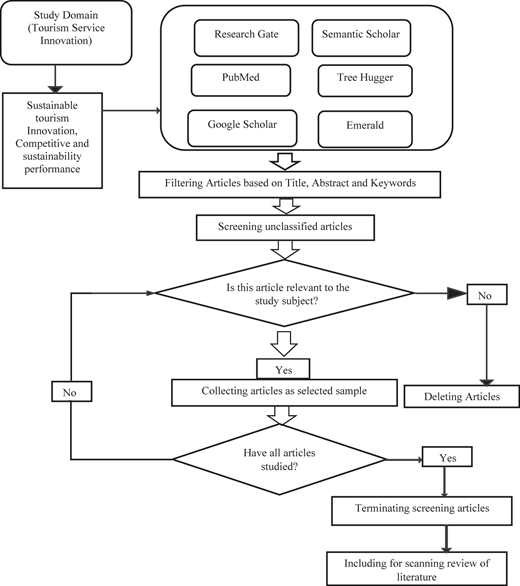
Studies that examine the digital revolution of tourism and its consequences for the development of sustainable tourism, such as those conducted by Jiang and Phoong (2023) and Khosravi, Saneinia, and Gholizadeh (2025), may provide supplementary information. Furthermore, the importance of smart technologies in promoting sustainability in tourism has been emphasized by Buhalis and Leung (2018), especially in areas with differing degrees of technological adoption. As a result, these technologies impact SP and offer more information about how sustainable service innovation is developing and how competitive and sustainable company performance are related. This aligns with Singal (2014), who reported that sustainability practices in the hospitality industry can lead to long-term profitability. Prior research indicates that technical capability, innovative service capability, organizational fit and environmental factors significantly impact service adoption and CP (Buhalis & Leung, 2018). Additionally, SSIA adoption is driven by environmental pressures, government policies and competitive forces (Awa, Ojiabo, & Emecheta, 2015; Ghobakhloo, Sabouri, Hong, & Zulkifli, 2011). CP in tourism firms, such as hotels or resorts, is defined by their ability to excel in the market relative to competitors, measured by market share, profitability, customer satisfaction and brand reputation (Añaña, Rodrigues, & Flores, 2018). It reflects a firm’s capability to leverage resources to create value and differentiate itself through enhanced customer experience, service quality and operational efficiency (Crotts, Mason, & Davis, 2009). SP involves achieving economic, environmental and social goals, such as reducing carbon footprints, managing waste, conserving resources and supporting local communities (Elkington, 2013). Thus, SSIA will contribute to this by improving environmental, social and economic sustainability dimensions. An overview of the literature review flowchart is illustrated in Figure 1.
2.1 TOE framework
The TOE framework, as proposed by Depietro, Wiarda, and Fleischer (1990), mainly provides a strong theoretical underpinning to grasp the adoption of technological innovations. Under this framework, three key contexts were highlighted that influence and motivate the process of adoption. The first one is the technological context, consisting of both internal and external technologies pertinent to the firm, involving both physical technologies and processes. Second, the organizational context focuses on firm characteristics and resources, including the size and structure of the organization. Finally, the environmental context includes the external pressures, such as government regulatory pressure, consumers, competitors, market demand and regulatory requirements. This framework is extensively credited for its efficiency in investigating organizational innovation adoption (Ahani, Rahim, & Nilashi, 2017; Awa et al., 2015). It recognizes critical success factors for innovation adoption and provides a complete standpoint on how TOE factors impact the adoption and implementation of service innovations, thus influencing different forms of tourism sustainability practices. Thus, this framework is valued for its high ability to forecast and justify innovation adoption from an organizational perspective (Baker, 2011).
2.2 TOE drivers of sustainable service innovation adoption
The adoption of sustainable technologies is critical for service innovation adoption of tourism to optimize energy usage and help hotels reduce their carbon footprint (Choudhary, 2024). Also, green building technologies used in TAFs enhance sustainability by cutting resource consumption and waste (Forés, Puig-Denia, & Fernández-Yáñez, 2020). Firms with high technological competence and resources are better positioned to adopt sustainable innovations. This competence, viewed as a strategic asset, contributes to CA (Buhalis & Leung, 2018). The perception of service compatibility influences SSIA (Moretz, Sankaranarayanan, & Percival, 2021). Studies show a positive relationship between service compatibility and innovation adoption, leading to improved market performance and CA (Bunker, Kautz, & Nguyen, 2007; Hjalager, 2002; Venkatesh, Thong, & Xu, 2012). Thus, technological factors such as the availability, integration and compatibility of sustainable technologies play a key role in SSIA in the tourism accommodation sector.
Previous studies show that organizational factors influence the adoption of sustainable service innovation in tourism accommodation services (Horng et al., 2018; Rao, Yang, & Yang, 2018). For illustration, TAFs with dedicated managers are more likely to implement green innovations, such as eco-friendly amenities and waste reduction programs (González & León, 2001). In this case, better employee engagement and training are vital for this service innovation adoption. Another study showed that TAFs investing in sustainability training are better equipped to adopt and sustain sustainable practices (Birou, Green, & Inman, 2019). Another important factor is the organization’s readiness to adopt new technologies significantly impacts this adoption that enables firms to enjoy CP (Sundbo et al., 2007). Apart from that, firms with high technology readiness and a supportive culture are more likely to implement and benefit from innovations (Baker, 2011). In terms of organizational support, including structure and knowledge-sharing, positively influences the adoption of sustainable service innovations in tourism (Buhalis & Leung, 2018; Sundbo et al., 2007). Thus, effective SSIA depends on strong leadership, organizational readiness and a culture that supports technology adoption and knowledge sharing. Government environmental regulations under environmental drivers force TAFs to adopt sustainable practices to meet standards such as energy efficiency and waste management (Islam, 2024). Past research consistently shows that external pressures such as regulatory requirements and competitive forces significantly influence the adoption of sustainable innovations (Zewen & Hongjun, 2017). The regulatory environment has a key importance in motivating and facilitating the adoption of innovative service-driven technologies in tourism (Awa et al., 2015).
2.3 Dynamic capability view (DCV)
This view refers to a firm’s capability to immediately amend, reallocate resources and grab opportunities in changing tourism environments (Helfat & Peteraf, 2003). These abilities help TAFs to preserve market positioning during ambiguity and are vital for the best use of resources to better CP (Eisenhardt & Martin, 2000). In this context, dynamic capabilities act as a point of differentiation tool and are essential for CA by enabling firms to respond to market changes effectively (Helfat & Peteraf, 2003). In the context of SSCI, dynamic capabilities are vital for innovation and CP. They enable firms to develop and implement new technologies and practices that enhance sustainability while maintaining a competitive edge (Eisenhardt & Martin, 2000). Dynamic capabilities support the quick adaptation to market changes and regulatory demands, such as introducing eco-friendly services or updating practices to meet evolving customer preferences. Thus, focusing on dynamic competencies helps tourism firms improve their market position and monetary accomplishment while progressing sustainability objectives.
2.4 Triple bottom line theory
This is a widely applied theory to measure the issue of sustainability that was introduced by Elkington (1999), which consists of three key dimensions, including social, economic and environmental betterment of stakeholders. In sustainability tourism research, this offers an overall perspective to measure the way in which firms balance among these three dimensions (Martínez & Signes, 2021). This theory advocates sustainability practices that assess different varieties of sustainability and sustainable tourism. This theory encompasses the betterment of different stakeholders from social, economic and environmental contexts. It confirms that tourism development benefits all stakeholders while minimizing negative impacts. For example, sustainable service innovations that foster hotel waste management in a way that improves environmental sustainability by reducing carbon emissions and resource consumption (Horng, Wang, Liu, Chou, & Tsai, 2016). This also highlights those economic benefits, such as cost savings from energy management and water conservation, should not compromise environmental and social responsibilities (Elkington, 1993). Also, SSIA supports social sustainability by improving community engagement, labor practices and cultural promotion, which can enhance customer reliability and employee compensation (Coakes, Smith, & Alwis, 2009).
2.5 Stimulus–organism–response (SOR) framework
This promising framework was amplified by Mehrabian and Russell (1974), who support how external stimuli impact internal states and motivate behavioral responses. The field of tourism sustainability clarifies how technological, organizational and competitive pressures influence a firm’s adoption of sustainable service innovations. This framework demonstrates how external factors like regulatory requirements, customer expectations and technological advancements prompt firms to adopt innovations, enhancing CA and sustainability outcomes.
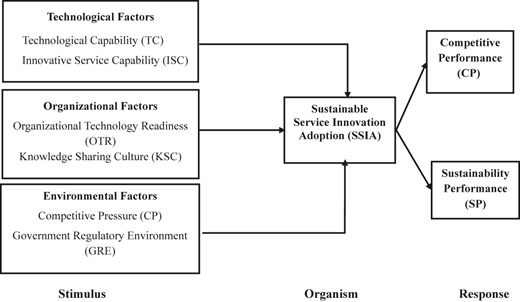
Stimulus are external factors affecting the tourism firms’ adoption of sustainable service innovation. In this study, the stimulus is technological and innovative service capabilities that TAFs with advanced technological infrastructure are better positioned to adopt innovative solutions, as well as a philosophy of service innovation is more likely to adopt sustainable practices (Buhalis & Leung, 2018). Additionally, organizational technology readiness where firms with a readiness for technology integration are more capable of implementing sustainable innovations with a knowledge-sharing culture that promotes innovation through the exchange of ideas and best practices. Another set of drivers is competitive pressure and government regulatory environment, in which pressure from competitors forces firms to innovate to maintain or enhance their CA. Regulations encourage or force firms to comply with sustainable practices, thus driving SSIA, which works as a stimulus altogether. Government regulations concerning environmental sustainability may compel firms to integrate green technologies into their service offerings, thereby influencing their organizational readiness for sustainable innovations (Ullah, Ahmad, Kukreti, Sami, & Shaukat, 2024). Similarly, competitive pressure forces firms to adopt advanced technologies to stay relevant in a rapidly evolving market (Gretzel, 2011). The adoption of SSIA signifies a firm’s response to technological and organizational stimuli, representing its internal capability to implement innovative, sustainable practices. This SSIA serves as the “organism” in this prescribed and proposed conceptual framework of this study. The organism is shaped by the firm’s ability to integrate new technologies, organizational readiness and a culture of knowledge sharing. When firms respond effectively to external technological capabilities and competitive pressures, they develop the capacity for SSIA, enabling them to offer eco-friendly and innovative services that align with divergent forms of sustainability objectives (Hjalager, 2002).
2.6 Integration of TOE, DCV, TBL and SOR
Integrating multiple theories in this study offers multiple theoretical underpinnings to explore the drivers of SSCI and their relationship with CP and SP. The integrated approach offers a complete analysis of the interaction of external pressures, internal capabilities and sustainability outcomes in sustainability practices in TAFs, where TOE identifies drivers, DCV focuses on leveraging these drivers and TBL ensures well-adjusted valuation across dimensions of sustainability and performance (see Table 1). This combined technique ensures that DCV and TBL together help organizations both to adopt as well as to strategically integrate service innovations, achieving both CA and sustainability objectives. The integration of theories, including DCV and SOR with TBL explores how sustainable service innovations are affiliated with societal goals and sustainability objectives, addressing gaps to better understand the issue of SSIA’s long-term social, environmental and economic impacts. This theoretical integration presents SSIA adoption as an emergent, multi-level phenomenon where technological enablement (TOE), adaptive learning (DCV), value creation (TBL) and behavioral activation (S–O–R) interact dynamically, explaining how tourism firms successfully transform sustainability commitments into operational reality while maintaining market relevance. Finally, the combined use of these theories leads to innovative frameworks that propose pragmatic, in-depth and valuable insights not only for researchers but also for practitioners as well as policymakers, enhancing the ability to understand and measure SSIA’s impact on sustainability and CP of TAFs.
3. Research methodology
3.1 Research context and design
TAFs of Bangladesh are the research context of this study. Its focus on environmental sustainability presents a promising context for studying the impact of TAFs on tourism sustainability. Owners and managers of TAFs in Bangladesh make up the study’s population. A qualitative research design was carried out to explore the determinants of SSIA and their relationship with CP and SP. This method permits close examination of the knowledge, insights and motivations of stakeholders (managers and firm owners) involved in this adoption (Creswell & Creswell, 2017). Also, it is best fitted because it allows for exploring the complex and context-dependent factors influencing SSIA (Creswell & Creswell, 2017). This study adopted a grounded theory approach and thematic analysis for the study.
3.2 Data collection and selection of sample participants
Purposive and convenience sampling were used in this study to determine participants from the population of owners and managers of TAFs in Bangladesh. This dual-method sampling strategy ensured expert insights while accommodating field research constraints, targeting owners and managers directly involved in SSIA implementation decisions. The individual in-depth interview method was chosen for data collection due to its ability to capture owners’ and managers’ opinions, experiences and insights. This approach provides a detailed understanding of their perspectives and context-specific information (Roller, 2020). This approach allows participants to express their unique perspectives on the subject matter and fosters a relaxed environment, minimizing response bias and revealing hidden insights (Creswell & Creswell, 2017). The interviews began with overall questions about the prospects of adopting sustainable innovation, progressing to more specific inquiries about the benefits, challenges and factors affecting their adoption of service innovation and sustainability. The data collection was conducted directly among hotel managers and owners located in Dhaka and Cox’s Bazar. Most top-quality hotels are situated in these areas and practice sustainable tourism and innovative service implementations. We set the standards for interviews, consulting with an expert having 10 years of experience in tourism sustainability practices. We carefully check all the participants’ expertise, experience and knowledge to take as the interviewee. The study ensured data source triangulation by collecting perspectives from multiple stakeholder levels, thereby enhancing the validity and reliability of SSIA adoption findings across Bangladeshi TAFs.
The interviews were conducted by a research team, including two researchers with tourism backgrounds, with experience in fieldwork. A training meeting was conducted to guide the interview process, data coding and collection. The designed questionnaire was improved by subject experts to minimize bias and reduce errors for better quality responses from respondents. Appointments were made via phone, and participants signed consent forms before the interviews. A comfortable setting allowed respondents to freely share their opinions, with technical terms clarified as needed. The participants were proficient in English, so no translation was necessary. The study targeted four-star and five-star hotels in Dhaka and Cox’s Bazar, employing purposive sampling to select managers and owners. This method was ideal for obtaining in-depth knowledge about SSIA (Roller, 2020). The data collection continued until saturation was reached. Data saturation occurred when subsequent interviews failed to yield new substantive insights regarding SSIA adoption patterns, challenges or outcomes. In the study, data saturation occurred after 15 interviews, and no new insights emerged by the 16th interview. Our final sample size of 16 meets the practical and theoretical saturation thresholds (Braun & Clarke, 2006). Managers from various levels, age groups and genders were interviewed, as they play key roles in fostering innovation and technology adoption in tourism. Interviews were documented using a note-taking approach and analyzed further. The interview sample questions are given in Appendix 1.
3.3 Qualitative data coding and analysis strategy
This study employed grounded theory to develop a novel framework explaining the drivers of SSIA in Bangladeshi TAFs, while thematic analysis systematically identified and validated prevalent themes across the dataset. Combining grounded theory and thematic analysis, this study holistically examined SSIA in Bangladeshi TAFs, balancing theoretical innovation with rigorous theme validation. The study employed thematic analysis to identify and analyze patterns of required data from valued interviewers (Braun & Clarke, 2006). This method is ideal for understanding SSIA and its impact on tourism sustainability. To build a theoretical foundation for SSIA, CP and SP, open coding, axial coding and selective coding were carried out, followed by the formation of the theme (Creswell & Creswell, 2017). Data were recorded in audio format and after transcribing, to confirm the correctness and legitimacy of the responses and to validate the researchers’ initial interpretations, the dataset was given back to the participating owners and managers for member checking. The study followed an inductive approach to analyze the qualitative data. The first open codes were taken straight from the language and experiences of the participants. Iterative cycles of continuous comparison and theme classification were used to methodically improve these initial codes. This procedure made it easier for more general axial themes to emerge, which ultimately helped to build a core theoretical framework. Thematic analysis phases included “becoming familiar with the data, generating initial codes, searching for themes, reviewing themes, defining themes, and writing up findings” (Braun & Clarke, 2006). The interview data were coded using NVivo 12 Plus. The statistical software facilitated organizing and analyzing complex qualitative data, revealing new themes and insights into how determinants affect SSIA and its impact on SP and CP.
4. Results
4.1 Demographic profile of respondents
Table 2 reveals a diverse sample, with 68.75% male and 31.25% female respondents, reflecting a slightly male-dominated pool, common in tourism management. Most respondents (81.25%) work in privately owned tourism firms, indicating strong private sector involvement in driving innovation and sustainability. Firms vary in operational years: 37.50% have been active for over 17 years, 31.25% for 13–17 years, 12.50% for 7–12 years, 12.50% for 1–6 years and 6.25% for the least experience of operation, showing dominance by well-established firms. In terms of roles, 50% are in top-level management, 31.25% are firm owners, 12.50% are in middle management and 6.25% are in lower-level management, reflecting a high proportion of decision-makers. Regarding sustainable service innovation, 37.50% have been adopting these practices for 4–6 years, 18.75% for 7–9 years, 12.50% for over 9 years and 18.75% for less than one year, highlighting a growing trend towards sustainability in tourism.
4.2 Dimensions and impact of sustainable service innovation adoption of TAFs
4.2.1 Technological capability under the technological dimension and stimulus of SSIA
The results (Table 3) show that technological capability, which operates through both financial and infrastructure dimensions, is a crucial enabler of SSIA within tourism firms. The participants underlined that a strong technological foundation, comprising integrated IT networks and high-speed internet, serves as the foundation for dependable service delivery and operational efficiency. The data reveal ongoing difficulties with technological knowledge and training, where a lack of skills could prevent the best possible use of the system. Although sustainable technology, like renewable energy systems, shows environmental alignment, high upfront costs prevent widespread adoption. Strategic use of grants illustrates how financial mechanisms can mitigate cost barriers, enabling firms to modernize without budgetary strain. According to participants:
Our investment in high-speed internet and advanced management systems has improved operational efficiency and service delivery. (Participant 2)
Our robust IT network supports everything from booking systems to customer relationship management, ensuring reliability. (Participant 7)
We use technology grants and financing options to adopt new systems without straining our budget. (Participant 12)
4.2.2 Innovative service capability under the technological dimension and stimulus of SSIA
Participants emphasized integrating eco-friendly practices, such as biodegradable materials and waste reduction, to support sustainability. In addition, investment in a strong technology infrastructure, like cloud systems, data analysis and advanced customer management systems, supports service innovation and efficiency in operations. Service innovation is enabled through collaboration by integrated IT systems that coordinate customer relationship management and data-driven decision-making. Responsiveness to environmental trends is evident in the active adoption of green technologies and resource optimization practices, demonstrating a commitment to both ecological responsibility and long-term business resilience. Participants highlighted how real-time monitoring systems and AI-driven analytics help track and reduce energy consumption, while investments in renewable energy sources and circular economy models minimize environmental impact. Participants noted:
We customize our services by incorporating eco-friendly practices, such as using biodegradable materials and optimizing resource usage to minimize waste. (Participant 1)
Our robust technology infrastructure supports various operational needs, from customer management systems to data analytics, which enhances our service innovation capabilities. (Participant 9)
We have invested in state-of-the-art technology infrastructure, including cloud-based solutions and advanced analytics tools, to improve our service delivery and operational efficiency. (Participant 10)
4.2.3 Organizational technology readiness under the organizational dimension and stimulus of SSIA
The data and answers identify organizational technology readiness as a key facilitator of SSIA by its functioning in both barriers and enablers. Respondents emphasized organizational technology infrastructure as foundational, with mentions of more advanced software systems, embracing forefront technology and availability of resources to facilitate the use of SSIA. Adoption challenges around technology, including low IT support and lack of sustainability-oriented tools, were, nevertheless, mentioned as limitations. A key theme was the integration of technology in sustainability, where automation, digital monitoring tools and data-driven practices demonstrate proactive alignment with environmental goals. Yet, employee technology skills emerged as a hurdle, with training gaps and staff resistance potentially slowing adoption despite organizational enthusiasm for innovation. According to responses:
Embracing SSIA as a new technology is appealing, and our firm’s attitude towards innovation is positive. (Participant 1)
SSIA adoption is intriguing due to our company’s resources, which enhance motivation and productivity. (Participant 5)
Our company’s infrastructure supports SSIA, attracting travelers and improving accommodations. (Participant 12)
4.2.4 Knowledge-sharing culture under the organizational dimension and stimulus of SSIA
The responses and axial coding reveal knowledge-sharing culture as a pivotal organizational driver, operating through structured and informal mechanisms. The interviewees highlighted that the integration of digital systems with service innovation boosts operational efficiency and customer experience, whereas a collaborative culture enhances brand value. Formal knowledge-sharing arrangements, i.e. routine meetings, collaboration platforms and online forums, enable systematic sharing of sustainability practices. Supportive of this are informal collaboration by way of mentorship, team contributions and open-door policies, which enable organic innovation. Barriers in the form of inaccessible information and the absence of incentives, however, can impair effective knowledge transfer. Most importantly, organizational and leadership support surfaced as a driver, with active facilitation of idea-sharing and sustainability-oriented discussion. Participants added:
Integrating service innovation with digital systems improves sales, reduces costs, and enhances guest services. (Participant 14)
A strong knowledge-sharing culture promotes service innovation, enhancing brand value and customer service. (Participant 15)
4.2.5 Competitive pressure under the environmental dimension and stimulus of SSIA
The results highlight competitive pressure as the most significant environmental driver of SSIA, fueled by both external market forces and internal strategic reactions. The participants highlighted that the adoption of green practices by competitors exerts innovation pressure, where late adopters lose market share to greener consumers who expect more sustainable products. Companies keep track of competitors’ sustainability efforts in order to not fall behind, once again reaffirming that technology adoption is essential to stay competitive. The transition to green services establishes new standards, putting pressure on companies to keep up with changing norms or otherwise fall behind. Sustainability is being used more and more as a differentiator, with companies embracing green services to differentiate themselves, due to fear of flat brand value in the absence of innovation. According to participants:
Competitive pressure is a major concern for service innovation adoption. Tourism firms should focus on rivals’ actions to provide better services. (Participant 3)
Technology adoption is crucial to uphold commitments. Otherwise, competitors will gain an edge. (Participant 10)
Without service innovation, businesses will struggle to grow market share, lose competitive advantage, and their brand value will stagnate. (Participant 15)
4.2.6 Government regulatory environment under the environmental dimension and stimulus of SSIA
The results show that the government regulatory context plays an important role in SSIA through a twofold role as enabler and constraint. Respondents stressed financial incentives and support, such as government subsidies and tax relief, to compensate for adoption expenses and motivate tourism companies to invest in sustainable innovations. At the same time, regulatory compliance and legal requirements, such as strict environmental regulations and obligatory standards, impose non-negotiable pressures on companies to implement SSIA under the threat of penalty.
Nevertheless, the regulatory landscape also presents challenges. Bureaucratic procedures and regulatory uncertainty, including unclear sustainability laws, can discourage innovation while businesses are willing to comply. The fact that participants suggested awareness campaigns indicates the need for policy communication and enforcement. As economic benefits and stringent environmental legislation propel SSIA adoption, lowering bureaucratic hurdles and enhancing regulatory certainty could further encourage sustainable transformation within the tourism industry. This balanced approach ensures compliance while fostering innovation. Participants noted:
The government must provide funding for tourism-friendly innovations that promote long-term service innovation. (Participant 3)
Government should offer financial incentives for firms adopting tourism innovations to enhance competitive advantage and brand value. (Participant 13)
Awareness campaigns could promote service innovation adoption for mutual benefits between businesses and visitors, supporting sustainable tourism growth. (Participant 15)
4.2.7 SSIA as organism and CP and SP as response
According to the findings, SSIA is a dual-performance driver and an ongoing, adaptable system in the tourism industry. From overcoming early implementation challenges like costs, resistance to achieving mature CAs, this organic perspective shows how SSIA has evolved through distinct growth phases while simultaneously improving SP and CP. Like a biological organism, SSIA transforms a variety of inputs (technology, employee engagement) into sustainable outputs (energy efficiency, waste reduction), acquiring adaptable features (renewable energy, solar solutions) that are especially attractive to environmentally conscious consumers. The data show how successful implementations demonstrate evolutionary fitness through multiple dimensions: regulatory compliance and reputation building, market differentiation through innovations like solar-powered accommodations and operational efficiencies from energy-efficient designs. This creates a virtuous cycle where sustainability investments yield competitive returns like enhanced market position, customer loyalty, which in turn fund further innovation, while simultaneously delivering measurable sustainability outcomes such as reduced emissions, community benefits and long-term profitability. The organismic view thus complements the performance perspective, together framing SSIA as a dynamic, self-reinforcing system that requires continuous adaptation and resource investment but ultimately enables tourism firms to transcend traditional business-sustainability tradeoffs and thrive in an increasingly eco-conscious marketplace. According to the responses of three participants:
We’ve adopted sustainable innovations like energy-efficient designs and waste reduction processes. We constantly update our technology to cut carbon emissions and encourage employees to suggest sustainability ideas (Participant 4).
Eco-friendly services like solar-powered accommodations and waste management have set us apart from competitors, increasing guest preference and improving customer retention while cutting costs (Participant 9).
Our shift to renewable energy not only meets environmental standards but also strengthens our sustainability reputation, earning awards and attracting eco-conscious customers (Participant 12).
5. Discussions and implications
5.1 Discussion
The qualitative findings have suggested knowledge-sharing culture, organizational technology readiness, innovative service capability, government regulatory environment, technological capability and competitive pressure as the dimensions of SSIA (Table 3). The study’s findings offer valuable insights into SSIA of TAFs and their relationship with CP and SP. These insights are grounded in the combination of TOE, DCV, TBL and SOR models, which served as the theoretical foundations for this qualitative research. The TAFs of Bangladesh were the research context of this study to evaluate the determinants of SSIA adoption in TAFs. To promote this SSIA, these explored determinants are crucial players for firms to gain CP and SP. Together with the assistance of firm owners and management, these factors also help to generate demand for unique tourism services. Thus, considering the above-mentioned discussions, the following conceptual framework (Figure 2) can be proposed from the findings of this qualitative study.
Several respondents from TAFs mentioned that technology adoption helped to improve efficiency and positioned them as leaders in sustainable tourism service innovation. Research done by Koo and Le (2024) showed that there is a positive linkage between IT capability and innovation adoption in sustainable contexts. Technological capability plays a key role in enabling firms to adopt sustainable innovations. Participants indicated that access to advanced technologies allows firms to streamline sustainable practices, such as energy-efficient solutions and eco-friendly service models. The results reveal that firms with higher technological capabilities were more adept at integrating sustainability into their service offerings. This finding is consistent with Koo and Le (2024) and Al-waseai and Kasim (2021), who found that technology plays a pivotal role in innovation adoption within firms. The findings revealed that technological capability is a crucial driver for SSIA.
Respondents from firms with a dedicated R&D department or those offering innovative eco-friendly services (sustainable travel packages) emphasized that their ability to innovate was crucial in adopting sustainability-driven service innovations. Past research showed the importance of innovation service capability in sustainability practices (Khan, Shaikh, & Abbas, 2023). This current study focuses on the firm’s ability to create and deliver innovative services, which is integral for adopting sustainable practices. The results suggest that a firm’s innovation service capability is related to the development of new, eco-friendly services. Participants highlighted that firms with strong innovation service capabilities were more proactive in creating sustainable services that catered to green consumer demands. This finding supports the findings of Khan et al. (2023), who revealed a service innovation capability as a critical tool of sustainable performance.
The research indicated that the readiness of an organization to integrate new technologies is crucial for adopting sustainable service innovations. This finding suggests that organizational culture and infrastructure that support technology are essential (Venkatesh & Bala, 2008). Many participants noted that organizations that had previously invested in technology infrastructure were better equipped to implement sustainable innovations. The results of this study support that firms with higher organizational readiness are more likely to implement innovative, sustainable practices (Ullah et al., 2024). Firms with a strong organizational readiness for technology adoption, such as effective IT infrastructure and readiness for green technologies, are more likely to adopt sustainable service innovations. A knowledge-sharing culture within organizations encourages the diffusion of innovative ideas, including sustainable practices. The findings demonstrate that firms with strong internal knowledge-sharing systems are more likely to adopt sustainable innovations. Several interviewees stressed the importance of knowledge-sharing platforms in spreading sustainable practices across the organization. The findings aligned with previous findings, where knowledge-sharing culture is also identified as a key driver of SSIA (Jisr & Thérin, 2018). TAFs that foster a culture of knowledge sharing, particularly between departments such as sustainability teams and marketing, reported smoother adoption of sustainable service innovations. Studies show that knowledge sharing facilitates service innovation (Jisr & Thérin, 2018).
The study identified that the pressure from competitors can motivate firms to adopt sustainable practices to maintain a competitive edge. The qualitative results show that firms adopt sustainability innovations in response to industry competition. Many firms reported being influenced by competitors who had already implemented sustainability innovations, driving them to follow suit. Firms operating in highly competitive industries (e.g. eco-tourism) reported pressure to innovate sustainably to maintain market share and reputation. The finding aligned with Guntuka (2022), who found a substantial connection between competitors’ SP and the focal firm’s SP. Our qualitative results showed that regulatory frameworks often push firms to adopt more sustainable practices to comply with environmental standards and regulations. The results indicate that regulations are a major factor in adopting sustainable innovations. Participants from industries with stricter government regulations mentioned that such regulations accelerated their adoption of sustainable innovations. The presence of external regulatory pressures enhances the adoption of sustainable service innovations. Our data support this, as participants noted that regulatory frameworks often acted as a catalyst for innovation. Firms in countries with strict environmental regulations (e.g. carbon emissions laws) emphasized that compliance drove them to adopt SSIA. Alibaba has adopted sustainable practices driven by competitive pressures, including reducing carbon emissions and improving the sustainability of its logistics operations (Wang, 2024). The results of this study are consistent with the findings of Lestari, Dania, Indriani, and Firdausyi (2021), who also identified customer pressure and regulatory frameworks as pivotal drivers for shaping sustainable practices in firms.
There is a positive relationship between the adoption of sustainable service innovations and CP. Several participants indicated that adopting sustainable innovations allowed them to differentiate their services in the market. This aligns with the work of Kwarteng, Dadzie, and Famiyeh (2016), which discusses the CAs gained from integrating sustainability into business strategies. Firms that introduced sustainable services reported increased customer loyalty and CA in the marketplace. Cantele and Zardini (2018) argue that sustainability strategies can lead to CA. Participants noted that the market differentiation was gained from adopting sustainable innovations. Many participants emphasized that sustainability innovation helped them appeal to eco-conscious consumers, thus gaining a CA. From the perspective of the DCV, our findings suggest that firms with the capability to reconfigure resources and routines are better positioned to adopt sustainable service innovations. This aligns with Teece’s (2016) work, which argues that dynamic capabilities are crucial in competitive environments where firms must rapidly adjust to both technological advances and market pressures.
Firms that integrate sustainable service innovations into their business models will experience long-term SP benefits. The qualitative findings evidenced that SSIA leads to improved SP. Firms adopting SSIA reported measurable improvements in their environmental footprint, waste reduction or resource efficiency. The current findings aligned with previous research that indicates that innovations directly enhance SP (Zhang, Zhu, Zhou, & Zou, 2022). The TBL framework underscores the dual nature of innovation, where firms seek to balance economic, social and environmental objectives. Our results show that firms embracing SSIA are not only focused on improving CP but also ensuring long-term sustainability. Waste reduction programs and the switch to renewable energy sources show that SSIA implementation significantly improves energy efficiency and contributes to environmental sustainability through quantifiable drops in carbon emissions. Additionally, the analysis shows that these sustainable innovations lead to operational improvements through improved resource utilization and documented cost efficiency gains. Increased workforce involvement in sustainability initiatives and community engagement boosts stakeholder value. A self-reinforcing cycle is created by these interrelated results, whereby early sustainability investments produce competitive returns that finance later innovations. Moreover, TAFs that continuously adapt to changing sustainability demands through SSIA are more agile in managing regulatory risks, reputational challenges and market shifts, which directly supports their TBL performance, such as environmental, social and economic. Thus, SSIA acts as both a strategic and operational enabler, reinforcing a firm’s overall SP in a competitive, tech-driven service landscape.
5.2 Theoretical implications
The research has significant theoretical implications. First, this study enriches the literature on tourism sustainability with valuable insights into how TAFs will embrace SSIA in their operations and practices. Second, utilizing grounded theory and thematic analysis as outlined by Creswell and Creswell (2017), the study develops concepts of technological capability, innovative service capability, organizational technology readiness, knowledge sharing culture, competitive pressure and government regulatory environment from the context of TAFs. These concepts are integrated into the TOE, DCV, TBL and SOR framework, providing a foundation for future tourism sustainability and innovation research. Third, this expanded model offers a comprehensive view of SSIA’s impact on CP and SP. By combining theories, the research provides a multi-dimensional understanding of SSIA. It demonstrates how dynamic capabilities not only support SSIA but also enhance CP and SP. This theory also explains the service technology adoption behavior of tourists through firms’ ability to sense technological advances, avail opportunities and reconfigure processes to get innovative solutions to their problems. Moreover, the study advances TBL theory by showing how SSIA affects economic, environmental and social dimensions, highlighting their interdependencies and overall impact on firm performance. Also, using the SOR framework, the research reveals how SSIA acts as an organism influencing organizational processes and performance outcomes, offering insights into its role in CA and sustainability. Finally, the theoretical insights offer actionable guidance for TAFs, helping them align innovation strategies with competitive and sustainability objectives. The outcomes provide a solid background for future research by integrating multiple frameworks and identifying new factors influencing SSIA.
5.3 Practical implications
This research highlights the practical, policy and social implications for TAFs regarding the adoption of this innovation and its impact on competitive and sustainable performance. Tourism firms can utilize innovation to differentiate themselves, attract eco-conscious travelers and boost their brand reputation. For instance, adopting green technologies improves customer loyalty and occupancy rates. By aligning innovation strategies with sustainability goals, firms can enhance both CP and SP. Moreover, sustainable innovations foster better market positioning and long-term financial returns, contributing to CA. Policymakers can play a pivotal role in supporting SSIA adoption by offering different forms of monetary payback. Introducing regulations aligned with TBL and SOR frameworks will help tourism firms meet different sustainability goals. Furthermore, clear guidelines and benchmarks for sustainable service innovations will assist firms in complying with regulatory standards while advancing sustainability. SSIA fosters positive social impacts by promoting local culture, supporting local employment and sourcing from local businesses, thus benefiting local communities (Aksoy, Alkire, Choi, Kim, & Zhang, 2019). Sustainable practices increase consumer awareness and encourage responsible tourism, driving broader social change. By adopting these innovations, tourism firms contribute to long-term environmental preservation and community well-being, aligning with the social dimension of TBL. The study suggests that sustainability-oriented service innovations are not merely a trend, but a long-term strategy that can yield lasting benefits in terms of both market competitiveness and environmental impact. Finally, governments can develop policies focused on environmental conservation, pollution control and disaster preparedness, while offering financial support to promote sustainable tourism practices.
6. Conclusion
This study offers profound insights about the dimensions of SSIA and their relationship with CP and SP of TAFs in a developing country context. The study provides a cogent theoretical underpinning to understand how these drivers impact SSIA and their relationship with CP and SP using multiple theories. The outcomes of the study have advocated the dimensions of SSIA are technological capability, innovative service capability, organizational technology readiness, knowledge sharing culture, competitive pressure and government regulatory environment, and the relationship of SSIA with CP and SP. The findings of the study point out that SSIA works as a key strategic means for TAFs to at the same time accomplish CP as well as SP. The research also reveals that stimulating technological and innovative abilities, reinforced by a favorable organizational and regulatory atmosphere, empowers TAFs to familiarize themselves with market demands while progressing SP.
As these theories have greater power of adoption, this research proposed a combined model to investigate the key drivers of this adoption. Subsequently, their combined impact on a firm’s CP and SP is a new concept in this context. The integration of TOE and DCV frameworks reveals that technological readiness and organizational capabilities are crucial for SSIA, whereas the TBL and SOR frameworks illustrate how these innovations impact economic, environmental and social outcomes, enhancing overall firm performance. Sustainable practices such as energy-efficient technologies lead to cost savings (economic), reduced environmental impact (environmental) and enhanced community engagement (social), demonstrating the integrated benefits of SSIA. The study shows that SSIA triggers positive organizational changes leading to enhanced CP and sustainability metrics. To sum up, this study both enhances the theoretical underpinnings of SSIA adoption using a multi-theory approach and offers feasible tactics for TAFs to attain long-term competitive and sustainable performance.
7. Limitations and directions for future research
This study is not free from limitations that should be taken into consideration for future research. First, the research particularly focuses on the TAFs of Bangladesh’s tourism sector, the outcomes offer thoughtful implications to other developing regions and other service industries, including hospitality, retail and healthcare. Second, the results of this study, despite its focus on accommodation firms in the tourism sector, have wider ramifications for sectors like retail and healthcare, where innovation and sustainability are crucial in determining CA and operational effectiveness. Cross-cultural studies to examine the findings’ generalizability in various regional contexts or industry sectors could be a future research avenue. Third, the study relies on qualitative data that may provide biased findings. Future quantitative research should be conducted using longitudinal data to investigate the long-term impact of SSIA on CP and SP. Expanding the scope to other industries and regions would enhance the generalizability of the findings. Moreover, further sustainability-related research could employ a mixed-methods approach to capture deeper insights into the interactions between determinants, such as how technological capability and knowledge-sharing culture influence SSIA adoption. Integrating case studies or real-time data would provide richer, more actionable insights.
The authors would like to express their sincere gratitude to the editors and the anonymous reviewers for their insightful comments, constructive feedback, and valuable suggestions, which greatly helped improve the quality and clarity of this article. We are also deeply thankful to all the research participants whose time, perspectives, and experiences were essential to the completion of this study.
The supplementary material for this article can be found online.