Extended reality (XR) technologies are increasingly used in project management and, more recently, in real estate transactions to enhance customization, collaboration, and transparency in decision-making processes. However, the impact of XR on residential real estate market dynamics, including value estimates and economic management of housing projects, has never been explored through systematic reviews providing an integrated perspective. This paper aims to fill this gap by conducting a systematic review of scientific literature.
This study conducted a systematic review following the PRISMA (Preferred Reporting Items for Systematic Reviews and Meta-Analyses) guidelines. Records were sourced from Scopus, Web of Science (WoS), and Google Scholar. Based on defined inclusion criteria, 90 scientific papers were thoroughly analysed. A scientometric analysis was implemented, which allowed, among other outcomes, the classification of contributions into two main categories: (1) economic-financial management of housing projects and (2) residential real estate market studies, further subdivided into quantitative and qualitative analyses of XR impacts.
The results obtained answer three research questions. First, it is shown that XR technologies influence project economics by enhancing customisation and collaboration, resulting in reduced construction costs. In real estate valuation, it emerges that XR boosts transparency, accelerating and positively conditioning the decision-making process. Second, the following key parameters are identified from the literature: purchase price, time on market (TOM), purchase intention, construction cost, and life cycle cost (LCC). Third, the challenges and opportunities of XR application in the analysis fields are defined. XR adoption is challenged by infrastructural barriers and costs but offers opportunities to improve customer engagement and sustainability. Mixed reality (MR) remains underexplored, and significant gaps in correlating key variables persist.
This is the first review exclusively focused on the impacts of XR on residential real estate valuation and the economic management of housing projects. It provides valuable insights for scholars, researchers, and practitioners while highlighting critical gaps and future research directions.
1. Introduction
Extended Reality (XR) technologies, which include Virtual Reality (VR), Augmented Reality (AR), and Mixed Reality (MR), are transformative tools designed to digitally replicate physical environments or worlds and create immersive and interactive experiences through advanced sensory stimulation (Azmi et al., 2022; Morimoto et al., 2022). Originally conceptualised in the 1960s, VR and AR technologies have experienced significant growth, particularly in the last decade, due to advancements in hardware, decreasing costs, and the proliferation of innovative applications (Cipresso et al., 2018). XR technologies are now widely applied in various fields, including gaming and entertainment (Zyda, 2005), healthcare (Freeman et al., 2017), education (Englund et al., 2017), and architectural design (Song et al., 2017). These tools reshape the digital economy by enhancing visualisation, interactivity, and operational efficiency across sectors (Nieradka, 2019).
Through a systematic review, this study explores the impact of XR technologies on the economic management of residential projects and the real estate market.
Recent research has increasingly focused on XR technologies in the Architecture, Engineering, and Construction (AEC) industry (Chen and Xue, 2022; Prabhakaran et al., 2023). These technologies are central to the digital transformation of construction in Industry 4.0, enhancing communication among stakeholders (Padilla et al., 2018). XR allows designers and builders to create immersive designs that benefit clients (Dargan et al., 2023), with software converting BIM models for immersive experiences throughout the project lifecycle (Safikhani et al., 2022; Abrishami et al., 2020). For instance, the integration of BIM with AR, despite its cost, enhances decision-making for site operators (Um et al., 2023). XR is revolutionizing economic management in residential construction by enabling efficient exploration of design alternatives (Noghabaei et al., 2020; Rashidi et al., 2023). Immersive technologies aid in visualizing projects, estimating costs, and managing stages flexibly (Li et al., 2018; Sacks et al., 2020; Wang et al., 2018). XR models also allow real-time cost impact analysis (Balali et al., 2018). Applications like VR provide immersive visualizations and real-time decision-making support (Wang et al., 2018; Li et al., 2018). However, empirical studies on XR’s effect on project time and costs are limited (Chi et al., 2013; Noghabaei et al., 2020; Sacks and Barak, 2008). Casini (2022) highlights the need for more research on XR’s quantifiable costs and benefits, particularly in maintenance, while Al-Dhaimesh and Taib (2023) emphasize the lack of studies on AR and BIM’s impact on decision-making and economic outcomes. Wang et al. (2020) emphasize the need for models to assess the economic impacts of BIM in off-site construction.
The real estate sector has also demonstrated growing interest in implementing XR technologies (Adegoke et al., 2022a). Initially introduced in the early 2000s, XR technologies became widespread after 2020 due to the COVID-19 pandemic, which made virtual tours a necessary and accessible solution (Deep et al., 2023; Nanda and Zhang, 2021). Recent studies show that VR virtual tours in real estate reduce the need for physical travel between properties, saving time and money for both buyers and sellers (Dargan et al., 2023), allow property exploration without physical presence (Sihi, 2018), and offer continuous access to properties, facilitating the sales process (Yu et al., 2021). VR is also a valuable tool for visualizing properties under construction or in the planning stage, particularly those sold before physical realization (Ibrahim et al., 2023). VR virtual tours provide an immersive experience, surpassing static images or video tours, allowing buyers to explore properties interactively at their discretion (Allen et al., 2015). Furthermore, VR adoption has made real estate agencies more efficient by reducing time spent on physical visits and optimizing the selling and renting processes (Adegoke et al., 2022a; Allen et al., 2015; Anderson et al., 2024a; Benefield et al., 2019; Marzano et al., 2015; Miljkovic et al., 2023). As noted by Allen et al. (2015), XR technologies increase the perceived value of properties and improve market valuations, facilitating transactions through more effective presentations and optimized sales strategies. Ong et al. (2024) highlight that XR enhances the marketability of properties by reducing information asymmetry, increasing both the probability of sale and transaction prices. Similarly, Kamil et al. (2021) and Xiong et al. (2022) suggest that XR enables a more comprehensive understanding of properties compared to traditional showrooms. However, there are challenges in using XR, including potential exclusion of non-technologically savvy buyers, limitations in the physical experience, possible emotional distance, technical disruptions, hardware limitations, and high initial investment and training costs for real estate agencies (Benefield et al., 2019). The combination of advantages and disadvantages associated with the use of VR may affect the user’s perceived value of the property and, consequently, their willingness to pay (Azmi et al., 2022; Casas-Mateus and Chacon-Sanchez, 2019; Sun et al., 2017). This could influence the price formation mechanism of the property, meaning the process by which the monetary value to be paid for its purchase is determined, based on the interaction between supply and demand. A higher willingness to pay on the part of buyers can, therefore, affect the final price from the demand side (Pangallo and Loberto, 2018). Furthermore, the greater the information deduced from using VR (or other XR technologies), the more competitive the offers can be, sometimes even justifying higher prices for properties viewed through virtual tours (Anderson et al., 2024a). In fact, some studies show that virtual tours can positively impact real estate transaction prices by 2–3% (Carrillo, 2008; Yu et al., 2021). Since VR affects the price formation mechanism, some authors propose hedonic pricing models in which VR tours, although not real estate features in themselves, are considered as such, influencing the price as an independent variable. These models quantify the marginal contribution of VR on the property price, analysing the additional effect (value differential) generated by its presence (Adegoke et al., 2022a, b; Anderson et al., 2024a; Benefield et al., 2019; Hou and Li, 2022; Hsiao et al., 2024; Ong et al., 2024; Xiong et al., 2022; Yu et al., 2021; Yan et al., 2023). In addition to the direct impact of VR technology on sales prices (Allen et al., 2015; Amed et al., 2020; Anderson et al., 2024a; Benefiel et al., 2019), its influence on purchase intention (Ibrahim et al., 2023a; Juan et al., 2018; Yan et al., 2023) and time to market of residential properties (Anderson et al., 2024a; Hou and Li, 2022; Ong et al., 2024; Xiong et al., 2022) has also been demonstrated.
1.1 Related studies
Although there are multiple systematic reviews in the literature on the use of XR technology in the AEC and related fields (Hwang and Shim, 2021; Prabhakaran et al., 2022; Rabby et al., 2022; Sudhakaran et al., 2024; Ullah et al., 2018; Wang et al., 2018), none of them focus exclusively on the influence that such technologies can exert on the main economic-financial and behavioural variables involved in the economic management of residential projects, as well as in the real estate estimation and marketing processes. Table 1 provides a summary of the goals, key findings, and gaps identified in the main pre-existing systematic reviews on XR application in residential construction and real estate markets.
The main gaps identified are summarised below:
Few works explicitly address the economic and financial impacts of XR on residential projects, studying the effects in terms of key variables such as construction costs, maintenance costs or life cycle costs;
Limited works explore estimative variables like selling price or time on market (TOM);
Existing reviews primarily focus on technological or operational benefits rather than economic or appraisal-related impacts;
The real estate sector, compared to the AEC sector, has fewer studies exploring XR applications, possibly due to its recent adoption.
1.2 Research goals
The gaps identified in the studies in Table 1 justify the need for a focused review on the economic-financial and appraisal-related impacts of XR technologies. This work addresses the underexplored influence of XR on the estimation of construction and management costs of residential properties, the property value assessment, and the market dynamics. By filling these gaps, the study aims to provide valuable insights for researchers, practitioners, and real estate buyers, and offer a more comprehensive understanding of XR’s role in the residential real estate sector. Therefore, a systematic review and analysis of the state of the art was implemented in the present work to answer the following research questions:
How do XR technologies influence the dynamics of the residential real estate market and the economic management of housing projects?
What are the main behavioural, economic/financial, and estimative parameters analysed in studies on the application of XR technologies in the residential sector that may be relevant for professionals and scholars dealing with economic project management as well as real estate valuation and marketing?
What are the challenges and opportunities in using XR technologies in the economic management processes of housing projects and residential real estate appraisal?
2. Methodology
The methodological approach used to conduct the systematic review is based on the PRISMA protocol – Preferred Reporting Items for Systematic Reviews and Meta-Analyses (Moher et al., 2009; Page et al., 2021). Academic articles extracted from three major databases (Scopus, Web of Science and Google Scholar) were selected and analysed following defined inclusion/exclusion criteria. The selection of publications was carried out between September 2023 and April 2024. Screening of publications was stopped in April 2024 to allow for in-depth data analysis and the completion of the first draft of the paper (first submitted to this journal in July 2024). Further relevant studies may be considered in future updates of this review.
The following subsections present the inclusion and exclusion criteria for publications in the systematic review and the identification phases of relevant studies via databases.
2.1 Inclusion criteria
The inclusion criteria were defined as follows:
Time limitations: No temporal constraints were applied in the selection of records, as contributions published before 2020 are relatively limited. In fact, most studies were published after 2020, the year when the COVID-19 pandemic significantly accelerated the implementation of XR technologies in the real estate market and building design sectors. The absence of temporal restrictions allowed for a more comprehensive and in-depth review;
Document types: Journal articles, proceeding papers, book chapters, and other literature reviews were included in this work;
First-level thematic relevance (Extended Reality): both application-focused studies (quantitative research) and theoretical studies (qualitative research) on VR, AR, MR, and the broader concept of XR were included. The selection also encompasses studies specifically addressing virtual tours;
Second-level thematic relevance (Housing Design or Residential Real Estate Market): the review specifically included studies focusing on XR technologies applied or applicable to housing design and the residential real estate market. To this end, only studies featuring terms such as “real estate,” “housing,” “residential home,” “residential property,” “residential building,” or similar expressions in their title or abstract were selected;
Third-level thematic relevance (Economic Management of Residential Projects, Marketing and Real Estate Appraisal): the review included studies that reference economic and behavioural terms, concepts, indicators, or indices relevant to the economic management of residential projects, real estate valuation, or real estate marketing (e.g. “price,” “market value,” “willingness to pay,” “time on market,” “cost,” “capitalisation rate,” “appraisal,” “economic evaluation,” etc.). Both records with strong thematic relevance – where economic management or real estate appraisals are a fundamental focus of the work – and those with weak thematic relevance – where potential implications on economic management or real estate appraisals are only mentioned – were included.
2.2 Exclusion criteria
The exclusion criteria were defined as follows:
Non-Relevant Fields: studies exploring XR applications in fields adjacent to housing or construction but unrelated to the scope of this review—such as tourism, gaming and entertainment, medicine and wellness, education, cultural heritage enhancement, energy efficiency in non-residential properties, infrastructure, or non-residential civil buildings—were excluded;
Absence of economic and behavioural parameters: studies that do not mention parameters relevant to the economic management of housing projects, real estate valuation or real estate marketing were excluded.
2.3 Identification phases of studies via databases
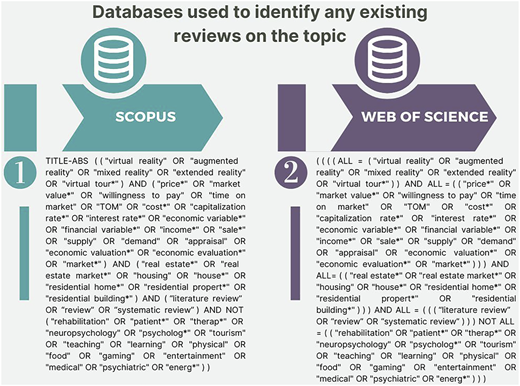
Three databases were used to conduct the review: Scopus, Web of Science (WoS) and Google Scholar. Preliminarily, it was checked whether literature reviews on the topic had already been conducted. To this end, the advanced search functions of Scopus and WoS and the query strings shown in Figure 1 were used. To refine the search, an additional inclusion/exclusion criterion was momentarily added to those previously listed, which consisted in identifying any existing systematic reviews on the impact of XR on estimation, marketing or economic management in the residential sector. For these purposes, those records were selected that include terms such as “review”, “literature review” and “systematic review” in the title or abstract. This paper also provides direct links to the Scopus (Scopus – Document search results | Signed in) and WoS (Link to the website) pages with the initially identified articles and the query strings used.
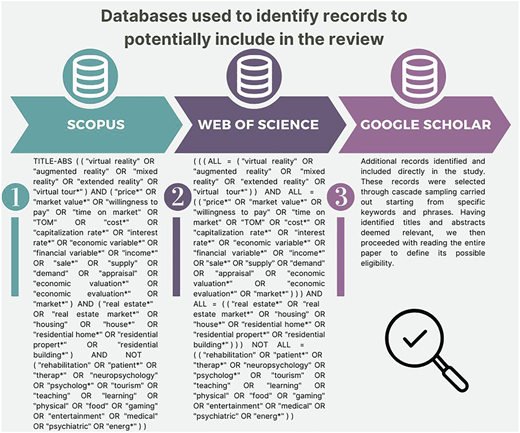
A total of 24 records were identified from the two databases. Of these, only 8 are reviews. However, none of them are relevant to the issues dealt with. After ascertaining the absence of systematic reviews relevant to the topics “real estate valuation and marketing” and “economic management of projects,” the identification phase of potentially eligible records for a new review was initiated, first through the Scopus database, and then through the WoS database. The query strings used are shown in Figure 2. Additionally, direct links to the Scopus (Scopus – Document search results | Signed in) and WoS (Link to the website) pages with the selected articles and the query strings used are provided. This ensures the replicability of the work.
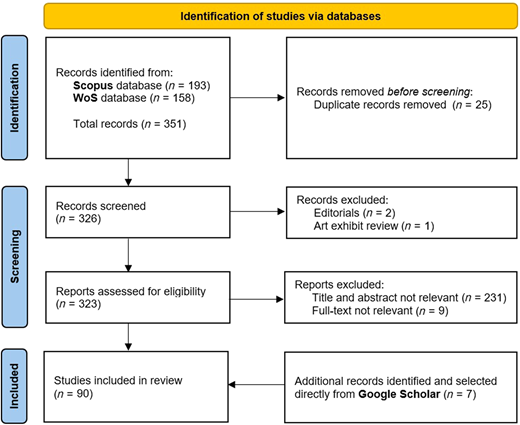
The records identified through the first two databases (Scopus and WoS) were then used for the subsequent steps (screening and inclusion) provided by the PRISMA protocol (Moher et al., 2009; Page et al., 2021). This protocol is summarised in Figure 3. The selection process was completed using the Google Scholar dataset through two distinct yet complementary methods: manual sampling and snowball sampling. These techniques are commonly employed in systematic reviews (e.g. Prabhakaran et al., 2022; Wang et al., 2020). Manual sampling involved the use of specific key phrases searched on Google Scholar, such as “virtual reality and construction cost,” “extended reality and real estate market,” “augmented reality and housing sector,” etc. This approach allowed the identification of 3 studies meeting the inclusion/exclusion criteria. Subsequently, snowball sampling was implemented to expand the pool of articles. Backward snowballing involved analysing citations included in the references of the already selected studies, while forward snowballing identified works citing the initially included articles using tools like the Cited by feature in Google Scholar. Thanks to snowball sampling, 4 additional eligible articles were identified. The combined use of these two methods enabled the selection of 7 additional records from Google Scholar.
Following the screening process, a total of 90 records were included in the review, distributed between the three source databases as follows: 39 records come exclusively from Scopus; 19 records come exclusively from WoS; 25 records come from both Scopus and WoS; 7 records come exclusively from Google Scholar.
3. Results
From the 90 selected records, it was possible to implement the following scientometric analysis (see Section 4.1): (1) number of publications per year; (2) number of citations per year; (3) number of publications per country; (4) keyword co-occurrence network mapping; (5) number of publications per document type; (6) source analysis; (7) number of publications per journals; (8) authors with multiple publications on the topic; (9) network of co-citations for authors.
Subsequently, the 90 records included in the review were divided into the following two classes (see section 4.2): (1) publications pertaining to economic management studies of housing projects; (2) publications pertaining to studies of residential real estate valuation and marketing. For each class, the following two subclasses were identified: (1) quantitative analysis of the impact of XR technologies behavioural, economic-financial and estimative quantities; (2) qualitative analysis of the impact of XR technologies on behavioural, economic-financial and estimative quantities.
Next, from the first sub-class, the most frequently analysed behavioural, economic-financial and estimative variables were identified (see Section 4.3).
Finally, the key impacts (measurable results) identified in quantitative studies on XR applications in the economic management of housing projects and in residential real estate appraisal and marketing are outlined (see Section 4.4).
3.1 Analysis of emerging trends in literature
3.1.1 Number of publications per year
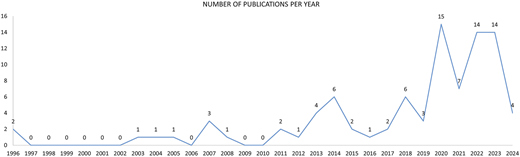
A representative graph of the number of publications per year is shown in Figure 4.
The first two publications recorded date back to 1996 (Neil, 1996; Yamamura et al., 1996). This was followed by a long period in which there were no publications or only one publication per year, except for 2007 and 2011. In this regard, it is worth mentioning that the first experiments in the application of VR in real estate date back to the early 2000s (Orzechowski et al., 2005). From 2012 onwards, the number of publications starts to grow significantly, reaching a first peak in 2014 with 6 publications (de Macedo et al., 2014; Issa and El-Hachem, 2014; Jiang, 2014; Kim et al., 2014; Salleh et al., 2014; Xiao, 2014). Starting in 2016, a new phase of publication growth begins, with a peak reached in 2018 with 6 publications (Deaky and Parv, 2018; Fan and Zhang, 2018; Juan et al., 2018; Sihi, 2018; Zatwarnicka-Madura, 2018). An important peak is reached in 2020 with as many as 15 publications. Recall that 2020 is the year in which the COVID-19 pandemic exploded, affecting the popularity of virtual tours for real estate visits. There are 14 publications in both 2022 and 2023. For 2024, only 4 publications are noted (Anderson et al., 2024a, b; Hsiao et al., 2024; Ong et al., 2024). However, it should be noted that the databases were only consulted until 30 April 2024.
3.1.2 Number of citations per year
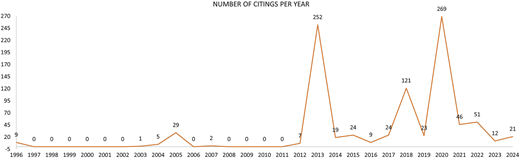
A representative graph of the number of citations per year is shown in Figure 5.
The number of citations also roughly follows the trend in the number of publications, with two important peaks in 2013 (with 252 citations) and 2020 (with 269 citations). For 2013 the work of Park et al. (2013), with 238 citations, should be highlighted, while for 2020 the contributions of Pleyers and Poncin (2020) and Wang et al. (2020), with 135 and 120 citations respectively, should be mentioned.
3.1.3 Number of publications per country
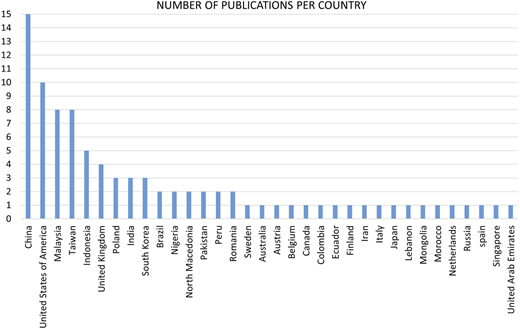
A representative graph of the number of publications per country is shown in Figure 6.
Most of the papers on the subject were produced in China (15), the USA (10), Malaysia (8) and Taiwan (8). It is no coincidence that China and the USA, along with many countries in Asia Pacific, are among the frontrunners in the field of XR technologies.
3.1.4 Keyword co-occurrence network mapping
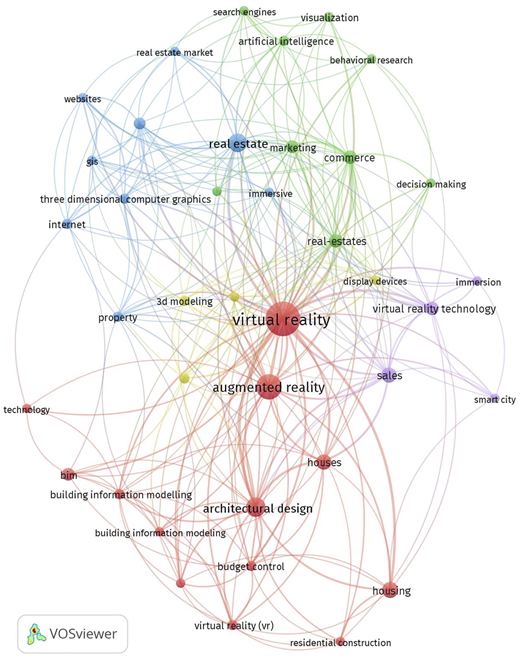
Using VOSviewer, the co-occurrence network of keywords was mapped, demonstrating interrelationships and dominance (see Figure 7). The larger the node, the more frequently the keyword occurs. The more intense the colour of the arc, the stronger the connection between the two keywords. Keywords with a frequency of less than 3 were discarded. A total of 39 keywords were identified. It is evident that “virtual reality” (with occurrence 43 and link strength 137) is the keyword most cited and most interrelated to the others. This is followed by “augmented reality” (with 22 occurrences and link strength 52), “architectural design” (with 13 occurrences and link strength 59) and “real estate” (with 12 occurrences and link strength 41). Keywords such as “mixed reality” and “extended reality” do not appear. The co-occurrence analysis using VOSviewer highlighted five main thematic areas: XR applications for architectural design and construction project management (red); XR applications in real estate marketing and impacts on purchasing behaviour (green); XR applications for georeferencing and graphical representation of residential assets (blue); XR technology and urban applications (purple); integration between artificial intelligence and advanced visualisation (yellow). These themes arise from the correlation between closely related keywords, grouped by the tool according to their frequent co-occurrence in the selected studies. The clusters indicate a growing focus on using XR as a visualisation tool and a technology with potential strategic applications to optimise costs, improve the perception of real estate value, and enhance potential applications in smart cities. The thematic clusters showcase the potential of XR as a strategic technology for the industry, with future implications for innovation and the personalisation of decision-making processes.
3.1.5 Number of publications per document type
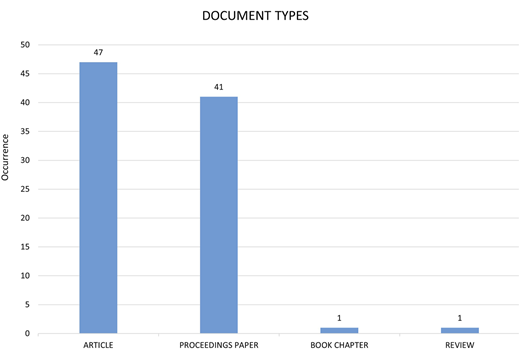
Figure 8 shows a representative graph of the number of publications by document type (journal article, book chapter, proceedings paper and review).
Journal article (47) and proceedings paper (41) are the document types with the highest number of contributions on the topic. It is also worth mentioning the presence of a book chapter (Salvo et al., 2022) and a review (Wang et al., 2020). The latter, although not a systematic review on the topic under analysis, offers some important insights. In fact, in this review, it is evaluated how convenient (in terms of lower cost and higher productivity) it is to adopt digital technologies (including VR and AR) in off-site construction. This review has already been presented in the summary in Table 1.
3.1.6 Source analysis
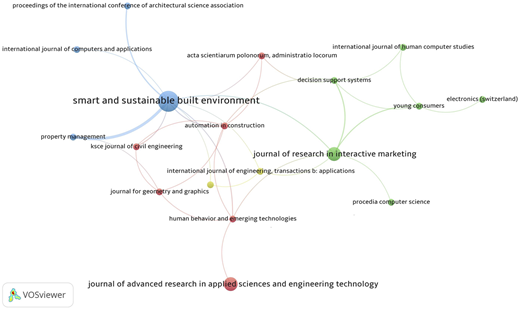
Using VOSviewer, it was possible to implement a source analysis of the 97 contributions, identifying the main papers as well as the sources on which they were published. Figure 9 shows the level of relevance of the sources (almost all journals) according to the number of published papers and the representative interconnections in the citation network. The co-occurrence analysis identified five thematic clusters: sustainable built environment and property management (blue), engineering and construction automation (red), real estate marketing and consumer behaviour (green), and technological applications of XR (yellow). These clusters were formed based on the frequent co-occurrence of closely related keywords.
3.1.7 Number of publications per journals
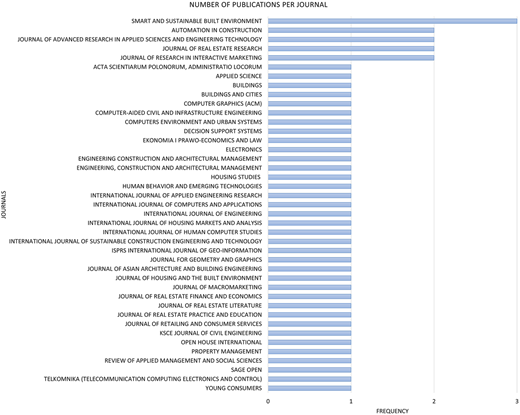
Subsequently, the 47 journal articles were distributed among the relevant journals in which they were published, as shown in Figure 10.
The journals with the most publications are: Smart and Sustainable Built Environment, with 3 articles (Adegoke et al., 2022a; Azmi et al., 2022; Sudhakaran et al., 2023); Automation in Construction, with 2 articles (Park et al., 2013; Potseluyko et al., 2022); Journal of Advanced Research in Applied Sciences and Engineering Technology, with 2 articles (Ibrahim et al., 2023a, b); Journal of Real Estate Research, with 2 articles (Allen et al., 2015; Benefield et al., 2019); Journal of Research in Interactive Marketing, with 2 articles (Sihi, 2018; Sun et al., 2023).
3.1.8 Authors with multiple publications on the topic
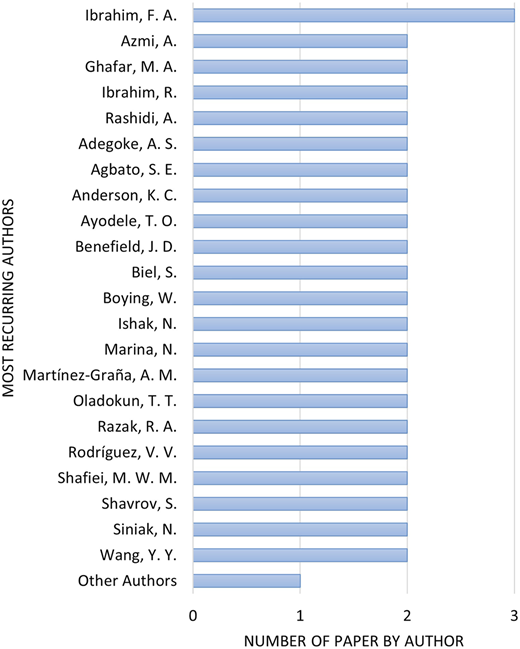
Having identified the most recurrent authors (i.e. with ≥2 publications), it was possible to create the graph in Figure 11 representing the number of papers per author. This figure ranks researchers by the number of publications they are involved in, indicating that those listed may not be the primary or first authors. For specific paper citations, please refer to the first author listed in the References section.
3.1.9 Network of co-citations for authors
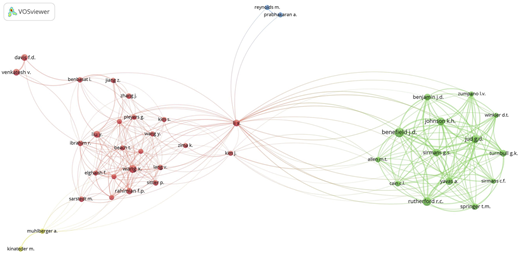
Finally, Figure 12 presents the network of co-citations for authors who have at least 5 citations. Among the most co-cited authors are Benefield J.D. (16 citations), Jud G.D. (11 citations), Rutherford R.C. (14 citations), Sirmans G.S. (10 citations), Johnson K.H. (11 citations), and Yavas A. (10 citations). The co-citation analysis using VOSviewer identified three main thematic clusters: studies on real estate valuation and market dynamics (green); research on XR and BIM applications in construction project management and cost optimization (red); and works immersive technologies and their technical challenges (blue). These clusters reflect the distinct focus areas in the field, highlighting synergies between real estate economics and XR applications in project management. The analysis underscores the growing integration of XR technologies across disciplines and suggests future opportunities for interdisciplinary research bridging technological innovation and economic evaluation.
3.2 Classification of records
Table A1 ( Appendix) shows the publications relevant to the economic management of housing projects in which the main behavioural and economic-financial quantities are analysed in quantitative terms. A total of 6 records were selected for this class. Table A2 ( Appendix) shows the publications relevant for economic management studies of housing projects in which the main behavioural and economic-financial quantities are analysed only in qualitative terms. A total of 18 records were selected for this class. Table A3 ( Appendix) shows the publications relevant to residential property valuation or marketing in which the main behavioural and economic-financial quantities are analysed in quantitative terms. A total of 29 records were selected for this class. Finally, Table A4 ( Appendix) shows the publications relevant to residential real estate valuation or marketing in which the main behavioural and economic-financial quantities are analysed only in qualitative terms. A total of 37 records were selected for this class.
3.3 Main behavioural and economic-financial key parameters under study
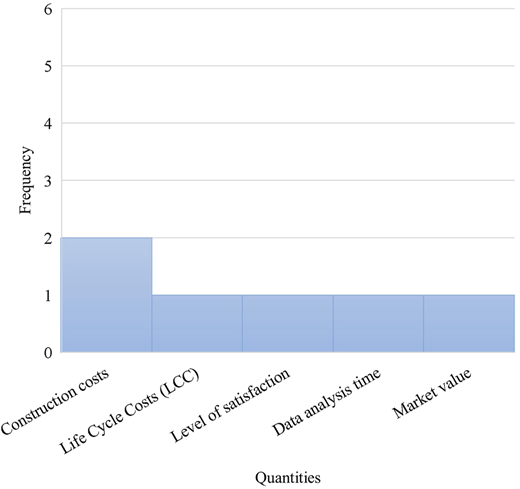
Figure 13 shows the frequency of use of the behavioural and economic-financial quantities analysed in the quantitative studies on the economic management of housing projects.
The quantities investigated are construction cost (2 times), life cycle cost (1 time), satisfaction level (1 time), data analysis time (1 time) and market value (1 time).
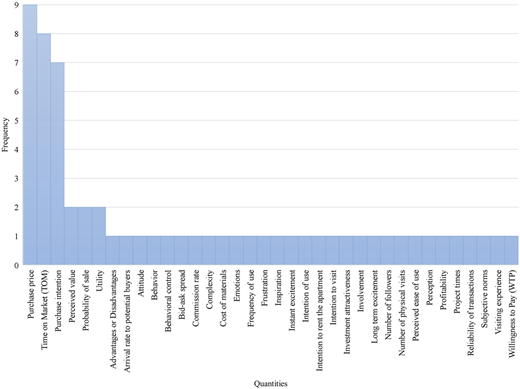
Figure 14 shows the frequency of use of the behavioural and economic/financial quantities analysed in quantitative studies relevant to residential property valuation and marketing.
The main quantities investigated were purchase price (9 times), Time on Market (8 times), purchase intention (7 times), probability of sale (3 times), perceived value (2 times), and utility (2 times). All other quantities were mentioned only once.
3.4 Impacts
3.4.1 Impacts of XR on economic management of housing projects
The quantitative studies examining XR’s influence on housing project management can be grouped based on key economic management aspects: cost estimation and control, time efficiency, and stakeholder collaboration. These studies highlight measurable impacts of XR technologies on construction project management.
Cost Estimation and Control. Fu et al. (2004) demonstrated that integrating BIM-based life cycle cost estimation with VR can improve forecast accuracy and mitigate significant budget overruns, which typically exceed 50% and affect 75% of government projects. Similarly, Wang and Tung (2023) showed that integrating BIM and VR reduced material cost variations by up to 15%, while cutting cost update times from 7–14 days to just a few minutes, enabling more dynamic and efficient budget control. Salvo et al. (2022) reported that using XR in smart building redevelopment projects optimized financial management, supporting decisions that could increase property value by 7–11% through enhanced energy and operational efficiency.
Time Efficiency. Ahmed et al. (2022) found that advanced VR tools improved the precision of pre-occupancy assessments by shifting user satisfaction responses, thus potentially shortening design times and reducing the overall budget impact. Xiao (2014) showed that using 3D/VR GIS visualization techniques reduced data analysis time, highlighting potential time cost savings for projects requiring detailed 3D representations. These studies collectively underscore XR’s role in expediting decision-making and operational processes, leading to enhanced project efficiency.
Stakeholder Collaboration. Soliman-Junior et al. (2022) highlighted that using collaborative VR tools in social housing retrofit projects improved requirement gathering through real-time adjustments, reducing inefficiencies and post-design change costs. This collaborative approach ensured a more efficient allocation of project budgets and a better understanding of user needs.
3.4.2 Impacts of XR on residential real estate appraisal and marketing
These quantitative studies can be categorised into four areas: price, time on the market, buyer engagement and behaviour, and operational efficiency in marketing strategies. These dimensions illustrate the multifaceted role of XR technologies in reshaping the real estate sector.
Price. Several studies demonstrate that XR technologies influence property prices significantly. Anderson et al. (2024a) found that low-priced properties marketed with VR initially achieved a 7.25% price premium, underscoring the enhanced perceived value that XR tools bring. However, their study also indicated variability in these effects over time and across different property segments, highlighting the need for strategic use of XR in pricing decisions. Ong et al. (2024) found that properties marketed with virtual tours or drone videos achieved a 5.5% higher price. Yu et al. (2021) reported price increases ranging from 2% to 4.5% due to VR integration in real estate listings. Benefield et al. (2019) showed a 3% price increase for lower-priced properties and 1.6% for higher-priced properties through VR virtual tours.
Time on Market (TOM). The impact of XR on the time properties spend on the market is equally significant. Ong et al. (2024) found that properties marketed with virtual tours or drone videos extended marketing time by about 8 days Hou and Li (2022) found that VR reduces the time on market by an average of 32 days, with an even greater reduction of 67 days (31.5%) for hard-to-sell properties. Xiong et al. (2022) noted a 6.4% reduction in time on market when VR tours were employed, while Yu et al. (2021) observed a slight increase in TOM (3–7 days) in certain cases. Instead, Benefield et al. (2019) noted an associated increase in average time on market by approximately 17.6 days. These findings suggest that while XR can generally accelerate sales, its impact may vary depending on property type and market conditions.
Buyer Engagement and Behavior. XR’s ability to enhance buyer engagement and influence behaviour is a recurring theme. Ibrahim et al. (2023c) reported a strong positive correlation (r = 0.793) between VR adoption and purchase decisions, emphasizing its role in creating impactful buyer experiences. Sun et al. (2023) found that virtual authenticity (VA) and virtual ideality (VI) increased perceived diagnostic by 20% and inspiration by 25%, respectively, further boosting visit intention. Such studies underline the potential of XR technologies to shape emotional responses, build trust, and drive buyer interest. Azmi et al. (2022) highlighted that the immersive environment of VR significantly increases purchase intention.
Operational Efficiency in Marketing Strategies. The operational benefits of XR technologies are equally transformative for marketing practices. Deep et al. (2023) reported a 54% increase in buyer confidence through VR and AR technologies, which also reduce costs and physical visits. Xiong et al. (2022) demonstrated that VR reduces the bid-ask spread by 2%, improving negotiation outcomes. Benefield et al. (2019) highlighted the dual impact of VR tours in enhancing marketability and supporting brokers.
4. Discussion
4.1 Implications of different XR technologies on the fields of study
XR technologies, such as VR, AR and MR, significantly influence both the economic management of housing projects and residential real estate appraisal and marketing. VR is certainly the most studied technology (78 times in the works analysed, 67 times exclusively). It is widely used to improve the accuracy of economic decisions, especially in the planning and customization phases of buildings (Wang and Tung, 2023). For example, this technology allows the identification of potential design problems, optimizing resources, and reducing modification times (Fu et al., 2004). The second most studied technology is AR (30 times in the works analysed, 19 times exclusively), which facilitates interaction with digital models, increasing user engagement and optimizing real estate marketing through the personalization of the experience (Adegoke et al., 2022b; Ibrahim et al., 2023a). This translates into an increase in transparency and trust in the decision-making process, which is essential for buyers and investors. MR, although less documented (in the works analysed, it has never been analysed exclusively), integrates physical and virtual reality, offering unique opportunities for design exploration and improving collaboration between stakeholders (Deep et al., 2023). The adoption of XR technologies not only improves communication between designers and stakeholders but also increases transparency in real estate projects, an aspect that fosters trust and efficiency in the management of economic resources (Fu et al., 2004). Furthermore, their ability to democratize access to complex data promotes equity and sustainability, making them essential tools to address the challenges of the sector (Adegoke et al., 2022a; Ibrahim et al., 2023b).
4.2 Implications of XR applications integrated with GIS
In 5 of the analysed records, XR technologies were integrated into the GIS environment (Athik and Lee, 2020; Martínez-Graña and Rodríguez, 2016; Rau and Cheng, 2013; Salleh et al., 2014; Xiao, 2014). The integration of XR and GIS is essential to improve spatial analysis and decision-making. Studies such as Xiao’s (2014) demonstrate that XR-GIS reduces the time required to analyse geographic data, improving the economic management of projects. This type of implementation allows the simulation of urban use scenarios in real-time, promoting sustainable practices and favouring more inclusive and participatory planning (Salleh et al., 2014). XR-GIS integration offers new opportunities for advanced simulations and sustainability analysis, particularly relevant for densely populated urban contexts (Martínez-Graña and Rodríguez, 2016). XR-GIS tools increase planning efficiency, reducing errors and promoting data-driven decisions. For example, the use of these tools in densely populated urban contexts has improved transparency in decision-making processes and fostered greater environmental awareness among the citizens involved (Salleh et al., 2014). Moreover, these technologies equip real estate professionals with enhanced insights into the spatial context, a critical element for optimizing real estate management.
4.3 Implications of XR applications integrated with BIM
In 10 out of 90 papers, XR technologies have been integrated into BIM design (Amed et al., 2020; Biel, 2021; Fu et al., 2004; Park et al., 2013; Potseluyko et al., 2022; Salvo et al., 2022; Sikarwar and Shelake, 2023; Siniak et al., 2020a; Sun et al., 2017; Wang and Tung, 2023). XR and BIM integration improves project interactivity and management, optimizing time and costs. Fu et al. (2004) demonstrate that XR-BIM adoption reduces budget overruns in public projects, while Salvo et al. (2022) show that this combination increases the value of buildings by 7–11% thanks to energy and operational improvements. Wang and Tung (2023) highlight that XR-BIM accelerates cost updates, reducing errors and improving economic control. This technological combination represents a unique opportunity to improve the operational efficiency and sustainability of real estate projects. The ability of XR-BIM to provide immersive and interactive simulations allows stakeholders to explore alternative scenarios and identify optimal solutions, reducing waste and inefficiencies (Salvo et al., 2022). In terms of sustainability, projects managed with XR-BIM demonstrate reduced environmental impact and improved urban quality, making this technology a strategic choice for the future (Fu et al., 2004; Wang and Tung, 2023). It is recalled that VR is often referred to as the ninth dimension of BIM, which is crucial in managing processes, as well as enabling the optimal use of resources and the overall improvement of design phases (Szafranko and Jurczak, 2024).
4.4 Key variables affecting or influencing project economic management
Quantitative studies on the economic management of housing projects, as summarised in Table A1, highlight key economic variables. These include construction costs (Salvo et al., 2022; Wang and Tung, 2023) and life cycle costs (LCC) (Fu et al., 2004), which are critical to understanding project financial viability. These variables provide a comprehensive perspective on the profitability and sustainability of real estate investments, supporting improved planning and project management. The reviewed studies reveal significant implications of XR technologies for the economic management of housing projects. Research implications include the need for cost-efficient hybrid solutions, as highlighted by Ahmed et al. (2022), and the role of BIM-integrated VR tools in refining life cycle cost (LCC) estimations, which Fu et al. (2004) suggest requires further exploration to extend benefits across diverse contexts. Practical implications emphasize economic efficiency through BIM-VR systems, as shown by Wang and Tung (2023), which streamline cost updates and optimize decision-making. Salvo et al. (2022) demonstrate how Industry 4.0 tools, including VR, enhance redevelopment project returns by increasing property value via energy and operational efficiencies. Social implications include the findings of Soliman-Junior et al. (2022) on collaborative VR tools improving inclusivity in social housing retrofits, and Xiao’s (2014) showing reduced data analysis times through 3D/VR GIS visualization, fostering affordable housing solutions. Collectively, these studies advocate balancing technological innovation with accessibility and scalability.
4.5 Impacts identified by qualitative studies on project economic management
Qualitative studies on project economic management highlight the role of XR technologies in improving efficiency and cost control. Regarding research implications, Park et al. (2013) and Biel (2021) show how integration with BIM promotes proactive defect management and waste reduction, while Li et al. (2004) and Sikarwar and Shelake (2023) highlight the need to develop predictive models and standardisations for the use of VR and AR in construction processes. In terms of implications for practice, Hussamadin et al. (2020) and Tang and Yang (2007) demonstrate how VR optimises financial control and collaboration on construction sites, while Bourhim and Cherkaoui (2020) and Martínez-Graña and Rodríguez (2016) highlight its effectiveness in safety and land-use planning simulations. Regarding social implications, Phommaly and Yu (2020) and Yamamura et al. (1996) show how immersive experiences improve design decisions and user satisfaction, contributing to more sustainable and inclusive projects. Overall, XR technologies emerge as fundamental tools to optimise resources, improve collaboration, and promote safe and sustainable environments.
4.6 Key variables affecting or influencing residential real estate appraisal and marketing
In quantitative studies of real estate appraisal and marketing, summarized in Table A3, the most investigated quantities include the sale price, Time on Marketing, and intention to purchase. These quantities are fundamental to understanding the behaviour and decisions of buyers and sellers in the real estate sector. The other quantities (willingness to pay, utility, perceived value, attitudes, behaviours, etc.), although equally important, could be less studied due to the complexity of their analysis and measurement. They are more difficult to quantify than parameters more directly related to the real estate transaction, such as the sale price and the TOM. Quantitative studies on residential real estate appraisal and marketing offer significant insights. For research, Adegoke et al. (2022a, b) and Benefield et al. (2019) focus on factors that influence the adoption of XR technologies, such as perceived value and frequency of use. These studies encourage further investigations into the psychological and cultural mechanisms that determine the effectiveness of such technologies, providing a basis for developing models that integrate economic and behavioural variables. On the practical front, Anderson et al. (2024a) and Deep et al. (2023) demonstrate how virtual tours and AR/VR applications optimise the decision-making process, reducing time on market and increasing transparency in transactions. Benefield et al. (2019) highlight how XR-based strategies can improve market positioning, increasing perceived value and the efficiency of sales operations. For society, Ibrahim et al. (2023a, b, c) and Sudhakaran et al. (2023) highlight the role of XR in promoting deeper engagement and greater acceptance of technological innovations. As highlighted by these studies, the adoption of immersive tools favours a more personalised user experience, making the real estate purchasing process more transparent and inclusive.
4.7 Impacts identified by qualitative studies on residential real estate appraisal and marketing
Qualitative studies emphasize how XR technologies revolutionize real estate marketing and appraisal by enhancing customer engagement and decision-making processes. AR applications, such as virtual brochures (Adrianto et al., 2016) and interactive property displays (Setyadi and Ranggadara, 2020), improve user experiences while reducing marketing costs. Similarly, VR-based systems enable immersive property visualizations, meeting buyers’ emotional and functional needs while facilitating informed decisions (Fan and Zhang, 2018; Wei, 2020). Innovative approaches, such as combining GIS with 3D models, further optimize property management and customer satisfaction (Athick and Lee, 2020). Studies also highlight XR’s role in reshaping market dynamics and promoting digital transformation in the real estate sector, driving competitiveness and transparency (Siniak et al., 2020a). However, challenges such as cost barriers and technical expertise need addressing to fully harness XR’s potential (Kaufmann and Olaru, 2011).
4.8 Geographic, economic and market disparities and challenges in adopting XR technologies
The application of XR technologies, particularly in virtual tours, project management, and design visualizations, consistently demonstrate significant impacts on real estate and financial project management across advanced regions like the U.S. and China (Hsiao et al., 2024; Yu and Fan, 2023). These impacts include improved buyer engagement and efficiency in decision-making processes. However, in developing regions such as Nigeria, challenges such as economic feasibility, lack of infrastructure, and technical expertise hinder the widespread adoption of these technologies, despite growing awareness of their benefits (Adegoke et al., 2022a, b). These discrepancies highlight the influence of geographic, economic, and infrastructural factors on XR adoption and its effectiveness. For instance, while some studies emphasise cost reductions and enhanced efficiency (Salleh et al., 2014; Siniak et al., 2020a), others underline barriers like resource constraints in emerging markets. This calls for comparative research to explore scalable solutions and tailor XR applications to specific regional contexts, ensuring broader accessibility and impact. Future studies should integrate these insights to refine the global applicability of XR technologies in the real estate and financial domains.
4.9 Answers to the research questions
The analysis of the studies selected for this systematic review enabled the research questions presented in Section 1.2 to be addressed. The key findings are summarized in Table 2.
4.10 Limitations found in the analysed studies
From the analysed studies emerge the following limits:
Conflicting results in quantitative analyses. Quantitative studies often yield divergent results. For instance, the impact of XR technologies on sales prices and time on market (TOM) varies significantly across different geographical contexts. A study conducted in the United States (Yu et al., 2021) reports an increase in TOM (+6%) and sales prices (+3%). In contrast, research in China (Xiong et al., 2022) reports a more moderate decrease in TOM (−6.4%). These discrepancies call for further investigation to identify the underlying causes, which may stem from data collection methods, geographical location, or other factors.
Limited focus on behavioural metrics. Few studies explore metrics such as willingness to pay (WTP), perceived value, or utility. These aspects are essential for understanding buyer behaviour in the real estate sector, adapting marketing strategies, setting optimal property values, and enhancing user experience (Sun et al., 2017). For example, the use of XR technologies for virtual tours could significantly influence WTP, thereby affecting the price formation mechanisms in real estate markets.
Limited exploration of some estimation procedures. Most publications on real estate valuation employ the hedonic price model to estimate market value or TOM (Anderson et al., 2024a; Hsiao et al., 2024; Ong et al., 2024; Xiong et al., 2022). Very few studies utilise alternative procedures, such as the Market Comparison Approach or artificial neural networks or focus on the pricing of individual properties. Comparison-based studies that investigate the effects of XR technologies versus traditional visualisation techniques are exceedingly rare and often prioritise behavioural variables over economic ones.
The insufficient number of quantitative studies. Quantitative studies (35) are significantly fewer than qualitative ones (55). Only six studies adequately examine the economic and financial impacts of XR technologies integrated into the design, maintenance, execution, or management of individual housing units or residential buildings, highlighting a clear gap in this area.
4.11 Areas for future consideration
In light of the identified limitations, future research should focus on:
Exploring the reasons for discrepancies in results across different geographical contexts, adopting a comparative approach on a global scale.
Investigating the impact of XR technologies on underexplored behavioural and economic metrics, such as WTP and perceived value, to provide a more comprehensive understanding of buyer behaviour.
Developing studies centred on alternative methodologies for real estate valuation, expanding analyses to specific properties and combining XR with traditional techniques.
Increasing the number of quantitative studies on the economic and financial impacts of XR technologies, particularly in the management of residential buildings and individual housing units.
5. Conclusions
In this paper, a systematic literature review was conducted on the impact of extended reality (XR) technologies in the economic management of housing projects, as well as in marketing and residential property appraisals. A total of 90 academic papers were selected from Scopus, Web of Science and Google Scholar, following defined inclusion/exclusion criteria. These papers were divided into two main categories: (1) studies on the economic management of housing projects; (2) studies on residential property valuation and marketing. Each category was further divided into quantitative and qualitative analyses of the impact of XR technologies.
The literature review answered the three research questions.
First, the analysis shows that XR technologies optimize the economic management of projects through interactive simulations and project customizations, improving collaboration and reducing costs. In real estate marketing, the use of XR increases buyer engagement, accelerates decisions and influences prices and times of sale.
Second, it has been shown that, for appraisal and residential marketing studies, the most influential variables are the sale price, the Time on Market (TOM) and the intention to purchase, while for project economic management studies the main variables are construction costs and life cycle cost (LCC).
Third, it emerges that, despite economic and infrastructural barriers in emerging contexts, XR technologies offer the possibility to improve the user experience and promote global sustainability through scalable tools. An opportunity to be seized could be the testing of new MR visors. They can enable the simulation and analysis of real-time scenarios, facilitating informed decision-making during all project phases, from planning to construction and maintenance, thereby optimising processes and reducing financial risks.
The practical implications of this systematic review highlight XR technologies as innovative tools in project management and real estate marketing. These technologies enhance transparency, precision, and collaboration among stakeholders, optimizing decision-making processes and improving market dynamics. However, balancing the costs of implementation with the benefits remains a critical challenge, particularly for smaller organizations. From a research perspective, the review underscores the need for further exploration of underexamined economic and behavioural impacts, such as perceived value and willingness to pay, while advocating for innovative estimation models and comparative studies to address cultural and geographic differences in XR adoption. Societally, XR technologies hold the potential to democratize access to critical information, reduce environmental footprints, and promote inclusivity by supporting informed and sustainable housing decisions, ultimately contributing to more equitable and participatory development practices.
The study is not without limitations. Firstly, the review focused on contributions published mainly in English, potentially excluding relevant papers written in other languages. Secondly, although the databases queried were among the most relevant, it is possible that some important contributions were not taken into account. Consultation of additional databases may increase the sample of selectable contributions in the future.
Finally, the study would like to point out a further cue for future research. To improve the statistical robustness of the discussions carried out and allow for more robust comparative analyses, the number of quantitative studies needs to be increased. In this sense, it is crucial to deepen the analysis of correlations between economic and behavioural variables to better understand the dynamics underlying the adoption of XR technologies.
The contribution to this paper is the result of the joint work of the authors, to which the paper must be attributed in equal parts.