This study proposes a mobile application to enhance the coffee supply chain (CSC) by leveraging advanced technologies. It addresses the critical need for transparency, traceability and sustainability in the global market from conception to implementation, ensuring innovation.
The application integrates blockchain, radio-frequency identification and barcode technologies for accurate data tracking and recording throughout the supply chain. Its features encompass farm inspections, data capturing (e.g. coffee variety, environmental conditions and inputs like fertilizers), shipment management and processing, ensuring seamless operations across stakeholders.
The application improves traceability, enabling better decision-making in transportation, inventory and purchases while promoting sustainability. By optimizing operational efficiency through real-time monitoring and logistics, it reduces costs by up to 20% and inventory carrying costs by 15–25%. It supports precision agriculture, boosting crop productivity by up to 15% and aligns with just-in-time (JIT) principles to minimize delays and storage costs. Additionally, it addresses counterfeiting and unethical practices, supports ISO 9001 and ISO 14001 compliance and promotes sustainable practices, reducing waste and improving livelihoods, profitability and trust across the supply chain.
While this study highlights the transformative potential of digital technologies in agricultural supply chains, further research is needed to understand and address the specific barriers to technology adoption in diverse regional contexts. Key challenges include inadequate digital infrastructure in rural coffee-growing regions, the high costs associated with Internet of things and blockchain deployment and the varying levels of digital literacy among smallholder farmers. Additionally, regulatory discrepancies across countries can impact the feasibility and scalability of these technologies, necessitating policy interventions to support widespread adoption.
The application fosters sustainable agricultural practices, fair trade and regulatory compliance while enhancing operational efficiency, accountability and stakeholder trust.
The proposed mobile application significantly impacts the CSC by addressing key social challenges. It empowers smallholder farmers through tools that enhance transparency, enabling access to premium markets and fostering fair trade. The platform promotes ethical sourcing, combating labor exploitation and supports sustainable practices to improve environmental and socio-economic conditions. By offering traceability, it strengthens consumer trust and encourages accountability across the supply chain. Additionally, it fosters collaboration among stakeholders, creating a shared value ecosystem that ensures equitable benefits. Overall, the application contributes to a more inclusive, ethical and sustainable coffee industry, aligning with global development and sustainability goals.
This work presents an innovative, comprehensive solution for optimizing the CSC. By covering the entire workflow and leveraging advanced technologies, the application significantly improves environmental, social, economic and governance outcomes, paving the way for a more efficient and responsible coffee industry.
1. Introduction
Supply chain management (SCM) is crucial in industries like coffee, involving various stakeholders such as farmers and processors. It also faces challenges like quality, cost and sustainability. However, traditional practices often lack transparency and traceability, leading to inefficiencies, fraud and challenges in implementing sustainable methods (Villena and Dhanorkar, 2020). Climate change, market fluctuations and events like the COVID-19 pandemic have worsened these issues, exposing weaknesses in supply chains (Ts and Ravi, 2020). Open innovation and design thinking are important theories. Open innovation, which promotes collaboration, can make supply chains more adaptable (Kazemargi et al., 2022). Design thinking’s user-centered approach fosters creativity and problem-solving, enabling efficient solutions to pressing challenges (Kohler, 2023). These approaches are particularly valuable in addressing the challenges inherent in the coffee supply chain (CSC) providing innovative solutions that align with global consumer demands.
Europe, a major player in the coffee market, accounted for 33% of global consumption in 2020 and is projected to increase its consumption from 3.24 million tons in 2019 to 3.6 million tons by 2024 (International Coffee Organization, 2021). Revenues in this sector are expected to grow from USD 38 billion in 2019 to over USD 50 billion by 2024 (Mordor Intelligence, 2021), driven by rising demand for specialty and sustainably sourced coffee (Xin et al., 2021). The pandemic further altered production, logistics and consumption patterns; lockdowns and restrictions affected the labor force in coffee-producing countries, causing delays and shortages. Additionally, the closure of cafes and restaurants shifted consumption to home-brewed coffee, boosting online sales by 45% in 2020 as e-commerce emerged as a vital channel for supply chain continuity and consumer engagement (International Trade Center (ITC), 2020; De Felice et al., 2018). E-commerce platforms have emerged as vital channels for connecting producers with consumers, enabling smaller coffee brands to reach a broader audience while utilizing sophisticated data analytics to optimize inventory and predict consumer behavior (Duan and Aloysius, 2019).
Technological advancements, such as blockchain, radio-frequency identification (RFID) and barcodes, offer solutions to enhance supply chain transparency and efficiency. Blockchain’s immutable ledger ensures trust and accountability, while RFID and barcode technologies enable real-time monitoring, which is critical for maintaining product integrity and optimizing logistics (Pan, 2022; Karpunina et al., 2021; Wang et al., 2019). Such innovations align with consumer preferences for ethical sourcing and provide stakeholders with tools to prevent fraud and enhance decision-making (Chen et al., 2019).
The European Union remains a significant importer of approximately 3.4 million tons of green coffee beans in 2020, with Germany and Italy leading at 38 and 14% of total imports, respectively (International Coffee Organization, 2024a). Italy’s coffee industry, represented by players like Lavazza and Illy, employs advanced digital tools to streamline operations. E-commerce companies such as Amazon and Alibaba have also entered the coffee market, providing platforms for direct-to-consumer sales and supporting smaller coffee brands in reaching a global audience. These platforms use sophisticated algorithms and data analytics to optimize supply chain operations, manage inventory and predict consumer demand. Moreover, international companies like Starbucks and Nestlé leverage blockchain and IoT technologies to enhance transparency, optimize logistics and monitor quality. For example, Starbucks has implemented blockchain solutions to provide consumers with detailed information about the origins of their coffee (Gualandris et al., 2021). Similarly, Nestlé employs advanced data analytics and IoT devices to monitor coffee quality and streamline production processes (Moriuchi, 2021; International Coffee Organization, 2024b). These examples illustrate how innovation management can be effectively applied within the CSC to address existing challenges and improve overall efficiency.
Considering these insights, this research aims to develop a mobile application that leverages advanced technologies to address these challenges. By facilitating accurate data capture across supply chain stages, from farm inspections to export, the application seeks to enhance decision-making in transportation and inventory management while promoting sustainable practices (Faisal et al., 2023). The proposed approach enhances operational efficiency, reduces waste and builds consumer trust. It also fosters a more responsible coffee industry (Dahlmann and Roehrich, 2019).
Adopting a process-oriented perspective, this study explores the broader impacts of digital tools on innovation management within the CSC. It highlights how mobile applications enhance knowledge flows, foster creative problem-solving and optimize transparency and traceability while fostering collaboration and innovation. By addressing the development, dissemination and implementation of these technologies, the research emphasizes their impact on stakeholders; producers, distributors and consumers while advancing sustainability and circular economy goals. This interdisciplinary work enriches the discourse on integrating digital innovation into SCM to drive sustainable and efficient practices.
1.1 Research objective
Given these challenges, this study aims to explore the transformative potential of digital innovation in enhancing transparency, traceability and sustainability within the CSC. Specifically, it seeks to address the following research questions:
What are the critical technological, social and economic implications of integrating blockchain, RFID and mobile applications for improving supply chain visibility and accountability in the coffee industry?
How can adopting innovative digital solutions foster collaborative value creation among diverse stakeholders, including farmers, distributors and consumers, while promoting sustainable practices?
To address these research questions, the study adopts a process-oriented qualitative methodology. It draws on case studies and systematic analysis of mobile application frameworks, tracing their role in addressing key challenges in SCM. The research examines the development and deployment of an integrated mobile application for the CSC, demonstrating its real-world applications in bridging gaps in supply chain traceability and efficiency.
Contributions: By addressing these questions, this study makes the following key contributions:
Research advances the understanding of the practical applications of digital innovation for sustainable supply chains, particularly in the coffee industry, by proposing an integrated mobile application framework.
It provides insights into the socio-economic impacts of adopting emerging technologies, highlighting the value of inclusive stakeholder engagement.
It provides practical recommendations for overcoming technology adoption barriers among smallholder farmers.
The study proposes a structured framework for integrating digital solutions to achieve end-to-end traceability, contributing to academic theory and industry practice.
The rest of the manuscript is structured as follows: Section 2 reviews relevant studies and implementations; Section 3 outlines the methodology; Section 4 details the application’s design and development process; Section 5 discusses implications, challenges and future directions; Section 6 examines case studies and Section 7 concludes with recommendations for effectively leveraging digital technologies.
2. Theoretical background and research gap
Integrating managerial innovation in SCM goes beyond technology; it is a strategy to enhance transparency, effectiveness and sustainability. Nicoletti and Appolloni (2024) emphasize the role of green logistics in creating sustainable supply chains, while Mastos et al. (2021) explore the application of innovation ecosystems in achieving circular supply chain goals. This literature review explores the application of blockchain, RFID, barcodes and mobile technologies in SCM, focusing on the coffee industry, to address systemic challenges and inefficiencies through innovation management (Moosavi et al., 2021).
The CSC is complicated and varies by nation, as illustrated by Ibrahim and Zailani (2010), Grabs (2017), Fakkhong and Yamsa-ard (2021) and Plengplang and Khutrakun (2020). E-SCM aims to connect businesses and partners to exchange important processes, goals and information across the supply chain (Gariya et al., 2024; Valverde and Saadé, 2015). It manages connections with internal and external partners to provide more value at reduced costs. E-SCM involves planning, managing sourcing, procurement, conversion, logistics and coordination with channel partners, integrating supply and demand management within and across companies, as per the Council of Supply Chain Management Professionals (Petrillo et al., 2018).
SCM enables businesses to fulfill client orders by assuring the movement of raw supplies, information and financing. E-SCM, using Internet technology, allows real-time information sharing and integration with consumers and suppliers (Golicic et al., 2002; Widyarto et al., 2019). Research has boosted interest in blockchain for food traceability. However, most articles focus on technological factors and seldom address human difficulties (Lin et al., 2018; Galvez et al., 2018; Queiroz et al., 2019; Feng et al., 2020). Despite several studies on technological adoption, very few examined users’ opinions on the advantages, problems and solutions to implementing food traceability systems, such as Saberi et al. (2019), Chen et al. (2020) and Duan et al. (2020). Many scholars have worked on the problem of traceability, such as supply chain traceability systems in China using blockchain and RFID technology (Tian, 2017), applications of blockchain or distributed storage technology for agricultural commodities markets (Green, 2018) and others (Baralla et al., 2019; Jaiyen et al., 2020; Casino et al., 2021).
Bager et al. (2022a, 2022b) established an event-based modeling framework for the CSC traceability and transparency. Their findings were based on collaborative ecosystems between stakeholders, in which they identified barriers and potential for technology adoption, highlighting the potential of blockchain and e-commerce. As a crucial aspect of technology adoption is potential users, studies such as Longo et al. (2023), Saurabh and Dey (2021), Behnke and Janssen (2020) and Yadav et al. (2020) included consumers to identify the limitations or obstacles that must be solved before the technology can be put into practice. According to studies, RFID and barcodes are excellent in improving supply chain efficiency and lowering operational expenses. Khan et al. (2022) highlighted how RFID technology automates data collection and inventory monitoring, resulting in greater supply chain accessibility and responsiveness. In the case of coffee, these technologies help to ensure that goods follow established regulations and standards (Olsen and Borit, 2018). Blockchain and RFID technologies can enhance smallholder farmers’ livelihoods, alleviate poverty in coffee-producing regions and promote sustainable agricultural practices, mitigating environmental impact and promoting biodiversity conservation (Kampan et al., 2022; Lin et al., 2020). The concept of “innovation ecosystems” describes collaborative networks that bring together diverse stakeholders to drive sustainable solutions. For example, blockchain technology has been widely recognized for its role in creating immutable records, which are instrumental in ensuring product traceability and transparency (Visvizi et al., 2024).
Mobile applications have revolutionized the CSC through digital innovation and the principles of Industry 5.0. Azis et al. (2022) demonstrate how digital transformation improves stakeholder visibility and coordination in traditional supply chains. A significant study by Fernando et al. (2024) shows that mobile-based traceability systems enhance farmer price negotiation, quality control and consumer trust. Research by Kafetzopoulos et al. (2023) emphasizes the necessity of collaborative innovation management in mobile traceability implementation, focusing on stakeholder engagement and process integration, thus enhancing the product’s value.
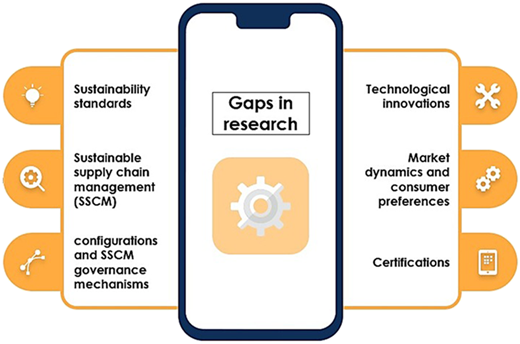
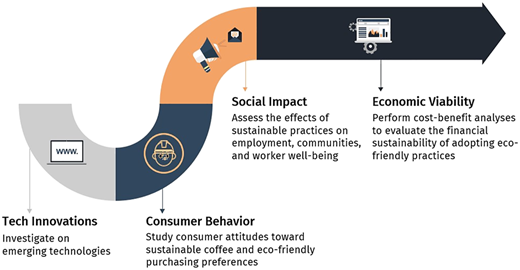
Starbucks developed one of the first and most widely used coffee applications in 2011 (Lombardi et al., 2021), which allows customers to order and pick up coffee in stores. It became a popular tool during Covid-19, where users maintained social distancing and received contactless pickup. However, it requires users to download multiple apps for different coffee chains, which can be a challenge due to storage limitations or learning curves (Parmar et al., 2022). A study by Liu et al. (2023) found that over 60% of users find it frustrating when a business requires an app installation to place an order and almost 80% admit that this has caused them to stop a transaction. Mobile applications in the coffee industry improve crop yield and quality by providing timely updates on weather conditions, pest outbreaks and best practices, facilitating data collection and sharing for farmers (Che’Ya et al., 2022; Fabregas et al., 2019). Coffee enthusiasts worldwide appreciate the precision in coffee production, leading to innovation and increased expectations. Furthermore, ingredient specifications have gained popularity, with customers being more aware of the origin, roast degree and taste profiles of coffee beans used in their favorite beverages (Simedru and Becze, 2023). Coffee shop operators must properly source their beans and give information to customers due to the growing need for transparency and understanding of coffee origins. The consumer-driven trend has led to the growth of specialty coffee shops and micro-roasters promoting sustainability and ethical methods. Mobile devices and applications are crucial for logistics management, establishing supplier relationships and improving customer service (Partridge, 2011). Future research directions include the development of integrated frameworks that leverage blockchain, RFID and mobile applications to create end-to-end traceability solutions for CSCs. However, several challenges must be addressed to realize the full potential of these technologies. These include data privacy concerns, interoperability issues between different technological platforms and the need for standardized protocols for data exchange (Kitsos, 2016; Matharu et al., 2014). A centralized coffee app with diverse establishments could alleviate industry stakeholders’ burden by offering a single platform for accessing multiple supply chain points. The proposed application offers a comprehensive solution to the challenges faced in the CSC, integrating innovation management to align with sustainability goals and consumer preferences. Research gaps in CSC sustainability include sustainability standards, technological innovations and market dynamics (Figure 1). Challenges include insufficient empirical studies on sustainable development and limited exploration across sectors and geographic locations. Further, there is a pressing need to investigate sustainable SCM configurations and governance mechanisms to establish more robust frameworks. Moreover, research gaps in scaling technological innovations, understanding consumer preferences and evaluating the effectiveness of certification schemes demand attention. Addressing these issues requires systematic and interdisciplinary approaches. Implementing applications that consolidate supply chain information can increase consumer engagement and provide insights into customer preferences. Future research should prioritize socio-economic impacts for equitable benefits.
Table 1 provides a comprehensive summary of research on coffee industry sustainability, addressing areas like governance, technology, climate change, certifications and social responsibility. It highlights research gaps, including the need for greater focus on smallholder farmers, technology scalability, social and economic aspects and empirical studies, emphasizing the role of systematic reviews in guiding sustainable practices and decision-making.
3. Methodology
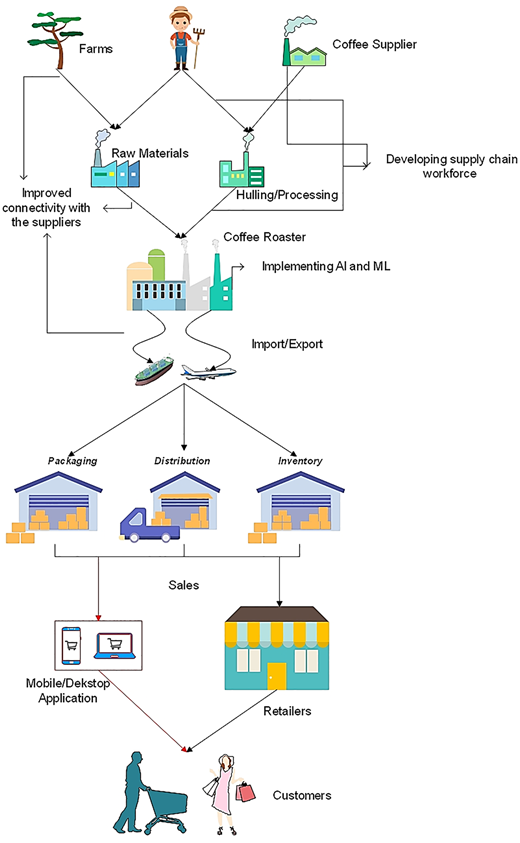
The dynamics within the coffee SCM encompass not only the physical movement of beans but also intricate economic, social and environmental interactions (Rivera et al., 2020). Factors such as trade relationships (Valkila et al., 2010), sustainability practices (Proença et al., 2022), market fluctuations (Barham and Weber, 2012) and consumer preferences (Ufer et al., 2019) influence every stage of the CSC. Figure 2 illustrates the end-to-end flow of the CSC, detailing its stages and technological interventions. It begins at farms, where enhanced supplier connectivity improves raw material data collection. Hulling and processing follow, with coffee roasters using artificial intelligence and machine learning to optimize operations. The import/export stage facilitates global distribution, while packaging, distribution and inventory management are streamlined by digital tools. A mobile/desktop application connects the supply chain to retailers and customers, enabling real-time order tracking, recycling initiatives, promoting efficiency and sustainability.
The digital era has revolutionized the CSC, enabling coffee shops to boost sales through digital payments, online ordering and customized beverage options. The proposed mobile app aims to enhance this experience by providing a streamlined platform for purchasing, distributing and selling coffee. Customers can explore and order their favourite coffees, with expedited payment mechanisms eliminating the need for cash or credit at pickup. The app focuses on customization, catering to specific preferences and efficient order pickups via nearby collection points. This adaptability improves convenience, accessibility and supply chain efficiency while reducing costs, fuel consumption, environmental impact and waste. By bridging technology with the coffee industry, the app appeals to manufacturers and customers alike, fostering transparency, customer loyalty and revenue growth for participating businesses. The following are the objectives of designing this application for the CSC.
To support small and medium-sized businesses in optimizing their inventory management.
To oversee delivery times and track orders effectively.
To build a user-friendly platform for seamless SCM for industries.
To provide manufacturers with insights into alternative suppliers in the marketplace.
To incentivize timely delivery of components by suppliers through a rewards system.
To create a cost-effective marketing platform aimed at boosting the growth of local enterprises.
The design of an online data monitoring system via a mobile application begins with the “Supplier Association,” which inputs data on certifications, seed types and fertilizer use. Farmers then record real-time harvesting details, including crop varieties, humidity and temperature. The process splits into two modules: the “Logistics Module,” tracking shipment details, exporter/importer IDs and transportation and the “Plant Module,” managing processing times, batch quantities, moisture levels, fan speed, temperatures and roasting details. These data streams converge at the “Data Aggregator” (Data Acquisition Unit) for compilation and analysis, providing customers with comprehensive insights via the mobile app. This system emphasizes seamless integration and collaboration in data tracking from field to consumer.
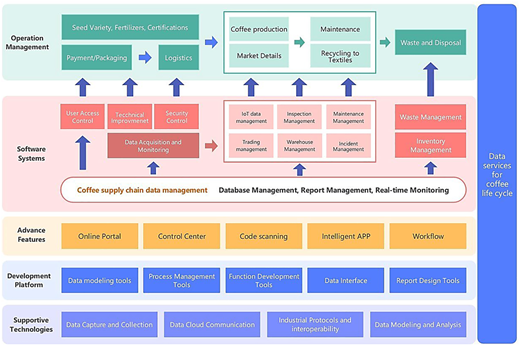
Figure 3 outlines a CSC data management framework that includes operational activities like seed selection, certifications, logistics, payment, packaging, recycling and waste disposal. Software systems support these operations through data acquisition, IoT management, inspection, warehouse management and inventory tracking. This structured approach streamlines operations, enhances sustainability tracking and ensures traceability.
4. Steps to develop a mobile application for the coffee supply chain
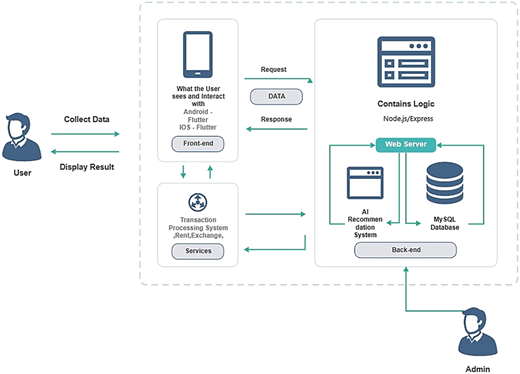
Figure 4 illustrates a simplified architecture for a mobile application designed for AI-driven coffee SCM. The user interface (UI), built with Flutter for Android and iOS, functions as the front end for customer interaction. Data requests and responses are handled via a web server powered by Node.js, connecting the front end with a back end that includes a MySQL database and an AI recommendation system to deliver intelligent insights. Additional features include a transaction processing system supporting rental, exchange and other services. The admin interface manages database operations, logic execution and system controls, ensuring robust communication, real-time data processing and efficient service delivery. The development process for this mobile application involves six key steps: Firstly, defining requirements and architecture sets the foundation by selecting appropriate technologies and designing features to meet supply chain needs. Secondly, designing UI/UX ensures an intuitive user experience through wireframing, prototyping and iterative improvements. Thirdly, backend development establishes a secure and scalable database with REpresentational State Transfer (RESTful) Application Programming Interfaces (APIs) for real-time data interaction and authentication using technologies like MySQL and JSON web tokens (JWT). Fourthly, frontend development connects UI screens to backend services, ensuring data validation and error handling for a cohesive UI. Fifthly, rigorous testing across unit, integration and user acceptance levels verifies functionality and reliability. Finally, deployment involves setting up cloud infrastructure, publishing the application and implementing maintenance plans to ensure ongoing performance and user satisfaction.
4.1 Step 1: define requirements and architecture
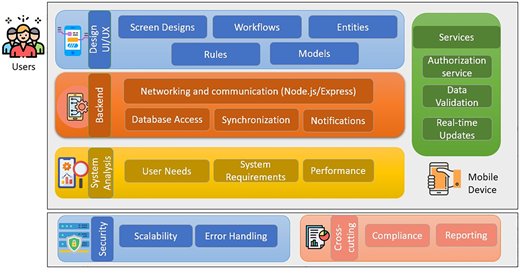
The design emphasizes modularity, scalability and systematic organization to support the digitization of the supply chain. Mobile functionality is tailored for field-based operations, while security and compliance layers ensure adherence to regulatory standards. This foundational step aligns the application with stakeholder needs while leveraging advanced technologies to enhance efficiency and transparency. Key elements in defining requirements and architecture include selecting technologies and designing features tailored to the CSC. Cross-platform technologies ensure maximum market penetration and accessibility. Integrating RFID, QR codes and GPS enables real-time tracking, adding to the application’s functionality. The frontend is developed using Flutter for cross-platform compatibility, while the backend leverages Node.js/Express for server-side logic and secure API integration. This comprehensive and systematic approach creates an efficient, transparent and sustainable solution for coffee SCM, as illustrated in Figure 5.
4.1.1 Technical specifications for platform design of Android and iOS
Developing a mobile application for both Android and iOS ensure broad market reach and accessibility, as these platforms dominate the global mobile user base. Using cross-platform frameworks like Flutter streamlines development by maintaining a single codebase for both platforms. For backend development, Node.js with Express is chosen for its scalability, performance and robust ecosystem, supporting RESTful APIs and real-time capabilities crucial for a supply chain application. The backend architecture manages user authentication, data storage and real-time data processing, with API endpoints handling server-side logic. PostgreSQL, a powerful relational database, ensures ACID compliance (atomicity, consistency, isolation and durability) for reliable data integrity. Its support for complex queries and structured data makes it ideal for managing user information, transaction records, logs, sensor data and inventory management. Features like RFID and QR code scanning enable product tracking at various supply chain stages, while GPS ensures precise shipment tracking and delivery monitoring.
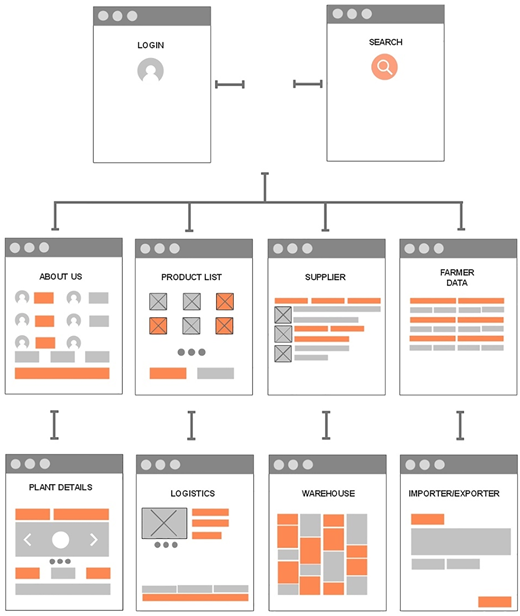
Figure 6 outlines the hierarchical information architecture of the CSC system, structured through multi-tiered navigation and authentication (LOGIN). The architecture comprises four primary modules:
Organizational information (ABOUT US) provides details on coffee varieties, types, certifications and manufacturers.
Product catalog management (PRODUCT LIST) connects to logistics management functionality for streamlined operations.
The supplier relationship management (SUPPLIER) module integrates farms, suppliers and warehouse management capabilities.
Coffee data analytics (FARMER DATA) links to import/export operations and offers real-time accessibility to all processing stages.
4.1.2 Features and functionalities
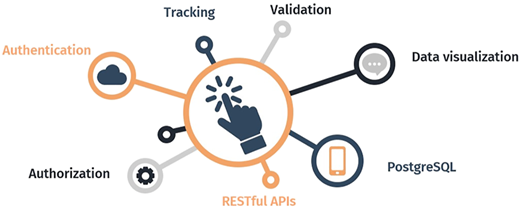
Central to the system is the integration of RESTful APIs, forming the communication backbone for data exchange, real-time notifications and monitoring dashboards to track key operational metrics in real-time. The authentication module employs JWT for secure user access, encrypting credentials and using token-based verification to protect routes and ensure secure interactions.
The authorization framework implements role-based access control (RBAC), restricting API endpoints and functionality based on user roles. This safeguards sensitive data and prevents unauthorized access. The tracking component utilizes RFID, QR code scanning and GPS technologies to enable end-to-end traceability of coffee beans, products and shipments, ensuring transparency across the supply chain.
The validation layer uses libraries like Zod to rigorously validate incoming data, protecting against malicious inputs and maintaining data integrity. Data visualization tools such as D3.js generate interactive analytics and trend reports, enabling stakeholders to make informed decisions through intuitive graphical representations of operational data.
At the core of the data management infrastructure is PostgreSQL, a relational database adhering to ACID principles, providing reliable and scalable structured data storage. This modular and integrated architecture is optimized for real-time performance, scalability and compliance with advanced data management standards (Figure 7).
4.2 Step 2: design UI/UX
The second step in developing a mobile application focuses on designing the UI and user experience (UX). The process involves creating wireframes, prototypes and detailed screen designs, followed by user testing and iterative improvements.
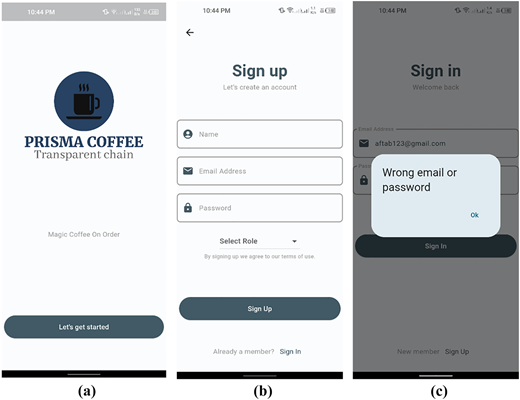
Login and registration screen: facilitates secure user authentication and new user registration, enabling personalized experiences. During registration, users enter specific details such as name, email, password and role (e.g. farm inspector, harvester, processor, shipper or customer), as illustrated in Figure 8. Secure login is implemented using OAuth 2.0, with JWT tokens for session management and nodes.JS/Express APIs are employed for user registration and authentication.
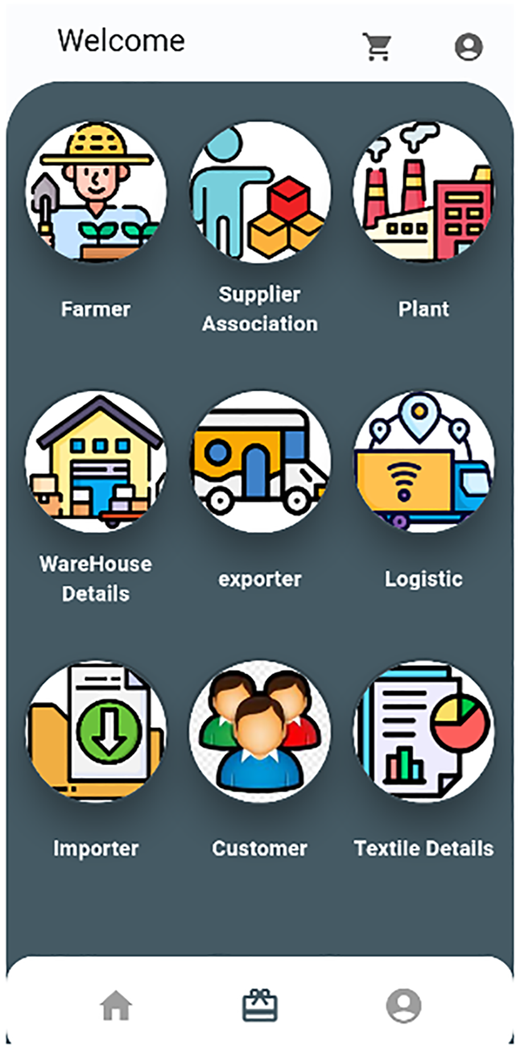
Dashboard: The dashboard, depicted in Figure 9, provides an overview of the supply chain status and role-specific functionalities. It includes widgets, notifications and real-time updates, utilizing the D3.js library for dynamic visualizations of key metrics and alerts. RESTful APIs ensure backend integration and real-time data fetching.
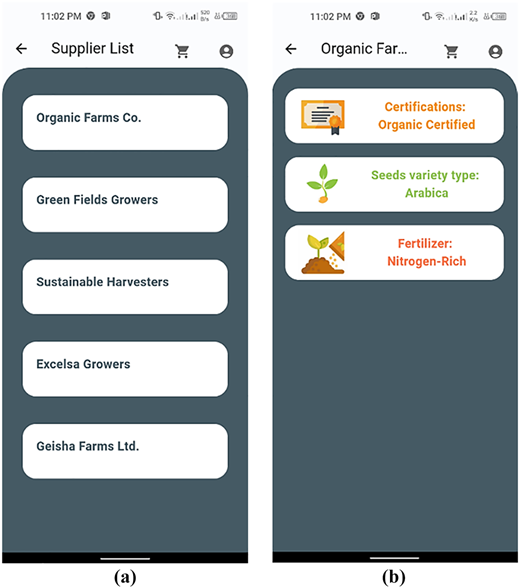
Supplier association Screen: The first screen, shown in Figure 10, is designed for suppliers to manage raw material data from farmers to plants and monitor coffee farming details. Data entry fields for a selected farmer include coffee seeds, fertilizer types and certifications. Suppliers can submit inspection data, monitor real-time metrics and receive alerts for deviations using IoT sensors. The data are stored in PostgreSQL for traceability, with updated records.
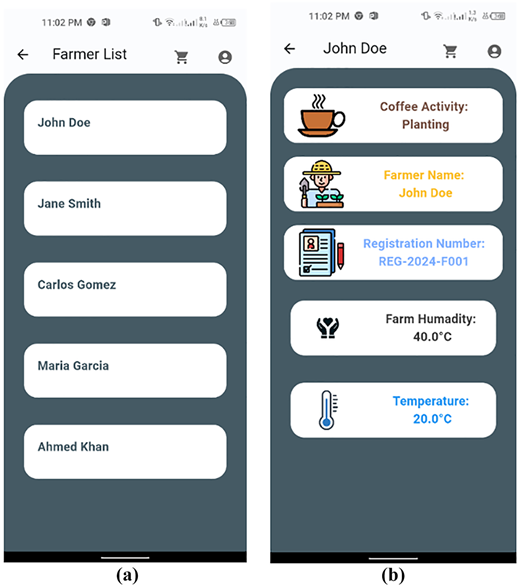
Farmer screen: The screens presented in Figure 11 enable harvesters to log coffee bean collection and quality control details. Data entry fields include the quantity of beans, farmer details and quality control metrics such as humidity and temperature, monitored via sensors. Harvesters can upload photos and timestamps to track progress and ensure quality, with the data updating inventory records and triggering quality control workflows.
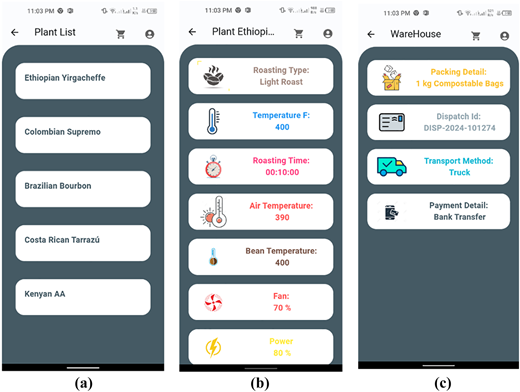
Coffee plant processing screen: The screens, shown in Figure 12, are designed for factory workers and administrators to manage sorting, roasting and packaging processes. They capture details such as size, color, quality control checks, roasting parameters, batch numbers, processing dates and packaging information. These data are synced with production management systems for transparent record-keeping and is linked to warehousing details. It also helps processors track payment information, transportation methods, dispatch IDs and packaging stages using QR code scanning.
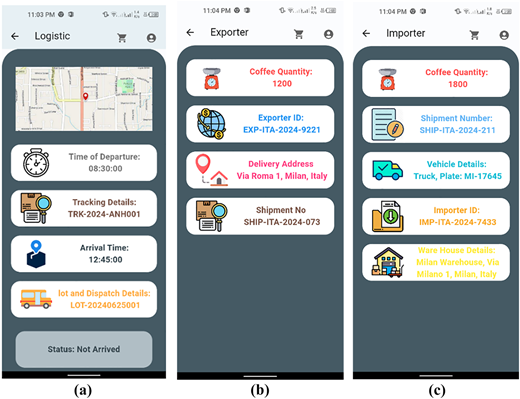
Shipper screen: It enables shippers to manage and track shipments, ensuring accurate delivery records. They cover all stages of the process, including imports, exports and logistics, as given in Figure 13. Data fields include quantities shipped, invoice numbers, importer IDs, delivery addresses, shipment numbers, warehouse data, lots and dispatch details. The system manages shipments, generates and sends invoices and tracks shipments using GPS. At the backend, it links shipment data with inventory and customer orders in real-time.
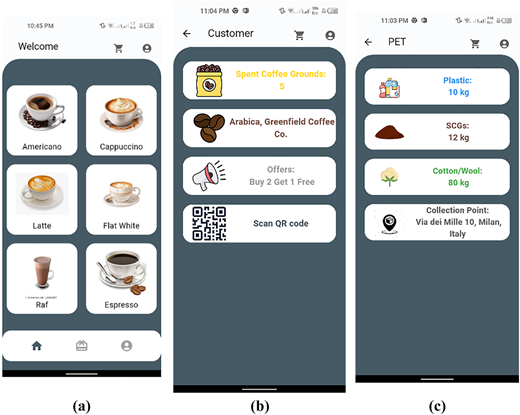
Customer Screen: The screens, shown in Figure 14, allow customers to register, log in and submit materials for recycling. They can track the origin, processing and type of coffee and also monitor the status of their orders. The purpose of these screens is to connect customers with management systems and recycling centers, providing real-time updates on recycling status. The data can be transferred to recycling centers for processing, enabling industrial symbiosis, where spent coffee grounds are repurposed as raw material for the textile industry.
For wireframing and prototyping, Figma is used to create initial wireframes and interactive prototypes. User feedback is used to conduct usability testing with stakeholders to gather feedback and make iterative improvements. Comprehensive testing is conducted, including unit tests, integration tests and user acceptance testing (UAT), to ensure functionality and performance.
4.3 Step 3: backend development
The third step in developing the mobile application for the CSC focuses on backend development. This involves setting up a robust and scalable database, developing APIs for data interaction and ensuring secure authentication and real-time updates. This step is critical to managing complex data interactions and providing seamless connectivity between the front end and the back end.
4.3.1 Set database
PostgreSQL database is chosen for its robustness, flexibility and scalability, suitable for handling diverse data structures. Define the schema to create tables and relationships. Develop RESTful APIs to perform Create, Read, Update and Delete operations on each entity, such as/API/users/farmers/supplier/processing/shipments/orders/reports for managing user accounts. In the middleware layer, the following actions are performed to increase security:
Authentication: JWTs are used for secure user authentication with verification tokens applied on protected routes.
Authorization: Roles and permissions are defined to restrict access to specific API endpoints based on user roles.
Validation: The Zod library is applied to validate incoming data, ensuring data integrity and preventing malicious input.
RESTful APIs enable instant notifications and data synchronization between the server and client via the Node.js library. Connections to relevant endpoints are established to push updates for inspection alerts, shipment status changes and new reports. Unit testing is conducted for each API endpoint using testing frameworks to ensure smooth functionality across the application. Automated testing and deployment are facilitated through GitHub actions, with the backend configuration deployed on cloud platforms like Google Cloud. Docker is used for containerization and Kubernetes for orchestration, laying the foundation for integrated data management and connectivity.
4.4 Step 4: frontend development
The frontend development step involves implementing the UI screens, connecting these screens to the backend services and ensuring data validation and error handling mechanisms. The goal is to create a seamless, user-friendly experience across all roles within the supply chain.
4.4.1 Implement UI screens
The authors have chosen the Flutter framework because it allows building mobile applications using the Dart language (like C++). It enables the sharing of majority of code between iOS and Android. Each screen will be implemented as a separate component or widget. Detailed code snippets for the screen designs, including the login and registration screens, dashboard and other key functionalities, are provided to illustrate the practical application of the chosen technologies and frameworks. These code examples offer insight into the specific techniques used to achieve cross-platform compatibility, real-time data updates and secure user authentication. For a comprehensive view of the screen design code, please refer to Appendix A, where each screen’s implementation is documented.
4.4.2 Connect to backend
Use the HTTP library in Flutter to make API calls. Services or providers are created to manage API requests and responses.
API integrations:
Login user function:
Future<void> loginUser(String username, String password) async {
final url = Uri.parse(“https://coffee-backend-dtyy.onrender.com/v1/auth/login”);//Replace with your actual URL
final body = jsonEncode({“email”: username, “password”: password});
try {
final response = await http.post(url, body: body, headers: {“Content-Type”: “application/json”});
if (response.statusCode = = 200) {
successfulLogin = true;
//Login successful! Parse the response for access token or other data
final data = jsonDecode(response.body);
print(data);
roleGot = data[“user”][“role.name”];
return data;
//Handle successful login (e.g. store token, navigate to home screen)
} else {
successfulLogin = false;
//Handle login failure (e.g. show error message
}
} catch (error) {
//Handle network errors
}
}
Fetch data function:
Future < List<dynamic>> fetchData({required String category}) async {
final response = await http.get(Uri.parse(“https://coffee-backend-dtyy.onrender.com/v1/$category”));
if (response.statusCode = = 200) {
//Parse the JSON
List<dynamic> list = jsonDecode(response.body);
return list;
} else {
//Handle the error
throw Exception(“Failed to load data”);
}
}
Signup function:
Future<bool> createAlbum(String title, String email, String password, String role) async {
print(“role: $role”);
final response = await http.post(
Uri.parse(“https://coffee-backend-dtyy.onrender.com/v1/auth/register”),
headers: <String, String>{
“Content-Type”: “application/json; charset = UTF-8”,
},
body: jsonEncode(<String, String>{
“name”: title,
“email”: email,
“password”: password,
“role”: role
}),
);
if (response.statusCode = = 201) {
//If the server did return a 201 CREATED response,
//then parse the JSON.
return true;
} else {
return false;
//If the server did not return a 201 CREATED response,
//then throw an exception.
throw Exception(“Failed to create album.”);
}
}
4.4.3 WebSocket integration for real-time updates
By integrating REST APIs and WebSocket, authors updated the application in real-time, where RESTful APIs fetched initial data effectively and then listened to WebSocket for real-time updates. RESTful APIs using Axios or Fetch and WebSocket using web_socket_channel to handle real-time calls.
4.4.4 Data validation and error handling
To ensure all input fields are correctly validated using form validation techniques. The validation library’s built-in form validation in Flutter is used.
4.4.5 Error handling
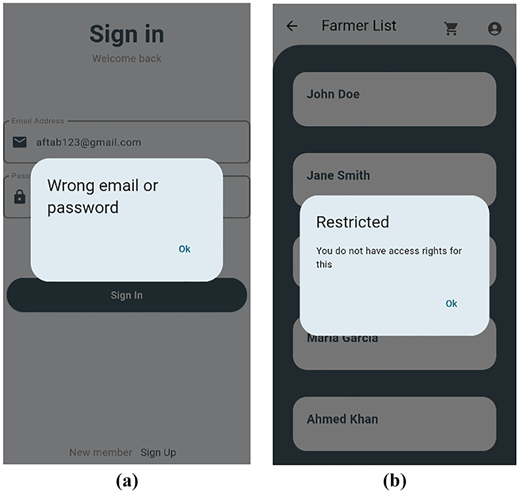
Implemented error handling for network issues, invalid data and server errors to display appropriate error messages to the user as represented in Figure 15.
4.5 Step 5: testing
Testing is the fifth step in ensuring that the mobile application for the CSC is reliable, functional and user-friendly. This phase involves several levels of testing, including unit testing, integration testing and UAT, where unit testing is to verify that individual components and functions work as expected, integration testing ensures that different parts of the application (frontend and backend) work together so that data flows smoothly across modules and UAT validates the application with real users from each role. Each testing level aims to identify and resolve issues at different stages of the application to ensure a robust and seamless user experience.
4.6 Step 6: deployment
Deployment is the final phase in developing a mobile application for the CSC. It involves setting up Google Cloud services to certify scalability and reliability for the backend and database, publishing the mobile application to app stores for easy accessibility to users and implementing a monitoring and maintenance plan for regular updates and user satisfaction. This comprehensive approach to deployment ensures that the CSC mobile application operates efficiently in a real-world environment and meets the evolving needs of its users.
Table 2 outlines a systematic blueprint for developing a mobile application for the CSC, detailing essential features, technological solutions and their contributions to enhancing efficiency, transparency and user experience.
This methodology ensures the mobile application is technically robust and aligned with the CSC’s practical needs and industry 5.0 principles. Comprehensive testing and an adaptable deployment strategy ensure the application’s reliability and scalability.
5. Discussion
This study’s findings contribute significantly to the literature on innovation management within SCM. By integrating theories of collaborative innovation management and digital transformation, the research demonstrates how the proposed application fosters Industry 5.0 principles, emphasizing human-centric and sustainable innovation (Mouazen et al., 2025).
5.1 Technological implications for enhanced traceability and quality control
The application enhances traceability and transparency by collecting real-time data, ensuring only high-quality beans are used and helping fight counterfeiting and unethical practices. Quality control checks at the harvesting and processing stages reduce product recalls and improve brand reputation (Tian, 2017). Although blockchain offers advantages in data security and transparency, challenges in connecting different technologies make integration difficult. Existing blockchain and IoT solutions operate on heterogeneous protocols, leading to compatibility issues when integrating with conventional SCM software. As highlighted in Longo’s study on smallholders, standardizing data structures and communication protocols remains critical for technology scalability and usability across different agricultural settings (Longo et al., 2023). Moreover, the implementation of these advanced technologies raises significant data privacy concerns. While blockchain enhances security through decentralization, unauthorized access to immutable records could compromise sensitive trade and financial data. Furthermore, smallholder farmers may have limited control over how their data are utilized, necessitating the development of privacy-preserving mechanisms such as homomorphic encryption and GDPR-compliant frameworks to safeguard digital transactions (Kholaif et al., 2023). These innovations adhere to ISO 9001 and ISO 14001 standards, enhancing visibility for smallholder farmers and supporting fair market participation, thereby addressing traditional disparities. Advanced analytics support Industry 5.0’s focus on collaboration and digital innovation, helping stakeholders create value and achieve sustainability goals.
5.2 Economic implications for operational efficiency and cost reduction
The proposed application improves supply chain efficiency by reducing operational inefficiencies. Real-time data monitoring enhances coordination among stakeholders, enabling optimized shipment tracking, reducing delays and cutting costs by up to 20%. According to the World Economic Forum, digital transformations in logistics can lower operational costs by 15%. Inventory management is optimized through better control over raw materials and finished goods, reducing carrying costs by 15–25%, as noted by CSCMP, 2014. Predictive analytics further enhance decision-making, ensuring effective customer service and significant cost savings. Deploying IoT sensors and blockchain nodes requires significant upfront capital and the energy-intensive nature of blockchain validation processes increases operational costs. These financial constraints limit adoption rates among economically vulnerable stakeholders. To facilitate technology diffusion, alternative financing models such as microfinance initiatives, government-backed digital infrastructure programs and cooperative cost-sharing mechanisms must be explored. Lightweight and cost-effective blockchain frameworks, with lower computational needs, make the system more affordable and accessible (Longo et al., 2023).
5.3 Implications for stakeholders: fostering collaborative value solutions
This application has far-reaching implications for stakeholders in the coffee sector. This work shows how collaborative innovation concepts can help stakeholders manage the value chain, improve innovation networks and adapt to market changes as observed by Yu et al. (2024). Farmers benefit from real-time data input, supporting precision agriculture and improving yield quality by up to 15% (Gebbers and Adamchuk, 2010). A centralized platform enhances collaboration among stakeholders, fostering value creation. Processors and factory operators benefit from improved batch tracking and quality assurance, reducing waste and enhancing efficiency. The platform supports circular economy principles by enabling recycling initiatives, such as using spent coffee grounds for byproducts, reducing environmental impact and creating new revenue streams. Shippers benefit from optimized logistics management, real-time shipment tracking and improved inventory management, aligning with JIT principles, minimizing storage costs and improving delivery reliability. For consumers, it offers transparency, building trust through origin tracking and real-time order updates, which increases consumer loyalty by up to 30%, meeting the growing demand for ethically sourced products. This approach demonstrates how digital transformation and interdisciplinary collaboration can address inefficiencies and promote a sustainable coffee industry.
5.4 Contribution to innovation management
This study contributes to innovation management by highlighting how digital tools enhance the CSC’s efficiency and transparency through real-time data, traceability and quality control, addressing critical global supply chain challenges. It aligns with Industry 5.0 principles, highlighting the capacity of digital innovations to generate value at organizational, industrial and societal levels. Building on prior research by Nicoletti and Appolloni (2024) on environmentally sustainable logistics and Zangara and Filice (2024) on fair trade, this study integrates these elements with digital innovation. Blockchain and real-time monitoring in the application help reduce fraud and inefficiency. The application promotes collaboration and data-driven decisions, aligning with innovation ecosystem principles to enhance transparency and trust (Morales-Alonso et al., 2024). Features like consumer-facing transparency and recycling initiatives further promote circular economy practices, driving participation in sustainability efforts by up to 25% (Mastos et al., 2021). This research demonstrates how interdisciplinary approaches can address challenges, manage innovation and create scalable solutions that apply globally, beyond the coffee industry.
5.5 Evaluation of the proposed solution
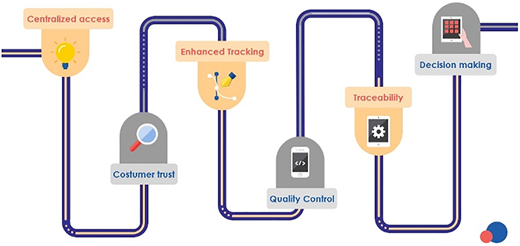
The designed application optimizes the CSC by addressing multifaceted challenges and ensuring regulatory compliance. It stands as a testament to how technological innovation can be harnessed to promote efficiency, sustainability and stakeholder satisfaction in global supply chains and contributes to innovation management literature. The integration of multiple beneficial outcomes through a progressive flow architecture is illustrated in Figure 16, which includes
Centralized access implementation: The system initiates with centralized access functionality, indicating comprehensive data accessibility and information consolidation. This centralization facilitates unified control over supply chain operations and standardizes information dissemination protocols.
Consumer trust enhancement: The architecture incorporates trust-building mechanisms, suggesting enhanced transparency in product verification and authentication processes. This feature addresses the critical aspect of consumer confidence in product providence and authenticity.
Enhanced tracking capabilities: The system implements sophisticated tracking methodologies, enabling real-time monitoring of coffee products throughout the supply chain range. This functionality provides granular visibility into product movement and handling processes.
Quality control integration: A mobile-centric quality control mechanism indicates the implementation of systematic quality assurance protocols. This component ensures adherence to predetermined quality standards and specifications throughout the supply chain.
Traceability and decision support: The architecture supports advanced traceability features and decision-making capabilities. This integration enables data-driven decision-making processes while maintaining comprehensive product traceability throughout the supply chain lifecycle.
These functionalities create a cohesive technological ecosystem, leveraging modern mobile technologies to address common industry problems, providing measurable benefits to stakeholders throughout the value chain.
Table 3 given below provides a detailed analysis of how the mobile application’s features address challenges in the CSC while delivering tangible benefits and ensuring compliance with key certifications and regulations.
This study emphasizes stakeholder collaboration in traceability systems for innovation-driven sustainability in SCM, fostering trust and collaboration among diverse stakeholders and aligning with open innovation principles to create scalable, replicable solutions for the coffee industry.
5.6 Future research endeavors
Future research in the CSC should address several critical barriers to technology adoption, particularly in rural coffee-growing regions (Figure 17). These areas often face inadequate digital infrastructure, which significantly hinders the widespread deployment of technologies such as IoT and blockchain. Specific regions, particularly those in sub-Saharan Africa and Latin America, continue to struggle with connectivity issues that prevent the adoption of advanced technologies. Overcoming these barriers requires targeted research into developing low-cost, scalable solutions tailored to these regions’ unique needs.
Moreover, interoperability issues remain a key challenge in integrating various technological platforms within the CSC (Zacharewicz et al., 2016). The existing enterprise information systems (EIS) often lack communication across different levels, data, services and processes, due to mismatches in the underlying models and languages used by different stakeholders. Current efforts to standardize these systems, including the use of semantic web technologies for ontology alignment, show promise but are still in the experimental phase. Research should focus on refining these semantic matching techniques to improve the interoperability of supply chain systems, ensuring that different platforms can work together efficiently.
In addition to technical barriers, the implementation of advanced technologies such as IoT and blockchain raises significant concerns about data privacy and security. As these technologies collect and transmit sensitive data, it is crucial to develop secure protocols that protect against breaches and misuse. Research should investigate robust encryption methods, secure data storage solutions and compliance with global data privacy regulations to ensure the integrity and confidentiality of information across the supply chain.
From an economic perspective, the high costs associated with deploying IoT and blockchain technologies remain a significant hurdle, especially for smallholder farmers and smaller enterprises. On average, the initial cost of setting up IoT systems in agriculture can exceed USD 10,000 per farm, including hardware, software and installation fees. This is prohibitively expensive for many smallholders, who often lack access to capital or financial support. Blockchain technology also carries high setup costs due to its need for specialized infrastructure and expertise. Research into cost-effective solutions, such as leveraging existing mobile networks for data collection or exploring shared blockchain infrastructure, can help reduce these financial barriers. Furthermore, cost-benefit analyses should explore potential subsidies or microfinancing models to support smallholder adoption of these technologies.
Finally, future studies should focus on the broader social impacts of these technologies. Research should examine their potential to improve livelihoods, enhance employment opportunities and foster community development. Understanding the social dynamics at play such as labor displacement concerns or changes in market access will be essential for designing policies that promote inclusive growth in the coffee sector.
6. Coffee supply chain platforms
Several platforms are currently utilized within the CSC to enhance production, processing, distribution and customer services, showcasing the integration of innovation management practices. These platforms leverage cutting-edge technologies, such as blockchain for traceability and AI-driven analytics for demand forecasting, to streamline operations and ensure compliance with sustainability standards. The shift in market dynamics between offline and online retail channels for coffee products highlights the impact of digital innovation. Offline retail, while maintaining dominance, has gradually declined from 98.7% in 2017 to 94.8% in 2028, whereas online retail has steadily grown from 1.3 to 5.2% during the same period, as illustrated in Table 4. This evolution underscores the role of innovation management in fostering digital transformation, enhancing consumer engagement and addressing sustainability challenges within the CSC.
Moreover, over the past decade, there has been a notable shift in Internet traffic for coffee platforms, with desktop usage declining from 66.3 to 56.3%, while mobile usage has increased from 33.7 to 43.7% from 2018 to 2028, as shown in Table 5. These trends underscore changing consumer preferences and the increasing digitalization of coffee consumption and usage patterns.
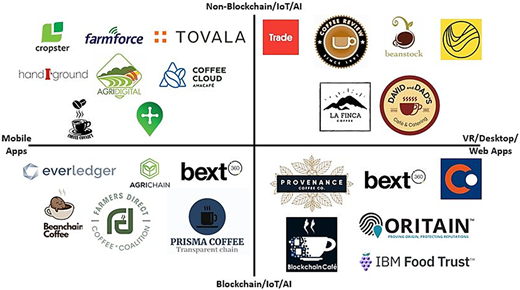
The map shown in Figure 18 of CSC applications provides a comprehensive overview categorized by access mode, virtual reality devices, desktop/web browsers and mobile apps and the technology powering their internal economy, distinguishing between blockchain/IoT and non-blockchain/IoT solutions. Notable platforms include Trade Coffee and Cropster Roast for desktop users seeking personalized recommendations and coffee roasting management, respectively. The inclusion of Provenance and IBM Food Trust highlights blockchain’s role in ensuring transparency across supply chains, while mobile apps like Cropster and AgriDigital facilitate on-the-go production management and digital contract tracking.
7. Conclusion
In conclusion, this study contributes to innovation management literature by presenting a comprehensive digital solution for the CSC. It integrates principles of open innovation, design thinking and collaborative ecosystems, demonstrating their application in achieving transparency, traceability and sustainability. It illustrates how collaborative management principles can be applied to create shared value among stakeholders. The study highlights how real-time inventory tracking, blockchain, IoT and mobile access improve efficiency and sustainability. The application optimizes production, streamlines logistics and addresses consumer demands for ethical sourcing while ensuring quality control through remote monitoring of environmental conditions. The novelty lies in integrating advanced technologies tailored to the CSC, providing a comprehensive solution to sector-specific operational and sustainability challenges. However, limitations such as interoperability issues, data security concerns and high IoT deployment costs persist. Future research should explore improving data standardization, blockchain scalability and cost-effective IoT solutions for smallholder farmers. Furthermore, assessing the socio-economic impacts of mobile applications on coffee-producing communities and their long-term sustainability implications will be essential for shaping future strategies. It should also focus on empirical case studies that assess adoption patterns in different regional contexts and the effectiveness of policy interventions in facilitating digital technology uptake among smallholder farmers. Establishing industry-wide technical standards and developing scalable, low-cost blockchain solutions will be essential for ensuring the widespread adoption and long-term sustainability of these innovations. These efforts will be crucial for advancing mobile applications’ effectiveness and scalability in the CSC, ensuring their role in driving innovation management and sustainability.
We acknowledge financial support under the National Recovery and Resilience Plan (NRRP), Mission 4, Component 2, Investment 1.1, Call for Tender No. 104 published on 2.2.2022 by the Italian Ministry of University and Research (MUR), funded by the European Union – NextGenerationEU – Project Title PRISMA Platform (Physical Internet RegeneratIve Sustainable MAterials) – CUP I53D23001660006 – Grant Assignment Decree No. 961 adopted on 30/June/2023 by the Italian Ministry of University and Research (MUR).
The supplementary material for this article can be found online.