This paper aims to present a systematic literature review of peer-reviewed research to explore women’s roles in building resilience and responding to humanitarian crises through logistics operations. It also investigates the main obstacles against their involvement and leading and lists the gender-responsive measures suggested to improve women’s empowerment in humanitarian supply chain management.
The authors performed a systematic literature review using the Preferred Reporting Items for Systematic Reviews and Meta-Analyses 2020 methodology. The analysis was based on 48 articles (n = 48) published in various crisis contexts (e.g. natural disasters, armed conflicts, pandemics and refugee crises). Thematic synthesis was used to structure the findings according to the three main research questions.
Women are critical in humanitarian logistics as leaders, logisticians, community responders and caregivers. However, socio-cultural norms, institutional discriminations, economic marginalisation and susceptibility to health-related issues limit their empowerment and leadership. Five major strategic themes are proposed for addressing these gaps: capacity development, strengthening of grassroots, policy-related reforms, health and well-being interventions and restoration of livelihoods. These lines of action correspond to operational, on one side, and policy, on the other, measures for an inclusive humanitarian response model.
The reviewed literature reveals several limitations: geographic skewness, with an overrepresentation of studies from South Asia and underrepresentation from Latin America and East Africa; a prevalence of qualitative case studies over large-scale quantitative and mixed-methods research; and a lack of intersectional analyses, resulting in limited disaggregation of results by race, class, ability or age.
Findings can inform the creation of policies that explicitly promote gender equality within organisations involved in humanitarian logistics. Policymakers can use these insights to draft guidelines that ensure women are included in decision-making processes at all levels. Humanitarian organisations can reassess their resource allocation strategies to ensure that women have access to the necessary tools and resources to perform their roles effectively. This includes access to funding, technology and logistical support tailored to their needs.
The literature review indicates a need for more inclusive research methodologies. By promoting the inclusion of diverse voices, especially from underrepresented regions, the study advocates for broader perspectives on women’s contributions in crises, potentially leading to more equitable practices. Addressing the lack of intersectional analyses, the study emphasises the importance of understanding how race, class, ability and age interact with gender in humanitarian contexts. This understanding could inform more tailored support mechanisms that address the unique challenges faced by different groups of women.
This paper broadens the scope of humanitarian logistics literature by focusing on gender as a fundamental framework for analysis. It offers a comprehensive, evidence-based, conceptual framework for researchers, practitioners and policymakers interested in mainstreaming gender equity and resilience-building in humanitarian logistics.
1. Introduction
The world is experiencing unprecedented humanitarian logistics crises, including those associated with armed conflict, forced migration and climate change disasters. These crises are occurring with increasing frequency, placing unprecedented demands on humanitarian logistics systems, which must rapidly scale, operate sustainably and accommodate increasingly complex requirements. The extant literature indicates that women’s leadership and involvement in these settings are an overlooked yet indispensable resource for building resilient and inclusive supply chains.
Recent studies have highlighted the overlap between gender equality, environmental sustainability, community-driven initiatives and climate resilience and adaptation. For example, sustainable humanitarian supply chains improve operational efficiency and environmental responsibility, aligning logistical performance with sustainability and well-being (Anjomshoae et al., 2025). Additionally, humanitarian sector organisations, such as the International Committee of the Red Cross, are now considering incorporating sustainability into their strategies and practices, indicating a positive trend towards greener logistics (Zarei, 2022).
Yet, systemic inequities endure. History shows that crises heighten gender inequalities: women bear disproportionate care responsibilities, including unpaid care work, compared to men, as they face fewer economic and leadership opportunities (Lafrenière et al., 2019). Critical gender-specific needs, such as menstrual hygiene management (MHM) and reproductive health, are often overlooked in logistics planning (Anjum et al., 2019; Wilbur et al., 2022). At the same time, structural barriers such as patriarchal constraints, exclusion from leadership roles and increased exposure to gender-based violence (GBV) impede women’s ongoing participation in humanitarian efforts (Zadhy and Erman, 2023; Sharma et al., 2020).
So far, academic discourse has essentially depicted women as beneficiaries of aid rather than as agents of resilience. Existing reviews often focus on specific contexts, such as post-disaster recovery or health service delivery (Clissold et al., 2020; Yamout et al., 2024), rather than adopting a holistic, cross-contextual perspective. A comprehensive synthesis across different crisis contexts (e.g. refugee camps, conflict zones, natural disasters) is urgently required to examine the roles women play and the challenges they face in supporting resilience and implementing gender-responsive approaches to ensure more meaningful inclusion of women in humanitarian supply chains.
To address this gap, the current study systematically reviews the literature on women’s roles, capacities and resilience-enhancing contributions within humanitarian logistics systems across diverse crisis settings.
Specific research questions:
How do women contribute to resilience-building and crisis-response efforts within humanitarian logistics operations?
What barriers hinder women’s empowerment, participation and leadership in humanitarian supply chains across different crisis contexts?
What resilient, gender-responsive strategies and pathways have been identified to enhance women’s roles and influence in humanitarian logistics?
By synthesising evidence from 48 studies across multiple humanitarian contexts, this review demonstrates that women’s participation is central to building resilient humanitarian logistics systems and identifies systemic pathways through which supply chains can become more gender-responsive and inclusive, thereby advancing gender-transformative and participatory approaches to humanitarianism grounded in sustainability, social justice and resilience.
2. Literature review
2.1 Women’s contributions to resilience-building in humanitarian logistics
Recent scholarship increasingly recognises gender as a critical analytical lens in humanitarian logistics, particularly for resilience-building in crisis contexts (Pardasani, 2022; Hashemi et al., 2023). Rather than being passive recipients of aid, women are now conceptualised as active agents whose logistical knowledge, social connectivity and caregiving roles contribute directly to the effectiveness and adaptability of humanitarian supply chains (Oloruntoba and Sridhar, 2021; Bealt and Mansouri, 2022). Drawing on resilience theory, these contributions are increasingly understood as relational and community-embedded, rooted in women’s proximity to households, informal networks and local governance structures (Clevenger and Fortunato, 2022; Aldrich and Meyer, 2015).
Feminist humanitarian scholars argue that dominant logistics models have historically been constructed around masculinised assumptions of efficiency, mobility and command-and-control organisation, which marginalise women’s forms of labour and leadership as informal or peripheral (Enloe, 2014; Bradshaw and Fordham, 2013). As a result, women’s contributions to planning, coordination and decision-making continue to be under-theorised within supply chain research (van Wassenhove and Pedraza-Martinez, 2020). This theoretical gap reinforces what scholars refer to as the “gender invisibility problem”, whereby women’s labour is essential to system functioning but systematically excluded from formal recognition and measurement (Chant, 2016; Kabeer, 2016).
In refugee and epidemic settings, female humanitarian workers have been shown to access vulnerable populations more effectively in cultures where gender norms restrict male–female interaction (Akter et al., 2023). Similar findings emerge from disaster recovery settings, where women’s leadership within households and community groups contributes to trust-building, coordination and sustained recovery (Hou and Wu, 2020; Clissold et al., 2020). Despite this growing evidence base, the quantitative measurement of women’s contributions to humanitarian logistics remains limited. Much of the empirical literature relies on case studies and descriptive accounts, with few efforts to systematically track women’s roles through performance indicators or resilience metrics (Tatham and Kovács, 2022; Kovács and Spens, 2022). Consequently, women’s participation is often framed as anecdotal rather than institutionalised, thereby weakening both policy translation and theoretical development. In this study, we therefore pose this research question: RQ1: How do women contribute to resilience-building and crisis response efforts within humanitarian logistics operations?
2.2 Barriers to women’s empowerment and leadership in humanitarian logistics
Despite the critical roles women perform in humanitarian logistics, substantial barriers continue to constrain their full participation and advancement. Persistent cultural and organisational biases, the absence of gender-sensitive policies and heightened safety risks in field operations remain widely documented impediments (Gralla et al., 2021; Kovács and Tatham, 2023). These challenges are further intensified in conflict-affected and strongly patriarchal contexts, where the humanitarian logistics workforce remains predominantly male-dominated.
Humanitarian agencies frequently lack robust mechanisms for collecting sex-disaggregated data or monitoring gender representation within logistics functions, resulting in women’s continued underrepresentation at strategic and decision-making levels (Thomas and Rock Kopczak, 2021). Moreover, women engaged in field-based logistics roles often report limited access to training, mentoring opportunities and leadership development pathways, which restricts upward mobility and reinforces occupational segregation (Irani et al., 2024).
Exposure to GBV and harassment serves as a significant extra deterrent to women’s participation in humanitarian operations. Organisational risk assessments rarely incorporate gender-specific security concerns, which increases women’s vulnerability during field deployments and discourages ongoing involvement in logistics roles (Oloruntoba and Kovács, 2023).
Furthermore, the limited representation of women in leadership roles, alongside emergency supply chain designs that fail to account for women’s unique needs and capacities, exacerbates existing structural disadvantages (Schulz and Blecken, 2020). These issues reflect not only operational failings but also deeply rooted institutional biases that influence recruitment, deployment and promotion practices. In this context, this study addresses the following research question (RQ2): What barriers impede women’s empowerment, participation and leadership in humanitarian supply chains across different crisis scenarios?
2.3 Gender-responsive strategies and pathways for inclusive humanitarian logistics
Emerging literature advocates transformative strategies that go beyond gender mainstreaming towards genuine gender empowerment in humanitarian logistics (Parmar et al., 2023). Provision of gender-responsive procurement, participatory planning and community-level capacity building efforts are increasingly regarded as powerful approaches to foster women’s participation in supply chain governance and operations (Hasnat and Rahman, 2024).
Some organisations, such as the World Food Programme and CARE International, are trialling gender equity audits and leadership development for women from the Global South as logisticians (Tatham et al., 2021). These attempts have produced positive results in terms of influencing the representation of women in decision-making and supply chain performance across diverse team settings.
Digital technology and mobile-based platforms have also facilitated new forms of female involvement in logistics and stock management, particularly in situations where mobility or access to physical space is limited (Burkart et al., 2024). Gender-smart innovation in logistics also has the potential to support resilience by promoting gender-responsive distribution networks in crises that account for the needs of the most marginalised communities.
But there is more to resilient pathways than a shift in policy focus; they also require systemic change in organisational culture, resource allocation and accountability mechanisms. Therefore, research studies need to include gender-sensitive indicators in the measurement of humanitarian Logistics performance and resilience (Kovács and Spens, 2022). Thus, the research question: RQ3: What resilient, gender-responsive strategies and pathways have been identified to enhance women’s roles and influence in humanitarian logistics?
3. Methodology
3.1 Design of the study
The methodology adopted in this study is a systematic literature review (SLR) following Preferred Reporting Items for Systematic Reviews and Meta-Analyses (PRISMA) guidelines for transparency, summary and rigour. The rationale for the design was driven by the urgency for evidence-based knowledge on gender dynamics within humanitarian logistics, especially as global disasters increased and the demand for inclusive response mechanisms heightened. An integrative review of peer-reviewed literature across a range of humanitarian contexts was undertaken to critically analyse the engagement, reinforcement and impact of women within humanitarian logistics systems. This structured process enables the identification of priority themes, gaps and practice-based interventions for gender equity in humanitarian action.
3.2 Search strategy
The initial search strategy aimed to develop a comprehensive knowledge base at the intersection of humanitarian logistics, disaster response and gender. The identified studies were systematically searched in three major academic databases (Web of Science, Scopus and Semantic Scholar) through March 2024. Search terms combined text words and MeSH terms for “humanitarian logistics”, “disaster response”, “supply chain”, “women”, “female participation”, “gender equality”, “humanitarian response” and “resilience”. We also used the Boolean operators to increase search sensitivity and precision.
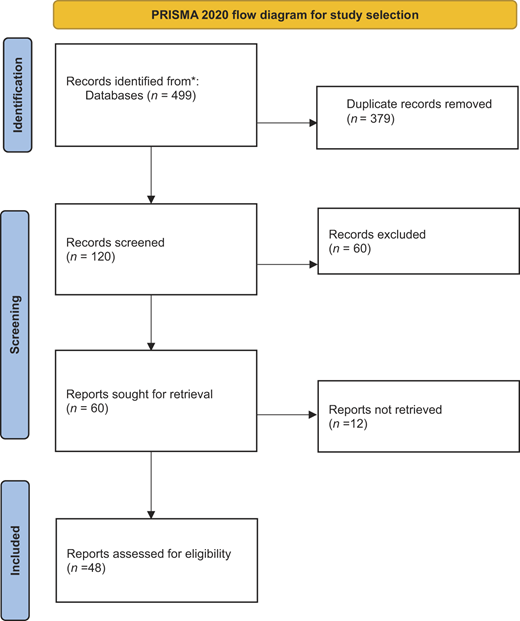
The search resulted in 499 papers, which were screened for potential inclusion. All retrieved papers were exported to reference management software to help remove duplicates and facilitate further screening.
3.3 Screening and eligibility requirements
Article selection strictly followed the PRISMA guidelines. A two-step screening process was used, whereby full-texts were screened for eligibility after screening of titles and abstracts with pre-set inclusion and exclusion criteria.
Eligible studies included empirical research or systematic reviews conducted within humanitarian crisis settings, such as natural disasters, refugee crises, conflicts or pandemics. Additionally, further research was needed to focus on women’s roles in humanitarian logistics, including beneficiaries, practitioners, leaders and decision-makers. Only English literature was considered. Opinion articles, theoretical models that were not evidence-based, technical reports lacking a human focus and studies without gender analysis were excluded. After applying these criteria, 48 studies were included in the final review. The PRISMA flow chart was prepared to document the review process, ensuring transparency and reproducibility (Figure 1).
3.4 Data extraction and assessment of the studies
The systematic assessment and data extraction were conducted based on the search, appraisal, synthesis and analysis (SALSA) framework. Detailed information on authors, study context, type of disaster, focus on women’s roles and study methods was extracted from all included studies. Extraction templates were developed in advance to ensure consistency and minimise researchers’ bias in data recording.
An informal appraisal of the methodological quality of the studies was conducted by examining the clarity of the research design, the strength of the data collection and analysis and their applicability to the research aims. However, Formal quality appraisal was not used, and those studies with poor methodological clarity and relevance were excluded during screening.
The detailed description of the 48 eligible studies is shown in Table 1. The included studies come from different parts of the world (South Asia, sub-Saharan Africa, Latin America, the Middle East) and address various types of humanitarian crises (floods, earthquakes, armed conflict, refugee displacement and pandemics).
3.5 Synthesis of findings
Key themes and subthemes were identified through inductive coding derived directly from the data. Open coding was employed to identify patterns relating to women’s contribution to humanitarian logistics, systemic and contextual challenges and strategies for fostering a gender-responsive supply chain.
Themes that emerged included the active roles that women played as logisticians, health workers and town planners (Clissold et al., 2020; Hou and Wu, 2020), the barriers posed by patriarchal norms and lack of resources to their engagement (Zadhy and Erman, 2023; Luna and Hilhorst, 2022) and their increased participation when education, inclusive policies and local partnerships provided greater support (Wolff, 2024; Toma et al., 2018). Particular emphasis was placed on gender-specific operational needs (e.g. MHM (Anjum et al., 2019; Schmitt et al., 2017) and reproductive health services (Beek et al., 2019).
The thematic synthesis was mapped against the three research questions to establish whether the findings directly addressed the original review preferences.
3.6 Analytical approach
After synthesis, a comparison was made to identify similarities and differences of the findings across diverse humanitarian settings. For example, parallels with women’s struggles to recover in the post-disaster context were drawn from Nepal (Luna and Hilhorst, 2022) and compared to the lives of Syrian refugee women in Jordan and Turkey (Sidhva et al., 2021; Zadhy and Erman, 2023). This methodological stance enabled the analysis to consider how cultural, political and logistical factors affect women’s experiences and opportunities in humanitarian supply chains.
In addition, variations were examined across disaster types. Findings and barriers identified in conflict-affected situations (e.g. Nigeria) (Okeke-Ihejirika et al., 2022) were synthesised with evidence generated from natural disasters (Cyclone Idai responses in Mozambique) (Castañeda Carney et al., 2020) and flood-affected settings (Bangladesh) (Ahmed, 2019).
3.7 Study limitations
Despite our efforts to make our review as comprehensive as possible, some limitations must be acknowledged. There may have been an English-language publishing bias that omitted contributions from non-English-speaking regions. It under-represented grey literature, and unpublished field reports frequently document grassroots women’s voices. Furthermore, most included studies were cross-sectional, making it impossible to assess the long-term impact of empowerment.
Notwithstanding these constraints, the crosscutting framework of PRISMA and SALSA (Figure 1), the systematic consolidation of 48 studies following validation, and the close alignment with the posed research questions further strengthen this review’s credibility and academic contribution.
4. Results
4.1 Characteristics of included studies
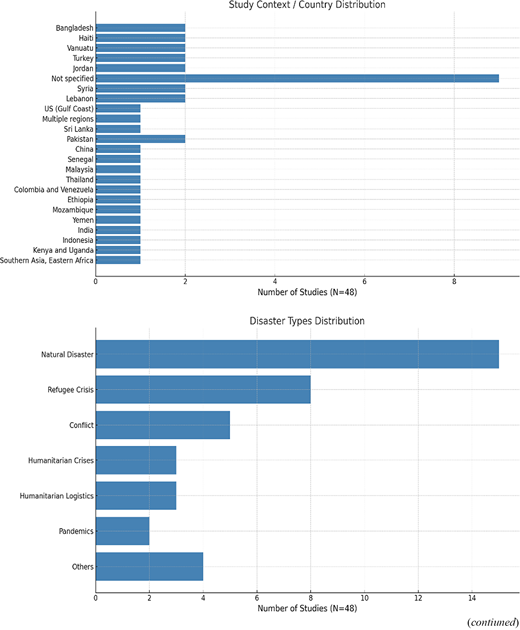
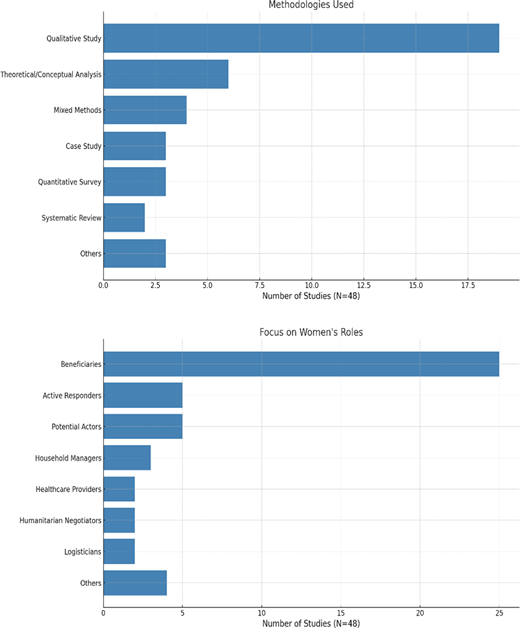
This section and Figure 2 provide a detailed description of the 48 studies included in the systematic literature review. The traits are grouped into four dimensions: study context, disaster type, methodological approach and the focus on the role of women.
4.1.1 Study context
The included studies cover various humanitarian settings with diverse geographic distributions. Bangladesh, Haiti, Vanuatu, Turkey and Jordan were featured in two studies. Nine studies did not mention a specific country and were related to general humanitarian operations. Among other individual countries represented only once are Pakistan, China, Senegal, Malaysia, Thailand, Ethiopia, Mozambique, Yemen, India, Indonesia, Colombia and Venezuela. Several studies targeted multiple areas simultaneously, and one study had a worldwide scope. This geographic variation illustrates the cross-contextual nature of the research on the role of women in humanitarian logistics.
4.1.2 Disaster type
The most common study context was natural disasters (15 studies), including floods, earthquakes, cyclones and droughts. The next type of context most enjoyed was refugee crises (8 studies), followed by conflicts (5 studies), humanitarian crises (3 studies) and humanitarian logistics (3 studies). Three studies focused on pandemic interventions (including COVID-19), and the remainder (n = 4) addressed a variety of other disasters. The preponderance of natural disaster settings highlights the vital importance of women’s functions in sudden-onset emergencies.
4.1.3 Methodological approach
Various research techniques were used. Most studies were qualitative, with 19 using qualitative designs such as case studies, interviews and ethnography. Theoretical/conceptual analysis was a feature in six studies, four of which used mixed methods. Three studies were case studies, and three were quantitative surveys. Two systematic reviews were identified. This methodological variety indicates an evidence base best described as extensive but almost entirely qualitative, an area ripe for empirical investigation and theoretical explication.
4.1.4 Focus on women’s roles
The analysis of women’s roles revealed that most (n = 25) of the studies examined women as recipients of humanitarian aid. Five studies also focused on women actively responding to disasters, and another five on women as participants in supply chains and disaster response. Other specific roles highlighted included household managers, medical workers, humanitarian negotiators and logistical personnel, each appearing in two to three papers. This distribution indicates that, despite some evidence of increased agency, research primarily views women in humanitarian logistics not as actors, patrons or leaders but as recipients.
4.2 Findings for RQ1: women’s contributions to resilience-building and crisis response in humanitarian logistics operations
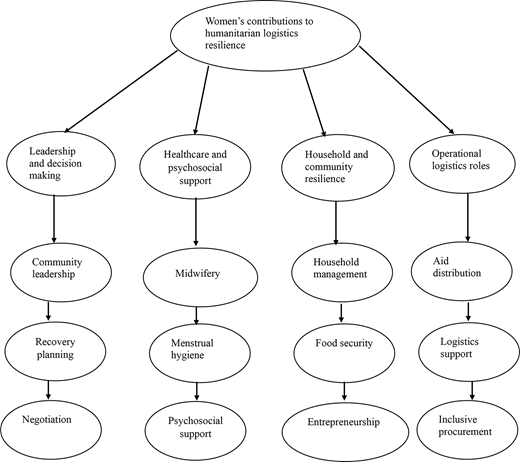
This review systematically examined 48 articles to explore how women contribute to resilience-building and crisis response in humanitarian logistics. The findings were categorised into four key thematic areas, as in Figure 3. These themes include the following:
leadership and decision-making;
health and psychosocial support;
household and community resilience; and
operations and logistics support.
4.2.1 Leadership and decision-making
Women often became essential leaders in times of crisis, assuming roles beyond the customary maternal roles. Tables 2 and 3 and Figure 3 illustrate that women’s leadership contribution positively influences the promotion, mobilisation and participation of the community in recovery planning, negotiation and advocacy processes.
Clissold et al. (2020) described the leadership taken by women in the recovery of their communities in Vanuatu. Similarly, women shifted from emergency rescuers to decision-makers in post-earthquake reconstruction in rural China, according to Hou and Wu (2020). du Pasquier (2016) has also drawn attention to the involvement of women in frontline humanitarian negotiations in military conflicts. These examples demonstrate women’s leadership in the home and community and in institutional efforts to raise crisis resilience.
4.2.2 Medical and psychosocial care
Women were at the frontline of health care and psychosocial care provision during crises. Their contributions included midwifery, MHM and psychosocial support, as summarised in Figure 3.
Beek et al. (2019) highlighted the importance of midwives in continuing maternal and child health services in conflict and disaster settings. Wilbur et al. (2022) underscored the challenges and the critical need to address menstrual hygiene needs among displaced girls and women with disabilities. During disaster recovery, Richter and Flowers (2008) demonstrated that culturally relevant, gender-sensitive psychosocial interventions were necessary. These results emphasise the critical role of women in sustaining community health resilience during crises.
4.2.3 Household and community resilience
The position of women in resilience at the household and community levels was evident. As illustrated in Figure 3, contributions can be classified into household-level management, efforts to increase food security and small-business activities to re-establish livelihoods after a disaster.
Rationing of resources for caregiving and other forms of household management by women was reported by Ahmed (2019) and CARE International (2021) to be critical for maintaining families during displacement and in disaster response and recovery. Muro (2016) reflected on how women were instrumental in enhancing food security during a post-disaster humanitarian emergency in Senegal. Aladuwaka (2010) demonstrated that women-run cooperatives in post-tsunami India facilitated community economic recovery. Though these roles were informal and overlooked, they were essential for the community’s resilience and ability to rebuild in the long term.
4.2.4 Operations and logistics support
These illustrate the dimensions of each function in humanitarian logistics. Women also participated in the operational aspects of humanitarian logistics. As Figure 3 shows, their collaborative efforts involved the distribution of aid, logistics and lobbying for inclusive, gender-sensitive procurement.
Eksi et al. (2022) reported the willingness of female volunteers to participate in disaster logistics in Turkey. Kovács and Tatham (2010) called for greater gender diversity in logistics operations to avoid excluding voices from the decision-making process. Likewise, International Rescue Committee (IRC) and United Nations High Commissioner for Refugees (2020) documented women’s critical volunteer work delivering assistance in refugee camps in Kenya and Uganda. Despite various obstacles, women’s operational involvement enhanced the adaptability and comprehensiveness of humanitarian supply chain systems.
Building on the various contributions identified in Section 3.2, it is necessary to acknowledge that women’s involvement in humanitarian logistics is not simply a matter of opportunities but continuing, enduring barriers. Despite women’s active participation in leadership and service provision at the household, community and operational levels, diverse structural, cultural and institutional obstacles hinder their full participation. To gain a complete understanding of this, we now turn, in the following subsection, to key barriers that impede women’s empowerment, participation and leadership across different humanitarian crisis contexts.
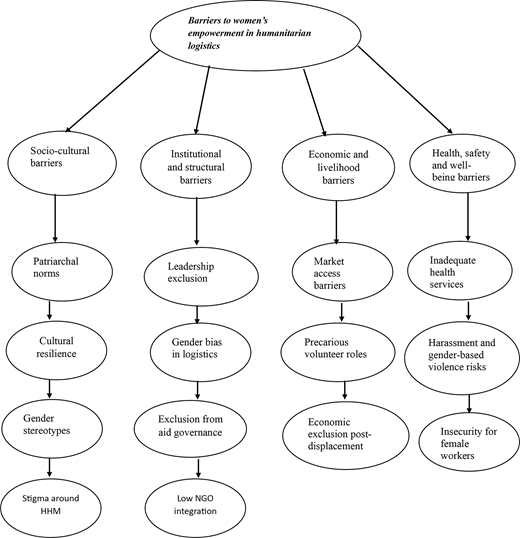
Analysis of 48 studies identified multiple interrelated barriers that inhibit women’s empowerment, participation and leadership in humanitarian logistics. Figure 4 summarises the barriers obstructing women’s empowerment, participation and leadership in humanitarian logistics operations (thematic map). These obstacles were synthesised into four main thematic barriers:
socio-cultural barriers;
institutional and structural barriers;
economic and livelihood barriers; and
health, safety and well-being barriers.
4.3 Socio-cultural barriers
There is a strong underpinning of embedded socio-cultural norms that restrict women’s involvement in humanitarian logistics interventions. Figure 4 shows that patriarchal norms, cultural barriers to leadership of women, gender stereotypes and stigma related to awareness of (MHM) were prevalent barriers.
For example, Ahmed (2019) and Al Fara (2024) found that in Bangladesh and conflict-affected areas, women continue to be marginalised in leadership and logistics as a result of patriarchal systems. Valleys, Clissold et al. (2020) identified cultural barriers. (2020) in Vanuatu added a further barrier to active participation for women in disaster recovery leadership. Richter and Flowers (2008) described the stigma associated with women’s health needs as a barrier to prompt humanitarian assistance. These socio-cultural barriers lead to systemic exclusion, constraining both short-term response and longer-term resilience.
4.3.1 Systemic and structural barriers
In addition to cultural norms, women encounter formidable institutional and structural obstacles within humanitarian supply chains. These barriers, including underrepresentation in leadership roles, gender bias in logistics employment, exclusion from governance structures of aid, and insufficient inclusion in NGO-led relief efforts, are presented in Figure 4. Kovács and Tatham (2010) and Kovács et al. (2011) also observed gender bias in logistic and procurement systems as an obstacle to women’s progress to operational and leadership positions. Additionally, International Rescue Committee (IRC) and United Nations High Commissioner for Refugees (2020) highlighted how women were sidelined in logistics service delivery in refugee camps in Kenya and Uganda. According to Wolff (2024), women’s leadership capacities in local non-governmental organisation (NGO)s are frequently underutilised because of structural biases. These structural exclusions continue to ensure that decision-making in humanitarian logistics systems is dominated by men at the expense of more inclusive and effective forms of intervention.
4.3.2 Economic and livelihood constraints
A further barrier for women in crisis is economic disempowerment. Barriers, including lack of market access, insecure volunteer roles, marginalisation from sustainable livelihoods and economic insecurity in the aftermath of displacement, are illustrated in Figure 4. Muro (2016) found that in Senegal, women were confronted with challenges of access to food systems and agricultural recovery in a context of gendered labour divisions. The research of Castañeda Carney et al. (2020), i.e. Okeke-Ihejirika et al. (2022) found that displaced women most frequently participated in informal or insecure volunteer work without long-term support and recognition. Economic marginalisation not only limits women’s immediate resilience but also erodes their potential to attain more secure leadership positions within humanitarian supply chains.
4.3.3 Barriers to health, safety and well-being
The third category is women’s health, safety and well-being issues in humanitarian contexts. As shown in Tables 2 and 3 and visualised in Figure 4, these barriers were related to insufficient reproductive health care, increased exposure to harassment and GBV and unsafe feelings for female health-care and logistic workers.
Hirani et al. (2021) and Schmitt et al. (2017) highlighted the neglect of women’s specific health needs, such as breastfeeding support and MHM, in disaster settings. Yamout et al. (2024) emphasised the vulnerabilities of female health workers during post-disaster recovery in Lebanon. Such findings underscore the importance of humanitarian logistics systems in integrating strong health and safety protocols explicitly aimed at women’s vulnerability during crises.
Although the above highlights the barriers that continue to hinder women’s empowerment and leadership in humanitarian logistics, it is important to consider the solutions proposed for these challenges. Four studies in the review identified resilient, gender-sensitive pathways to strengthen women’s ability to participate and influence in various humanitarian settings at family, community, regional and national levels. The following section (Section 3.4) integrates these strategies. How to improve access to the humanitarian logistics system for people with disabilities, 88, to provide best practices and innovative responses for developing more inclusive humanitarian logistics systems. RQ3: What are the robust, gender-sensitive strategies and pathways to promote the role and influence of women in humanitarian logistics?
4.4 Findings for RQ3: strategies to enhance women’s roles in humanitarian logistics
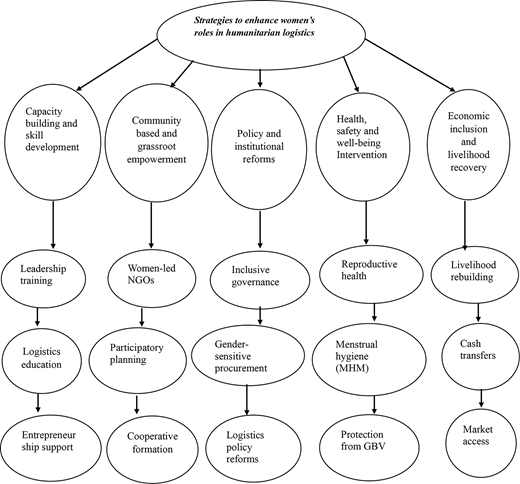
This review examined various gender-responsive strategies proposed or introduced to address the systemic barriers outlined above and to improve women’s participation and leadership in humanitarian logistics. These approaches have been synthesised (from the 48 studies identified) into five key thematic categories:
capacity building and skills training;
community-based and grassroots empowerment;
policy and institutional reforms;
health and well-being interventions; and
economic inclusion and livelihood restoration (Table 6).
They are also visually shown in Figure 5.
4.4.1 Training and skill formation
Training and developing capacity were key to promoting women’s leadership and technical involvement in humanitarian supply chains. Some studies focused on formal and informal education, leadership programs and technical training as key channels.
For instance, CARE International (2021) and Toma et al. (2018) showed convincing results from leadership and logistics training of displaced women in Jordan and Lebanon. Kovács et al. (2011) described interventions in training and mentoring for women in technical logistics roles as part of targeted recruitment programs. Aladuwaka (2010) provides an example of the role of entrepreneurship and microfinance training in cooperatives that emerged in India following the tsunami, in building women’s agency and economic security. The same strategies make sense in K-12 education, particularly the consistent demand for building long-term capacity rather than episodic inclusion.
4.4.2 Community and grassroots empowerment
A second prominent theme underscored the need for locally embedded women-led institutions. From the bottom up, local initiatives contributed to the development of resilience and the integration of logistics. Ahmed (2019) and Clissold et al. (2020) identified community recovery efforts in which women assumed organising and leadership duties. Wolff (2024) reported a similar development of local women-led NGOs in Malawi that incorporated logistics and response planning. Luna and Hilhorst (2022) showed that women’s informal leadership post-earthquake in Nepal was followed by a more cohesive community and improved disaster preparedness. These studies remind us that sustainable empowerment frequently begins at the community level, not by others but by the community itself.
4.4.3 Policy and institutional transformation
Institutional change was also identified as a key requirement. Research findings advocated for the mainstreaming of gender analysis into humanitarian logistics policies, decision-making and operational protocols.
Kovács and Tatham (2010) and International Rescue Committee (IRC) and United Nations High Commissioner for Refugees (2020) recommended reforms, including inclusive procurement practices, the creation of gender-sensitive warehouses and representation on governance bodies. Sharma et al. (2020) used the COVID-19 response to illustrate the common neglect of gender and argued for its systematic inclusion in policy frameworks. These reforms seek to create proactive, rather than reactive, systems for deepening gender equality.
4.4.4 Interventions for health and well-being
Some strategies focused on women’s particular health and protection needs in crisis settings. The interventions targeted the preservation of access to reproductive health services, the provision of maternal care, the management of menstrual hygiene and GBV.
Beek et al. (2019) and Hirani et al. (2021) highlighted the importance of reproductive and breastfeeding support in displacement. Wilbur et al. (2022) and Schmitt et al. (2017) recommend incorporating MHM into humanitarian water, sanitation and hygiene activities. It did not just make good humanitarian sense to take these health-focused measures, but also operational sense – allowing women to be mobile, present and safe in logistics spaces.
4.4.5 Economic inclusion and livelihoods recovery
Finally, several studies highlighted economic interventions as fundamental in sustaining women’s influence in humanitarian logistics. Support to livelihood, emergency cash, market access and entrepreneurship development were the most frequently mentioned channels.
Muro (2016) described gender-sensitive food security interventions in Senegal that facilitated women’s involvement in supply chains. Castañeda Carney et al. (2020) and Okeke-Ihejirika et al. (2022) stressed the need for focused livelihood reconstruction initiatives for displaced and conflict-affected women. These interventions provided an immediate economic respite and a pathway to longer-term involvement in humanitarian logistics.
Figure 5 presents the conceptual map of top thematic strategies and approaches identified for strengthening women’s empowerment, participation and leadership in humanitarian logistics operations. Strategies are nested within five broad themes: capacity building and skills training; community-led and grassroots empowerment; policy and institutional reform; health and well-being intervention; and economic inclusion and livelihood restoration. Specific actions within each thematic cluster are planned activities intended to promote gender-responsive resilience-building within the humanitarian supply chain.
5. Discussion and implications
5.1 Theoretical implications
The review adds to theory development in gender-inclusive humanitarian logistics by criticising a male-based approach, which has previously overlooked intersectional gender analysis. Though existing literature tends to depict women as victims or beneficiaries, this research pulls together existing evidence of women as logisticians, health responders and community organisers (Ahmed, Beek et al., 2019; Wolff, 2024).
By bringing together various functions that women perform, which stem from stable households and maintained supply chains, as well as their central role in local networks of assistance, this adaptation calls for an expansion of the theory (praxis) of resilience within logistics to incorporate feminist and intersectional analyses. It also encourages the inclusion of social reproduction theory and community-based resilience models in humanitarian studies contexts (Bradshaw and Fordham, 2013).
The results suggest that including women not only improves logistical results but also changes the resilience of crisis-affected systems. Future theoretical work should integrate gender-specific resilience indicators and develop models that capture the complex vulnerabilities and capacities of women across contexts.
5.2 Empirical implications
Empirically, this review shows that current humanitarian logistics research under-represents women’s lived experiences and systemic challenges. Although 48 studies highlight their (often crucial) roles as logisticians, responders and community leaders, there remains a tendency in the literature to underreport their perspectives in both quantitative and qualitative analyses.
Key empirical barriers include the following:
Social and institutional discrimination (Clissold et al., 2020; Kovács et al., 2011).
Health and safety harms, including GBV and reproductive health limitations (Hirani et al., 2021; Schmitt et al., 2017).
Inclusive and gender-diverse leadership and data: low representation and lack of sex-disaggregated data in supply chain research (International Rescue Committee (IRC) and United Nations High Commissioner for Refugees, 2020).
Evidence also indicates that women’s leadership in logistics operations enhances reach, trust and flexibility in crisis response. However, comprehensive, multi-sectoral programmes that promote women’s empowerment within logistics systems remain scarce. Clearly, there is an urgent need for long-term, comparative and participatory ethnographic research on the effects of interventions, which documents not only women’s contributions but also the impact on structural exclusion.
5.3 Policy and managerial implications
The paper advocates for policy innovation and organisational change in humanitarian logistics. Institutional and operational arrangements must shift from token gender mainstreaming to systemic forms of inclusion.
Key strategies for management and policy responses are as follows:
Introducing gender-responsive logistics processes and leadership arrangements (Kovács and Tatham, 2010; Sharma et al., 2020).
Integrating gender equality in procurement policies, recruitment and performance appraisal systems.
Requiring accountability metrics, including equity audits and sex-disaggregated monitoring indicators (CARE International, 2021).
Leadership and development programmes for women in logistics at the management level should concentrate on those employed in logistics roles, both on-site and in decision-making positions. Intersectional hiring frameworks and women-specific risk safety protocols are essential components that organisations should incorporate into their policies. Humanitarian coordination clusters and donor organisations must also tie funding eligibility to gender equality performance to encourage reform.
5.4 Socioeconomic and practical implications
As the review shows, women’s role is often central to community resilience, particularly in fragile contexts. Enhancing their logistical agency helps to promote fairer distribution of aid, speeds up recovery and builds trust within local communities (International Federation of Red Cross and Red Crescent Societies (IFRC), 2020).
This is not only a human rights imperative but also a strategy for cost-effective, scalable crisis response. Economic inclusion programmes such as financial linkages, micro-logistics businesses and women cooperatives for supplies were also found to facilitate the escalation of household and community recovery outcomes (Muro, 2016; Okeke-Ihejirika et al., 2022). Additionally, inclusive humanitarian logistics practices have been associated with the following benefits:
Food security and nutrition results (in particular, children).
Native job creation via branching into procurement.
Community preparedness and establishment of early warning systems.
Practically, organisations should:
Allocate logistics resources specifically for women-led initiatives.
Ensure gender responsive targeting and tracking of beneficiaries.
Include social accountability mechanisms that can capture the delivery of logistics services through a gender lens.
5.5 Technological implications
Digital technology is a crucial enabler of advancing women’s position in humanitarian logistics. However, the study found only limited evidence that technology was being used strategically to empower women and girls in crisis logistics contexts. Promising technologies include:
Mobile platforms for remote coordination and training of female logisticians.
Blockchain tools for transparent, traceable and equitable aid distribution.
Gender-disaggregated logistics information systems that track roles, needs and contributions.
Digital interventions must also be mindful of the digital divide, including low-connectivity settings in which women lack access to mobile data, devices or digital literacy education. The intersection of gender and tech in logistics, therefore, deserves more attention and investment in the academy.
Technology designs should be based on user-centric, gender-sensitive approaches to accommodate women across different levels of literacy, caregiving needs and safety requirements.
5.6 Limitations of existing research
Various limitations were found throughout the reviewed literature. First, geographic skewness persists, with studies disproportionately represented in South Asia and underrepresented in Latin America and East Africa. Second, methodological constraints include the prevalence of qualitative case studies and the absence of large-scale quantitative and mixed-methods research. Third, intersectional analyses remain scarce; there is limited disaggregation of results by race, class, ability or age in much of the work. These absences highlight the need for future research to focus on improving sampling diversity, robust methodological approaches and intersectional gender analysis.
5.7 Directions for future research
Based on these findings, future studies should investigate:
Longitudinal effects of women’s leadership in humanitarian supply chains.
Assessment of gender mainstreaming initiatives in logistics.
Comparative research in various disaster/humanitarian contexts (natural vs conflict-induced).
Trans maritime gender analyses addressing beyond binary male/female categories.
Participatory ways of including women in the process of designing humanitarian logistical strategies.
This type of research would provide greater theoretical understanding and practical ways to achieve fully inclusive humanitarian logistics systems.
6. Conclusion
This systematic literature review set out to examine three core questions: how women contribute to resilience-building and crisis response in humanitarian logistics, what barriers constrain their empowerment and leadership and which gender-responsive strategies are most effective in strengthening their roles. Drawing on evidence from 48 peer-reviewed studies across diverse humanitarian contexts, the review demonstrates that women are not merely beneficiaries of aid but central actors in humanitarian supply chains, as leaders, field logisticians, healthcare providers and community resilience agents.
The findings reveal that women’s contributions span four interconnected domains: leadership and decision-making, health and psychosocial support, household and community resilience and operational logistics support. However, these contributions remain structurally undervalued and underutilised. Socio-cultural norms, institutional exclusion, economic precarity and health and safety risks, including GBV and limited access to reproductive healthcare, continue to restrict women’s full participation and advancement in humanitarian logistics systems.
Notably, the review identifies five strategic pathways that can substantially enhance women’s agency and leadership in humanitarian supply chains: capacity development, grassroots empowerment, institutional and policy reform, health and well-being interventions and livelihood restoration. These pathways are mutually reinforcing and require coordinated action across organisational, community and policy levels. These provide a practical framework for transforming humanitarian logistics from a gender-blind system into one that is resilient, equitable and inclusive.
This study extends the theoretical feminist gender-integrated models in the humanitarian logistics literature, as current models are grounded in masculinist logic that has marginalised women’s agency over time. More concretely, it provides humanitarian organisations with a “roadmap” for integrating gender-conscious strategies into logistics operations, from tokenistic inclusion to system transformation.
However, the review also identifies essential limitations in the available body of research, such as the lack of intersectional analyses, the paucity of longitudinal studies and the geographical focus in a few areas. Filling these gaps requires that future research employ diverse, methodologically robust and intersectionally informed methods.
It is not even an issue of equity, but the only way to develop more flexible, more inclusive and efficient humanitarian responses to a more complex world, more crises and where women’s responsibility for their families is ever more central.
Retraction Notice: The publisher of The Journal of Humanitarian Logistics and Supply Chain Management wishes to retract the article Ntayi JM, Nantongo N, Namagembe S (2026;), “Empowering women in humanitarian logistics: a systematic review of roles, barriers and resilient pathways for inclusive crisis response”. Journal of Humanitarian Logistics and Supply Chain Management, Vol. ahead-of-print No. ahead-of-print. Link to Empowering women in humanitarian logistics: a systematic review of roles, barriers and resilient pathways for inclusive crisis responseLink to the cited article. It has come to our attention that a number of references cited in the article are incorrect or contain significant errors. As a result, the findings of the article cannot be relied upon. As part of the investigation, the authors were asked to provide an explanation for these errors. While the authors cooperated with the investigation, they were unable to provide a satisfactory explanation. The Journal of Humanitarian Logistics and Supply Chain Management author guidelines make it clear that authors must be accountable for the accuracy of their work.